







Search Results for: Five-Step Guide

Master the Core Methods of Coffee Tasting: A Five-Step Pour-Over Coffee Guide from Beginner to Expert
Many people, when faced with a cup of coffee, often struggle to find the right words to describe its flavor. In fact, this is not due to an insufficient vocabulary, but rather because they have not yet mastered the method of tasting. This article will systematically organize the complete framework of coffee tasting for you. Starting from Front Street Coffee's practical experience, it breaks down the five key steps of pour-over coffee tasting to help you build a reusable tasting logic. Whether you are a beginner who has just encountered specialty coffee or an enthusiast hoping to improve your sensory acuity, this method can help you more accurately capture the aroma, acidity, sweetness, and aftertaste of coffee in every brewing and tasting session, and truly understand what a cup of coffee is trying to express. [more…]
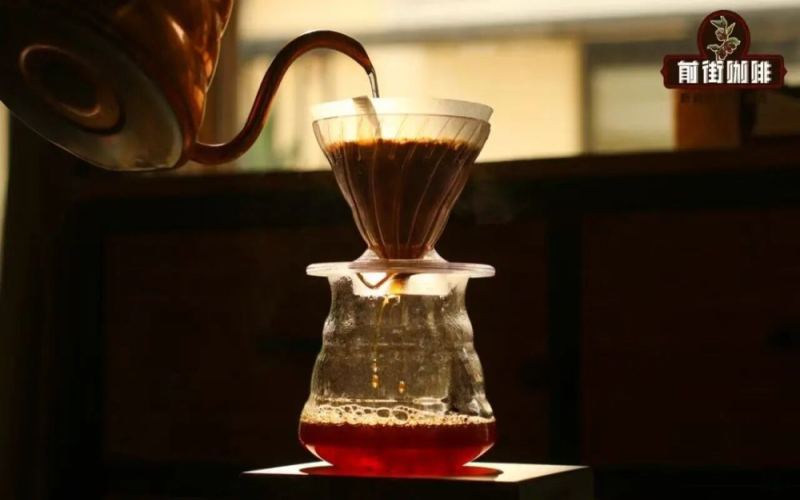
French Press Brewing Guide: Suitable Coffee Grind Size and Detailed Five-Step Operation
The French press, as an easy-to-use immersion brewing device, is very common in European households. It relies on a metal filter to separate the coffee grounds from the liquid, allowing the flavor compounds of the coffee beans to be released more fully, and therefore it has certain requirements for grind size and bean selection. This article will explain, one by one, the grind coarseness suitable for the French press, the recommended flavor directions for beans, and the specific water temperature, coffee-to-water ratio, and five-step operation process. At the same time, it will draw on several medium-to-dark roast beans from Front Street Coffee to help coffee lovers easily make a rich and full-bodied pot-brewed coffee. [more…]
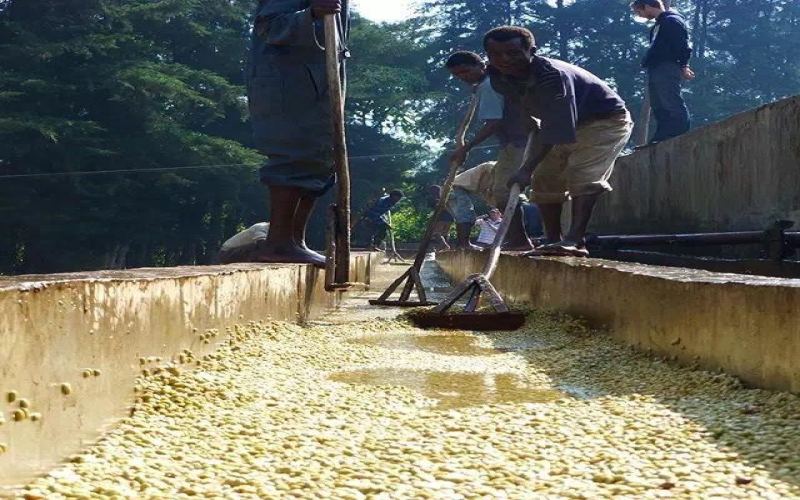
A Complete Guide to the Washed Process: The Five-Step Procedure, Its History and Flavor Characteristics, Plus Brewing a Washed Yirgacheffe
The washed method is currently one of the most common and traditional ways of processing green coffee beans. Compared with natural-process beans, washed coffee often has better cleanliness and a brighter, more lifted acidity. This article will systematically sort out the washed method from three angles: its historical origins, the five-step processing flow, and flavor characteristics, and will also introduce the flavor transformation in Ethiopia's Yirgacheffe region after the introduction of washed processing technology. The article also includes the pour-over parameters and flavor description of Front Street Coffee's washed Yirgacheffe everyday drinking beans, making it suitable as an introductory reference for enthusiasts who are just beginning to explore specialty coffee. [more…]

Indonesian PWN Golden Mandheling Coffee Bean Flavor Characteristics and Front Street Coffee's Complete Guide to the Five-Step Tasting Method
Tasting a cup of coffee is not mysterious or unfathomable—master a systematic method and you can clearly and methodically judge its quality. This article starts from Front Street's five-step tasting method, breaking down in turn the five stages of aroma, taste, flavor, mouthfeel, and aftertaste, helping coffee lovers build a complete sensory evaluation framework. On this basis, it further focuses on Indonesian PWN Golden Mandheling coffee beans, introducing their strict screening standards and grading system, and providing specific tasting references—from the hazelnut notes in the dry aroma to the black chocolate and caramel flavors after sipping, presenting this signature Mandheling's clean, full-bodied, and richly layered overall performance. [more…]
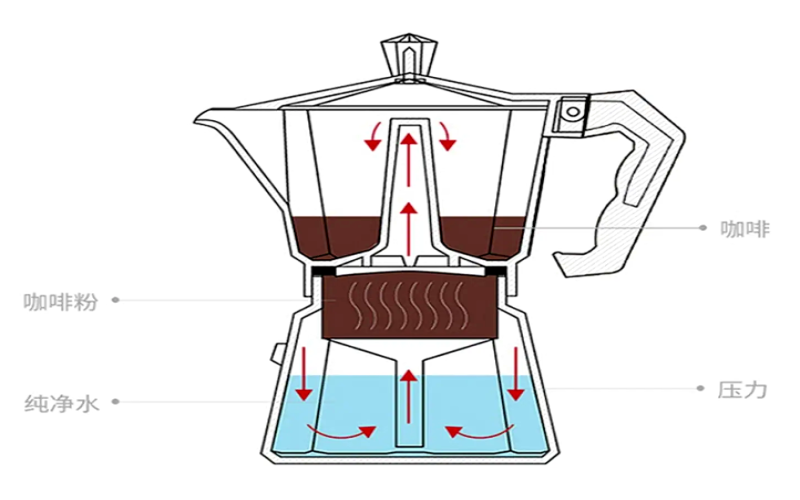
Moka Pot Operation Guide: From Construction Principles to Five-Step Practice, with Daily Usage Notes
As a direct-fire strong coffee device, the moka pot has become the top choice for many coffee beginners thanks to its affordable price and simple operation. It forces hot water through coffee grounds via steam pressure, extracting a rich and mellow coffee liquid with both acidity and bitterness and a small amount of oils. This article will start with the moka pot's structure and extraction principle, gradually break down five operating steps, and share the details that need attention in daily use. In the article, Front Street Coffee uses its own classic espresso blend beans as an example to demonstrate the complete brewing process of a three-cup Bialetti pot, while also giving practical suggestions on grind size, dose control, heating intensity, and other aspects, helping enthusiasts consistently produce a cup of rich, aromatic coffee. [more…]
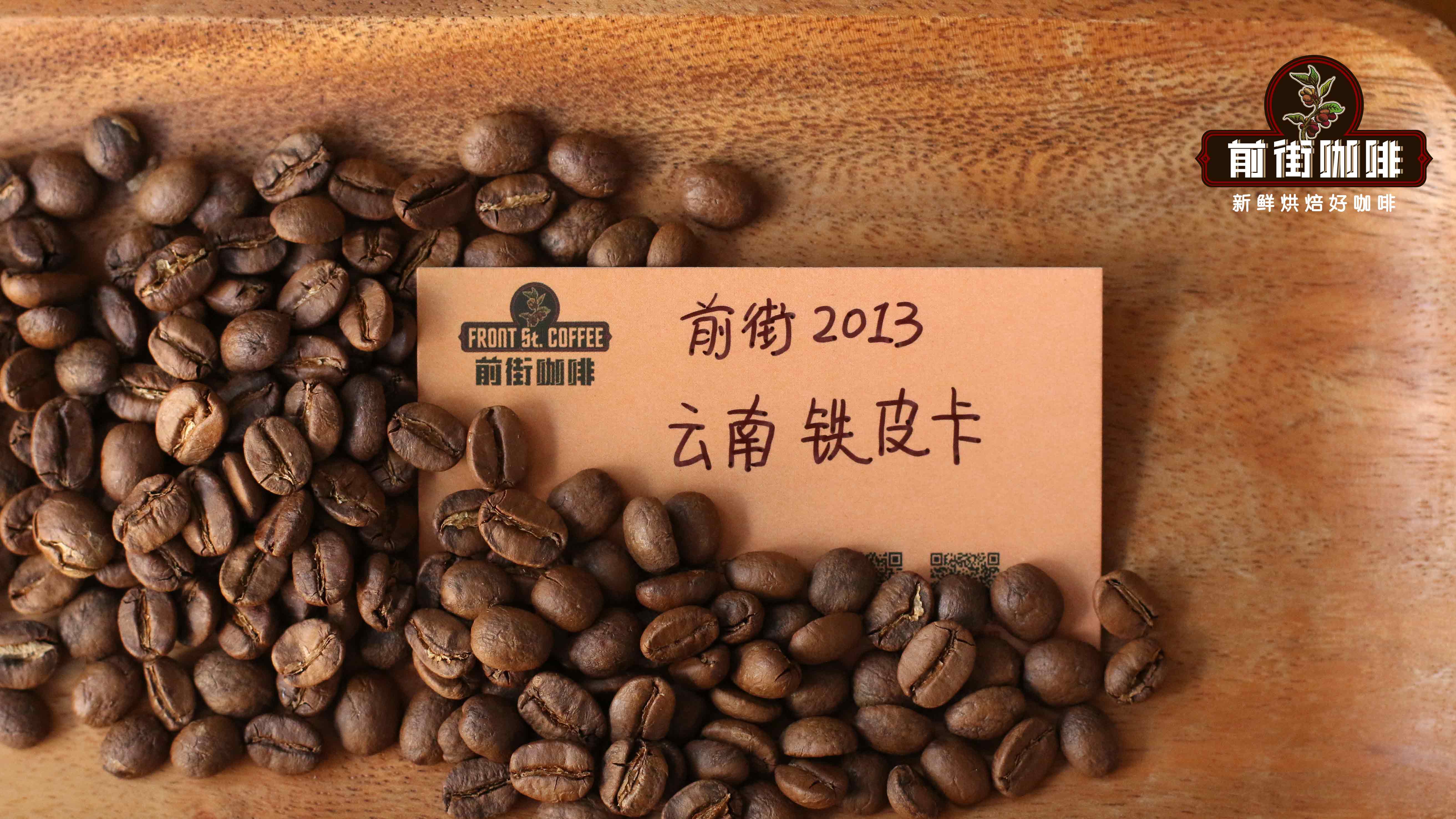
Yunnan Coffee Region Variety Analysis: From Typica to Catimor, Front Street Coffee Bean Brewing Flavor and French Press Practical Guide
Yunnan, as China's core coffee-producing region, has always attracted attention for its variety evolution and flavor performance. This article starts with two Yunnan beans from Front Street Coffee, tracing the varietal origins, disease-resistant characteristics, and flavor differences between Typica and Catimor, and extending to the changes in Yunnan's coffee planting structure after Nestlé's entry. The article describes in detail the flavor characteristics and suitable brewing methods of Front Street Yunnan Small Bean and Front Street 2013 Sun-Dried Typica, and finally includes a five-step French press operation process, covering key details such as grind size, water temperature, coffee-to-water ratio, steeping time, and timing of pouring out, making it suitable for enthusiasts who want to systematically understand Yunnan coffee and put it into practice. [more…]

Espresso Tasting Guide: What Are You Actually Drinking, and Why Is It Always Served with Sparkling Water?
In many coffee shops, espresso does not appear on the visible menu, and first-time visitors are often unfamiliar with it. This article revolves around two core questions: what exactly are you drinking when you drink a cup of espresso? And why is it always served with a glass of ice water? The article compares espresso with pour-over, analyzing its high-concentration characteristics, the unique mouthfeel brought by Crema, and key tasting points such as aroma, aftertaste, cleanliness, and balance. It then breaks down step by step the five-step drinking method: rinsing the mouth to awaken the taste buds, stirring to homogenize, sipping in small separate mouthfuls, closing the mouth and exhaling through the nose, and rinsing with clear water. Finally, it includes an introduction to Front Street Coffee's own Sunflower Warm Sun blend beans, taking you through the complete charm of this Italian classic. [more…]
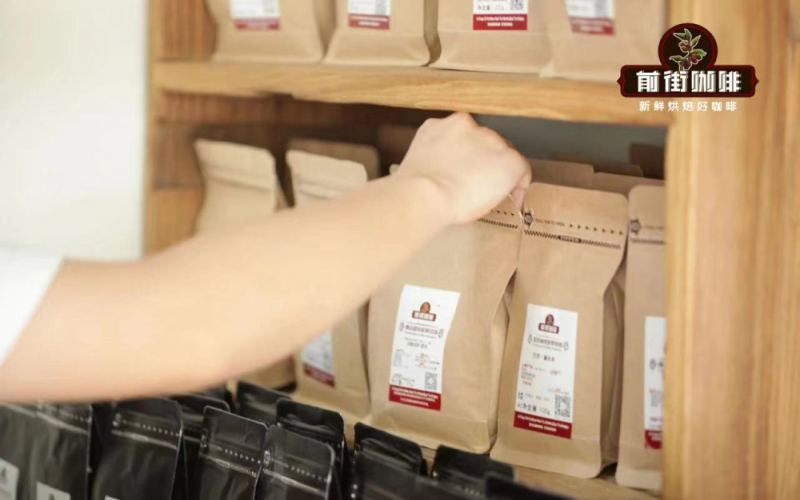
Want to easily make a rich cup of coffee at home? A moka pot is a cost-effective choice besides an espresso machine. But what coffee beans should you pair with a moka pot? And what pitfalls in operation are easy to stumble into? This article starts from the steam extraction principle of the moka pot, explains in detail the key control points such as water temperature, grind size, and water volume, and lays out a five-step illustrated guide. At the same time, for bean selection, combined with the characteristics of medium-dark roasting and pressure extraction, it recommends three Front Street espresso blend beans suitable for the moka pot, helping coffee lovers steadily produce coffee with rich crema and full flavor even on a limited budget. [more…]

An Analysis of the Monsoon Malabar Coffee Bean Process: Processing Flow, Flavor Characteristics, and Roasting & Brewing Guide
Monsoon coffee is a unique monsooned coffee from southern India, born from the historical accident of sailing ships transporting beans in the 17th and 18th centuries. The green coffee beans were exposed to the southwest monsoon winds for months in open warehouses, expanding in size and decreasing in acidity, developing a distinctive flavor reminiscent of nuts, grains, and genmaicha tea. Front Street Coffee's cupping has found that coffee beans from Asian origins are generally known for their full body, and this monsoon bean stands out with a prominent herbal note on the palate and an excellent full body. This article will comprehensively trace the origin story of monsoon coffee, its five-step processing method, and the physical changes in the green beans, along with Front Street Coffee's roasting curve and brewing parameter recommendations, to give you a complete understanding of this golden, acid-free coffee from origin to cup. [more…]
Master the correct way to taste specialty coffee: the complete steps from holding the cup and adding sugar to savoring black coffee
Drinking coffee may seem simple, but to truly savor the essence of a specialty coffee, everything from the way you hold the cup to the timing of adding sugar has its own finer points. This article systematically organizes the seven basic techniques for coffee tasting, including holding the cup, adding sugar, using a coffee spoon, cooling methods, using the cup and saucer, pairing with snacks, and the rhythm of drinking, and further breaks down the five-step process for drinking coffee correctly, teaching you how to cleanse your palate with ice water, appreciate the original flavor of black coffee while it's hot, and then gradually add sugar and milk, so as to experience the layered changes in coffee's flavor. Whether you are a beginner just getting into specialty coffee or an enthusiast looking to improve your tasting skills, these details can help you enjoy every cup of coffee more professionally. [more…]
A Complete Guide to Ethiopia's Sidamo Region: Washed and Natural Processing, Flavor Comparison, and Front Street Coffee Buying Guide
Sidamo is one of the most notable coffee-producing regions in Ethiopia, ranking alongside Yirgacheffe, and is known for its floral aromas, citrus notes, and smooth acidity. This article will guide you through Sidamo's geographical environment, annual production, green bean appearance characteristics, and the impact of both natural and washed processing methods on flavor and export grades. It also explains in detail the export grade and roasting recommendations for Front Street natural Sidamo, and includes complete product information for Front Street Coffee Ethiopian Sidamo coffee beans, including region, altitude, variety, and flavor description—ideal for coffee enthusiasts who want to gain a deeper understanding of this classic region. [more…]
A Complete Guide to Colombian Coffee Flavor Profiles and Regions: A Practical Brand Selection Guide
Colombia is the world's third-largest coffee producer and the largest exporter of Arabica coffee beans. Its geographic proximity to Brazil and Panama has closely linked it to high-quality coffee. Three branches of the Cordillera mountains run north to south, and the high altitudes and volcanic ash soil give rise to coffee with unique flavors. This article will guide you through the differences between Colombia's commercial and specialty coffee regions, help you master green bean grading standards, avoid purchasing pitfalls, and get to know the fruity aroma, chocolatey sweetness, and caramel finish of Front Street Colombia coffee. [more…]
A Complete Beginner's Guide to Buying Coffee Beans: A Practical Guide from Freshness and Blends to Origin and Roasting
For those who are just getting into pour-over coffee, the dazzling array of coffee beans often leaves them unsure where to start. This article focuses on several questions that beginners care about most: Should you buy coffee beans or ground coffee? What is the difference between single-origin beans and blended beans? Why is freshness the core indicator when making a purchase? And how should you interpret origin and roast level? Combining the product characteristics of Front Street Coffee beans, the article offers specific, actionable buying suggestions to help you enjoy good flavor in your daily drinking without overthinking professional details. Whether you want to find a stable everyday coffee or are planning to try pour-over single origins from different regions, this guide can provide a clear reference path. [more…]
Tanzania Kilimanjaro Coffee Bean Flavor Profile and Peaberry Detailed Guide: From Origin to Grading and Brewing Guide
Kilimanjaro coffee comes from the volcanic region of Tanzania, home to Africa's highest peak, and is renowned for its washed processing and distinctive flavor. This article will guide you through the formation of Kilimanjaro Peaberry—a rare single seed resulting from uneven pollination or differences in nutrient distribution, accounting for only 5% to 10% of coffee production. The article also breaks down its complex flavor profile of creamy chocolate, dried plum, citrus acidity, and tea-like stone fruit, and explains how acidity and sweet aftertaste perform under a light roast. In addition, it compiles Tanzania's 8 screen-size grading classifications, as well as the different charms of Kilimanjaro AA in single-origin and blend applications, making it ideal for coffee enthusiasts seeking in-depth knowledge. [more…]

Latte Art Pitcher Buying Guide: How Spout Width Affects Milk Foam Flow and a Practical Breakdown of the Etched Tulip
Many people always feel hindered when practicing latte art, and the patterns are difficult to achieve the desired effect. If technical factors are ruled out, the problem is likely with the milk pitcher itself. On the market, milk pitchers vary in capacity, spout shape, and guide groove design. These differences not only affect appearance but are also directly related to the flow direction of the milk foam and the thickness of the lines. Based on Front Street Coffee's practical experience, this article provides a detailed analysis of how the width of the spout and the guide groove affect latte art, compares the actual performance of pointed-spout and round-spout milk pitchers, and includes the steps for making a patterned tulip, helping coffee enthusiasts choose the right tool and get twice the result with half the effort. [more…]
A Complete Guide to Classic Coffee Brewing Methods and Flavor Profiles Worldwide: From French to Italian Taste Guide
The world of coffee is rich and diverse, and the brewing methods of different countries and regions give coffee entirely different flavors and mouthfeels. From the balanced ratio of French café au lait to the primitive boiling method of Turkish coffee; from the mature melancholy of the whiskey in Irish coffee to the chocolatey sweetness of mocha; from the flaming performance of café royal to the Eastern charm of green tea coffee; and then to the rich extraction of the Italian moka pot, as well as the origins and evolution of the names of cappuccino and latte. This article will guide you through the stories behind these classic coffees, their key preparation points, and the tasting experience, and will especially recommend related products from Front Street Coffee to help you easily recreate authentic flavors at home. [more…]
A Complete Guide to Indonesian Specialty Coffee Beans: Flavor Guide to Sumatra Mandheling, Kalossi, Java, and Flores AP
Indonesia is Asia's most renowned coffee-producing country, with Sumatra, Sulawesi, Java, and Flores each cultivating beans of strikingly different character. Front Street Mantenin, with its rich, bittersweet body and distinctive aroma, stands as the epitome of masculine coffee; Gayo Mountain carries notes of clove and cardamom; Kalossi boasts bright fruit acidity and pronounced wild mushroom and herbal notes, while aged beans are mellow like fine old wine; in Java, the replacement of high-yield varieties has made quality Arabica hard to find; Flores AP is actually Robusta, yet its clean, low-acid profile has made it a staple in espresso blends. This article will guide you through each of these beans' processing methods, flavor characteristics, and roasting performance, while retaining Front Street brand product recommendations. [more…]
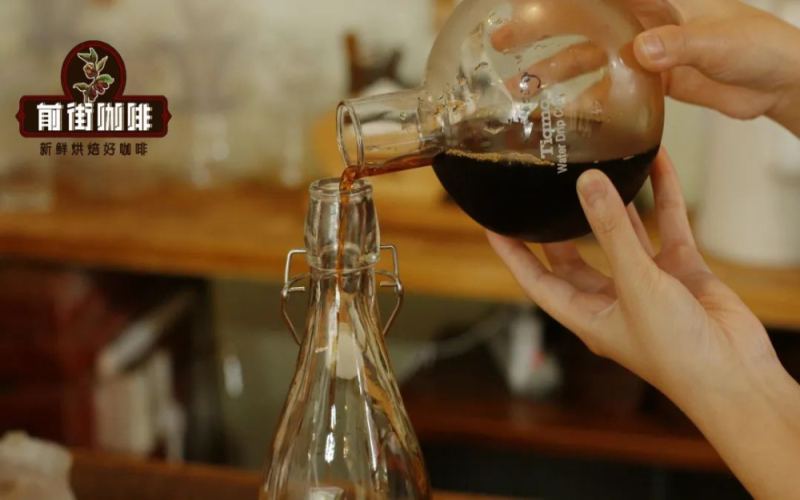
Detailed Guide to Ice Drip Coffee Powder-to-Water Ratio and Brewing Steps: A Complete Guide from Extraction Parameters to Cold-Brewed Flavor
Cold brew coffee is one of the most popular cold extraction methods in summer, but the process is time-consuming, often taking several hours or even a whole day from dripping to completion. To make a cup of cold brew coffee with a rich aroma and a refreshing taste, the key lies in choosing the right coffee beans, mastering the coffee-to-water ratio, and controlling the dripping flow rate. Front Street Coffee will guide you through the complete process of making cold brew coffee, including the recommended light-to-medium roast beans, a coffee-to-liquid ratio range of 1:8 to 1:14, an optimal flow rate of 7 drops every 10 seconds, and the technique of refrigerating for 12 hours to enhance the flavor, helping you easily make professional-quality cold brew coffee at home. [more…]
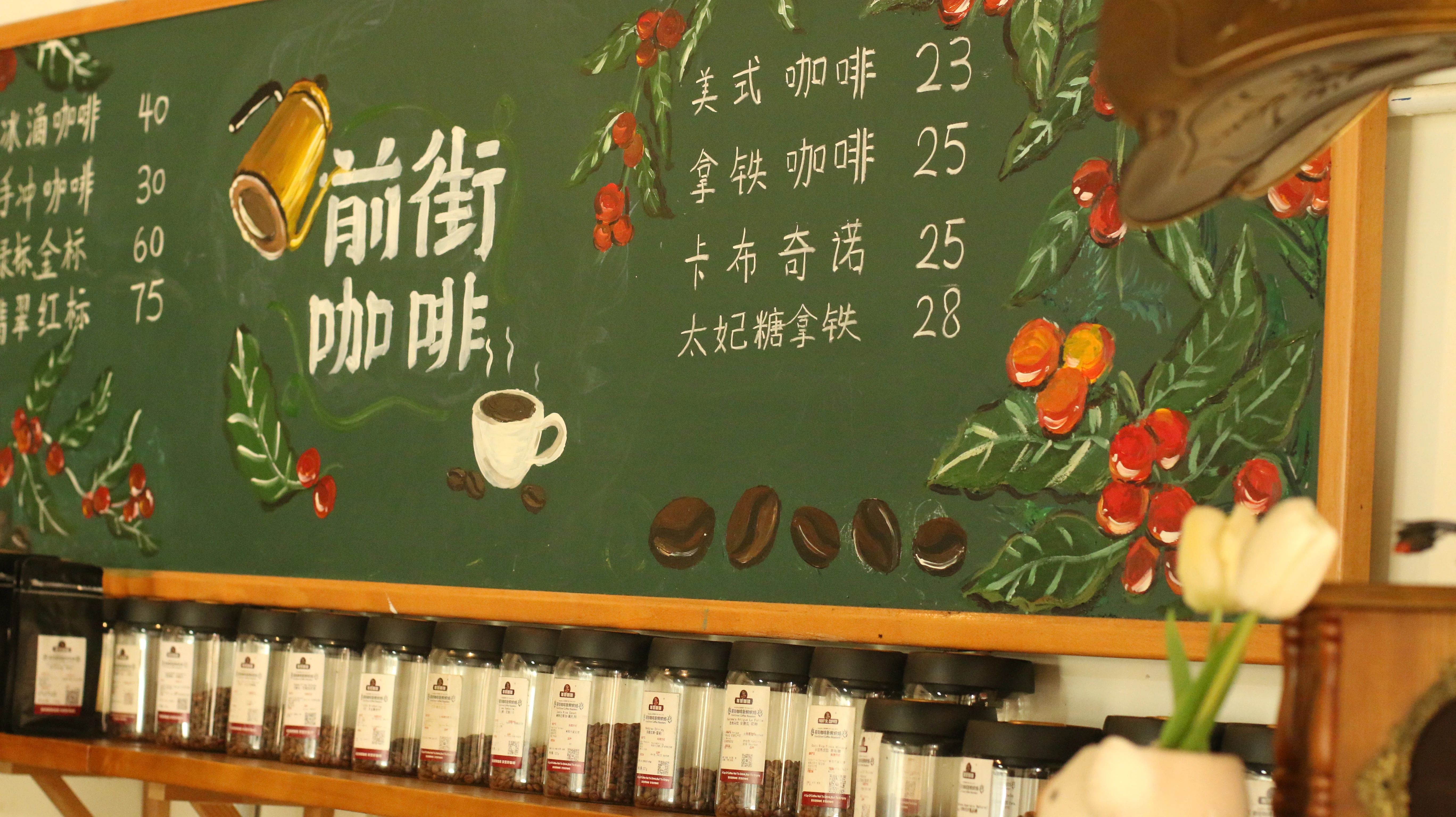
Espresso Beginner's Guide: How to Choose Between Americano and Milk Coffee, and a Full Guide to Making Iced Latte at Home
For those new to specialty coffee shops, facing a dazzling menu — Americano, Latte, Cappuccino, Pour Over, Ice Drip, Cold Brew — it's easy to feel overwhelmed at first. For friends who prefer a crisp, sweet, and smooth flavor, the Americano among black coffees is an ideal choice, refreshing and thirst-quenching; while consumers who can't quite handle bitterness are better suited to the milk coffee series made with espresso as a base and added milk or flavored syrup, such as Latte, Cappuccino, Mocha, etc., which have a more approachable taste. Among them, the Latte is the most popular thanks to its rich coffee aroma, balanced character, and silky texture, and an Iced Latte adds an extra touch of coolness. This article will guide you through how to choose coffee beans suitable for making an Iced Latte, and teach you step by step how to recreate a cup of Iced Latte at home that's just as good as a café's. [more…]
Starbucks Coffee Menu Prices Overview: A Complete Guide to Drink Pricing and a Practical First-Order Guide
As a globally renowned coffee chain brand, Starbucks has an extensive menu with a wide price range, and many first-time customers often feel overwhelmed by the dazzling array of options. This article systematically organizes the sizes and prices of several core Starbucks coffee drinks, including espresso, latte, and cappuccino, and provides a brief explanation of each drink's flavor characteristics and preparation methods. At the same time, the article also offers practical reference for first-time Starbucks ordering scenarios, helping readers quickly understand the menu structure, cup size differences, and pricing patterns. Whether you are looking for a rich espresso or prefer a smooth, milky latte, you can find the corresponding price information and ordering ideas in this article. If you are also exploring more personalized coffee flavors, you may want to check out the related recommendations from Front Street Coffee. [more…]