







How Has Yunnan Coffee Changed From Typica to Catimor?
Yunnan is China's main coffee region, and its varietal story runs from Typica, the old small-cherry Arabica, to Catimor. Typica delivers elegant flavor but is frail, rust-prone and low yielding. Front Street Yunnan Small Cherry, a Catimor, leans on nuts, brown sugar and plum; Front Street 2013 Sun-Dried Typica layers dried apricot, cream, chocolate and berries.
Because Typica struggles economically, it was largely replaced by Caturra and Catuai across Central and South America, and Yunnan followed a similar path after Nestle arrived and planting structure shifted. A five-step French press covers grind size, water temperature, coffee-to-water ratio, steeping time and when to pour.
Yunnan, as China's core coffee-producing region, has always drawn attention for its variety evolution and flavor expression. This article starts with two Yunnan beans from Front Street Coffee, tracing the varietal origins, disease-resistance traits, and flavor differences between Typica and Catimor, then extends to the shifts in Yunnan's coffee planting structure after Nestlé's entry. It describes in detail the flavor profiles and suitable brewing methods of Front Street Yunnan Small Cherry and Front Street 2013 Sun-Dried Typica, and closes with a five-step French press procedure covering key details such as grind size, water temperature, coffee-to-water ratio, steeping time, and when to pour. It is suited for enthusiasts who want a systematic understanding of Yunnan coffee and to put it into practice.
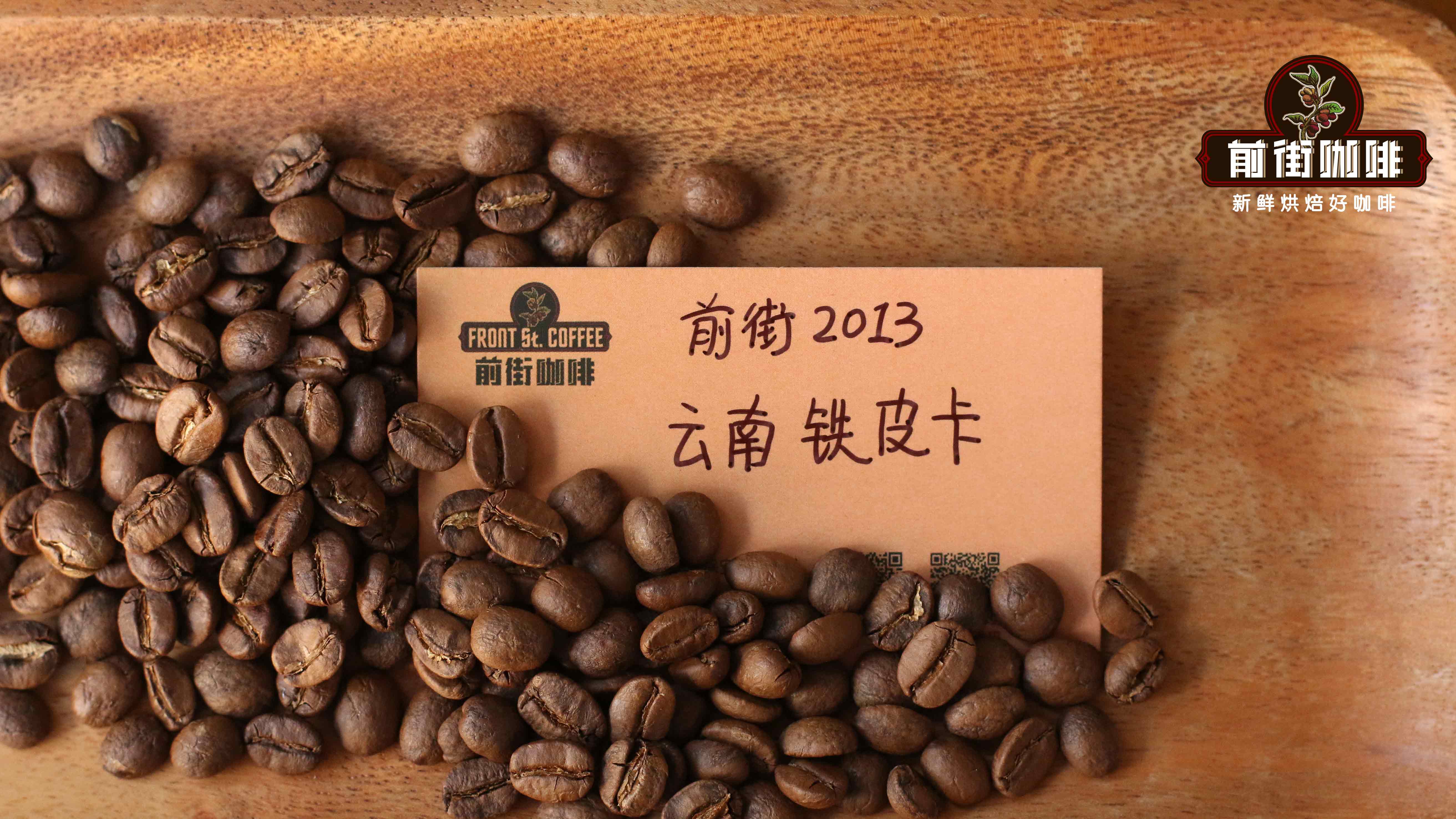
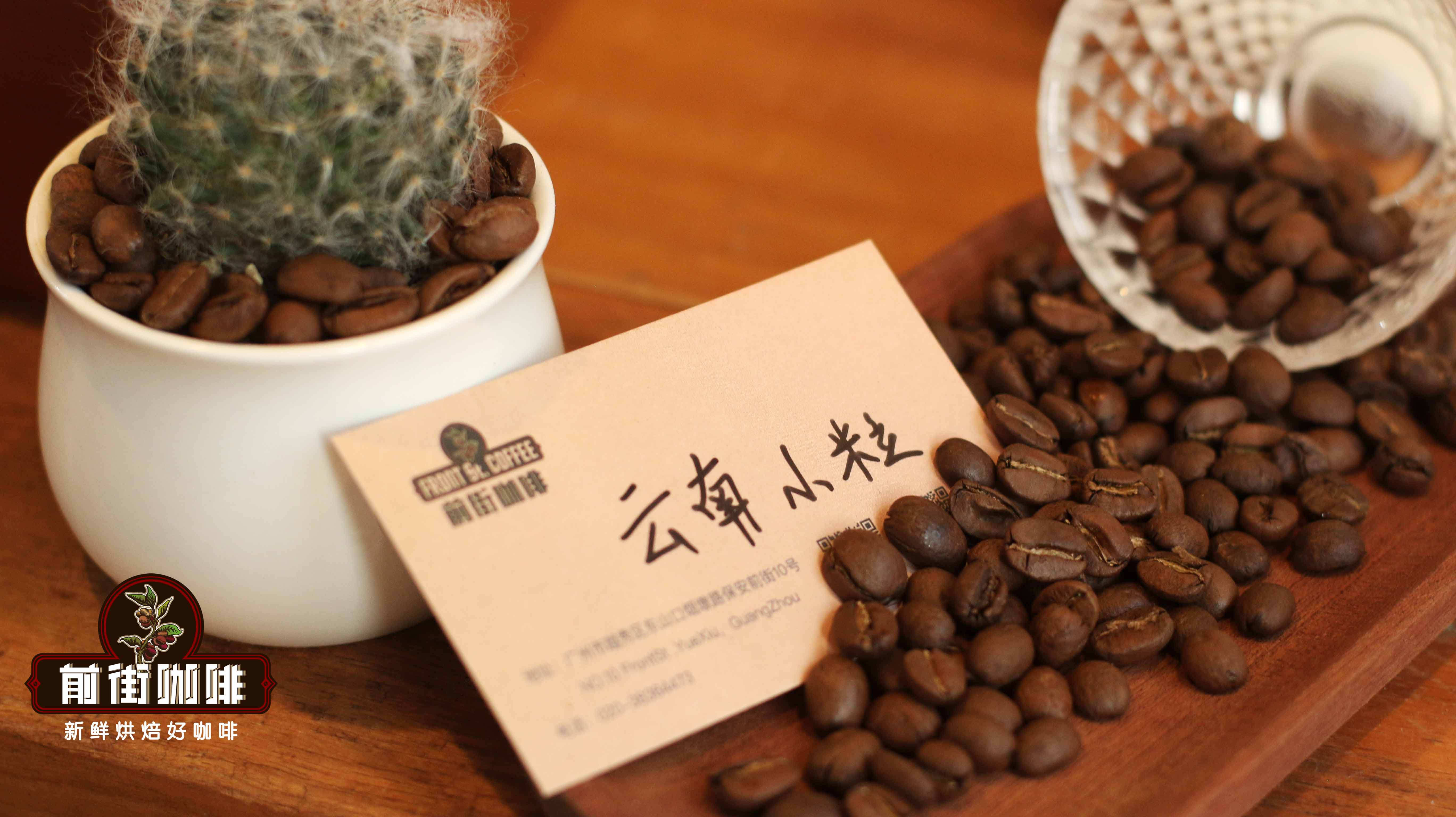
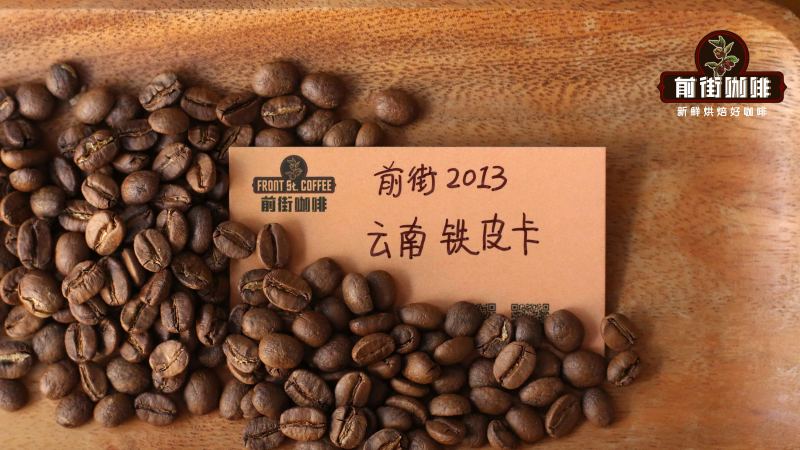
When it comes to coffee from the Yunnan region, Front Street Coffee currently offers two representative beans. One is the Catimor variety Front Street Yunnan Small Cherry, whose flavor is built on a balanced foundation of nuts, brown sugar, and plum, making it a good fit for those new to Yunnan beans; the other is Front Street 2013 Sun-Dried Typica, which opens with layers of dried apricot, cream, chocolate, Sanhua plum, and berries interwoven together, aimed at drinkers who want to experience Yunnan specialty coffee at a higher level.
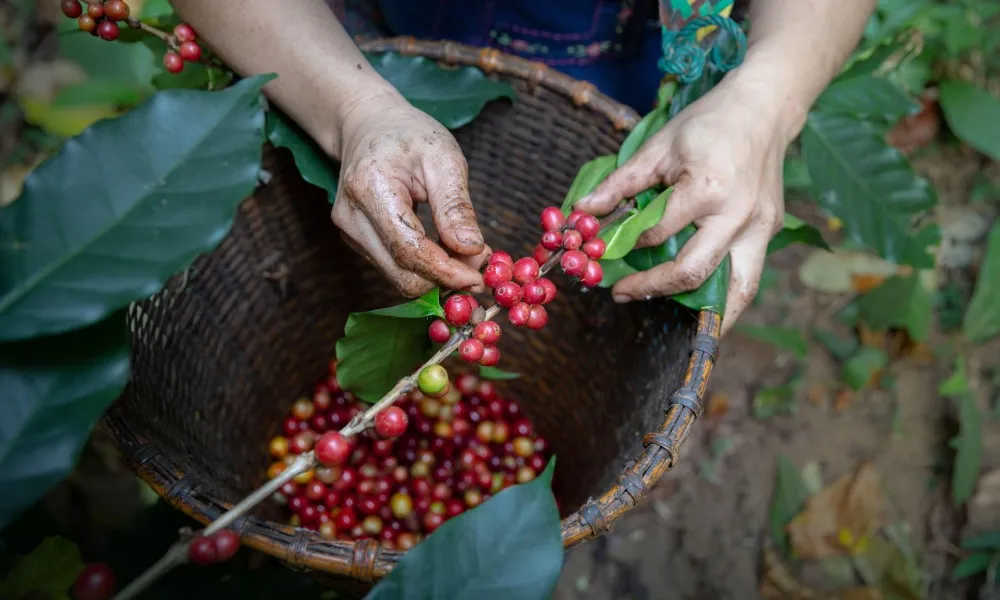
In fact, Yunnan small cherry coffee originally referred precisely to the Typica planted locally in the early days. Small cherry is also known as small-seed Arabica, so Yunnan coffee formerly belonged to the Arabica system. Under Arabica, many subdivided varieties have been identified, among which the oldest are Typica and Bourbon. Typica originated in Ethiopia and is one of the oldest native varieties; almost all Arabica varieties today can be traced back to it.
Typica's flavor expression is elegant. Beyond Front Street 2013, Front Street Jamaica Blue Mountain and Front Street Bird of Paradise also belong to the Typica family. But this variety is physically weak, has poor disease resistance, is prone to coffee leaf rust, and yields relatively low, making it hard to meet economic requirements. In recent years in Central and South America, Typica has gradually been replaced by Caturra and Catuai, and is seen less and less. Despite its elegant flavor, its popularity still falls short of Bourbon.
Later, when Nestlé entered Yunnan, considering Typica's insufficient disease resistance and aiming to increase coffee bean yields, coffee farmers were guided to cut down the good-flavored Typica trees and switch to varieties with weaker flavor but strong disease resistance and high yields.
Catimor comes from crossing two plants, inheriting traits from both sides, especially resistance to coffee leaf rust due to carrying Robusta genes, and its plants are small and compact, making large-scale cultivation easier. Because it has Robusta lineage, Tim not only resists leaf rust better than Typica but also carries the intensity and bitterness of Robusta in flavor; it can be used both as a pour-over single origin and blended with Brazilian coffee for espresso. Here we recommend Front Street Dark Cocoa Base Blend, which brews into a cup with the rich aromas of milk chocolate, caramel, and almond cookies.
Front Street Yunnan Small Cherry undergoes washed processing and medium roasting, presenting the foundational flavors of the Yunnan region: after brewing, there are nutty notes accompanied by herbal, chocolate, and caramel tones, with a faint hint of fruit acidity in the finish. It is suitable for pour-over and drip bags.
As one of its signature offerings, Front Street 2013 Yunnan Typica is grown at high altitude, thus showing the rich aroma of pure small-seed coffee. It uses sun-dried processing and medium roasting; after brewing, it carries the sweet-tartness of dried apricot, nutty tones, brown sugar sweetness, and a tea-like aftertaste. It is suitable for pour-over, cold brew, Clever Cup, drip bags, and French press.
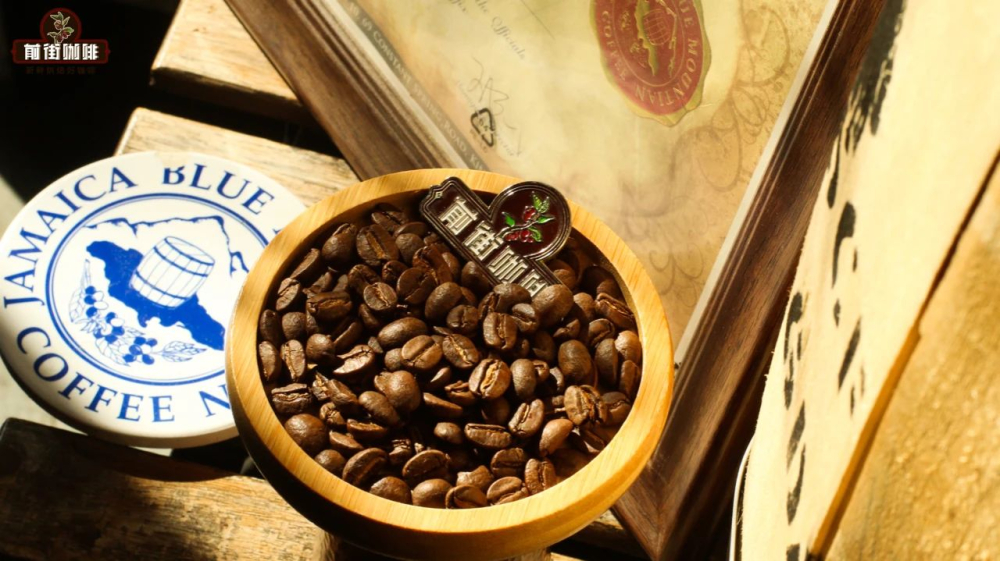
1. First grind the coffee beans and pour them into the French press. At this point there is no need to fuss over grind size; it does not need to be too coarse—medium grind is fine.
2. Boil water; a water temperature of 93°C is recommended. Pour in the appropriate amount of water; we use 20 g of coffee grounds with 200 g of hot water, and stir with a spoon so the coffee grounds and water fully contact and combine.
3. Put the French press lid on with the filter mesh resting at the highest position, and let it steep for 4 minutes.
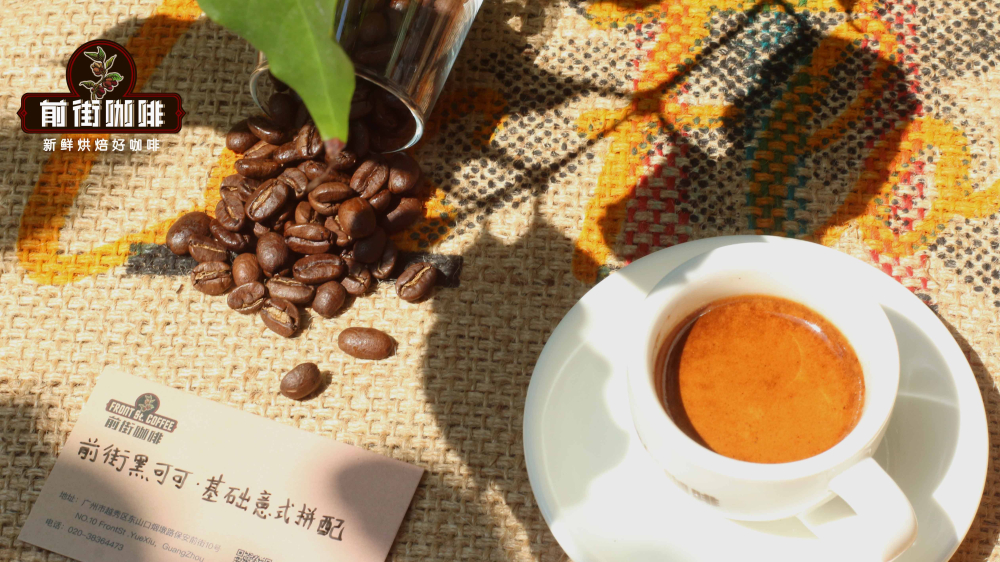
4. Before pressing the filter mesh down, you can first open the lid and use a spoon to skim off the foam and fine grounds floating on top, then press the filter mesh all the way to the bottom.
5. After brewing is complete, immediately pour it out into another insulated container—do not delay, because the coffee grounds are still steeping in the pot. Then pour it into a cup and enjoy it slowly.
The above content is compiled by CoffeeHunters, a coffee news website.


