







Tasting a cup of coffee is not as mysterious as it seems—once you master a systematic approach, you can clearly and methodically judge its quality. This article starts from Front Street's five-step tasting method, breaking down the five stages of aroma, taste, flavor, mouthfeel, and aftertaste one by one, helping coffee lovers build a complete sensory evaluation framework. On this basis, it further focuses on Indonesian PWN Golden Mandheling coffee beans, introducing their strict screening standards and grading system, and providing specific tasting references—from the hazelnut notes in the dry aroma to the dark chocolate and caramel flavors upon sipping, presenting the clean, full-bodied, and richly layered overall performance of this signature Mandheling.
Many people think that tasting coffee is a highly intimidating endeavor, but in practice it is not as complicated as imagined. As long as you master a general evaluation framework, you can make a basic judgment about the quality of a cup of coffee. Furthermore, if you can translate the sensory experience during tasting into written or spoken expression, you will be able to describe a cup of coffee professionally and fluently. Next, Front Street will share the five steps of coffee tasting to help everyone gradually grow into a taster who can describe coffee flavors with ease.
Tasting Step One: Aroma
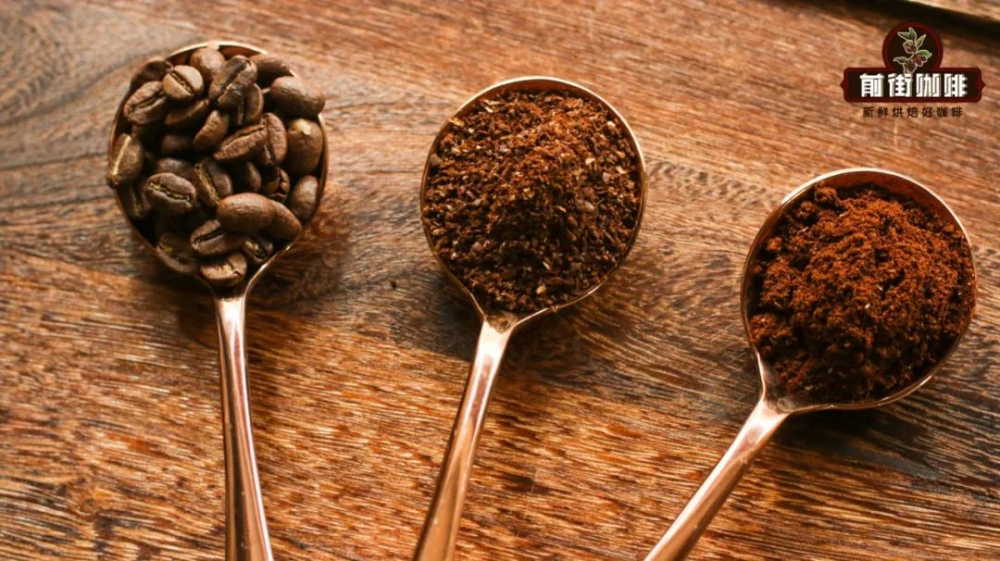
During roasting, coffee beans produce a rich array of aromatic compounds through chemical reactions, and these substances are not released only by water. When coffee beans are ground into powder, the bean structure breaks apart, and a large number of aroma molecules drift into the air. So the starting point of tasting actually begins at the moment of grinding. The first thing we need to do is use orthonasal olfaction together with inhalation to capture these aromas filling the air—in short, to smell the aroma.
Aroma appreciation is divided into two stages: dry aroma and wet aroma. Dry aroma refers to the scent released by coffee grounds after grinding and before contact with hot water, when the aroma concentration reaches its peak; wet aroma is the odor released after the coffee grounds come into contact with hot water. Compared with dry aroma, wet aroma is noticeably weaker in intensity, but precisely because the concentration is lower, it becomes possible to identify some different aroma characteristics.
Generally speaking, the aroma of medium-light roasted coffee beans tends toward fresh types such as floral and fruity notes; medium-dark roasted beans more often present deeper directions such as roast, chocolate, and spice. After determining the aroma type, you can attach corresponding adjectives to form a complete descriptive sentence. Taking floral aroma as an example, usable adjectives include rich, delicate, and so on, chosen according to the specific tonality of the aroma.
Tasting Step Two: Taste
After smelling the aroma, we enter the most critical part: drinking. We need to sense the coffee on the palate from three dimensions. Since these sensations occur simultaneously, Front Street will explain them one by one in order. First is the taste of the coffee. There are four perceptible tastes in coffee: sour, sweet, bitter, and salty.
But we must not only identify which tastes are present in the coffee, but also judge their intensity and quality. Take acidity, which Front Street often uses as an example: the acidity in coffee can be positive or negative, and the industry calls this acidity quality. High-quality acidity makes the coffee pleasant and comfortable to drink, with corresponding descriptors such as soft, bright, and lively; poor-quality acidity makes the coffee hard to drink, with related descriptors including sharp, dull, and harsh.
Tasting Step Three: Flavor
Flavor perception is the most closely watched part of specialty coffee. Its method is to combine the aroma and taste released after the coffee enters the mouth, and then associate them with the taste of some food encountered in daily life.
This is the most enjoyable part of coffee tasting, and at the same time the most difficult. The core reason many friends cannot describe coffee is that they cannot associate it with specific flavors, and their perception remains only at the taste level of the second step. In this situation, Front Street suggests first reading the article "Is Coffee Flavor Mysticism?" to understand the principles of flavor perception.
Once you can perceive flavors smoothly, you can make simple combinations with taste. For example, if you sense citrus flavor in the coffee and the acidity gives you a bright impression, then the description can be written as: bright citrus acidity.
Tasting Step Four: Mouthfeel
Mouthfeel refers to the tactile experience brought by coffee. The term body, often used in coffee circles, is mainly used to describe the coffee's fullness. Body refers to the weight sensed by the tongue after the coffee enters the mouth.
An example Front Street often gives is: skim milk, whole milk, and cream—these three dairy products bring completely different mouthfeels. Skim milk drinks as light as water, whole milk is thicker and overall fuller and smoother, while cream is very heavy and has a weighty feel. Coffee works in the same way.
The higher the coffee's body, the heavier the weight felt by the tongue; the lower the body, the opposite. (For more details on body, please refer to the article "The Body of Coffee.")
The Final Step of Tasting: Aftertaste
After sensing the coffee through the above three dimensions, you can swallow. After swallowing, there is still one item to pay attention to, and that is the coffee's aftertaste. In other words, tasting a cup of coffee is not truly finished until the aftertaste has been experienced.
Aftertaste, in plain terms, is the aroma that remains in the mouth after swallowing the coffee, or the sensation that a distinct coffee aroma continues to surge in the mouth.
The coffee's aftertaste mainly comes from the capture of aroma by retronasal olfaction. The principle is not complicated: coffee contains many oil-soluble aromatic substances, and after drinking coffee, some of the oils remain in the mouth without being swallowed. As the oils gradually break down, the aroma molecules hidden within them volatilize and are captured by retronasal olfaction, and thus the aftertaste is perceived.
The evaluation of aftertaste also starts from two aspects: first, the length of duration, and second, the quality of the aroma. An excellent aftertaste lingers for a longer time, indicating that the coffee is rich in substances and fully extracted (the duration standards for aftertaste differ among brewing methods); judging the aftertaste from the aroma perspective is the same as with flavor, mainly depending on whether the expressed flavor performance is positive or negative.
Front Street takes light-roasted pour-over coffee as an example: a high-quality aftertaste lasts roughly more than ten seconds, with flavor expressions such as light floral notes, tea-like character, and honey; a poor aftertaste lasts only a very short time, or even none at all, with flavor expressions such as dryness, bitterness, or other unpleasant tastes.
How to Taste a Cup of Golden Mandheling Coffee?
Front Street Golden Mandheling coffee is PWN Company's exclusive signature product. Because PWN registered the Golden Mandheling trademark early on, only Mandheling produced by this company can be named Golden Mandheling. The characteristic of Front Street Golden Mandheling coffee is that the green beans undergo layer upon layer of screening, resulting in extremely high overall quality. PWN purchases Mandheling green beans of 18 screen size and above, G1 grade with no more than 3 defective beans in a 300-gram sample, which is the highest grade of Indonesian green beans. After that, it also carries out one machine screening plus three manual sorting passes to remove defective beans according to standard, ensuring that the Mandheling coffee beans are consistent in color, shape, and size. Precisely because of this, Front Street PWN Golden Mandheling tastes cleaner and more transparent, with more prominent body and sweetness.
After Front Street PWN Golden Mandheling coffee is ground into powder, you can smell a full roasted hazelnut aroma; when hot water is poured for blooming, the caramel note is especially obvious. On the palate it presents dark chocolate, nut, caramel, and sweet fruit flavors, and as the temperature drops, various spice aromas gradually fill the mouth. The finish is long-lasting, the balance is excellent, the overall layering is rich and varied, and it is full-bodied, rich, and clean in mouthfeel.
The above content is compiled by CoffeeHunters, a coffee news website.


