







Search Results for: Ethiopian sun-dried beans
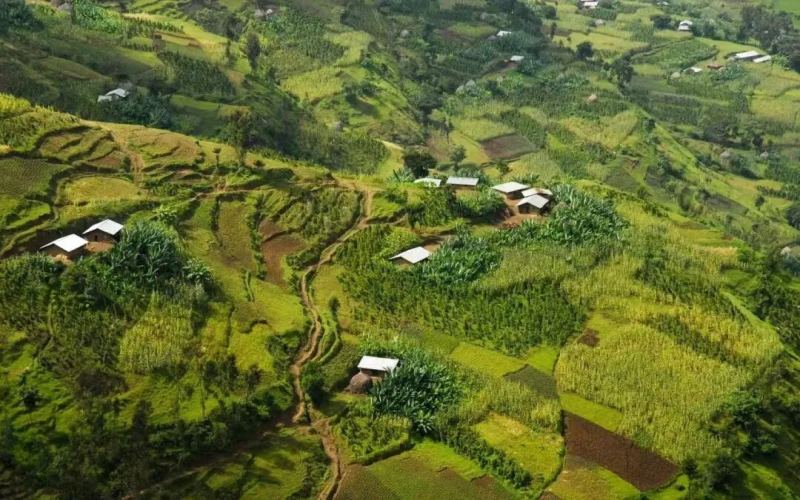
Ethiopian Heirloom | Why do Ethiopian coffee beans vary so much in appearance? What are the flavor characteristics of sun-dried Huakui and washed Gudingding?
“Boss, why are the beans in this bag so uneven in size? Every bean looks so distinctive...” This is the question customers ask our customer service most often after receiving Ethiopian coffee beans ordered from Front Street’s Taobao store. From the picture, we can see that, just as our friends reported, [more…]
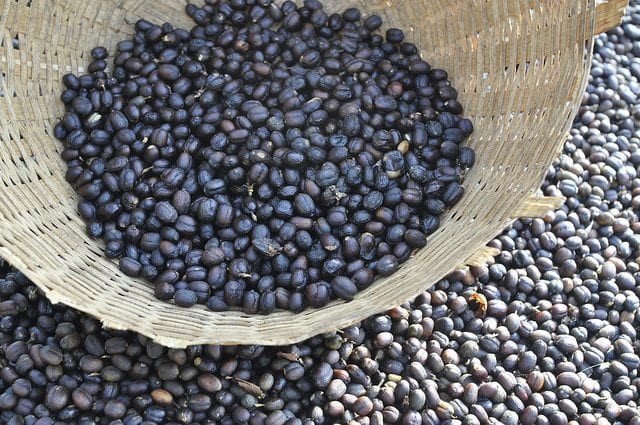
Sun-Dried Yirgacheffe | What are the pros and cons of the sun-dried processing method for Yirgacheffe coffee beans? What are the flavor characteristics of Ethiopian sun-dried coffee?
For more specialty coffee knowledge, please follow our WeChat official account: FrontStreet Coffee. Sun-dried processed coffee beans are naturally dried inside the fruit pulp, so the weather conditions affect the quality of the coffee beans. Front Street uses sun-dried coffee beans and two other traditional processing [more…]

Ethiopian Specialty Beans | Why Is the Sidamo Natural Sun-Dried Huakui Coffee So Popular? A Highly Cost-Effective Arabica Coffee Bean Recommendation Every Beginner Must Buy
Huakui is a specialty Arabica coffee bean that every beginner must try. It comes from Hambella in the Guji region (GUJI) and is processed by the Buku Abel washing station here, and it is famous for the classic Ethiopian floral and fruity aroma in its flavor profile. Buku Abel is located at an altitude of 22 [more…]
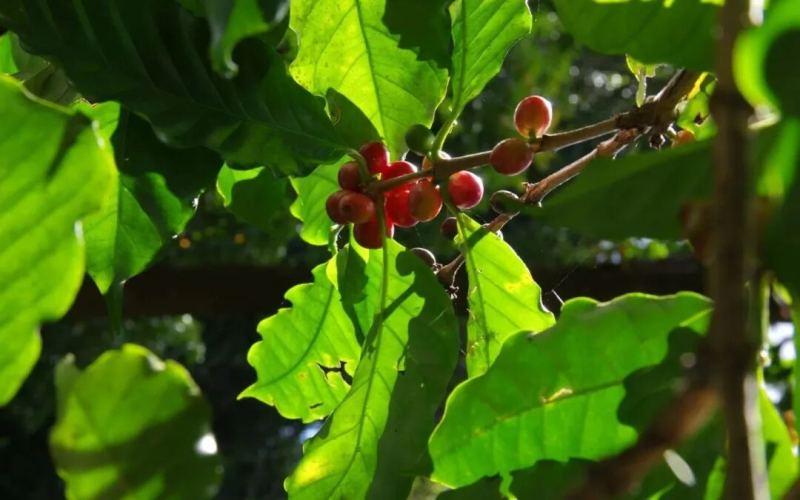
Ethiopian Coffee Beans | How Many Coffee Regions Are There in Ethiopia? Which Washing Stations and Cooperatives Produce Ethiopian Specialty Coffee?
As the birthplace of coffee, Ethiopia has always been a pilgrimage site for many coffee professionals. Many friends who come to Front Street Coffee ask as soon as they walk in whether we have Ethiopian beans, whether we have Yirgacheffe beans. Yes, whether for coffee beginners or coffee connoisseurs, Ethiopian coffee beans have that bright [more…]

Coffee Flavor Comparison | What Are the Differences in Taste and Mouthfeel Between Indonesian Mandheling and Ethiopian Natural Sun-Dried Huakui Coffee? For Pour-Over Beginners, Should You Choose Sumatra Mandheling or Sidamo Huakui?
Front Street Coffee has always been a fan of Mandheling coffee, while at the Front Street Dongshankou store, coffee from Ethiopia in Africa is what friends love the most, such as washed Yirgacheffe, sun-dried Huakui, Gesha Village, etc. When it comes to the difference in coffee flavor and taste between Mandheling and Huakui, Front Street Coffee believes this is a very obvious coffee taste. Man [more…]

Fruity SOE Beans | Are Yirgacheffe Light Roast Beans Better for Pour-Over or Espresso? How Should Beginners Choose Ethiopian Coffee Beans?
As a super popular single-origin coffee, Yirgacheffe comes in many varieties, so buying blindly can easily lead to disappointment. If you're a beginner, you can actually choose the right coffee beans based on your brewing method combined with the roast level. Generally speaking, brewing methods can be divided into two main categories: one represented by pour-over, [more…]

Yirgacheffe Coffee Grading | Is There a Big Difference Between G1 and G2 Yirgacheffe Single-Origin Beans? Must-Buy Light Roast Pour-Over Coffee Beans for Coffee Lovers
We know that coffee bean grading methods are usually based on the actual conditions of the growing country. Some are graded by bean size, such as Kenyan coffee; some by altitude, such as Blue Mountain coffee; and some by defect rate, such as Ethiopian coffee. As the gene pool of Arabica, Ethiopia has a wide variety of coffee varieties. [more…]
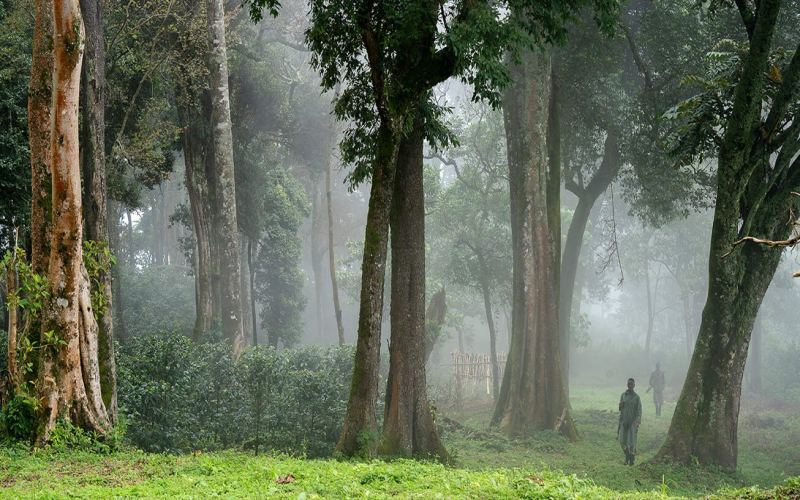
Gesha Village: Tracing the Origins of Ethiopian New Varieties and Recent Auctions
The name Geisha is now almost a highly recognizable symbol in specialty coffee. But what many people don't know is that its roots actually lie in Ethiopia. In recent years, an estate named after Geisha—Gesha Village—has turned its attention back to Ethiopia, and has also made "original Geisha" a [more…]
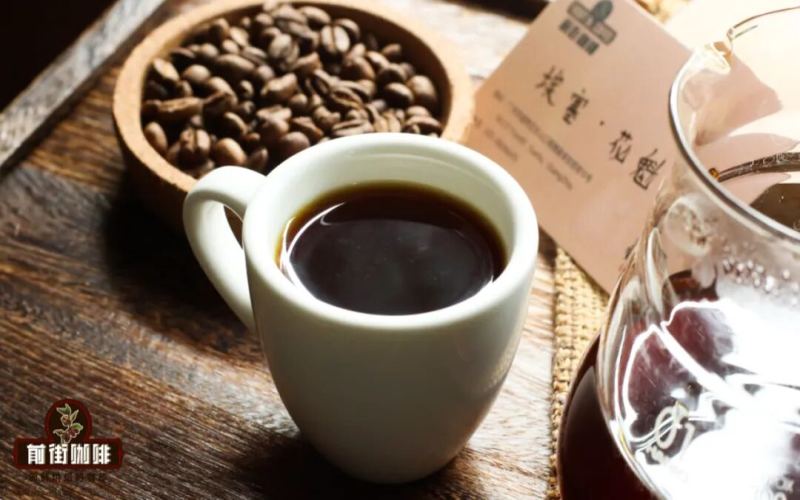
Ethiopian Huakui Coffee Beans | Are all coffees from Ethiopia's Hambela region called Huakui coffee?
This year marks the 9th year since "Huakui Coffee" rose to fame. If the previous naming conventions were followed, the Huakui released this year should logically carry a "9.0" suffix. But more than half the year has passed, and many friends have noticed that "Huakui 9.0" is almost nowhere to be seen on the menus of offline coffee shops! [more…]
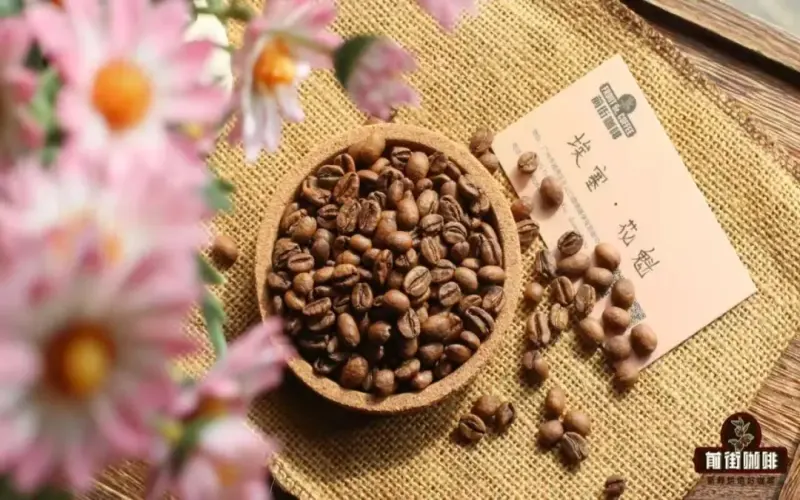
Ethiopian Sidamo Sun-Dried Huakui | Single-Origin Coffee Bean: Are Huakui, Gesha, and Geisha the Same Coffee Variety? What Is the Difference Between Huakui and Geisha?
If a customer is looking for the most cost-effective coffee beans, then Huakui is definitely one of Front Street's top recommendations. But whenever Front Street mentions Huakui, some customers will say something like: "Oh, I know Huakui—it's a variant of Geisha / a variety of Geisha!" As you can see, even today there are still many people [more…]
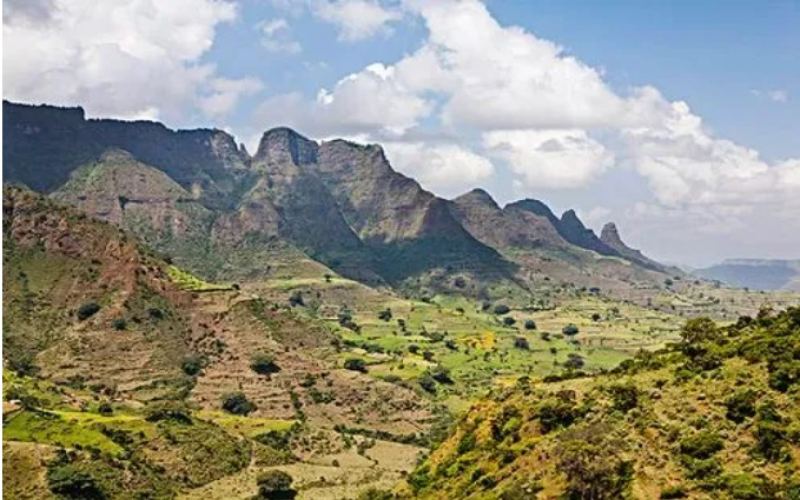
Yirgacheffe Coffee Beans | Introduction to the Coffee Flavor and Producing Region of Medium-Light Roasted Ethiopian Yirgacheffe
Adding sugar and milk has become a coffee drinking habit formed over the past nearly hundred years, because Mandheling, Brazil, Colombia, and Blue Mountain have all traditionally used dark roasting. Yirgacheffe beans are small, and the fruity acidity of light-roasted coffee has opened a new coffee world. The African continent is vast, with an average elevation of 75 [more…]
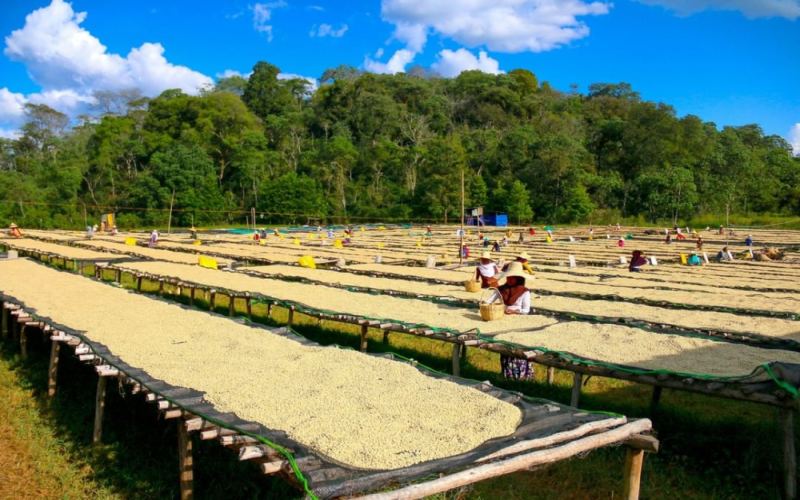
Coffee Yirgacheffe | Is light roast or medium roast better for Yirgacheffe coffee? A classic Ethiopian Yirgacheffe specialty coffee bean recommendation, the top choice for beginners in specialty coffee
It is well known that African specialty coffee is primarily characterized by fruity and floral aromas. Among these, Ethiopia is not only recognized as the birthplace of coffee but also the homeland of many legendary varieties. When it comes to flavor, Ethiopian coffee typically features distinct citrus and fragrant floral notes, a light body, and bright acidity, with Yirgacheffe being the most famous. [more…]
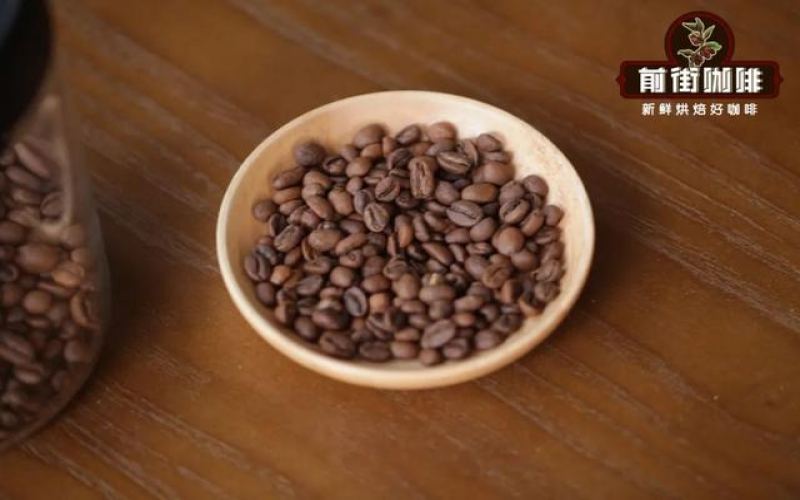
Huakui Coffee Beans | Ethiopia's Original Sidamo Guji Region Sun-Dried Huakui Coffee: Region, Flavor Characteristics, and Is It Related to Geisha?
How did Geisha coffee get its name? Front Street Coffee believes that from a literal sense, Geisha coffee is a coffee bean full of floral fragrance, but this is not actually the case. Geisha's floral aroma is not strong; instead, its fruity aroma is more intense, such as passion fruit, strawberry, mango, jackfruit, and citrus. According to what Front Street Coffee has learned: Geisha [more…]
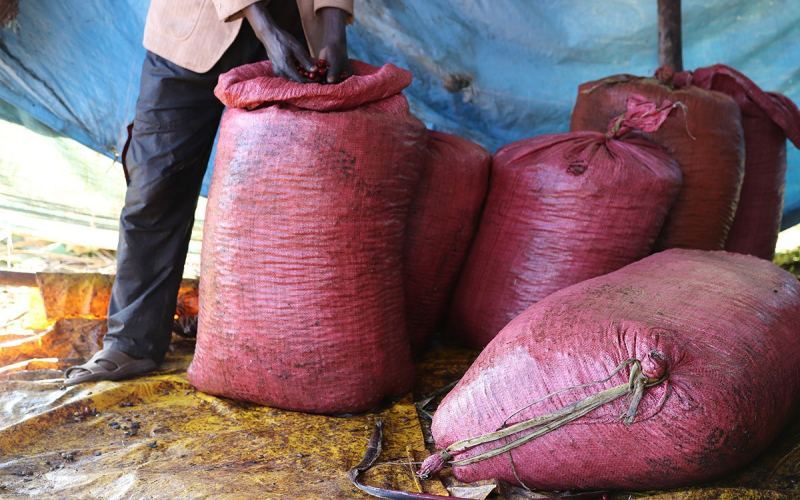
Coffee Beans from the Guji Region: A Floral Representative of High-Altitude Washed Ethiopian Coffee
When it comes to Ethiopian coffee, Yirgacheffe and Sidamo are familiar names, while Guji is a newer region that has only gradually come into the specialty spotlight over the past decade or so. It sits right next to these two major regions, with higher elevations and more distinctive flavors, especially known for its floral aromas and clean acidity. More and more coffee lovers are turning their attention to it. [more…]
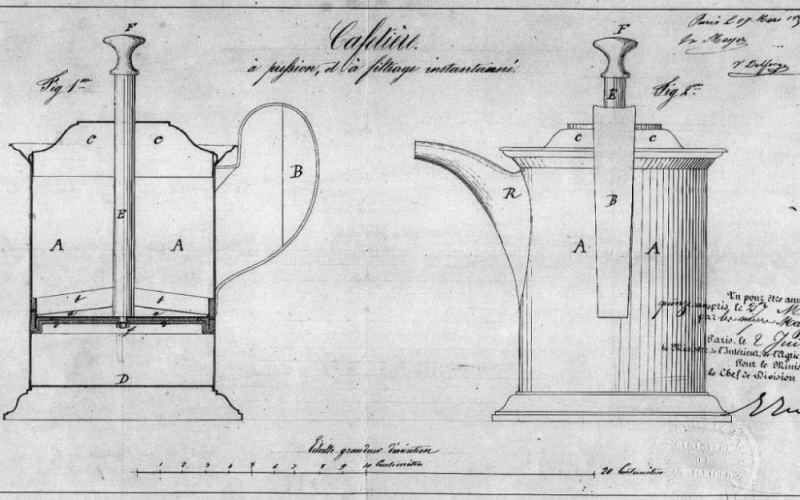
French Press | How to use a Starbucks French press and what coffee grind size? What flavor characteristics does Ethiopian Huakui coffee brewed in a French press have?
For more specialty coffee knowledge, please follow: Front Street Coffee (Frontsteet Coffee) Nowadays, discerning coffee enthusiasts who want to brew a standard pour-over coffee at home need to prepare a variety of tools: a gooseneck kettle, a server, a dripper, filter paper, a thermometer... Using them is quite a production, and when not in use [more…]
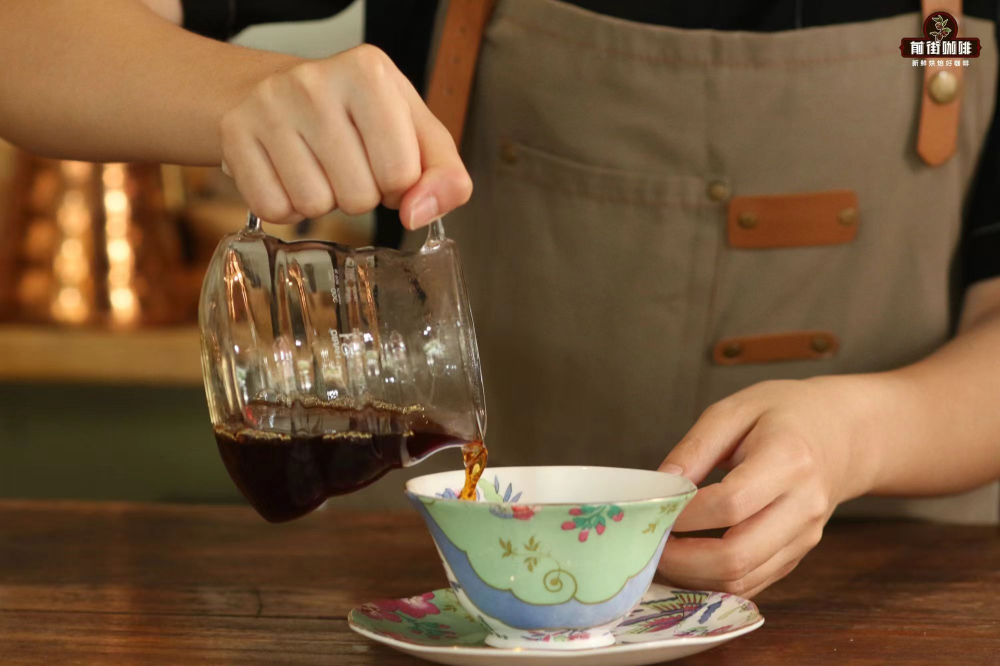
Floral and Fruity Single-Origin Bean Recommendation | For Sidamo Sun-Dried Huakui, is Light Roast or Medium Roast Better? Is Huakui Coffee Bean Better Suited for Pour-Over or Espresso?
With the "rise" of acidic coffee in recent years, I believe everyone has heard of the Flower Queen coffee. Just hearing the name makes it sound extraordinary; its bright citrus and berry notes, along with its juicy, delightful sweet-and-sour taste, leave a lasting impression. This article will introduce you to Flower Queen coffee. Flower Queen rose to fame in 2017, when Ethiopian [more…]
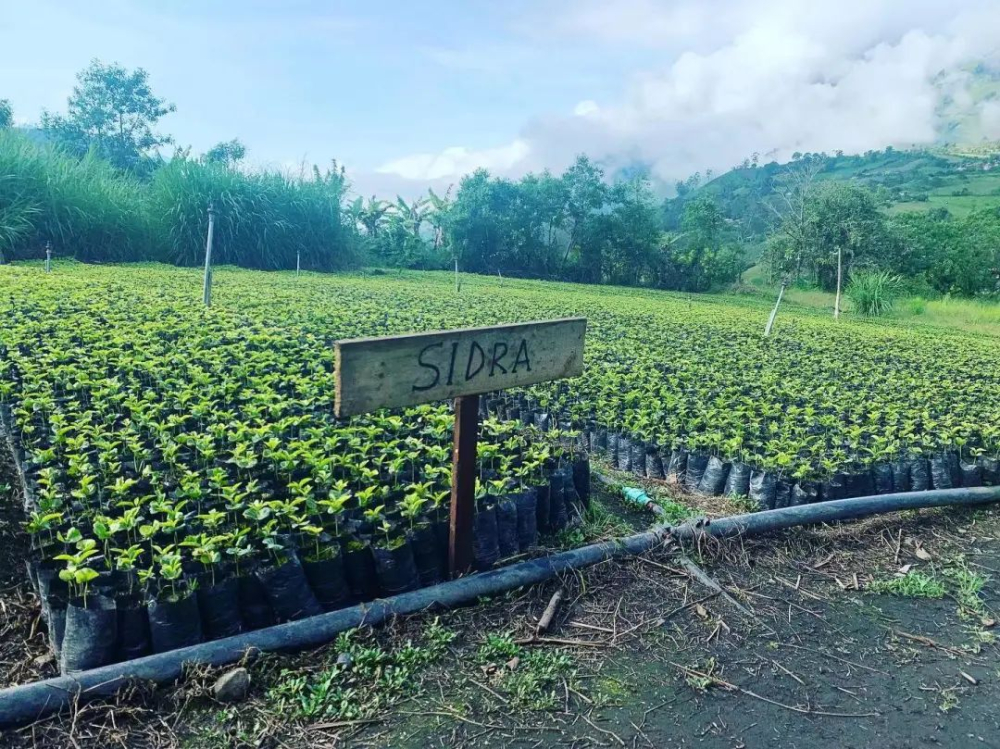
Colombian Sidra Coffee Beans | Flavor Characteristics of Anaerobic Fermentation Sun-Dried Sidra Coffee Beans and Introduction to the Sidra Coffee Variety
"Variety" is another consideration some friends use when selecting coffee beans, in addition to flavor and origin. Sidra, transliterated from "Sidra," also known as "Sydra" or "Bourbon Sidra." In Spanish, Sidra means "apple juice." [more…]

Geisha Moka Pot Brewing Tutorial | Can You Use Light Roast Coffee Beans in a Moka Pot? How Does Sidamo Natural Geisha Taste as Moka Pot Coffee?
Huakui coffee is a single-origin coffee from Ethiopia, renowned for its explosive aroma and sweetness, with a highly distinctive taste. It once won first place in the sun-dried bean category of the 2017 Ethiopian International Coffee Cupping, and this batch of green beans was named "Huakui" because of its champion status. In the [more…]
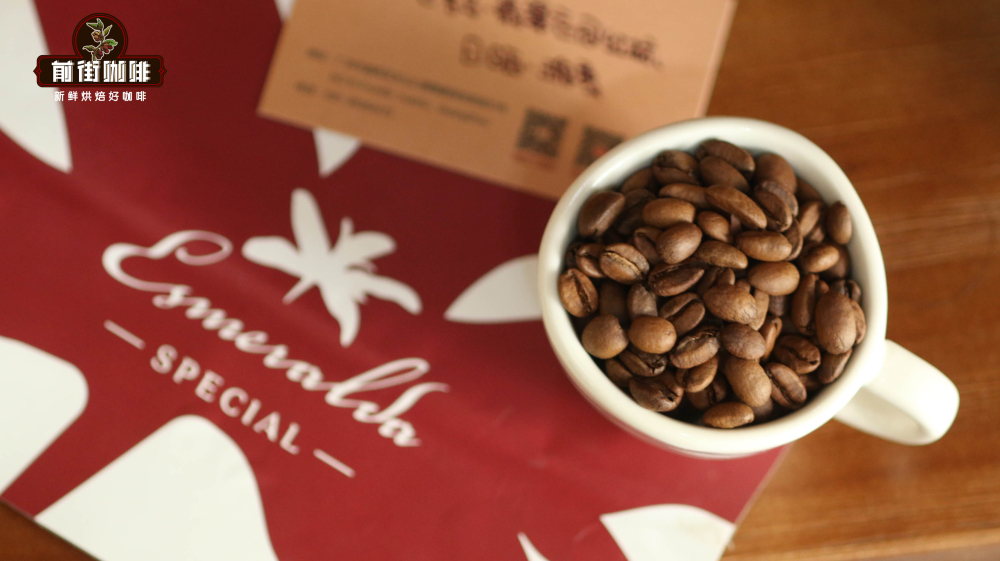
Coffee Varieties Illustrated | What Are the Taste and Shape Differences Between the Three Major Coffee Bean Species? How to Quickly Identify Coffee Bean Varieties? Are Ethiopian Heirloom and Geisha the Same Species of Coffee?
Every variety of coffee beans has different bean appearance (bean外貌) characteristics. In this article, Front Street will guide everyone through coffee bean appearance to identify coffee bean varieties, and what flavor characteristics do different coffee varieties have? ~| Typica (Typica) Typica originated in Ethiopia and southeastern Sudan. [more…]
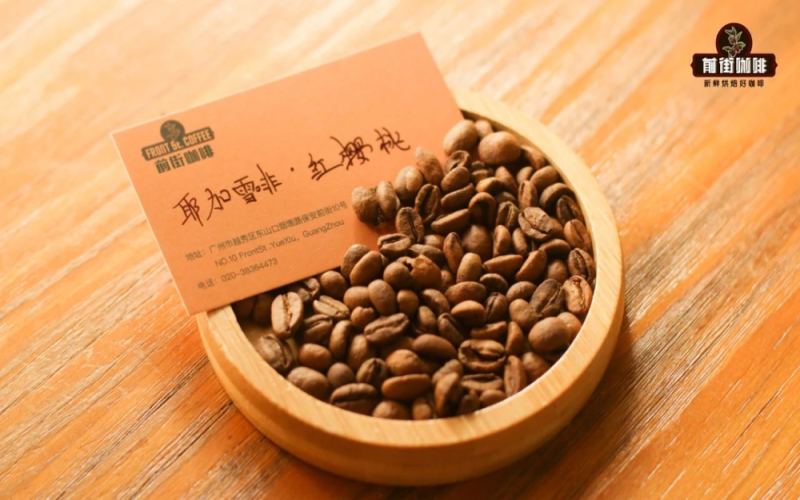
Yirgacheffe Gotiti | Does Yirgacheffe refer to a coffee variety? Recommended high-quality, delicious, and affordable single-origin Ethiopian coffee beans perfect for pour-over and cold brew
Believe it or not, many coffee newbies have heard of Yirgacheffe coffee~ Nowadays, many coffee shops offer 1-2 types of Yirgacheffe coffee beans for making single-origin coffee. Yirgacheffe coffee origin: Yirgacheffe is actually a small town in Ethiopia, and as long as it is grown and produced in this town, [more…]