







Can Coffee From Ethiopia Deliver Bright Fruit Acidity?
Yes. Ethiopian beans are known for bright fruity acidity, honey-like sweetness and a clean, crisp mouthfeel, which is why customers at specialty shops often ask for Yirgacheffe first. The country is coffee's birthplace, and its high-altitude regions, abundant moisture from lakes such as Turkana, Abaya and Chamo, and foggy Rift Valley conditions all support distinctive flavor.
Six pour-over options cover the range: washed Yirgacheffe, Gotiti Cooperative, sun-dried Red Cherry, Huakui, Hamasho and Kafa Forest. Yirgacheffe sits between 1,700 and 2,100 meters, among the highest growing areas in the world, and shows citrus-lemon acidity, jasmine aroma and a light, tea-like body. Processing method, whether washed or natural, shifts each bean's profile further.
Ethiopia, as the birthplace of coffee, has always been a holy land in the hearts of coffee lovers worldwide. At Front Street Coffee stores, customers often walk in and ask if there are Ethiopian beans, or if there is Yirgacheffe. Whether they are beginners just getting into specialty coffee or seasoned connoisseurs, they are all drawn to the bright fruity acidity, honey-like sweetness, and clean, refreshing taste of Ethiopian beans. In this article, Front Street will guide you through this major African coffee country and one by one break down six must-drink Ethiopian specialty pour-over coffees—from washed Yirgacheffe to sun-dried Red Cherry, Huakui, Hamasho, and then Kafa Forest—detailing each bean's regional background, processing method, and flavor profile to help you find the cup that suits you best.
To learn more about specialty coffee, please follow our WeChat official account: Front Street Coffee.
Coffee's homeland is Ethiopia, long regarded as a pilgrimage site in the hearts of coffee professionals. Many friends who come to Front Street Coffee ask right upon entering whether there are Ethiopian beans, or if there is Yirgacheffe. Indeed, for beginners just stepping into the world of specialty coffee, or for seasoned enthusiasts who have tasted through every region, Ethiopian coffee's bright acidity, honey-like sweetness, and clean, crisp mouthfeel are irresistible. Today, Front Street will introduce you to this important coffee-producing country.
Six must-drink Ethiopian specialty pour-over coffees:
1. Front Street Washed Yirgacheffe
Yirgacheffe is a small town in Ethiopia, with an altitude between 1,700 and 2,100 meters, making it one of the highest coffee-growing regions in the world and a calling card of Ethiopian specialty coffee. Lake Turkana, Lake Abaya, and Lake Chamo supply abundant moisture to this land. The Rift Valley area, represented by the Misty Valley, is shrouded in fog year-round, with a spring-like climate, cool breezes, and a humid, cool environment. Thousands of coffee varieties thrive here, creating Yirgacheffe's signature terroir of interwoven floral and fruity aromas with layered complexity. What is commonly called Yirgacheffe flavor refers to distinct citrus-lemon acidity, intense jasmine aroma, a light and elegant body, and a tea-like touch, drinking like a refreshing, clean glass of lemon tea.
2. Front Street Gotiti Cooperative
The Gotiti Cooperative is located in the Worka production area southeast of Yirgacheffe, originally part of the Worka Cooperative under the Yirgacheffe Coffee Farmers Cooperative Union (YCFCU). Later, as the market placed increasing importance on traceability of green coffee, batches of independent "single-origin" lots were gradually discovered by coffee hunters worldwide. Thus, in 2012, Gotiti, with about 300 farmer members, broke away from the original organization and officially established the "Gotiti Cooperative." Because the pulp is removed before drying, Front Street Gotiti coffee's inherent aromas are displayed more clearly, with citrus and lemon tones and elegant white floral notes, making the overall flavor bright and delicate.
3. Front Street Sun-Dried Red Cherry
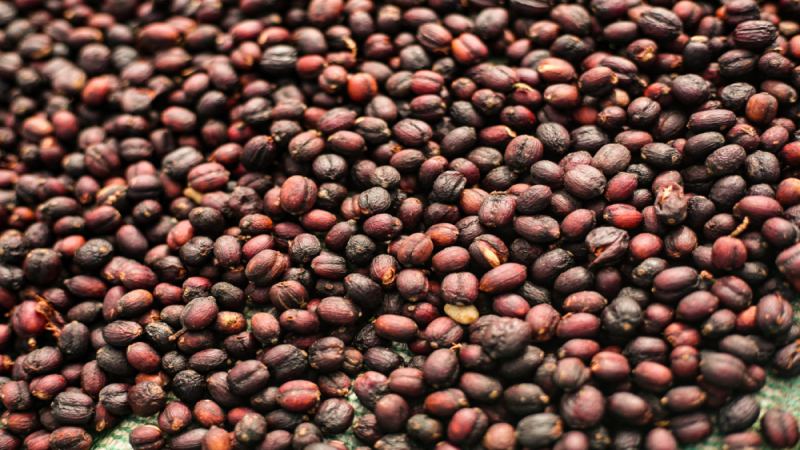
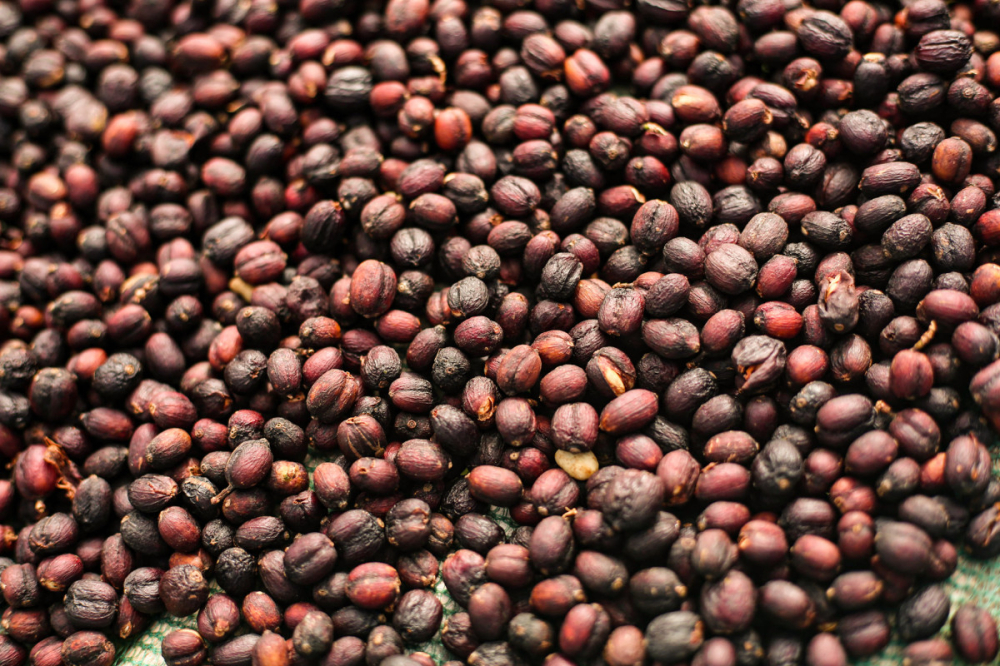
Unlike washed processing, sun-dried coffee first selects out damaged or moldy fruits. After about two weeks of drying in the sun, once the sugars and essence in the pulp have fully penetrated the coffee beans and the moisture content drops to 12%, the hardened pulp, pectin layer, and pod are cleaned off with a hulling machine. The extracted beans still need to pass density and bean color tests to remove defective beans, and finally workers visually pick out any missed defective beans. Through layer upon layer of screening, every single coffee bean obtained is worthy of being called specialty, ensuring its clean, refined quality with rich, alluring fruity aromas. Front Street Yirgacheffe Red Cherry Project sun-dried coffee bean flavor description: peach, cocoa, honey, lemon.
4. Front Street Sun-Dried Huakui
Sidamo is located in southern Ethiopia. In the past, Sidamo coffee beans also covered Yirgacheffe coffee and Guji coffee. However, the ECX trading system has since separated Yirgacheffe and Guji from Sidamo. Sidamo coffee has abundant fruity acidity and intense aroma, in no way inferior to Yirgacheffe in aromatic expression, making it very suitable for drinkers who like strong flavors but do not want something too heavy, achieving a good balance and harmony between aroma and mouthfeel. Front Street Sun-Dried Huakui is a typical representative, with pleasant berry and citrus aromas interwoven with sweet mango flavors, combining to create a black tea-like charm.
5. Front Street Hamasho
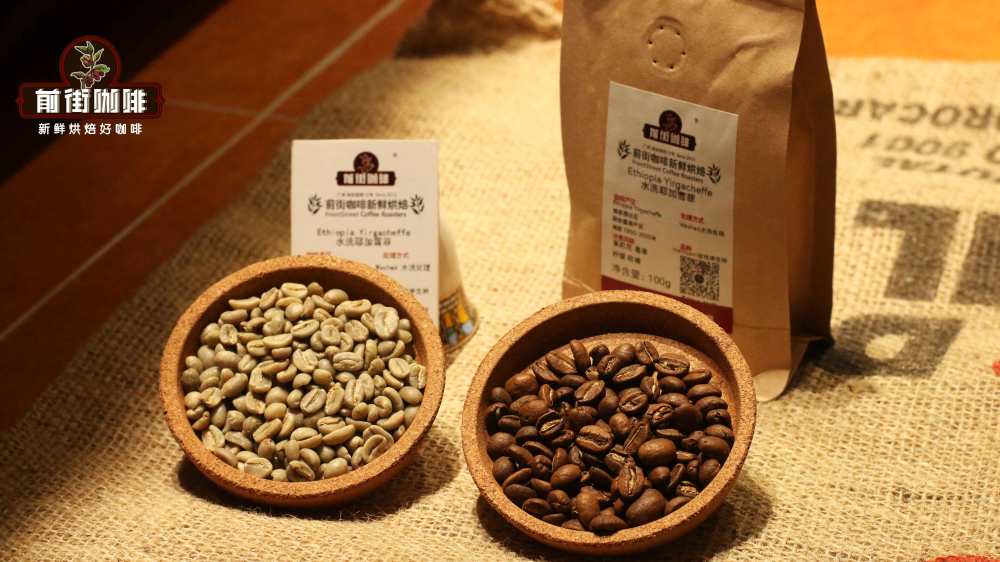
Also from the Sidamo production area, the Hamasho processing station, with its outstanding quality and unique flavor, has become a frequent name on Ethiopian green bean competition award lists and has attracted the attention of many coffee lovers. The coffee produced by the Hamasho processing station mainly consists of the 74 series disease-resistant varieties released by JARC (Jimma Agricultural Research Center), and 74158 has relatively small beans with particularly prominent floral and fruity aromas. Front Street Hamasho 74158 has an alluring aroma, with sweet notes resembling perfume lemon, strawberry, and star fruit. On the palate, there are clear sweet flavors of strawberry, star fruit, and green grape, followed by a faint floral aroma gradually emerging.
6. Front Street Kafa Forest
Unlike the pastoral model people imagine, in which farmers plant coffee trees in their own backyards, Kafa Forest is most representative for producing wild coffee. The coffee trees all grow in shaded environments at altitudes of 1,400–2,100 meters. Favorable conditions such as an untouched ecosystem, microclimate, red soil, and abundant rainfall provide an excellent growing environment for coffee trees. Front Street Kafa Forest coffee beans are medium-light roasted. After grinding, they carry a distinct white floral aroma. On the palate, there is bright citric acidity, presenting sweet orange and bergamot flavors, with a slight melon and nutty aroma in the aftertaste, and a mouthfeel similar to green tea.
The above content is compiled by CoffeeHunters, a coffee news website.


