







Which Ethiopian specialty coffee beans are worth brewing?
Six Ethiopian coffees stand out for pour-over: Front Street washed Yirgacheffe, Gotiti Cooperative, sun-dried Red Cherry, sun-dried Huakui, Hambela and Kafa Forest. All are grown in the country regarded as coffee's birthplace and share the region's signature bright acidity, honey-like sweetness and clean, refreshing cup. The list works as a starting point for buyers at any experience level.
Yirgacheffe sits at 1,700 to 2,100 meters, among the highest coffee-growing areas anywhere, and its damp rift-valley climate produces citrus-lemon acidity, jasmine aroma and a light, tea-like body. The other five lots come from different zones, so terroir and processing shift the flavor. Comparing them side by side is the practical way to learn how Ethiopian specialty coffee varies by region.
Ethiopia, as the birthplace of coffee, has always been a holy land in the hearts of coffee lovers worldwide. The coffee beans produced here are renowned for their bright acidity, honey-like sweetness, and clean, refreshing taste, captivating both beginners just entering the specialty coffee scene and seasoned connoisseurs. Front Street Coffee frequently encounters customers asking about Ethiopian beans and Yirgacheffe selections. This article will systematically introduce six must-try specialty pour-over coffees from Ethiopia, including Front Street washed Yirgacheffe, Gotiti Cooperative, sun-dried Red Cherry, sun-dried Huakui, Hambela, and Kafa Forest, providing detailed analysis of the terroir characteristics and flavor profiles of each region, offering practical purchasing references for coffee enthusiasts.
Ethiopia, the birthplace of coffee, remains a holy land that coffee professionals worldwide yearn for. Many customers who visit Front Street Coffee ask right away if the shop has Ethiopian beans or Yirgacheffe. Indeed, whether they are beginners just stepping into specialty coffee or veterans who have tasted beans from every major region, Ethiopian coffee beans' bright acidity, honey-like sweetness, and clean, refreshing taste are simply irresistible. Today, Front Street will discuss this important coffee-producing country.
Six must-try specialty pour-over coffees from Ethiopia:
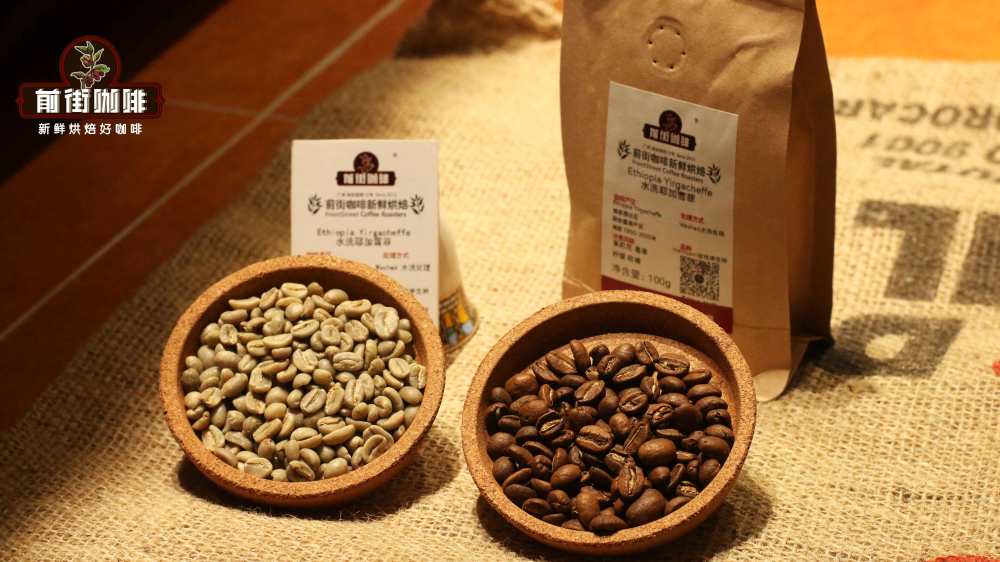
1. Front Street Washed Yirgacheffe
Yirga cheffe is a small town in Ethiopia, situated at an altitude of 1,700 to 2,100 meters, making it one of the highest coffee-producing regions in the world and long synonymous with Ethiopian specialty coffee. Lake Turkana, Lake Abaya, and Lake Chamo bring abundant moisture to this land. The rift valley area centered on the Misty Valley is shrouded in fog year-round, with spring-like weather in all seasons, gentle breezes, and a cool, humid climate. Thousands of coffee trees flourish here, creating Yirgacheffe's unique terroir flavor where floral and fruity notes intertwine in rich, ever-changing layers. What is commonly called Yirgacheffe flavor refers to bright citrus-lemon acidity, intense jasmine aroma, a light and elegant body with a tea-like quality, drinking like a refreshing, clean glass of lemon tea.
2. Front Street Gotiti Cooperative
Gotiti Cooperative is located in the Worka production area at the southeastern end of Yirgacheffe, originally under the Worka Cooperative of the Yirgacheffe Coffee Farmers Cooperative Union (YCFCU). As coffee hunters worldwide increasingly demand traceability of green beans, individual "single-origin" lots have been discovered one after another. In 2012, Gotiti, with approximately 300 member farmers, officially became an independent "Gotiti Cooperative." Because the pulp is removed before drying, Front Street Gotiti coffee's aromas are more clearly expressed, presenting citrus and lemon notes with elegant white floral notes, with an overall bright and delicate flavor.
3. Front Street Sun-Dried Red Cherry
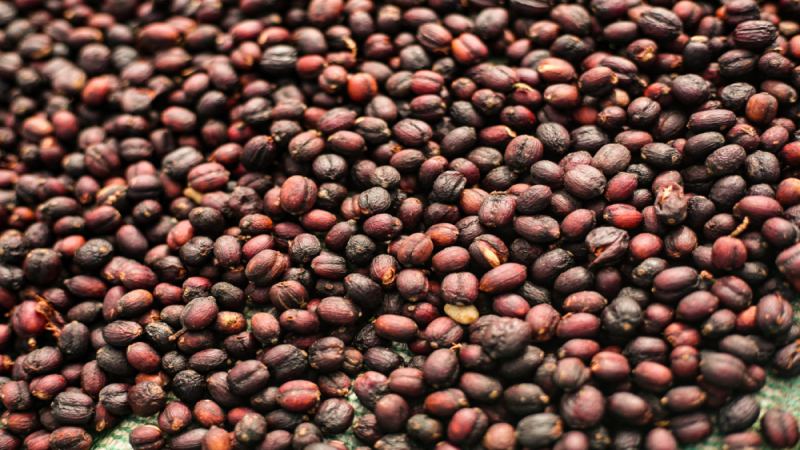
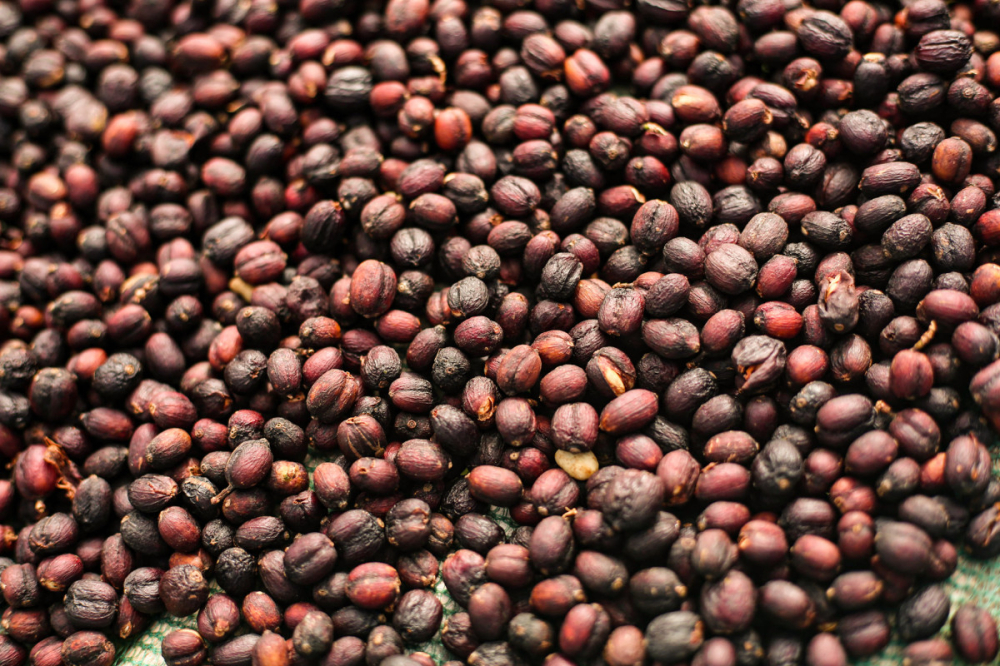
Unlike the washed processing method, sun-dried coffee first removes damaged or moldy fruits. After drying in the sun for about two weeks, when the sugars and essence of the pulp have fully penetrated the coffee beans and the moisture content has dropped to 12%, the hardened pulp, pectin layer, and pod are cleaned off with a hulling machine. The extracted coffee beans then undergo density and bean color testing to eliminate defective beans, and finally workers visually hand-sort any remaining defects, with multiple layers of quality control. The resulting coffee beans are all specialty grade, ensuring their clean, refined quality with rich, captivating fruity aromas. Front Street Yirgacheffe Red Cherry Project sun-dried coffee bean flavor description: peach, cocoa, honey, lemon.
4. Front Street Sun-Dried Huakui
Sidamo is located in southern Ethiopia. In the past, Sidamo coffee beans also covered Yirgacheffe coffee and Guji coffee. However, the ECX trading system has since separated Yirgacheffe and Guji from Sidamo. Sidamo coffee has abundant fruit acidity and intense aromas, losing nothing to Yirgacheffe in aromatic expression, making it ideal for those who prefer bold flavors without wanting too heavy a body, achieving a fine balance and harmony between aroma and mouthfeel. Front Street Sun-Dried Huakui is a typical representative, with pleasant berry and citrus aromas intermingling with sweet mango flavors, forming a black tea-like resonance.
5. Front Street Hambela
Also from the Sidamo production area, Hambela Processing Station, with its outstanding quality and unique flavor, has become a frequent winner on Ethiopian green bean competition award lists and has attracted widespread attention from coffee enthusiasts. The coffee produced by Hambela Processing Station mainly consists of the 74 series disease-resistant varieties released by JARC (Jimma Agricultural Research Center), among which 74158 has smaller beans and particularly prominent floral and fruity aromas. Front Street Hambela 74158 has a captivating aroma, with sweet notes resembling perfume lemon, strawberry, and starfruit. On the palate, extremely distinct strawberry, starfruit, and green grape sweetness emerge, followed by a subtle floral note gradually unfolding.
6. Front Street Kafa Forest
Unlike the pastoral growing model we typically imagine, where farmers plant coffee trees in their own backyards, Kafa Forest is most representative for producing wild coffee. The coffee trees all grow in shaded environments at altitudes of 1,400 to 2,100 meters. The original ecosystem, microclimate, red soil, and abundant rainfall provide superior growing conditions for the coffee trees. Front Street Kafa Forest coffee beans are medium-light roasted, with a distinct white floral aroma after grinding. On the palate, they present bright lemon acidity accompanied by sweet orange and bergamot flavors, with a lingering finish of subtle melon and nutty notes, and a mouthfeel similar to green tea.
The above content is compiled by CoffeeHunters, a coffee news website.


