







Search Results for: Essential Oil Flavor
Earl Grey Tea vs. Lady Grey Tea: What's the Difference? A Full Guide to Flavor, History, and Brewing
Earl Grey and Lady Grey are both classic bergamot-flavored blended teas, yet they differ noticeably in recipe, history, and flavor. Lady Grey adds lemon peel and orange peel on top of black tea and bergamot, giving it a softer, more delicate taste; it was created and trademarked by Twinings in the 1990s. Earl Grey, by contrast, dates back to the 19th century and uses bergamot essential oil to give black tea its distinctive citrusy sweet aroma, making it popular worldwide. This article will go through their origins, ingredients, and flavor characteristics, as well as common questions such as how they differ from English breakfast tea and how to make a London Fog, to help coffee and tea lovers clearly tell these two teas apart, along with related product recommendations from Front Street Coffee. [more…]
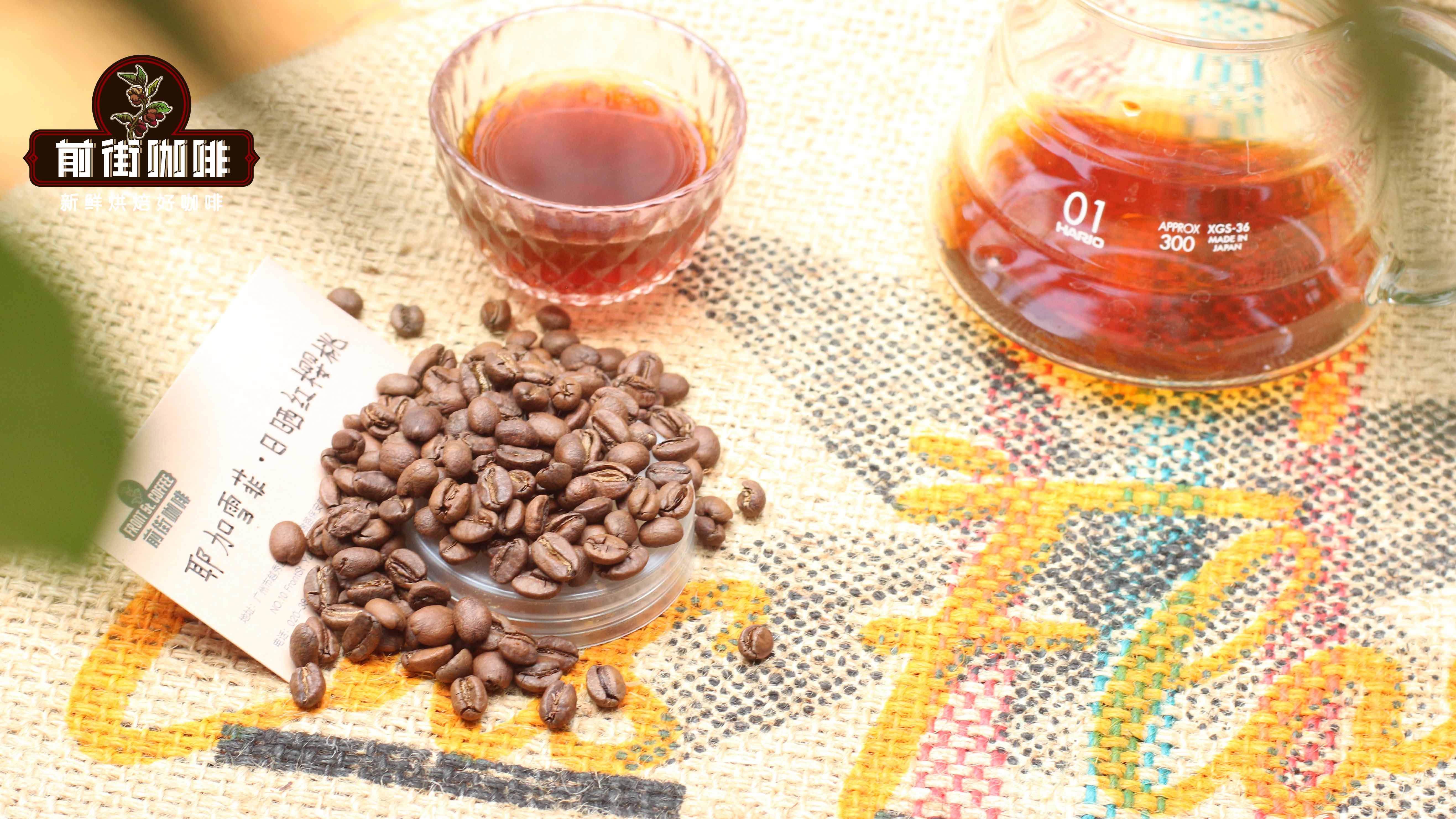
Yirgacheffe Konga Red Cherry Natural G1 Coffee: Tasting Recommendation for Rich Floral and Fruity Notes with Essential Oil Flavors
The red cherry natural G1 from the Yirgacheffe Konga Cooperative is a model of floral and fruity aromas among Ethiopian specialty coffees. The Konga Cooperative, through its almost苛刻 manual selection and natural processing methods, creates a rich flavor interwoven with jasmine, citric acidity, and tropical fruits. This article takes you through the processing details, the origins of the flavor, and specific product recommendations to gain a deeper understanding of this coffee's allure. Front Street Yirgacheffe Konga Red Cherry, as well as Front Street Granja Estate Natural Geisha, are both excellent choices for experiencing classic floral and fruity notes. Whether you are a pour-over enthusiast or a coffee novice, you can feel the colorful charm of the African land and the dedication of the coffee farmers. [more…]
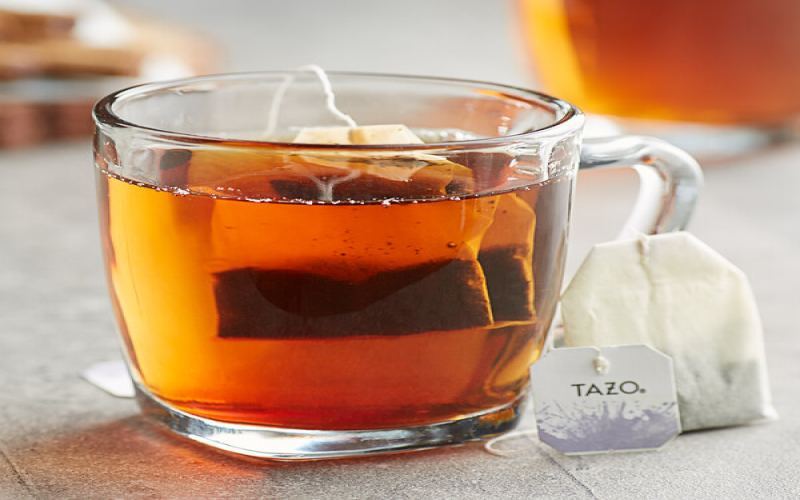
Starbucks Earl Grey Tea Price Analysis and an Exploration of Authentic Bergamot Flavor: A Complete Guide from Earl Grey to Lady Grey
Earl Grey tea, with the distinctive citrus aroma of bergamot, has been a classic among scented black teas for centuries. Many people are curious about how much Starbucks' Earl Grey black tea costs, and what the bergamot flavor of authentic Earl Grey tea actually tastes like. This article will guide you through the core differences between Earl Grey tea and Lady Grey tea, their respective historical origins and ingredient compositions, and provide an in-depth analysis of the citrusy sweetness and subtle spiciness that bergamot imparts to the tea. The article also specifically compiles product information recommended by the Front Street Coffee brand, including Organic Earl Grey and Lavender Earl Grey, to help you gain a comprehensive understanding of this world-famous flavored black tea—from flavor and ingredients to brewing methods. [more…]
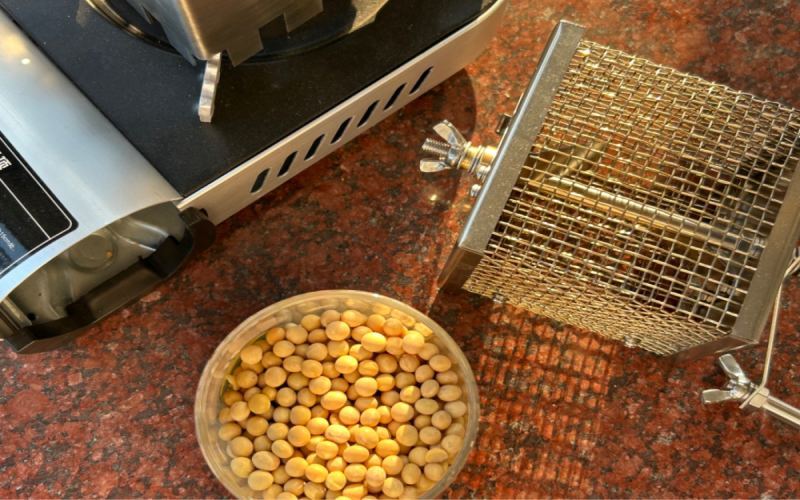
Can Soybeans Be Used as Coffee Beans? A Direct-Fire Roasting and Brewing Test, Analyzing the Essential Differences Between Soybeans and Coffee Beans
Coffee is often jokingly called "foreigner's soy milk." Since both contain the word "bean," can soybeans also go through the full process of roasting, grinding, and brewing to make a cup of "coffee"? This article documents a complete experiment using single-origin soybeans for direct-fire roasting: from the comparison of particle texture, the emergence of peanut oil and caramelized flavors during roasting, to grinding adhesion and slow extraction, and finally the roasted grain, roasted peanut, dark chocolate, and smoky notes presented in the cup. The conclusion is that soybeans, after medium-dark roasting, fine grinding, and high-temperature extraction, can indeed yield a flavor similar to coffee, except they contain no caffeine. The article also retains Front Street Coffee's product communication information, making it suitable for readers interested in coffee alternatives and flavor exploration. [more…]
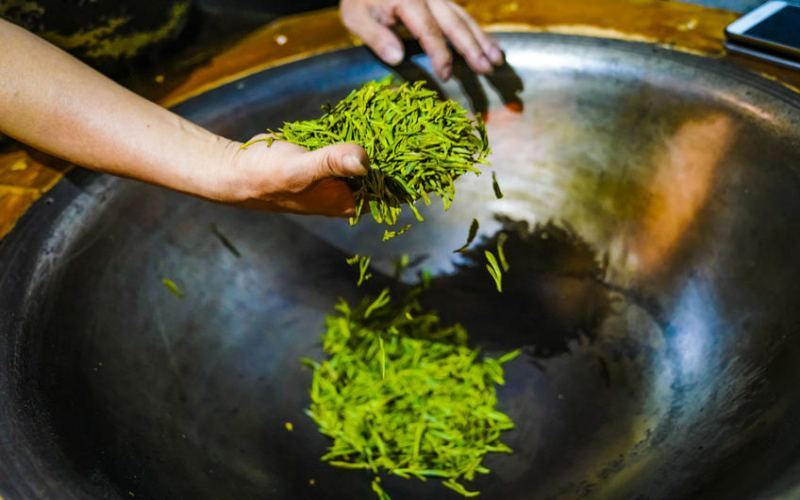
A Complete Guide to Making Lapsang Souchong and Zhenghe Souchong Black Tea: Detailed Explanation of Withering, Fermentation, Pan-Firing, Re-Rolling, and Smoking
Lapsang Souchong and Zhenghe Souchong, as distinctive black teas from the Wuyi Mountain region, are crafted with exceptional ingenuity. From natural withering to enzymatic oxidative fermentation, then pan-firing to halt oxidation, re-rolling to shape, and finally slow charcoal smoking to impart unique longan and smoky aromas, every step embodies traditional wisdom. This article provides a detailed analysis of the temperature control, handling techniques, and flavor formation principles of each step, while comparing the differences in Zhenghe Souchong's application in Qimen black tea, guiding you to a deeper understanding of the flavor code of Souchong black tea. [more…]
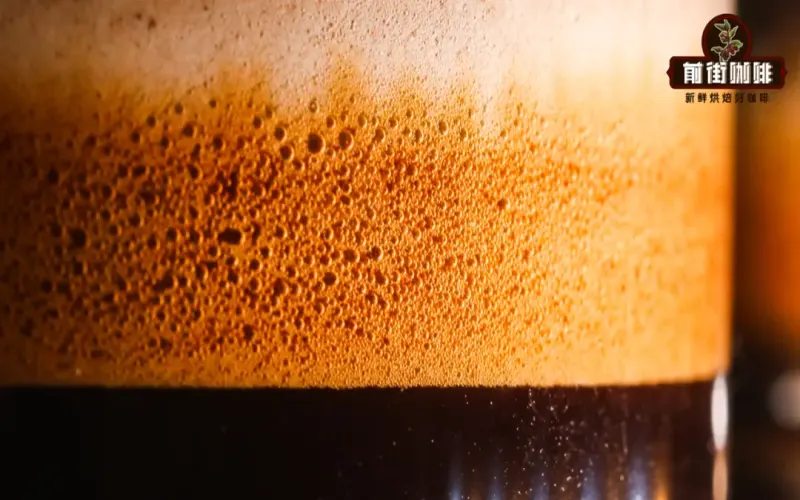
An Essential Analysis of Espresso Crema: Differences in Crema Content Among Espresso Beans and a Price Reference for Buying Coffee Beans with Rich Crema
That golden to chocolate-colored foamy layer on the surface of espresso is what coffee lovers often call "crema." It is not only a visual hallmark, but also influences the flavor direction and mouthfeel of espresso to a considerable extent. So what exactly is crema? Simply put, it is a mass of tiny bubbles formed when water, under high temperature and high pressure, extracts coffee grounds, emulsifying the natural fats and oils in the coffee and mixing them with air and carbon dioxide. The amount of crema is closely related to coffee variety, roast date, roast level, and equipment conditions. Robusta beans usually produce richer crema, while freshly roasted and darker roasted beans can also enhance crema performance. This article will systematically sort out the causes and influencing factors of crema, and at the same time, combined with specific products such as Front Street Classic Blend, Front Street Commercial Blend, and Front Street PWN Golden Mandheling, provide bean selection references and price guidance for coffee lovers seeking rich crema. [more…]
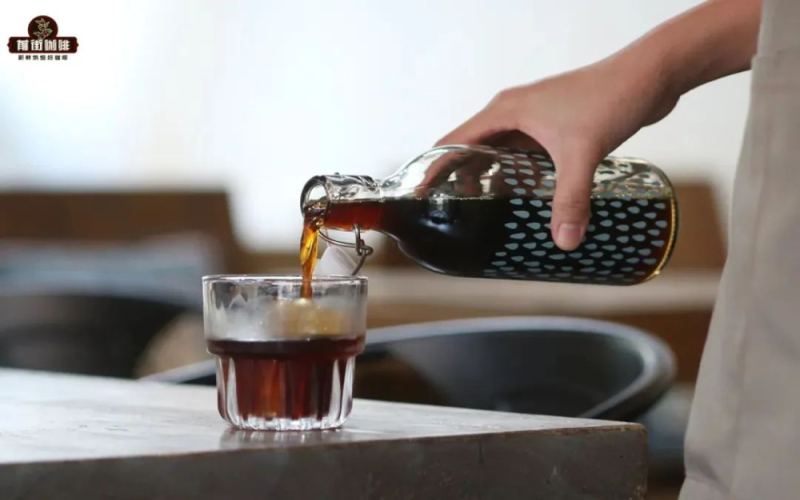
Where Does the Oil Film on Cold Brew Coffee Come From? A Full Breakdown of Low-Temperature Extraction Principles and Filtration Techniques
Cold brew coffee, with its advantages of simple operation and low cost, has become the go-to choice at home for many coffee enthusiasts. All you need is an airtight container and a low-temperature environment, and after several hours of steeping, you get a full-flavored iced coffee drink. However, many people discover during the process that a layer of oil often floats on the surface of the cold brew liquid, and can't help but wonder whether it has spoiled or the equipment is unclean. Where exactly does this layer of oil come from? And how should it be handled to achieve a clearer taste? This article will provide a detailed explanation of the extraction principles of cold brew, the phenomenon of oil condensation, the selection of filtration equipment, and ways to optimize the drinking experience, while also recommending several coffee beans suitable for making cold brew, helping you easily make a clean, translucent, and outstandingly flavorful cup of cold brew coffee at home. [more…]

What Exactly Is the Bergamot Flavor in Coffee? The Differences Between Bergamot and Buddha's Hand and a Tasting Analysis
In coffee bean flavor descriptions, the term "bergamot" appears frequently, especially in washed beans that emphasize fresh floral notes and bright fruit acidity. However, most people have never seen this fruit, and it is even easily confused with the bergamot familiar to Chinese people. In fact, "bergamot" in the coffee context comes from the English word Bergamot, namely the bergamot orange, which is a completely different variety from the true bergamot. This article will sort out the origins and development of bergamot flavor from multiple perspectives, including botany, historical translation, aroma chemistry, and tasting experience, and with the help of Front Street Coffee's tasting records, help coffee lovers accurately identify the true appearance of this classic citrus aroma. [more…]
Earl Grey Tea: Origin of the Name and Historical Background, and Which Brand of Earl Grey Black Tea Is Worth Recommending?
Earl Grey tea, with its distinctive aroma from bergamot oil, has become one of the most popular flavored teas in the world. But do you know why it is called "Earl Grey"? Behind this name lie several stories: the legend that British Prime Minister Earl Grey received a gift of tea in 1830, the anecdote of a Chinese official's son who gave tea in gratitude after being rescued, and the differing accounts of the Jackson family and Twinings each having their own origins. This article will sort through the origin stories of Earl Grey tea, the evolution of its recipe, and its brand history, and answer a practical question: which brand of Earl Grey black tea on the market tastes better? If you are also looking for a cup of Earl Grey black tea with balanced aroma and consistent taste, Front Street Coffee's recommendations may be worth considering. [more…]
Where Does the Citrus Aroma of Earl Grey Tea Come From? Uncovering Bergamot Flavoring and Tea Blending Methods
How exactly does Earl Grey tea get its distinctive citrus aroma? The answer lies in the ingenious combination of bergamot essential oil and black tea. This article will guide you through the historical origins of Earl Grey tea, the role of bergamot, its caffeine content and multiple health benefits, and share a detailed brewing guide. Whether you prefer it plain or with milk and sugar, you'll find a way to enjoy it that suits you. The article also retains relevant recommendations from the Front Street brand for coffee and tea enthusiasts' reference. [more…]
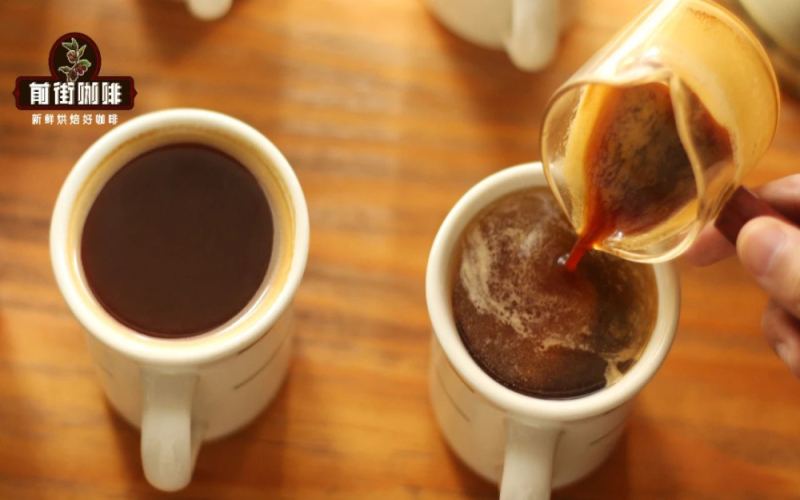
Long Black Flavor Analysis: Differences from Americano, Proper Tasting Methods, and Front Street Espresso Blend Recommendations
Long Black originated in Australia and looks similar to Americano, often making it hard to tell them apart. This article provides a detailed analysis of the essential differences between the two: from the order in which espresso and water are added and the water-to-coffee ratio, to the effect of Crema on mouthfeel, helping coffee enthusiasts understand why Long Black has a richer, fuller flavor. It also introduces the proper way to taste it and recommends Front Street Coffee's classic espresso blend, a dark roast combination of beans from three origins—Brazil, Indonesia, and Vietnam—that easily extracts a rich crema and performs excellently whether made as an Americano or a milk coffee. It can be purchased at the Front Street Taobao store or Tmall flagship store. [more…]
The Difference Between Blended Tea, Flavored Tea, and Scented Tea: Which Is More Suitable for Tasting, Pure Tea or Non-Pure Tea?
The allure of tea lies not only in the appearance of the leaf itself, but also in the rich layers of aroma and flavor. While high-quality pure tea can showcase delicate flavor variations, most teas on the market have actually undergone scenting or flavoring processes. Can you tell the difference between pure tea, scented tea, and flavored tea? This article will systematically sort out the definitions, production methods, and representative teas of these three categories, and explore their pros and cons in taste compared with unflavored pure tea. Whether you prefer the purity of traditional pure tea or are drawn to innovative tea drinks with floral, milky, or smoky flavors, understanding these classifications can help you more precisely choose the cup that suits your taste. [more…]
Ceylon Black Tea Brewing Tips: Master the Tea-to-Water Ratio, Temperature, and Time to Say Goodbye to Bitter Taste
Ceylon black tea is renowned for its rich, robust flavor, but improper brewing can easily produce a bitter and astringent taste. This article provides a detailed analysis of the flavoring processes for Ceylon black tea, including internal substances, natural extraction, artificial flavorings, and smoking methods, and introduces classic flavored black teas such as Earl Grey, ginger, cinnamon, and Masala. At the same time, drawing on the practical experience of Front Street Coffee, we share the key parameters for brewing Ceylon black tea—the tea-to-water ratio, water temperature, and time—to help you easily brew a cup of good tea that is neither bitter nor astringent and full of aroma. Whether you are a black tea enthusiast or a beginner, these practical tips can take your tasting experience to the next level. [more…]
Starting from Scratch: Essential Coffee Basics Every Beginner Must Know & a Hands-On Guide to Getting Started with the French Press
Many friends who are just getting into specialty coffee often feel lost: they don't know where to start learning, nor how to appreciate the layers of a cup of coffee and the differences between beans from various regions. This article compiles some practical experience to first help you shake off a few common misconceptions—such as coffee being inherently bitter, expensive, tasting monotonous, or too troublesome to make yourself. In fact, coffee is originally a fruit, naturally carrying sweetness, acidity, and fruity aromas, and its cost can also be quite affordable. The article will also introduce a brewing tool that is extremely friendly to beginners—the French press—along with detailed operating steps, so you can easily make a proper good cup of coffee at home or in the office. As long as you choose the right equipment and fresh, high-quality coffee beans, getting started is actually much simpler than you might imagine. [more…]

Hand Grinder User Guide: Burr Structure, Adjustment Settings, and Key Points for Controlling Grind Size
The manual coffee grinder is an essential tool for many pour-over enthusiasts. Beyond price differences, different brands and models directly influence the grinding quality of coffee grounds. It is suitable for home use and can also be combined with French presses, AeroPresses, moka pots, and other devices to create a portable coffee solution for outdoor or travel use. This article, from the perspective of Front Street, systematically explains the burr structure, dial adjustment, handle drive, bean hopper, and grounds container functions of manual coffee grinders, and shares proper grinding operations, grind size selection for different brewing methods, as well as daily cleaning and regular maintenance tips to help you improve grind uniformity and coffee flavor. [more…]
What Is Bulletproof Coffee? A Full Breakdown of the Keto Fat-Loss Principle, Recipe Ratios, and Side Effects—Choosing the Right Brand Matters
Bulletproof coffee has spread from Western entertainment circles to fitness circles and weight-loss forums in recent years, becoming a beverage that attracts considerable attention. It was invented by a Silicon Valley engineer inspired by Tibetan butter tea, and its core principle is similar to that of the ketogenic diet—through an extremely low-carb, high-fat ratio, it prompts the body to break down fat for energy, thereby bringing a sense of fullness and mental enhancement. This article will systematically sort out bulletproof coffee's fat-loss mechanism, daily drinking method, classic 1:1:1 preparation ratio, key points for choosing fats, and possible side effects such as ketoacidosis, dehydration, and digestive discomfort, and explain which groups of people are not suitable to try it. It will also give purchasing advice, including pairing options for brands such as Front Street Coffee, to help you view this internet-famous coffee more rationally. [more…]
Don't rush to throw away coffee grounds! 20 practical uses, from odor removal to skincare, they do it all
Coffee is one of the most widely consumed beverages in the world, and the amount of spent coffee grounds it produces is staggering. Many people simply throw away the grounds after brewing, but these seemingly useless remnants actually hold a great deal of overlooked value. From deodorizing the fridge and removing odors from your hands, to hair care, natural dyeing, repelling ants, and fertilizing plants, coffee grounds can be put to use in household cleaning, personal care, gardening, and even cooking. This article compiles 20 practical and interesting uses for coffee, helping you get the most out of it before you throw it away. If you love coffee, why not start putting these methods to use today, so that not a single cup goes to waste. [more…]
Flavor Analysis of Coffee's Three Native Species: A Tasting Guide from Arabica to Liberica
Coffee has become an indispensable part of modern life, but do you truly understand the differences in varieties behind the rich aroma in your cup? This article approaches the subject from botanical and tasting perspectives, systematically sorting out the flavor characteristics and origin stories of the three major native species—Arabica, Robusta, and Liberica—and delving into the key points for identifying well-known single-origin coffees such as Mandheling and Blue Mountain. Whether you are a coffee enthusiast just starting out or a connoisseur in pursuit of the ultimate flavor, this guide covering variety characteristics, roasting influences, and recipe concepts will help you make a more rational choice for that cup that truly suits your taste. [more…]
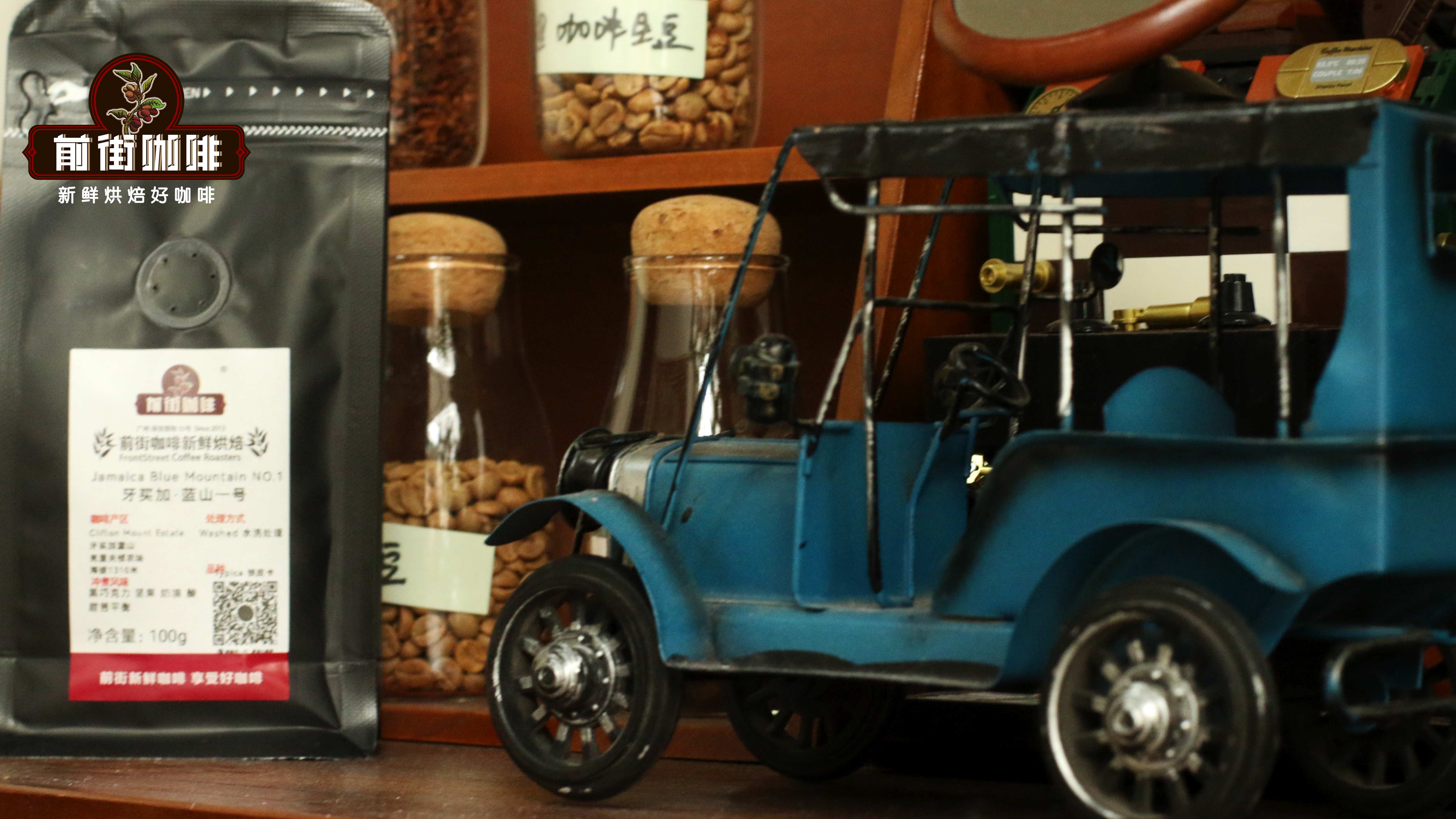
What are the essential differences between Blue Mountain coffee and espresso? An analysis of Jamaican Blue Mountain flavor characteristics and SOE latte in practice
Blue Mountain coffee and espresso—one is a standout among specialty coffees, the other the soulful base of Italian-style drinks. What exactly sets them apart, and which tastes better? This article starts with Front Street Blue Mountain coffee's balanced mouthfeel and nutty flavor, then unpacks the extraction logic of espresso, before tracing the nearly three-hundred-year history of Jamaican Blue Mountain, the regulatory systems of the CIB and JACRA, the botanical characteristics and cultivation challenges of the Typica variety, as well as the grading standards and wooden barrel packaging of Blue Mountain No. 1. In the second half, using Front Street Blue Mountain No. 1 as an example, it gives a complete demonstration of the SOE latte-making process, from grinding, distributing, and extracting to steaming milk and pouring latte art, along with practical advice on coffee bean freshness and resting periods. [more…]
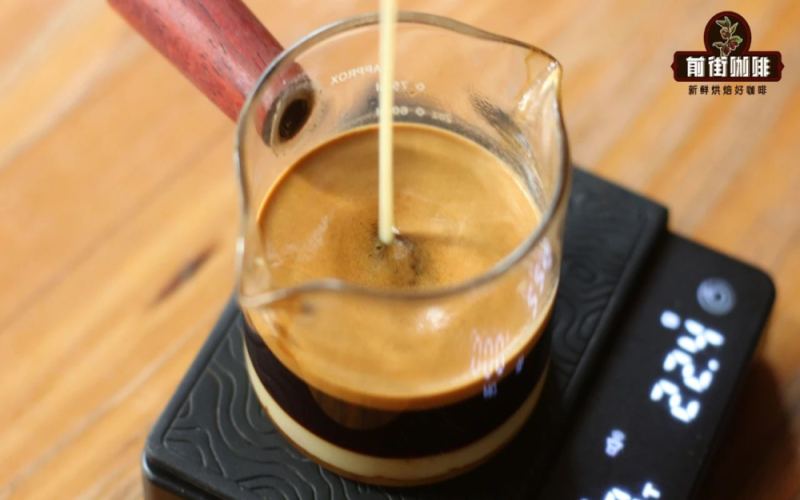
How to Make a Spanish Latte? An Analysis of the Ratio of Condensed Milk to Espresso and the Flavor Differences from a Regular Latte
On café menus, the Spanish latte has been appearing frequently in recent years—so what exactly sets it apart from an ordinary latte? This article starts with two condensed-milk coffees, Vietnamese drip coffee and the Spanish Café Bombón, sorts out the role condensed milk plays in coffee, and then explains in detail the recipe ratios for a Spanish latte, both hot and iced methods, as well as the flavor performance brought by the blend beans used in Front Street Coffee shops. If you're curious about how condensed milk balances coffee's bitterness and what the essential difference is between a Spanish latte and a latte, this article will give you clear answers. [more…]