







Search Results for: Dark Roast Blend
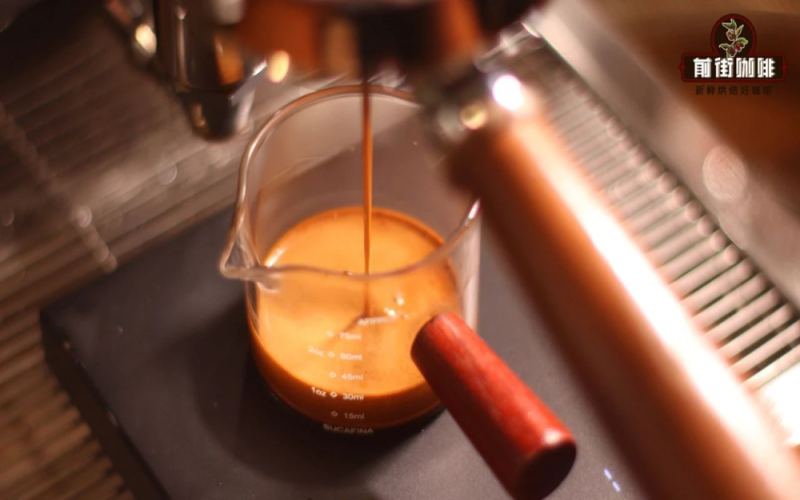
Can espresso blend beans be used for pour-over? Analysis of dark roast coffee flavor characteristics and Front Street Warm Sun blend
Many coffee enthusiasts encounter a question when selecting beans: Are coffee beans labeled as espresso blends and dark roast actually suitable for pour-over? To answer this question, we need to start with the classification of coffee roast levels. What exactly do terms like French roast, Italian roast, and City roast represent? What flavor characteristics correspond to different roast levels? From the perspective of Front Street Coffee, this article systematically sorts out the Agtron color values and drop timing for each roasting stage, and shares the development ideas, roasting curves, and espresso extraction plans for Front Street Sunflower Warm Sun Blend, helping you understand the differences in performance of dark-roasted beans in both pour-over and espresso scenarios. [more…]
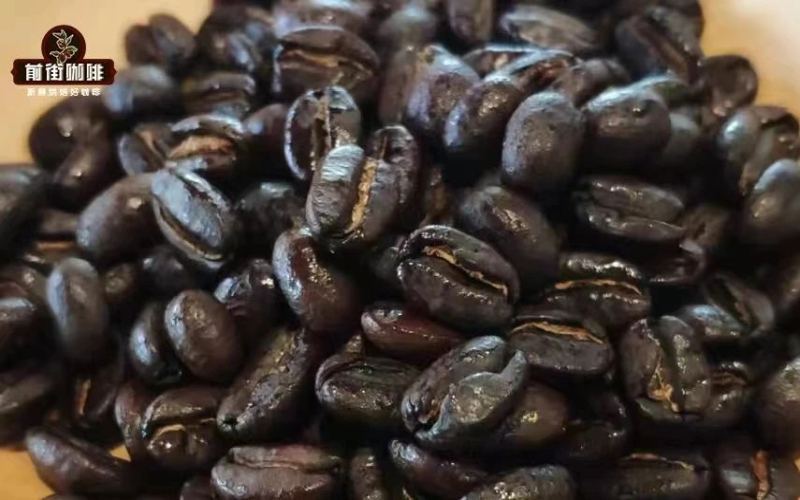
Are dark-roasted coffee beans necessarily burnt and bitter? What flavor do charred-black beans actually present?
Many people, when they hear "dark roast coffee beans," immediately think of burnt bitterness, heavy smoky flavors, or even find them hard to drink. But is that really the case? A properly roasted dark roast bean can actually offer pleasant notes of cocoa, dark chocolate, caramel, and nuts, with low acidity and a full body, balanced between sweetness and bitterness. Drawing on Front Street Coffee's roasting experience, this article sorts out the relationship between the Maillard reaction and roast level, and recommends a variety of Front Street medium-dark and dark roast products for different taste preferences, including Queen's Estate, PWN Golden Mandheling, Classic Blend, Specialty Blend, Commercial Blend, and Dark Cocoa Base Blend, helping coffee lovers find the rich, full-bodied choice that suits them. [more…]
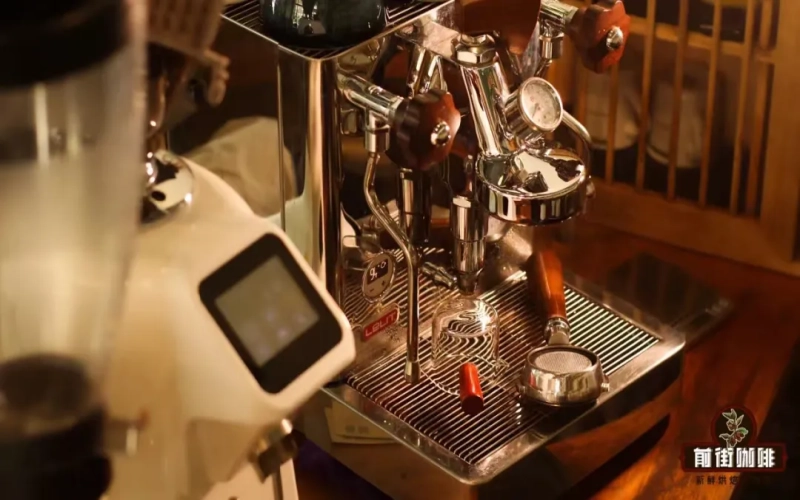
What coffee beans go with espresso? From roast level to blend choices, Front Street Coffee recommends four medium-dark roast beans.
To make a delicious espresso at home with a steam espresso machine, choosing the beans is the first step. Espresso is especially sensitive to the roast level; lightly roasted beans tend to taste sour, astringent, and thin under high pressure, so cafes generally use medium-to-dark roasted blend beans. Why are blend beans better suited for espresso? How do single-origin beans and blend beans each perform when made into espresso? Front Street Coffee, based on popular tastes, has launched four medium-to-dark roasted espresso blends—Warm Sun, Specialty, Commercial, and Dark Cocoa—covering different styles such as winey, nutty, full-bodied, and slightly acidic. This article will also share reference parameters of 20g of grounds extracted to 40g of liquid in 25-30 seconds, as well as a little trick for judging the extraction state by the color of the crema, to help you find an espresso recipe suited to your own machine. [more…]
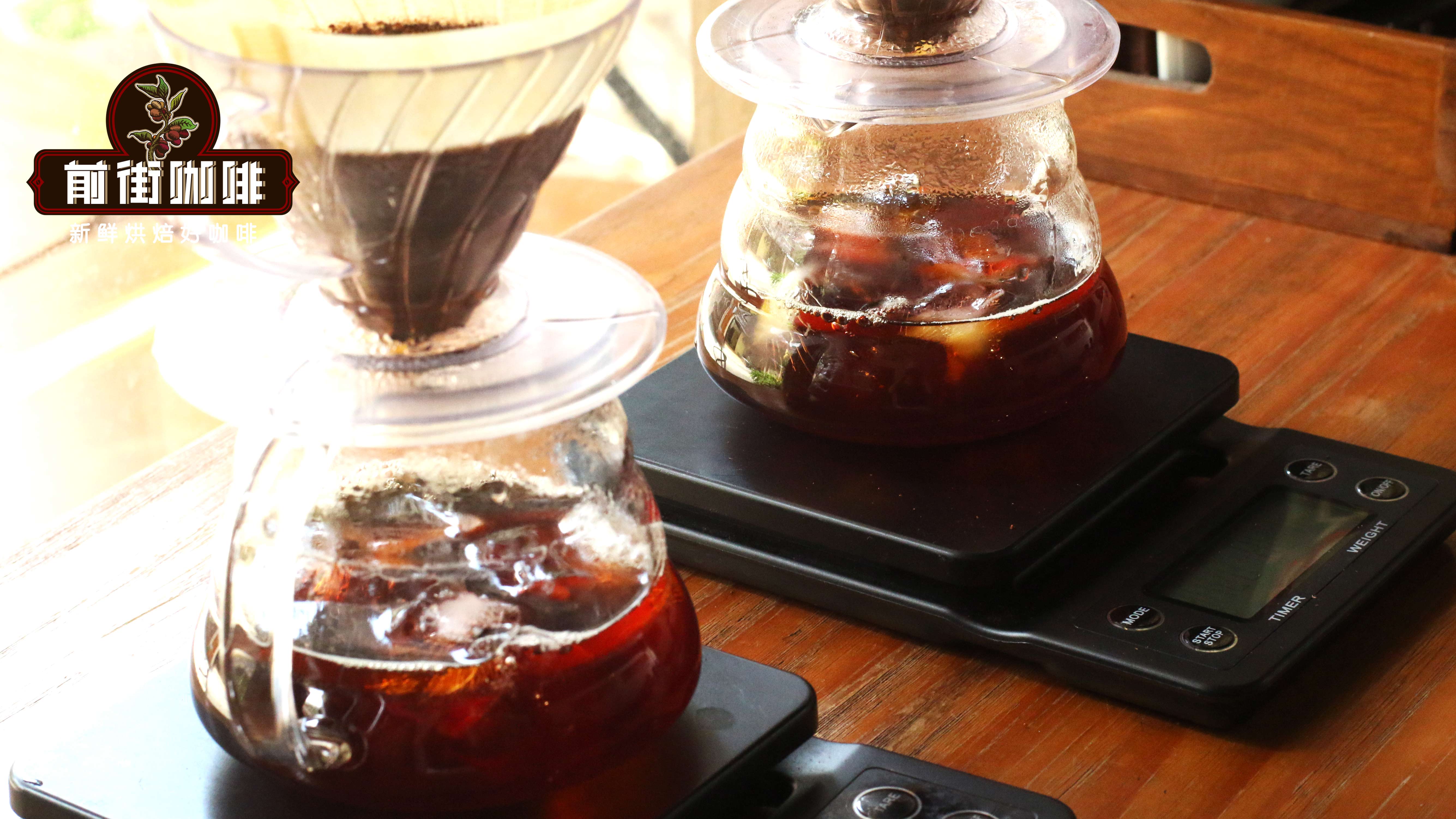
A Comprehensive Guide to Espresso Blend Coffee Beans: Yunnan Flavor Blend Characteristics and Four Selected Front Street Coffee Bean Recommendations
Single-origin coffee is mostly used for pour-over, while espresso is generally made with blended beans. But must espresso use blended beans? What exactly is a blend? From the perspective of Front Street Coffee, this article systematically sorts out the origin of espresso blends, the purpose of blending, and the difference between raw blending and roasted blending, and analyzes in detail the flavor characteristics and applicable scenarios of four Front Street blends. The article also specifically introduces the "Front Street Dark Cocoa Blend" based on Yunnan coffee beans, which is highly cost-effective and suitable for moka pots and espresso beginners. Whether you are a coffee enthusiast or a shop owner, you can find an idea for choosing espresso beans that suits you. [more…]

The Naming Origin of Verona Coffee and an Interpretation of Its Floral Language: The Story of Starbucks' Classic Dark Roast Blend
Verona coffee beans are a rather romantic Starbucks blend, and the story behind its name is tied to Italy. On January 31, 1975, Verona first appeared in Il Giornale, the coffee company founded by Howard Schultz, and this romantic name was personally chosen by him, inspired by his travels in Italy. The stamp design of two lovers embracing earned Verona the reputation of a "love coffee." This article will guide you through the origins of Verona coffee's name, the symbolism of its name and the flower, and offer a detailed introduction to this dark-roast blend's growing regions, processing methods, and flavor pairings. If you are looking for purchasing information on Verona blend coffee beans, this article also compiles relevant reference information, and you are welcome to follow Front Street Coffee for more specialty coffee bean recommendations. [more…]
What are the characteristics of espresso blend coffee recipes? Can specialty blend beans be used for pour-over brewing?
Blending coffee is not simply mixing different beans together; rather, it relies on the blender's understanding of flavor to let coffee beans from various regions complement each other's strengths and weaknesses, presenting a more balanced and enchanting taste. Based on the four goals of balanced taste, cost reduction, showcasing characteristics, and stable flavor, Front Street Coffee has launched four Italian-style medium-dark roast blends. So, can these blends designed for espresso also be used for pour-over? This article will analyze the formulation approach of blended coffee, the specific composition of the four Front Street products, and explain in detail how grind size, water temperature, and pouring method should be adjusted when using medium-dark roast blends for pour-over. [more…]
Dark Roast Coffee Beans: Balancing Budget and Drinking Frequency
Dark roast coffee beans reveal different facets depending on the brewing method. When buying beans for daily use, you need to consider how quickly you'll go through them, how much to buy at a time, and whether your household mainly drinks black coffee or milk coffee. Pour-over easily brings out the aroma, a coffee machine emphasizes intensity, and a moka pot amplifies the rich, full-bodied feel, so when choosing beans you should first decide which method you use most often. [more…]
Espresso Blend Coffee Bean Roast Level | Are Espresso Beans Suitable for Pour-Over Coffee? Espresso Blend Philosophy and Roast Curve Reference
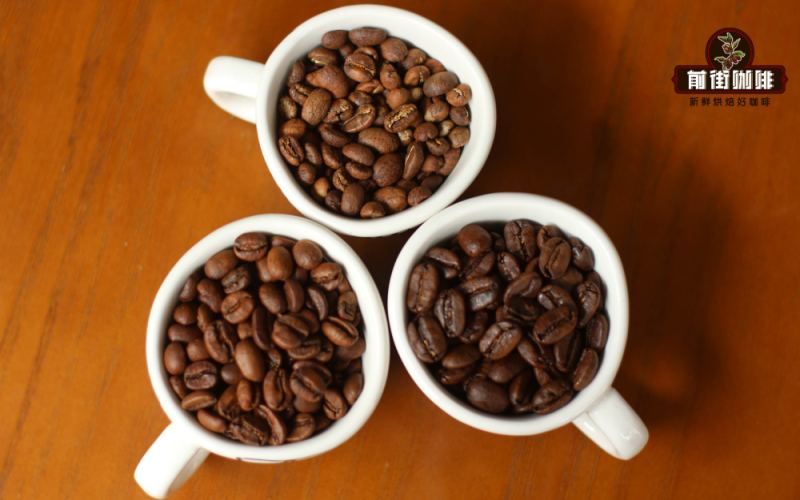
For more specialty coffee knowledge, please follow: Front Street Coffee (Frontsteet Coffee). The roast level of coffee largely determines the flavor direction of the coffee. When we buy coffee, the label will indicate what roast level it is, such as light roast or dark roast—these are fine. [more…]
High-value espresso blend beans: how to decide roast level
The roast level of an espresso blend often tells you more about a coffee's character than the flavor notes on the packaging. Light roasts lean bright, medium roasts show more sweetness, medium-dark roasts balance aroma with body, and dark roasts tend toward cocoa, caramel, and a toasted feel. When your budget is limited, choosing a roast direction based on the drinks you usually make beats blindly chasing [more…]
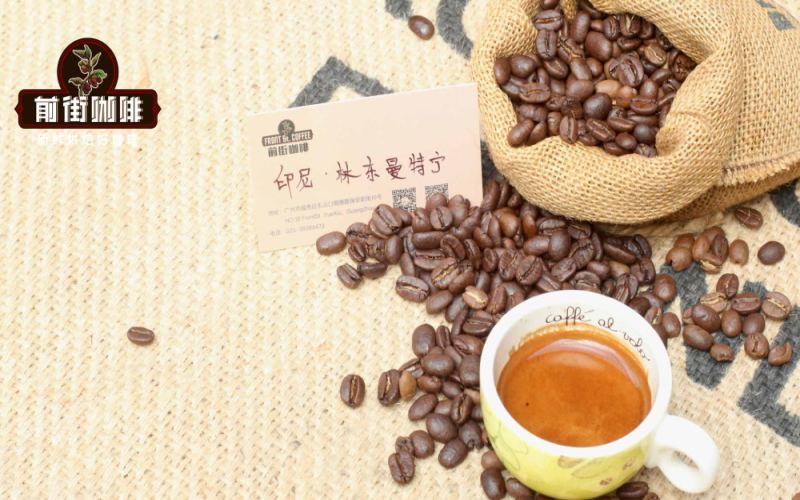
Espresso Blend Guide: Common Recipes, Pairing Ideas, and Five Front Street Coffee Recommendations
The same coffee beans can present completely different flavors depending on the extraction method. Take Front Street Indonesia Mandheling, a medium-dark roast, as an example: when brewed as pour-over, it is mellow and gentle, with notes of caramel, herbs, and spices; if instead made into espresso with a coffee machine, it develops a rich layer of crema, releasing layers of dark chocolate, cream, and roasted nut aromas, and when drunk straight it is intense and stimulating with a pronounced roasted note. This shows that choosing coffee beans cannot be done casually; you need to consider the extraction method, roast level, and freshness. Fresh beans are rich in carbon dioxide, and together with the porous structure of a dark roast, they make it easier to extract a large amount of crema and roasting aromas such as chocolate, cocoa, butter, cookies, and caramel. For beginners, value for money is especially important. Below are five of the most popular espresso blends, covering Front Street Specialty Blend, Commercial Blend, Dark Cocoa Blend, and Classic Blend, along with their respective suitable scenarios and flavor characteristics, for reference whether for opening a shop or home use. [more…]
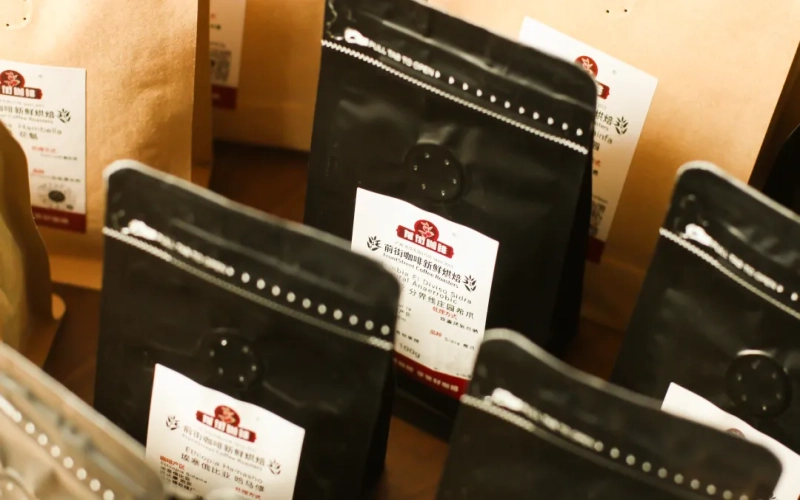
How to Choose a Ground Coffee Brand? A Full Analysis of the Taste and Buying Guide for Popular Espresso Beans Like Front Street Classic Blend
To enjoy a satisfying cup of freshly ground coffee at home, choosing the right coffee powder or coffee bean brand is a key step. Based on real brewing experience, this article focuses on Front Street Coffee's classic blends and sorts out the espresso choices for different roast levels and flavor preferences: the medium-dark roasted classic blend is rich and full-bodied, suitable for Americanos and lattes; the medium roasted Strawberry Candy espresso has a balanced sweet-tart profile with obvious floral and fruity notes; the Dark Cocoa base blend is close to a dark roast, balanced and stable, and suitable for beginners to practice with. The article also discusses low-caffeine products, Americano grind size, and the trade-offs between French press and moka pot, helping you choose the right freshly ground coffee powder according to your taste and scenario. [more…]
A Complete Analysis of 13 Starbucks Coffee Beans: A Guide to Roast Levels and Flavor Comparison for Pour-Over and Americano
Starbucks' currently available coffee beans can be divided into Reserve and non-Reserve categories, with the non-Reserve category further covering three types: regular year-round offerings, seasonal limited editions, and single-origin, totaling thirteen varieties. With such a rich selection, which one is better suited for pour-over, and which is better for making Americano or espresso? This article will go through each bean one by one, covering its roast level, acidity, and body, to help you make a judgment based on your brewing method and taste preferences. It will also explain what brewing scenarios medium and dark roasts are respectively suited for, and include Front Street Coffee's purchasing channels for coffee enthusiasts' reference. [more…]
How to Choose Espresso Blend Beans for Home: A Flavor Guide from Light to Dark Roast
When choosing a blend for a home espresso machine, start by checking the roast level on the packaging. It broadly determines the brightness on the palate, the type of sweetness, and the body of the coffee, and it also affects how the espresso performs once water or milk is added. Whether you prefer a crisp fruity profile or favor nutty, cocoa notes with a dense, creamy body, you can usually tell from the light, medium, and dark roast [more…]
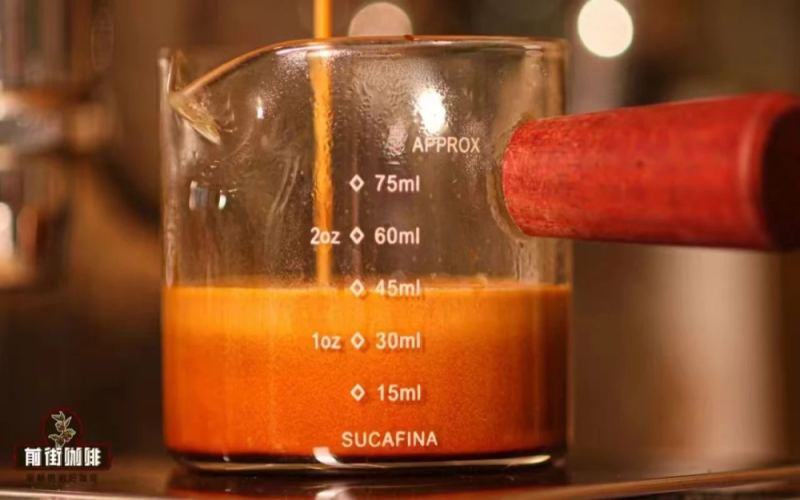
The relationship between coffee bean oil content and roast level, and how to choose espresso beans rich in oil
The crema on the surface of an espresso is actually formed when the oils in the coffee wrap around carbon dioxide. Therefore, by observing how much crema there is, you can judge how fresh the coffee beans are—the richer the crema, the fresher the beans. In addition, using medium-dark roasted coffee beans to make espresso can make the crema layer more stable and the foam thicker and longer-lasting. Based on these principles, if you want to buy coffee beans with abundant crema, it is recommended to prioritize fresh products within 5 days after roasting. Among the espresso blend series under the Front Street Coffee brand, Front Street Classic Blend uses a medium-dark roast, while Front Street Commercial Blend is a dark roast. Both can satisfy coffee lovers who have requirements for crema. [more…]
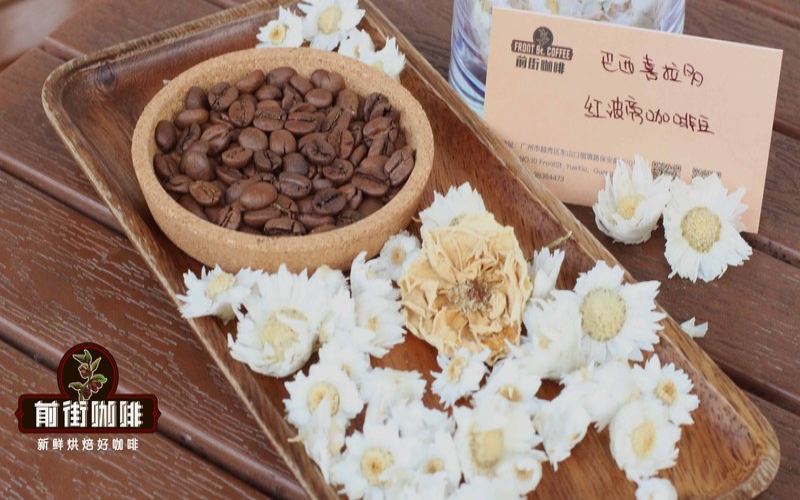
Choosing Espresso Blend Beans by Roast Level: From Bright Acidity to Full-Bodied Richness
When making espresso, the roast level of a blend directly affects the flavor, texture, and suitable drinking occasions of the shot. Light roasts more easily preserve bright acidity and fruity notes, medium roasts bring sweetness, aroma, and body to a more balanced position, while medium-dark and dark roasts lean closer to nutty, cocoa, and roasted tones. For those just getting into espresso, [more…]
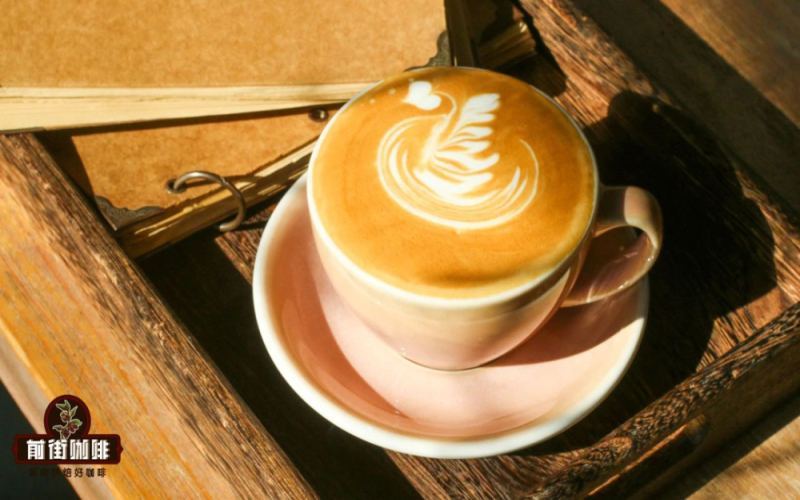
How to Choose Coffee Bean Aroma and Strength? A Comprehensive Analysis from Roast Level to Front Street Coffee Espresso Blend and Mandheling SOE
The flavor profile of coffee is not determined by a single factor; the growing origin, processing method, roast level, and brewing technique all influence the taste in the final cup. If you prefer a richer mouthfeel, medium-dark roasted SOE or espresso blend beans are a more suitable direction, as pressurized extraction can deliver a stronger, fuller body and roasty aroma. This article, centered on different flavor needs, sorts through a range of espresso recipes from those with prominent crema to those with a softer mouthfeel, while also extending into the realm of high-grade pour-over single origins. It introduces specific products such as Front Street Coffee Classic Blend, Front Street Coffee Dark Cocoa Blend, and Front Street Coffee PWN Golden Mandheling SOE, helping coffee enthusiasts find the cup that suits them between aroma and intensity. [more…]
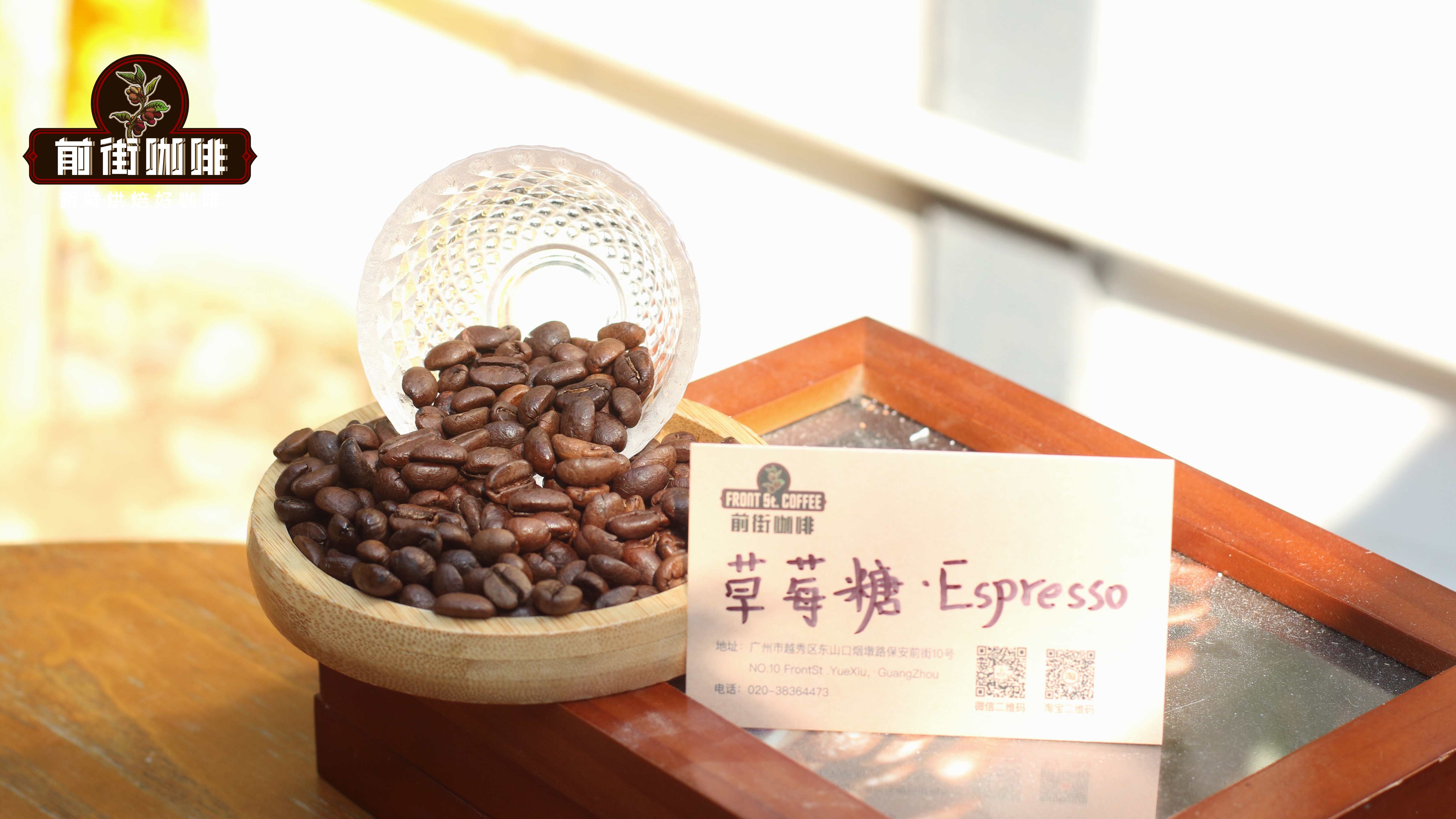
Analyzing the Differences Between Dark Roast and Light Roast Coffee Beans: A Guide to Dark Roast Flavors and Mouthfeel for Home Coffee Machines
Many home coffee enthusiasts dislike acidity and tend to choose dark-roasted coffee beans. The principle behind this is actually not complicated: the lighter the roast, the more acidic substances the beans retain; the darker the roast, the more fully the caramelization reaction proceeds, acidity drops step by step, and body climbs accordingly. At the same time, dark roasting also causes more oils to emerge on the surface of the coffee beans, and these oils can make espresso crema more stable and long-lasting. Therefore, when beans with a darker roast are used, the extracted layer of oils will also be richer. This article will walk you through the core differences between dark and light roasts, and recommend several espresso beans suitable for home coffee machines, including Front Street Coffee Classic Blend, Dark Cocoa Base Blend, and Front Street Coffee .PWN Golden Mandheling SOE, to help you find the cup that best suits your taste. [more…]
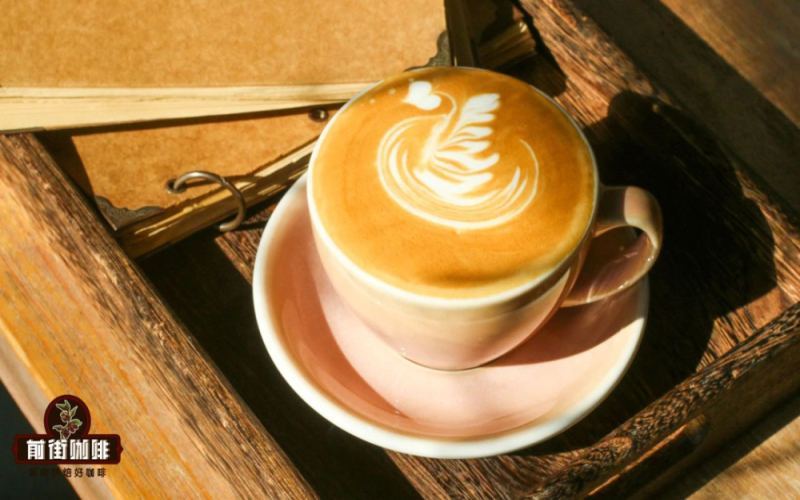
How to Avoid Sourness in Latte Coffee: A Full Analysis of Bean Selection, Roast Level, and Brewing Parameters
Latte is the least bitter among espresso-based specialty coffees, but if the beans are poorly chosen or extraction is improper, sourness will become prominent. This article starts with the roast level of coffee beans, explaining why medium or medium-dark roasts are best suited for lattes, and provides a standard preparation process and parameters. At the same time, for different flavor preferences, it recommends Front Street Specialty Blend, Dark Cocoa Base Blend, and Classic Blend espresso beans, respectively satisfying the needs for nutty notes, balanced taste, and latte art practice, helping you make a cup of latte at home that is not sour and full of aroma. [more…]
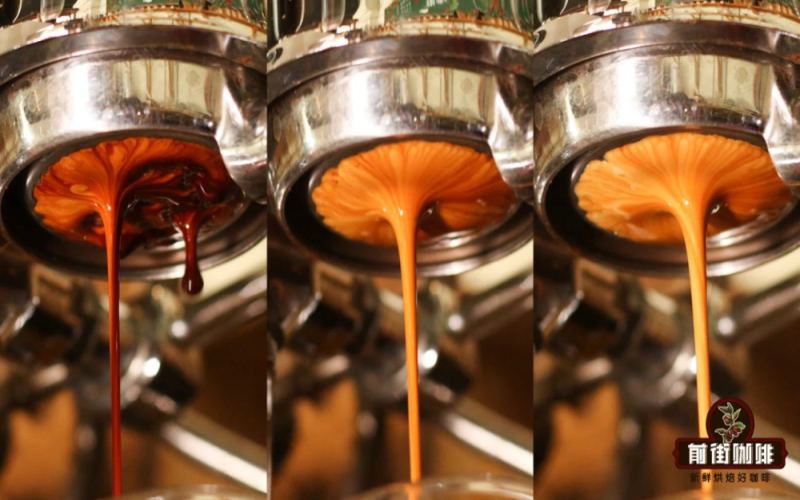
Front Street Coffee's Four Italian-Style Blend Beans Flavor Analysis: A Comprehensive Overview from Raw Blends and Roasted Blends to SOE and Classic Recipes
The development of espresso blends has undergone an evolution from traditional dark-roasted blends with Robusta beans to modern specialty blends. In this article, Front Street Coffee systematically sorts out the core logic of espresso blending: why blending is necessary, the respective advantages and disadvantages of blending green beans versus blending roasted beans, the rise and limitations of the SOE trend, and provides a detailed introduction to four representative espresso blend recipes—Front Street Specialty Blend, Front Street Commercial Espresso Blend, Front Street Dark Cocoa Blend, and Front Street Strawberry Candy Espresso Blend—covering the flavor characteristics and roasting approaches of beans from origins such as Colombia Huila, Brazil Cerrado, Yunnan AA, and Indonesia Mandheling, and finally attaching ratio instructions for espresso, latte, cappuccino, flat white, and other fancy coffee drinks, providing coffee enthusiasts and industry professionals with a complete framework for understanding blending. [more…]
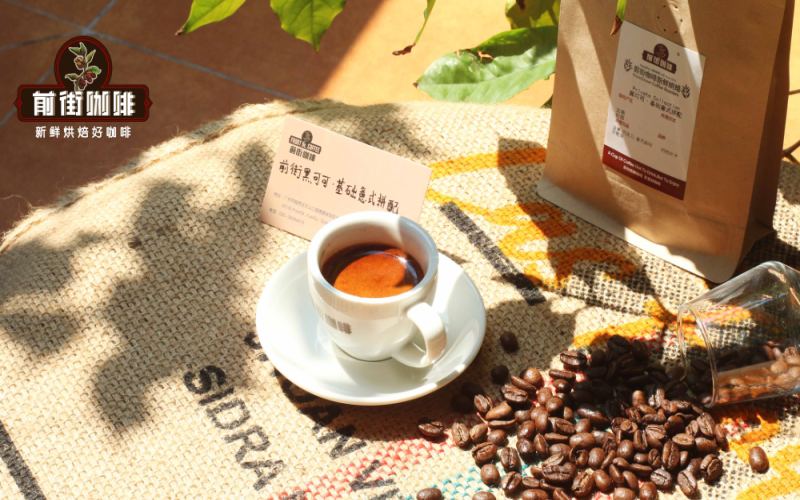
In-Depth Analysis of Espresso Blend Coffee Beans: Blending Logic, Roast Level, and Five Front Street Coffee Recipe Recommendations
Espresso is the soul of a latte, and behind a delicious latte there is often a carefully crafted espresso blend. Why blend? How do different origins and roast levels affect flavor? This article starts from the purpose of blending, origin selection, and roast level to systematically sort out the logic of espresso blend combinations, and shares the recipe characteristics and suitable scenarios of five Front Street espresso blends, covering rich and mellow, floral and fruity, nutty, commercial-style, and entry-level basic options, helping coffee lovers more clearly understand the thinking behind selecting espresso beans. [more…]