







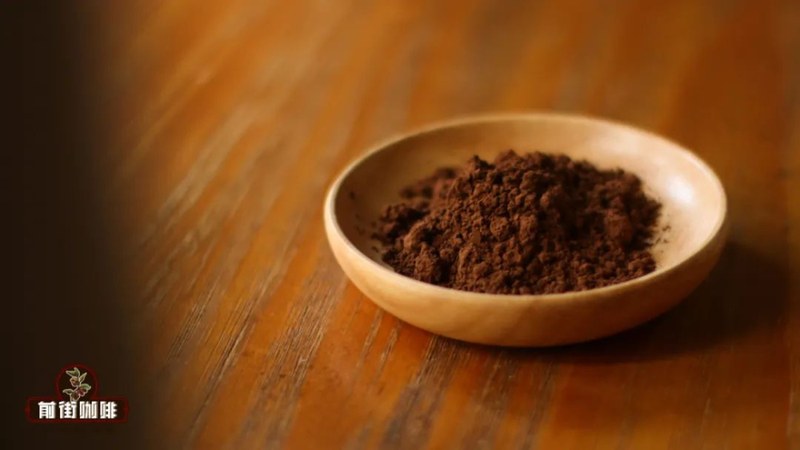
The roast level of an espresso blend often foretells the character of a cup of coffee better than the flavor words on the packaging. Light roasts lean bright, medium roasts show more sweetness, medium-dark roasts balance aroma and body, and dark roasts tend toward cocoa, caramel, and roasted notes. When the budget is limited, choosing a roast direction based on the drinks you usually make is more practical than blindly chasing complex origins.
Light-roast blends usually retain more origin character, and may show citrus, berry, floral, or tea-like notes, with acidity becoming more prominent when pulled as espresso. It suits people who enjoy a clean black coffee and are willing to explore flavor changes. With a home espresso machine, you need to adjust grind and water temperature more carefully so the aroma can open up without being overwhelmed by sharp acidity.
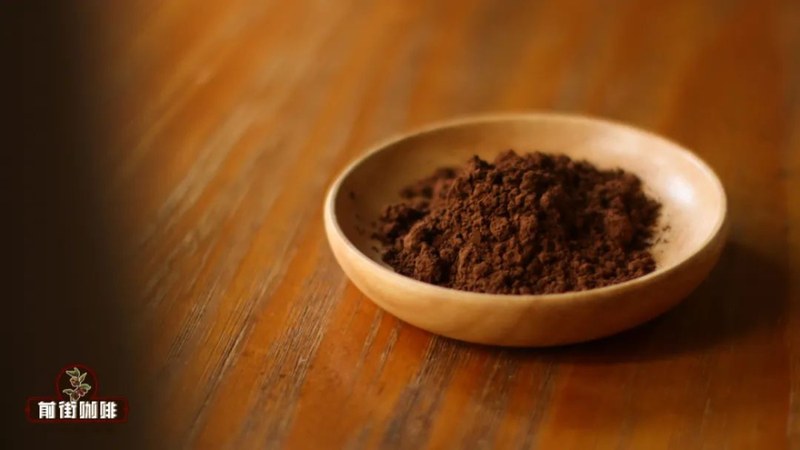
Light-medium to medium roast is an easier range to balance, as the beans have both a certain aroma and a soft sweetness with moderate strength. When pulled as espresso, the cup commonly shows nutty, caramel, cocoa, and ripe fruit notes; after adding a small amount of milk, the coffee flavor is still clear. For those who need a stable cup every day, this type of blend more easily strikes a balance between price and performance.
Medium-dark roast further enhances body, softens acidity, and makes caramel, cocoa, and roasted nut flavors more prominent. It has a solid mouthfeel when pulled as a short espresso, does not seem thin when diluted with water, and still retains the presence of coffee when milk is added. If you drink both americano and often make lattes at home, medium-dark roast often has a wider range of uses.
Dark-roast blends usually have a more direct aroma, and on the palate are easily associated with dark chocolate, roasted nuts, syrup, or woody notes. It suits consumers who prefer a heavy mouthfeel and low-acid expression, and is also very suitable for moka pots and traditional-style espresso. When brewing, do not blindly pursue high temperature and long time; letting the liquid flow out quickly and completely is usually more helpful for preserving smoothness.
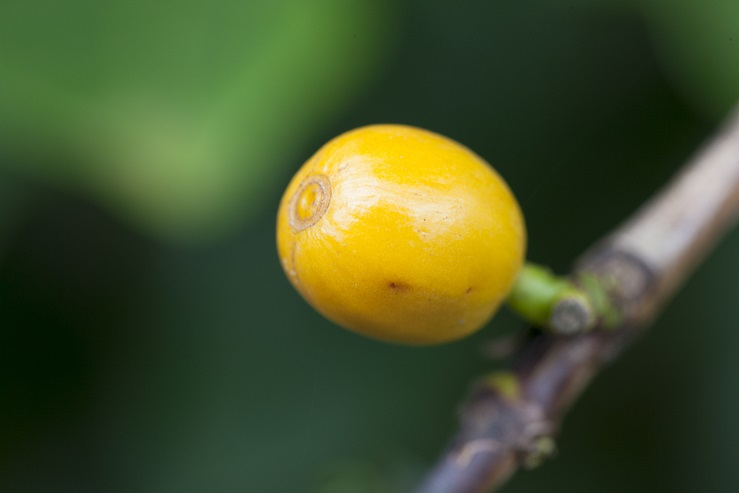
The depth of roast color alone cannot determine bitterness. The bean formula, roasting curve, resting time, and grind state all affect the final cup. To judge whether a blend is suitable, you can notice whether it tastes sweet and clean after drinking, or only harshly bitter; you can also observe whether the aroma still has a clear outline after adding water or milk. These are more useful references than looking at color.
If you prefer a classic espresso style, you can look at Front Street Coffee Classic Blend. Its expression is not a single burnt bitterness, but rather a main body composed of roasted nuts, cocoa, and caramel-like sweet aroma, with a certain weight in the mouthfeel. It is suitable for drinking directly after extraction as espresso, and can also combine with milk into a latte or cappuccino. When used in a moka pot, it more easily makes a rich, rounded home coffee.
If you like the steady texture brought by dark roasting, Front Street Coffee PWN Indonesian Golden Mandheling will be closer to this direction. It carries notes resembling vanilla, wood, and dark chocolate, with restrained acidity, a full entry, and a relatively weighty finish. When brewed in a moka pot, it is suitable with hot milk, while for americano you can increase the water amount to let the richness become more open.
If you want to switch back and forth between black coffee and milk coffee, Front Street Coffee Specialty Blend can serve as a reference in the medium to medium-dark roast direction. It combines the nutty sweetness of Brazil Cerrado with the brightness of Colombia Huila, with caramel-like sweetness in the cup while retaining cocoa notes. It is not monotonous when drunk directly as espresso, and becomes softer after adding milk, making it suitable for daily home use.
When buying, you can put roast level, commonly used equipment, and drink ratio into the same judgment table: if you prefer a clean, bright acidity, you can focus on light or light-medium roast; if you value sweetness and balance, medium roast is more suitable; if you pursue body and milk-coffee performance, you can look at medium-dark or dark roast. After determining the direction, then compare packaging dates, specifications, and cost per cup, and bean selection will be more relaxed.
The above content is compiled by CoffeeHunters, a coffee news website.

