







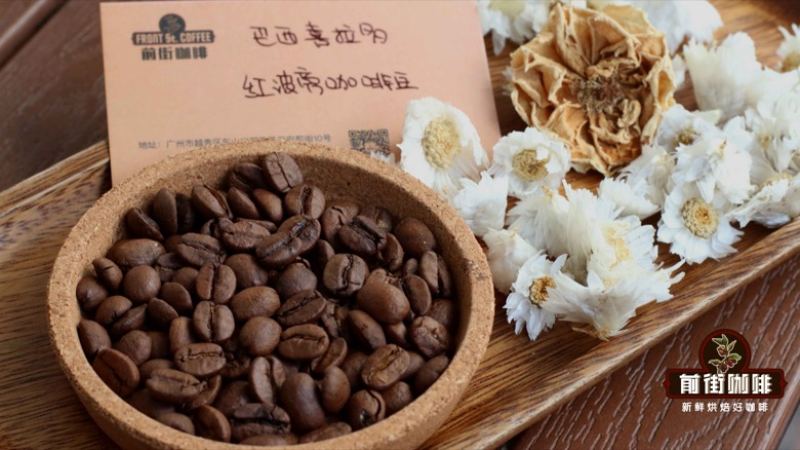
Walk into the back bar of any coffee shop, and what's spinning in the grinder is most likely not a single-origin bean, but a blend. Commercial blends exist because what a café needs isn't the personality of a particular bean, but a stable, easy-drinking, cost-controllable overall performance. And the reason a blend is stable comes down to each origin playing its own role within it.
Brazil is the most common base in commercial blends. Brazilian coffee has large production and stable supply, with flavors dominated by nuts, cocoa, and caramel, low acidity, and a full body. Drunk on its own it may not be impressive, but as the backbone of a blend it's very well suited, propping up the body and sweetness of the whole batch. In Brazilian regions like Cerrado, the beans are plump and well balanced, making them a mainstay in many cafés' blend recipes. Colombia's role leans toward adding sweetness and aroma. Colombian beans often carry a soft fruity sweetness and cleanliness, and when paired with Brazil, they make up for the somewhat monotonous finish of the Brazilian beans, giving the cup an extra layer of balance—which is why the classic Brazil-plus-Colombia combination has endured so long.
If a café wants to make flavor-forward drinks, the blend will also include some beans with floral and fruity notes as accents, giving milk coffees a distinctive character. And when controlling costs, some recipes bring in a small amount of Robusta. Robusta has higher oil performance and caffeine content, and a lower price, so it can significantly cut costs—but Robusta's bitterness and astringency are also stronger, and once the proportion is too high it overwhelms the flavor, so it usually exists only as a minor cost adjustment. High-end cafés lean more toward making a 100% Arabica blend, building flavor entirely from Arabica beans for a cleaner cup, at the cost of a higher price.
Beyond the origin structure, the roast level also determines a blend's direction. Commercial blends mostly use medium-dark roasts, letting beans from different origins meld together under the same roasting curve for more consistent output; light roasts preserve more origin character and suit a fruit-and-acidity-driven direction, but stability is harder to control.
A blend with well-assigned origin roles has stable flavor and controllable cost, handling americano, latte, or cappuccino with ease. For a café, choosing a blend is about finding a sustainable balance between flavor and business.
The above content is compiled by CoffeeHunters, a coffee news website.

