







Search Results for: Cold Brew Latte Recipe

Iced Latte Recipe Introduction | How to make a latte at home without a coffee machine? How can coffee beginners make cold brew latte milk coffee?
How can cold brew coffee be limited to black coffee only!! This article will teach everyone how to easily make silky-smooth cold (milk) brew latte at home, without a coffee machine or complicated equipment~ Without further ado, GO GO GO! The soul of milk brew coffee: "Full-bodied taste, no burden." [more…]

Fruit-Infused Cold Brew Coffee Pairing Experiments: Four Recipes, Flavor Comparison, and a Coconut Cold Brew Latte Recipe
Under the framework of cold brew coffee's low-temperature slow steeping, there are inherently few adjustable variables—just water volume, water temperature, grind size, and steeping method. But if fruit is brought into the steeping process as well, could it open up new flavor territory? Front Street paired blueberries, grapes, lemons, and peaches with four coffee beans of different character profiles, ran a round of fruit cold brew experiments, and recorded the aroma, mouthfeel, and pros and cons of each group. In addition, it extended into mixing ideas for cold brew lattes, sparkling cold brew, and coconut water cold brew, and summarized the types of fruit suitable for steeping and the direction for choosing coffee beans, as a reference for recreating them at home. [more…]
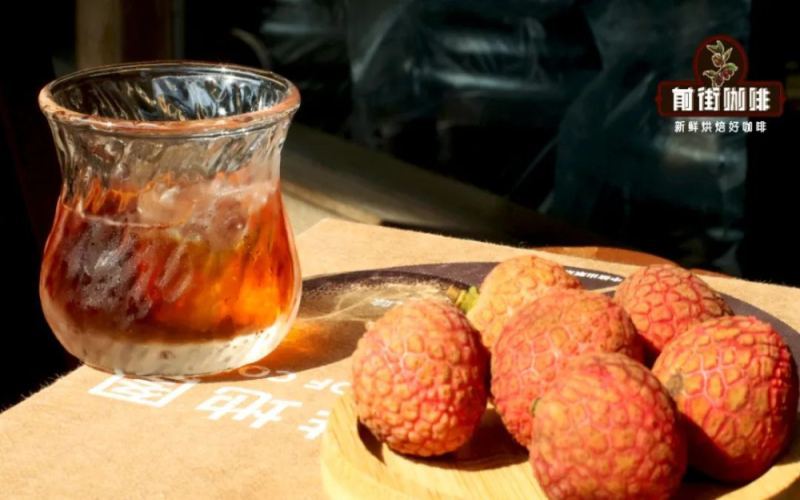
Lychee Iced Coffee: A Detailed Guide to Three Special Recipes—Jasmine Americano, Rice Wine Latte, and Cold Brew, Which Comes Out on Top?
As midsummer arrives, Lingnan lychees flood the market, their sweet, juicy flesh irresistible. What kind of sparks fly when lychee meets coffee? This time, Front Street Coffee got hands-on in the kitchen and tested three lychee coffee recipes buzzing online: lychee jasmine iced americano, lychee rice wine iced latte, and lychee cold brew. From ingredient preparation to extraction parameters, every step was recorded in detail. Some results were disappointing, while others were surprisingly delicious. If you also want a different fruity coffee this lychee season, why not follow this tutorial and give it a try—see which one becomes your summer favorite. [more…]
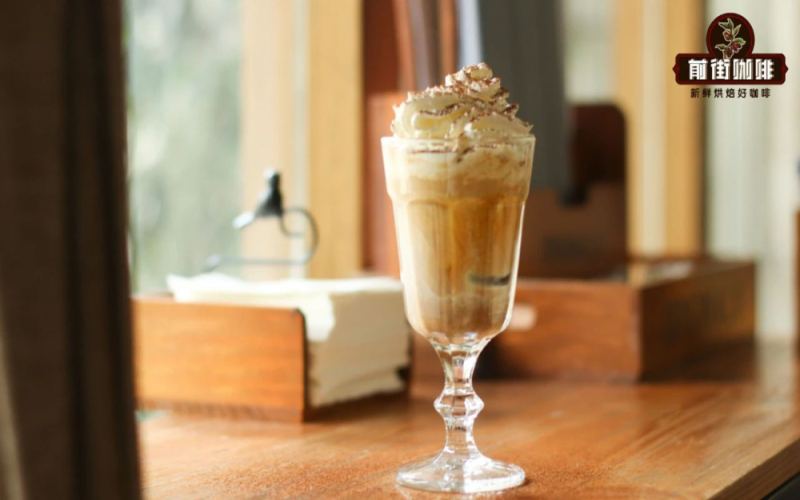
Starbucks Coffee Full Analysis: From Espresso Base to Cold Brew, A Detailed Guide to the Taste and Preparation of Classic Drinks Like Americano and Latte
Starbucks coffee is where many people first encounter specialty coffee in their daily lives, but do you really understand the product logic behind it? This time, Front Street Coffee takes you through a systematic overview of Starbucks coffee types and their flavor characteristics. Most Starbucks products are based on espresso, and by combining it with different ingredients such as water, milk, milk foam, and syrup, they give rise to classics like the Americano, Latte, Cappuccino, Flat White, Mocha, and Caramel Macchiato. In addition, the cold brew coffee that has become hugely popular in the past two years is also worth paying attention to. This article will introduce the recipe composition and taste differences of these coffees one by one, and include the specific brewing parameters for Front Street Iced Americano, to help you find the cup that best suits your taste. [more…]
Starbucks Mainstream Coffee Beverage Classification and Features Explained: A Complete Guide from Espresso to Cold Brew
As a globally renowned coffee chain brand, Starbucks builds its beverage system on the foundation of espresso. By pairing it with different ingredients such as water, milk, and syrup, it has developed many classic products including Americano, Latte, Cappuccino, Flat White, Mocha, and Caramel Macchiato, and offers three cup sizes: Tall, Grande, and Venti. In addition to traditional espresso drinks, the cold brew coffee series has also quickly gained popularity in recent years, winning over many enthusiasts with its smooth texture achieved through long, low-temperature extraction. In this article, Front Street Coffee will systematically sort out the recipe characteristics and flavor differences of Starbucks' main coffee categories, and also share the preparation parameters for iced Americano, helping coffee lovers more clearly understand the logic behind the menu and find the cup that suits their taste. [more…]

Flavor analysis of ten common coffee drinks in cafés: from espresso to latte to cold brew and specialty creations
Walking into a coffee shop and facing a dense menu, many people are momentarily at a loss as to where to start ordering. In fact, the common coffee drinks on the market can be roughly summarized into ten types: espresso, SOE, Americano, latte, flat white, cappuccino, pour-over, cold brew, Dirty, and specialty coffee. The vast majority of them use Arabica coffee beans as the raw material, differing only in extraction method, milk ratio, and preparation technique. Front Street Coffee will go through the recipe logic and flavor characteristics of these ten coffees one by one, helping coffee lovers quickly build a clear understanding and find the cup that best suits their taste. [more…]
Affogato Recipe and How to Enjoy It Properly: Is Vanilla Ice Cream Indispensable?
Affogato is a classic Italian coffee dessert, named for the way espresso "drowns" ice cream, and today it can be found in cafes and restaurants around the world. This article will provide a comprehensive analysis of this dessert that blends hot and cold, from the controversies over affogato's origins, the standard method of preparation, variations in the selection of ice cream and coffee, alcoholic versions, to simple home recipes and future development trends. Whether you want to know whether it counts as a dessert or a drink, whether you can substitute other flavors when you don't have vanilla ice cream, or how to easily recreate it at home, you will find practical answers in this article. [more…]

What Is Milk-Brewed Coffee? The Complete Method and Recipe Ratios for Making Cold Brew with Milk Instead of Water
Replace the water in cold brew coffee with fresh milk, steep the coffee grounds at low temperature for a long time, and after filtering you get a silky, rich milk-brewed coffee. This method has recently drawn attention in coffee circles and is being called a new choice for fans of iced milk cold brew. This article will start with the principles of milk brewing, explaining why low-temperature extraction reduces bitterness and off-flavors, and how milk gives coffee a smooth, chocolate-milk-like texture. It then breaks down the practical points one by one: what roast level and flavor type to choose for the coffee beans, the actual differences in performance between fresh milk and oat milk, whether the grind should be coarser or finer than regular cold brew, what mouthfeel the 1:8 to 1:12 coffee-to-milk ratios each produce, the trade-offs between direct steeping and bag-steeping in terms of time and convenience, and whether it can be stored overnight once made. The article also retains Front Street's demonstration and specific parameters using two beans: Brazil Queen's Estate and Colombia Flower Moon Night. [more…]
A Detailed Guide to Bean Selection and Coffee-to-Milk Ratios for Latte: Hot and Iced Recipes Plus Milk Frothing Tips
Latte is the category with the highest proportion of milk in the espresso family. Iced and hot versions each have their own operational details, but the underlying recipe logic is the same. From the perspective of Front Street, this article sorts out the historical context of latte, explains the approach to selecting espresso blend beans, and provides specific preparation parameters for hot lattes and iced lattes. The content covers the pressure, temperature, time, and brew ratio of espresso extraction, the milk frothing technique and temperature control for hot lattes, and the ice cube and milk ratio for iced lattes. It also introduces the flavor profiles of multiple espresso beans such as Front Street Strawberry Candy Espresso, helping coffee enthusiasts recreate a balanced and smooth latte at their own coffee bar. [more…]

Common Types of Italian Coffee | What Are the Classic Milk Coffee Recipes? What's the Difference Between a Latte, Macchiato, Cappuccino, and Dirty?
Espresso is a must-have beverage in every café. Many people's first impression of espresso is that it's unbearably bitter. In fact, espresso isn't limited to such bitter shots. If you want an espresso that isn't bitter and suits your taste, the first thing you need to understand is the different types of espresso. Front Street Cof [more…]

Cafe Latte Recipe Sharing | Where Does Latte Coffee Come From? Is There a Difference Between the Espresso-to-Milk Ratio in a Dirty Coffee and a Latte?
Latte comes from the transliteration of the Italian word Latte. Latte coffee refers to coffee made by mixing a certain proportion of milk into espresso, and it is a type of fancy coffee. The original latte coffee originated in Vienna, the city of music. The Viennese began drinking coffee in the 17th century, when the Turkish army attacked [more…]
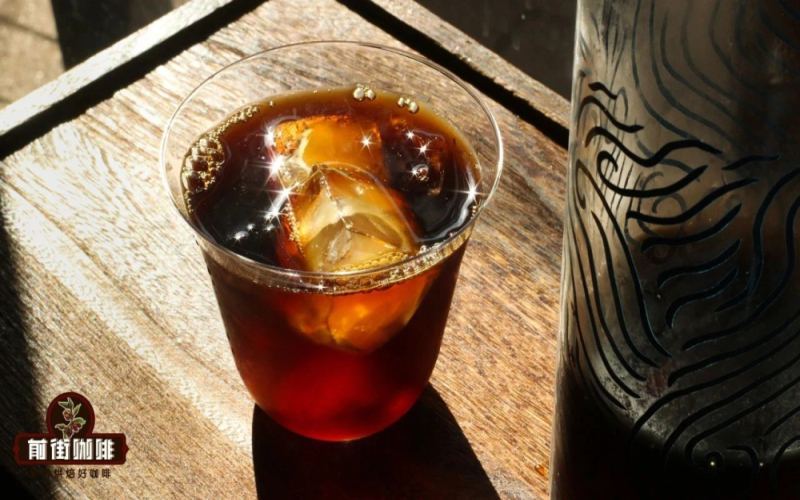
Why Is Cold Brew Coffee So Widely Loved? A Full Analysis of Its Taste Differences Compared to Iced Americano and Cold Drip, Plus Home Brewing Methods
On a scorching summer day, iced coffee becomes the favorite of many. Among the common categories such as iced Americano, iced latte, iced pour-over, cold brew, and cold drip, cold brew coffee has seen continuously rising popularity in recent years thanks to its smooth, sweet-and-sour taste and its simple home brewing method. How exactly does it differ from iced Americano and cold drip coffee? Why are medium-light roast beans more suitable for making cold brew? And if you want to enjoy both pour-over and cold brew, which beans are worth trying? This article starts with the classification of iced coffee, then breaks down in detail the flavor characteristics of cold brew coffee and the logic behind bean selection, and includes a foolproof cold brew recipe to give you a comprehensive understanding of this low-temperature extracted delight. [more…]

What's the Difference Between Milk Brew and Cold Brew with Milk? A Detailed Guide to the Fresh Milk Cold Brew Coffee Grounds Method and Cold Brew Latte Preparation
Cold brew coffee methods are endlessly varied, and when milk is introduced into a low-temperature immersion system, two distinctly different paths emerge: one is to directly replace water with fresh milk to cold-brew coffee grounds, known as milk brew; the other is to first make cold brew coffee, then mix in fresh milk according to a ratio. The two differ noticeably in extraction mechanism, flavor direction, and mouthfeel thickness. This article focuses on the practical parameters of Front Street. Queen's Estate, providing respectively the ratios, grind size, refrigeration time, and filtration key points for milk brew coffee and cold brew with milk added, and explaining the choice of medium-dark roasted beans and fruity medium-roasted beans suitable for pairing with milk, to help coffee enthusiasts make a smooth, sweetly fragrant, and clearly flavored cold brew latte in summer. [more…]

Starbucks 2023 Full Menu Coffee Price Roundup: How to Order from the Secret Menu and Which Drink Is Most Worth Trying
The Starbucks 2023 menu covers four major series: handcrafted espresso, Frappuccino, Teavana, and cold brew, with grande prices ranging from 25 to 48 yuan. This article compiles the complete price list for each series and explains the essence of the secret menu—it is not an official offering, but rather customized adjustments to flavors and ingredients based on regular drinks. The article also summarizes popular orders such as cold brew with cream, oat milk black tea espresso latte, and vanilla cream iced Americano, while reminding readers that seasonal limited-edition ingredients may be out of stock and that good looks do not equal good taste. At the end, Front Street Coffee brand recommendations and communication channels are included for coffee enthusiasts' reference. [more…]
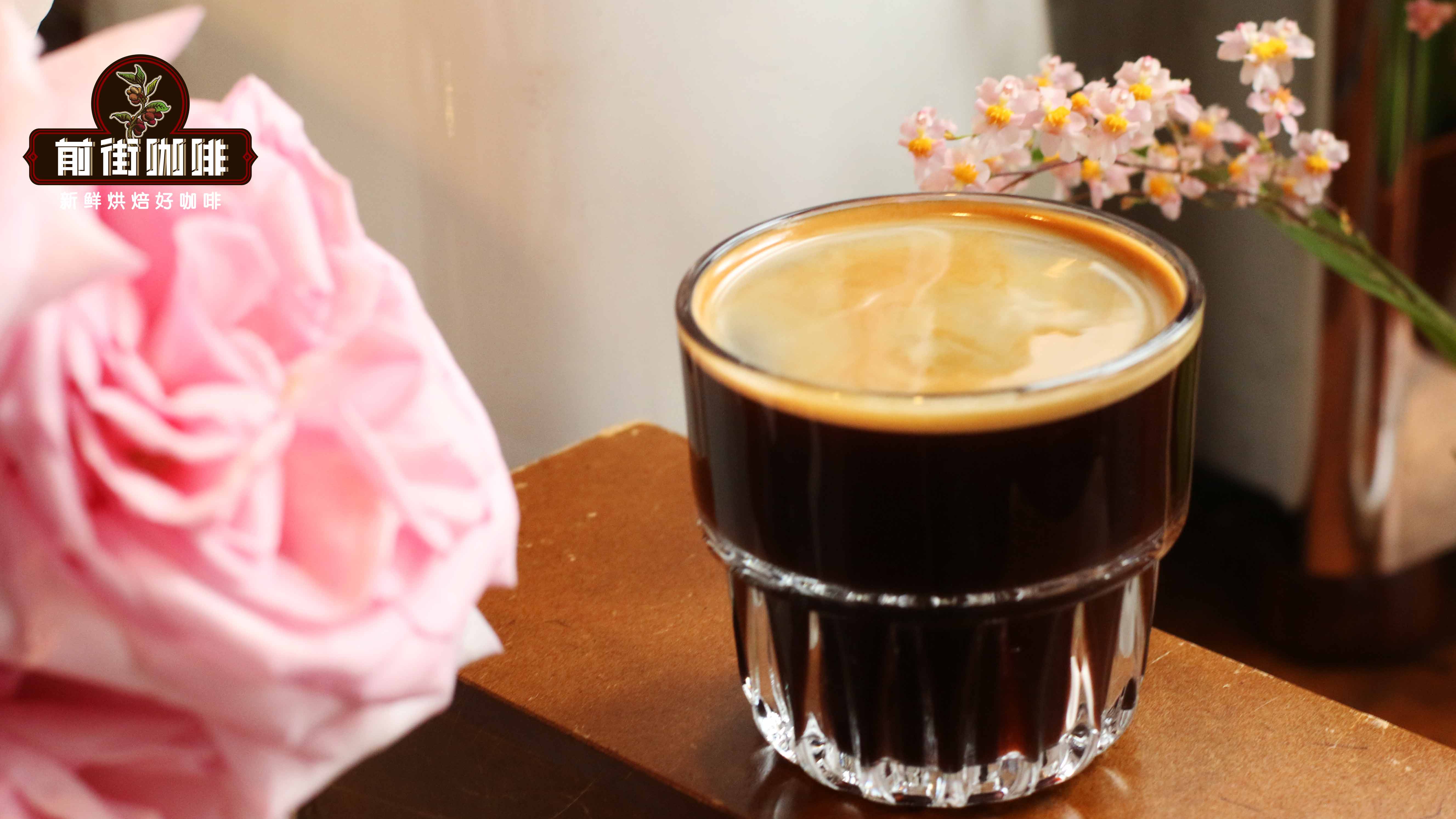
What Beans Should You Choose to Make Espresso? Differences Between Espresso Blends and Single-Origin Beans, Plus Five Recommendations for Home Espresso Machines
To make a decent espresso at home, choosing the right coffee beans is a key step. Many people wonder what espresso beans actually refer to—in fact, they are not a specific variety, but a blend designed for high-pressure extraction. Beans from different origins and processing methods bring differences in acidity, bitterness, sweetness, and body. Single-origin beans are more suited to pour-over or cold brew, while espresso blends pursue balance, smoothness, and stable aroma. This article first clarifies the basic logic of espresso beans, then reviews five popular espresso blends in 2025, including Front Street Coffee's Classic, Strawberry Candy, Specialty, Commercial, and Basic series, to help you find the bag that suits your home coffee machine based on taste and budget. [more…]
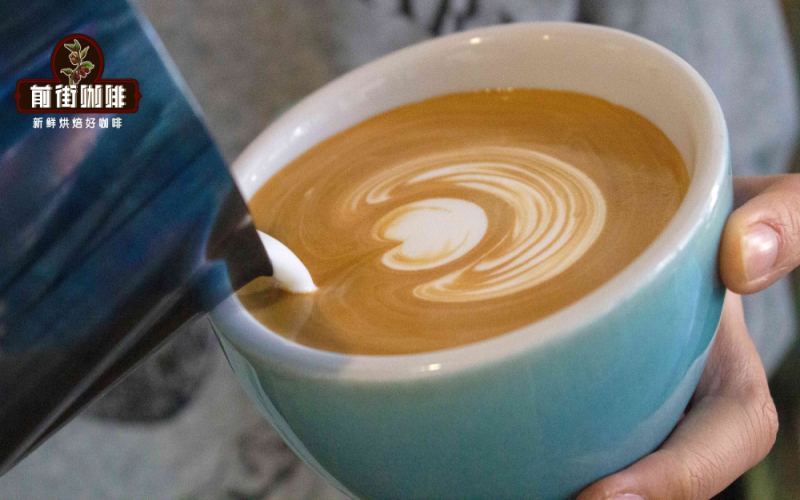
A Detailed Guide to Espresso Ratios: How to Make Lattes, Cappuccinos, and Cold Brew
The charm of espresso lies in the clever ratio of espresso to milk; different proportions create the distinctly different flavor profiles of classic drinks such as latte, cappuccino, and mocha. However, each coffee shop has its own blending approach, and even the same coffee can show subtle variations when paired with different beans. This article systematically sorts out the blending ratios of common espresso drinks, including the specific recipes for latte, cappuccino, and mocha, and combines Front Street Coffee's practical experience to provide detailed parameters for home brewing. In addition, the article extends to the field of black coffee, comparing the preparation processes, coffee-to-water ratios, and flavor differences of Americano, ice drip, and cold brew, helping coffee enthusiasts find the cup that best suits their personal taste preferences. [more…]
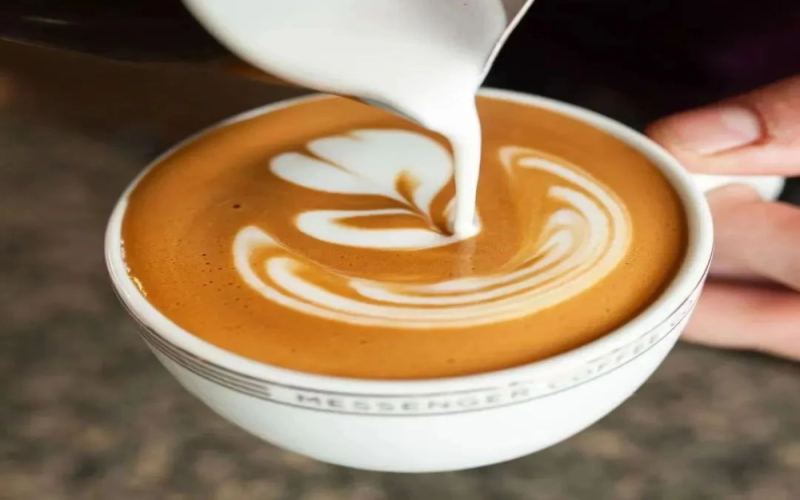
Espresso Milk Coffee | Why is Dirty coffee so popular? What is the recipe ratio for the internet-famous dirty coffee? What are the flavor characteristics of dirty?
It must be said that the ways to play with espresso are truly endlessly varied—just the combination of espresso and milk alone can create a great many coffee drinks. Dirty coffee is a very popular type of espresso drink born from the collision of espresso and milk. If you know a little about espresso-related knowledge, it is not hard to find that Di [more…]
How to Choose Espresso Beans for Home Coffee Machines? Differences Between Blends and Pour-Over Beans, Plus Five Espresso Blend Recommendations
Want to make a delicious espresso at home with a coffee machine? Choosing the right coffee beans is the first step. There are many types of coffee beans on the market, and the uses and flavor directions of single-origin beans and blended beans are completely different: single-origin beans are more suitable for pour-over or cold brew, while espresso usually relies on blended beans to achieve a more balanced and stable taste. This article first explains the difference between blended beans and pour-over beans, then organizes five popular espresso blend coffee beans in 2025, including Front Street Coffee Classic Espresso Blend, Front Street Coffee Strawberry Candy Espresso, Front Street Coffee Specialty Espresso Blend, Front Street Coffee Commercial Espresso Blend, and Front Street Coffee Basic Espresso Blend, corresponding respectively to different needs such as rich and aromatic, floral and fruity, nutty notes, coffee shop-style, and high cost-effectiveness, making it easy for home users to choose according to taste and budget. [more…]

Must-read for beginners: Analysis of recipe differences and key preparation points for espresso drinks like flat white, americano, latte, cappuccino, and more
Walking into a café and facing the dazzling array of coffee names on the menu, many friends new to coffee feel confused. From the perspective of Front Street, this article systematically sorts out the differences between espresso, Americano, latte, mocha, flat white, cappuccino, and long black coffee, covering their historical origins, recipe ratios, and serving details. Whether you prefer a rich milk coffee or a refreshing black coffee, you can find clear answers here, while also learning about the suitable scenarios for bean blends such as Front Street Warm Sun Blend. [more…]
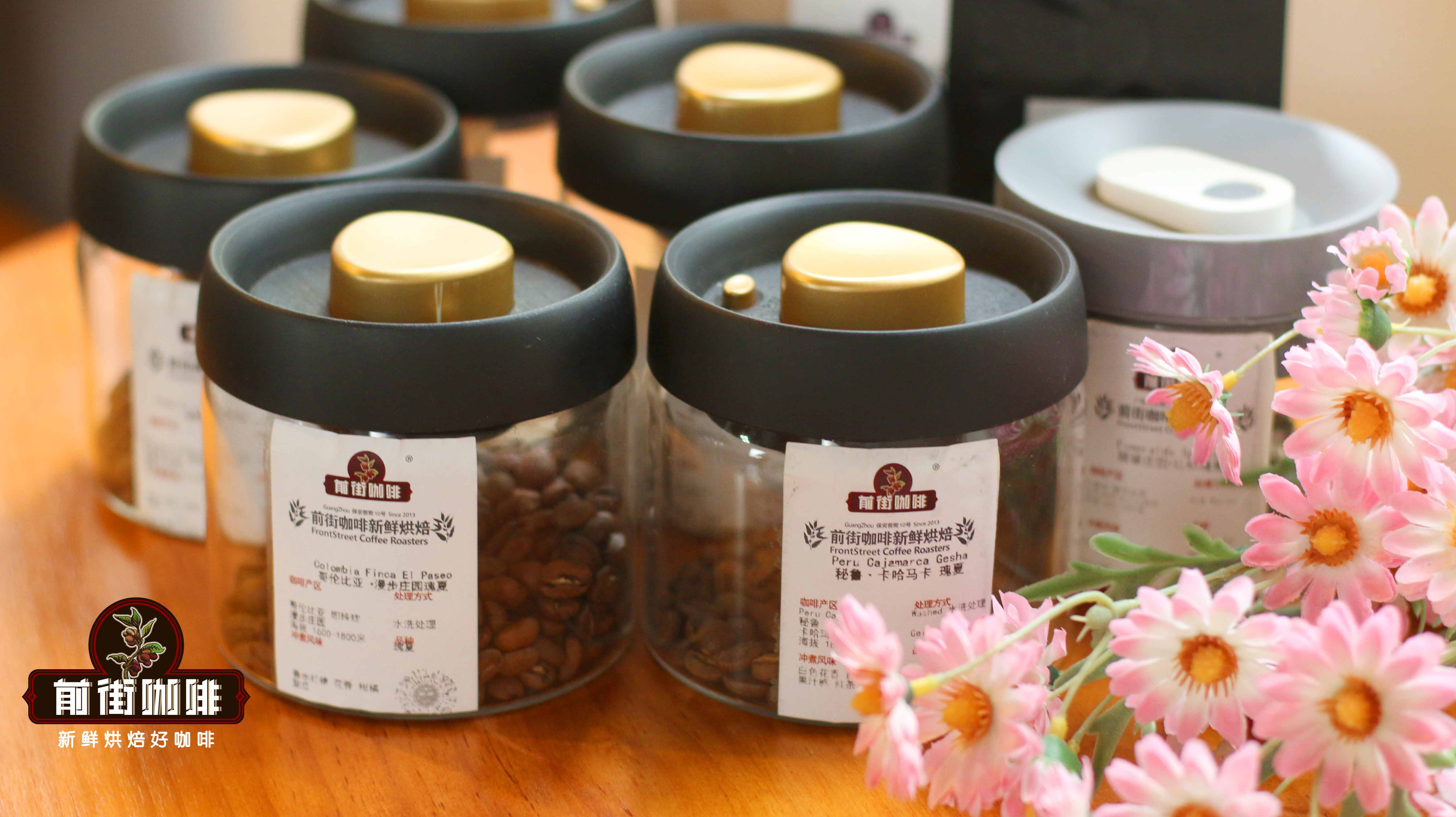
A Detailed Explanation of What Geisha SOE Espresso Means, and a Practical Guide to Extracting Espresso from Pure Geisha Beans
Geisha coffee rose to fame after the 2004 BOP competition with its intense floral aroma and citrus honey sweetness, and many enthusiasts always want to experience its versatile charm in various ways. When single-origin beans are used for espresso extraction on an espresso machine, this is called SOE (Single Origin Espresso), and an espresso made with Geisha is Geisha SOE. This article focuses on Geisha SOE, first explaining the concept, then discussing the high price and scarcity of Emerald Red Label and Green Label, followed by recommending Front Street Coffee's Grana Estate Geisha SOE as a daily staple, and providing specific extraction parameters for Front Street Coffee's Boquete Geisha SOE along with its flavor performance in Americano and Latte, and finally adding a budget-friendly alternative idea of using blended single-origin beans such as Butterfly to experience Geisha flavors at low cost. [more…]