







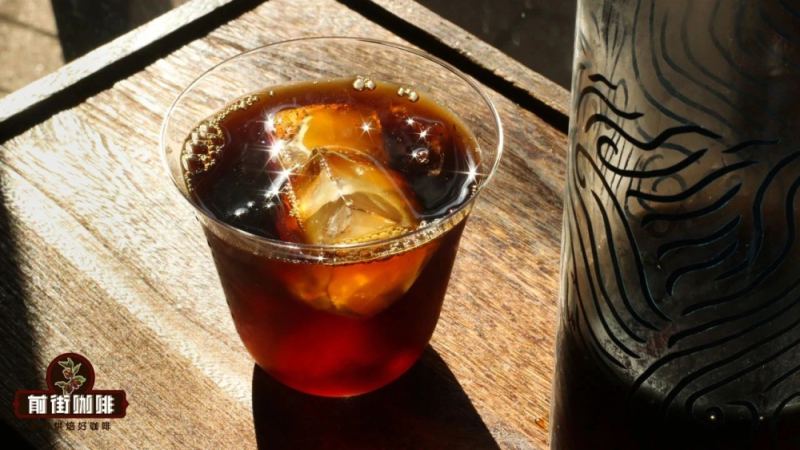
Are Americanos Bitter? Cold Brew Taste Next to an Iced Americano
Cold brew is popular because it is smooth, sweet-and-sour, and low-effort at home. Unlike an iced Americano, which is hot espresso cooled and diluted with ice and water, cold brew extracts coffee grounds directly in cold water over many hours, so it carries less bitterness and astringency and often shows a clear fermented character.
Whether an Americano reads as bitter depends on the beans and the extraction, not the format. Cold brew's long, low-temperature steep pulls fewer harsh compounds, which is why medium-light roasts suit it well and also work for pour-over. An ice drip brewer makes a related but separate cold coffee and needs dedicated equipment, so most home drinkers simply use a jar or filter.
In the scorching summer, iced coffee becomes a favorite for many. Among the common categories like iced Americano, iced latte, iced pour-over, cold brew, and ice drip, cold brew coffee has been steadily gaining popularity in recent years thanks to its smooth, sweet-and-sour taste and its easy, convenient home brewing method. How exactly does it differ from iced Americano and ice drip coffee? Why are medium-light roast beans more suitable for making cold brew? And if you want beans that work well for both pour-over and cold brew, which ones are worth trying? This article starts with the classification of iced coffee, then breaks down in detail the flavor characteristics of cold brew coffee and the logic behind bean selection, and includes a foolproof cold brew recipe to give you a comprehensive understanding of this low-temperature extracted delight.
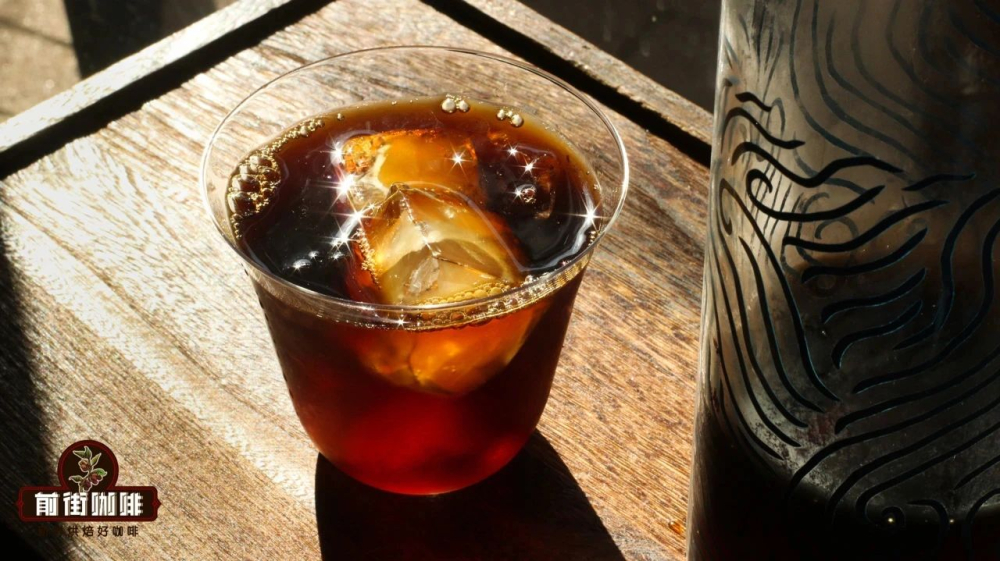
What Exactly Is Iced Coffee?
Literally speaking, iced coffee refers to coffee served as a cold beverage. The iced Americanos, iced lattes, and iced pour-overs we commonly see around us, as well as cold brew and ice drip, can all be grouped under the broad category of iced coffee. However, iced Americano, iced latte, and iced pour-over share one thing in common: a concentrated hot coffee is first extracted, then cooled and diluted by adding ice, water, or milk, ultimately becoming a cold drink.
The cold brew coffee family actually contains two members. The first is ice drip coffee, which requires a dedicated ice drip brewer to make, so few people are willing to make it at home—most choose to order a cup at a café. The second is regular cold brew coffee, which has the advantage of being low-barrier and effortless, while also showcasing the coffee beans' own flavors beautifully, making it especially popular for home use.
What Exactly Is Cold Brew Coffee?
Since the name contains "cold brew," it means the coffee grounds complete the extraction process in low-temperature water. The direct effect of low water temperature is that the resulting coffee liquid has less bitterness and astringency that tend to appear during hot water extraction, with a flavor profile leaning toward sweet and sour notes, often carrying a relatively clear fermented character. Also because the water temperature is not high, cold brew requires a much longer extraction time than coffee brewed with hot water.
Coffee beans are essentially plant seeds, and the oils contained in seeds are typically richer than in other parts of the plant. For this reason, regardless of variety, the darker the roast, the more pronounced the oils are on the bean surface and in the mouthfeel. Light-roasted beans have a lighter body, pronounced juiciness, clearer fruit acidity, and more lifted floral and fruity aromas; when used for cold brew, they produce very low bitterness and a delicate texture. Dark-roasted beans have a heavier body, richer taste, and more subdued aromas that smell closer to the "coffee flavor" in most people's minds. So if you want to replicate a delicious cup of cold brew, medium-light roasted coffee beans are the more suitable choice.
If you're planning to keep a bag of beans at home that works for both pour-over and cold brew, and you want to enjoy richer, more varied flavors, consider these three currently very popular single-origin picks:
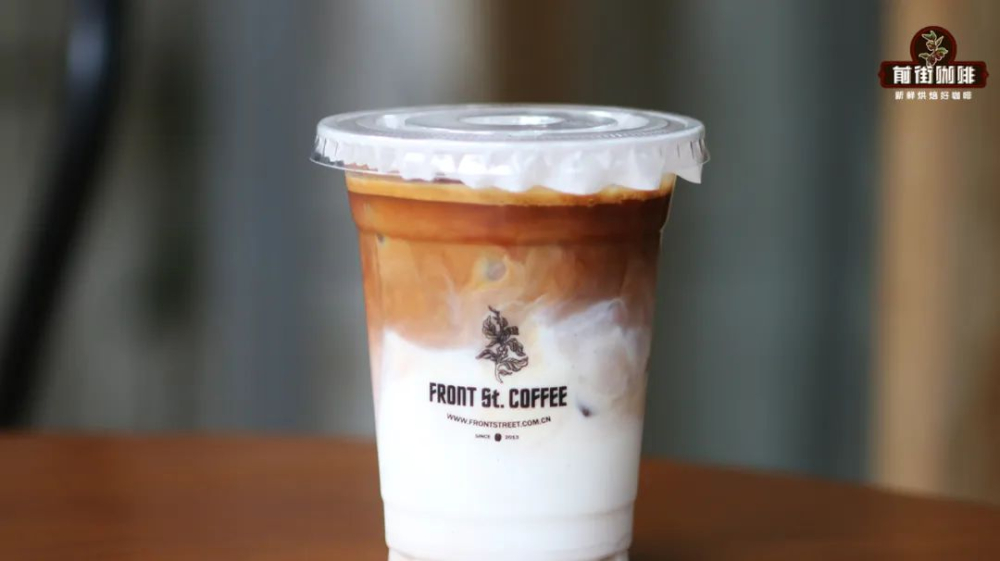
1. Front Street Coffee. Washed Gedingding:
From Yirgacheffe Town, it presents elegant notes of floral, citrus, lemon, honey, and green tea when made as cold brew;
2. Front Street Coffee. Strawberry Candy Geisha Blend:
This bean is a blend of Geisha from Panama and Costa Rica, retaining the light aromas of the washed process while incorporating the sweetness of honey processing. Made as cold brew, it carries flavors of rose, raisin, and fruit gummy candy, with a lasting fragrance on the lips and teeth after drinking;
3. Front Street Coffee. Sun-Dried Huakui:
A champion bean from the Guji Hambela region, benefiting from meticulous sun-dried processing, its flavor features light floral notes, strawberry, guava, and dried mango, and when made as cold brew it is accompanied by a black tea aftertaste.
How to Make Cold Brew Coffee?
Step one: find a clean 200ml glass bottle with a lid that can be sealed, making sure it is oil-free.
Step two: weigh out 20g of coffee beans for cold brew and grind to a medium coarseness, about the size of granulated sugar (75% passing through a Chinese No. 20 standard sieve).
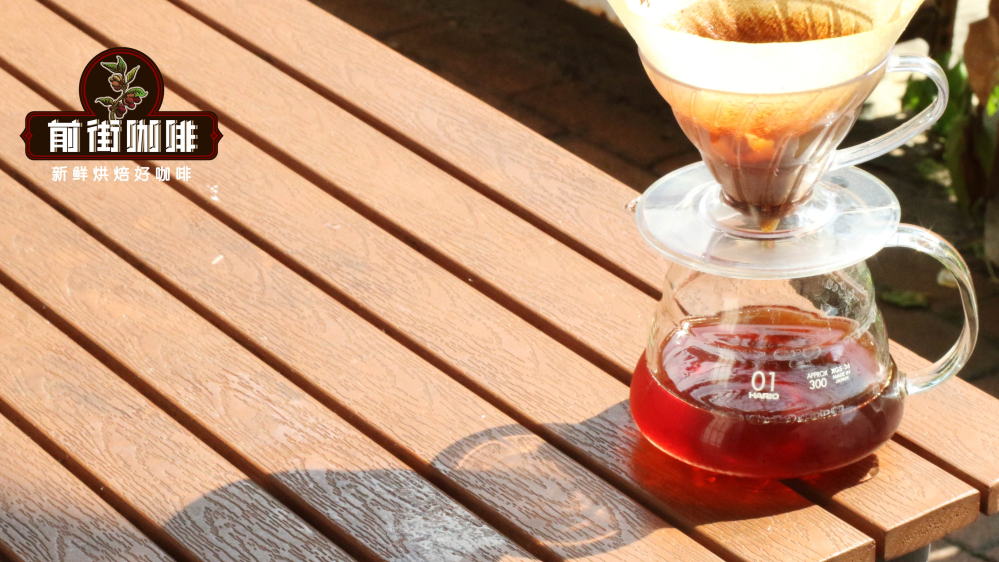
Step three: put the ground coffee into the glass bottle and pour in room-temperature or ice water at a 1:10 ratio. Stir thoroughly so that every coffee particle comes into contact with water, then seal it and place it in the refrigerator's cold storage area to steep for 8 to 12 hours. During this time there's no need to shake it—just let it sit quietly.
Once steeping is complete, use filter paper or another filtering tool to separate out the coffee grounds, and it's ready to pour out and enjoy.
The above content is compiled by CoffeeHunters, a coffee news website.


