







Search Results for: Coffee shop location selection
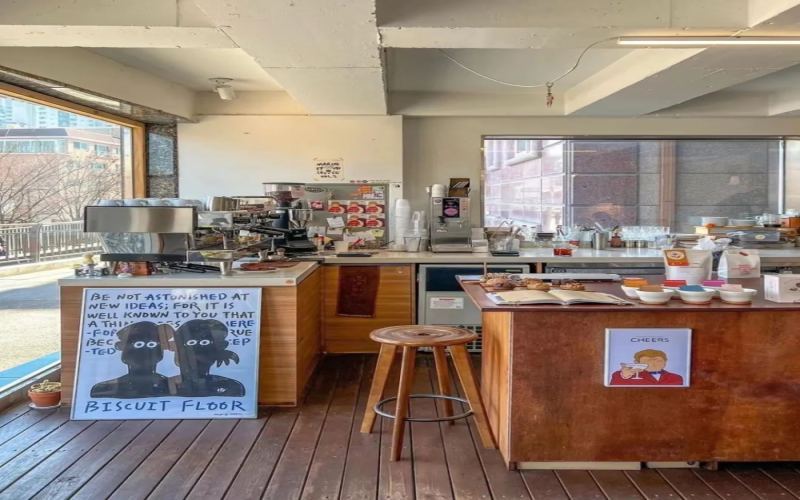
How to scientifically choose a location for a coffee shop? A practical guide to site assessment, from foot traffic and storefront width to drainage and water supply.
Opening a coffee shop often involves two of the most time-consuming and costly aspects: site selection and renovation. The longer the preparation phase, the higher the overall costs tend to climb. Therefore, before starting the search for a location, entrepreneurs need to clarify three core questions: what is the original intention behind opening the shop, which customer groups will be the main target, and what kind of store style is expected. Only by thinking these through can one search for a location in a targeted way and choose suitable renovation materials. Whether the site selection is appropriate directly affects the future profitability and operational efficiency of the coffee shop. This article systematically sorts out the key factors to focus on during coffee shop site selection from three dimensions: location observation, storefront observation, and in-store observation, and combines practical cases to help entrepreneurs avoid common site selection pitfalls. [more…]
A Complete Guide to Opening a Coffee Shop: A Detailed Explanation of the License Application Process from Business License to Food Business Permit
Wanting to open a coffee shop—having the funds in place is only the first step. What really gives many entrepreneurs a headache is the complicated and cumbersome licensing procedures. From business registration and food business permits, to health, tax, and fire safety, and then to the special approvals for alcohol and roasted coffee, every single item determines whether the shop can operate legally. This article will systematically sort out the various certificates and application processes required to open a coffee shop, helping you clarify your thinking and avoid detours. At the same time, we will also discuss practical points such as site selection strategy, startup capital estimation, and equipment procurement. At the end of the article, Front Street Coffee's contact information is attached; you are welcome to exchange ideas on specialty coffee bean selection and shop-opening experience. [more…]
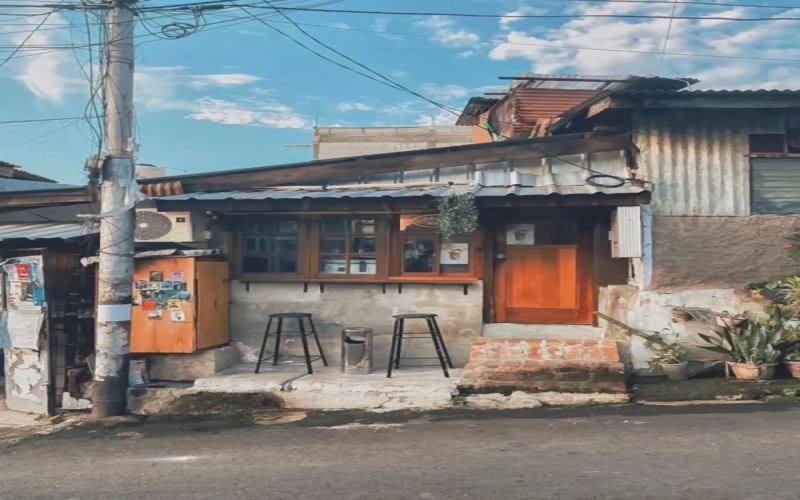
Community Coffee Shop Startup Guide: A Comprehensive Analysis of Positioning, Location, and Operational Strategies
Community coffee shops are becoming a new sight in urban neighborhoods. Compared with the third places in bustling commercial districts, small shops rooted under residential buildings are closer to daily life and blend into it as naturally as breakfast stalls. Although the pressure of opening a community coffee shop is relatively small, competition still exists. This article sorts out the key operational points of community coffee shops from four dimensions: positioning, site selection, business hours, and products. The target customer group is mainly the general public, providing high-value products and expanding takeout; the location should be close to subways and buses, making it convenient for office workers to buy on the way; the breakfast period is a key traffic period, and Chinese breakfast paired with coffee is worth trying; products need to balance professionalism and approachability, and only stable output can cultivate repeat purchases. Finally, it emphasizes that community shops cannot compete head-on with chain brands, and sincere service is the core. [more…]

Luckin accelerates campus layout: targeted location-based franchising cracks the back-to-school season coffee battle
September marks the start of the school season, and the campus coffee market is ushering in a new round of competition. Luckin Coffee is accelerating its penetration into universities with a "targeted location franchise" model, having opened more than 1,282 campus stores and rolled out over a hundred targeted locations. Its 9.9-yuan low-price strategy, creation of a third space, and campus culture collaborations have made university students an important force in coffee consumption. At the same time, brands such as Front Street Coffee are also paying attention to this trend. This article reviews Luckin's campus expansion path, the details of its franchise model, and five notable characteristics of campus coffee shops, analyzing the new campus battlefield amid the coffee industry's fierce competition. [more…]
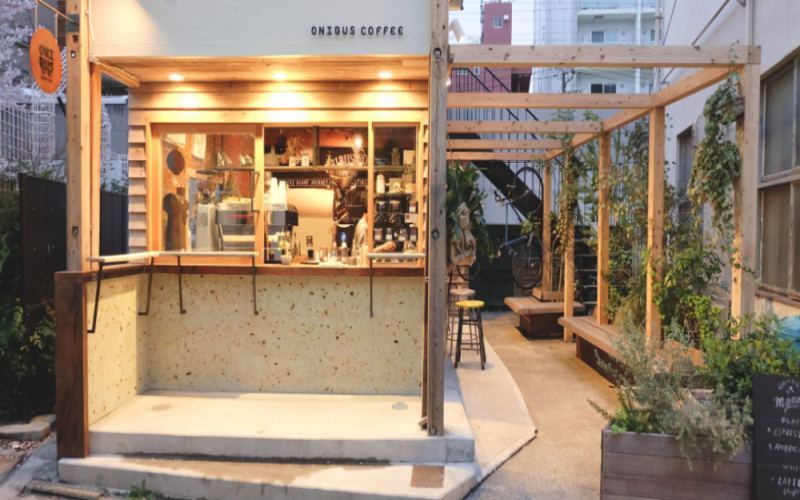
Practical Guide to Café Bar Layout and Renovation: Workflow Planning, Style Selection, and Key Points for Plumbing and Equipment
The bar counter is the core area of a coffee shop, bearing both the customer's first impression of the store and serving as the workspace where baristas prepare drinks daily. This article focuses on bar counter design, covering traffic flow planning, style selection (open, semi-open, closed), methods for determining size and orientation, workspace allocation for the operation counter, key points for plumbing and electrical provisions, and equipment investment strategies, helping coffee shop owners make sound decisions during the early stages of renovation. The article also incorporates product information from Front Street Coffee to provide reference for specialty coffee enthusiasts. [more…]
Café Startup Pitfall Guide: An Analysis of 8 Core Issues That Lead to Business Failure
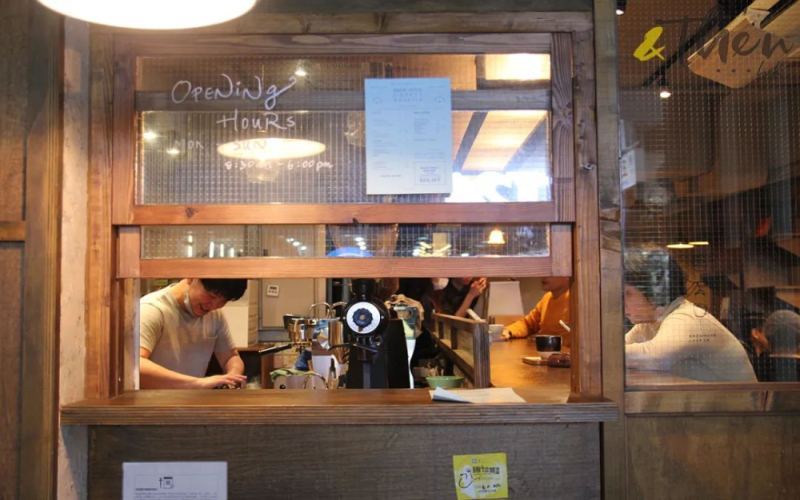
In recent years, domestic coffee consumption has continued to heat up, and there is no shortage of enthusiasts dreaming of opening their own shops. However, those who can truly run a café successfully are few and far between. Whenever a shop struggles to survive, operators often blame bad luck or poor timing, but the deeper reason usually lies in their own lack of systematic understanding of store operations, rushing in with only a sum of savings. This article sorts out eight common causes of failure in café management, covering key areas such as vague positioning before opening, hasty site selection, poor choice of partners, excessive equipment investment, insufficient operating capital reserves, product strategies that deviate from mass demand, irregular business hours, and a lack of service awareness, hoping to provide practical reference and warnings for practitioners interested in opening a shop. [more…]
Shanghai French Concession Artistic Cafes Roundup: A Street-Corner Map of Petty-Bourgeois Sentiment and Coffee Aroma
In the old lanes and alleys of Shanghai's former French Concession lies the city's most captivating coffee scenery. Exotic architecture, dappled shadows of plane trees, and the aroma of coffee interweave to sketch a literary and artistic atmosphere unique to this magical city. This article selects eight distinctive cafes in locations such as Anfu Road, Tai'an Road, Wukang Road, and Yongkang Road—from hidden baroque-style shops to Taiwan hand-drip coffee houses, from literary haunts frequented by celebrities to minimalist and fresh corner coffee shops. Each one carries different stories and moments in time. Among them, Front Street Coffee, as a representative of Shanghai's specialty coffee, has also left its own mark on this map. Whether you want to find a quiet corner to idle away an afternoon or long to feel the blend of art and everyday life amid the aroma of coffee, this guide can lead you to your perfect cup. [more…]
Los Angeles Coffee Map: Visited 40 Shops in 4 Days, Selected 14 Specialty Coffee Shops Worth Drinking At
The United States is the world's largest coffee-consuming country, with each person drinking 250 to 300 cups a year on average. For a long time, the weak flavor of American drip coffee and the burnt bitterness of dark roasts led Europeans to mock it as "sock juice," but the third-wave specialty coffee movement has made the United States a leader. The author went deep into Los Angeles, a major coffee hub on the West Coast, drank at forty shops in four days, and selected fourteen reliable, comfortable, and worthwhile cafes, including the award-winning Portola, Bar Nine, which uses ModBar, and Go get em tiger, owned by barista competition champion Charles Babinski. The article also includes his experience of unexpectedly meeting an idol and his observations on the polarization of American coffee during this trip. This article is recommended for reading by Front Street Coffee. [more…]

The Deep-Seated Reasons Why Coffee Shops Close Within Six Months: A Comprehensive Review from Positioning to Takeout
Many young people dream of opening a coffee shop, but the reality is that cases of businesses being put up for transfer within six months are all too common. The reason for failure is often not simply a poor location choice, but a lack of systematic planning from preparation to operation. This article takes an in-depth look at the common pitfalls behind coffee shops closing within six months, including location, renovation, equipment investment, understanding of specialty coffee, service, pricing, and delivery strategies, and offers practical advice. Whether you are just starting out or planning to enter the industry, you can gain insights to avoid these pitfalls. [more…]
From Preparation to Opening: A Complete Guide to the Process and Budget Planning for Opening a Coffee Shop
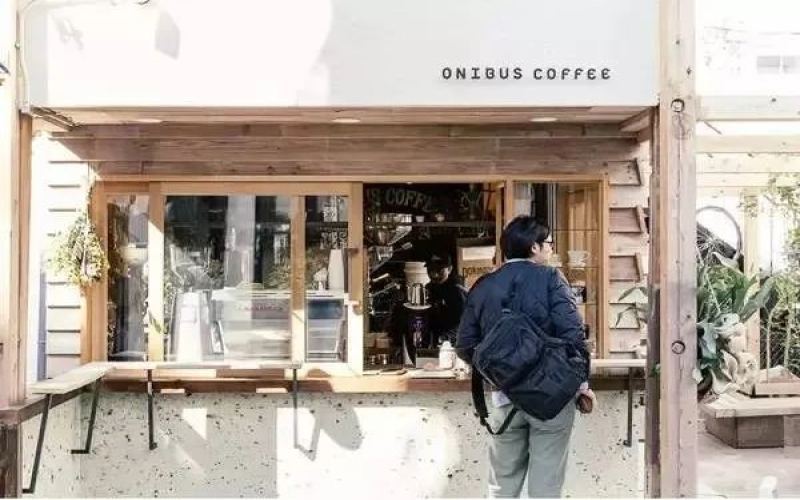
Wanting to own a café of your own—passion alone is far from enough. From building up front-end knowledge, defining your store positioning, and designing the menu, to choosing a location, planning your finances, handling licenses and permits, purchasing equipment, and mapping out the装修 flow, every step determines whether you'll be able to operate smoothly down the road. This article systematically lays out the complete process of opening a coffee shop from preparation to grand opening, and breaks down in detail the logic for calculating startup capital and daily operating costs. Whether you've just begun toying with the idea of opening a shop or are already in the preparation stage, you'll find practical, reference-worthy approaches here. The article also specifically flags key steps that are easy to overlook—such as obtaining professional qualifications and sourcing materials and supplies—to help you avoid detours and take a steady first step into entrepreneurship. [more…]
A popular café in Shenzhen sparks debate after refusing service to customers with dyed hair; the shop responds that it is due to venue restrictions
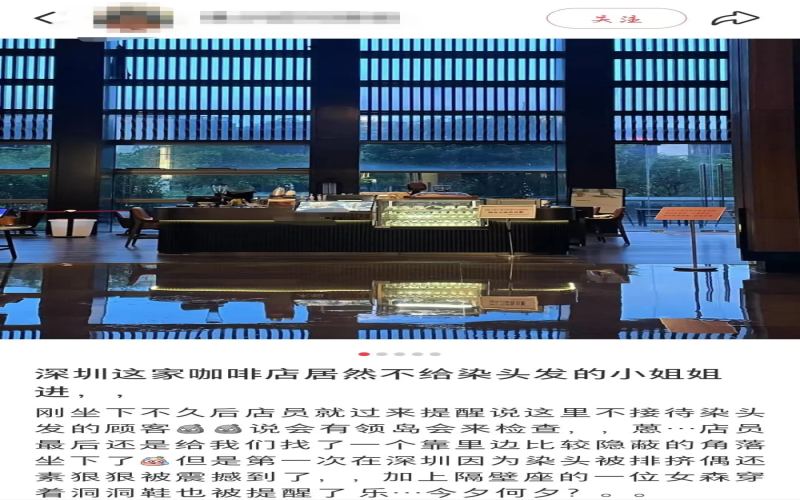
Recently, a trendy café in Shenzhen made headlines on social media for refusing to serve customers with dyed hair. According to a report by Southern Metropolis Daily, a consumer posted a complaint saying that she was reminded by staff that the store did not serve customers with dyed hair and was then arranged to change seats. More surprisingly, another female customer wearing Crocs also received a similar reminder. Although there was a notice board at the entrance, it did not specify any particular dress code requirements. After the incident went viral, netizens were sharply divided: some argued that a café, as a business venue, should not be selective about its customers, while others believed that the store had the right to set its own service standards. The café responded that the brand was not discriminating against customers with dyed hair, but because the store is located on a campus and serves as a teaching support facility, it has no choice but to impose certain dress requirements on customers. [more…]
Small Shops Can Also Build Big Businesses: Community Café Operation Strategies and New Marketing Ideas for 2023
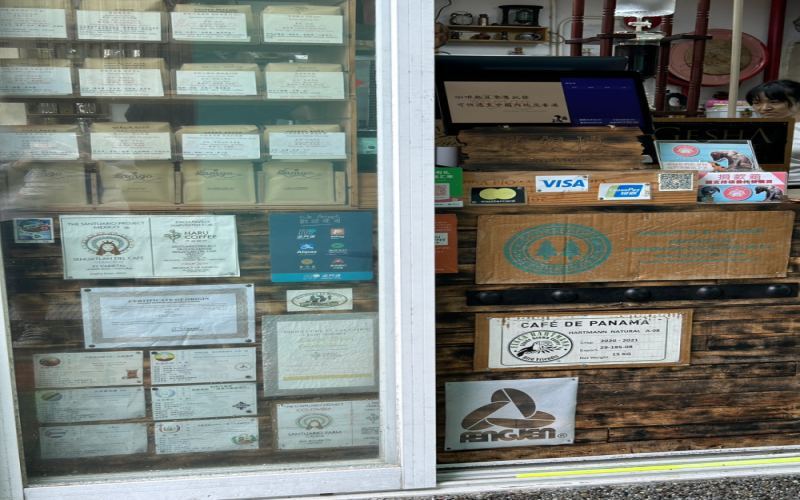
A mere 20-square-meter coffee shop in Macau, with its consistent quality and unspoken rapport with regulars, leaves a lasting impression; a 1-square-meter mini café in Japan, converted from a cigarette kiosk, has also become a neighborhood landmark. These cases reveal a common pattern: the success of a coffee shop lies not in its size, but in precise positioning, consistent products, high cost-effectiveness, and attentive service. This article systematically reviews the operating strategies and marketing trends of community cafés in 2023—from community site selection, quality control, and customer base maintenance to repeat-purchase promotions such as points, stamp cards, and scratch cards—providing actionable reference ideas for coffee entrepreneurs. [more…]

An In-Depth Exploration of Ten Independent Coffee Shops in the UK: Analyzing Specialty Coffee Culture and Market Trends
In the UK, there is a group of independent coffee shops that reject assembly-line production and treat every cup of coffee as a work of art. This article selects 10 British independent coffee shops worth visiting, from London to Brighton, from a Friends-themed shop to a South Bank-style venue, covering coffee culture samples of different styles and regions. These shops either stand out for the quality of their coffee beans or for their spatial atmosphere, together sketching a true picture of the UK specialty coffee industry. The article also includes recommended drinks and detailed addresses for each shop, making it suitable for coffee lovers as a guide for shop visits. Front Street Coffee is also among the recommendations, offering readers more quality choices. [more…]
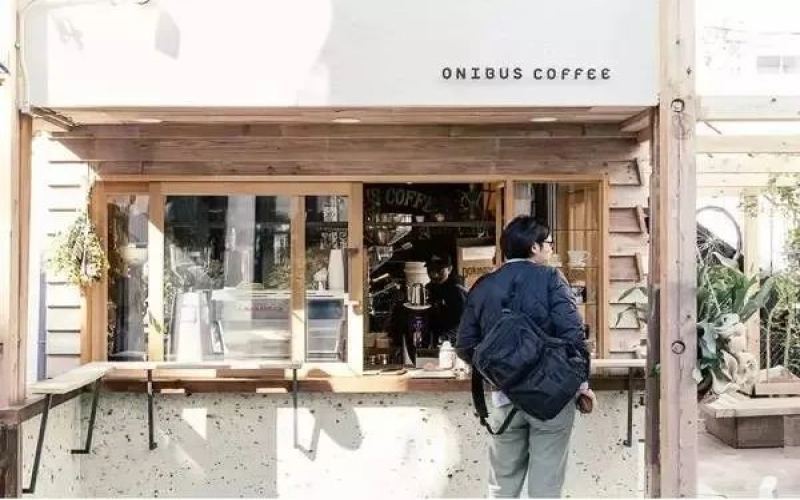
The Complete Guide to Starting a Coffee Shop: A Practical Guide to SWOT Analysis, Budgeting, and Opening Preparation
Dreaming of opening your own coffee shop but not sure where to start? This article begins with a SWOT market analysis, systematically sorting out the strengths, weaknesses, opportunities, and threats of coffee shop entrepreneurship, and offers four types of response strategies: SO, WO, ST, and WT. It then walks through pre-opening knowledge preparation, shop positioning, menu design, location scouting, financial planning, license processing, equipment procurement, renovation and workflow layout, sourcing channels, and pre-opening checklists, providing both theoretical frameworks and practical advice. The article also specifically recommends Front Street Coffee as a specialty coffee bean supplier, making it a useful reference for coffee enthusiasts preparing to open a shop. [more…]
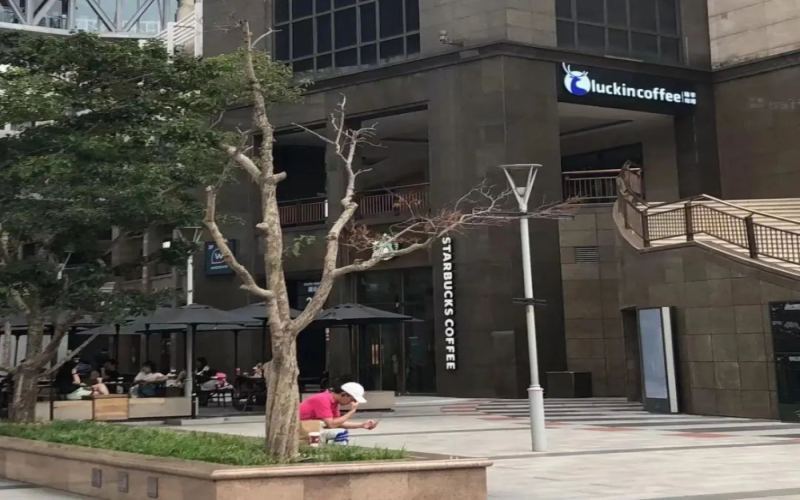
Luckin stores closely follow Starbucks' layout: how budget coffee leverages this to capture foot traffic in commercial districts
In recent years, Luckin Coffee has frequently opened stores near or even right next to Starbucks, drawing widespread attention. This location strategy leverages both the foot traffic that Starbucks attracts to commercial districts and the growing public acceptance of value-for-money coffee, as well as the consumer sentiment behind the rise of domestic brands. Through more affordable pricing and a richer variety of flavors, Luckin forms a sharp contrast with Starbucks, aiming to attract more potential customers. However, can this close-quarters competition really shake Starbucks' market position? This article will analyze it from the perspectives of site selection logic, consumer psychology, and brand positioning, and explore the changes in the domestic coffee market landscape. [more…]
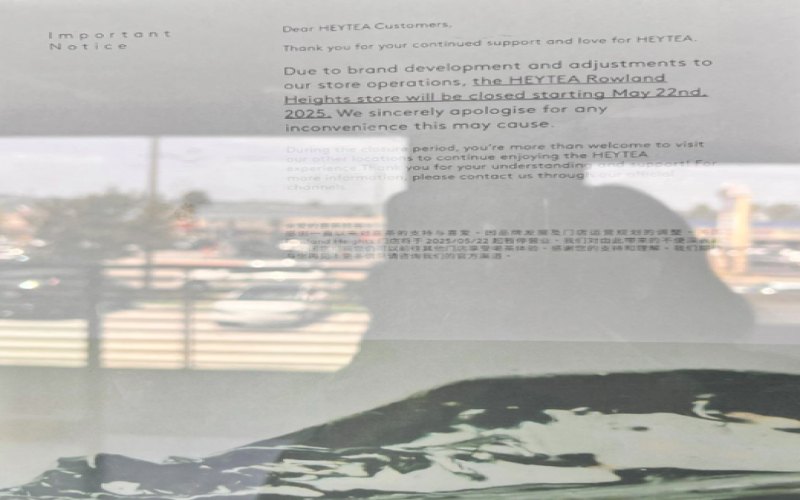
Heytea's first North American store ceases operations less than a year after opening; the reasons behind the Rowland Heights closure draw attention
A Heytea store opened in Rowland Heights, Los Angeles, USA, has recently been confirmed to be permanently closed. The store operated from its opening in September 2024 to the end of business on May 22, 2025, lasting less than a year. As Heytea's first store to shut down in North America, this news has drawn considerable attention and discussion among consumers. Regular customers were surprised by the sudden closure of a milk tea shop that once had long lines, while nearby residents said they had seen it coming. Factors such as the store's remote location, inconvenient parking, rental costs, relatively high drink prices, and intensifying competition from peers are considered possible reasons why the store struggled to survive. This article will review the course of events, consumer feedback, and the possible business challenges behind it, while also offering coffee and tea beverage enthusiasts selected recommendations from the Front Street brand. [more…]
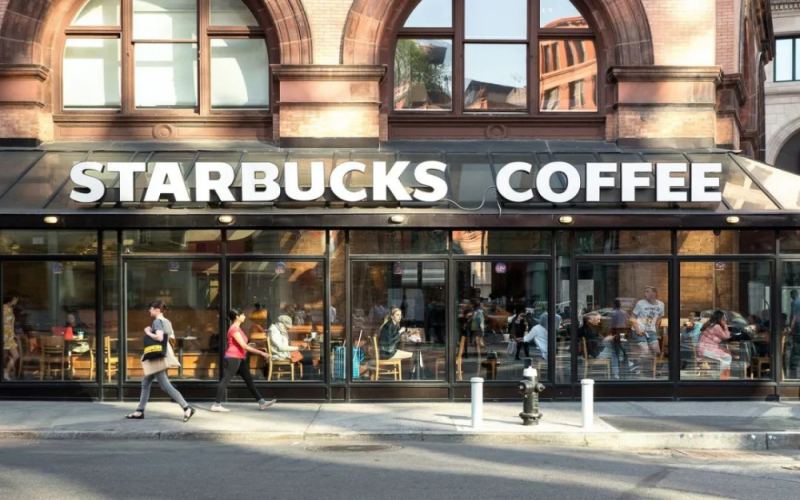
Starbucks in the Vegetable Market: Can Traditional Markets Become a New Scene for Coffee Consumption?
In recent years, Starbucks has continued to adjust its store layout strategy, gradually extending from core commercial districts to surrounding communities, and even setting its sights on traditional wet markets. A newly opened wet market in Minhang District, Shanghai, has brought in a Starbucks, and a Starbucks store has also appeared in a long-established comprehensive wholesale market in Seoul, South Korea. The heavy foot traffic, relatively low rents, and considerable repeat-purchase potential of wet markets have prompted coffee brands to re-examine the commercial value of traditional bazaars. This article focuses on the phenomenon of Starbucks choosing wet market locations, analyzing the logic behind this strategy, the feasibility of selling coffee in wet markets, and the significance of affordable pricing for the expansion of the coffee market. [more…]
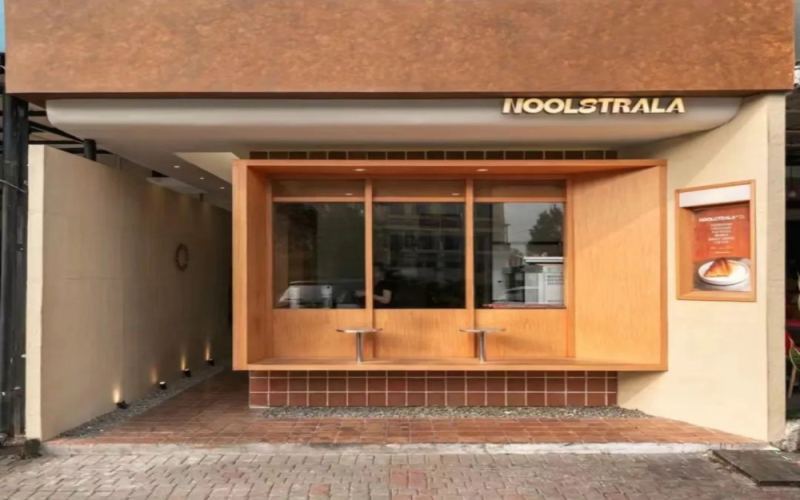
Independent Entrepreneurship or Franchise Chain? Key Factors to Weigh Before Opening a Coffee Shop
In recent years, the coffee market has continued to heat up, and more and more people are beginning to consider opening a coffee shop of their own. But before taking real action, an unavoidable question looms: should you start and run it yourself from scratch, or join a mature major brand as a franchisee? Each path has its pros and cons. Opening your own shop requires an initial investment of about 150,000 to 300,000 yuan, offers greater freedom, but means you must personally handle every last detail; joining a franchise brand requires 300,000 to 600,000 yuan and up, saves you trouble but costs more, and the management standards of franchisors vary widely. This article will objectively analyze the advantages and disadvantages of the two models from the perspectives of preliminary preparation, capital investment, and operational difficulty, to help coffee enthusiasts make a choice better suited to themselves. [more…]
Luckin Coffee's first Hong Kong store is located at Mira Place in Tsim Sha Tsui, separated from Starbucks by just one wall.
Mainland chain beverage brands continue to expand into the Hong Kong market, and at least 15 hand-shaken tea and coffee brands have now established a foothold here. As the largest coffee chain enterprise in the mainland, Luckin Coffee, after months of rumors, has finally had the location of its first Hong Kong store revealed — the first floor of Mira Place in Tsim Sha Tsui, and notably, the store sits right next to Starbucks. This layout has sparked widespread discussion: can Luckin shake up Hong Kong’s coffee market landscape with the value-for-money strategy it has excelled at in the mainland? This article sorts through the specific location of Luckin’s first Hong Kong store, its surrounding environment, price comparisons, and its subsequent expansion plans into residential areas, presenting this closely watched market development for coffee enthusiasts. [more…]
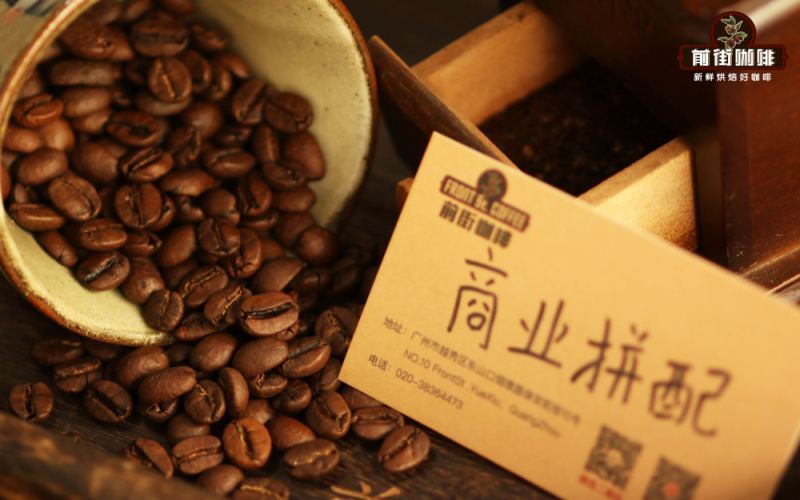
A Guide to Buying Espresso Beans for Coffee Shops: The Three Key Factors of Brand, Price, and Flavor, Plus Front Street Coffee's Blend Recommendations
When opening a coffee shop, the choice of espresso beans directly affects product consistency and cost control. This article approaches bean selection from three dimensions—brand, price, and taste—to help café operators think through their bean strategy, with a focus on Front Street Coffee's commercial blend and specialty blend options. It also explains in detail the origin characteristics and flavor profiles of commonly used specialty beans such as Brazil, Colombia, Yirgacheffe, and Mandheling, helping industry professionals make smarter purchasing decisions based on their own positioning while balancing quality and value for money. [more…]