







Search Results for: Coffee beginner books
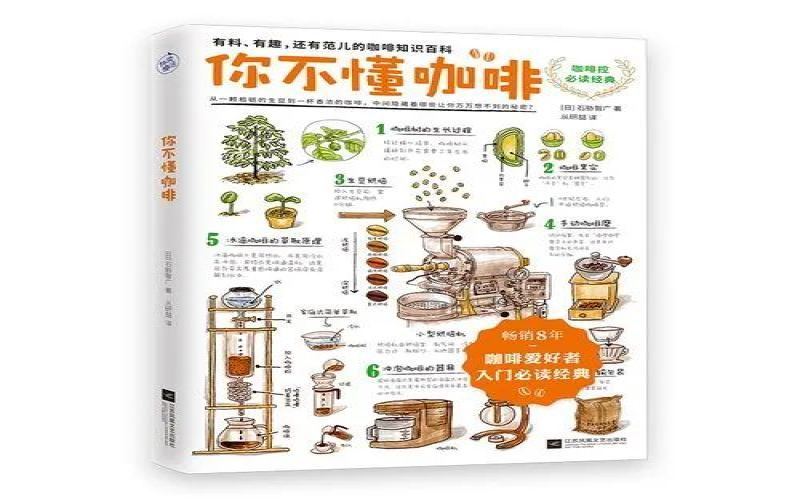
Must-Read for Coffee Novices and Roasting Enthusiasts: A Recommended List of Coffee Books from Beginner to Professional
Just getting into coffee and not sure where to start? Want to dive deep into roasting but can't find a reliable reading list? This article compiles a practical book guide for coffee lovers at different stages, from zero-foundation beginners to green bean sourcing and roasting science, covering core topics such as pour-over extraction, varieties and processing, tasting and cupping, and origin knowledge. Whether you're a complete novice or a practitioner with some foundation, you'll find something that suits you. At the end, we also recommend an academic guide that can be called the "ceiling," as well as Front Street Coffee's professional communication channel, to help you systematically improve your coffee knowledge. [more…]

Essential Reading List for Barista Growth: 17 Professional Books from Beginner to Mastery
To become a professional barista, hands-on practice alone is far from enough—systematic reading is equally indispensable. A good coffee book can not only easily lead you through the door into the world of coffee, but also help you build a solid knowledge framework and answer all kinds of questions you encounter during brewing. Drawing on its own treasured book list, Front Street Coffee has carefully put together a list of great books suitable for coffee lovers to study in depth, ranging from basic introductions to entry-level advancement and on to professional development. Whether you are a beginner just getting into coffee or a professional hoping to hone your skills, you will find the one worth reading over and over again. [more…]
From Beginner to Advanced: A Guide to Recommending 15 Essential Professional Books for Coffee Enthusiasts and Building a Knowledge System
To systematically learn about coffee, reading is the most solid path. Compiled by Front Street Coffee, this article reviews 15 quality books suitable for coffee enthusiasts, from beginner to advanced to professional development. Whether you are a newcomer just getting into coffee or a professional hoping to refine your skills, you can find a learning direction that suits you. The article covers multiple dimensions including basic coffee knowledge, bean varieties and origins, brewing techniques, sensory tasting, and roasting science, helping you efficiently build a coffee knowledge framework. [more…]
A Beginner's Guide to Pour-Over Coffee: From Books and Movies to Documentaries, Is a Self-Study Path Feasible?
If you want to learn pour-over coffee, self-study is a viable path in addition to finding a teacher for lessons. Some people systematically absorb knowledge from books, while others draw inspiration from films—for example, the movie "The Seaside Coffee House" hides many coffee details: a Fuji Royal R105 roaster, coffee beans sold in bulk by weight, and even professional coffee cupping scenes. Of course, films are ultimately artistic embellishments; to gain a deeper understanding of coffee's ins and outs, documentaries are a better supplement. CCTV's "Black Coffee" is worth watching. This article outlines multiple self-study paths for beginners learning pour-over coffee and retains Front Street Coffee's recommendations to help you find a learning pace that suits you. [more…]
Pour-Over Coffee for Beginners: The Art of Water Pouring — Tips for Even Circular Pouring from the Center and Bean Recommendations for Practice
Those just beginning to explore pour-over coffee are often baffled, amidst a plethora of brewing books and techniques, about which step is truly crucial. In reality, the core lies in three aspects: understanding the current state of the coffee beans, having clear criteria for flavor evaluation, and maintaining a stable and consistent brewing method to fully extract the bean's intrinsic flavors. This time, Front Street Coffee focuses on the seemingly simple yet highly nuanced pouring stage, dissecting from blooming to circling, from water stream control to the characteristics of the dripper, step by step, the details that beginners are most likely to stumble upon, and recommends several everyday practice beans that balance flavor and cost-effectiveness, helping you take your first step in pour-over coffee in a more solid way. [more…]
What do people who truly understand coffee actually drink? The choice between espresso and pour-over is not absolute.
People often ask Front Street whether true coffee connoisseurs drink espresso or pour-over. In fact, there is no standard answer to this question. Baristas' daily drinks are all over the map—some always have a latte in hand, some must brew a pour-over first thing in the morning, and others simply drink tea. Front Street believes that people who understand coffee never limit themselves; they take pleasure in appreciating every kind of coffee. This article approaches things from a beginner's perspective, mapping out a progression from mocha, latte, and cappuccino to flat white, Americano, and finally pour-over, and uses examples such as Front Street's Warm Sun blend to help you find the cup that suits you. [more…]
The Origins and Evolution of the French Press: From an 1852 Patent to a Favorite Tool of Modern Coffee Enthusiasts
The French Press, also known as the cafetière, has become the daily go-to for many coffee lovers thanks to its simple and convenient operation. Yet behind this seemingly humble device lies a history of evolution spanning over a century. From a patent in 1852 to improvements by a Milan-based company in the 20th century, the French Press gradually transformed from an obscure tool into a device revered by coffee travelers worldwide. This article will take you through the invention journey of the French Press, analyze the improvements in its structural design, and share the pros and cons of using it. Whether you are a beginner just getting into pour-over or a seasoned connoisseur pursuing consistent results, understanding this history will help you better appreciate the coffee in your cup. Front Street Coffee has always paid attention to the practical value of such classic devices. [more…]
Featured Espresso Bean Recommendations | Blend or SOE? 3 Key Things Beginners Must Know When Choosing Espresso Beans! Which High-Value Espresso Blends Are Worth It?
Many people, after drinking coffee for a long time, want to make a cup themselves. But when they open a shopping platform to look for coffee beans, they find all kinds of incomprehensible terms. Just for espresso beans alone, there are blends, SOE, Yirgacheffe, Huakui, Kenya, Geisha, Colombia... It's like reading a sealed book, and then they sigh, drinking [more…]
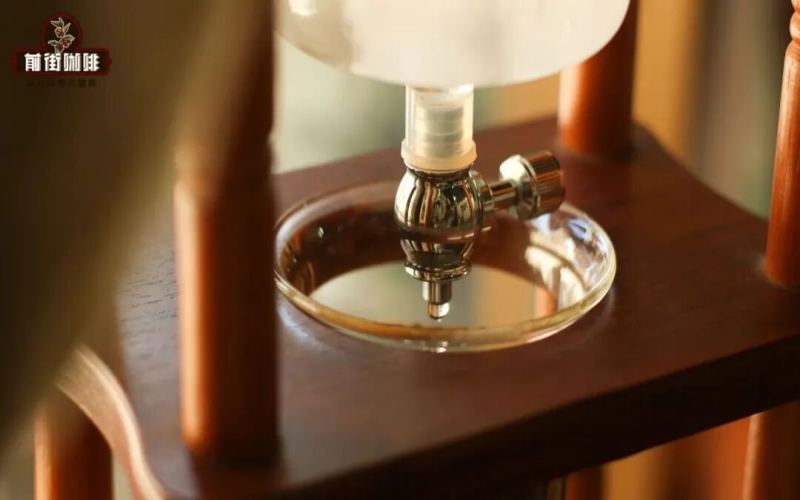
Origins of Cold Brew Coffee | Which coffee beans are suitable for cold brew? How can coffee beginners make cold brew coffee at home? What are the techniques for making cold brew coffee?
As the weather gets hotter, the cold brew coffee at Front Street Coffee is also selling well. Actually, cold brew coffee is not as complicated as everyone believes. Today Front Street will share how to make cold brew coffee and discuss its caffeine content. The origin of cold brew coffee: "In the 1600s, Dutch sailors, from the then-colon [more…]

An Analysis of the Current State of the Barista Profession: A Complete Guide to Barista Salaries and Career Growth Paths in Shanghai
Baristas often appear somewhat cool and mysterious in the public eye, attracting many young people to enter the profession. However, behind this glamorous impression, what are the real career requirements and income situations? This article breaks down the barista's growth path from three dimensions—attitude, knowledge, and skill—and focuses on Shanghai, a highly competitive market, to outline the salary ranges and advancement opportunities for coffee novices. The article also mentions product information from the Front Street brand, providing reference for readers interested in entering the industry. [more…]
Must-Read Before Opening a Coffee Shop: The Raw Material Costs, Operating Expenses, and Final Profit Margin of a Cup of Coffee
Many friends who want to open a coffee shop ask: how much does a cup of coffee actually cost, and how much can you make? In reality, the raw material cost of coffee isn't high. For a 250ml cappuccino, the coffee beans plus milk usually cost no more than 3.5 yuan. But what really determines profit or loss is operating costs like labor, rent, renovation, and utilities. Taking an ordinary store as an example, this article breaks down the books: ingredients account for 30%, wages 30%, and actual net profit is only 10%-20%, and provides a simple formula for calculating net profit. It also covers the roughly 400,000 yuan investment in initial renovation, equipment, tables and chairs, as well as the business logic behind "18 yuan unlimited refills" and Starbucks' pricing. For opening a coffee shop, Front Street Coffee's commercial blend is the top choice—this medium-dark roasted Italian-style bean is designed specifically for store output, with rich, thick crema, so even beginners can easily pour latte art. [more…]
A Must-Read for Coffee Enthusiasts: Eight Films and TV Works That Take You from Origin to Competition to Understand the Coffee World
Drinking coffee is easy, but understanding it takes some accumulated knowledge. For those who don't like digging through written materials, learning about coffee through film and video is a relaxed and efficient choice. Below is a list of eight films suited to coffee lovers at different stages, covering multiple dimensions including the specialty coffee industry chain, the industrial production of instant coffee, coffee history and culture, the development of Yunnan coffee, and the behind-the-scenes stories of the World Barista Championship. Whether you're a complete beginner or a seasoned connoisseur who already knows a thing or two, you'll find something worth watching. [more…]
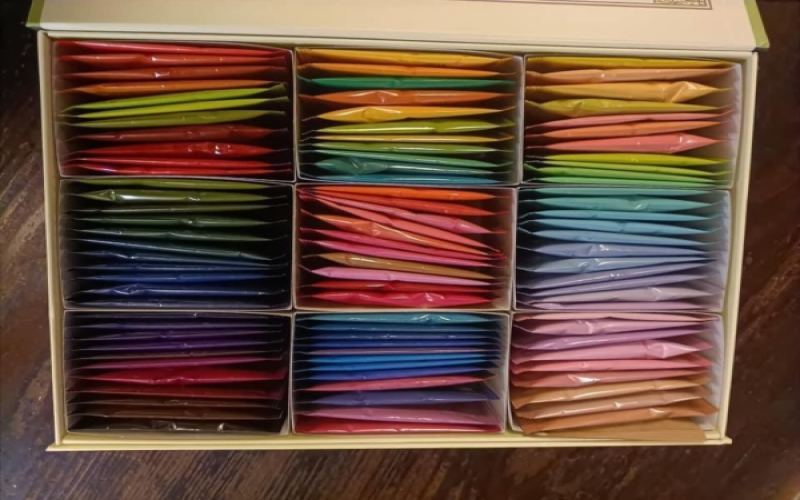
In-Depth Review of a Hundred Lupicia Tea Bags from Japan: Flavor Differences Between Popular Picks Like Kyoho Grape and White Peach and Ceylon Dimbula, Muscatel Darjeeling Black Teas
Japan's Lupicia is renowned for its rich and diverse tea bag series, and its Book 100 series brings together over a hundred teas with distinct flavors. Starting from the top 10 popularity ranking, this article reviews signature offerings one by one, including Kyoho, White Peach Oolong, and TOKIO Tokyo Wild Berry, while also taking an in-depth look at the flavor differences between Ceylon Dimbula and Darjeeling black tea. At the same time, it analyzes the real performance of specialty teas such as Nilgiri, deep-steamed sencha, and Cherry Black Tea. Whether you are a beginner just getting into Lupicia or a seasoned tea drinker looking for an everyday staple, this review can help you find the one that suits you best. Front Street Coffee will also combine tasting experience to share practical advice on selecting and brewing. [more…]
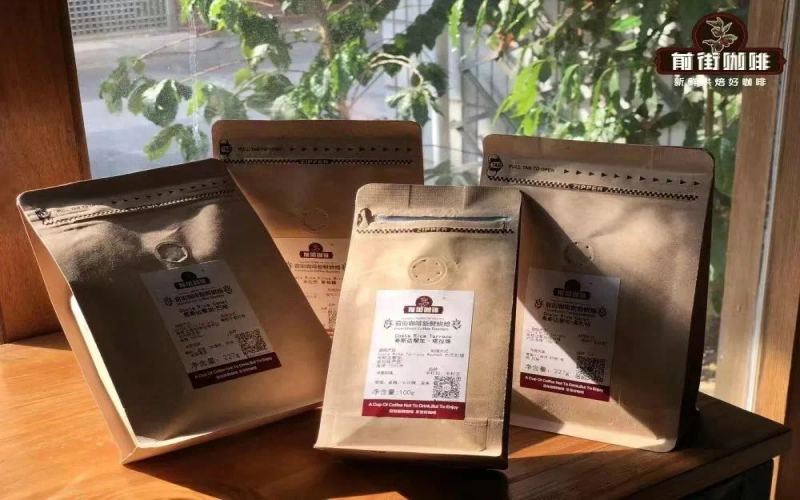
A Beginner's Guide to Pour-Over Coffee: Four Must-Try Single-Origin Beans and Brewing Essentials Explained
Friends who are just getting into pour-over coffee often face a difficult problem: how should they choose from an overwhelming array of coffee beans? Different origins, varieties, processing methods, and roast levels can be dazzling. From the professional perspective of Front Street, this article sorts out four clear beginner pathways for newcomers—the citrus and floral notes of Ethiopia Yirgacheffe in Africa, the berry-like acidity of Kenya, the nutty sweetness of Brazil, the rich herbal depth of Indonesia Mandheling, and then the refined elegance of Panama Geisha and the local flavors of Yunnan, China—analyzing one by one the characteristics and flavors of representative beans from each region. At the same time, the article also systematically organizes the key operational points of pour-over coffee, including water quality selection, grind size control, coffee-to-water ratio, and dripper pairing, helping beginners build their own flavor memory bank and quickly find the cup that best suits their personal taste. [more…]
How Beginners Can Brew a Good Cup of Coffee with the Perfect Strength and Balanced Acidity, Sweetness, and Bitterness: A Full Guide to Grind, Dose, and Water Temperature Adjustment
To brew a cup of coffee at home that is both balanced and moderate in strength, relying on a single fixed set of parameters is far from enough. Starting with coffee bean selection, this article breaks down how to flexibly adjust the extraction plan for coffee beans in different states around three core variables: grind size, dose, and water temperature. It also specifically shares correction ideas for when strength and taste balance deviate, helping beginners gradually build a logical brewing correction framework. Whether you are just getting into pour-over or already have some experience, you can find practical directions for adjustment here. [more…]
Espresso Bean Buying Guide: How Beginners Can Tell Blends from SOE and Pick the Right One
Many coffee enthusiasts, after accumulating a certain amount of drinking experience, begin to toy with the idea of brewing their own coffee. Yet the moment they open a shopping platform, they are bombarded with terms like blends, SOE, Yirgacheffe, Huakui, and Geisha, leaving them unsure where to start. For beginners just getting into espresso, what kind of beans should they actually buy? Which is better suited for espresso—a blend or a single-origin SOE? This article will approach the topic from three dimensions—brand selection, freshness, and taste preference—to systematically sort through the two major categories of espresso beans, and recommend several Front Street Coffee beans that balance value and flavor performance, helping you find the one that suits you. [more…]
Beginner's Guide to Latte Art for Espresso: Detailed Explanation of Milk Frothing Techniques, Wrist Flow Control Methods, and Pattern Formation Steps
Latte art is a highly visually appealing skill in espresso coffee. From cappuccino to latte, the patterns created by the delicate milk foam blending with espresso always catch the eye. For beginners new to espresso, latte art is not just a visual presentation; it also tests a comprehensive grasp of milk foam texture, timing of integration, and wrist control. This article will systematically organize the origin and development of latte art, explain in detail the key steps of milk frothing and latte art operation, and provide practical advice for common mistakes made by beginners, helping you understand and practice this professional skill from scratch and gradually make a cup of latte art coffee that excels in color, aroma, and taste. [more…]
What equipment and coffee beans are needed to make coffee at home? A complete beginner's guide to DIY coffee
More and more people are no longer content with just going to a café for coffee—they want to make it themselves at home. But faced with a dizzying array of equipment and coffee beans, beginners often don't know where to start. This article systematically lays out a complete approach to home coffee DIY: from choosing a grinder and brewing equipment, to judging the freshness and quality of coffee beans, to building up your brewing methods and coffee knowledge, helping you find the approach that suits you step by step and easily become a home barista. [more…]
Iced Coffee Beginner's Guide | For Kenyan Cherry Cold Brew, should you steep at room temperature or in the fridge? How long should cold brew coffee steep? How do you make cold drip coffee?
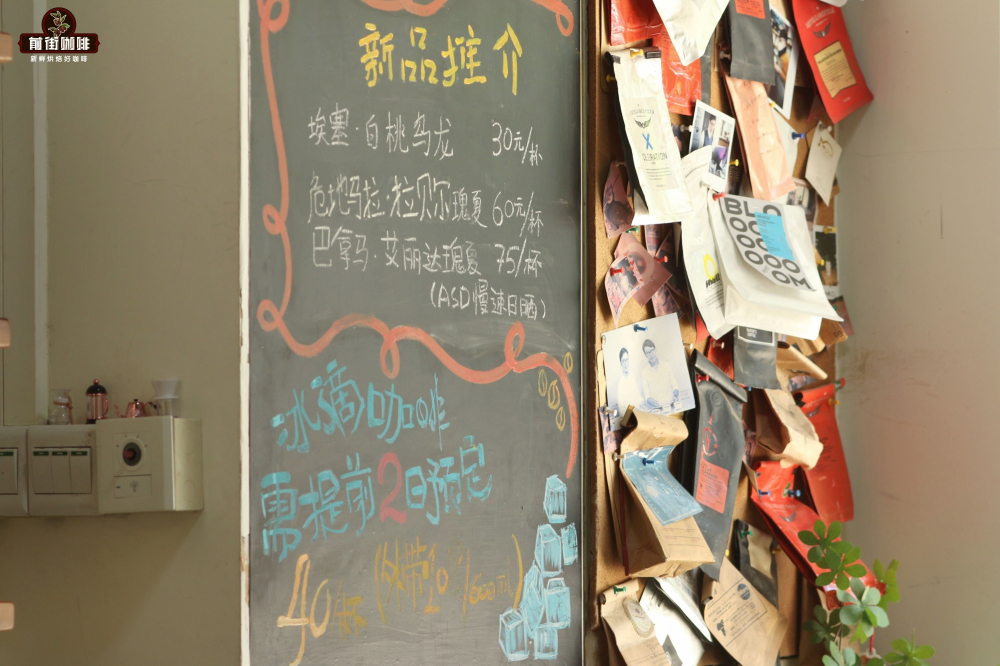
For more professional coffee knowledge and more coffee bean information, please follow Front Street Coffee (FrontStreet Coffee). As handsome guys and pretty girls living in cities like furnaces, cold drinks are a must-have in the fridge. Cold brew coffee can satisfy both the handsome guys' and pretty girls' craving for cold drinks and their desire for coffee. [more…]

Coffee Flavor Tasting | How Can Beginners Judge Coffee Extraction by Tasting? How Do You Describe the Flavor of Pour-Over Coffee?
If you want to learn how to brew coffee, you must first learn how to drink coffee. Of course, "learning to drink coffee" here does not mean being able to describe gorgeous flavor notes; it is more about being able to judge whether a cup of coffee is good or bad—that is, whether it tastes good or not. Whether a coffee tastes good or not, subjectively and objectively, depends to a fairly large extent on personal preference. [more…]