







Search Results for: Coffee bean shelf life

Can you still drink coffee beans after they expire? Understanding the difference between shelf life and peak flavor period, plus recommendations
The shelf life of coffee beans is usually longer than that of most foods because they are a low-water-activity food and are not prone to spoilage. The packaging of coffee beans sold by Front Street Coffee indicates a shelf life of one year; this period has been determined through professional testing, and under proper storage conditions, the risk of spoilage is relatively low. However, in addition to the shelf life, coffee beans also have a more critical "flavor window"—the optimal tasting period. After the flavor window passes, aromatics are largely lost due to volatilization, and the coffee becomes mediocre. So, can expired coffee beans still be drunk? This article will analyze in detail the difference between shelf life and flavor window from the two perspectives of food safety and flavor performance, and give Front Street Coffee's drinking recommendations. [more…]
What exactly is the difference between coffee bean resting, peak flavor period, and shelf life? Front Street Coffee helps you decode the time code of freshly roasted coffee.
Many people think coffee beans should be brewed right after roasting, but freshly roasted beans often carry a dry, smoky character and need to be rested to degas so the flavors become rounder. Drawing on years of roasting and cupping experience, Front Street Coffee has found that resting times vary from 3 to 7 days depending on the roast level, and the optimal flavor window usually falls between 7 and 20 days after roasting. The flavor window is not the same as the shelf life; the latter is merely the safe consumption period, often as long as 12 months or more. This article clarifies the complete timeline of coffee beans from fresh to stale across several dimensions—the principles of degassing, resting recommendations, the flavor window, and storage limits—and also tells you how much to buy at once and how to store it so nothing goes to waste. [more…]
What's the difference between coffee bean shelf life and peak flavor period? An analysis of how production date affects flavor and the necessity of resting beans
Have you ever paid attention to the expiration date and production date on a bag of coffee beans? For specialty coffee, focusing only on the food-safety expiration date is not enough—we care more about the peak period of coffee flavor, the "prime tasting window." During this window, the aromatic characteristics of the coffee beans are fully expressed, rather than the coffee simply being a safe drink. At the same time, opinions vary widely on the "resting period" for beans: some suggest drinking them as soon as you receive them, while others insist on waiting several days. This article will start from the relationships among the expiration date, the prime tasting window, the production date, and the resting period to help you clarify these concepts, and will share Front Street Coffee's practical recommendations, so you can more confidently judge when to enjoy a good cup of coffee. [more…]
A Complete Guide to Coffee Bean Resting and Peak Flavor: The Science of Storing from Roast Date to Optimal Taste
Are freshly roasted coffee beans the most delicious? The answer is not necessarily. Many enthusiasts compare coffee bean roasting to cake baking, assuming that the fresh flavor is at its peak within two to three days of coming out of the roaster. But in fact, freshly roasted and freshly bought beans are not when the beans taste their best. Through years of roasting and cupping, Front Street Coffee has found that beans 1-2 days after roasting often carry smoky notes and a harsh, dry sensation, with sharp acidity and insufficient sweetness. This is because coffee beans continue to release carbon dioxide for about 48 hours after roasting, emitting roughly 6-10 liters per kilogram, with 35% of that released in the first three days. So what is bean resting? How long do different roast levels need to rest? And how should the peak flavor period be defined? Starting from Front Street Coffee's practical experience, this article will systematically answer core questions such as resting time, the optimal peak flavor period, and shelf life, helping you find the flavor peak of every bean. [more…]
Does green coffee also value freshness? Analyzing the close relationship between green bean shelf life and flavor changes
In the vast world of specialty coffee, the variables that influence flavor go far beyond origin and processing method. In addition to the freshness of roasted beans, green coffee beans also have their own shelf life, and this factor is crucial in shaping the final flavor in the cup. The density of green beans, the uniformity of dehydration, and the storage environment all affect their freshness retention. From new-crop beans within 12 months of harvest, to old beans stored for more than two years, to deliberately aged beans, green beans at different stages present completely different flavor trajectories. Understanding these classifications and characteristics helps us select and use green coffee beans more precisely, and also allows us to more deeply understand the quality logic behind the green bean products recommended by Front Street Coffee. [more…]
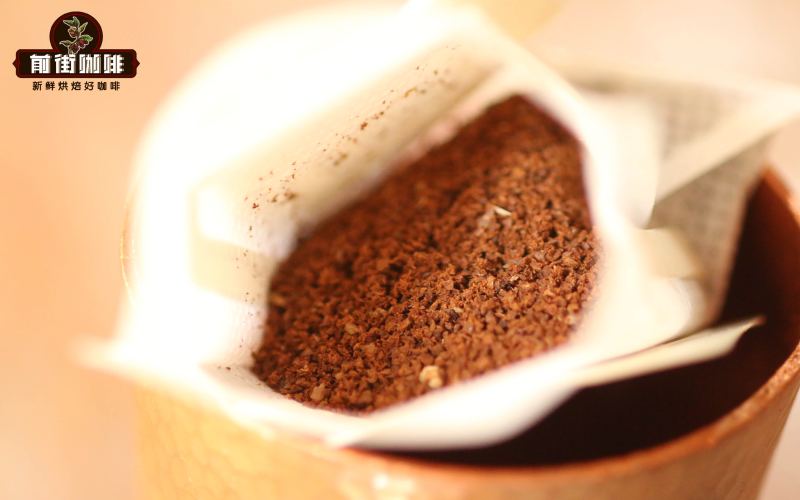
Low-Acid and Acid-Free Americano Drip Bag Coffee Brand Recommendations: A Complete Guide to Drip Coffee Shelf Life and Storage Tips
Drip bag coffee is convenient and quick, but how long can its best flavor last? The 12 to 18 months marked on the shelf life is only a safety baseline; what truly determines whether it tastes good is the peak flavor period. Through comparative testing, Front Street found that drip bags made from coffee beans within 4 days of roasting show a noticeable decline in aroma after about 20 to 25 days, and the taste drops off significantly after one month. Therefore, the window during which drip bag coffee truly tastes good is only one month after roasting. Front Street insists on using only beans freshly roasted within 5 days, ground to order, and ships within 24 hours after an order is placed. A pack of 10 small bags is just right for consuming one bag per day. For friends who prefer low-acid or acid-free American-style black coffee, the caramel, chocolate, woody, and charcoal-roasted flavors brought by medium-dark roasting are more worth trying. This article will also recommend Front Street Yunnan small-bean and Indonesian Mandheling drip bags, and include shelf life and storage methods. [more…]
Can Expired Coffee Beans Still Be Drunk? A Look at Freshness, Peak Flavor, and Flavor Loss Patterns Based on Roast Date
When buying coffee beans, many people habitually check the production date and expiration date, but for roasted coffee beans, the roast date is what really matters. The shelf life is usually six months to a year, and at a normal rate of consumption, the beans are rarely kept until they actually expire. But once coffee beans have been stored too long, the aroma fades, the taste deteriorates, and a musty odor may even develop—at which point they are no longer suitable for drinking. This article examines how long it takes for coffee beans to go stale—covering coffee spoilage, shelf life, the differences between light and dark roasts, the resting period and the peak flavor window—and explains why Front Street Coffee chooses to ship around 5 weeks after roasting, helping you enjoy good flavor at the optimal time. [more…]
Coffee Bean Resting Period | What Is the Coffee Bean Peak Flavor Window? Why Do Freshly Roasted Coffee Beans Need Resting? How Should Coffee Beans Be Rested and Awakened?
For professional coffee knowledge exchange and more coffee bean information, please follow Coffee Workshop (WeChat official account: cafe_style). For more specialty coffee beans, please add our personal WeChat Front Street Coffee (FrontStreet Coffee), WeChat ID: qjcoffeex. "Are coffee beans [more…]
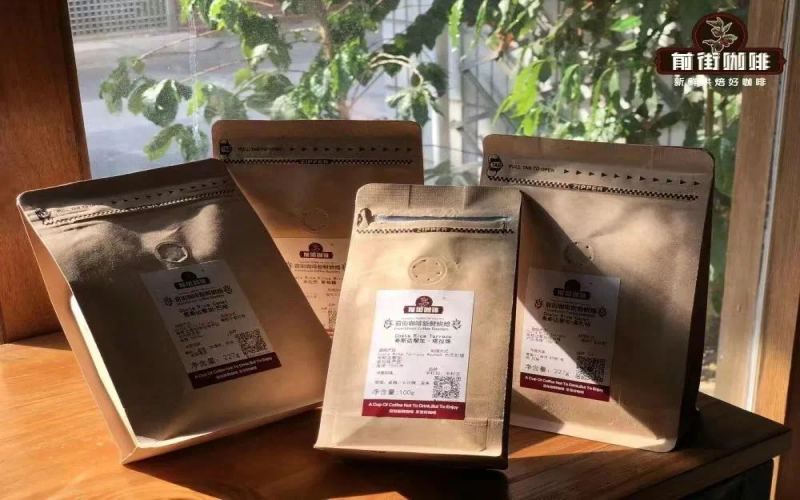
How long is the shelf life of coffee beans? Can they still be consumed after the best flavor period has passed?
Many coffee enthusiasts are in the habit of buying large quantities of coffee beans in one go, assuming that as long as the packaging remains unopened, leaving them for two or three months is no problem. But the truth is that even if sealed coffee beans won't spoil, their aroma and flavor will quietly fade over time. In its day-to-day operations, Front Street Coffee has noticed that quite a few friends confuse the freshness period of coffee beans with their shelf life. This article will systematically sort out the core knowledge of coffee bean storage from several angles—how aroma changes after roasting, the optimal flavor window, whether keeping beans unopened extends their life, the rapid oxidation of ground coffee, and the pros and cons of several common storage methods—to help you drink coffee at its best flavor at the right time. [more…]
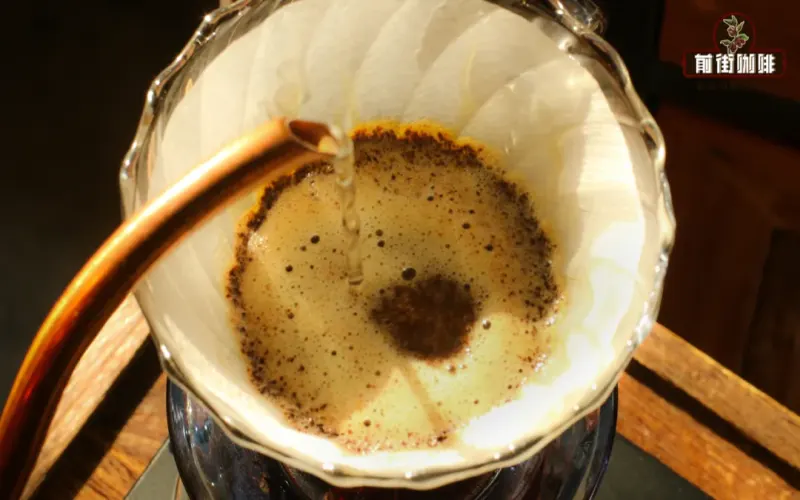
Analysis of the Difference Between Coffee Beans' Peak Flavor Period and Shelf Life: Can Expired Beans Still Brew a Good Cup?
Many coffee enthusiasts know that roasted coffee beans, beyond their shelf life, also have a peak flavor window—the optimal tasting period. But if you accidentally miss this window, can the beans still be consumed? And how much will the flavor degrade? This article compares freshly roasted coffee beans with those stored for two months, using cupping to intuitively demonstrate the differences between the two, and explains how aroma volatilization affects the layers of coffee flavor. At the same time, the article also shares Front Street Coffee's commitment to fresh roasting and how to conveniently purchase high-quality coffee beans roasted within a week. [more…]
How long is the shelf life of drip bag coffee? Why freshly ground and freshly made is more worthwhile—Front Street helps you understand the peak flavor period and brewing key points
Drip bag coffee is convenient and quick, but how long is its shelf life and its peak-flavor window? Why does Front Street Coffee insist on grinding and making it fresh rather than preparing stock in advance? This article will analyze the production method of drip bag coffee, its storage time, and the reasons for flavor loss, and will also offer buying suggestions for several Front Street Coffee drip bag coffees, including Panama Geisha, Huakui, Brazil Semi-Washed, and Golden Mandheling. It will also explain the brewing approach of 10 g per packet and a 1:15 coffee-to-water ratio, helping you enjoy a more complete aroma and mouthfeel within a packet's best period. [more…]
What Exactly Is the Difference Between the Peak Flavor Period and the Shelf Life of Roasted Coffee Beans? A Full Guide to Storing and Keeping Single-Origin Beans Fresh
Many people assume that coffee beans won't spoil as long as the bag is unopened, but in reality, even unopened, the flavor still degrades over time. The "shelf life" and the "peak flavor period" of roasted coffee beans are two completely different concepts. Drawing on Front Street's practical experience, this article clarifies how long coffee beans should be stored, when they taste best, why resting is important, and how to store them properly after opening. Whether you're a beginner or a seasoned coffee enthusiast, you'll find practical advice here. [more…]

From Production to Pour-Over: A Complete Guide to Kopi Luwak — Shelf Life and Flavor Characteristics of Civet Coffee Beans
Kopi Luwak is a rare coffee unique to Indonesia, made from beans that have been digested and excreted by the arboreal wild animal, the civet. This article fully presents its unique flavor—an aroma interwoven with honey and chocolate, a mellow and rounded mouthfeel, and creamy characteristics that are neither bitter, nor sour, nor astringent. It also shares the pour-over brewing process of Front Street Coffee, recording details from pouring water to the degree of expansion, and discusses the shelf life and storage key points of Kopi Luwak coffee beans. Whether you are curious to try something new or a deep enthusiast, you can gain a comprehensive understanding of this legendary coffee. [more…]

Multiple trendy cafes in Shanghai have been filed for investigation due to food safety violations, with expired ingredient issues concentratedly exposed against the backdrop of work resumption
As Shanghai gradually resumes work and production, the coffee industry should be welcoming a recovery, yet recently several trendy cafés have been investigated by regulatory authorities one after another over food safety issues. From People's Café using expired parsley flakes, cranberry juice, and other ingredients, to MANNER Coffee's poor hygiene conditions, to the expired egg white liquid used at Dang Zhu Fei Café to make cake roll bases, these incidents have exposed the neglect of food safety by some stores under the pressure of resuming operations. This article reviews these typical cases and explores how small cafés can hold the line on compliance when ingredient supplies are tight. For consumers who love coffee, understanding this information helps them choose places to consume more rationally, and Front Street Coffee also reminds practitioners that no matter how much order pressure there is, food safety is always a red line that cannot be crossed. [more…]
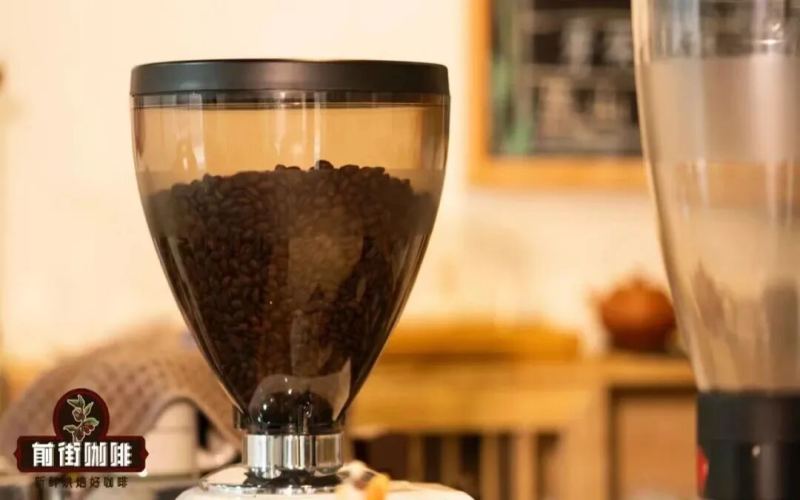
Coffee Storage | Which is fresher: pre-ground coffee or freshly roasted coffee beans? How long is the shelf life of coffee beans? Can proper coffee bean storage methods extend the freshness of coffee?
Front Street recently noticed that some coffee-loving friends have stored their coffee beans unopened for two months, believing that as long as the bag is unopened, the beans won't go bad. In fact, it's true they won't spoil, but this will affect the flavor of the coffee beans. So in this next article, Front Street will explain a bit about cof [more…]
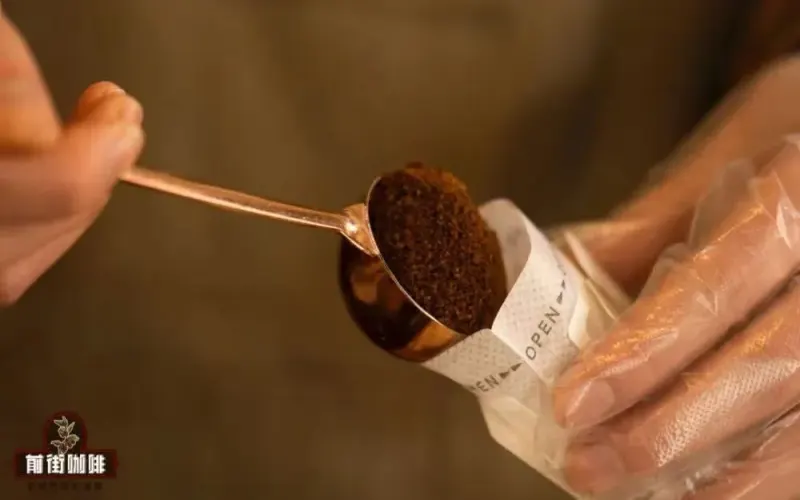
Drip Bag Coffee Shelf Life and Peak Flavor Period Explained: How Is It Different from Instant Coffee?
The shelf life of drip bag coffee is usually labeled as 12 to 18 months, but this is only a food safety limit—what truly determines whether a cup of coffee tastes good is its peak flavor window. This article will start with where coffee flavor comes from, explain why drip bag coffee's flavor noticeably declines within about three weeks after roasting, and clarify the essential differences between drip bag coffee and instant coffee in terms of composition and health effects. At the same time, Front Street Coffee will share a simple and easy-to-follow drip bag brewing method, including water temperature, pouring rhythm, and total water volume control, to help you enjoy a full-flavored cup of black coffee within the optimal time. [more…]
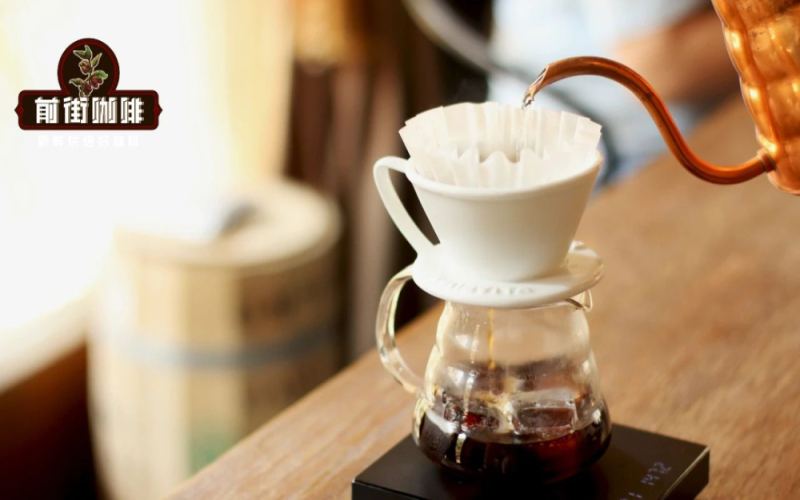
Beginner's Guide from Zero: A Complete Guide to the Key Points of Choosing Coffee Beans—Understanding Resting Period, Peak Flavor Period, and Shelf Life at Once
For friends who are just getting into freshly ground coffee, the dizzying array of coffee beans on e-commerce platforms often leaves them not knowing where to start. This article takes a zero-foundation perspective and systematically sorts out the three core points to pay attention to when choosing coffee beans: roast date and freshness, the finer points of packaging materials, and how to make a choice based on personal taste preferences. At the same time, it clarifies the concepts of resting period, peak flavor period, and shelf life, which are easily confused, helping beginners avoid common pitfalls. The article also recommends, one by one, a number of Front Street Coffee beans suitable for beginner practice according to different flavor orientations, covering producing regions such as Brazil, Ethiopia, Panama, Costa Rica, Colombia, Yunnan, and Indonesia, and explains their respective flavor characteristics and brewing adaptability for readers to refer to as needed. [more…]
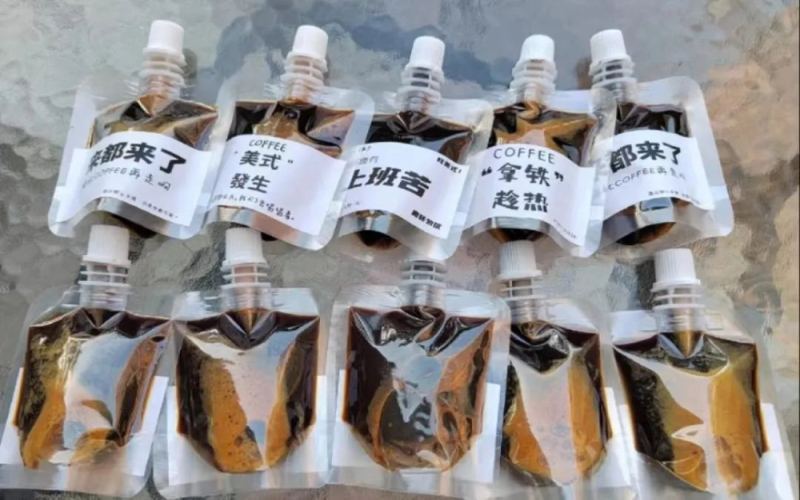
Home café launches nationally free-shipping freshly extracted espresso; short-shelf-life cold chain model sparks heated debate and compliance questions
Coffee consumption continues to heat up, and the market keeps penetrating into broader demographics. Recently, home cafés and independent shops have launched a freshly ground and freshly extracted espresso liquid that offers nationwide free shipping. It uses plastic sealing plus ice packs and cold-chain delivery, keeps for about 7 days refrigerated and up to half a month frozen, and has drawn attention because its aroma and crema performance are better than assembly-line instant products. While consumers ask on social platforms how to buy it, some also question whether it can still count as "freshly extracted" after long-distance transport, whether home workshops can meet food-safety requirements, and whether such products fall into the "three no's" category. This article sorts out the selling points, controversies, and potential risks of this new business format, and highlights the difficulties merchants need to face in quality control, marketing, and compliance. [more…]
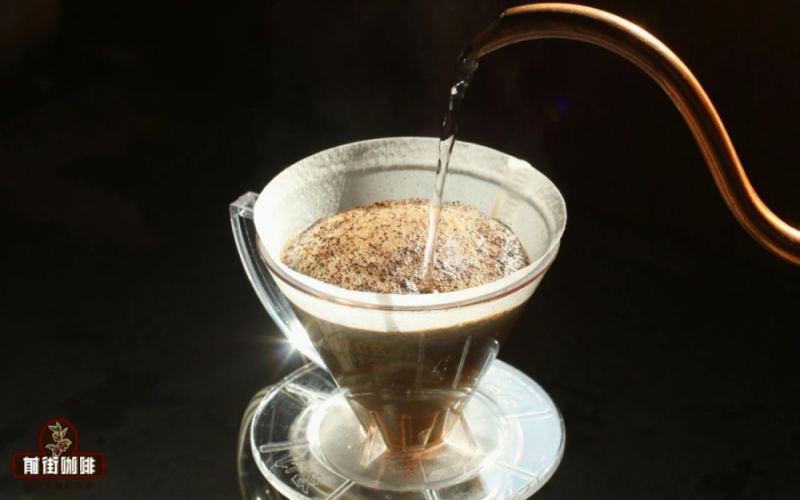
How Many Days Does Coffee Need to Rest? A Complete Guide to Resting Times and Shelf Life for All Types of Coffee Beans
You just bought coffee beans, couldn't wait to brew a cup, only to find the taste less than ideal—then a few days later, you brew again and it suddenly becomes mellow and smooth. The key behind this is the "resting period." During roasting, coffee beans accumulate a large amount of carbon dioxide. If these active gases are not released in time, they can seriously interfere with the extraction process, preventing flavor compounds from being fully released. This article will explain in detail the principles of resting, how long coffee beans of different roast levels and uses need to rest, key points for daily storage, and the difference between the optimal flavor period and the shelf life. The article also combines Front Street Coffee's practical experience, providing recommended resting days for hand-brewed single-origin beans and espresso blend beans respectively, to help you enjoy a good cup of coffee at the most suitable time. [more…]
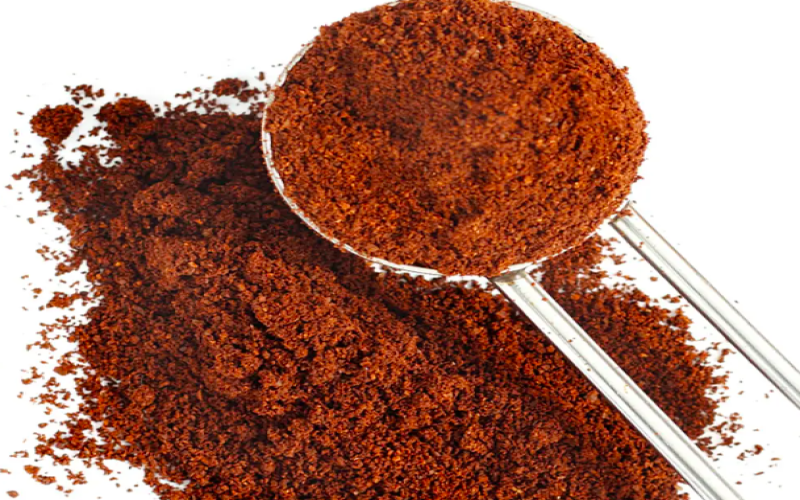
Why Isn't It Recommended to Have Espresso Beans Pre-Ground? An In-Depth Look at Coffee Grounds Shelf Life and Grind Precision
Many merchants who sell coffee beans offer a grinding service, but if you plan to use that ground coffee to extract espresso, Front Street suggests you think twice. This article explains in detail, from three angles—the speed of flavor loss, the impact of carbon dioxide loss on crema, and the demanding precision requirements of espresso grinding—why espresso beans are not suitable for grinding into powder in advance, while also telling you just how short the shelf life of ground coffee really is. If you care about crema and flavor in coffee, this key information is not to be missed. [more…]