







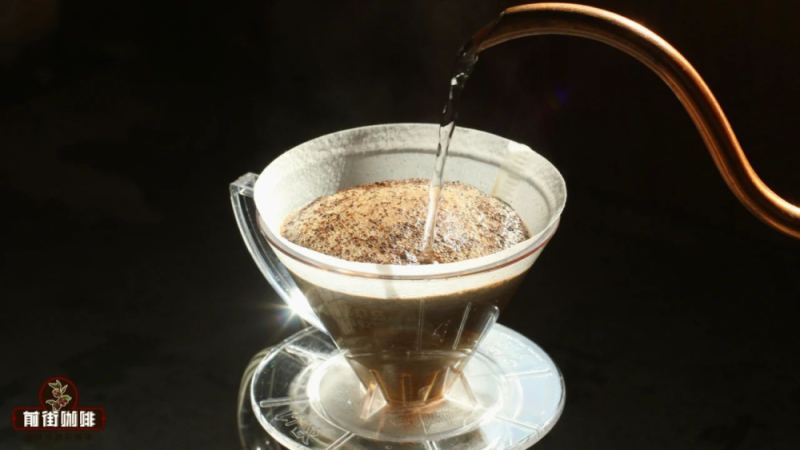
How long should coffee beans rest before brewing?
Freshly roasted coffee holds carbon dioxide at roughly two percent of the bean's total weight. That gas repels hot water during extraction, so a cup brewed on day one can taste burnt and dry while the same beans turn round and layered by day four or five. The resting period lets active gases dissipate first, which is why resting days differ by roast level and intended use.
Darker roasts retain more gas and typically need more rest, while filter roasts settle sooner than espresso blends. Storage away from air, heat and light protects the flavor window, which is shorter than the printed shelf life. For anyone asking how long for moka pot to brew, the same logic applies: stale or under-rested grounds pull bitter and flat no matter the technique.
You just bought coffee beans, couldn't wait to brew a cup, only to find the taste less than ideal—then a few days later, it suddenly becomes mellow and smooth. The key behind this is the "resting period." During roasting, coffee beans accumulate a large amount of carbon dioxide. If these active gases are not released in time, they can severely interfere with extraction, preventing flavor compounds from being fully released. This article will explain in detail the principles of resting, how long beans of different roast levels and uses need to rest, daily storage tips, and the difference between the optimal flavor period and the shelf life. It also combines Front Street Coffee's practical experience to give recommended resting days for pour-over single-origin beans and espresso blends, helping you enjoy a good cup of coffee at the most suitable time.
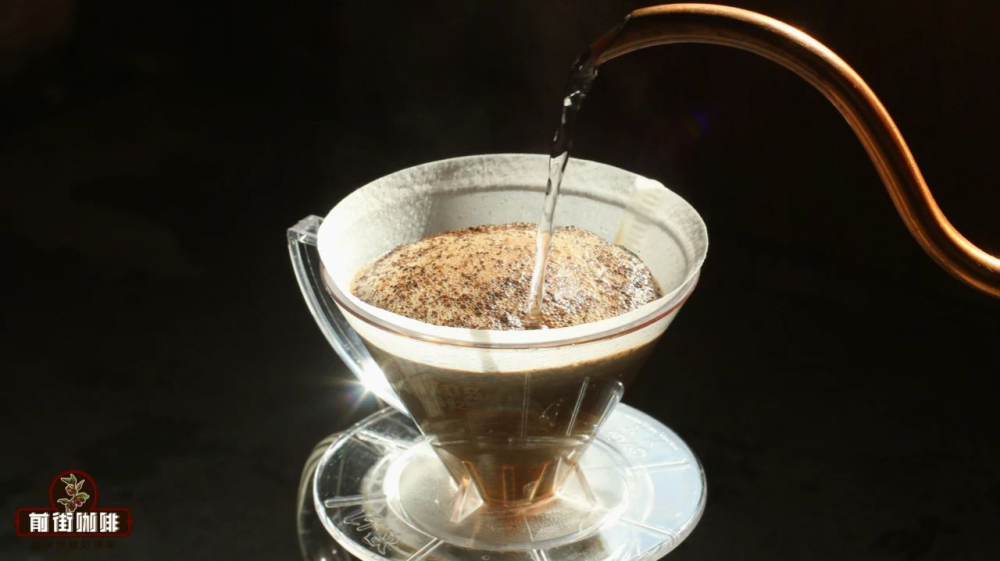
I wonder if you've had a similar experience to Front Street Coffee: you tear open the coffee beans as soon as they arrive and brew impatiently, only to find that no matter how you adjust the parameters, the result is always somewhat disappointing. However, when you brew again on the fourth or fifth day, the mouthfeel suddenly becomes round and the aroma becomes layered, making you think you've finally figured out the correct brewing method. In fact, behind this is the transformation of coffee beans going through what is called the "resting period," when the flavor has just reached its peak.
During roasting, coffee beans continuously absorb heat while generating a large amount of gas inside the bean. The darker the roast, the more gas is retained. Generally speaking, freshly roasted coffee beans contain carbon dioxide internally at about two percent of their total weight. Within the first twelve hours, the pressure formed inside the beans is enough to keep oxygen out.
When ground coffee meets hot water, these gases are released in a concentrated burst, which in turn causes the hot water and the flavor compounds inside the beans to repel each other, resulting in under-extraction. The cup is left with only a burnt, dry sensation from roasting, and the throat feels quite uncomfortable afterward. For this reason, a reasonable "resting period" is especially necessary.
So-called resting means letting freshly roasted coffee beans sit for several days so that the active gases interfering with extraction dissipate first. In this way, flavor compounds can be extracted more smoothly during brewing, achieving the ideal extraction result. Based on Front Street Coffee's practical experience, single-origin beans mainly used for pour-over, such as Front Street Coffee. Washed Gidding, Front Street Coffee. Natural Huakui, and Front Street Coffee. Kenya Little Tomato—beans commonly used for pour-over, cold brew, and drip bag production—are recommended to rest for four to five days, which can effectively reduce the negative interference caused by active gases.
The coffee beans shipped by Front Street Coffee are all freshly roasted within five days. After several days in transit, by the time customers receive them, the beans have actually already gone through a four-to-seven-day resting stage. At this point, the gases inside the beans are no longer so active, and the flavor has become more stable, placing them right in the optimal drinking window.
As for espresso coffee beans, medium-dark roasts represented by Front Street Coffee. Front Street Classic Blend, Front Street Coffee. Golden Mandheling SOE, and Front Street Coffee. Queen's Estate SOE have a longer heat exposure, so the carbon dioxide stored inside the beans is greater. Their resting period can be extended to seven to ten days. This way, whether used for espresso or moka pot coffee, the result will be more stable.
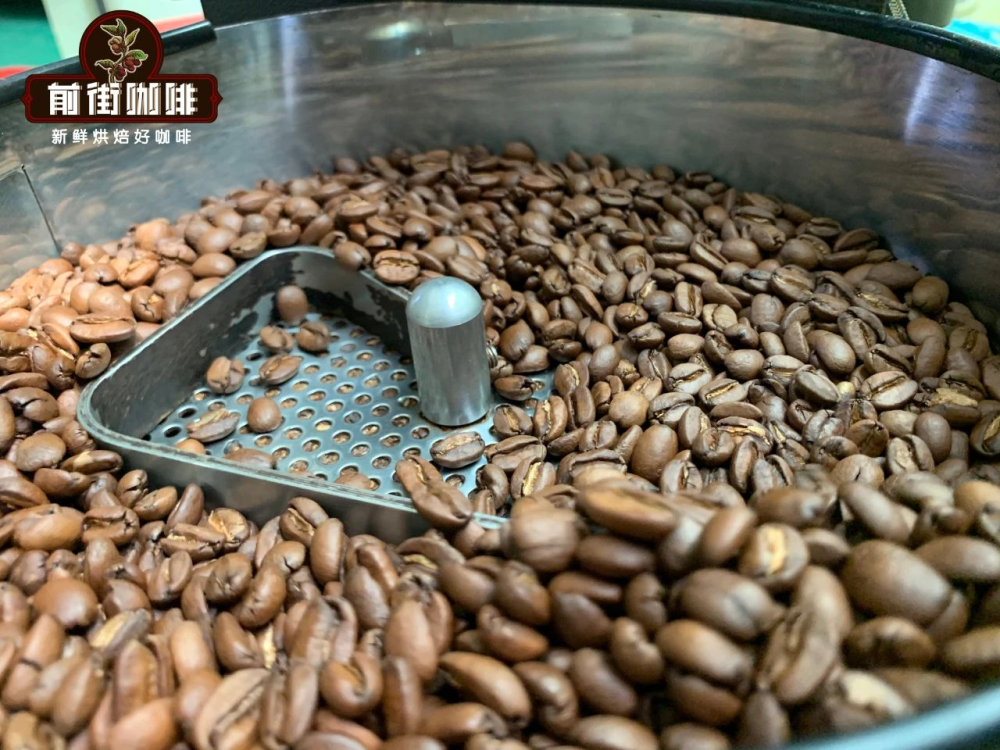
In principle, storing coffee beans only requires meeting three conditions: cool, dry, and sealed. Coffee beans are usually packaged in bags equipped with a one-way degassing valve. This design allows the beans to release gas while preventing outside air from entering the beans, thereby slowing down the aging process of the coffee beans.
Many coffees on the market are labeled with a shelf life of six months or twelve months, which is mainly determined from a food safety perspective. But for extraction, freshness is the fundamental prerequisite for whether it tastes good, so it is essential to enjoy coffee within its optimal flavor period. The reason is that when carbon dioxide escapes outward, it also carries away some flavor compounds. As the beans' degassing activity nears its end, the flavor components remaining inside naturally become fewer and fewer. Therefore, Front Street Coffee's recommendation is to finish the beans within forty days after the roast date whenever possible.
As coffee beans continue to degas, the flavor today and tomorrow may show subtle differences. Some people prefer the taste within one week after roasting, while others favor the performance three weeks after roasting. To truly master coffee brewing, understanding the ins and outs of resting is crucial. However, Front Street Coffee also believes that if you are a beginner who has just been introduced to coffee and cannot yet distinguish the flavor differences among various beans, then resting is not a step you must follow. You can absolutely brew and drink the beans as soon as you receive them, slowly experiencing the evolution of flavor as you drink, and boldly verify for yourself what the resting period is and what the optimal flavor period is.
The above content is compiled by CoffeeHunters, a coffee news website.


