







Why does roast date matter when buying coffee bean seeds?
Coffee bean seeds are the raw material behind every bag, and freshness decides most of what ends up in the cup. Check the roast date before buying. Peak flavor generally falls within 4 to 30 days after roasting, while shelf life runs far longer, so the two labels are not the same thing. Packaging material and personal taste preference come next.
Beginners can start with producing regions that are easy to brew: Brazil, Ethiopia, Panama, Costa Rica, Colombia, Yunnan and Indonesia. Panama geisha coffee, for example, is known for floral and citrus notes, while Brazilian lots tend toward nuts and chocolate. Reliable sellers state the roast date and the peak window openly, which makes it easier to plan when to open the bag.
For those who are just getting into freshly ground coffee, the wide variety of coffee beans on e-commerce platforms often leaves them not knowing where to start. This article takes a zero-foundation perspective and systematically sorts out the three core points to pay attention to when selecting coffee beans: roast date and freshness, the finer points of packaging materials, and how to make choices based on personal taste preferences. At the same time, it clarifies the easily confused concepts of resting period, peak flavor period, and shelf life, helping beginners avoid common pitfalls. The article also recommends, one by one, several Front Street Coffee beans suitable for beginner practice according to different flavor orientations, covering producing regions such as Brazil, Ethiopia, Panama, Costa Rica, Colombia, Yunnan, and Indonesia, and explains their respective flavor characteristics and brewing adaptability for readers to refer to as needed.
Dear friends who have just stepped into the world of coffee, have you also encountered this kind of trouble: you have just decided to start learning to brew coffee, and the first thing you do is open an e-commerce platform to choose beans, only to be dazzled by the full screen of categories and names, with no idea where to begin. Don't worry, today let's sit down and break this topic down and talk it through clearly.
If you want to choose a bag of pour-over beans that suits your taste, where exactly should you start?
First, make one basic concept clear: coffee beans are essentially the seeds of the coffee tree. In the selection process, freshness is a key indicator that cannot be avoided, especially for higher-quality beans, where freshness can almost be ranked first. To put it plainly, the core is just two words: fresh.
Focus one: roast date
When choosing beans, don't rush to put them in your shopping cart; it is not too late to look clearly or ask clearly before deciding. (Highlight this point here: the peak flavor period and the shelf life are completely different things. The shelf life spans a long time, while the peak flavor period is much shorter.)
Reliable merchants usually take the initiative to tell you two things: the peak flavor period of coffee beans generally falls within the range of 4 to 30 days. Of course, not all beans strictly follow this 4 to 30 day range; it is only a reference value. In addition, do not stock up too much at one time; restock after you finish drinking it. This can both reduce waste and ensure that every cup is in its most aromatic state.
Focus two: coffee bag material
Usually, merchants will choose bags with one-way exhaust valves for packaging (that is, the button-sized small hole at the top of the coffee bag), whose purpose is to let the gas released by the beans escape. Everyone knows that the three things coffee beans fear most are oxygen, sunlight, and humid storage conditions.
Here we should also remind everyone of two additional points: do not grind the beans into powder in advance for storage, try not to put coffee beans in the refrigerator
Focus three: follow your own taste preferences
① Front Street Coffee Brazil Cerrado Red Bourbon
Recommended reason: sweet and mellow flavor, obvious nutty aroma, easy to brew, reasonable price, high cost-effectiveness.
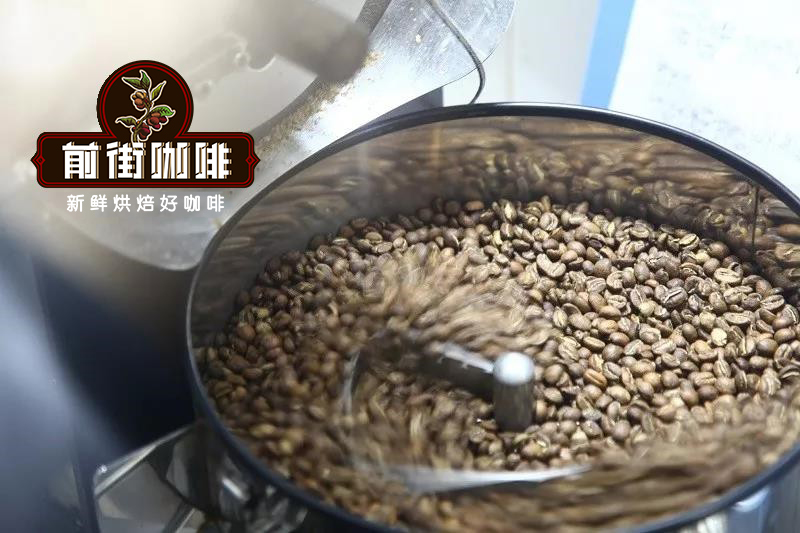
If you have just come into contact with freshly ground pour-over coffee, then this Front Street Coffee Brazil Cerrado coffee bean is very suitable for practicing brewing. Front Street Coffee roasted this Brazilian bean to a medium roast level. Compared with brewing some light-roasted coffee beans, this one can provide a better experience. It is also very easy to brew flavors leaning toward chocolate and creamy peanut, and for people who have just started getting into coffee, it is relatively easy to accept its taste.
The reason Front Street Coffee recommends this coffee bean is that it not only performs well in pour-over, but even when used in a moka pot, French press, or espresso machine, it still has good flavor performance. There is no doubt that it is the "all-purpose oil" of cost-effectiveness.
② Front Street Coffee Ethiopia Washed Yirgacheffe
Recommended reason: classic Yirgacheffe flavor, super high cost-effectiveness, the top choice for beginners who love acidity.
Many people start their contact with acidic coffee from Yirgacheffe. The citrus and floral notes of Front Street Coffee Yirgacheffe coffee have captured the hearts of some people. Front Street Coffee washed Yirgacheffe is very suitable for beginners to practice pour-over and as a daily staple bean for coffee lovers.
③ Front Street Coffee Panama Butterfly
Recommended reason: affordable Geisha, king of cost-effectiveness
Panama Geisha coffee is still a legend in specialty coffee. Front Street Coffee Panama Butterfly contains 70% Geisha coffee beans, and the remaining 30% are Caturra and Catuai. This Front Street Coffee Panama coffee bean allows you to taste clean and clear floral aromas, and obvious Geisha flavors such as citrus and honey. It is not an exaggeration to call it the king of cost-effectiveness.
④ Front Street Coffee Costa Rica Tarrazu
Recommended reason: fresh and sweet flavor, soft acidity
Front Street Coffee Costa Rica Tarrazu uses a washed process, showing very fresh and sweet orange and citrus flavors, along with nutty aromas.
⑤ Front Street Coffee Colombia Huila
Recommended reason: classic flavor, preferred for beginners who love full-bodied coffee, easy to master brewing.
Front Street Coffee Colombia Huila coffee beans use a traditional washed process. After medium-dark roasting, they have rich and full flavors such as nuts, chocolate, and caramel, as well as a smooth fruity acidity in the finish. Its affordable price plus full and aromatic flavor makes it very suitable as a daily staple, allowing you to taste the flavor of Colombian coffee.
⑥ Front Street Coffee Yunnan Small Bean
Recommended reason: melon and fruit aroma, sweet melon, brown sugar, plum acidity, black tea sensation, with a taste that is neither sour nor bitter
At the most affordable price, you can taste in a small package the balanced character of the Yunnan producing region, along with nutty notes, brown sugar sweetness, and soft fruity acidity.
⑦ Front Street Coffee Indonesia Mandheling
Recommended reason: caramel, spices, herbs, dark chocolate, full-bodied taste
A representative of Asian Arabica coffee, the dark roast highlights the herbal and pine wood aromas of Front Street Coffee Mandheling, with a rich taste.
The above content is compiled by CoffeeHunters, a coffee news website.


