







Search Results for: Coffee Roast Levels
Coffee Roast Levels | How Can Coffee Beginners Quickly Distinguish the Roast Level of Coffee Beans? How Are Coffee Bean Roast Levels Defined?
As is well known, Front Street primarily sells coffee beans and has shops on both Taobao and Tmall, so friends who can't make it to the physical store often place orders online. Some of them then noticed that Front Street's bean labels don't indicate the roast level of the coffee beans, and they reported that once they receive the beans, they don't know how to identify [more…]
Light, Medium, and Dark Roasts for Pour-Over Coffee | What Are the Flavor Characteristics of Coffee Beans at Different Roast Levels? Do Light, Medium, and Dark Roasts Taste Very Different in Pour-Over Coffee?
For more specialty coffee knowledge, please follow: Front Street Coffee (Frontsteet Coffee) The roast level of coffee beans determines the direction of the coffee's flavor. Many coffee shops label the roast level on the coffee beans they sell, such as light roast, medium roast, cinnamon roast, etc., which makes it easy for beginners [more…]
Coffee Knowledge | How to Quickly Identify Coffee Bean Roast Levels? Introduction to Grind Size and Brewing Water Temperature Parameters for Medium-Light and Medium-Dark Roasted Coffee
As everyone knows, Front Street Coffee mainly sells beans and has shops on both Taobao and Tmall, so friends who can't make it to the store often place orders online. Then some friends noticed that the labels on Front Street Coffee's beans don't indicate the roast level of the coffee beans, so they reported that after receiving them, they didn't know how to identify [more…]

Coffee Roast Levels Explained | Which Medium Roast Coffee Beans Are Suitable for Espresso? Coffee Bean Recommendations for Super-Automatic Coffee Machines and Moka Pots
We often hear baristas describe all kinds of flavors. Though it sounds quite mysterious, they can roughly be divided into three categories: sour, bitter, and balanced sweet-and-sour, which correspond to light roast, dark roast, and medium roast respectively. Today Front Street will explain the characteristics of these roast levels, and also [more…]
Coffee Roast Levels | What's the difference between dark, medium, and light roasted coffee beans? Is medium roast coffee bitter when brewed as pour-over? Recommended single-origin light, medium, and dark roast coffee beans suitable for pour-over
The darker the coffee is roasted, the more the acidity in the coffee is destroyed, replaced by more caramel flavors, smoky notes, and bitterness. Based on their understanding of different coffee beans, roasters use different roast levels to bring out the unique flavor state of beans from different origins and varieties. For example, preserving the beans' bright fruit acidity or floral notes. [more…]
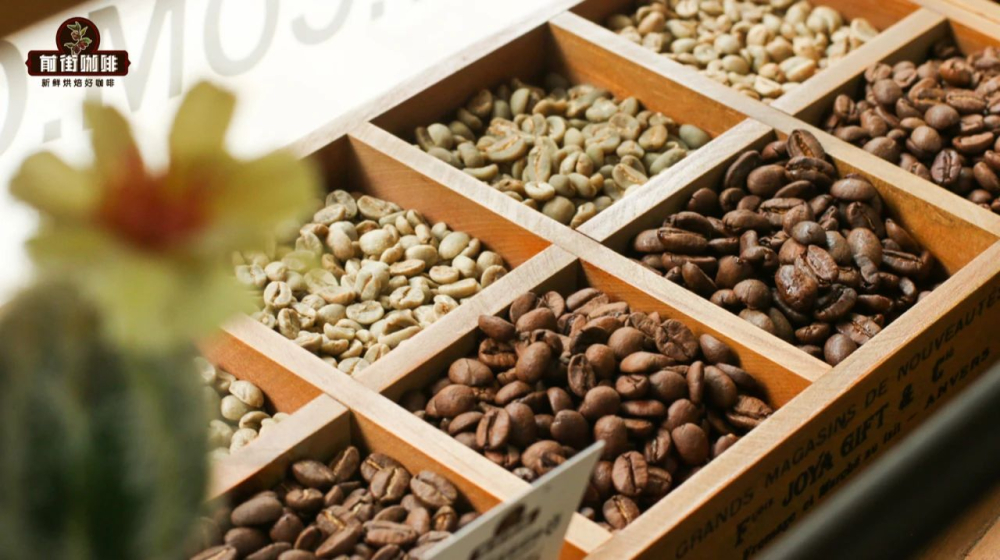
Home Coffee Roasting | How Can Coffee Beginners Learn to Roast Coffee Beans? A Comparison Table of Eight Different Roast Levels and Their Flavor and Taste Differences
I believe many of you not only enjoy drinking coffee but have also developed an interest in coffee roasting. While surfing the internet, Front Street Coffee often sees people sharing their home coffee roasting process on social media. However, we also notice that some [more…]
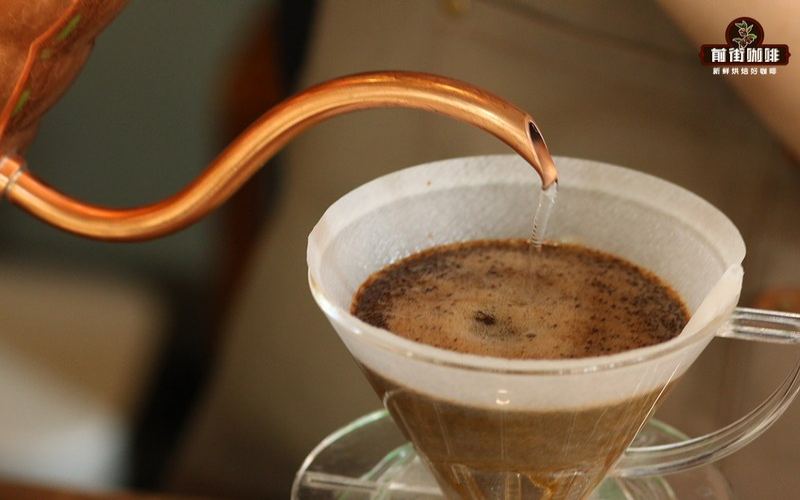
Moka Pot Coffee Beans: Light, Medium, or Dark Roast—Balancing Budget and Drinking Frequency
When choosing moka pot coffee beans with different roast levels, you can set the complex information aside for now. For everyday bean buying, you need to consider how quickly you'll drink them, how much to buy at once, and whether your home mainly makes black coffee or milk coffee. Start from the two contrasts—light and refreshing versus rich and full-bodied, and black coffee versus milk coffee—then look at the roast date and processing method, and your judgment will be [more…]
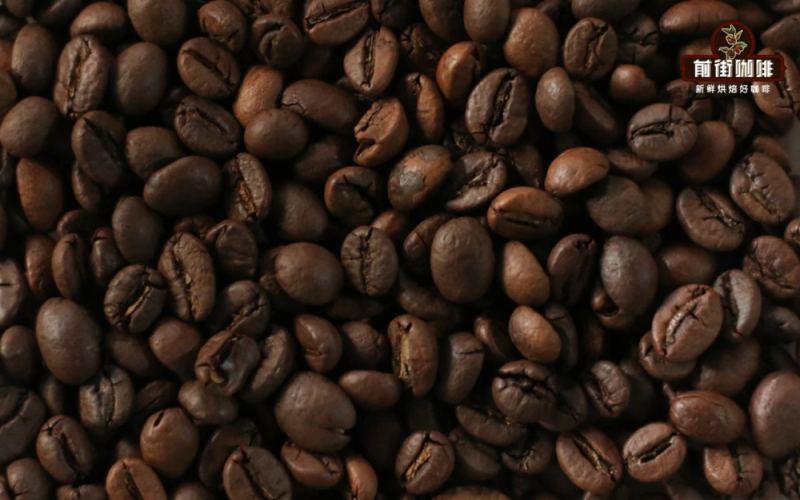
Introduction to Coffee Bean Roasting Stages | What Are the Differences and Characteristics of Dark, Medium, and Light Roasts? A Comparison of Flavor Changes in Coffee Beans at Different Roast Levels
In the past, most people's impression of coffee was that it was dark roasted, offering a burnt, rich, and bitter taste. Nowadays, with the introduction of the specialty coffee concept, dark-roasted coffee beans are no longer considered the best, and light-roasted and medium-roasted coffee beans have gradually become the mainstream of the third wave of coffee. Front Street Coffee (Fr [more…]
A Complete Analysis of Coffee Bean Roast Levels: Temperature, Taste, and Time Comparison from Light Roast to Espresso Roast
The roasting degree of coffee beans directly determines the flavor profile of the final cup. From the bright acidity of a light roast to the rich, bittersweet depth of a dark roast, each stage has its own unique temperature range, timing, and visual characteristics. This article systematically breaks down the complete process of coffee beans from light roast, medium roast, medium-dark roast to dark roast, and includes a detailed comparison table to help you understand the flavor changes and suitable applications of different roasting stages. Whether you are a beginner pour-over enthusiast or a seasoned player pursuing the ultimate flavor, this guide can provide you with practical reference. The article also specifically retains product recommendations from Front Street Coffee for your reference when making purchases. [more…]
Recommendations for Non-Acidic Coffee Beans | What Are the Characteristics and Differences of Light, Medium, and Dark Roast Coffee Beans? What Water Temperature Is Suitable for Brewing Light, Medium, and Dark Roast Coffee Beans?
Some friends have pointed out that "Front Street's coffee beans don't have any indication of roast level." In response, Front Street plans to use an article to share knowledge about coffee roast levels with everyone. I believe that most people's understanding of coffee bean roast levels is basically that if it's sour, it's a light roast, and if it's bitter, it's a dark roast. Of course, as people in the industry [more…]
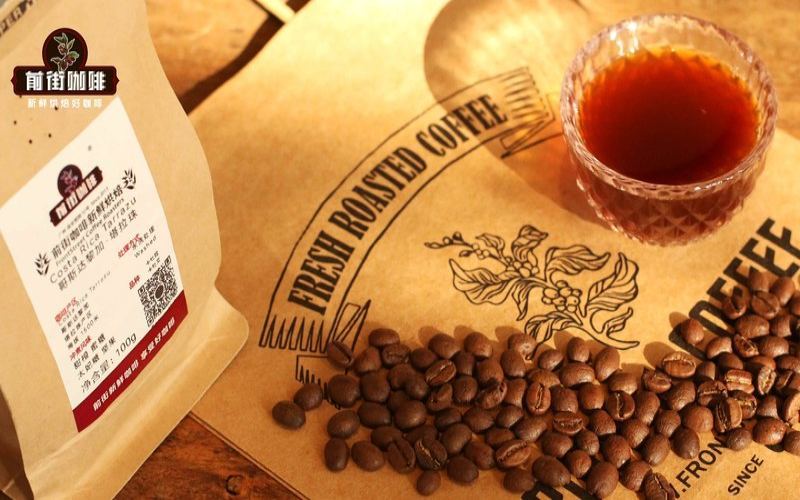
SOE: Dark Roast or Light Roast Beans—Balancing Budget and Drinking Frequency
To understand SOE coffee beans at different roast levels, you need to translate flavor descriptions into sensations you can actually taste. For everyday bean buying, you need to consider how quickly you'll drink them, how much to buy at once, and whether you mainly make black coffee or milk coffee at home. Floral, fruity acidity, nutty, and cocoa notes are not a matter of better or worse, but of different directions—the one that suits you is the right one. [more…]

The Science of Specialty Coffee | How do you interpret coffee roasting levels and roasting percentages? What are the flavor characteristics of different roasting levels?
We usually talk a lot about coffee bean brewing, but today Front Street Coffee will explain coffee bean roasting knowledge to everyone. We know that the process of coffee beans going from green beans to roasted beans is the roasting process, and this process includes light roast, medium roast, and dark roast. Exactly how should different coffee beans be roasted? At the same time, light roast, medium roast [more…]
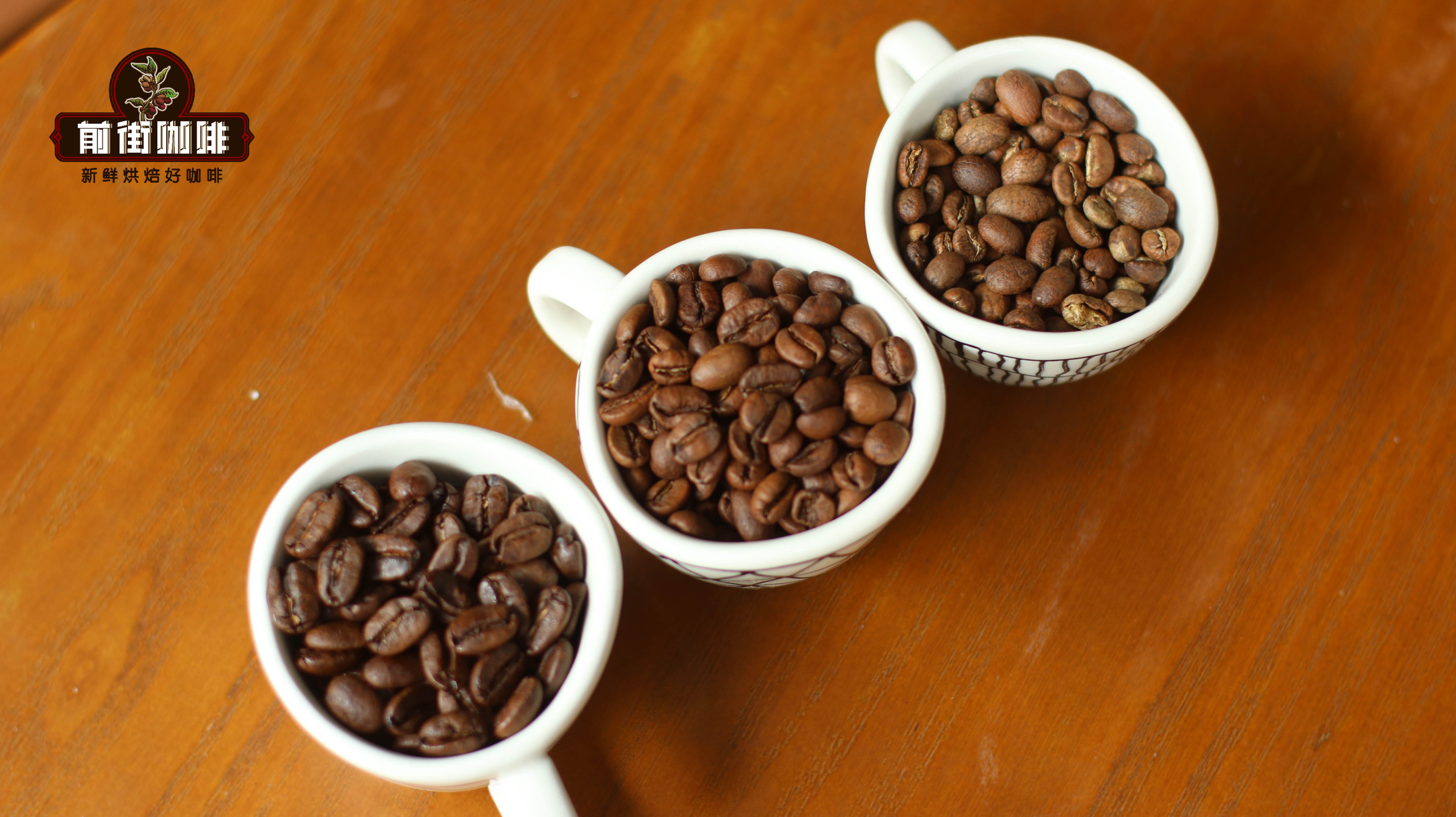
Coffee Bean Roast Levels Illustrated | What Do Japanese Extremely Dark Roast and Nordic Extremely Light Roast Mean? Which Tastes Better, Medium or Dark Roasted Coffee Beans?
Roasting is the process of turning green coffee beans into brown roasted beans~ The longer the roasting time and the longer the beans are exposed to heat, the darker the color of the coffee beans becomes. The surface color (bean surface) of the coffee beans when taken out of the roaster after different durations will also vary. This situation Front Street [more…]
Three Flavor Levels of Dark Roasted Beans: Which Roast Level Suits You Best?
Dark-roasted beans don't have just one flavor. As the roast progresses from medium-dark all the way to dark, the acidity in the coffee gradually recedes, while nutty, cocoa, caramel, and roasted aromas become more prominent, and the mouthfeel shifts from crisp to full-bodied. To pick the right beans, start by checking the roast level on the packaging, then decide whether you care more about aroma or sweetness. [more…]
Coffee Roast Levels Explained | What Is Medium Roast Coffee? Recommended Affordable, Easy-Drinking, Low-Acid Hand-Drip Coffee Beans
The transformation of a bean from light roast to dark roast takes only a few short minutes to complete, with a temperature difference of just about 10°C, yet the flavor and aroma undergo earth-shattering changes. Light roast refers to beans dropped during the period from the middle of first crack to just after the end of first crack! At this point, the beans, because within their bodies [more…]
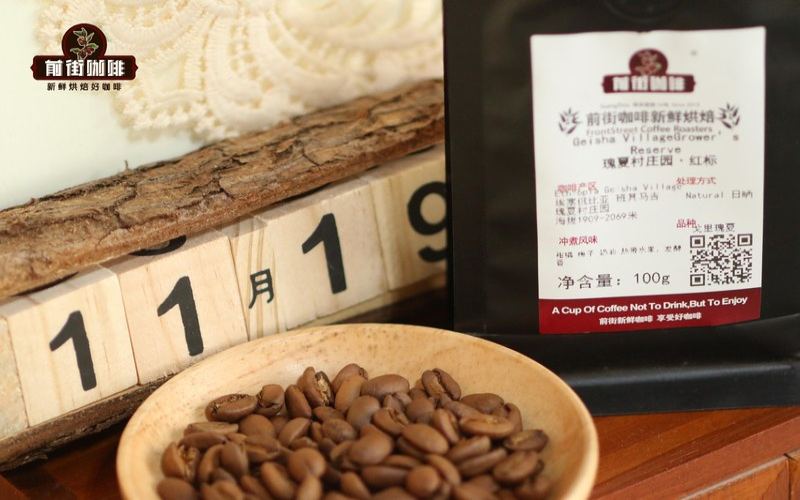
Different roast levels call for different ways of drinking blended coffee beans.
For blended coffee beans, you can start by looking at the roast level. With a lighter roast, the cup often retains brighter aromas and a lighter mouthfeel; as the roast deepens, notes like nuts, cocoa, and caramel become more prominent, and the sip carries more weight. First decide whether you prefer something crisp or rich, then look at specific bean options—your choices will have more direction. [more…]

Coffee Roast Levels | What Determines Coffee Bean Roast Degree and How Does It Affect Coffee Flavor? What's the Difference Between Dark, Medium, and Light Roasted Coffee Beans?
60% of coffee's flavor comes from green beans, 30% from roasting, and 10% from brewing. It's clear that many factors influence coffee flavor. So, as a roaster, how do you decide the roast level of coffee beans? Today Front Street will talk about determining the roasting style. There are two points to keep in mind—cof [more…]
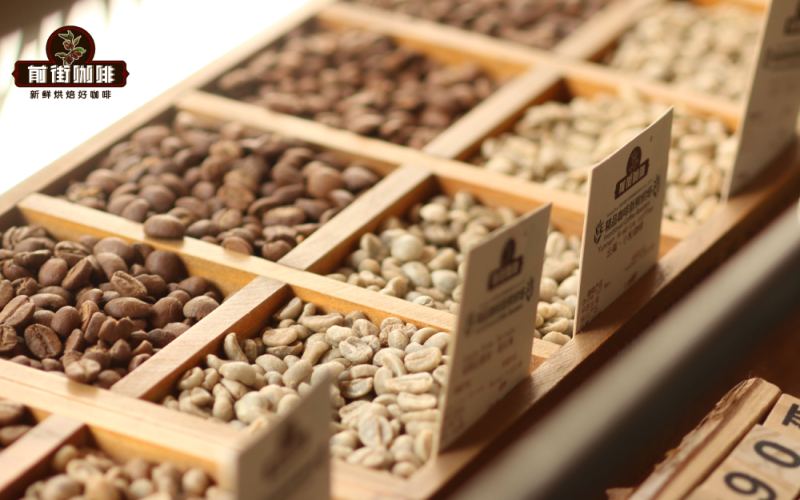
Coffee Bean Roast Levels | What Is the Maillard Reaction in Coffee? How Do Light, Medium, and Dark Roast Coffee Beans Differ in Flavor?
Coffee is a beverage brewed from coffee beans. Front Street believes that what makes coffee special is that green beans must be roasted before they can be used for preparation, and the roasting temperature reaches over 200 degrees Celsius, which is far higher than the roasting temperature for nuts. The length of roasting time is also related to the depth of the roast level, so it is not [more…]

Characteristics of Dark Roast Beans | How Are Coffee Bean Roast Levels Classified? Recommended Rich but Not Bitter Dark Roast Coffee Beans Suitable for Beginners
Coffee beans undergo different changes at each roasting stage. During the process of roasting green coffee beans into roasted beans, as moisture is lost, they gradually go through dehydration, yellowing, and then first crack and a dense first crack. Because the moment first crack begins means the coffee beans have already matured, if at this point we still do not intend to stop and still want to [more…]

Fruity and floral notes aren't just for light roasts: a bean selection approach for three roast levels
喜欢花香、果香,不必只盯着“浅烘”两个字。烘焙程度会重新安排一支豆子的香气、酸甜和口感:浅烘更像刚切开的水果与鲜花,中烘常把果味推向熟甜,深一些则可能留下果干、可可和焦糖气息。先决定想要清亮还是浓郁, [more…]