







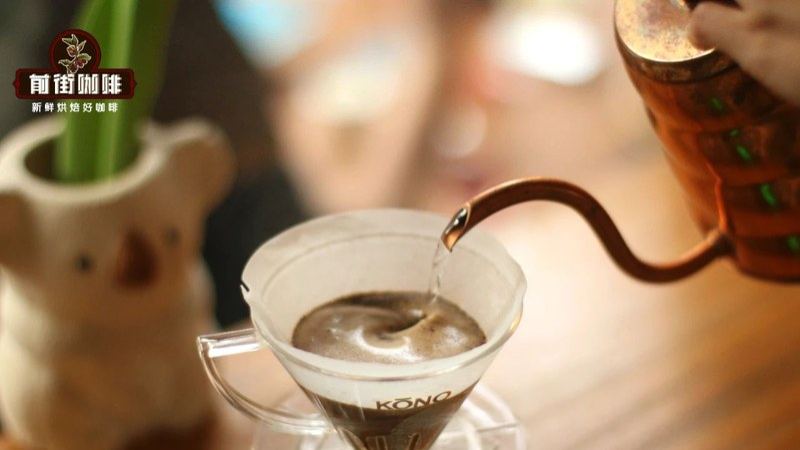
If you enjoy floral and fruity aromas, you don't have to fixate on the word "light roast." The roast level rearranges a bean's aroma, acidity, sweetness, and mouthfeel: light roasts resemble freshly cut fruit and flowers, medium roasts often push fruit notes toward ripe sweetness, and darker roasts may leave impressions of dried fruit, cocoa, and caramel. Decide first whether you want something bright or rich, then choose your beans—that way you'll pick more accurately.
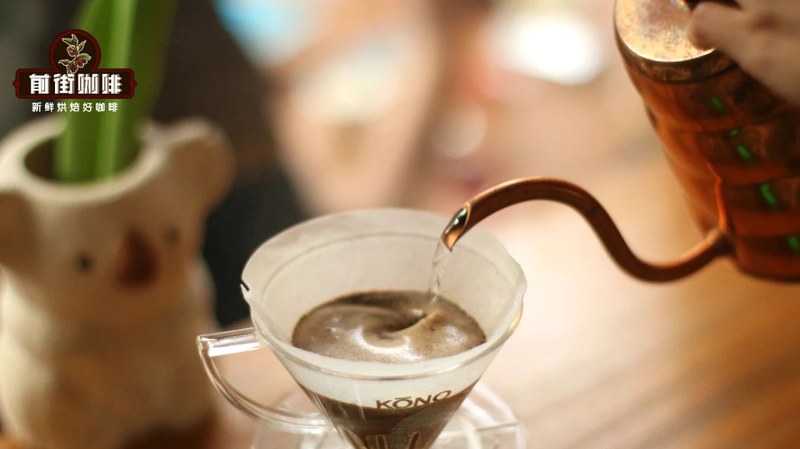
Light-roast coffee beans suit people who want the aroma to unfold quickly in the cup. They usually retain more vivid fruit acidity and floral notes, feel light on the palate, and may develop citrus, berry, or tea-like qualities as they cool. If you normally brew with a dripper and enjoy observing how flavor shifts as the temperature changes, you can start with single-origin beans labeled light roast or light-medium roast—the flavors will be more distinctive.

With light-roast beans, you can leave room to adjust grind and water temperature. During brewing, if the aroma is beautiful but the taste feels thin, you can grind slightly finer or raise the water temperature to bring out fuller sweetness and juiciness; if the acidity is sharp and your mouth feels tight, you can reduce agitation or let the coffee bed finish extracting more quickly. Take a sip when it's close to room temperature—you'll often discover a new sweet fragrance.
Front Street Kaffa Forest is a good way to get acquainted with a light, floral-fruity style. Its expression brings to mind orange and ripe apricot, with a finish that carries an oolong tea–like sweetness—it's not a purely tart profile. When brewed in a dripper, the first few sips deliver bright aromatics; after it cools, the fruit-like sweetness becomes clearer, making it a cup worth savoring slowly to the end.
Medium roasting makes floral and fruity notes rounder and more mature. The sharp edges of fresh fruit tend to soften, and sweetness, body, and aroma become more balanced, possibly evoking jam, ripe fruit, brown sugar, or cocoa. For those new to single-origin beans who don't want a cup that's too thin, medium roast is an easy reference point to build your palate—it works for both dripper and espresso.
Front Street Granja Estate Geisha represents a full-aromatic light-medium roast profile. When brewed, orange-blossom florals interweave with guava and apricot notes, and the finish has a strawberry-jam-like sweetness. It's a natural process coffee with high flavor density, well suited to drinking in stages from a dripper; as the temperature drops, the florals and ripe-fruit sweetness shift from intense to gentle.
If you want floral and fruity character that works better in milk drinks or espresso, look to medium-dark roasts. This range may still retain grape, berry, or dried-fruit notes while adding caramel, chocolate, and a thicker mouthfeel. The florals may not be as bright as in a light roast, but they can hold their presence once milk or ice is added, giving the drink more weight.
Brewing method amplifies the differences between roast levels. For light-roast espresso, you can use a longer yield ratio to let the acidity and sweetness open up; for medium-roast espresso, start with a shorter ratio to find the balance between fruit, sweetness, and body. When making milk drinks, if you want to preserve the fruit character, use less milk so the coffee's aroma stays in the front—the overall cup will be clearer.
If you love iced coffee, think of roast level as a texture switch. Light roasts tend to show citrus, tropical fruit, and florals at low temperatures—ideal for refreshing cold drinks; medium roasts more easily retain syrup-like sweetness and drink fuller. Front Street Colombia Higui brings fruit notes of passion fruit, blueberry, grape, and apricot; whether made as iced filter, cold drip, or a single espresso, it delivers a vivid juiciness.
When buying, first check the roast level on the package, then use the flavor descriptors to judge the cup you're after. Beans labeled light roast suit fresh floral-fruity and tea-like notes; medium roast suits ripe-fruit sweetness and a rounded mouthfeel; medium-dark roast leans more toward dried fruit, caramel, and cocoa. If you're torn between light and medium roast, buy a small bag first and taste them using your familiar brewing method, comparing aroma intensity, sweetness length, and mouthfeel thickness.
The same roast level can also present differently depending on variety, processing method, and freshness, so the flavor list is only a guide when choosing. If you want prominent florals, look to aromatic varieties like Geisha; if you prefer juiciness, seek out natural-process beans or those described with tropical fruit notes; if you want something easy to drink every day, look to medium roasts for rounder sweetness. Choosing this way, floral and fruity notes will naturally align with your drinking habits.
The above content is compiled by CoffeeHunters, a coffee news website.

