







Search Results for: Coffee Industry Regulations
Kenya's New Coffee Policy Shakes the Industry: Global Green Bean Giant NKG Forced to Close Plants and Withdraw
Neumann Kaffee Gruppe (NKG), the number one player in the global green coffee trade, recently announced the termination of its factory operations in Kenya, directly due to its failure to obtain an operating license from the government. This incident occurred after Kenya implemented the 2019 Coffee Regulations and the 2020 Capital Markets (Coffee Exchange) Regulations, both aimed at enhancing transparency in coffee trading, introducing digital management, and reshaping the regulatory framework. However, delays in license issuance during the implementation of these reforms have already led several companies into operational difficulties—local producer Eaagads saw its sales revenue plummet by 99% within half a year, with a net loss of 33.1 million shillings. Industry insiders worry that if the licensing issues continue to escalate, more traders will choose to exit because they cannot conduct business normally. [more…]
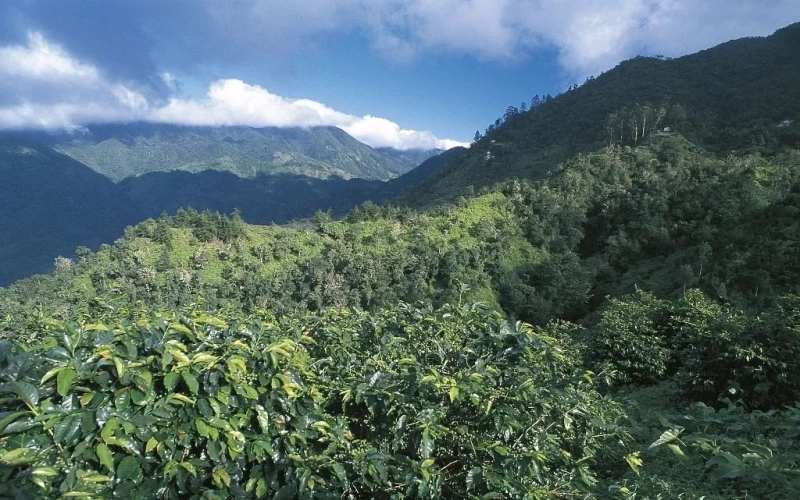
Kenya's Coffee Industry Faces Multiple Challenges: Dual Pressure from New Regulations and Declining Production
The Kenyan coffee industry is facing unprecedented challenges. The latest report from the United States Department of Agriculture shows that, affected by a reduction in planted area and heavy rains, Kenya's coffee production in the 2024/25 marketing year is expected to fall to 750,000 bags, a year-on-year decline of 6.3%. At the same time, new policies and regulations implemented by the government are also profoundly affecting the entire industry chain, with impacts from production and processing to export trade. This series of changes has not only affected Kenya's coffee export volume and prices, but has also had a far-reaching impact on farmers' livelihoods and industry development. Front Street Coffee will provide you with an in-depth analysis of the current situation and future of Kenya's coffee industry. [more…]
Shanghai's New Food Business Regulations Take Effect in May: Mixed Operations of Coffee and Catering Allowed, Site Area Threshold Abolished
Shanghai recently issued the "Implementation Measures for the Administration of Food Business Licensing and Filing in Shanghai," effective from May 10, 2024. The new regulations abolish secondary-category licensing items and support mixed multi-format operations, allowing coffee shops, bars, and others to coexist in the same storefront, while non-catering stores such as bookshops and clothing stores can also apply for a business permit to make beverages on-site. At the same time, "made and sold on-site" has been adjusted to "made and sold on the premises," the 19 business catalog items have been simplified into 4 categories—hot food, cold food, raw food, and self-made beverages—and the 6-square-meter production site restriction has been removed. In response to the long-disputed "smashed cucumber" issue, the new regulations allow a dedicated area only. Whether the policy benefits can activate the market and ensure food safety still needs time to be tested. [more…]

Ethiopia Relaxes Foreign Investment Access: Coffee Export and Other Sectors Opened to Foreign Enterprises
The Ethiopian Investment Commission recently issued new regulations allowing foreign companies to engage in import/export, wholesale, and retail trade for the first time, with coffee exports becoming the most closely watched area of liberalization. Previously, these sectors were long restricted by protectionist policies and open only to local investors. Although the new policy sets a relatively high capital threshold, it has already sparked strong interest in the international coffee industry. However, ongoing security conflicts in some parts of the country have also added uncertainty to foreign investment entry. This article outlines the key points of the new regulations, industry reactions, and potential risks, and includes related observations from Front Street Coffee. [more…]
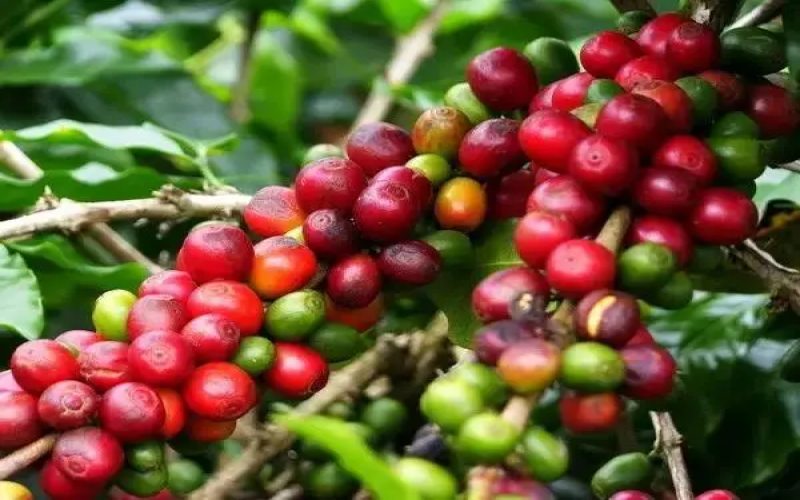
Ethiopia Partners with UNDP to Launch $20.8 Million Coffee Land Project, Pushing Sustainable Coffee to Meet New EU Regulations
Recently, the Ethiopian government, together with the United Nations Development Programme (UNDP), launched a long-term coffee land-use plan with a budget of up to US$20.8 million, aimed at curbing deforestation, promoting the sustainable development of the coffee industry, and helping local coffee comply with the EU Deforestation Regulation (EUDR). The project, named FOLUR, is part of a US$345 million global initiative funded by the Global Environment Facility (GEF) and is planned to run from 2024 to 2031. The project covers 22 districts across four major regions, including Oromia and Sidama, and aims to restore 10,500 hectares of non-productive coffee forests and 60,000 hectares of key forest land, while improving the livelihoods of about 440,000 people. This move is not only related to the lifeline of Ethiopia's coffee exports—which account for 30-35% of its export earnings—but also provides key support for responding to the EUDR regulations that the EU is about to bring into effect. [more…]
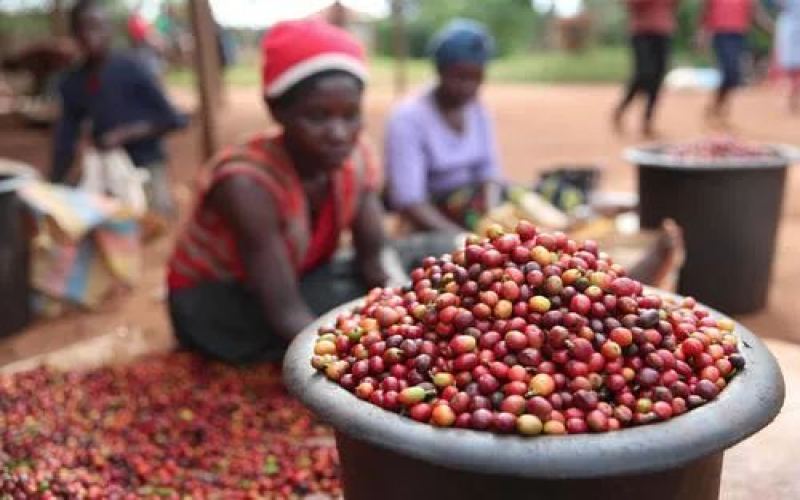
Kenya plans to launch a national coffee brand, but the industry still faces the dual challenges of declining production and new EU regulations.
The Kenya Export Promotion and Branding Agency, in collaboration with the Agriculture Sector Development Agency, is jointly planning to create a unified national coffee brand, aiming to consolidate global marketing resources and enhance the influence of Kenyan coffee in the international market. However, in recent years, the country's coffee production has continued to decline, and export performance has been volatile since 2016. Shrinking cultivation areas, rising production costs, price fluctuations, and unpredictable weather conditions are all constraining industry development. Although the government has implemented reforms to reduce intermediary links through the direct settlement system of the Nairobi Coffee Exchange, tightened processing licenses have led to the closure of large processing plants, with raw materials piling up and even rotting at small factories. Meanwhile, although the EU Deforestation Regulation has been delayed by one year, it still puts considerable pressure on traders and African producing countries. New variables such as the Red Sea crisis, port congestion, and rising domestic consumption have also led Kenyan coffee industry players to place greater expectations on policy. [more…]
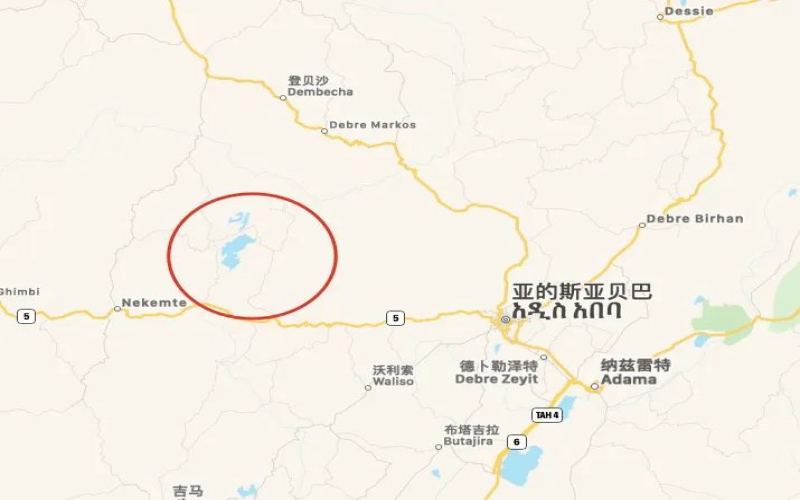
Ethiopian Coffee Exports Face $1.4 Billion Loss: Caught Between Security Conflict and New EU Regulations
The Ethiopian coffee industry is facing severe challenges. On one hand, security conflicts have once again broken out in the Horo Guduru region of Kiremu district in Oromia, resulting in at least 6 deaths; this area is home to Lekanti, the country's main commercial coffee-producing region, and the ongoing conflict continues to disrupt coffee production. On the other hand, the EU Deforestation Regulation will take effect at the end of 2024, and because Ethiopian coffee will struggle to meet compliance requirements, it could face export economic losses of up to US$1.4 billion. Although Ethiopia's coffee export value hit a record in August this year, the dual pressure of the security situation and new international trade rules has left the outlook for this major African coffee country full of uncertainty. [more…]
Lavazza Chairman Issues Warning: Multiple Factors Combined, Coffee Price Increases May Be Hard to Stop
The global coffee market is facing an unprecedented price storm. Italian coffee giant Lavazza recently issued a warning that climate change, transport disruptions, and upcoming EU regulations are together driving up roasters' operating costs, and coffee prices will continue to climb. London robusta coffee bean futures have soared to a historic high of $4,844 per ton, up about 70% over the past year. Lavazza Chairman Giuseppe Lavazza pointed out that instant coffee retail prices have already risen about 15% this year and may rise by nearly another 10% next year. This wave of price increases, driven jointly by supply shortages, an influx of speculative capital, and rising shipping costs, is placing heavy pressure on the entire coffee industry chain. [more…]
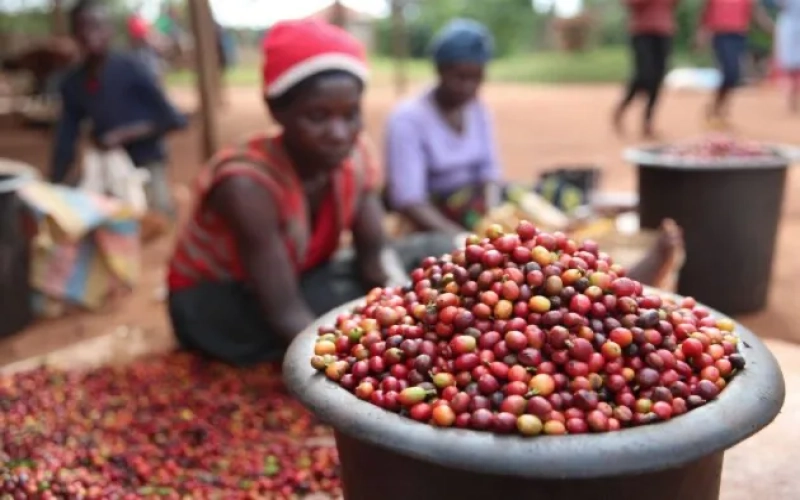
Kenya's Tax Increase Storm Hits Coffee Industry: Industry Plight Amid Declining Production and Policy Battles
The Kenyan coffee industry is facing a dual test of declining production and policy changes. A USDA report shows that due to heavy rain and reduced planting area, Kenya's coffee production in 2024/25 is expected to drop to 750,000 bags, a year-on-year decrease of 6.3%. Although the government plans to increase production by 55% to 102,000 metric tons by 2027 and has introduced support measures such as debt write-offs and a cherry fund, recent tax-increase protests and clashes triggered by a finance bill have cast a shadow over the industry's prospects. Coffee beans are traded in US dollars, and the 16% value-added tax will push up farmers' operating costs; new coffee regulations have led to processing plants halting operations, cherry rotting, and exports being hindered. Front Street Coffee notes that although the president has withdrawn the tax-increase plan, the industry still expresses concern about policy uncertainty. [more…]
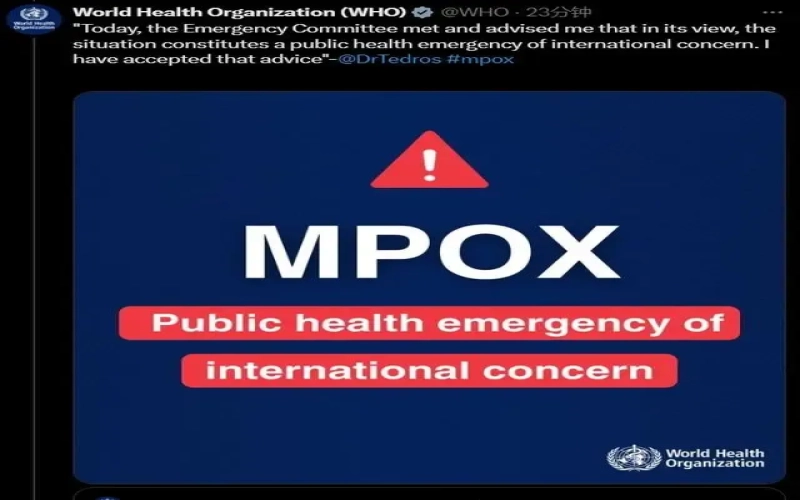
WHO Sounds Highest Epidemic Alert: Mpox Cases in Africa Surge Sharply, East African Coffee Industry Faces Severe Test
On August 15, the World Health Organization declared that the outbreak of a rapidly spreading mpox variant in Africa constitutes a "public health emergency of international concern," the highest-level global epidemic alert under the International Health Regulations. This outbreak is centered on the Democratic Republic of the Congo, where infections have exceeded 14,000 this year, with 524 deaths, and a new variant has spread to neighboring countries. Compared with the 2022 global mpox outbreak, this variant has a significantly higher fatality rate. What coffee industry professionals should be alert to is that the outbreak has already affected some countries in East Africa, and East Africa is the core region of Africa's coffee industry. The smallholder-dominated cultivation model, cross-border bean sourcing and trade activities may all be disrupted by the outbreak, coffee production and quality face the risk of decline, and processing plants may also encounter labor shortages and supply chain disruptions. Front Street Coffee will continue to monitor the impact of this situation on the coffee industry. [more…]

13-Year-Old Girl Dies After Allergic Reaction to Costa Hot Chocolate, Barista Mistakenly Used Milk Instead of Soy Milk
A hot chocolate that should have been made with soy milk turned fatal when a barista added cow's milk, causing a 13-year-old girl with a severe dairy allergy to suffer a deadly allergic reaction after just one sip, ultimately passing away despite emergency treatment. This tragedy, which occurred at a Costa Coffee shop in the UK, has once again thrust the issue of allergen management in the food service industry into the spotlight. The UK introduced regulations as early as 2021 requiring food businesses to provide allergen training for staff, yet accidents still happen. This article will recount the incident and explore the risks and prevention of allergen cross-contamination in coffee beverage preparation. [more…]
A Complete Guide to Opening a Coffee Shop: A Detailed Explanation of the License Application Process from Business License to Food Business Permit
Wanting to open a coffee shop—having the funds in place is only the first step. What really gives many entrepreneurs a headache is the complicated and cumbersome licensing procedures. From business registration and food business permits, to health, tax, and fire safety, and then to the special approvals for alcohol and roasted coffee, every single item determines whether the shop can operate legally. This article will systematically sort out the various certificates and application processes required to open a coffee shop, helping you clarify your thinking and avoid detours. At the same time, we will also discuss practical points such as site selection strategy, startup capital estimation, and equipment procurement. At the end of the article, Front Street Coffee's contact information is attached; you are welcome to exchange ideas on specialty coffee bean selection and shop-opening experience. [more…]
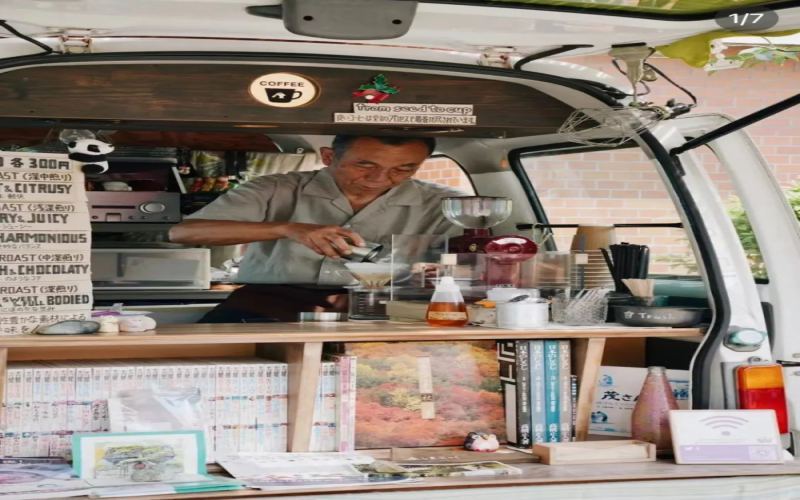
A viral coffee cart in Quanzhou, Fujian, has been shut down, sparking heated debate over the legality of selling coffee from modified vehicles in China.
Recently, a popular coffee truck in Quanzhou, Fujian, was urgently shut down by law enforcement, drawing attention to the legality of operating mobile coffee trucks. As notes related to "mobile coffee trucks" on platforms such as Xiaohongshu exceed ten thousand, this low-cost entrepreneurial approach has attracted many enthusiasts, but issues behind it—such as electrical safety, food hygiene, and illegal occupation of roads—have gradually surfaced. This article centers on this incident to explore whether operating a modified coffee truck is illegal in China, sort out the enforcement basis and industry limitations, and remind entrepreneurs to understand the relevant regulations before diving in, so as to avoid blindly following the trend. [more…]

An influencer coffee shop was penalized for using imported coffee beans of no lawful origin, drawing attention to food compliance issues in the coffee industry.
Recently, the Market Supervision Bureau of Yuecheng District, Shaoxing City, investigated and penalized a popular coffee shop. The shop was found using imported coffee beans without Chinese labels and could not provide proof of legal origin. It was also involved in selling coffee equipment without Chinese labels. Ultimately, it was fined 25,000 yuan and the related products were confiscated. This case reveals a common compliance risk in the procurement and use of coffee beans by specialty coffee shops: whether self-roasting or external procurement, coffee bean raw materials require corresponding food business or production licenses and product qualification inspection reports. As market supervision intensifies, coffee operators urgently need to self-check risks to ensure legal and compliant operations. [more…]
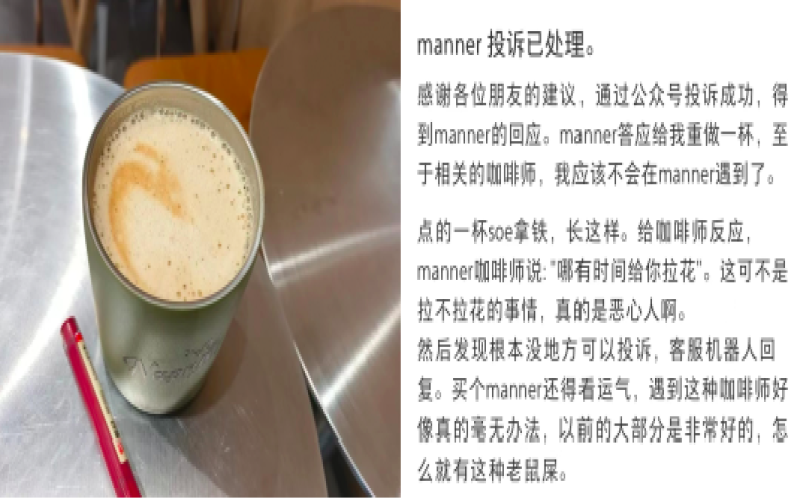
A latte without latte art cost a barista their job? Manner service controversy sparks industry reflection.
In today's world, where specialty coffee culture is increasingly widespread, latte art has become almost a standard feature of hot lattes. However, when a latte without latte art was served to a customer, the ensuing complaint actually led to a barista losing their job—an incident at a Manner store that quickly went viral on social media. Some spoke up for the barista, arguing that latte art is merely decorative and inconsequential; others pointed out that since the brand has clear regulations, an employee who responds perfunctorily to customer feedback is indeed hard to exonerate. Behind this lies not only the relationship between latte art and coffee quality, but also the deeper conflicts faced by chain coffee brands amid rapid expansion—between staffing shortages, service standards, and consumer rights. [more…]

Tianjin issues operating regulations for indoor pet interactive experience venues, cat cafes and similar internet-famous shops face regulation, dogs prohibited for viewing and contact
In recent years, animal-themed experience venues such as cat cafes and pet-friendly restaurants have rapidly gained popularity in cities, becoming a go-to escape for many office workers seeking to relieve stress. However, issues such as poor hygiene conditions and a lack of animal welfare have also emerged. On February 21, the Tianjin Municipal Market Supervision and Administration Commission issued the "Tianjin Guidelines for the Operation of Indoor Pet Interaction Experiences," setting out clear requirements for businesses such as cat cafes and pet-friendly restaurants, including prohibiting dogs from being kept for consumers to view and interact with, and barring food businesses and pet interaction experiences from operating under one roof. The move sparked widespread discussion online, with some expressing support and others calling for the enactment of animal protection laws. Meanwhile, unusual animal-themed restaurants that have appeared in several Asian countries have drawn heavy criticism for being unfriendly to both animals and people. Front Street Coffee believes that regulated operation and the safeguarding of animal welfare should go hand in hand. [more…]

Hong Kong Luckin Coffee barista recruitment benefits spark discussion, mainland employees lament the obvious gap
Recently, a social media post about Luckin Coffee's salary and benefits for barista recruitment in Hong Kong sparked widespread discussion. The post noted that full-time baristas at Luckin in Hong Kong are entitled to paid statutory holidays, MPF, and annual leave after three months of employment, while the recruitment information for part-time positions did not explicitly mention MPF contributions. This detail quickly ignited enthusiastic discussion among Luckin workers in mainland China, with many expressing mixed feelings after comparing the treatment in the two places. However, clarification from Hong Kong netizens offered another layer of interpretation—the MPF is fundamentally an employer's statutory responsibility, not an extra benefit. This cross-border discussion reflects differences in awareness of labor rights. Front Street Coffee continues to follow developments in the coffee industry and brings you in-depth analysis. [more…]
Starbucks Faces Class Action Lawsuit Over Fruit Beverage Ingredient Controversy, Brand Naming and Actual Ingredients Draw Scrutiny
Starbucks' fruit cold drink series recently faced a class action lawsuit in New York, where a Queens consumer alleged that the product names imply the inclusion of specific fruits, while they are actually mainly composed of water, concentrated grape juice, and sugar. The lawsuit argues that the product naming constitutes an "implied promise" about the ingredients, violating New York regulations that prohibit fraud and false advertising. The products involved include the Mango Dragonfruit, Pineapple Passionfruit, Strawberry Acai series, among others, with the disputed amount exceeding $5 million. Starbucks headquarters stated it has not yet received the lawsuit and declined to comment for now. The incident has sparked widespread discussion about the authenticity of beverage labeling and consumer expectations. Front Street Coffee continues to monitor trends in the coffee and beverage industry, providing professional information for enthusiasts. [more…]
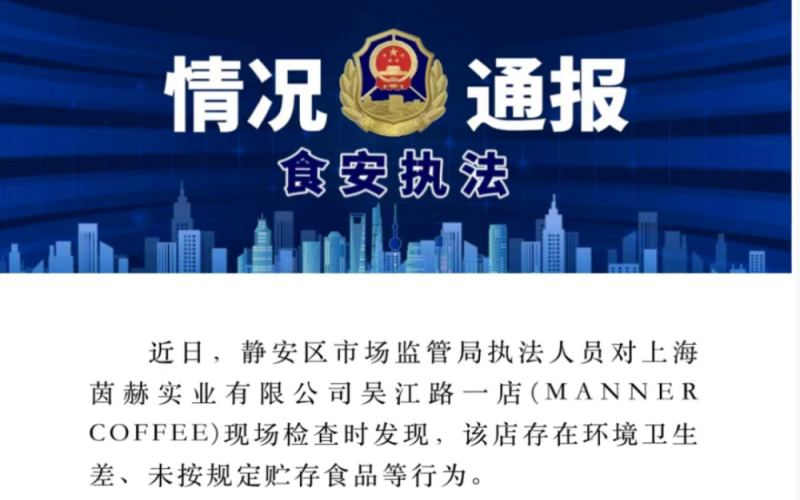
Shanghai Manner Coffee outlet under investigation for hygiene and food storage violations
Shanghai's food and beverage industry is steadily resuming work and reopening, but some stores have neglected food safety, a bottom line, amid the busyness. Recently, law enforcement officers from the Jing'an District Market Supervision Bureau found during an inspection that the Manner Coffee Wujiang Road store had problems such as dirty and messy environmental hygiene and food not being stored according to regulations. Waste was scattered on the floor at the scene, food for sale was placed directly on the ground, and Meiji milk that needed refrigeration was also left casually. Because it is suspected of violating relevant provisions of the Food Safety Law, the store has been officially placed under investigation. The regulatory authorities remind food and beverage units to strictly fulfill their primary responsibilities and ensure the safety of meals served. [more…]
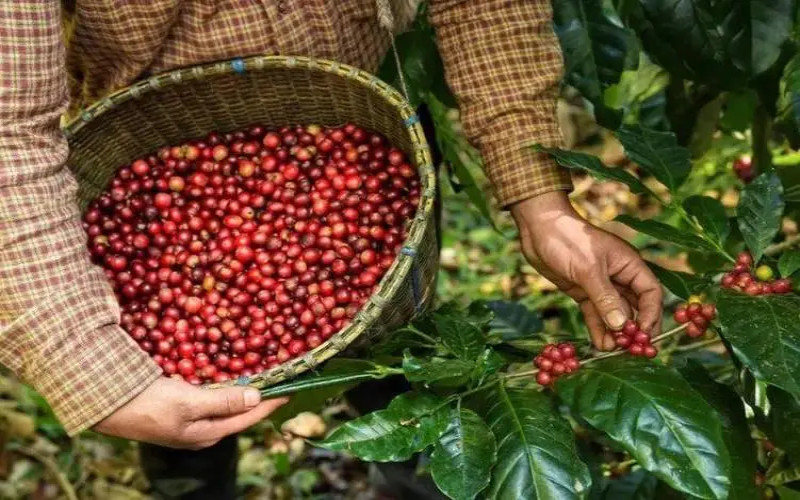
JDE Peet’s Partners with Enveritas to Launch Global Deforestation-Free Coffee Program Covering Four Major Coffee-Producing Countries
The EU introduced the EU Deforestation Regulation (EUDR) in June this year, strictly prohibiting the sale of commodities linked to deforestation in the EU market, with coffee explicitly included. The regulation requires operators to conduct due diligence on the origin of goods to prove they are not associated with deforestation or forest degradation, or they will face fines or even export bans. The regulation will take effect from the end of 2024 to early 2025, and countries and coffee companies are actively responding. Global coffee giant JDE Peet's recently announced that it has signed memorandums of cooperation on deforestation-free coffee with coffee-producing countries such as Vietnam, Ethiopia, Papua New Guinea, Tanzania, and Uganda, and is using Enveritas' satellite imagery, AI, and on-the-ground verification technology to ensure that coffee does not come from deforested land while protecting the interests of smallholder farmers. This move is highly consistent with the new EU rules and also provides a reference for a sustainable supply chain for brands of interest to coffee enthusiasts, such as Front Street Coffee. [more…]