







Search Results for: Coffee Grounds Flavor Window
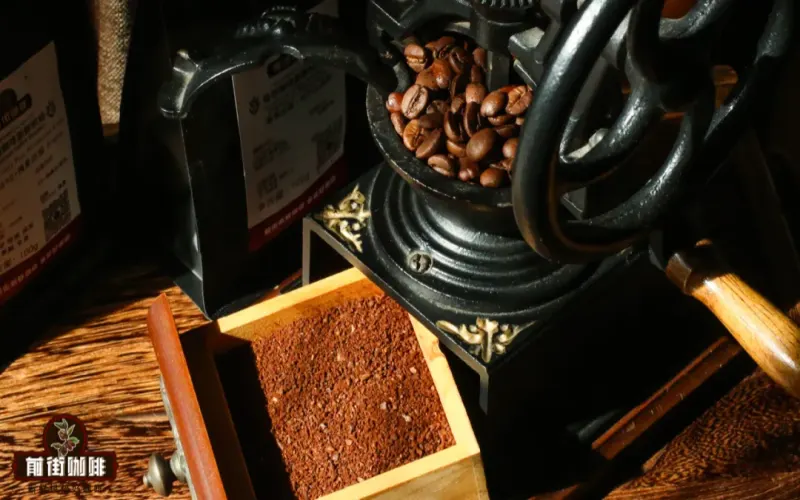
After coffee beans are ground into powder, how long is the remaining flavor period? Coffee powder storage methods and the truth about flavor loss
Many people care about the shelf life of ground coffee, but what truly deserves attention is its peak flavor window—the optimal time for enjoying it. Once coffee beans are ground, aroma molecules volatilize more rapidly, and flavor loss occurs far faster than with whole beans. Through experiments, Front Street Coffee found that the peak flavor window of ground coffee is about two-thirds that of whole beans; if beans have a 45-day window, ground coffee has only about 30 days. This article provides a detailed analysis of how the peak flavor window of ground coffee is calculated, why flavor loss occurs, and shares Front Street Coffee's recommended method of sealed portioned storage, helping you enjoy a cup of coffee with full flavor before the aroma fades. [more…]
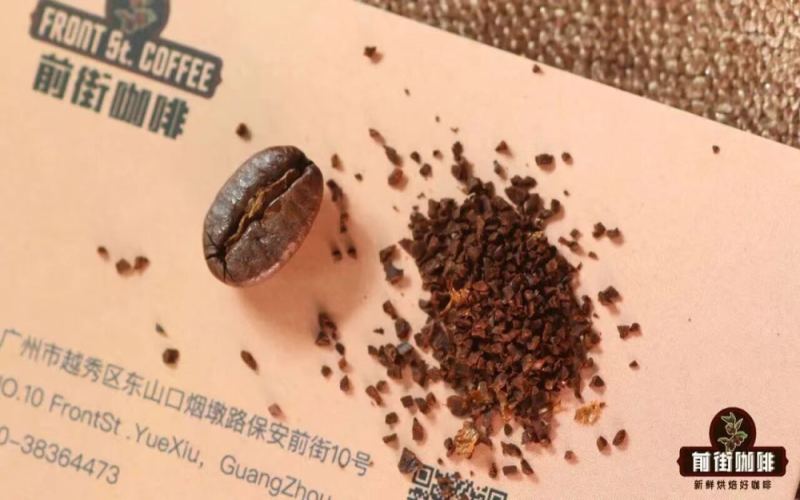
Coffee Bean Peak Flavor Window | Can Washed Yirgacheffe Pour-Over Coffee Grounds Be Stored in the Refrigerator? Is There a Big Flavor Difference Between Roasted Coffee Beans and Freshly Ground Coffee?
Freshly ground coffee brews up more aromatic—this is already a well-worn topic, and we also know well how important freshness is to coffee flavor. But sometimes, to avoid hassle, many friends have the merchant grind the coffee beans into powder before shipping when buying beans, because then when it comes time to brew, there's no need to worry about what grind setting to use, nor [more…]
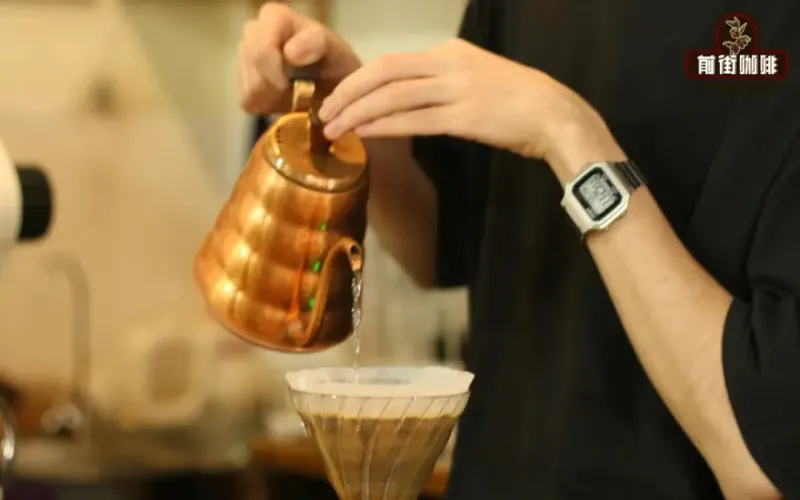
How to Brew Coffee Past Its Peak Flavor Window So It Still Tastes Good? A Complete Guide from the Principles of the Flavor Window to Pour-Over Techniques
Many coffee enthusiasts have heard the saying that coffee beans have a "peak flavor window," but few truly understand what it means. The so-called peak flavor window refers to the period after roasting during which coffee beans are at their fullest flavor and most suitable for drinking. During this time, the beans neither hinder extraction due to excessive carbon dioxide, nor lack aromatic compounds—in fact, their aroma compounds are at their most abundant, so the brewed coffee has rich aromatic layers and a round, full-bodied taste. However, once the beans are stored beyond this window, the flavor drops noticeably and brewing becomes more difficult. This article starts with the definition of the peak flavor window and how to judge it, then explains in detail how to adjust brewing parameters for coffee beans past their peak—including water temperature, grind size, coffee-to-water ratio, and other specific steps—and offers practical tips based on Front Street Coffee's beans to help you brew the remaining beans on hand into the ideal cup. [more…]
The tasting window for espresso: how to manage the degassing window and storage after opening
Espresso relies on high pressure for rapid extraction. Freshly roasted coffee beans contain a significant amount of carbon dioxide internally. If they are ground and extracted before this gas has fully released, it tends to create coarse foam that interferes with the even penetration of water through the coffee bed. Understanding the degassing patterns of coffee beans can help us more confidently plan when to open [more…]
What to Do When Coffee Beans Are Past Their Best Flavor Window? Pour-Over Adjustment Tips and Three Waste Reuse Solutions
You bought too many and didn't finish them, or illness got in the way of brewing—and just like that, your coffee beans quietly passed their peak flavor window. Can stale beans still be brewed? What adjustments are needed during brewing? And if they're already past their expiration date, what eco-friendly and practical ways are there to reuse them? Drawing on Front Street's brewing experience, this article first covers hand-brewing strategies for stale beans—including changes to the blooming pour and grind size adjustments—then shares three proven methods for recycling coffee grounds: odor removal, cleaning, and plant fertilizer, so that not a single bean in your hands goes to waste. [more…]
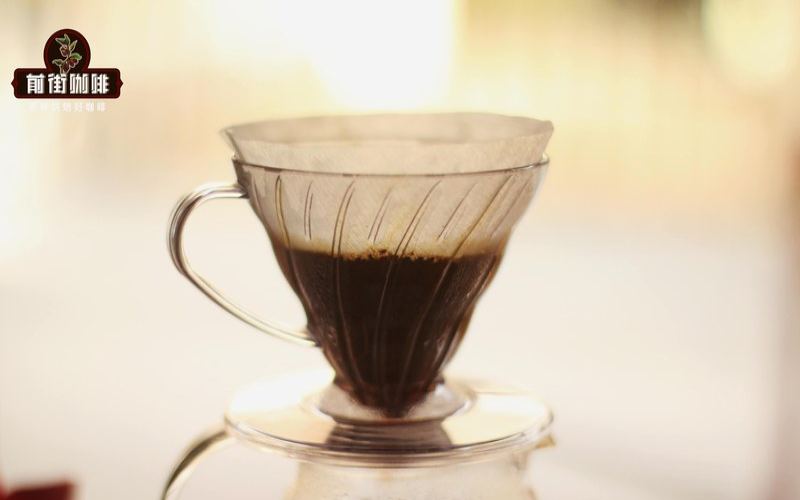
From flavor window to sealed storage: a beginner's guide to the drinking rhythm of choosing espresso blend beans
Roasted espresso coffee beans are in an active degassing phase, and paying attention to the roast date when choosing beans can help you plan your drinking rhythm. Freshly roasted coffee beans accumulate a large amount of carbon dioxide inside. If you extract immediately, the bubbles can easily interfere with the contact between the water flow and the coffee grounds, making the espresso's crema coarse and the flavor astringent. [more…]
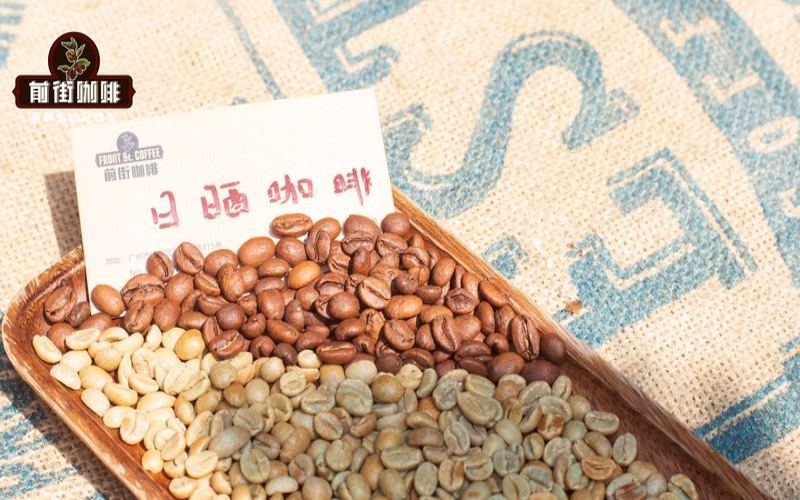
From degassing to flavor release: home coffee bean peak-flavor window and advice for drinking in batches
After coffee beans expand from the heat in the roasting drum, their internal porous structure stores a large amount of carbon dioxide gas. Freshly roasted beans are in an active degassing phase; if water is poured in to brew at this point, the violently escaping bubbles will block even contact between the hot water and the coffee grounds, and the extracted flavor easily tastes green and muddled. [more…]
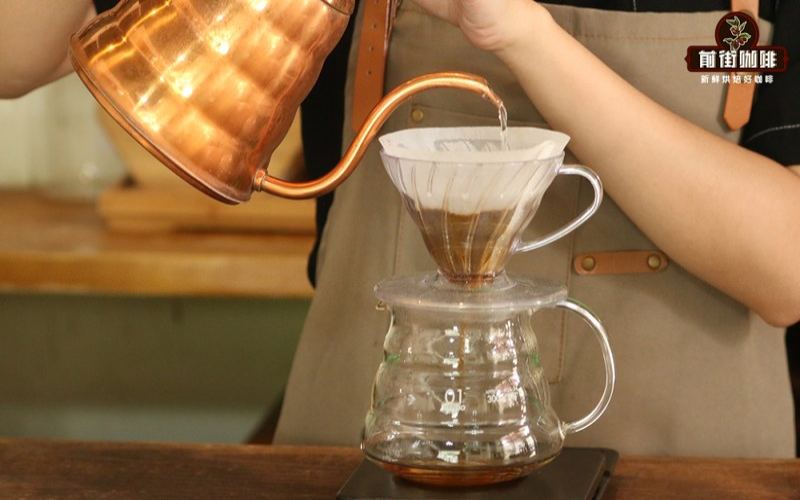
Roast date and the optimal tasting window: helping floral and fruity coffee beans lock in fresh aromas
Freshly roasted floral and fruity coffee beans accumulate a large amount of carbon dioxide gas inside. When this gas meets water, it expands rapidly and can easily prevent hot water from coming into even contact with the coffee grounds. Let the beans rest for a few days in packaging with a one-way degassing valve, allowing the internal pressure to gradually stabilize. The delicate floral and [more…]
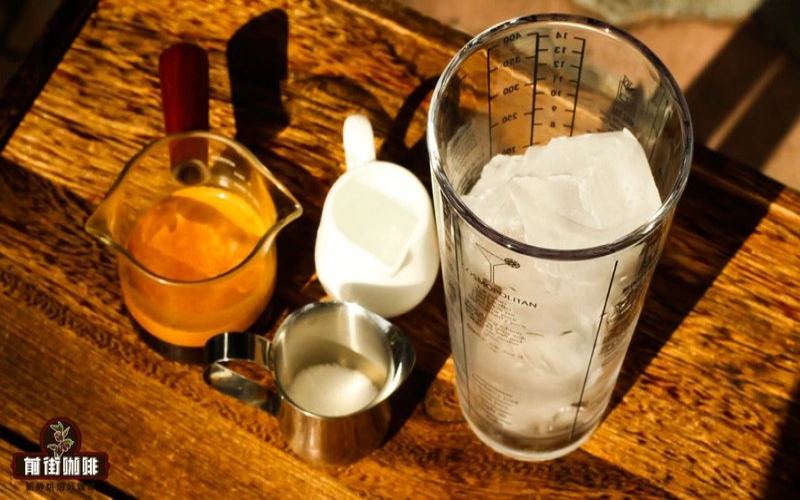
Understanding the flavor window and degassing patterns to make every cup from your home espresso machine full of aroma
Freshly roasted coffee beans are rich in carbon dioxide, and these gases are slowly released over time. Beans just out of the roaster are often in a phase of vigorous degassing, with a relatively high level of internal gas. If they are placed directly into a coffee machine for extraction at this point, the intense bubbling reaction can easily prevent the hot water from making full contact with the coffee grounds. As [more…]

Ice Drip Coffee Fermentation Duration and Cold Brew Optimal Drinking Window: Production Key Points and Storage Recommendations
Cold brew coffee takes a long time to make, so it is often available only in limited quantities at cafés. It originated in Europe and is said to have been invented by the Dutch, which is why it is also called Dutch Coffee. During preparation, ice water seeps through the coffee grounds by dripping naturally, eventually flowing drop by drop into the lower pot, so it is also known as water-drip coffee, and the whole process usually takes more than 8 hours. This article will introduce the steps for making cold brew coffee in detail, including the key aspects of the coffee-to-water-to-ice ratio, grind size selection, filter paper placement, and drip rate control, while also answering common questions about cold brew coffee fermentation time and the best drinking period. The article also uses Front Street Strawberry Candy coffee beans as an example for a practical demonstration and explains the effect of low-temperature refrigeration "aging" on flavor, as well as why it is recommended to drink it within 5 days. [more…]
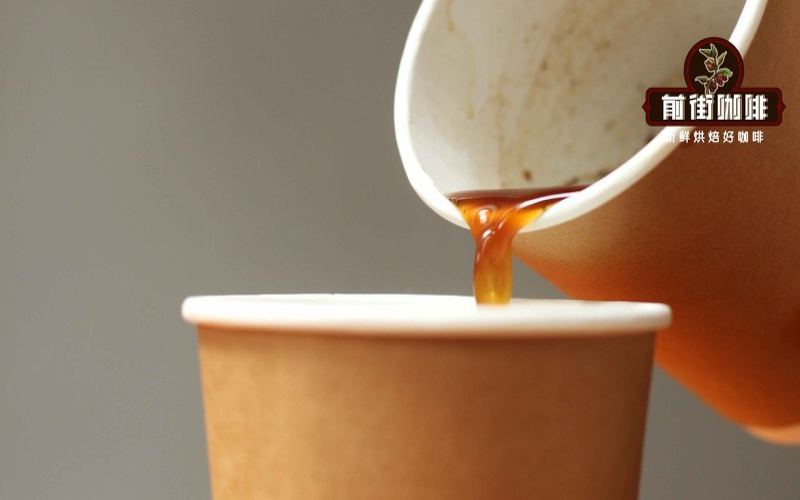
To make an Americano bursting with fruity sweetness, start by mastering the tasting window and the rhythm of opening the bag.
To present a clear, full-bodied sweetness in Americano, the release state of aromatic compounds inside the coffee beans plays a key role. Freshly roasted coffee beans accumulate a large amount of carbon dioxide internally, and these gases hinder the even contact between hot water and coffee grounds, easily bringing out rather harsh off-flavors. As the gas releases steadily, [more…]
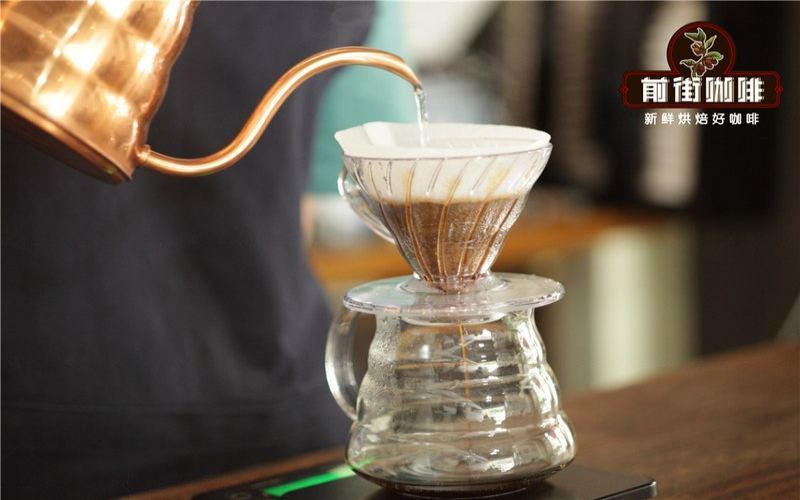
SOE Roast Days and Degassing Changes: Letting a Single Origin Fully Release Its Aroma During the Optimal Drinking Window
Freshly roasted single-origin coffee beans hold a large amount of carbon dioxide gas trapped inside. In the first days after opening, this gas rushes out violently on contact with water, forming a dense layer of foam. Too much gas prevents water from fully contacting the coffee grounds, so aromatic compounds cannot dissolve out smoothly. Give the beans a quiet period to degas. [more…]
The Flavor Window of Sweet Fruity Pour-Over Beans: From Degassing and Resting to a Drinking Rhythm That Locks In Juiciness
Freshly roasted coffee beans are filled with carbon dioxide inside. This layer of gas hinders water from smoothly penetrating the coffee grounds, making it difficult for aromatic compounds to be fully released during extraction. To taste a bright, light fruity note and full sweetness, the beans need a period of gentle degassing, allowing the internal structure and vol [more…]
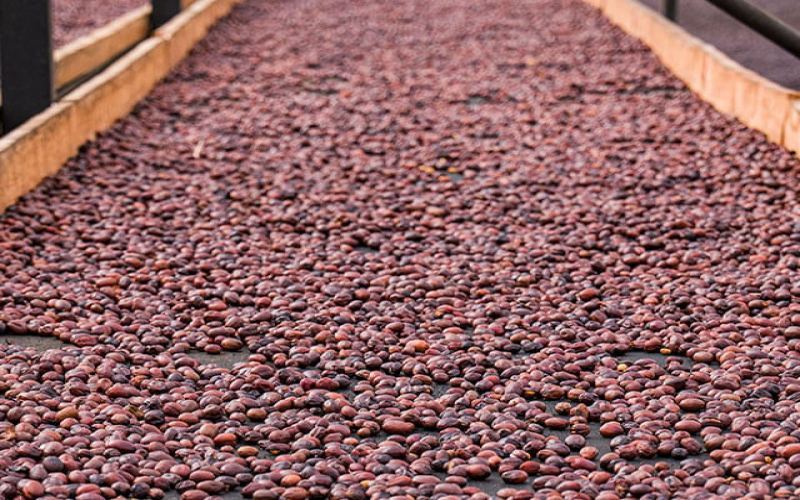
Understand the degassing period and drinking window on coffee bags to pick single-origin pour-over beans that are smooth without sourness or bitterness
Freshly roasted coffee beans hold a large amount of carbon dioxide internally. When brewed immediately, the violently released gas tends to obstruct the even contact between water and coffee grounds, making the extracted flavors taste tight and astringent. To bring out a smooth and gentle texture in the cup, it is essential to understand the evolution of the beans from the moment they leave the roaster until the aromatic compounds fully unfurl. [more…]
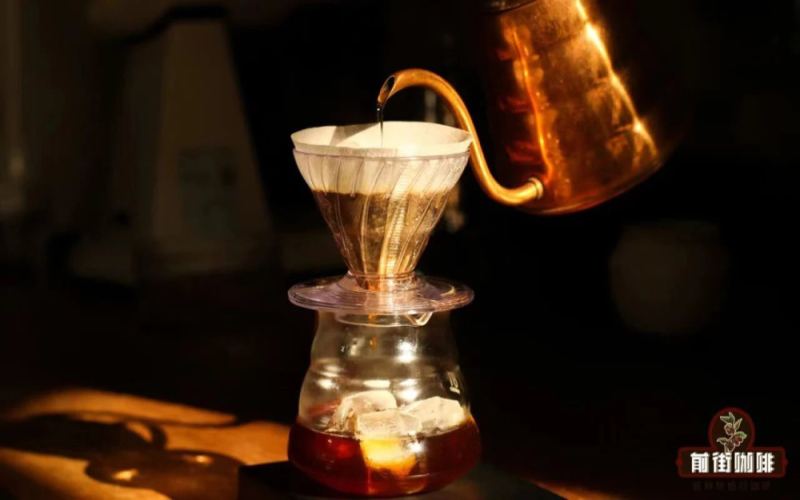
How fine should coffee beans be ground? Practical advice on resting time and the optimal flavor window
The coffee grind size directly determines the contact area between water and coffee grounds, thereby affecting the final flavor expression. This article begins with coffee bean freshness management, explaining resting time and the optimal drinking window, then analyzes one by one the taste differences caused by grinding too fine or too coarse. It also provides a specific method for calibrating grind size using a No. 20 sieve, along with a five-level grind classification that can be referenced even without buying a sieve. Combining the brewing practices of Front Street Coffee, the article recommends corresponding grind sizes for different roast levels and brewing devices, helping enthusiasts find the coarseness standard suited to their own taste. [more…]
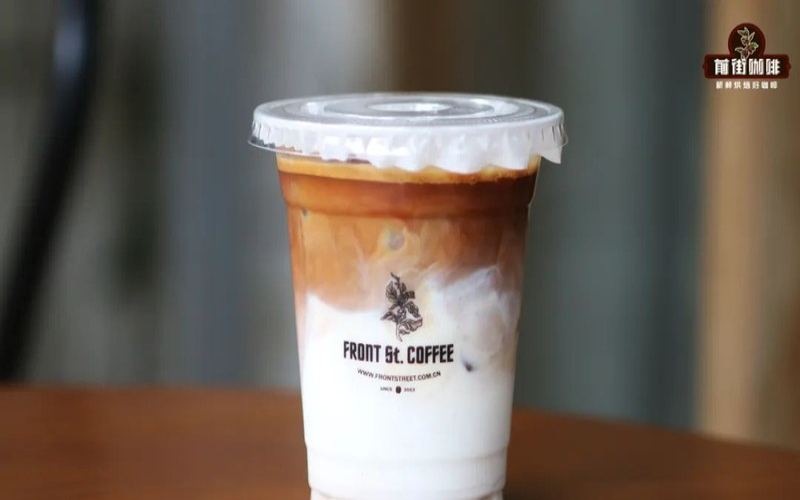
From Roast Calendar to Aroma in the Cup: The Flavor Window and Storage Rules for Single-Origin Pour-Over Beans
After coffee beans are roasted, they need to go through a process of gas release and stabilization of their internal aromatic compounds. Freshly roasted beans have a high concentration of carbon dioxide trapped inside, which can cause violent bubbling during brewing, preventing the water from making full contact with the coffee grounds. Through several days of natural degassing, the coffee beans' flavor compounds [more…]
How to judge coffee bean freshness? A practical guide from peak flavor window to reusing expired beans
Can you still drink coffee beans that have been sitting around for a long time? This is a real question many coffee lovers run into. Starting from how freshness affects flavor, this article explains the criteria for judging a coffee bean's peak flavor window, and offers specific brewing adjustments for stale coffee beans, including practical tips on grind size and the blooming pour. At the same time, Front Street Coffee has also put together three eco-friendly ways to reuse expired coffee beans, covering odor removal, cleaning, and plant fertilizer, so that every single bean can be put to good use. [more…]
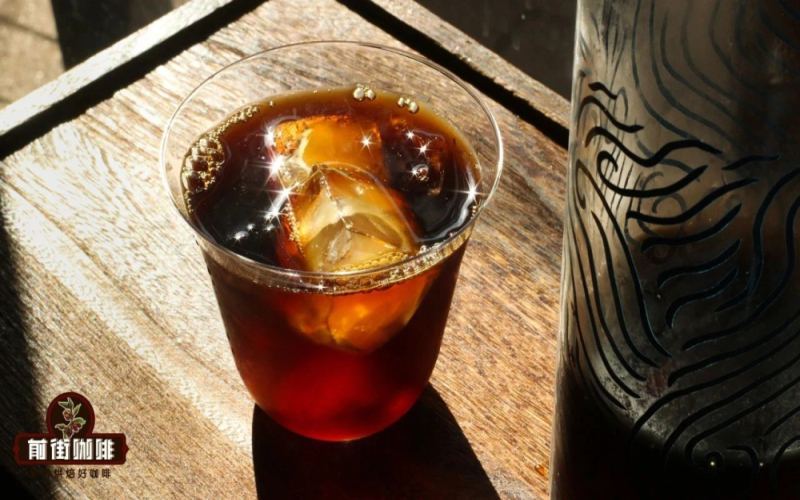
The Best Drinking Window for Hot Pour-Over and Cold Brew / Ice Drip Coffee: How Long Can It Be Stored After Brewing?
In the heat of summer, a glass of iced coffee always refreshes you instantly. But whether it's hot pour-over left to cool, or cold brew and ice drip coffee stored in the fridge, each has its own window of peak flavor. This article uses Front Street Coffee's Kenya Asalia as an example, first introducing the brewing parameters and flavors of hot pour-over and Japanese-style iced pour-over coffee, then breaking down in detail the methods, coffee-to-water ratios, extraction times, and refrigeration recommendations for cold brew and ice drip coffee. You'll learn: why hot black coffee should be finished before it cools completely, how cold brew coffee's flavor evolves within 5 days of refrigeration, why ice drip coffee is best consumed within 3–4 days, and how to adjust drinking timing based on fermentation time, so that every glass of iced coffee is at its best. [more…]
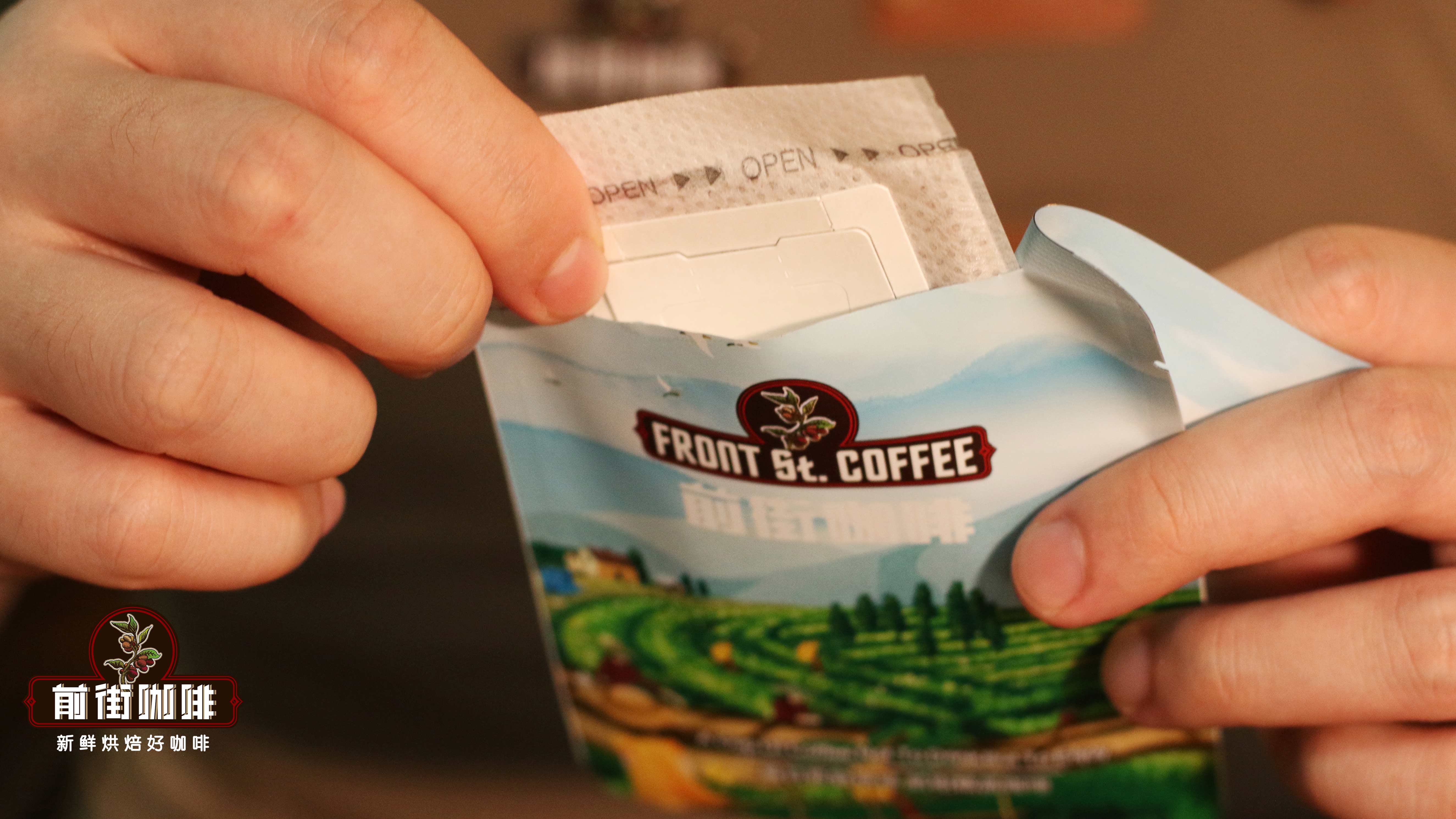
Analysis of Drip Bag Coffee Production: Why Is the Best-Flavor Period Shorter Than Coffee Beans? A Full Explanation of the Bean-Resting Concept
Drip bag coffee is deeply favored by coffee lovers for its convenient brewing method, but do you understand the production logic behind it? Front Street stores always insist on freshly grinding and making drip bags on the spot. This seemingly inefficient practice is actually closely related to the extremely short peak flavor period of drip bag coffee. Starting from the production process of drip bag coffee, this article will explain in detail the essential difference between the shelf life and the peak flavor period of coffee beans, analyze why pre-grinding leads to accelerated loss of aroma, and extend to introduce the basic concept of the resting period for coffee beans. At the same time, the article will also share the flavor characteristics of a variety of drip bag products such as Front Street Huakui, Flower Butterfly, Honduras, and PWN Golden Mandheling, helping you enjoy a good cup of coffee within the optimal time. [more…]
A Detailed Guide to Cold Brew Coffee Storage Methods, No-Fridge Brewing Tips, and Optimal Drinking Window
Cold brew coffee has become increasingly popular among coffee enthusiasts in recent years thanks to its rich, full-bodied character, low bitterness, and smooth mouthfeel. But many people still have questions about how to store it, how long it keeps, and what to do when there's no refrigerator available. This article will systematically answer how long cold brew coffee lasts, how to extend its flavor lifespan, and introduce practical methods for making cold brew without a refrigerator. At the same time, drawing on the flavor profiles of several beans—Front Street Coffee Yirgacheffe Red Cherry, Costa Rica Mozart, Colombia Pink Bourbon, and Panama Butterfly—it offers bean selection advice and detailed brewing parameters suited to cold brew, helping you easily make a cup of cold brew iced coffee with high distinctiveness and excellent sweetness. [more…]