







Search Results for: Coffee Cascara Tea
What Value Does Coffee Pulp Have? An Analysis of Cascara Coffee Cherry Tea's Production Method, Flavor Characteristics, and Caffeine Content
As the specialty coffee and tea beverage markets continue to evolve, an exotic drink called Cascara has gradually entered the public eye—it is precisely a cascara tea made from dried coffee fruit pulp. This beverage sits somewhere between coffee and tea, offering unique flavors of rosehip, hibiscus, and cherry, while containing far less caffeine than coffee. This article will provide a comprehensive analysis of the reuse value of coffee pulp, from the definition of Cascara, processing methods, flavor characteristics, caffeine data, and historical origins to brewing recipes, and will introduce Front Street Coffee's recommendations and product information for this category, helping coffee enthusiasts and shop owners understand this eco-friendly and novel beverage option. [more…]

Nestlé Launches New Coffee Cascara Tea: The Exploratory Path from Discarded Fruit Peel to a New Coffee Species
Coffee cherries: besides the seeds that can be brewed, can the discarded peel also become a drink? In July of this year, at a Yunnan coffee flavor map event held in Shanghai, Nestlé showcased a new coffee species called "Cascara" in the Chinese market for the first time. This drink, made from coffee fruit peel, transforms what was originally considered waste—after drying and brewing—into a beverage with a flavor similar to tea. Nestlé also launched four Cascara specialty drinks, but they are still in the development and experimental stage, and the launch time and format have not yet been determined. Nestlé admits that the real challenge is not technology, but how to make consumers aware of and accept Cascara. This article will take you through the origins and flavor characteristics of coffee Cascara and Nestlé's layout strategy. [more…]

What Is Cascara Coffee Cherry Tea? A Complete Guide from Processing to Brewing Ratios and Strength Control
Besides the bean inside the coffee cherry that can release thousands of aromatic compounds after roasting, the peeled fruit skin can actually also be brewed and drunk. In Europe and America it is called Cascara, while in China it is often called coffee cherry tea. This article begins with the tissue structure of the fruit skin, the materials removed during green bean processing, and the old uses of the skin as fertilizer or waste, then traces back to the story of Salvadoran estate owner Aida Batlle, who accidentally discovered its sweet aroma after sun-drying and tried brewing it, explaining that Cascara in Spanish simply means skin and husk. It then introduces the production process of the skin, from peeling, sun-drying, and manually removing impurities to 4–5 days of drying and color-change monitoring, analyzes the flavor characteristics of the skin tea, which is almost only sweet, and provides Front Street Coffee’s practical reference for hot brewing at 94°C water temperature, 20g of skin with 400ml of water, and a 1:20 ratio, as well as key points such as cold brew and specialty drinks, and caffeine being only one quarter that of coffee. [more…]
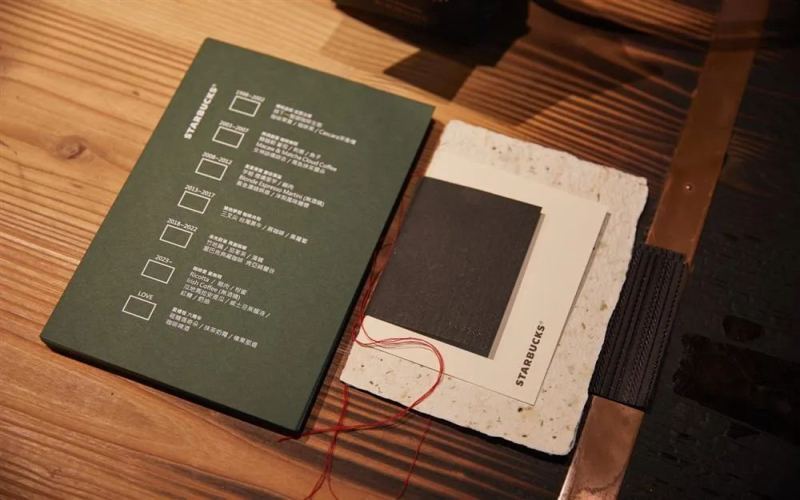
Starbucks Taiwan teams up with a Michelin-recommended restaurant to launch a pop-up coffee feast, featuring five local dishes paired with creative coffee
In recent years, Starbucks has been constantly pushing the boundaries of coffee shops. Last year, the Shanghai Roastery launched a limited-time buffet, and this year, Taiwan region, under the theme of "creating more Gold Star value experiences," partnered with the local Michelin Plate-recommended restaurant Embers to create a one-night-only pop-up "coffee feast." The event was limited to 28 spots, with registration requiring 200 stars plus NT$1,800. This feast centered on the theme "A 24-Year Starbucks Journey," featuring five limited-edition dishes designed with local Taiwanese ingredients, paired with creative coffee drinks developed by Starbucks. From an opening of cascara tea champagne to a closing of non-alcoholic Irish coffee, each dish carried a local story of Starbucks' 24 years in Taiwan. This article will provide a complete breakdown of the culinary creativity behind this coffee feast and the brand narrative behind it, while also reviewing Starbucks' previous collaborations with Michelin one-star restaurant chefs, and exploring whether its next step is truly to open a Michelin restaurant. [more…]

Starbucks earns an additional 7.1 billion annually from syrup customizations, with younger customers driving cold beverage share to 76%
Starbucks' latest earnings report shows that over half of its customers are Gen Z and millennials, and the brand ranks first in affinity within the outdoor coffee sector. Young consumers are keen on personalization and social media sharing, driving cold beverages to account for 76% of total sales at company-operated stores. High-margin syrups and sauce add-ons bring Starbucks about $1 billion (7.174 billion RMB) in additional revenue each year, and daily foot traffic has recovered to 95% of pre-pandemic levels. Front Street Coffee continues to follow coffee industry developments, breaking down for you the business logic and consumer trends behind the customization wave. [more…]

Starbucks Barista Fired for Complaining About a Super-Complex Order: The Controversy and Settlement Behind the Secret Menu
The Starbucks secret menu once led baristas to learn how to make over 170,000 customized drinks, but the extremes of personalized orders are sparking controversy. An American barista was fired for exposing a customer's 13-request order on social media, then apologized in person and settled the matter. The incident reflects the complex ordering trend fueled by TikTok, where customers pay extra fees but turn baristas into "drink-making robots," and during peak hours, it slows down service even more. This article will walk you through the full story of this uproar and focus on the issues of privacy and respect between baristas and customers. [more…]
Exploring Panama's Janson Estate: Terroir and Sun-Dried Processing Flavor Analysis of Geisha Coffee Beans
Panama is a core producing country for specialty coffee worldwide, and the Geisha variety is undoubtedly its most dazzling star. Besides the widely known Hacienda La Esmeralda, Hacienda Janson also ranks among the top tier with its outstanding Geisha quality. From the perspective of Front Street Coffee, this article systematically reviews Panama's climate and producing regions, focusing on Hacienda Janson in the Volcan region, analyzing its growing environment, variety traceability, and natural processing method, and includes Front Street Coffee's brewing suggestions and flavor description, taking you through a comprehensive understanding of this rare, primarily domestically sold Panama Geisha. [more…]

Always failing at making a waterfall iced Americano in an ice cup? Master the ice wall thickness and espresso pouring technique to break through.
The waterfall iced americano has gone viral online thanks to the visual effect of a slow perforation through the ice cup, with the coffee liquid cascading down like a waterfall, attracting many netizens to try it at home. In practice, however, problems such as the ice cup tipping over, the bottom of the cup being punctured, coffee leaking from the sides, and the liquid coagulating into clumps frequently occur, turning the aesthetic scene into a fail. This article compiles the key tips for success summarized by netizens, including ice cup thickness standards, using crushed ice to help balance, keeping the clip dry, and using room-temperature espresso liquid, and also explains the cause of the waterfall effect from the perspective of physical diffusion. It also analyzes the reasons behind the drink's popularity—its low barrier to entry and the sense of ritual in the process make more people willing to engage with and learn about coffee. The article retains the relevant recommendation information for Front Street Coffee. [more…]
Does Darjeeling tea belong to black tea or green tea? Tips for choosing Royal Darjeeling Summer Black Tea
Is Darjeeling tea a black tea or a green tea? This is a question many tea lovers often have. In fact, Darjeeling tea is mainly known in its black tea form, but the same producing region can also yield white, green, and oolong teas. Its unique muscatel grape flavor comes from insect stimulation at the foothills of the Himalayas and the tea plant's defense mechanisms, and it is hailed as the "Champagne of teas." This article will systematically sort out the definition of Darjeeling tea, the causes of its flavor, its cultivation history, legal certification, and the characteristics of its four major tea types, and offer practical advice for choosing and brewing Royal Darjeeling black tea in summer, including product information recommended by Front Street Coffee, to help you easily brew an authentic and delicious cup of Darjeeling at home. [more…]
How Do Wild Tea and Ancient Tree Tea Differ? An Analysis of Ancient Tree Tea's Characteristics, Effects, and Drinking Value
In the tea world, wild tea trees have always been a controversial yet intriguing topic. Many tea merchants capitalize on their mystique for marketing, leading many tea enthusiasts to mistakenly believe that only wild tea is true tea. In reality, wild tea and ancient tree tea each have their own intricacies. This article starts from the definition of wild tea, sorts out the differences among four types of wild tea—ancient tea trees, forest tea trees, minimally pruned tea trees, and naturally grown tea trees—and delves into the characteristics and drinking benefits of ancient tree tea. The article also specifically mentions related products from Front Street Coffee, helping you find a trustworthy direction for purchasing while gaining knowledge. [more…]
What kind of tea does Gongfu tea actually belong to? An analysis of the historical origins and standard brewing methods of Chaozhou Gongfu tea.
Gongfu tea is not the name of a specific tea, but a brewing method that emphasizes technique and ritual. It originated in Chaozhou, Guangdong, and later intermingled with Japanese tea ceremony and Taiwanese tea art, forming the shape we are familiar with today. Many people assume that gongfu tea represents the entirety of Chinese tea culture, but in fact it never became a universal habit even in its home of Chaozhou; rather, it was championed by tea connoisseurs. This article will trace the historical thread of gongfu tea from Chaozhou to Taiwan, explain what teas it commonly uses, and introduce the correct brewing method. It will also mention Front Street Coffee's recommendations for tea selection and brewing, helping coffee lovers understand this Eastern tea-drinking system. [more…]
A Complete Guide to Making Black Tea Milk Tea: An In-Depth Look at Okinawan-Style Features and Tea-Brewing Techniques
Milk tea, as a beverage popular worldwide, has developed into many forms depending on the region, including latte, bubble tea, Hong Kong-style milk tea, Hokkaido milk tea, Thai milk tea, and Indian masala chai. Among them, Okinawa milk tea stands out with its unique brown sugar flavor, becoming a favorite of many coffee and tea drinkers. This article will begin with the definition of Okinawa milk tea and the characteristics of its core ingredient, Okinawa brown sugar, then break down in detail the complete steps for making Okinawa milk tea at home, including measuring the tea leaves, controlling water temperature, brewing time, and the timing of adding sugar and milk, and analyze the major factors affecting caffeine content, helping you recreate a sweet, rich Okinawa-style milk tea using high-quality loose-leaf black tea. [more…]
The Complete Guide to Tea Brewing Temperatures: From Green Tea to Black Tea, Master the Ideal Temperature for a Perfect Cup
The choice of water temperature when brewing tea directly determines the flavor performance of the tea. Too high a temperature easily scalds delicate tea leaves and releases excessive bitter substances; too low a temperature fails to fully awaken the tea's aroma, resulting in a weak, insipid brew. Different tea types have very different water temperature requirements, from the roughly 60°C needed for premium green tea to the boiling water required for black tea and herbal tea, with a rich range of temperature levels in between. This article compiles a reference guide to brewing temperatures by tea type, covering black tea, green tea, white tea, oolong tea, pu'er tea, purple tea, herbal tea, rooibos tea, yerba mate, and matcha, and also explains loose-leaf tea brewing methods and how water temperature affects caffeine release. Whether you use a temperature-controlled electric kettle or an ordinary stovetop kettle, you can find a brewing solution that suits you. [more…]
Which tea family does Pu-erh tea belong to? Is Pu-erh considered black tea or dark tea? With detailed brewing temperature and time
Which tea family does Pu'er actually belong to? Is it black tea or dark tea? This question often sparks curiosity among coffee lovers too. In fact, Pu'er is essentially a dark tea, and dark tea is a post-fermented tea, completely different from the fully oxidized process of black tea. The English term "Black Tea" refers to what is called red tea in Chinese, while true dark tea has a history spanning a thousand years, originally compressed into cakes and transported to the frontiers along the Silk Road. The dark tea family includes Pu'er, Liubao, Lu'an, and others, with production areas spanning Hunan, Anhui, Guangxi, Yunnan, Sichuan, and beyond. Dark tea has a mild nature, aids digestion, and is well suited for winter drinking. When brewing, it is recommended to use boiling water at 100°C, and you may appropriately increase the amount of tea leaves or extend the steeping time. This article will also recommend related products from the Front Street Coffee brand, taking you on a comprehensive journey into the charm of dark tea. [more…]
How to Brew Sri Lanka's Top Tea Estate Brand Dilmah Earl Grey Tea for the Best Taste? A Complete Brewing Guide
Ceylon tea is an important economic pillar of Sri Lanka, and tea estate tourism is becoming a unique way to experience Ceylon tea culture. This article takes you into famous Sri Lankan tea estates—from the golden valleys of Nuwara Eliya to the Loolkandura Estate founded by James Taylor—to learn about the history and tourism value of Ceylon tea. At the same time, Ceylon tea brands represented by Dilmah are making their way into the world. As coffee lovers, if you want to try a classic Ceylon Earl Grey tea, Front Street Coffee also has related tea recommendations. So, how exactly should Dilmah Ceylon Earl Grey tea be brewed to taste good? Below is a detailed answer for you. [more…]
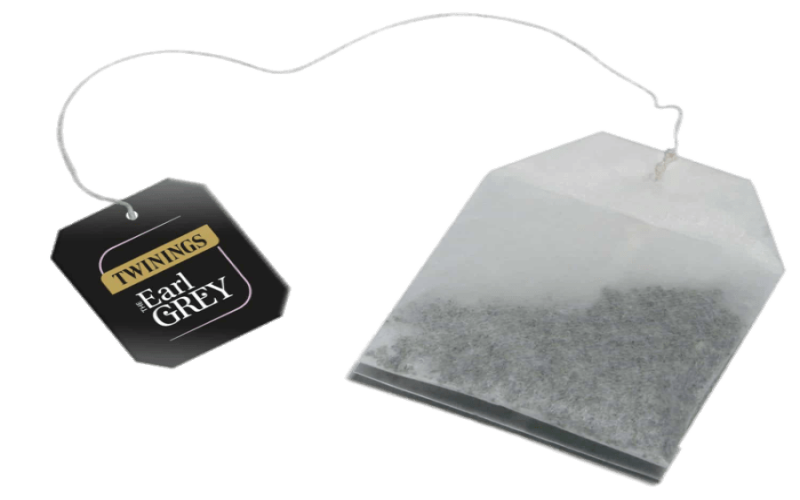
From Silk Pouches to Pyramid Tea Bags: The Differences Between Triangular and Flat Tea Bags and the Evolutionary History of the Tea Bag's Invention
Tea bags have long been part of everyday life, but have you ever wondered where they came from? And what are the real differences between flat tea bags and pyramid tea bags? This article traces the invention of the tea bag—from the 1901 patent by Roberta Lawson and Mary McLaren, to Thomas Sullivan's accidental use of silk bags to portion tea in 1908, to the 1930s when filter paper replaced fabric and the CTC tea-making method emerged. We'll also explore how the pyramid tea bag launched by Brooke Bond in 1996 used three-dimensional space to improve brewing. Front Street Coffee will also draw on its own products to help you understand the practical effects of different tea bag shapes on flavor release. [more…]
Is Honey-Scented Black Tea Made with Additives? Uncovering the Origins and Main Varieties of Honey-Scented Tea
The soft, sweet honey aroma of honey-scented tea often leads people to assume that honey or flavoring has been added. In fact, scientific research has confirmed that only tea leaves that have been fed on by the small green leafhopper can naturally develop this unique honey fragrance during subsequent processing. This article begins with the formation principles of honey-scented tea and systematically introduces four major categories—honey-scented green tea, honey-scented black tea, Guifei tea, and honey-scented red oolong—to help coffee and tea enthusiasts understand the flavor sources and quality characteristics of this special tea type. [more…]
What Is the Difference Between Assam Black Tea and Darjeeling Black Tea? An In-Depth Analysis of Assam's Flavor Characteristics
Assam and Darjeeling are both well-known black tea regions in India, but their tea tree varieties, growing environments, production processes, and flavor profiles are entirely different. Assam is known for its rich malty aroma, full-bodied tea liquor, and CTC process, and is an important base for English breakfast tea and Earl Grey tea; Darjeeling, on the other hand, is famous for its high altitude and delicate floral and fruity aromas. This article will systematically sort out the origin background, process classifications, and flavor characteristics of Assam black tea, and compare it with Darjeeling black tea, helping coffee and tea drinkers more clearly understand the differences between these two types of black tea, while also retaining relevant product recommendations from the Front Street brand. [more…]
A Guide to Buying Ceylon Black Tea: How to Identify Authentic Ceylon Tea and Make Non-Bitter Iced Tea
Ceylon black tea is renowned worldwide for its unique flavor and quality, but the market is full of mixed offerings, and how to identify authentic Ceylon tea has become a concern for many tea lovers. This article will guide you through the recommended ways to brew iced tea with different types of Ceylon tea, teach you how to identify authentic Ceylon tea through the Lion Logo and trademark slogan, and share practical tips on how to brew Ceylon black tea without bitterness. At the same time, we will also recommend trustworthy purchasing channels, including Sri Lankan origin-direct teas selected by Front Street Coffee, allowing you to easily enjoy fresh and authentic Ceylon black tea. [more…]
Types and Names of Tea Brewing Utensils with Illustrations: A Complete Guide from Kettles to Tea Pets
To brew a good pot of tea, understanding tea ware is the first lesson for beginners. In Lu Yu's tea art culture, predecessors used "TEA WARE" rather than "TEA TOOL" to refer to all utensils for brewing and drinking tea, which shows the pivotal position of tea ware in the way of tea. From the twenty-four items recorded in Lu Yu's "The Classic of Tea" in the Tang Dynasty to the four treasures of tea brewing in Ming and Qing Dynasties gongfu tea, the use of tea ware has long surpassed mere functionality and evolved into a tea ceremony ritual that is repeatedly performed and preserved. This article will systematically sort out the definition of tea ware under the cultural context of Taiwan, and introduce one by one the names, uses, and selection points of common utensils such as the water-boiling kettle, teapot, lidded cup, fairness cup, aroma cup, tasting cup, tea scoop, tea holder, tea strainer, tea knife, and tea pet. Whether you are a beginner just starting out or an enthusiast who wants to refine your tea skills, this comprehensive guide to tea ware can help you build a clear cognitive framework. [more…]