







Search Results for: Coffee Brewing Methods
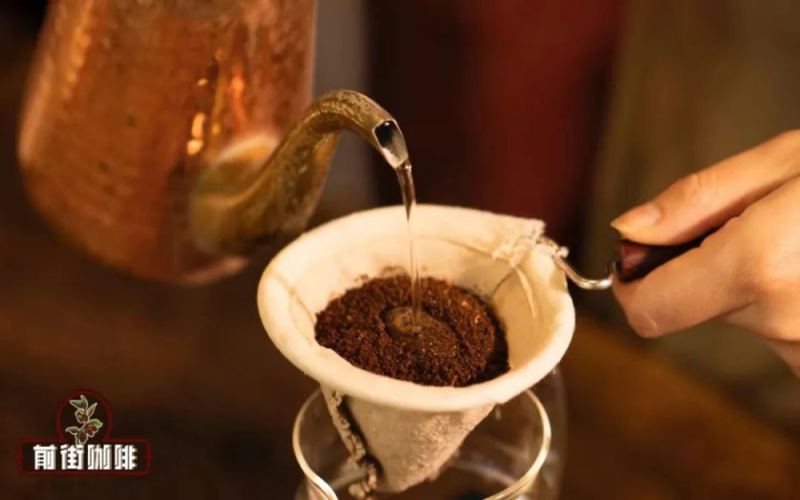
Comparison of the Three Major Japanese Dark Roast Brewing Methods: Principles and Operational Characteristics of Kono Drip, Matsuya-Style, and Volcano Brewing
Deep-roasted coffee beans are known for their rich, mellow bitterness, and the Japanese brewing tradition includes three classic methods designed specifically for such beans: the Kono drip method, the Matsuya-style brewing, and the volcano pour. Though they take different paths, their core goal is the same—to fully unlock the steady, grounded flavors of dark-roasted beans. The Kono method uses drip-style blooming to extend degassing time, the Matsuya style pursues stable extraction through ultra-high pouring and an extra-long bloom, while the volcano pour creates an erupting effect with segmented small-circle pours. All three generally use a higher coffee-to-water ratio, and some require bypass dilution. This article breaks down each method's origins, operating logic, and flavor profile one by one, and explains why these approaches are better suited to dark-roasted beans. [more…]
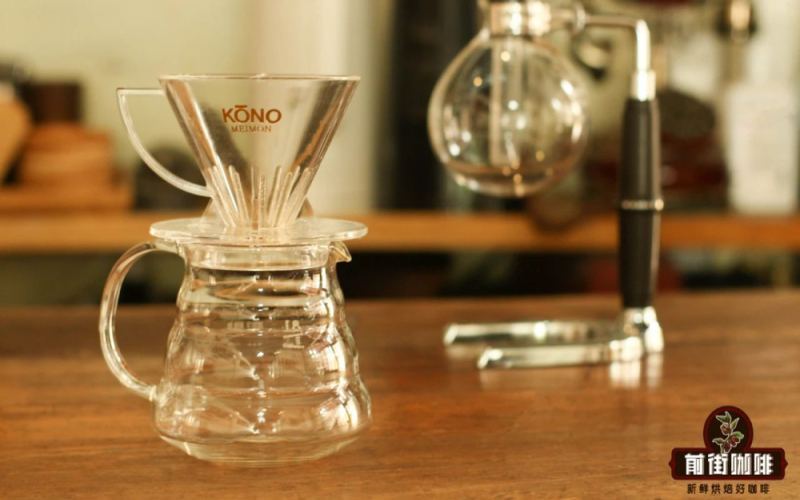
What exactly is drip coffee? A comprehensive analysis of drip coffee's characteristics, extraction methods, and brewing key points
In the world of coffee, brewing methods are incredibly diverse—instant, pour-over, and cold brew each have their own followers, and different methods deliver vastly different flavor experiences. Among the many extraction methods, drip coffee is the most common and easiest to master, and pour-over coffee is the most representative member of the drip family. This article will systematically outline the definition of drip coffee, its differences from and connections to pour-over coffee, and further introduce common extraction methods such as espresso, immersion, and decoction, while comparing the taste characteristics and suitable scenarios of different brewing methods to help coffee lovers find the cup that suits them best. [more…]
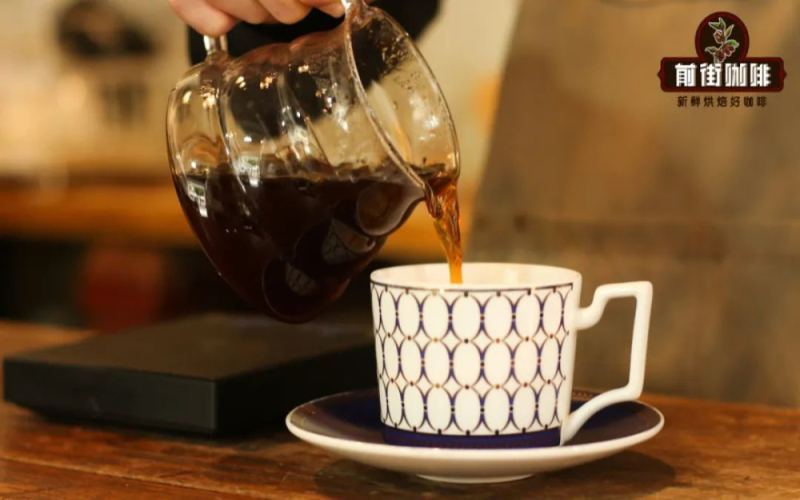
Why Does Front Street Coffee Stick with the Three-Pour Hand Brew? A Comprehensive Analysis of Its Pros and Cons Versus Single-Pour and Other Pouring Methods
Pour-over coffee brewing methods are endless: one-pour, 4:6, volcano, Kono style… Each method has its own unique expressiveness, bringing out different flavor emphases in coffee. Yet Front Street Coffee has always focused on three-stage brewing, which makes many coffee lovers curious: why not try other methods? This article starts from practical application, analyzes the fundamental reasons Front Street chose the three-stage method, and compares the advantages and differences between three-stage and pouring techniques such as the one-pour method, while retaining relevant product and store information for the Front Street brand, providing coffee lovers with a clear theoretical reference. [more…]
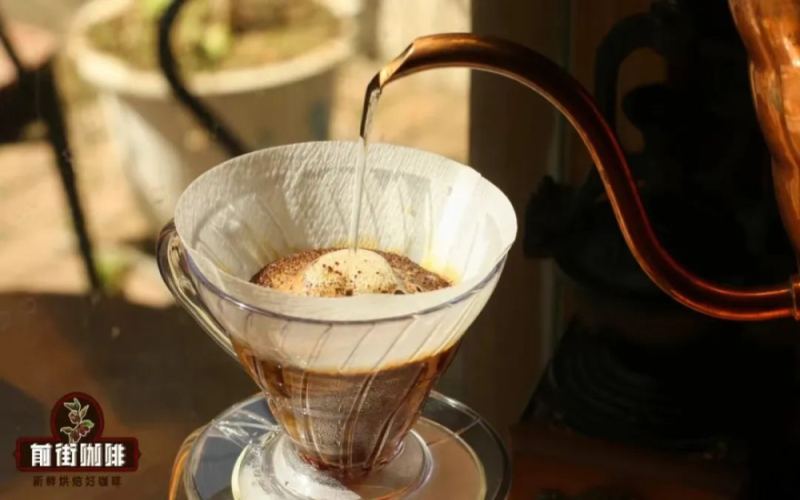
An Analysis of Seven Mainstream Pour-Over Coffee Brewing Methods: Characteristics and Differences of One-Pour, Three-Stage, 4:6, Volcano Pour, and More
In the world of pour-over coffee, different pouring techniques directly affect the interplay of key parameters such as water temperature, coffee-to-water ratio, extraction time, and grind size, thereby changing the amount of soluble substances extracted from the coffee and ultimately leading the same bean to present completely different flavor profiles. For this reason, every coffee enthusiast may choose a different brewing method based on personal taste preferences. At present, the more popular brewing schools in the pour-over field can be roughly divided into seven types. Front Street Coffee will sort through the core concepts, key operating points, and the unique expression each of these methods can give coffee one by one in this article, helping readers find the brewing logic that suits them best. [more…]
A Detailed Guide to Four Coffee Brewing Methods: Operational Essentials for Siphon, French Press, Pour-Over Drip, and Cold Brew Iced Coffee
To brew a cup of coffee with rich layers of flavor at home, choosing the right equipment and mastering the correct technique are equally crucial. This article systematically introduces four mainstream coffee brewing methods—the siphon (vacuum) coffee maker, the French press, the paper-filter pour-over dripper, and cold-water iced coffee—breaking down each one's equipment features, suitable grind size, coffee-to-water ratio, and detailed operating steps, along with practical tips. Whether you are a coffee enthusiast just starting out or an advanced player hoping to refine your technique, you will find a brewing method that suits you. The article also specifically recommends related products from Front Street Coffee to help you start your home coffee journey more easily. [more…]

2026 Best-Selling Specialty Arabica Coffee Beans Ranking: Ten High-Value Pour-Over Beans Tested and Recommended
Faced with the dazzling array of coffee beans on the market, consumers often find it hard to judge which one truly suits their taste based on评分表 alone. Rather than repeated trial and error wasting your budget, it's better to refer to a market-tested list of popular options. This article compiles the 2026 hot-selling list of specialty Arabica coffee beans, covering ten beans with distinctive characteristics, from Ethiopia's Huakui and Yirgacheffe, to Indonesia's Mandheling, Colombia's Huila, and Yunnan small-batch and classic Italian blends, each one annotated with roast level, flavor description, and suitable brewing methods. Whether you prefer bright fruity acidity or full-bodied sweet aftertaste, you can find a cost-effective choice suitable for pour-over, cold brew, or espresso in this list. [more…]

2026 Arabica Coffee Bestseller Roundup | How should beginners choose coffee beans? Which single-origin beans are rich in fruity aroma, and which pour-over beans are mellow with no acidity?
Whether coffee tastes good or not, professional baristas can use a scoring sheet to judge, but for us ordinary consumers, how good coffee tastes depends more on trying it ourselves. Unfortunately, there are so many types of coffee beans on the market that any keyword can pop up thousands of products, so it is easy to get dazzled. If you don't want to spend [more…]
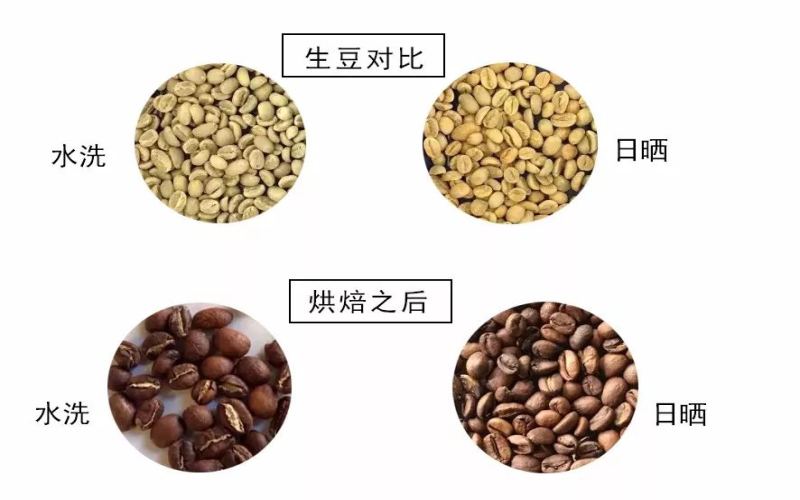
Beginner's Guide to Choosing Coffee Beans: Flavor Differences Between Natural and Washed Processing Methods and Key Brewing Points
Many friends who are just getting into single-origin coffee are amazed by the rich layers of flavor in the cup—some taste the refreshing quality of lemon tea, while others taste the sweetness of strawberry juice. Besides variety, origin, and climate, the processing method also plays a decisive role in the flavor a bean ultimately presents. From the perspective of Front Street, this article systematically explains the principles, steps, and flavor characteristics of the two basic processing methods, natural and washed, helping beginners distinguish the differences between green bean appearance and roasted bean differences, and gives brewing parameter suggestions for each of the two processing methods. The article also includes specific product recommendations such as Front Street Red Cherry, Front Street Blue Mountain No. 1, and Front Street Fruit Ding Ding, making it convenient for beginners to purchase as needed. [more…]

Types of Black Coffee | What is Japanese-style Coffee? What Are the Japanese Coffee Brewing Methods? What Are the Differences Between Japanese-style and Italian-style Coffee?
Coffee is a beloved beverage all over the world and the most popular drink globally. When it comes to dedication to coffee, Japan undoubtedly stands out, because Japan's coffee culture has a very long history, and Japanese coffee craftsmen are also highly dedicated. As another mainstream representative, [more…]
Common Home Brewing Methods: A Complete Equipment Guide from Espresso to Cold Drip
Making a good cup of coffee at home actually isn't that difficult. Front Street Coffee has recently welcomed many new customers who are no longer satisfied with just drinking coffee—they want to understand different extraction methods as well. This article systematically sorts through several of the most commonly used home brewing methods, including espresso, pour-over single-origin, drip bags, siphon, moka pot, cold drip, AeroPress, as well as a comparison of the French press and the Clever Cup, along with equipment lists, key operating points, and flavor characteristics, to help coffee lovers choose the method that suits their needs. [more…]
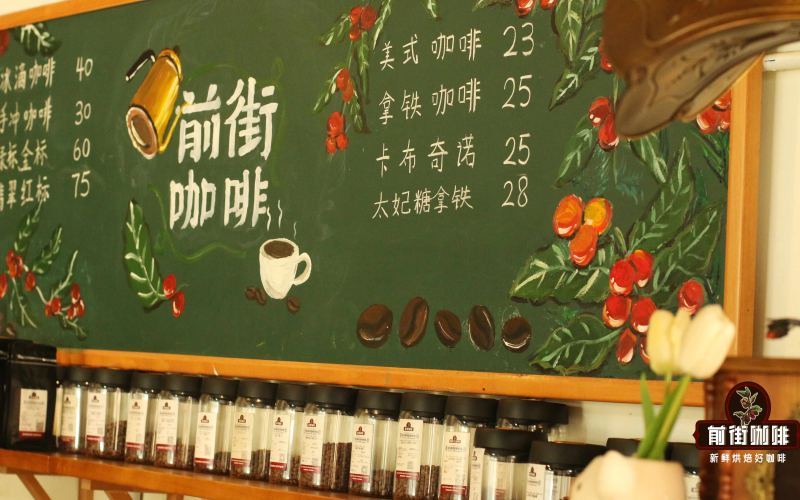
What's the difference between Japanese pour-over and espresso? A comprehensive comparison from brewing methods to coffee culture
Coffee is one of the most beloved beverages in the world, and Japan and Italy have each developed distinctly different coffee systems. Japanese-style coffee is known for extremely dark roasts and gentle, delicate pouring techniques; the Kono style, Matsuya style, and volcano style each have their own characteristics, all designed around how to extract rich, deep-roasted flavors. Italian-style coffee, on the other hand, began at the port of Venice in the 16th century, and through improvements such as the steam machine and the lever machine, eventually pushed espresso to the world and made it the core of the modern coffee system. Today, Front Street Coffee takes you through brewing methods, historical origins, and drinking habits to comprehensively sort out the characteristics and differences of these two major schools. [more…]
How Does Typica Differ from Catimor? A Comparative Analysis of the Varietal Flavors and Brewing of Yunnan Baoshan Coffee Beans
In the Yunnan coffee market, the Catimor variety accounts for the vast majority. To mask some of Catimor's inherent flaws, many producers turn to special processing methods to reshape the flavor, but Front Street Coffee has always held that relying on processing methods to alter coffee's performance is not a sustainable strategy—consumers mostly approach special processing methods with a curiosity for novelty, while traditional processing methods are what they are truly willing to accept long-term. If traditional processing methods are applied to Catimor, it can also present a pleasantly enjoyable cup after brewing. So how can the public be left with a good impression when drinking traditionally processed Yunnan coffee? The answer is to start from the source—the variety. At its Baoshan estate in Yunnan, Front Street primarily cultivates Typica, precisely in the hope of leading by example and driving a transformation in the image of Yunnan coffee. This article will compare the actual differences between the two varieties, Typica and Catimor, from multiple angles including cultivation yield, estate environment, and brewing flavor. [more…]
The Complete Guide to Home Coffee Brewing: A Detailed Explanation of Espresso, Pour-Over, Siphon, Moka Pot, and Other Common Methods
Want to easily make a good cup of coffee at home, but don't know which brewing device to start with? Front Street Coffee has recently welcomed quite a few new customers who are no longer satisfied with simply drinking coffee, but instead want to master different extraction methods. This article systematically sorts out commonly used home coffee brewing methods, covering espresso, pour-over single-origin, drip bags, siphon, moka pot, cold drip, AeroPress, French press, and the Clever Cup, along with equipment selection, operating points, and flavor characteristics. It also introduces the specific flavor performance of several of Front Street's espresso blends, helping coffee lovers, on the basis of understanding the principles, find a brewing solution that suits their own taste and pace. [more…]

Analysis of Six Classic Pour-Over Coffee Brewing Methods: Techniques and Flavor Differences from One-Pour to Stirring
The charm of pour-over coffee lies in its rich and varied brewing methods, with different techniques bringing out completely different flavor expressions. This article systematically sorts out six common pour-over techniques—one-pour flow, three-stage, four-six method, three-temperature brewing method, volcano pour, and stirring method—explaining in detail the operational key points, applicable scenarios, and flavor characteristics of each technique. From the logic of dividing pouring stages to extraction strategies based on water temperature changes, from adjusting grind size to the influence of stirring intensity on fine particle migration, the content balances theoretical principles with practical details. The article also specifically shares the three-stage brewing parameters used daily at Front Street Coffee, as well as the grinding solutions offered to address the easy over-extraction problem of the four-six method, making it suitable for coffee enthusiasts who wish to refine their brewing skills. [more…]
Yirgacheffe Washed vs. Natural Processing Methods Explained: Flavor Characteristics and Front Street Specialty Bean Brewing Guide
Yirgacheffe, as a star-producing region in Ethiopia, has always been a hot topic among coffee enthusiasts for the flavor differences between its washed and natural processing methods. The washed method centers on removing the skin and pulp, then rinsing with clean water and drying, resulting in clean, stable quality and bright floral notes; the natural method keeps the whole fruit for a long, slow drying process, giving the beans rich fruity aromas and a fuller body. This article will take a deep dive into the essential differences between the two processing methods, citing specific products such as Front Street Yirgacheffe, Front Street Guding, and Front Street Red Cherry to explain how to choose coffee beans based on flavor preferences, while also offering brewing parameter suggestions to help you easily brew a cup of coffee you love. [more…]
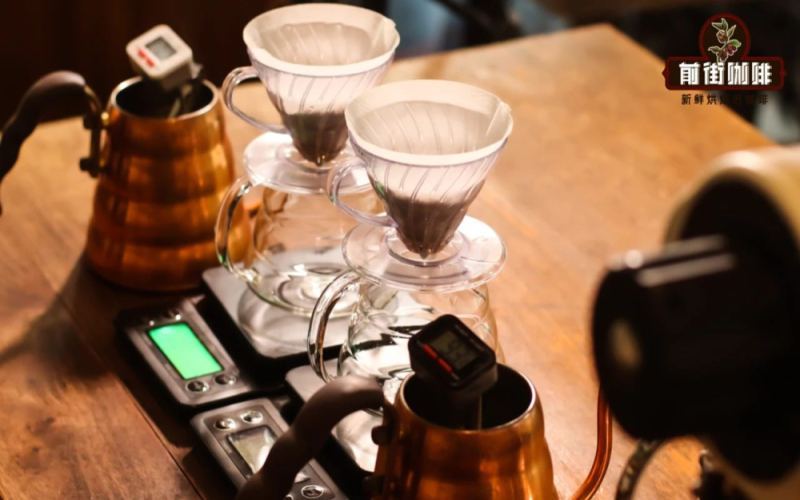
Pour-Over Coffee: One-Pour vs. Three-Pour Comparison — A Comprehensive Analysis of Steps, Ratios, and Brewing Methods
One of the charms of pour-over coffee lies in using different pouring techniques to bring out the diverse flavors of the same bean. Currently, the two most widely used methods—single-pour and three-stage—each have their own followers. Single-pour involves completing the target water volume in one go after blooming; it is simple to operate but extremely demanding on water flow stability and grind size. The three-stage method divides pouring into three phases, enhancing layering and compatibility through staged extraction. Using 15 grams of coffee and a 1:15 coffee-to-water ratio as an example, this article breaks down in detail the specific steps, pouring timing, and parameter requirements of both methods, and combines the brewing performance of Front Street Coffee Huakui and Colombia Huila Washed Caturra to help you find a brewing rhythm that suits you. [more…]
An In-Depth Analysis of Coffee Extraction: Concentration Measurement, Extraction Yield Conversion, and Calculation Methods for Various Brewing Devices
Coffee extraction is the key step that determines flavor. About 30% of coffee beans consists of soluble substances, including both aromatic components and mouthfeel-related compounds, and a higher extraction yield does not necessarily mean better quality. This article systematically introduces concentration measurement methods (refractometer, conductivity pen, evaporation and drying), explains the extraction yield conversion formula in detail, and provides specific calculation steps for different brewing devices such as immersion, pour-over, and espresso. It also includes the golden cup concentration recommendations from the SCAA and SCAE, as well as relevant product information from the Front Street Coffee brand, to help enthusiasts understand extraction more scientifically. [more…]
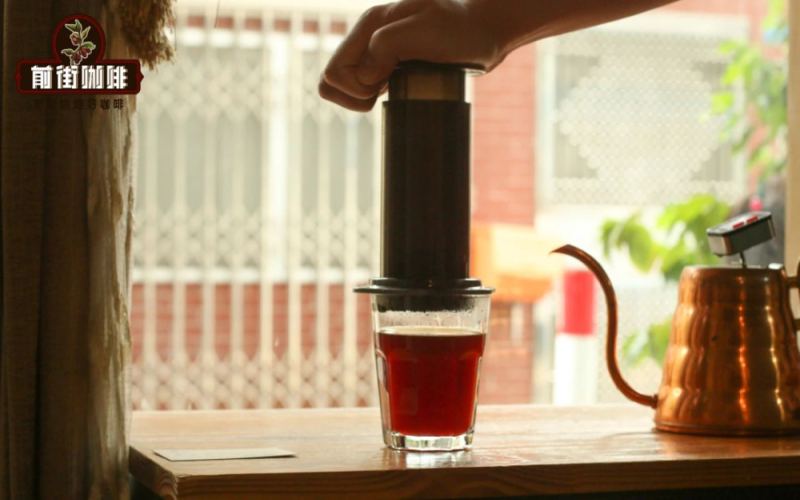
The Origins of the AeroPress | Why Is the AeroPress So Popular Among Coffee Lovers? What Flavor Characteristics Does AeroPress Coffee Have with Different Brewing Methods?
For more specialty coffee knowledge, please follow our WeChat official account: Front Street Coffee (FrontStreet Coffee). The AeroPress is not just a passing fad; its appearance is quite unlike typical brewing equipment, and the company that invented this brewing device doesn't even have coffee equipment as its flagship product. [more…]
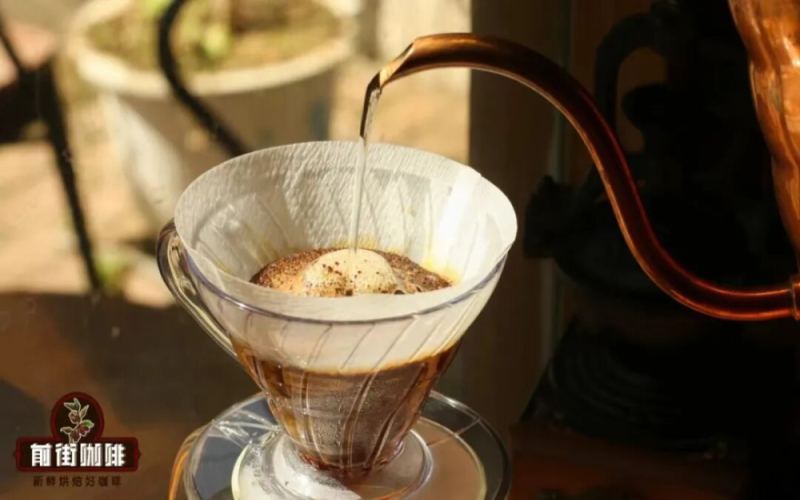
An Analysis of Seven Mainstream Pour-Over Coffee Techniques: A Full Reveal of Their Pros, Cons, and Flavor Characteristics
In the world of pour-over coffee, differences in brewing technique directly affect the final flavor expression in the cup. Some people prefer a light-bodied style with bright acidity, while others pursue an experience with a prominent, rich sweetness. Compiled by Front Street Coffee, this article systematically reviews seven currently mainstream pour-over brewing methods, including the single-pour method, the three-stage pour, the 4-6 method, the volcanic pour, variable-temperature brewing, the stirring pour, and the drip method. It analyzes each technique one by one in terms of operational characteristics, flavor tendencies, and suitable scenarios, helping coffee enthusiasts choose the brewing strategy that best suits their needs. [more…]
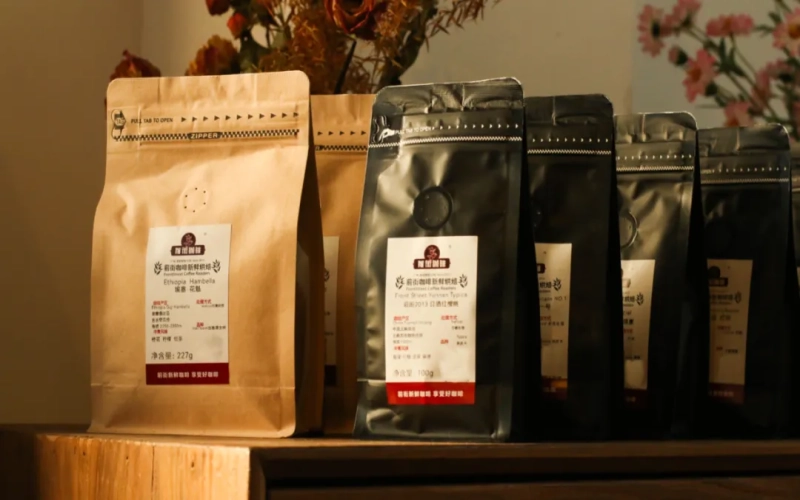
How Should Coffee Brewing Parameters Be Adjusted for Different Processing Methods? An Analysis of Water Temperature and Grind Differences for Natural, Washed, and Anaerobic Coffees, and Why Anaerobic Beans Drain Fast
When faced with coffee beans processed in different ways, is it necessary to design a separate brewing recipe for each one? Front Street believes that rather than recording tedious parameters one by one and bearing the high cost of trial and error, it is better to categorize beans by processing method or roast level and use a single recipe with a broad coverage range. This article focuses on three processing methods—natural, washed, and anaerobic—explaining the differences in their flavor expression, as well as the targeted adjustments that can be made during brewing, including the thinking behind setting water temperature, coffee-to-water ratio, grind size, and extraction time. The article also specifically explains why anaerobically processed coffee drains faster, and how to ensure full extraction by grinding finer or switching to a slower-flow filter basket. All parameters are based on medium-light roasted beans, with adjustment suggestions for medium-dark roasted beans included. [more…]