







Want to easily make a good cup of coffee at home but don't know which device to start with? Front Street Coffee has recently welcomed many new customers who are no longer satisfied with simply drinking coffee but want to master different extraction methods. This article systematically organizes common home coffee brewing methods, covering Espresso, Hand Drip single-origin, Drip Bag, Syphon, Moka Pot, Cold Brew, AeroPress, French Press, and Clever Coffee Dripper, along with equipment selection, operational key points, and flavor characteristics. It also introduces the specific flavor profiles of several Front Street espresso blend beans, helping coffee enthusiasts find a brewing method that suits their taste and pace based on understanding the principles.
Front Street Coffee's stores have recently seen many new faces. These customers' interest in coffee is no longer limited to drinking it; they also want to understand various extraction methods. For Hand Drip coffee, the operational threshold is relatively low. Unlike espresso machines, which are both expensive and space-consuming, you only need a few simple pieces of equipment to make a cup of coffee that rivals a café's quality. Today, Front Street Coffee will walk you through several common home coffee brewing methods.
As coffee culture becomes increasingly widespread, many people have already experienced the charm of freshly ground coffee. Various coffee devices keep emerging on the market, allowing ordinary people to easily make a decent cup of coffee without leaving home.
Front Street Coffee has always believed that making coffee at home is not as difficult as imagined, and the equipment needed can be very basic. Most devices are priced within what most people can afford. Of course, some methods demand more from equipment and practice time, such as espresso—just a qualified Espresso may require repeated practice to produce consistently.
Front Street Coffee first lists several common home brewing methods and corresponding equipment, generally including: Hand Drip, Syphon, Moka Pot, Press Pot, Aero Press, Clever Coffee Dripper.
There are also common devices such as the Belgian coffee maker, Turkish coffee pot, Vietnamese drip filter, and Cold Brew. However, considering operational complexity or taste acceptance, they are not among the most commonly used choices, so Front Street Coffee will not elaborate on them here.
Espresso
Espresso is the fastest-extraction type of coffee, and its equipment is the most expensive, ranging from over ten thousand yuan to several hundred thousand yuan—equivalent to placing a car on your tabletop.
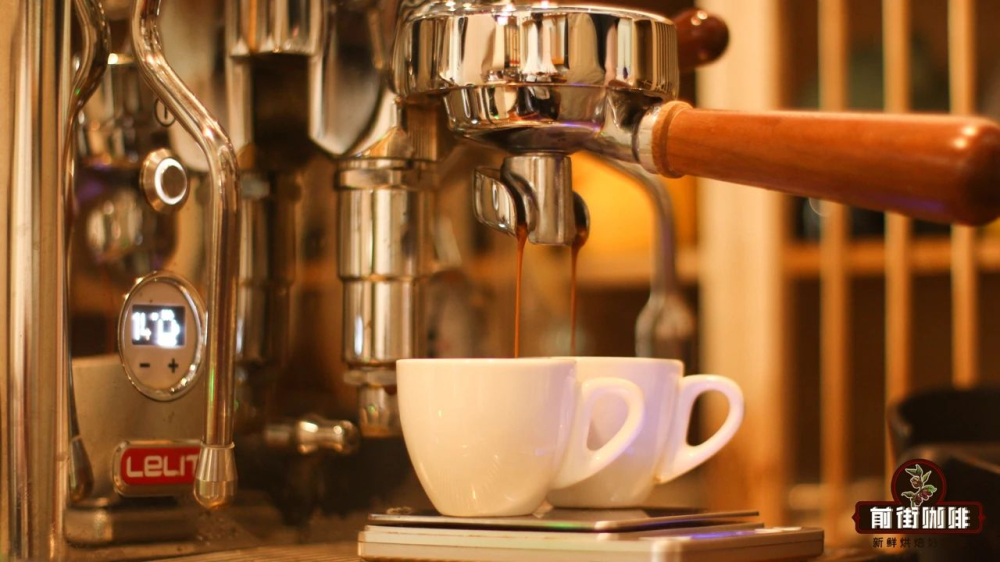
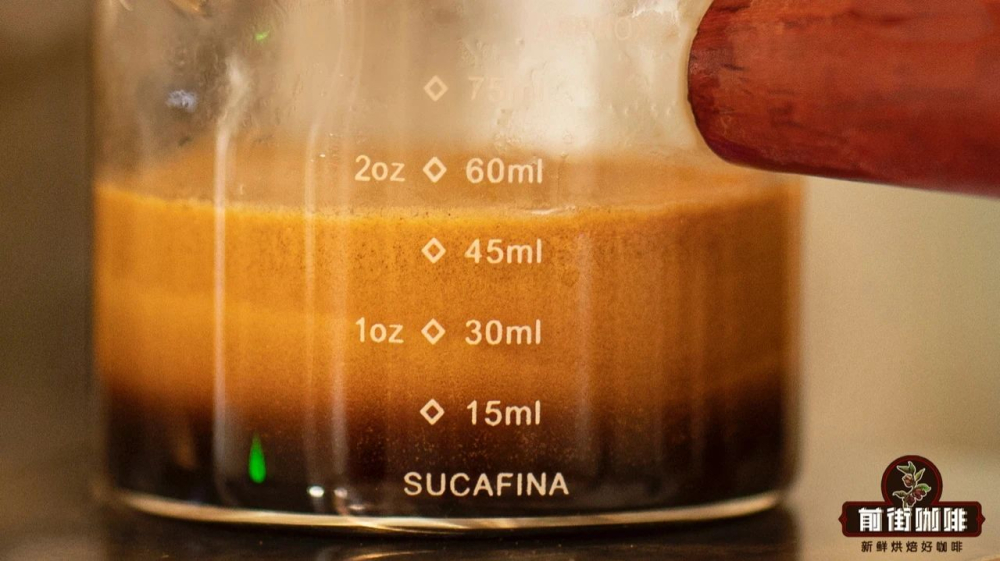
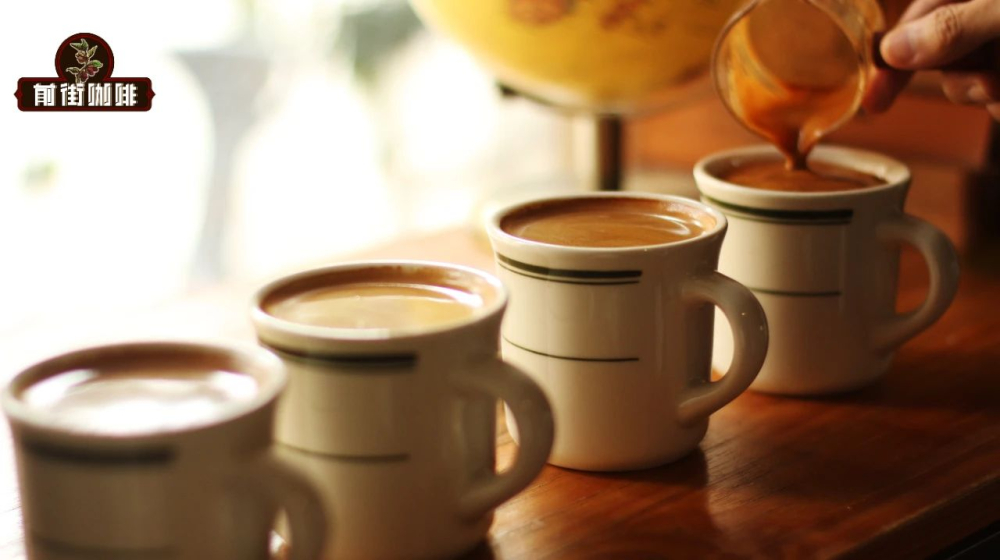
It is made by forcing approximately 94°C hot water through a compacted puck of coffee grounds at about 9 bars of pressure. A cup is typically only 30 milliliters, topped with a layer of reddish-brown foam called Crema. It features fast production and high concentration, and must be made with a dedicated machine.
When coffee grounds come into contact with 94°C hot water, they release carbon dioxide as well as oils and aromatic compounds—the essence of the coffee grounds. Carbon dioxide itself has gas pressure, and water has surface tension. The high-pressure water at 9 bars happens to possess gas pressure equal to that of the carbon dioxide, so the water can envelop the carbon dioxide—the essence of the coffee beans—thus forming Crema.
【 Espresso Equipment 】
Espresso machine: divided into household and commercial types.
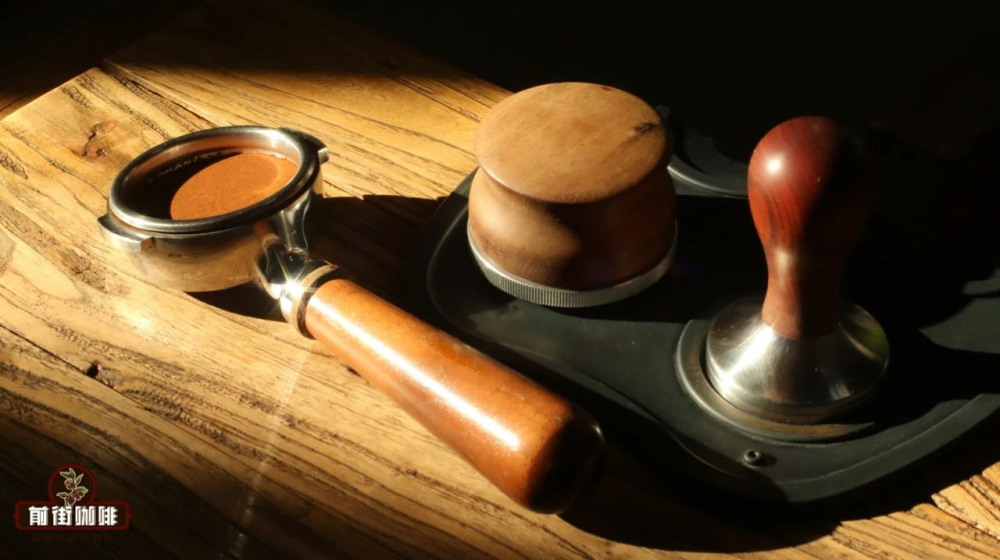
Grinder: the choice of burr type is crucial. The grinder's importance even exceeds that of the coffee machine itself, directly affecting the quality of the ground coffee.
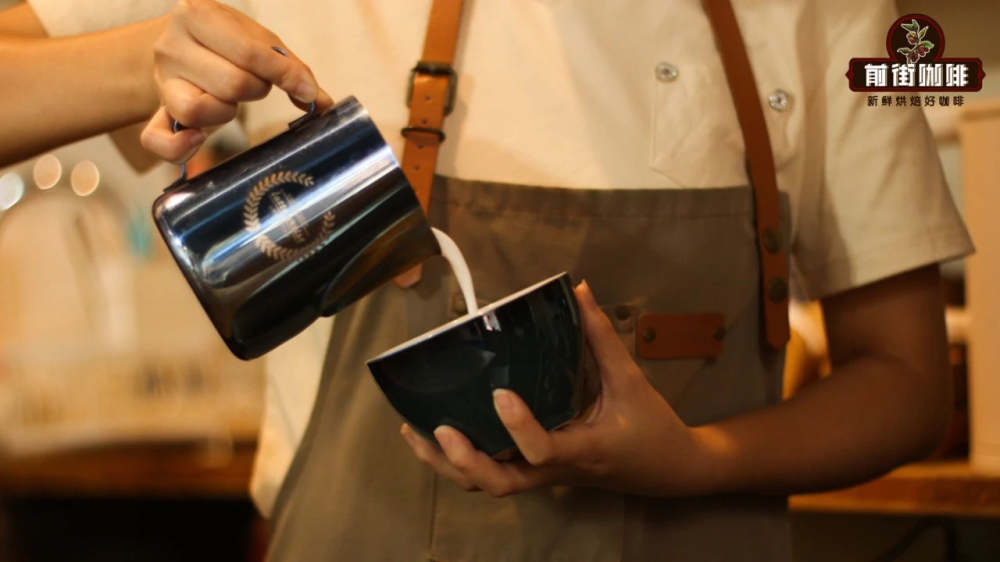
Milk frothing pitcher: essential for frothing milk and latte art. It is recommended to choose one that is twice the capacity of your coffee cup.
Thermometer, measuring cup, timer: because extraction is extremely fast, slight data deviations will noticeably change the coffee's flavor.
【 Espresso Characteristics 】
Extremely fast extraction: a cup can be produced in an average of 30 seconds. The steps are concise and easy to standardize into an SOP (Standard Operating Procedure), making it almost the preferred brewing method for all chain coffee brands.
Varied: in Italy, drinking espresso directly is very common (according to statistics, Italians drink an average of 7 cups of different coffee forms per day). In China, espresso is mostly consumed as lattes, macchiatos, cappuccinos, and other fancy coffee drinks.
Expensive equipment: compared to technique, espresso relies more on equipment. Unlike Hand Drip coffee, a machine with poor components such as the boiler will struggle to make a good Espresso.
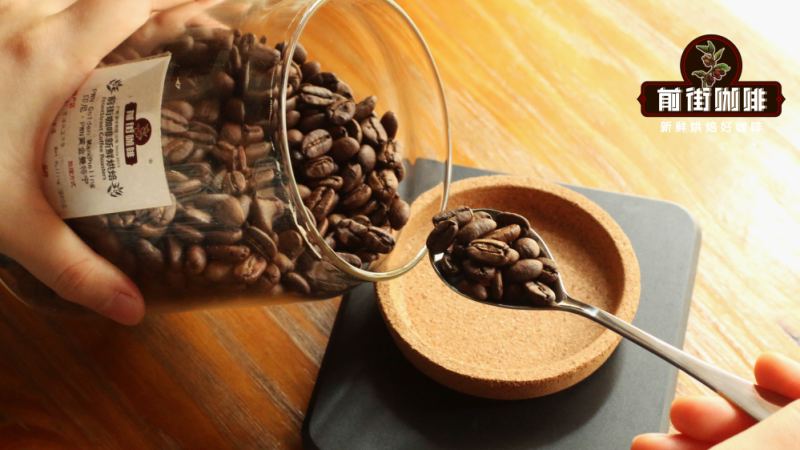
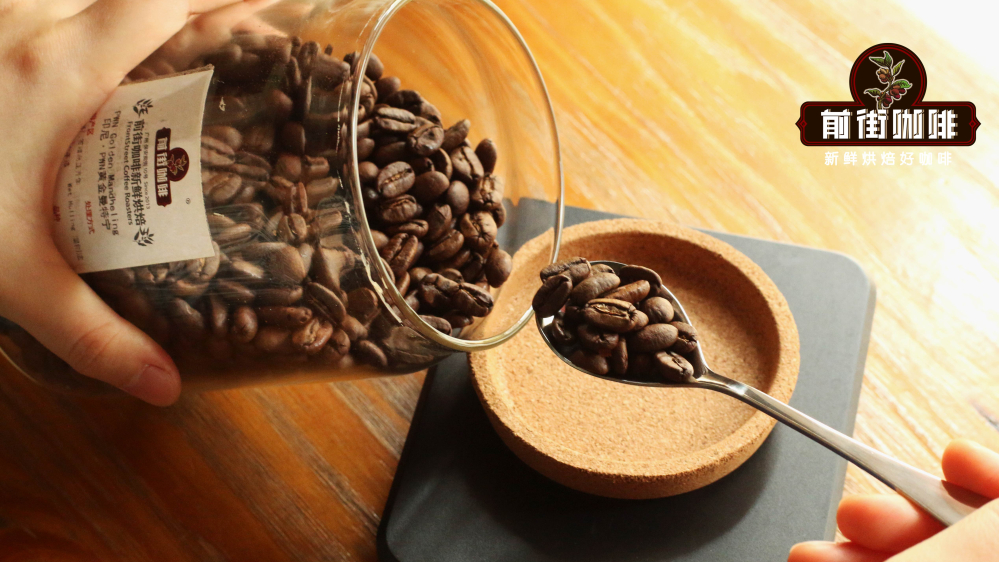
Cannot express coffee bean characteristics: espresso pursues rapid extraction, which to some extent erases the original uniqueness of the coffee beans. Nowadays, many shops choose to roast their own beans or blend them into comprehensive coffee beans to showcase their own espresso characteristics. Front Street Coffee currently has four espresso beans with different flavor profiles.
【Espresso Characteristics】
1. 【Specialty Blend】, using a 3:7 ratio of Colombian and Brazilian beans. Flavor characteristics: comfortable bittersweet taste, extremely smooth on entry; with a faint grassy aroma, light and slightly bitter; sweet and smooth, with a refreshing aftertaste.
2. 【Sunflower Warm Sun】, using a 6:4 ratio of Honduras Sherry and Yirgacheffe Red Cherry. Flavor characteristics: noticeable fruit acidity, a faint berry aroma lingering, rich wine and chocolate flavors, with a comfortable sweet aftertaste.
3. 【Commercial Blend】, using Colombian, Brazilian, and Robusta at a 3:6:1 ratio. The Crema will be richer, with a classic taste featuring caramel sweetness, nutty and cocoa-like, dark chocolate flavors, balanced acidity and sweetness, slightly bittersweet, with a lasting finish.
4. 【The Espresso Bean Recommended by Many Baristas—Front Street Black Cocoa Blend】, using a 3:7 ratio of Yunnan and Brazilian beans. Flavor characteristics: soft fruit acidity, caramel sweetness, nutty and dark chocolate flavors, smooth and viscous, but with a relatively light taste.
Hand Drip Single-Origin Coffee
At a time when various coffee machines are blooming everywhere, Hand Drip coffee—with its simple equipment and emphasis on hands-on technique—is like a clear stream returning to authenticity. It spread from Japan, which pursues refined culture, and has fascinated many coffee connoisseurs and lifestyle enthusiasts.
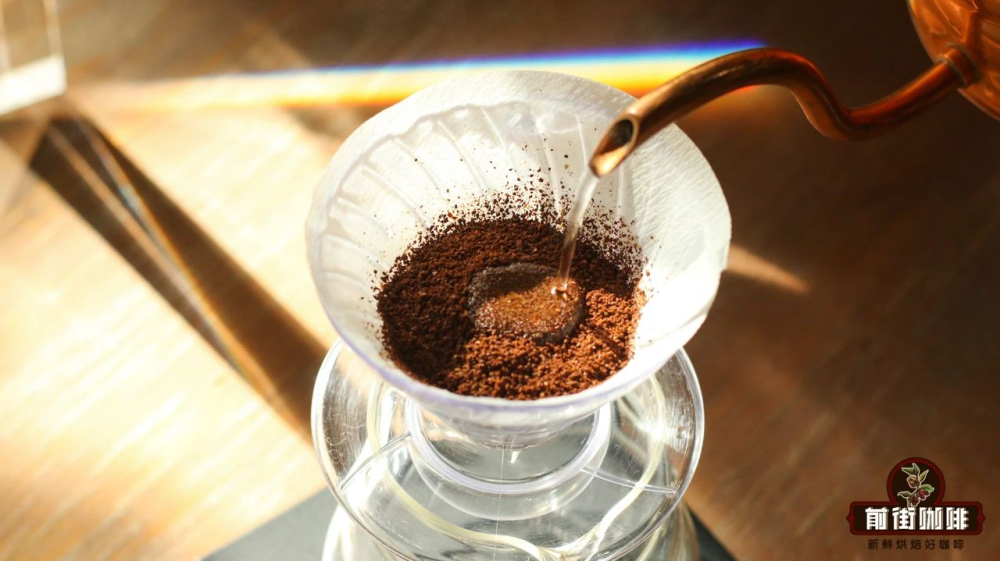
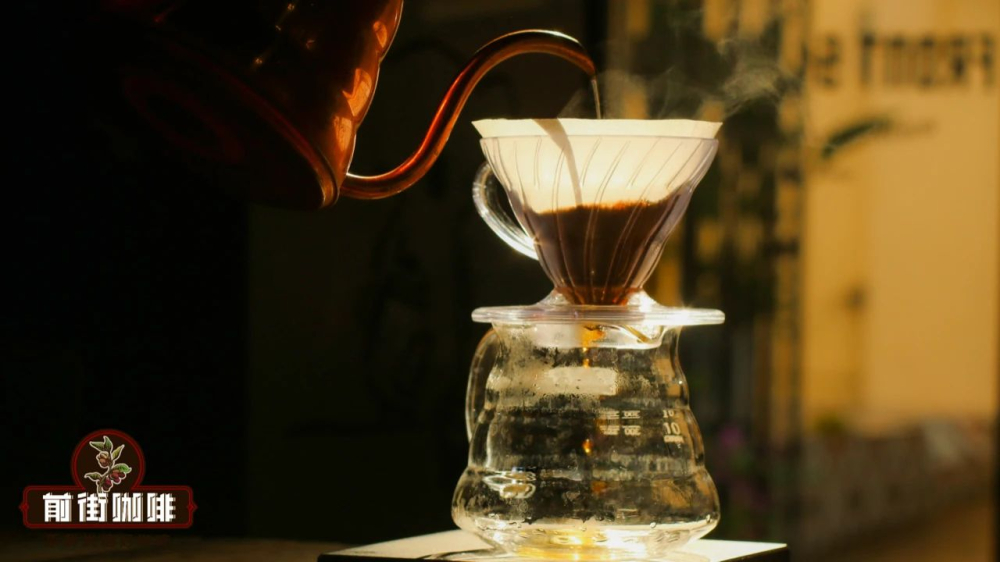
Hand Drip coffee, as the name suggests, is pouring hot water over coffee grounds and extracting coffee liquid through a filter paper and dripper. The whole process lasts about 2 minutes. Since the flow rate, direction, and temperature of the hot water are all controlled by the brewer, the flavor of the coffee made each time is almost always different. Although the equipment is not complicated, it greatly tests technique and experience.
【Hand Drip Coffee Equipment】
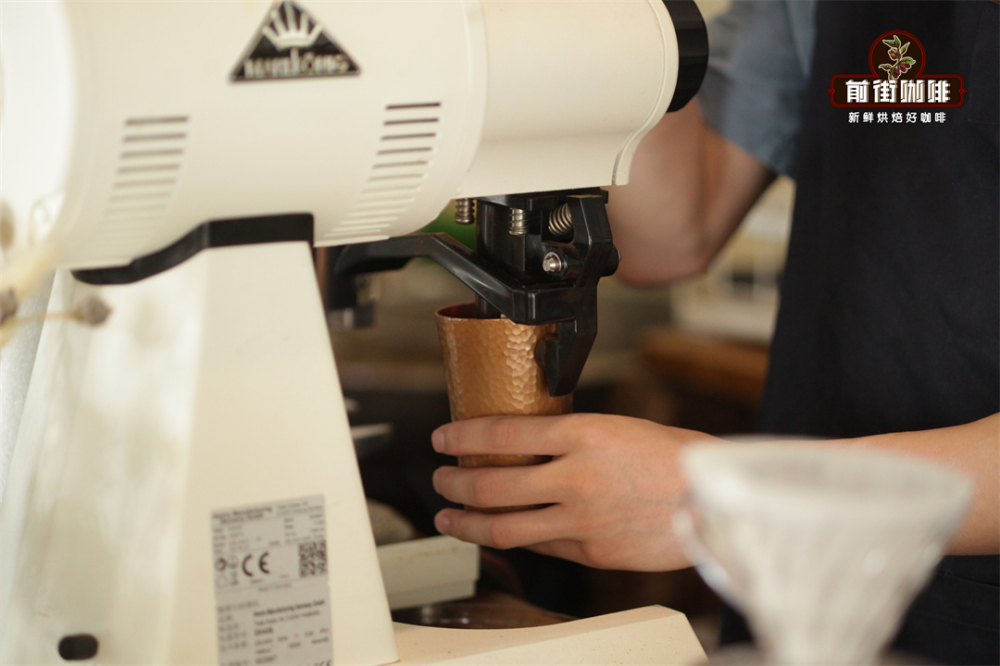
Grinder: freshly ground coffee is the freshest, and the particle size and uniformity of the coffee grounds are also key to affecting Hand Drip flavor. The suitable particle size for Hand Drip is roughly equivalent to No. 2 granulated sugar. The more uniform the particles, the better the taste of the brewed coffee.
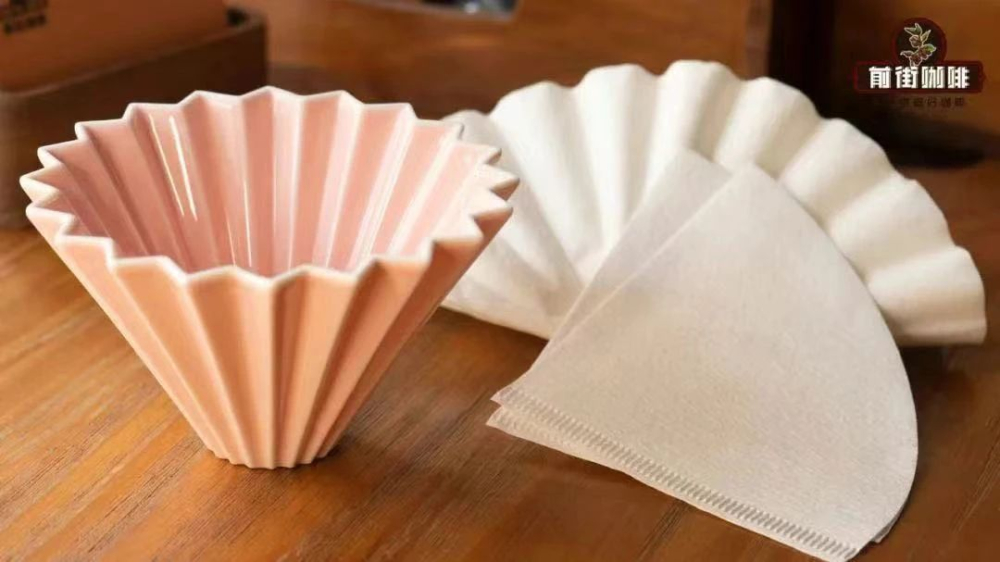
Filter paper: different drippers have their own matching filter papers. Filter paper can absorb some of the coffee's off-flavors and oils. Unbleached filter paper may carry a papery taste, so the filter paper needs to be rinsed before brewing. Front Street Coffee uses the acid-washed bleached filter paper produced by Kono shown below; whether or not to rinse the filter paper makes little difference.
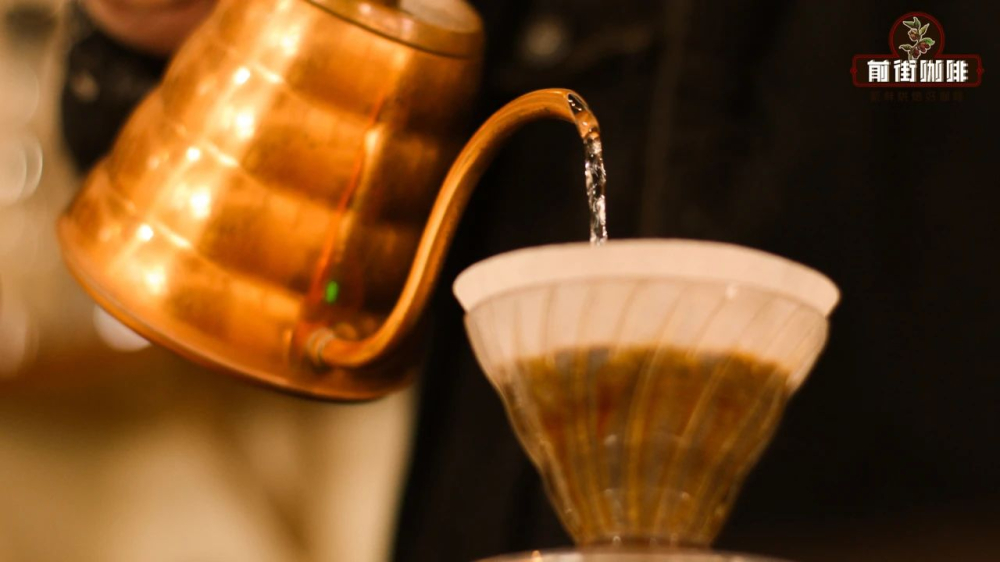
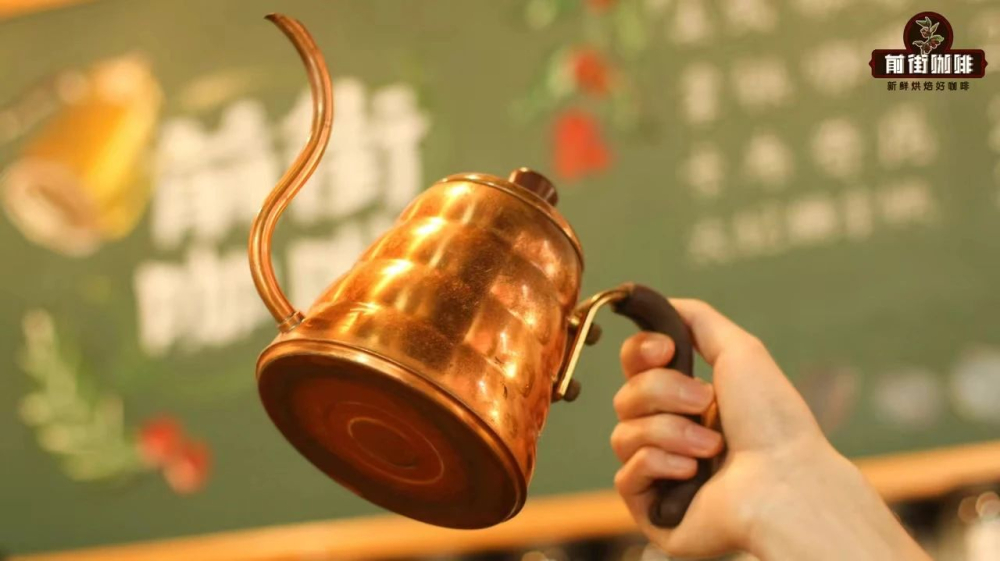
Pour-over kettle: there are various sizes and materials of pour-over kettles on the market, and you can choose according to your needs. What affects the brewing result more is the spout size, as it relates to the water flow rate. Beginners are generally advised to use a narrow-spout kettle (as shown below), which is easier to control. In addition, each pour-over kettle is suitable for different heating methods (induction cooker or gas stove), so pay special attention when purchasing.
Dripper: drippers vary in size and material and are mainly divided into three shapes: fan-shaped, cone-shaped, and wave-shaped. The size of the dripper's bottom opening affects the flow rate of the extracted coffee, which in turn affects the coffee's flavor.
The fan-shaped dripper has a small opening and slow flow rate, resulting in a fuller body; the cone-shaped dripper has a large opening and fast flow rate, resulting in a lighter body; the wave-shaped dripper has a flat bottom and pairs with special wave-shaped filter paper, producing the most even-tasting coffee.
Server and coffee cup: used to hold the filtered coffee. It is best to preheat them to maintain the coffee's temperature.
Auxiliary equipment: a digital scale, thermometer, and timer can make the coffee brewing process more accurate.
【 Hand Drip Coffee Characteristics 】
Fast and efficient extraction: compared to other coffee brewing methods, Hand Drip coffee continuously has fresh hot water passing through the coffee grounds during extraction, resulting in a faster extraction rate and the ability to extract more substances from the coffee surface. But because of the speed, poor control may lead to over-extraction. This is the same principle as searing fish on high heat in a frying pan—the fish has a large heated surface area, but poor control may burn it.
Many influencing factors: although it is only a process of a few minutes, factors including water flow rate, water temperature, coffee ground particle size, dripper shape, etc., all affect the final flavor of the coffee. Thorough research and preparation are needed before brewing.
Diverse coffee flavors: coffee brewed under different conditions tastes different, and different types of beans suit different conditions.
Reading this, you might think Hand Drip coffee is complex and technique-sensitive, and perhaps not so easy to get started with. That's right—Hand Drip coffee is certainly harder than using a coffee machine. But Front Street Coffee believes that Hand Drip coffee is like buying flour and kneading dough yourself: every detail can be controlled by you, and the coffee you finally brew is naturally unique. And by adjusting each variable, you can explore all the possible tastes of coffee—that is the charm of Hand Drip coffee!
Simple Hand Drip—Drip Bag Coffee
A mini version of the Hand Drip method: convenient, fast, and inexpensive. Although it cannot express as many aromatic notes as Hand Drip coffee, it can maintain a certain coffee flavor, making it an ideal choice for a single-origin coffee when you're busy.
【Drip Bag Coffee Brewing Method 】
Taking Front Street Coffee's drip bag coffee as an example, the coffee powder weight is 10g.
Tear open the outer packaging bag, take out the drip bag inside, tear open the opening of the drip bag, and pull the two small ears on both sides apart to hang on the cup.
Try to choose a cup with a not-too-large rim; otherwise, the two ears of the drip bag may not hold. The cup Front Street Coffee uses has a rim diameter of about 8-9cm.
The brewing technique for drip bag coffee is actually the same as Hand Drip coffee, just not as rigorous. But basically, water temperature, blooming, and circular pouring are still required. You can refer to Front Street Coffee's parameters for brewing drip bag coffee: water temperature 90°C, bloom for about 10s, and the bloom water amount equal to the coffee powder amount.
After blooming ends, pour water directly until finished. If you want to be more particular, you can pour in two stages. The amount of water is determined by the cup you choose. Front Street Coffee chose a 300ml glass cup, pouring in a small circular stream, and stopping when the water reaches 7/10 of the cup.
After brewing, remove the drip bag. It cannot be reused after one brew because the substances in the coffee grounds have already been extracted. Brewing again would yield nothing to extract, and the taste would be very watery. Don't feel it's wasteful to brew only once—the drip bags sold on the market now basically guarantee fresh grinding, and the price is very reasonable.
If you like it iced, you can add some ice cubes, or add milk!
Syphon Coffee
The Syphon, originating in Germany, is a tool that uses the pressure generated when water boils to brew coffee. Its structure consists of upper and lower chambers connected by a tube. The lower chamber filled with hot water is first heated with an alcohol lamp or gas burner. Since under 1 atmosphere of pressure, the volume ratio of 1 gram of liquid water to 1 gram of water vapor is 1:100, when the volume of water vapor in the lower chamber increases with temperature, it can easily push the liquid water through the tube into the upper chamber containing the filter cloth and coffee grounds, and the water will continue to be supported in the upper chamber by the endless supply of water vapor.
When heating stops, the air in the lower chamber gradually cools and contracts. The coffee liquid that has soaked in hot water in the upper chamber, having lost the support of the lower chamber's water vapor, flows back down into the lower chamber, while the coffee grounds are blocked by the filter cloth and remain in the upper chamber. Finally, remove the upper chamber and you can enjoy the coffee collected in the lower chamber.
【Syphon Equipment 】
【Syphon Coffee Characteristics 】
Rich body: combines the richness of espresso with the layering of Hand Drip, suitable for brewing single-origin coffee.
Beautiful equipment: brewing equipment resembling alchemy or a science experiment also serves as an alternative decoration and display of taste in a room.
Difficult to operate: because water that is too hot will scorch the coffee grounds and cause bitterness, long soaking will produce astringency, and over-stirring will bring out sourness, the Syphon is a tool that requires considerable experience to use properly.
Moka Pot Coffee
The Moka Pot, also known as the stovetop Italian coffee maker, uses basic physical principles to brew a perfect cup of coffee. The Moka Pot is divided into three compartments: one for water, one for coffee grounds, and one for the brewed coffee.
The Moka Pot is placed on a stove and heated, causing the water to produce steam, which increases the pressure in the bottom compartment, pushing the water up through the fine coffee grounds and finally into the upper compartment. When the coffee fills the upper compartment, it can be poured out. The pressure in the Moka Pot's internal compartments is relatively low, accumulating only to 1.5 bar, far below the 9 bar pressure reached by traditional Italian coffee machines. However, this coffee pot's simple design and ability to brew decent coffee have made it widely popular among ordinary people.
Alfonso Bialetti invented the Moka Pot in the 1930s, said to be inspired by observing his wife doing laundry. Early washing machines had a bucket of soapy water that had to be boiled over a fire first. Then the water would be pushed out through a tube and poured onto the dirty clothes. Bialetti's coffee pot applied the same principle, and his design remains largely unchanged to this day. Since its introduction in 1933, the Moka Pot has sold 300 million units worldwide, becoming an essential piece of equipment for coffee lovers around the globe.
【Moka Pot Equipment】
The lower chamber holds water, and the protrusion on its outer edge is the pressure relief valve. The filter basket holds coffee grounds. The upper chamber holds the brewed coffee.
【 Moka Pot Characteristics 】
Strength: between espresso and Syphon coffee.
Portable: essential for those who love hiking and outdoor adventures—durable and impact-resistant, and capable of brewing decent coffee. There's nothing better than a good cup of coffee amid beautiful mountain scenery. The marks on it are the struggles it has been through with you.
Safety: due to the pressure, pay attention to controlling the alcohol lamp flame during brewing, and the water in the lower chamber must not submerge the pressure relief valve.
Cold Brew Coffee
Cold Brew coffee is a coffee brewed with time. Coffee brewed at different water temperatures tastes different, and at low temperatures, the astringent substances in coffee are less likely to dissolve out. Extracted with ice water over a long period, then placed in the refrigerator to ferment after extraction, slightly fermented Cold Brew coffee carries a faint fermented aroma, and its body tends to become fuller.
【Cold Brew Coffee Preparation】
The top of the Cold Brew tower is where ice cubes and water go; the ratio of ice to water is 1:1;
The middle section holds coffee grounds; the ratio of coffee grounds to ice-water mixture can be 1:10 to 1:12;
The bottom is the container that collects the coffee liquid.
① When pouring the grounds into the filter basket, remember to level them out. You can also press them down appropriately, but remember not to press too hard! Because the weight of the tamper itself is already sufficient. Moreover, the purpose of tamping is only to level the grounds, not to compact them. Without tamping, water will easily float the grounds when poured; but pressing too hard will prevent water from going through and easily create channeling.
② Remember to place a piece of filter paper on the surface of the grounds. Because the tension of the filter paper allows water to distribute evenly. Without filter paper, prolonged dripping will create a pit in the coffee bed.
③ Remember to perform "pre-infusion." Pre-infusion is similar to the blooming process in Hand Drip. This can improve extraction efficiency and consistency of the final product. If you skip it and go straight to cold dripping, it may cause uneven extraction in the coffee bed—some coffee grounds over-extracted while others do not participate in extraction at all.
④ After making it, don't rush to enjoy it! Pour the coffee into a sealed glass bottle and place it in the refrigerator to ferment for at least one night, allowing the coffee's flavors to meld together for a better and more approachable taste.
AeroPress
Chamber, filter cap, plunger, funnel, filter paper and filter paper holder, stirrer.
【 How to Use 】
The AeroPress generally has two pressing methods: standard (upright) and inverted.
Standard pressing means placing the AeroPress chamber on a cup, adding coffee grounds and a certain ratio of hot water, stirring, then inserting the plunger and pressing down. This brewing method filters while extracting during the pouring process, so the body and flavor may be slightly thin.
Inverted pressing is a relatively common brewing technique. First, assemble the plunger with the chamber, place it upside down, add the grounds and hot water, and stir. When the time is up, put on the filter cap, carefully and quickly flip the AeroPress over and press down. Since inverted pressing involves a soaking process, the extraction is more complete compared to standard pressing. The flavor expression is also fuller.
Parameters: 15g beans, grind size (70% passing rate through China Standard No. 20 sieve), water temperature 88°C, 1:15 coffee-to-water ratio.
Technique: Pour in 15g of coffee grounds, add 40g of water and stir well (because the chamber is narrow, coffee grounds may remain at the edges, so add a bit more water to allow the grounds in the corners to absorb water fully). After 30 seconds, add water to 227g, stir again to help the coffee grounds continue degassing. At about 1 minute 30 seconds, flip over and press. Pressing and extraction takes about 30 seconds. If you find the taste a bit strong, you can dilute it with water.
The charm of the AeroPress lies in its simple preparation, clean taste, and the ability to make various adjustments according to our preferences. It first soaks through pouring water, then relies on a certain pressure to push the water mixed with coffee through the filter for extraction. Since the filter paper has a certain density, those particles that do not dissolve in water are filtered out, leaving behind clean-tasting coffee. And because its extraction method is mainly soaking, the extraction is more balanced, and the sweetness is more pronounced.
French Press & Clever Coffee Dripper
【Differences Between French Press and Clever Coffee Dripper】
1. Material: 【French Press】glass; 【Clever Coffee Dripper】PCT material.
2. Shape: 【French Press】cylindrical; 【Clever Coffee Dripper】trapezoidal.
3. Pouring method: 【French Press】use the plunger to press the coffee grounds down, then pour the coffee from the spout; 【Clever Coffee Dripper】place on a server, the valve opens, and the coffee flows out from the bottom.
Front Street Coffee selected a bean from Honduras Sweet Orange Estate for a demonstration comparison.
【French Press】Technique: Pour water directly to 229g, wait 3 minutes 30 seconds then press, total time ends at 3 minutes 52 seconds.
Flavor: brown rice, passion fruit, lime, berries, honey, nuts. Overall smooth body, like the rich mouthfeel of fruit juice, with balanced acidity and sweetness.
【Clever Coffee Dripper】Technique: Pour water directly to 225g, wait 3 minutes 30 seconds then press, total time ends at 4 minutes 04 seconds.
Flavor: brown rice, vanilla, lemon, nuts, orange, citrus, plum. Overall clean taste, distinct layering, and long finish.
The biggest difference between the 【French Press】and the 【Clever Coffee Dripper】is their mouthfeel. The 【French Press】extraction looks a bit cloudy. Many friends think the coffee cup is contaminated, but it's actually the coffee oils, which enhance the richness of the mouthfeel. So coffee extracted with a 【French Press】is often smoother. The liquid extracted by the 【Clever Coffee Dripper】is cleaner and more transparent, and the flavor when drinking is also clean, clear, and more distinctly layered.
So why does the 【French Press】have oils while the 【Clever Coffee Dripper】doesn't? That's because their pouring methods differ. First, the 【French Press】uses a metal filter plus filter paper, and the plunger presses the coffee grounds from top to bottom, which slightly increases the extraction rate. Then, the coffee liquid is poured from the spout; the oils that originally floated on the surface of the coffee also flow into the server with the water. The plunger's stainless steel filter plus filter paper doesn't actually filter tightly, so some coffee grounds also flow out with the water. The coffee oils add richness and smoothness, and make the flavor softer and more balanced.
Other Brewing Methods 【 Drip Coffee Machine & Fully Automatic Coffee Machine 】
The most common coffee machine, simple to operate—basically anyone can use it. Compared to other brewing methods, the coffee quality is relatively poor, with a one-dimensional, monotonous taste.
【 Capsule Coffee Machine 】
No matter how impressive formula powder is, it will never taste as good as fresh milk. That's a matter of logic. Don't be brainwashed by that evil Nestlé brand.
【 3-in-1 Coffee, Instant Coffee 】
Actually, whether the ingredients of many instant coffees are "coffee" and what proportion is "coffee" may need to be questioned. Even if it is real coffee, the vast majority is made from low-quality coffee beans—it's a cost-effectiveness issue, after all. Low-quality coffee beans branded and packaged can actually sell for about the same price as fresh coffee beans?
Conclusion
The knowledge of coffee is profound, even more complex than red wine. Different bean varieties, origins, estates, coffee bean processing, roasting methods, and brewing methods evolve into tens of thousands of different coffee flavor variations. But actually, as long as you buy a cup of coffee you've never tried every day and repeatedly experiment, you can gradually become a little coffee expert yourself. Never sacrifice the joy of exploration in life for temporary convenience while drinking bad coffee.
For more specialty coffee beans, please add the private WeChat of Front Street Coffee: WeChat ID: kaixinguoguo0925
The above content is compiled by CoffeeHunters, a coffee news website.


