







Search Results for: Coffee Belt
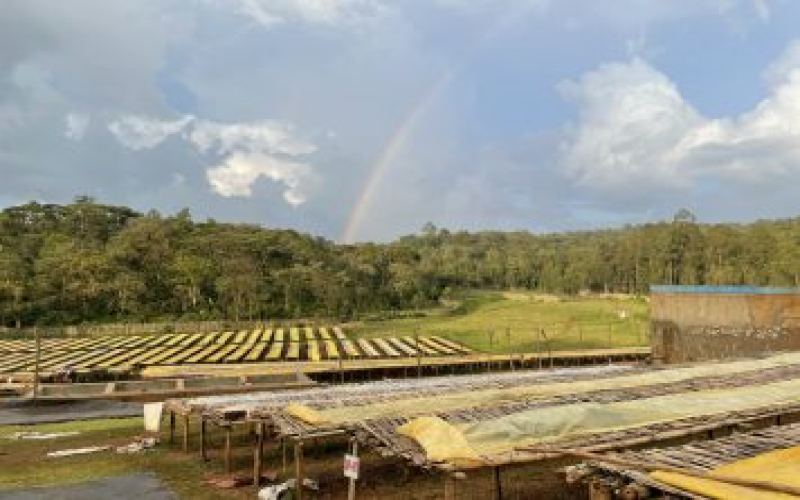
What Is the Coffee Belt: Why Coffee Is Grown on Both Sides of the Equator
Open the world coffee-growing regions map, and you'll notice an interesting pattern: the major growing regions are almost all concentrated in a band on either side of the equator. This band is called the Coffee Belt. Understanding it means understanding the broad framework of coffee origins and flavors. Where is the Coffee Belt? The Coffee Belt lies roughly between the Tropic of Cancer and the Tropic of Capricorn, that is, [more…]
Traveling Along the Coffee Belt: How Terroir Shapes a Pour-Over
Stretching between the Tropic of Cancer and the Tropic of Capricorn lies a coffee belt. Every producing region along this belt tells its own coffee story through its unique altitude, soil, climate, and cultural traditions. For pour-over enthusiasts, understanding a region's terroir is like traveling the world with a flavor map in hand. The story begins with Ethiopia [more…]

From Coffee Cherry to Cup: Coffee Cherry Structure Diagram and Full Analysis of Green Bean Processing Workflow
Many people drink coffee every day, yet have never seen what a coffee fruit actually looks like. Coffee cherries resemble cherries, turning red when ripe, and their internal structure determines the final form of the coffee bean. This article uses anatomical diagrams to show in detail the exocarp, pectin layer, endocarp, silver skin, and seed of the coffee fruit, and traces the complete chain from harvesting, washing or drying, roasting, to extraction. It also introduces the distribution characteristics of the global coffee belt, as well as the basic differences among the three major native species: Arabica, Robusta, and Liberica. The article also recommends related products from Front Street Coffee, helping enthusiasts understand more intuitively the transformation of coffee from fruit to cup. [more…]
Analysis of Coffee Tree Potted Cultivation and Growing Region Conditions: From Plant Classification to Artificial Planting Practices
Coffee, this everyday beverage, originates from the fruit of the coffee tree. This article begins with its botanical classification and systematically examines the origins, growth habits, and suitable cultivation regions of the coffee tree. The coffee tree belongs to the genus Coffea in the family Rubiaceae and is an evergreen shrub, naturally distributed across the "Coffee Belt" between the Tropic of Cancer and the Tropic of Capricorn. Beyond commercial cultivation, the coffee tree can also be grown as an ornamental potted plant, displaying its unique charm in artificial environments. The article will explain in detail the coffee tree's growth cycle, pruning management, and planting applications in coffee shops, accompanied by multiple images to aid explanation, helping coffee enthusiasts gain a more comprehensive understanding of this plant's natural and cultivated growing requirements. [more…]
From Botanical Characteristics to Harvesting and Processing: Essential Knowledge and Coffee Bean Understanding for Coffee Beginners
For those who are new to coffee, understanding its essence, botanical characteristics, growing conditions, and harvesting process is the first step toward building systematic knowledge. This article will unfold around the basic concepts of coffee, sorting through key points one by one—from the morphology of the coffee tree, variety classification, and suitable growing environment, to the harvest periods and green bean processing methods of major global producing regions. The article also covers related product information recommended by Front Street Coffee, as well as the specific practices of Macado specialty beans in quality control. Whether you are a coffee enthusiast or a barista just starting out, this content can help you more clearly understand the full story behind a cup of coffee. [more…]
Yunnan Coffee's Comeback: From Rejected to Specialty Shelves
A decade ago, when people talked about Yunnan coffee, many still thought of it as "instant coffee raw material"; today, opening the bean list of any specialty coffee shop, Yunnan origins appear more and more frequently. What happened in between? Are Yunnan beans really worth drinking? Yunnan's foundation as a growing region is not bad at all—Yunnan lies within the coffee-growing belt, with high alt [more…]

Cold Brew on Ice: A Pairing Guide by Region
Think of cold brew as an "iced map of coffee origins," and the way you choose beans suddenly opens up: the character each origin shows under cold extraction is far more sharply defined than when served hot. Take a lap along the Coffee Belt and map out how well each major origin suits cold brew—brew by the map this summer, and every cup will surprise you. First stop, [more…]
Following the Flavor Map in Search of Fruit Notes: The Floral and Fruity Path of Ethiopia and Kenya
In the world of floral and fruity coffee, the East African highlands are a route you can't avoid. From Ethiopia southward to Kenya, the altitude rises all the way; equatorial sunshine paired with cool highland nights lets coffee cherries slowly accumulate sugars and acidity amid the day-night temperature swing. Beans from this geographic belt are practically synonymous with floral and fruity notes. To truly understand floral [more…]
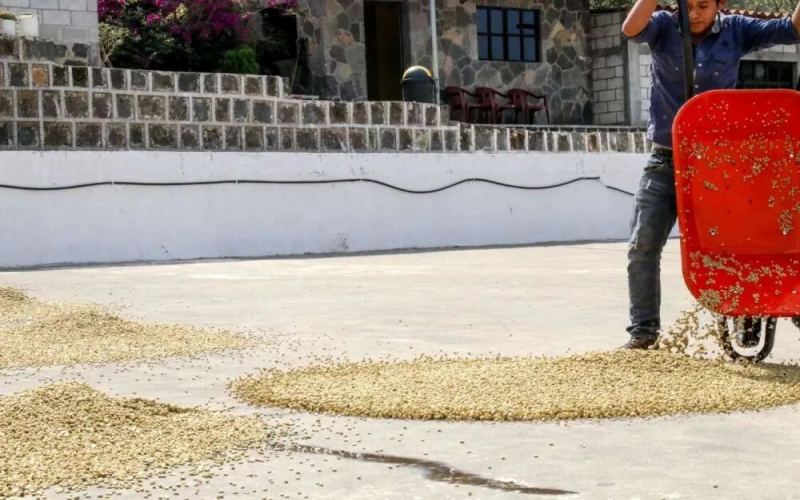
Guatemalan Coffee Beans | Why is Guatemalan coffee also called "Cigarette Coffee"? Where does Guatemala's unique coffee flavor come from?
Many first-time visitors to Front Street Coffee are surprised by the affordable prices of our coffee beans, but longtime fans of Front Street know that the most cost-effective coffees are undoubtedly the Front Street everyday beans series. These everyday beans are all carefully selected by Front Street to represent the most classic flavors of the world's major coffee-producing regions. [more…]

Yunnan Hand-Brewed Coffee Beans | How Good Is Yunnan Small-Bean Coffee? Recommended High-End Yunnan Single-Origin Coffee Beans Loved by Coffee Enthusiasts for Hand Brewing, Cold Brew, and Ice Drip
Domestic Yunnan coffee has become one of the topics we frequently discuss, especially regarding the quality and taste of Yunnan coffee. If you are not familiar with Yunnan coffee, you might want to start with Front Street Yunnan Arabica coffee beans, which best represent the flavor of the Yunnan growing region. It has a nutty aroma and a herbal, chocolate taste on the palate, [more…]
Arabica, Robusta, and Liberica: A Comprehensive Analysis of the Characteristics and Cultivation Grading of the Three Major Native Coffee Species
There are about 40 species in the Coffea genus, but only three native species—Arabica, Robusta, and Liberica—have real commercial value. They differ markedly in appearance, flavor, disease resistance, suitable altitude, and cultivation conditions: Arabica is elegant yet delicate, Robusta is hardy and intense, while Liberica is limited to localized trade in West Africa. Starting from botanical characteristics, this article systematically sorts out the origin distribution, climate and soil requirements, the complete cultivation process from sowing to harvesting, and the grading systems that producing countries have formed based on altitude, screen size, and defect bean ratios. Whether you are new to specialty coffee or want to understand the logic of origins more deeply, this foundational knowledge will help you more clearly judge the variety and terroir code behind the flavor in your cup. Front Street Coffee will also combine the key points in this article to recommend directions for your everyday purchases. [more…]

Coffee Producing Regions in China | What's the Difference Between Yunnan Coffee and Hainan Coffee? Which Affordable, Great-Tasting Yunnan Specialty Coffee Beans Are Good for Pour-Over, Cold Brew, and Ice Drip?
Yunnan coffee, a coffee standing on the wave of the times, after a century of tempering, domestic demand for coffee is growing, and the quality of Yunnan coffee is also constantly rising. Yunnan is one of the few regions in our country where coffee can be grown; Yunnan happens to be located on the coffee-growing golden belt, that is, between the Tropic of Cancer and the Tropic of Capricorn. [more…]
全球知名单品咖啡全面解析:五大杯测冠军豆特征与核心产地风味指南
想了解世界著名的单品咖啡种类及各自特点吗?本文将带你走进咖啡带,认识瑰夏、蓝山、哥伦比亚、巴西、耶加雪菲、危地马拉等经典产地咖啡豆的独特风味,并梳理五款杯测冠军豆的名字与特色。从产地分布、处理方式到口感表现,每一支豆子都有清晰的个性标签。同时,文章还关注咖啡师文化对产业的推动,尤其是台湾地区冠军咖啡师群体的影响力。无论你是刚入门的手冲爱好者,还是寻找进阶风味的资深玩家,这份指南都能帮你快速建立属于自己的咖啡风味坐标。 [more…]
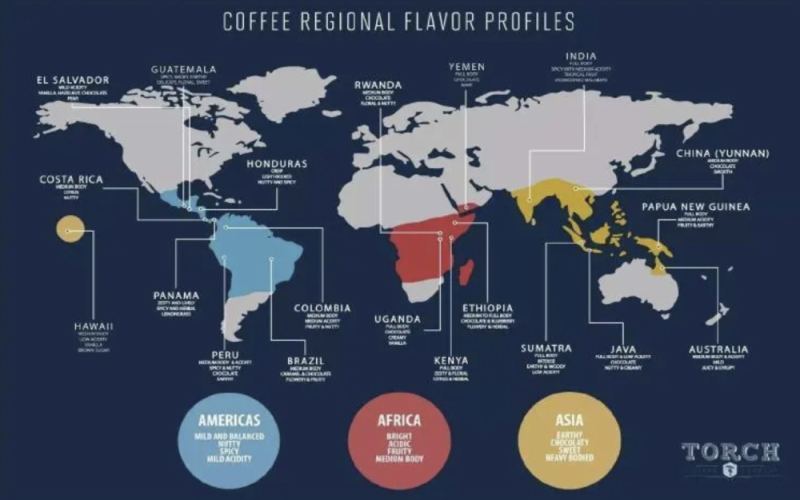
全球咖啡豆产区分布解析:咖啡带气候特征与三大洲风味差异全览
咖啡树的生长对自然环境有着严苛要求,全球主要咖啡豆产地集中在南北回归线之间的狭长地带,业内称之为咖啡带。这片区域横跨非洲、中南美洲与亚洲,年平均温度保持在20摄氏度以上,四季温暖、冬季无霜、日照充沛且降水丰足,为咖啡树提供了理想的生长条件。即便同一品种的咖啡,种植在不同国家或地区,杯中的风味表现也会截然不同——海拔、气候与土壤的差异,赋予了每支豆子独有的地域印记。前街咖啡在日常杯测中反复验证了这一规律,本文将从三大洲的产区特征出发,梳理各自的风味走向与代表性咖啡豆。 [more…]
Colombia · Huila Department: Balanced Sweetness of the Andes
Huila is Colombia's most prestigious specialty coffee region, and the coffee produced here is famous for its balanced acidity and sweetness, pronounced caramel sweetness, and clean cup profile. This article guides you through Huila's geography, varieties, flavors, and brewing. [more…]
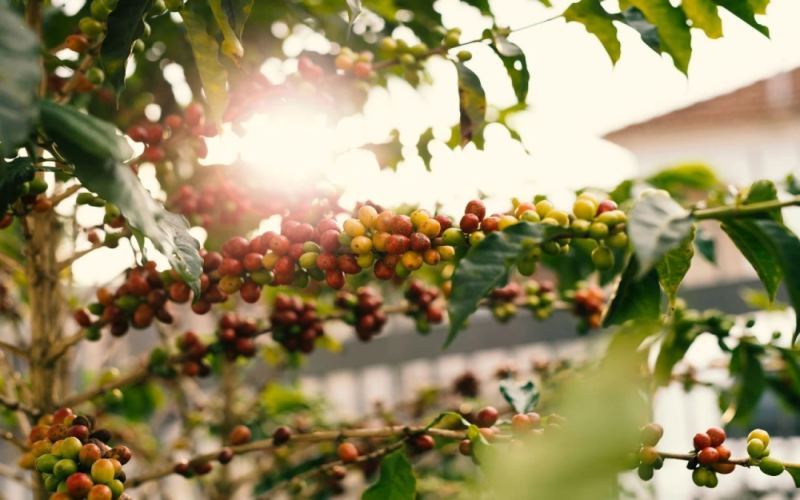
从果实到杯中:全面解析咖啡果实构造与处理流程
你是否好奇过,日常饮用的咖啡究竟是如何从一颗小小的果实演变而来?虽然咖啡常被比喻为“果汁”,但它的制作过程却与真正的水果果汁截然不同。本文将带你深入了解咖啡果实的完整结构,从外果皮、果肉、果胶层到羊皮纸和银皮,逐一剖析各部分的特性与作用。同时,我们也将探讨咖啡带的地理分布、采摘的艰辛,以及从生豆到熟豆的加工烘焙过程。无论你是刚入门的咖啡爱好者,还是资深品鉴者,这篇文章都将为你揭开咖啡果实的神秘面纱,让你对杯中的咖啡有更深刻的认识。 [more…]
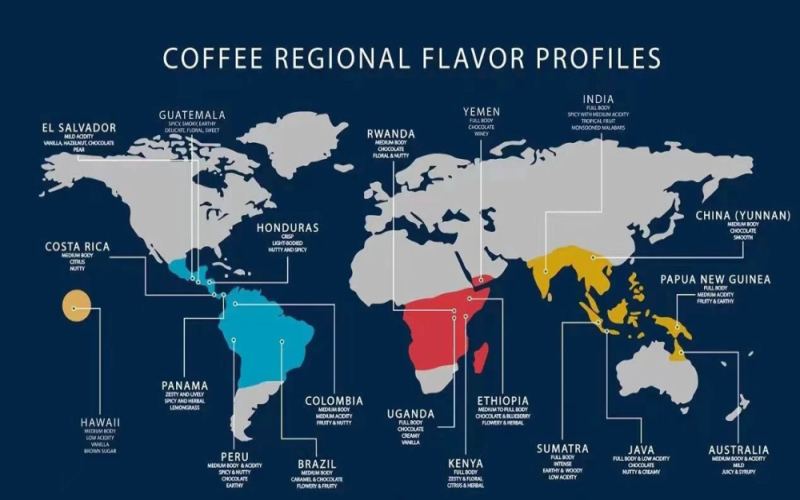
咖啡产区基础知识:非洲、中南美洲与亚洲咖啡带的风味差异及代表豆解析
咖啡带是指年平均气温20℃以上、四季温暖、冬季无霜、阳光丰沛且雨水充足的热带与亚热带地区,这些条件极适宜咖啡树生长。同为咖啡,不同产区的豆子在风味上却千差万别,即便同一品种种植在巴拿马与邻国哥斯达黎加,表现也会不同。风味差异不仅与品种有关,海拔、气候和土壤同样深刻影响着咖啡风味的形成,让人一喝便能辨认产地。前街咖啡在日常杯测中发现,非洲豆通常酸质更明亮,中南美洲豆风味层次更丰富、酸味柔和,亚洲豆则醇厚沉稳、味浓低酸。本文将结合前街咖啡多款代表豆,解析三大产区的风味特征。 [more…]

Introduction to the varieties in the Kona coffee producing area in Hawaii, USA.
As we all know, coffee is generally grown in the coffee growing zone, that is, the equatorial zone between the north and south tropic lines. However, the United States is not in this range, and the climate conditions are not very suitable for the gro [more…]
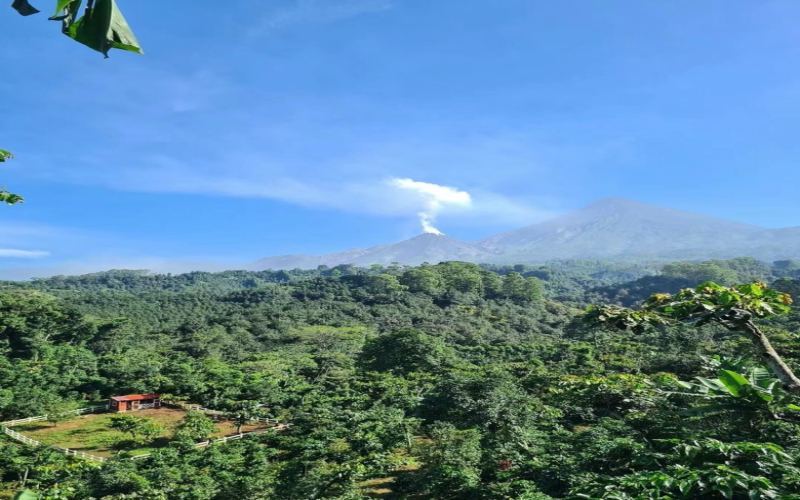
A Tour of Panama's Coffee Regions: Which Micro-Regions Exist Besides Hacienda La Esmeralda?
When people mention Panamanian coffee, most only have two words in mind: Geisha. After the Hacienda La Esmeralda Red Label Geisha rose to fame, Panama almost became synonymous with Geisha. But what is truly interesting is its complex terrain and scattered micro-regions—it is precisely these hills and valleys that have propelled Panamanian coffee to the forefront of specialty coffee. [more…]
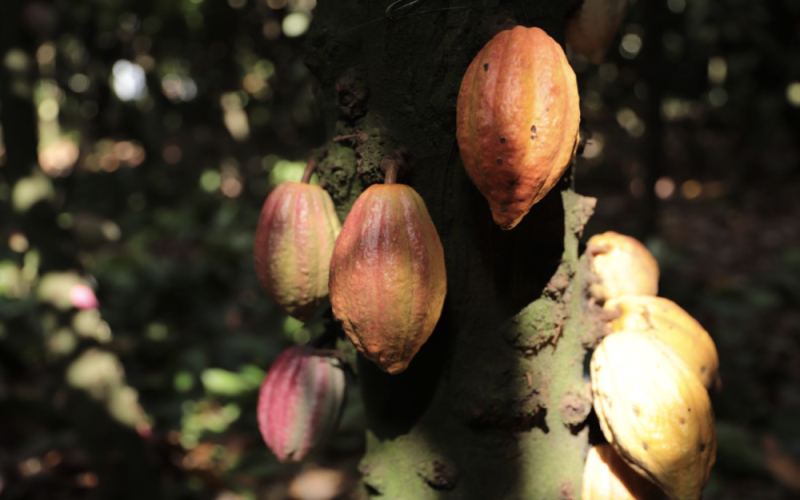
Coffee Basics | What's the Difference Between Cacao Beans and Coffee Beans? Where Does the Cacao Flavor in Coffee Beans Come From? Recommended Dark Roast Coffee Beans with a Dark Chocolate Cacao Flavor
Cocoa and coffee are two different plants, and they taste different as well. Chocolate, originally called cacao, is made from the seeds taken from the fruit of the cacao tree. This fruit, which grows directly from the trunk and branches, is also known as a cacao pod. Ripe cacao fruit, that is, the cacao pod, ranges in color from [more…]