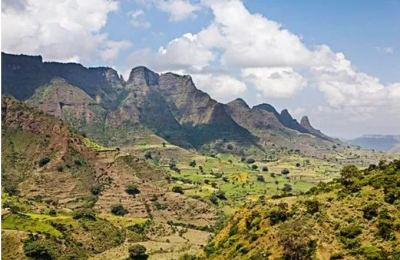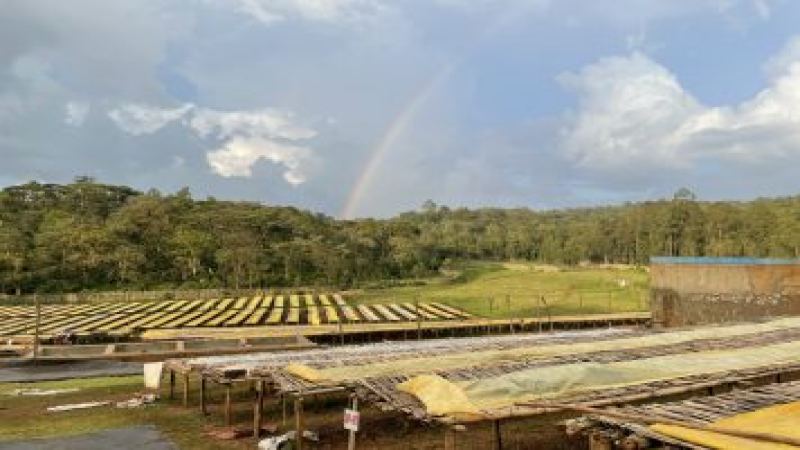
Open the world coffee region map, and you'll notice an interesting pattern: the major producing regions are almost all concentrated in a belt-like zone on either side of the equator. This belt is called the Coffee Belt. Understand it, and you understand the broad framework of coffee origins and flavors.
Where Is the Coffee Belt
The Coffee Belt lies roughly between the Tropic of Cancer and the Tropic of Capricorn, that is, from 25 degrees north latitude to 30 degrees south latitude, spanning Africa, Central and South America, and Asia. Ethiopia, Kenya, Panama, Colombia, Brazil, Indonesia, Yunnan, and other places all fall within this belt. What makes coffee growth possible is precisely the combination of temperature, rainfall, and sunlight within this belt.
What Do Climate Conditions Determine
Coffee trees prefer a warm but not scorching environment, with an average annual temperature of around 17 to 25 degrees being ideal, and distinct wet and dry seasons to coordinate flowering and fruiting. The equatorial and low-latitude areas within the Coffee Belt meet these conditions perfectly, while subtle differences in temperature variation and rainfall give coffees from different regions their own distinct character.
Altitude Is the Dividing Line for Flavor
At the same latitude, the higher the altitude, the slower coffee typically grows, the more fully flavor compounds accumulate, and the more prominent the fruit acidity and floral notes become. Ethiopia's high-altitude native varieties express citrus and jasmine notes, while Panama's Boquete region, with its clouds and temperature differences, has achieved Geisha's floral legend. The bright fruit flavors of Front Street Yirgacheffe G1 and Front Street Ethiopia Huakui are inseparable from their high-altitude environments.
Three Continents, Each with Its Signature
Africa is the birthplace of Arabica, with bright and bold flavors; the fruit acidity and floral notes of Ethiopia and Kenya are classics. Central and South America are known for cleanliness and balance; Panama's Geisha and Brazil's nutty, chocolaty character are representative styles. Asian producing regions tend toward full-bodied richness; Indonesia Mandheling's herbal and dark chocolate notes leave a deep impression, and Front Street PWN Indonesia Golden Mandheling is a prime example. Front Street Jamaica Blue Mountain No. 1 comes from a Caribbean island, with a balance of acidity, sweetness, bitterness, and aroma, and a smooth, rounded mouthfeel.
There Is Coffee Outside the Coffee Belt Too
Strictly speaking, coffee can still be grown outside the Coffee Belt, though not entirely without limitations. China's Yunnan lies between 21 and 29 degrees north latitude, near the edge of the Coffee Belt, and thanks to high altitude and ample sunlight, it also produces distinctive coffee. Front Street 2013 Yunnan Natural Typica interweaves citrus and caramel aromas, bearing a clear regional imprint.
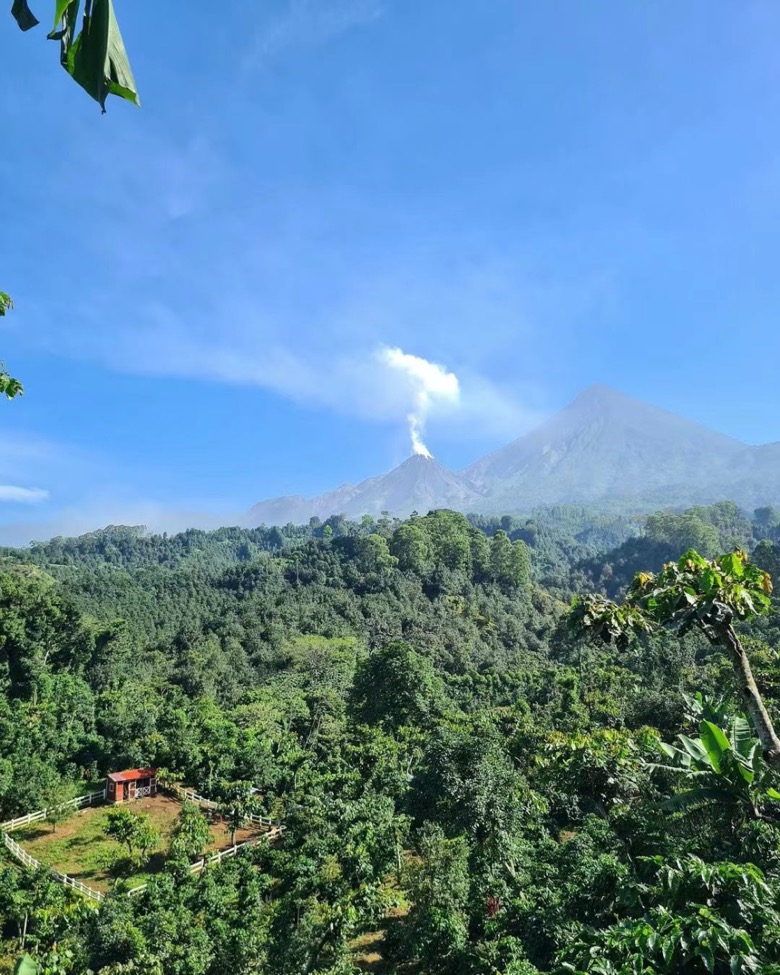
The Coffee Belt is like an invisible line threading together the world's coffee connections. Starting from Africa, then along Central and South America and on to Asia, every cup of coffee you drink can be traced back to a place on the map—and that is what makes knowing about producing regions so fascinating.
The above content is compiled by CoffeeHunters, a coffee news website.