







Search Results for: Coffee Bean Origins
Pour-Over Coffee Bean Ranking: A Reference for Pairing Origins with Brewing Methods
When the roast level changes, the focus of the flavor and the rhythm of extraction change along with it. Light roasts often show floral and fruity notes with bright acidity, medium roasts are known for sweetness and balance, and dark roasts land on nutty, cocoa, and full-bodied notes. There is no such thing as better or worse—matching the brewing method is what matters. The performance of a coffee bean in pour-over depends on the origin and variety. [more…]
An Advanced Bean List for Home Machine Users: A Nine-Coffee Route from Blends to Single Origins
Home espresso enthusiasts all reach a point: once you've settled into a comfortable daily blend, you start wanting to see farther horizons. This article lays out a progressive bean list route, with nine beans arranged by style progression, each step having a clear flavor goal. The starting station is the depth of blends. Commercial blends and specialty blends solve the "easy everyday drinking" [more…]
Light, Medium, and Dark Roast Pour-Over Coffee Bean Recommendations | Which Coffee Origins Are Rich in Specialty Coffee Beans? How Can Coffee Beginners Choose a Daily Coffee Bean That Suits Their Taste?
Regarding the best specialty coffee beans, opinions actually vary from person to person, with personal preference being the biggest factor. For example, some people prefer the richness and fruity acidity of Kenyan coffee over the classic balance of Colombian coffee. Some like the floral and lemony citric acidity of Yirgacheffe, while others prefer the herbal richness of Mandheling. [more…]

Espresso Blend Solutions | Which Coffee Bean Origins Are Suitable for Blending? Which Is Better: Blends or SOE Single-Origin Espresso? Which Espresso Beans Make the Best Latte?
Blended coffee, also known as mixed coffee, is the practice of combining various single-origin coffee beans to fully bring out the strengths of each one. Blends are made from beans of different origins to create a more balanced flavor. For example, if one coffee bean is smooth but lacks aroma, another aromatic [more…]
Complete Guide to Arabica Coffee: Origins, Variety Characteristics, and Processing Method Flavor Guide
Coffee belongs to the Rubiaceae family, with over a hundred known species, but commercial cultivation is dominated by three major types: Arabica, Robusta, and Liberica. Among them, Arabica, with its outstanding aroma and flavor, accounts for over seventy percent of global production and is the core raw material for single-origin and specialty coffee. This article will systematically review the varietal characteristics, advantages and disadvantages, and sub-varieties of Arabica, and introduce one by one the cultivated varieties, processing methods, grading standards, and flavor profiles of representative producing countries such as Brazil, Colombia, Panama, Guatemala, Costa Rica, Jamaica, Ethiopia, Kenya, and Indonesia. It will also incorporate Front Street Coffee's sourcing experience and recommendations to help coffee enthusiasts build a complete framework for understanding origins. [more…]

Suitable Origins and Bean Varieties for Cold Brew: Two Directions — Fruity and Nutty
When selecting beans for cold brew, the region determines the flavor baseline. By taste profile, cold brew beans can be broadly divided into two categories: fruity and nutty. Set the direction first, then choose the region, and the cold brew you make will better suit your palate. Fruity cold brews suit those who enjoy a crisp, refreshing cup with floral and fruity aromas. Ethiopia is the heartland of the fruity profile—Yirgacheffe cold brew [more…]
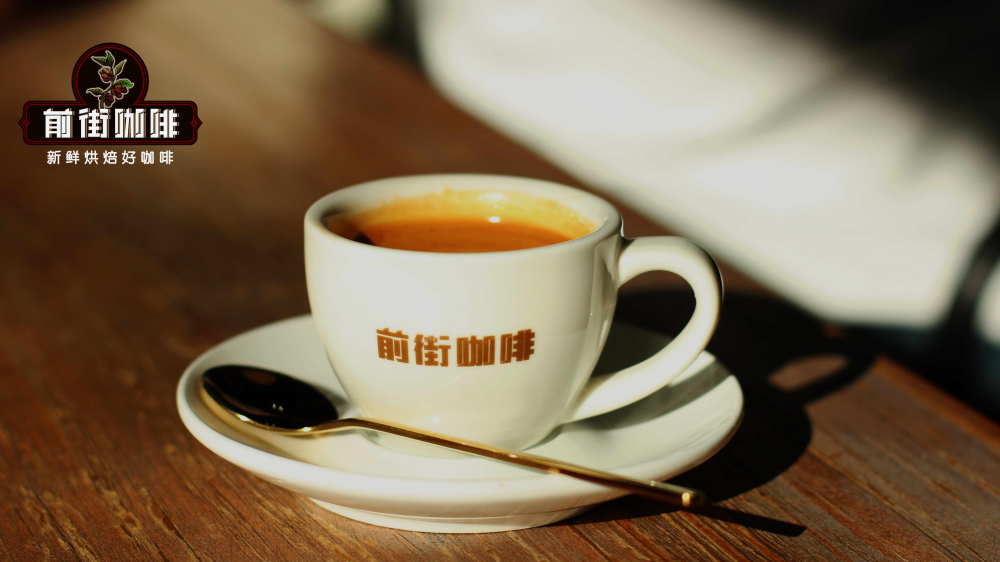
Commercial Espresso Bean Recommendations | How to Blend Espresso Beans? What Are the Techniques for Roasting Espresso Blends? Which Espresso Beans Are Suitable for Café Service?
Whether enjoyed on its own or as part of an espresso-based drink, a good, balanced espresso is the first requirement. However, to make an espresso with balanced acidity, body, and sweetness, you need to start with the right coffee beans—blending beans from different origins together. Although single-origin [more…]
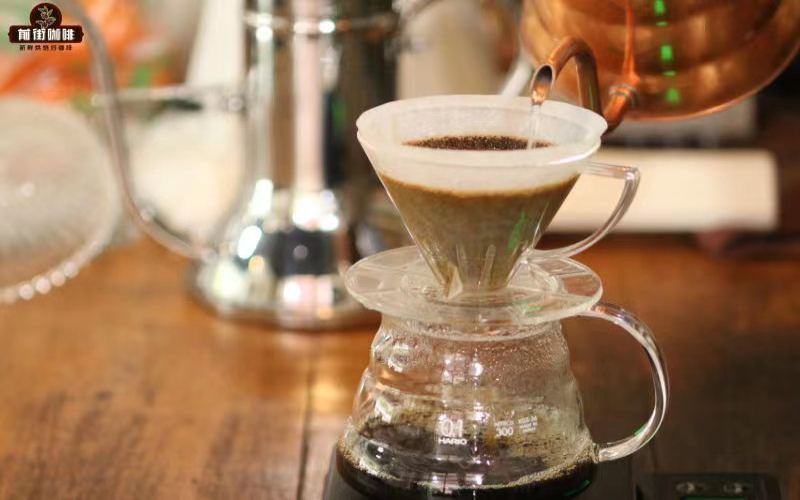
Origins of Mandheling Coffee | Is Mandheling an Arabica Coffee Bean? Where is PWN Golden Mandheling Produced? What Is the Difference Between Mandheling and Blue Mountain?
For more specialty coffee knowledge, please follow our WeChat official account: Front Street Coffee (FrontStreet Coffee). Among the classic coffee beans that have long remained on Front Street Coffee's (FrontStreet Coffee) bean list, Mandheling coffee is one of them, known for its wet [more…]
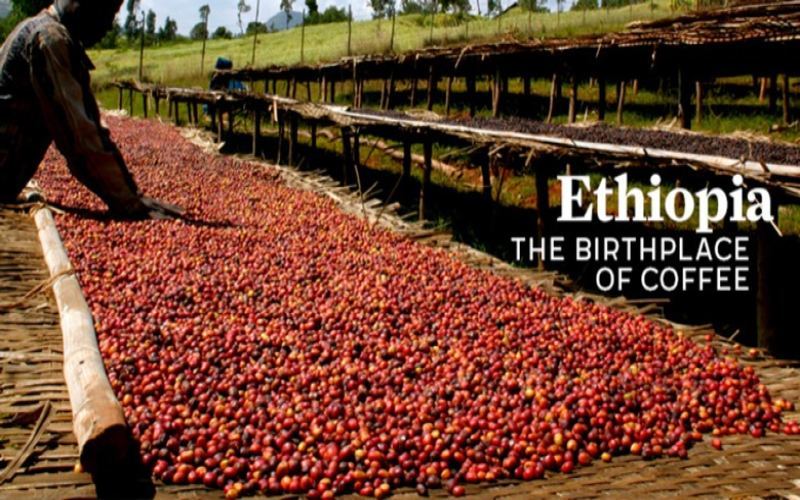
Cold Brew Origin Recommendations: Cold Brew Performance of Fruity and Full-Bodied Types
The choice of origin for cold brew coffee determines whether the cup leans toward fresh fruit juice or rich cocoa. The long-steep cold water extraction method makes origin flavors express themselves differently than in hot brewing, and some origins perform better in cold brew. For fruity cold brew, Ethiopian origins are a good choice. Huakui natural beans made as cold brew, hot [more…]
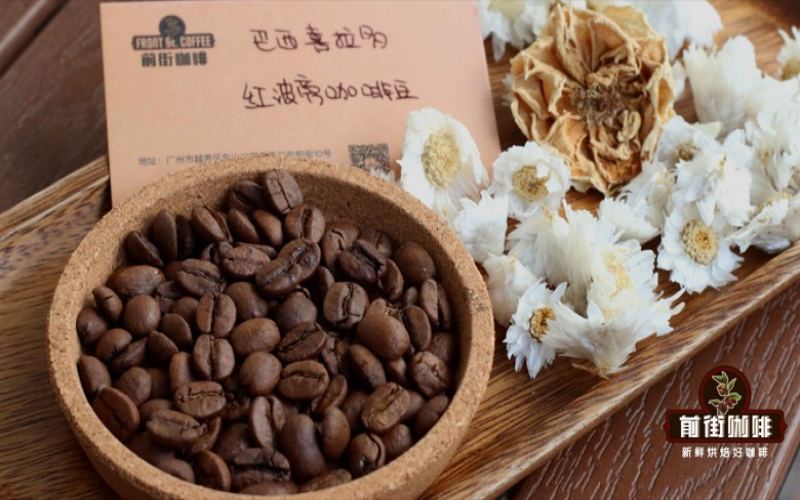
The Role of Origins in Commercial Blends: Brazil as the Base, Colombia for Sweetness, Robusta for Cost Control
Walk into the back bar of any coffee shop, and what's grinding in the grinder is most likely not a single-origin bean but a blend. Commercial blends exist because what a café needs is not the personality of a particular bean, but a stable, easy-drinking, cost-controllable overall performance. And the reason a blend is stable comes down to each origin [more…]
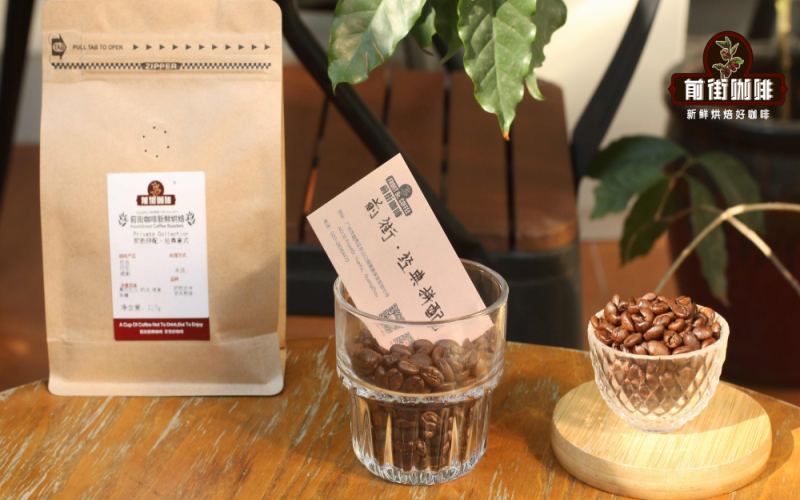
Medium-Dark Roast Espresso Beans Recommendations | How to Choose Beans for Making Espresso and Americano at Home? Great-Tasting, Affordable Americano Blend Coffee Bean Recommendations
For home espresso making, determining the freshness and flavor preferences of blended coffee beans is most crucial. Espresso blends are also called mixed coffee; simply put, they are coffees made by a barista professionally blending different coffee beans together to achieve a specific flavor. The more traditional blending goals are nothing more than achieving a flavor better than [more…]
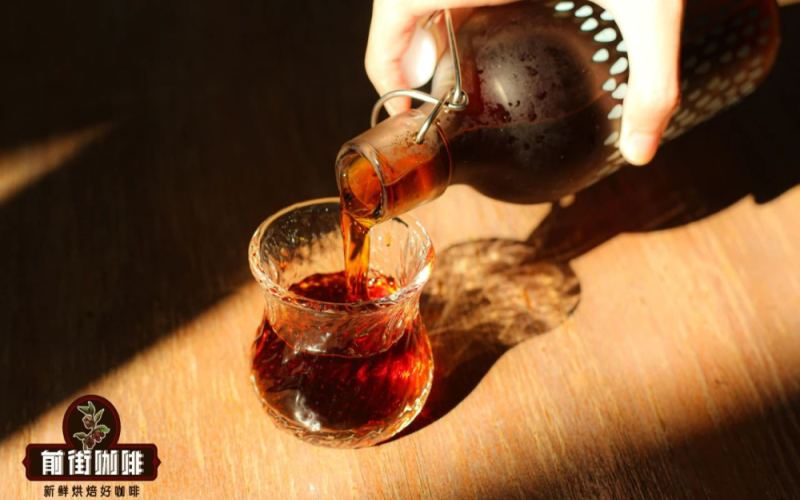
Cold Brew Coffee Characteristics | How much time is needed to make cold brew coffee? What is "cold brew flavor"? Which coffee bean origins are suitable for making cold brew?
Here's what happens: when a customer pushes open the door of the Front Street shop and steps inside, their attention is immediately drawn to the blackboard nearby. There's nothing particularly special on the blackboard—it simply lists new drink recommendations along with the words "Ice drip coffee must be ordered 2 days in advance." As a result, many customers who see it ask, "Ice [more…]
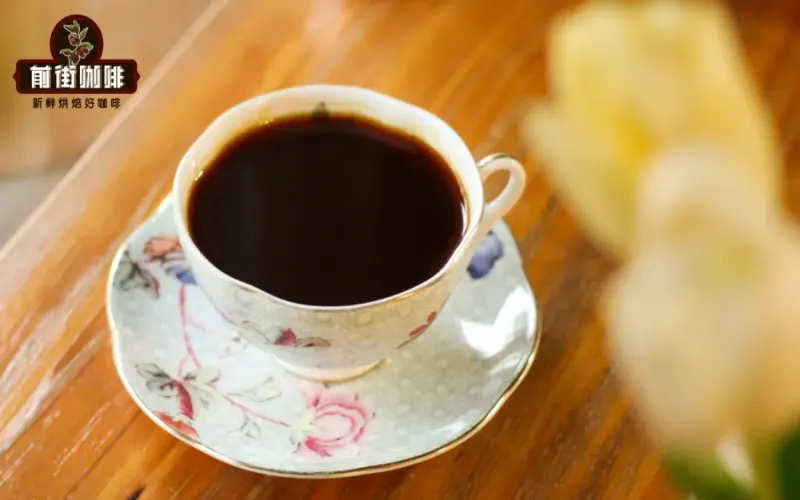
Specialty Coffee Bean Buying Guide: Flavor Profiles of the Top Ten Popular Single-Origin Coffees and Origin Ranking Analysis
For beginners just stepping into the world of specialty coffee, or for those who are still unsure about their own taste preferences, it's a good idea to start with single-origin beans that offer great value for money and showcase the characteristics of their producing regions. This way, you can gradually build your understanding of origins, varieties, processing methods, and roast levels without being put off by high prices. When buying, the roast date is the first thing to pay attention to—it directly reflects how fresh the beans are, and it's generally recommended to use them within 10 days of roasting for the best flavor expression. In addition, choosing a trustworthy roaster is equally important. Front Street Coffee, as a veteran roasting brand, has a physical store in Guangzhou, offering dozens of selected single-origin and espresso beans from various producing regions around the world, freshly roasted within 5 days, shipped within 24 hours, with stable quality and affordable prices. According to Front Street's latest sales data, the following ten single-origin beans are the most favored by consumers, covering a variety of flavor types and extraction methods, and are worth getting to know one by one. [more…]
A Complete Guide to Specialty Arabica Coffee Beans: Flavors and Origins from Heirloom Varieties to Hybrid Cultivars
The Coffea genus encompasses a vast number of species, yet the specialty coffee stage is dominated primarily by high-altitude Arabica. From Ethiopia's ancient Typica and Yemen's Bourbon to the spontaneously mutated Bourbon Pointu, Maragogype, and Geisha, and on to deliberately bred varieties such as Caturra and Pacas as well as interspecific hybrids, behind every name lies a story of migration and flavor. This article systematically sorts through the main varieties of specialty Arabica, their origins and lineage, and their cupping performance, and explains why hybrids rarely appear in the product lines of specialty coffee suppliers such as Front Street Coffee. Whether you are a newcomer or a seasoned enthusiast, this variety map will help you understand more clearly where the flavors in your cup come from. [more…]
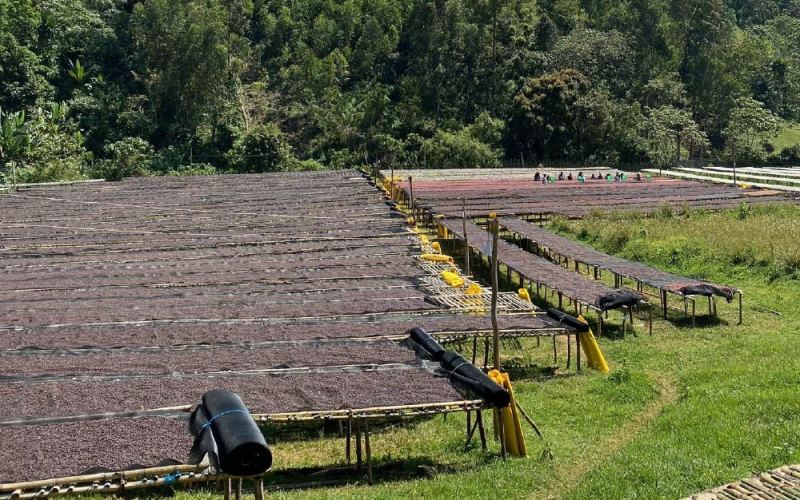
Washed vs. Natural Coffee Beans Flavor Comparison | Which Coffee Origins Use the Washed Processing Method? Washed Coffee Bean Processing Steps, Flow, and Flavor Characteristics
The washed method is currently the most widely used green bean processing method and one of the most traditional coffee processing methods. Typically, washed coffee has higher cleanliness than natural coffee, with brighter and more elevated acidity, and a more intense acidity as well. Popular options on the Front Street Coffee menu, such as the Ethiopian Gotiti Cooperative coffee beans, Kenyan [more…]

Rich and Oily Regions Beyond Mandheling: These Origins Also Deliver
When it comes to rich, creamy body, many people first think of Mandheling. Mandheling is indeed a representative of full-bodied richness, but in the world of specialty coffee, it isn't the only region known for beans with abundant oils. Understanding the oil expression of beans from different regions allows you to move beyond the Mandheling framework when selecting beans, giving you a richer set of choices. Mandheling is full-bodied and oil [more…]
Tracing the Origins of Jamaica's Premium Blue Mountain Coffee Brand: JABLUM Characteristics and Blue Mountain Coffee Bean Price Reference per Jin
JABLUM, the premium Blue Mountain coffee, is a long-established authentic Blue Mountain brand from Jamaica, produced by Mavis Bank Coffee Company, accounting for forty percent of the nation's Blue Mountain coffee output annually. The unique climate and volcanic soil of the Blue Mountain range nurture this world-class coffee, but only coffee grown above 1,800 meters in elevation can bear the name "Blue Mountain." Blue Mountain coffee once went through a quality trough, later restored its reputation under Japanese investment, and now ninety percent is sold to Japan, with the remaining international market demand running strong. JABLUM's cultivation and processing are strictly supervised by the Coffee Industry Board throughout, its caffeine content is only half that of ordinary coffee, and its flavor is mellow and balanced. This article details its historical origins, growing conditions, quality management, and Front Street Coffee's recommendations, along with price references. [more…]
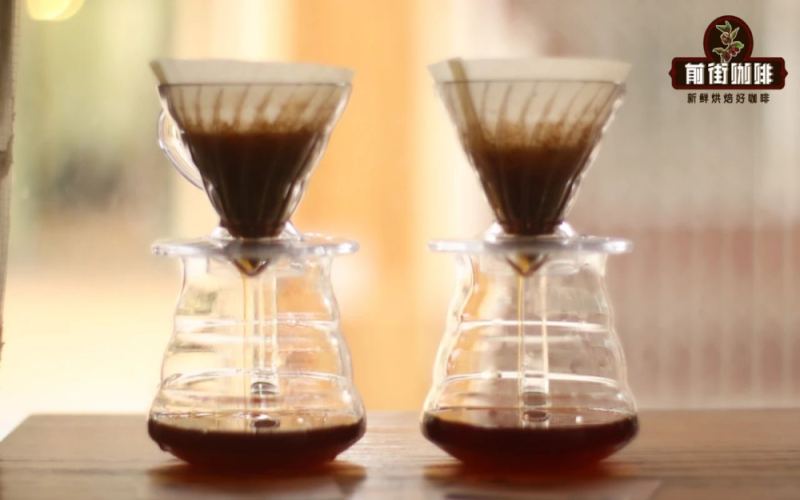
Cold Brew Iced Coffee Powder-to-Water Ratio | What Is the Method for Making Cold Brew Coffee? Which Coffee Bean Origins Are Suitable for Brewing Cold Brew Coffee?
Many people distinguish cold brew coffee from iced coffee. The reason is that what we understand as iced coffee is made by extracting with hot water, then adding ice or chilling it, turning the coffee from a hot temperature into iced coffee—this is the traditional concept. The biggest difference with cold brew coffee is that it uses cold water throughout the entire process, obtaining the coffee liquid through low-temperature extraction. [more…]
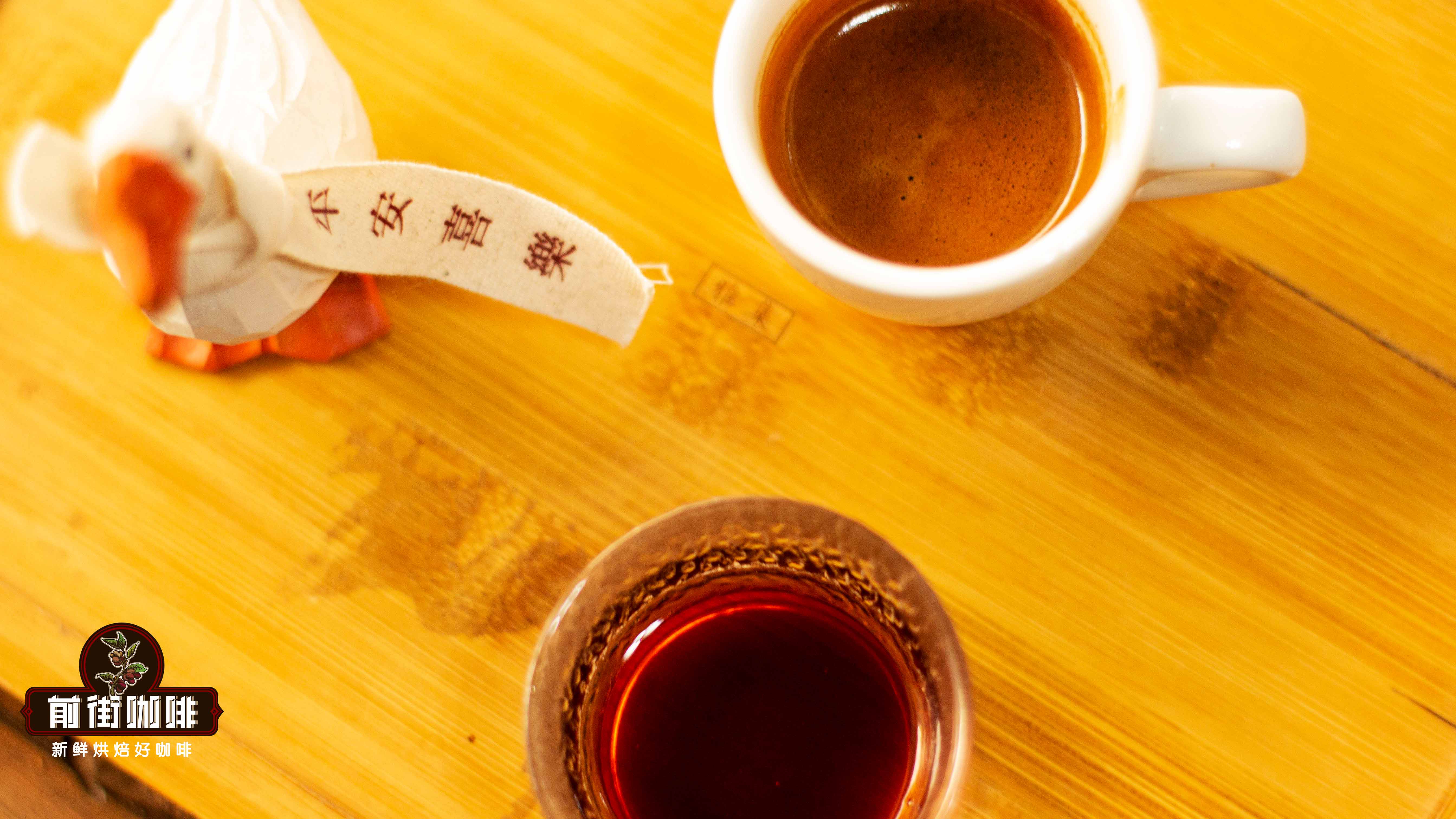
Espresso Bean Recommendations | What Do SOE Coffee and Blended Coffee Mean? Can SOE Coffee Beans Be Brewed as Pour-Over? Why Is SOE Single-Origin Espresso More Expensive?
For more specialty coffee knowledge, please follow our WeChat official account: FrontStreet Coffee. Traditionally, coffee shops have mainly served Italian-style blend coffee. As the coffee-drinking culture continues to heat up, many coffee shops have begun offering SOE coffee, and some even specialize in SOE coffee. [more…]

Commercial espresso specialty coffee beans recommendations | Which coffee brands' blends are suitable for espresso? What are the requirements of espresso for coffee beans?
For more specialty coffee knowledge, please follow: Front Street Coffee (Frontsteet Coffee). Espresso has a thicker texture and richer crema than drip coffee, and making high-quality espresso is inseparable from good espresso beans. Generally speaking, espresso beans are all [more…]