







How Does Deep Roast Change Pour-Over Coffee Bean Selection?
Choosing beans for pour-over comes down to matching a region's flavor profile with the right roast level. Beans from Brazil, Colombia, Ethiopia, Kenya, and Indonesia each behave differently in the cup. Brazil Red Bourbon brings round sweetness, Colombia Huila stays balanced, Ethiopian beans show bright fruity acidity and floral notes, Kenyan beans taste of cherry tomato and smoked plum, and Sumatra Mandheling develops caramel and dark chocolate after a deep roast.
Comparing acidity, bitterness, body, and aroma gives a practical way to decide which bean suits pour-over extraction. Ethiopian varieties such as Yirgacheffe stay low in bitterness and clean in the cup, while a deep roast coffee like Sumatra Mandheling trades brightness for heavier body and chocolate notes. Understanding these differences helps match a bean to the brewing style and the drinker's taste.
To find the coffee type best suited for pour-over, you first need to understand the flavor characteristics of coffee beans from different origins. This article focuses on five classic producing regions—Brazil, Colombia, Ethiopia, Kenya, and Indonesia—and introduces, one by one, the taste performance, roasting characteristics, and suitable drinking methods of representative beans from Front Street. Brazil Red Bourbon stands out for its round sweetness, Colombia Huila is known for its balanced body, Ethiopian beans have bright fruity acidity and floral notes, Kenyan beans carry a juicy sensation of cherry tomato and smoked plum, and Sumatra Mandheling presents caramel and dark chocolate notes after dark roasting. By comparing acidity, bitterness, body, and aroma, this helps coffee lovers determine which bean is more suitable for pour-over extraction.
Brazil Coffee
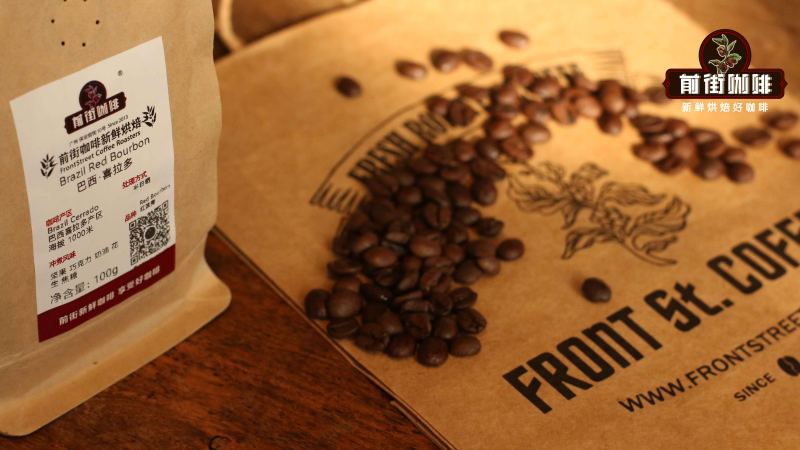
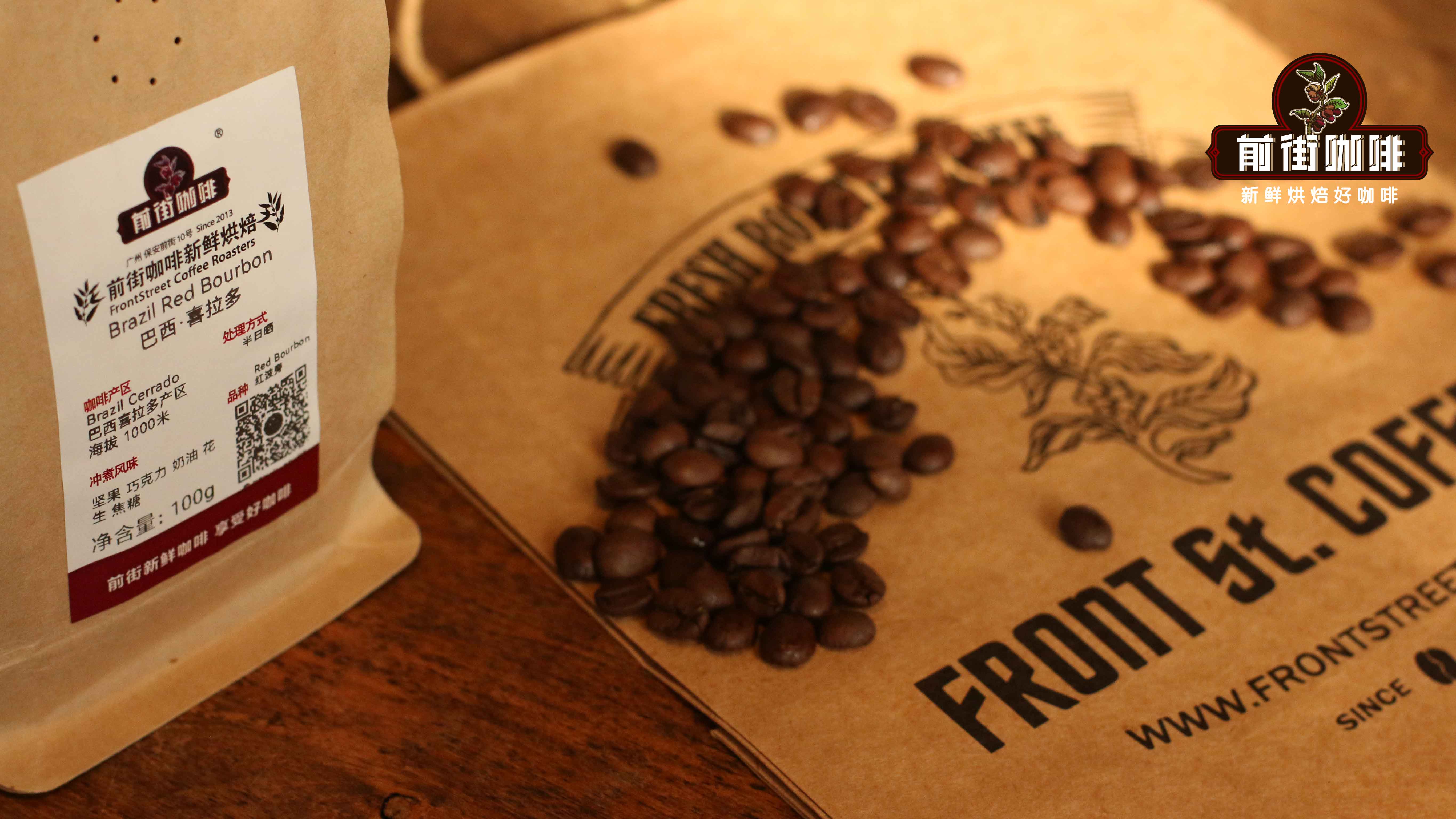
Front Street Brazil Red Bourbon coffee tastes round and smooth, with a medium level of acidity and a particularly prominent sweet aftertaste. The biggest feature of this bean is its smooth and gentle entry, so it is often used as an indispensable base bean in coffee blends, though it can also be brewed and enjoyed on its own.
Colombia Coffee
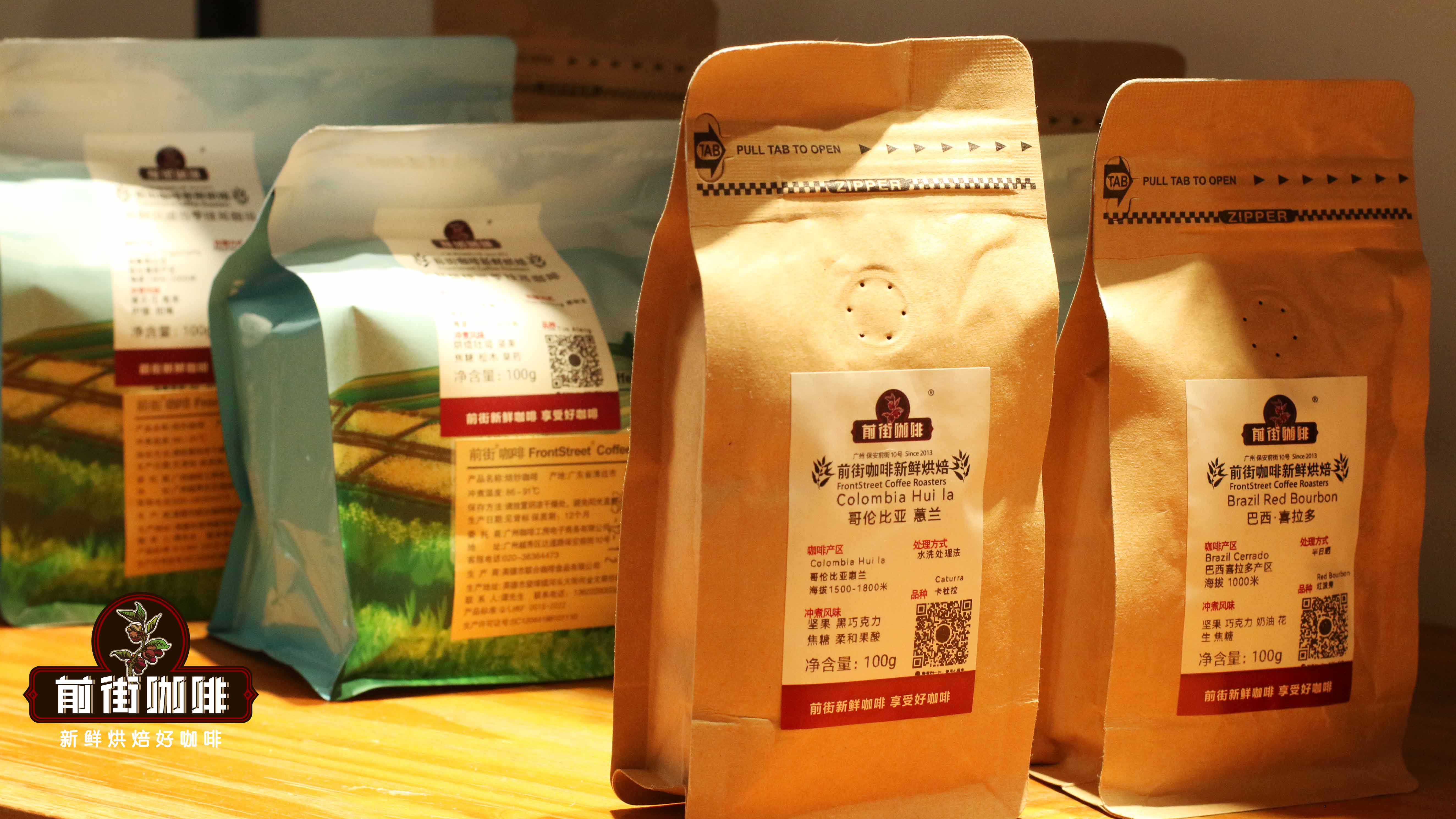
Front Street Colombia Huila coffee beans have stable and uniform quality and are reputed in the coffee world as a standard bean. Colombian coffee beans are usually larger in size, and the green beans appear light green, carrying a special heavy taste; its unique rich aroma makes it much loved. In terms of taste, it shows sweetness within acidity and low bitterness, and as the roast level changes, it can reveal multiple layers of flavor.
Ethiopia Coffee
Front Street Ethiopian coffee has a very rich range of varieties, covering multiple series such as Front Street Yirgacheffe, Front Street Huakui, Front Street Gutingting, and Front Street Red Cherry. These beans generally have a pleasant sweet-and-sour flavor, combining floral notes with fruit-like sweet acidity, very low bitterness, and an overall refreshing and clean taste, making them very suitable for brewing and drinking on their own.
Kenya Coffee
Front Street Kenya coffee uses a medium-light roast and gives off a very obvious cherry tomato aroma, with flavor characteristics of black plum, snow pear, cherry tomato, and smoked plum. On the palate, the acidity is bright and prominent, and the body is relatively high, making it recommended for friends who like juicy coffee.
Indonesia
The most representative coffee in Indonesia is Front Street Mandheling from Sumatra. Influenced by the local growing environment and processing methods, this coffee naturally has the unique scent of herbs and spices. After deep roasting, the flavor transforms into a rich, full-bodied taste like caramel, pine wood, and dark chocolate.
The above content is compiled by CoffeeHunters, a coffee news website.


