







How Do Central American Coffee Origins Differ?
Central American coffee usually refers to Mexico plus the seven countries of the Central American Isthmus: Guatemala, Belize, El Salvador, Honduras, Nicaragua, Costa Rica and Panama, and all of them produce coffee. Volcanic ash soils, microclimates and high-altitude terrain along the Coffee Belt give these origins distinct styles, while Caribbean island coffees are classified separately.
The isthmus forms the middle section of the Cordillera mountain system, with a volcanic belt on the Pacific side and hot, humid plains facing the Caribbean. Intermontane basins stay mild. Those conditions create many microclimates, and combined with fertile volcanic ash soil they support high-quality coffee. Colombia, Brazil and Panama represent the wider flavor range, spanning caramel sweetness, soft fruit and other profiles.
Central and South America along the Coffee Belt, with their volcanic ash soils, microclimates, and high-altitude terrain, give rise to specialty coffees of distinct styles. This article starts with geographical divisions, mapping out the coffee landscape of the seven Central American countries and the Caribbean islands, then analyzes one by one the flavor characteristics of representative origins such as Colombia, Guatemala, Costa Rica, Panama, El Salvador, and Brazil, and includes specific bean list recommendations from the Front Street brand, covering washed, natural, honey and other processing methods, to help coffee lovers find their ideal choice according to taste preferences.
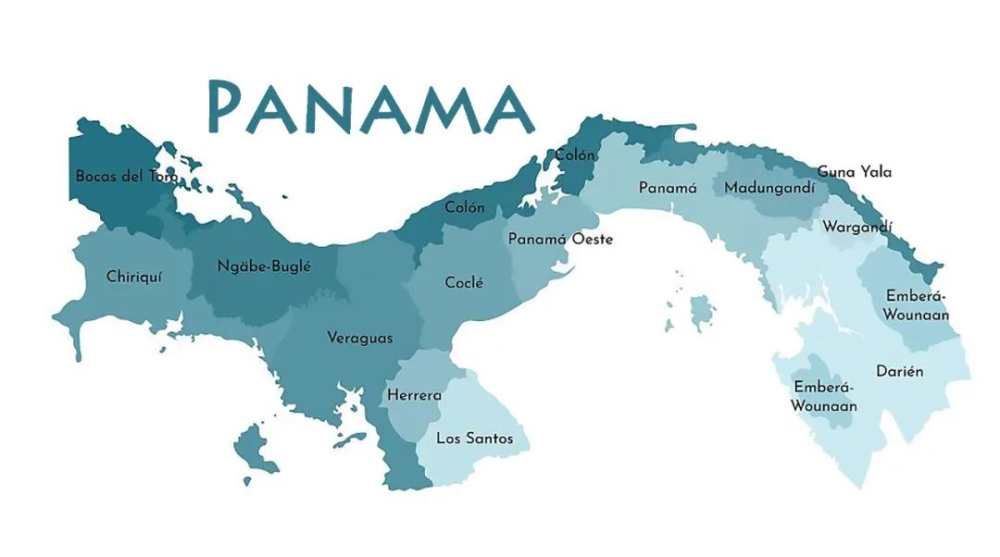
What is usually called Central America refers to the narrow strip of land south of Mexico and north of the Panama Canal, also known as the "Central American Isthmus," covering seven countries: Guatemala, Belize, El Salvador, Honduras, Nicaragua, Costa Rica, and Panama. All of these countries produce coffee.
If we adopt a different classification approach and also include the island countries and territories around the Caribbean Sea and the West Indies as part of Central America, then there are even more coffee-producing places, such as Jamaica, famous for Blue Mountain, as well as Cuba, Haiti, the Dominican Republic, Puerto Rico, and others.
However, in the context of coffee, the classification is slightly different: "Central American coffee" usually refers only to Mexico plus the seven countries of the Central American Isthmus; while coffee from the Caribbean region is listed separately as "Caribbean island coffee."
The Central American Isthmus is mainly composed of highlands and mountains, belonging to the middle section of the Cordillera mountain system extending along the Pacific coast. On the west side is the Pacific coastal volcanic belt, with frequent volcanoes and earthquakes; on the east side there is a narrow plain facing the Caribbean Sea and the Gulf of Mexico, hot, humid, and rainy; the intermontane basins have a mild climate and lush vegetation. These conditions give the entire Central American mountain region many unique microclimates, and combined with the fertile soil brought by accumulated volcanic ash, they lay the foundation for the birth of high-quality coffee.
Front Street Colombia Coffee
Taste: Good body, obvious caramel sweetness, soft and pleasant fruit acidity.
Origins: Medellin, Armenia, and Manizales
Recommended coffee beans:
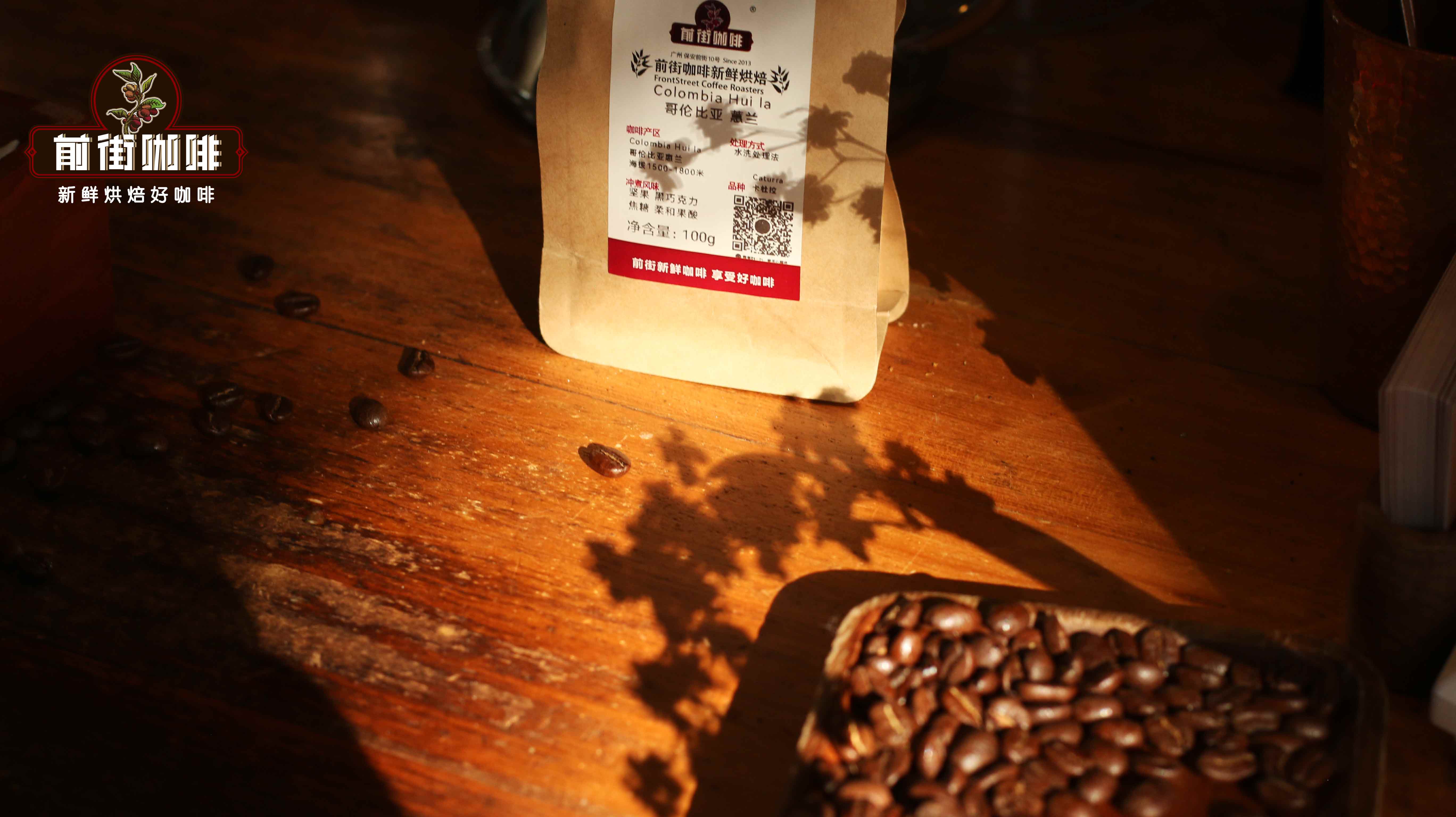
Front Street Colombia Huila (washed, medium-dark roast): Prominent acidity, caramel, sweet nuts, and chocolate notes, with a red wine character and admirable fruit flavors.
Front Street Guatemala Coffee
Taste: Rich and full-bodied, with tobacco notes, and a mellow aroma revealing a slight charcoal roast flavor.
Origin: Antigua
Recommended coffee beans:
Front Street Antigua Flor de Dios Estate Bourbon A2 (washed, medium roast): Lemon peel aroma, vanilla cookie, nut, and cocoa flavors, caramel sweetness, soft and restrained acidity, delicate, smooth, and solid mouthfeel.
Front Street Incht Estate Huehuetenango (washed, medium-dark): Elegant floral and orange peel aromas, with cream and macadamia nut flavors in the aftertaste.
Front Street Costa Rica Coffee
Taste: Rich and mild, ideal acidity, unique and intense aroma.
Origins: Tarrazu, JuanVinas, PR, H. Tournon, Windmill, SHB, Montebello, and SantaRosa
Recommended coffee beans:
Front Street Tarrazu San Roman Processing Station Natural Black Pearl (natural): Creamy texture, fermented flavors of ripe fruit with sweet and sour notes, and a finish of coffee cherry and chocolate.
Front Street Tarrazu Washed SHB Caturra (medium): Gentle orange notes, toast, caramel cocoa sweetness, clean mouthfeel.
Front Street Panama Coffee
Taste: Clean and fresh, distinctive fruit flavors and aroma, exuding elegant and charming floral perfume fragrance, mild, clean, and balanced, with a persistent, lively finish and rich fruity sweetness.
Origins: Boquet, Cafe Volcan Baru
Recommended coffee beans:
Front Street Panama Boquete producing region (washed, natural): Jasmine fragrance, slight citrus acidity, clean and bright mouthfeel.
Front Street Panama Elida Estate Catuai (natural, medium-light): Fig and white grape flavors, soft fruit acidity, full body, with maple syrup and honey sweetness.
Front Street Panama Hacienda La Esmeralda Red Label Geisha (natural, medium-light): Complex fruit, peach, rose, citrus, honey, and tea notes.
Front Street El Salvador Coffee
Taste: Lively and sharp acidity, sometimes biscuit aroma, sometimes fruit flavor, excellent body and oily mouthfeel.
Origins: Pipil, Pacamara
Recommended coffee beans:
Front Street El Salvador Ataisi Estate micro-lot washed Pacamara (washed, natural, medium): Nutty chocolate, passion fruit sweet and sour, creamy chocolate, strawberry finish, nutty.
Front Street El Salvador Finca Himalaya Red Bourbon (semi-washed, medium): Red wine acidity, plum, brown sugar, full body, long finish.
Front Street El Salvador Salarez Estate Hot Spring Honey Process (honey process, medium-dark roast): Hot spring coffee has very high cleanliness, rich fruit aroma, with caramel and nut flavors, low acidity, and a gentle mouthfeel.
Front Street Brazil Coffee
Taste: Low acidity, strong nutty flavor, good chocolate sweetness and body, but with slight woody and earthy notes, floral and orange aromas not obvious.
Origins: Santos, Bahia, Cerrado, Mogiana
Mexico: Coatepec, Huatusco, Orizaba, Maragogype, Tapanchula, Huixtla, Pluma Coixtepec, Liquidambar MS
Recommended coffee beans:
Front Street Brazil South Minas Bourbon (semi-washed, medium): Roasted sunflower seed flavor, rich and full-bodied, dark chocolate, sweet finish.
Brief information and reasons for selection of four coffees
Front Street Panama Hartman Washed Geisha Hartman Wahed Geisha
Region: Panama Volcan producing region (Santa Clara town, Chiriqui Province) Panama, Volcan, Finca Hartmann
Variety: Geisha
Altitude: 1260-1800masl
Processing method: Washed
Reason for selection: Natural-process Geisha has been highly sought after in recent years for its fascinating flavors and complex, ever-changing layers. This time, choosing this washed Geisha from Hartman Estate is to share with everyone the typical characteristics of Panama Geisha: fascinating floral fragrance, citrus, berries, and black tea aroma. These characteristics are presented at a very high level in this bean, and without needing much tasting experience, it is easy to feel her bright citrus sweetness and silky berry sweetness.
The above content is compiled by CoffeeHunters, a coffee news website.


