







Search Results for: Coffee Bean Fermentation
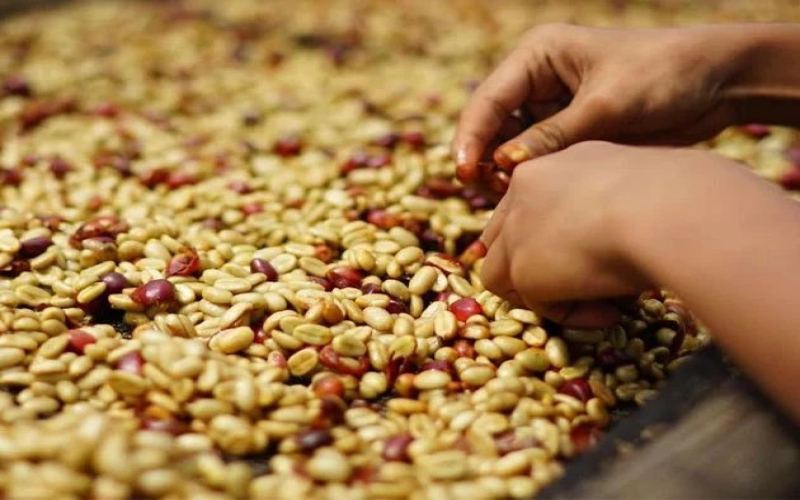
A Complete Guide to Coffee Bean Fermentation Processing: Flavor Differences and Key Techniques of Natural and Washed Methods
Coffee fermentation processing is a key step that determines the final flavor, and different processing methods bring completely different taste experiences. Starting from the basic principles of fermentation, this article systematically sorts out the characteristics of dry fermentation and wet fermentation, and analyzes in detail the specific processes and flavor trends of the three common processing methods: natural, honey, and washed. Whether you are a beginner coffee enthusiast or a seasoned player hoping to refine your brewing skills, understanding the differences among these processing methods can help you more accurately select and taste coffee beans. The article also specifically introduces the unique features of Ethiopian-style and Kenyan-style washing, as well as related product recommendations from Front Street Coffee, taking you into the wonderful world of green coffee processing. [more…]

Anaerobic Fermentation and Red Wine Processing: The Principles, Evolution, and Front Street Brewing Practices of Specialty Coffee Bean Processing Methods
In recent years, anaerobic fermentation and red wine processing methods have continued to gain popularity in the specialty coffee world. From the promotion by 2015 WBC champion Sasa Sestic to the early explorations of Costa Rican coffee farmers, these processing techniques, which draw on winemaking ideas, have brought coffee rich flavors such as strawberry jam, fermented wine aromas, and tropical fruits. This article systematically reviews the scientific principles of anaerobic fermentation, its essential differences from traditional processing methods, and the specific operational workflow of carbonic maceration. It also combines two representative beans from Front Street Coffee—Colombia Flower Moon Night and Panama Hartmann—to share roasting and brewing parameters, helping coffee lovers gain a deeper understanding of the core logic of this special processing method. [more…]
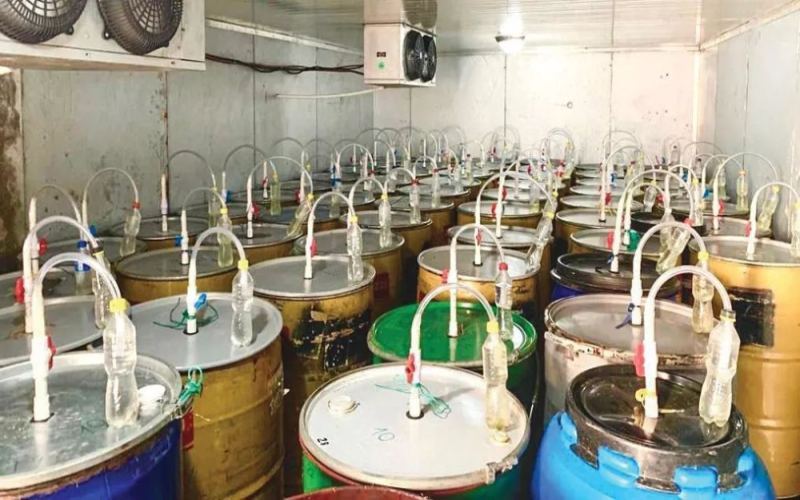
A Complete Guide to Anaerobic Fermentation Processing: The Differences Between Anaerobic Natural, Anaerobic Washed, and Double Anaerobic Methods
Anaerobic fermentation processing is a green bean processing technology that has attracted much attention in the coffee industry in recent years. Since Sasa Sestic, the 2015 WBC champion, brought it to the forefront, it has quickly swept through the specialty coffee world. Inspired by red wine-making techniques, this processing method injects carbon dioxide into a sealed container to expel oxygen, creating an oxygen-free environment that allows precise control of the fermentation process, giving coffee beans higher sweetness and more unique flavor layers. As processing technologies continue to evolve, experimental methods such as anaerobic natural, anaerobic washed, and double anaerobic have emerged one after another, each presenting distinctly different flavor expressions. This article will systematically sort out the principles and origins of anaerobic fermentation, and analyze one by one the process steps and flavor characteristics of these three common anaerobic processing methods, while also explaining them in conjunction with specific Front Street Coffee bean offerings. [more…]
Front Street Colombia Red Wine Processing Method Explained: Key Points of Red Honey, Natural, and Washed Processing and Fermentation Control
This article focuses on a Colombian red wine process coffee bean launched by Front Street Coffee, providing a detailed introduction to its complete process from depulping and washing to 20.6 hours of fermentation in a no-water fermentation tank and then 10 days of sun drying on raised beds, and sorting out core information such as producing region, estate, altitude, bean variety, and cupping. It also compares the flavor differences between acetic acid fermentation and lactic acid fermentation, explains the distinction between traditional manual operation and controllable fermentation methods in terms of quality stability, and offers grinding size recommendations using the Yangjia Little Pegasus grinder as a reference, so coffee enthusiasts can adjust flexibly according to actual brewing conditions. [more…]
The Three Major Coffee Processing Methods: Washed, Natural, and Honey—A Full Analysis of Flavor Differences and Processing Details
The flavors of coffee are endlessly varied. Beyond variety and roasting, the fermentation process during green coffee processing plays a decisive role. The three common methods—natural, washed, and honey—each rely on different fermentation environments and microbial activity to shape distinctly different sweetness, acidity, and body. This article begins with the scientific principles of fermentation, systematically sorts out the differences between dry and wet fermentation, explains in detail the key points of natural, honey, washed, and Kenyan-style and Ethiopian-style washed processing, and includes Front Street Coffee's recommendations and buying advice to help you understand more clearly where the flavors in your cup come from. [more…]
Wine Process Coffee Bean Flavor Analysis: Front Street Explains the Differences Between Acetic Acid, Lactic Acid, and Mixed Fermentation
The red wine process is a method of processing green coffee beans that draws on winemaking concepts, and currently only a few estates in Colombia have successfully commercialized it. Depending on the fermentation environment, it can be divided into three types: acetic acid fermentation, lactic acid fermentation, and mixed fermentation, each presenting distinctly different flavor characteristics. At the same time, the washed method and the semi-washed method (honey process) remain the most mainstream processing methods in the specialty coffee field, and many of Front Street Coffee's representative beans use these techniques. This article will systematically sort out the classification and flavor performance of the red wine process, and compare the processing flows of washed and semi-washed methods, to help coffee enthusiasts more clearly understand the impact of processing methods on the flavors in the cup. [more…]
Analysis of Coffee Bean Fermentation Principles and Processing Techniques: From Microbial Reactions to the Key to Flavor Consistency
Fermentation plays an irreplaceable role in coffee processing, directly influencing the final flavor profile and sensory quality of the coffee. How sugars and acids break down under controlled conditions, how microorganisms participate in the process, and why fermentation consistency matters so much for market partnerships—these are all key to understanding coffee quality. Drawing on the hands-on experience of Finca Black Mountain in Guatemala and Capricornio Coffee in Brazil, and incorporating the research perspective of agricultural engineering PhD Mauricio Villegas, this article systematically examines the mechanisms of coffee fermentation, common misconceptions, and methods for achieving reproducibility. Whether you are a coffee professional or a devoted enthusiast, you will gain a clear understanding of the relationship between fermentation and coffee quality. [more…]
A Complete Guide to Colombia Wine Process Coffee: From Fermentation Principles to Front Street Coffee Jiu Kui Brewing Instructions
The red wine process is an innovative green bean processing technique originating from Colombia that precisely shapes the acidity and sweetness of coffee through artificially controlled fermentation conditions. This article provides a detailed overview of the historical background, scientific principles, and specific operational procedures of this processing method, and takes an in-depth look at the origin information, flavor characteristics, and pour-over recommendations of Front Street Coffee's Colombia Nine Suns Red Wine Process coffee. Whether you want to understand the difference between acetic acid fermentation and lactic acid fermentation, or you are looking for a bean with prominent sweetness and elegant acidity, this content offers practical reference. [more…]

Rose Valley Flower Moonlight Coffee Beans Pour-Over Guide: A Complete Analysis of Anaerobic Enzyme Washed and Natural Processing Methods
Coffee enthusiasts' taste demands are becoming increasingly refined. The original terroir flavors produced by traditional washed and natural processing methods can no longer satisfy diverse expectations, and various specialty processing methods have emerged as a result. From the perspective of Front Street, this article systematically reviews the principles and classifications of anaerobic fermentation processing, compares the differences between natural fermentation and temperature-controlled fermentation, and provides an in-depth analysis of three processing workflows: anaerobic natural, anaerobic washed, and anaerobic enzyme-washed. At the same time, using Front Street Huayueye coffee beans from the Huila region of Colombia and Rose Valley coffee beans from Big Tree Estate as examples, it presents a complete approach from green bean processing to roasting curve selection, and then to pour-over parameter development, helping readers understand how specialty processing methods shape the flavors in the cup. [more…]
Introduction to Anaerobic Fermentation in Coffee | What Is the Anaerobic Fermentation Processing Method? What Is the Difference Between Anaerobic Natural, Anaerobic Washed, and Double Anaerobic Coffee Processing Methods?
Anaerobic Fermentation has been very popular in the coffee world in recent years, mainly because Sasa Sestic, the Australian competitor who won the 2015 WBC, started this trend, and even in 2018 WB [more…]
Front Street Colombia Wine Process Coffee Beans: A Complete Guide to Flavor Characteristics, Grind Parameters, and Cloud Estate Origins
In recent years, red wine processing has attracted much attention in the specialty coffee world. Drawing on the fermentation control concepts used in winemaking, it intervenes in pH, temperature, humidity, and microbial conditions to give coffee beans a rich acidity and complex aroma reminiscent of red wine. This article will start with the flavor differences between lactic acid fermentation and acetic acid fermentation, outline the specific operational process of red wine processing, and combine it with the origin information of Front Street Colombia Red Wine Process—the eastern slopes of the Andes in Cundinamarca Department, a growing altitude of 1,800 to 2,000 meters, and the anaerobic fermentation practice of Remi Sultan in sealed metal containers—to provide coffee lovers with a complete set of flavor descriptions and grinding setting references. [more…]

How Anaerobic Fermentation Reshapes the Coffee Flavor Landscape: From WBC Championship to Santa Viny 96-Hour Natural
In recent years, the coffee consumer market has continued to expand, and various novel green bean processing methods have emerged one after another. The industry habitually refers to them collectively as special processing methods. These techniques give coffee a more diverse and distinctly individual flavor expression, and also bring richer layers of mouthfeel, thus winning the favor of a large number of enthusiasts. At present, the more mainstream special processing methods include anaerobic washed or natural, enzyme washed, lactic acid fermentation, and barrel-aged processing, among others. Among them, anaerobic fermentation has especially high exposure. This trend can be traced back to 2015, when the WBC World Barista Championship winner that year, Sasa Sestic from Australia, brought anaerobic fermentation processing into the public eye, and discussions around the fermented feel of coffee have not ceased to this day. This article will sort out the development of anaerobic processing, analyze the specific process of anaerobic natural, and introduce anaerobic-processed coffee beans such as Santa Vini currently sold by Front Street. [more…]

A Complete Guide to Anaerobic Coffee Processing: Key Differences from Traditional Natural and Washed Methods and Flavor Expression
Anaerobic coffee has been appearing on coffee bean lists frequently in recent years. Although many people have tried it, they only have a vague understanding of its specific process, and some even develop an aversion to it due to unfamiliarity. In fact, anaerobic processing is not as complicated as imagined. In most cases, it simply adds an extra anaerobic fermentation step before traditional natural or washed processing. The depth of fermentation is precisely the key that determines the direction of coffee flavor. From the perspective of Front Street, this article sorts out the basic principles of anaerobic processing, common methods, and their connection with traditional processing. Combined with three specific beans, it helps readers understand the flavor differences brought by different anaerobic treatments, so they can find the cup that suits their taste. [more…]
An In-Depth Analysis of the CM Processing Method: How Carbonic Maceration Shapes the Flavor and Mouthfeel of Coffee Beans
Coffee processing methods have long ceased to be limited to natural, washed, honey, and wet-hulled techniques. In recent years, a method known as CM processing has gradually entered the public eye. CM stands for Carbonic Maceration, translated into Chinese as carbonic maceration processing, and it belongs to the anaerobic fermentation family. It allows coffee to present a richer layering of aromas while inhibiting the production of sharp acetic acid flavors. Since its introduction, this processing method has continued to evolve and has twice helped competitors reach the top of the World Coffee Championship, in 2015 and 2018. This article will systematically sort out the origins and development of CM processing from perspectives such as fermentation principles, microbial action, and fermentation differences among various processing methods, and explore its actual impact on coffee quality and flavor performance. [more…]

Flavor Analysis and Pour-Over Parameters Guide for Colombia San Caldas San José Estate Oak Barrel Fermented Coffee Beans
In the world of specialty coffee, barrel-fermentation processing has attracted much attention in recent years, and the pioneer of this technique was not Honduras' Moca estate, but rather El Finca San José in Colombia's San Caldas region. In a moment of inspiration, the estate's third-generation female owner placed green coffee beans into rum oak barrels for low-temperature fermentation. After repeated experiments, she ultimately created the distinctive rum barrel-fermented coffee. This article will guide you through the background of Finca San José, the birth of barrel fermentation, the origins of the Castillo variety, and Front Street Coffee's pour-over performance and brewing recommendations for this bean at different water temperatures, helping you gain a more comprehensive understanding of this uniquely flavored Colombian specialty coffee. [more…]

Kenya 72-Hour Washed Process Explained: Double Fermentation and AA-Grade Coffee Brewing Flavor Characteristics
Kenyan coffee is renowned for its vibrant acidity and clean cup profile, and its distinctive flavor is largely attributed to the iconic 72-hour washed processing method. Known as double washing, this technique uses two rounds of fermentation and two rounds of rinsing, allowing the coffee beans to shed their mucilage while boosting acetic acid concentration, thereby shaping an unforgettable fruity character and bright acidity. This article breaks down the complete process of Kenyan double fermentation in detail, explains why the total time can reach 48 to 72 hours, and introduces the AA grade classification standards. At the same time, using Front Street Kenya Small Tomato Coffee as an example, it shares practical parameters and flavor performance for hot pour-over, helping coffee enthusiasts gain a more comprehensive understanding of this bean's processing logic and drinking approach. [more…]
Front Street Colombia Finca San Jose Rum Barrel Fermented Coffee: Analysis of Flavor Formation and Brewing Performance
The rum barrel-fermented washed beans from Front Street Coffee's San Jose estate in Colombia are a highly representative example of the low-temperature anaerobic fermentation trend in recent years. They originate from a bold idea by the estate's owner, Monsalve Botero—placing green coffee beans into oak barrels for low-temperature fermentation. These beans use Supremo-grade Castillo and Naranjal varieties, which are fermented in barrels after depulping, then washed and dried on raised beds, revealing flavors of rum, cantaloupe, and dark chocolate. This article will review the origins of the processing method, the characteristics of the green beans, their unique performance in roasting and brewing, and explore the possible causes behind their rich vinous notes. [more…]
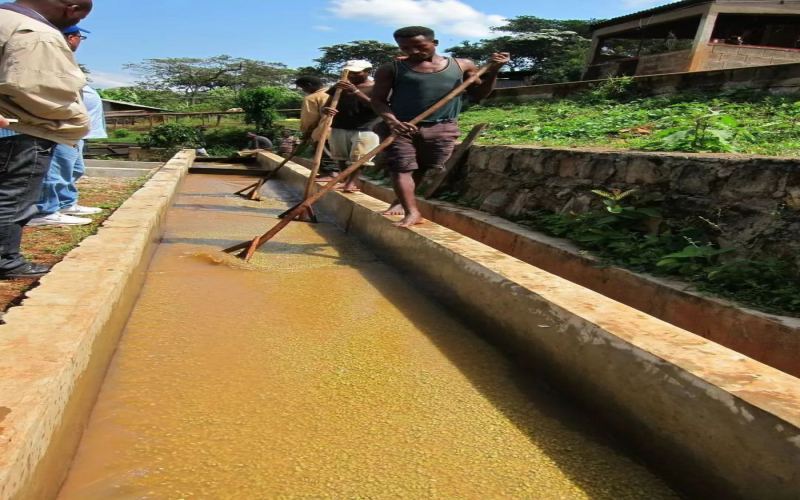
A Complete Guide to Kenyan Coffee Bean Washed Processing: Flavor Differences Between Double Washing, K72, and Dry Fermentation
The washed process is one of the most traditional and most favored methods of green coffee processing in the specialty coffee world, and Kenya, as an important producing region for washed processing, has developed a variety of improved techniques such as double washed, K72 washed, and dry fermentation washed. What are the origins of these variously named processing methods? How do they differ from conventional washed processing? And what flavor expressions do they each impart to coffee? From the perspective of Front Street, this article will trace the historical origins of the washed process, break down one by one the procedural characteristics and cup presentations of the various Kenyan washed techniques, and help you more clearly understand the logic and appeal behind these processing methods. [more…]
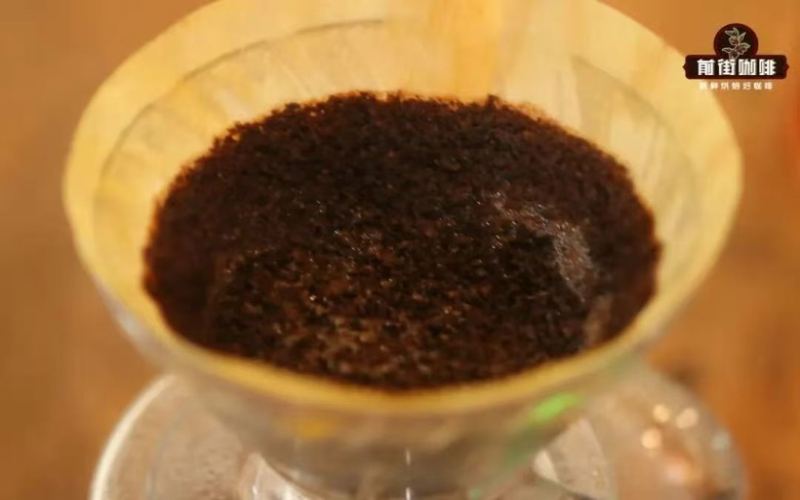
The Flavor Spectrum of Experimental Processing Methods: From Barrel Fermentation to Anaerobic Maceration
Anaerobic natural, lactic fermentation, barrel-aged, yeast inoculation—the vocabulary of specialty coffee processing methods has exploded in recent years, and coffee menus increasingly read like a brewery's process manual. These experimental processing methods are not marketing coinages; each one corresponds to a genuine technological innovation. This article maps out the mainstream lineage and examines "flavor alchemy." [more…]
Analysis of the Flavor Characteristics and Pour-Over Parameters of Colombia Finca San José Oak Barrel Fermented Coffee Beans
In the specialty coffee world, barrel-fermented processing methods have attracted considerable attention in recent years, and the origins of this technique can be traced back to Finca San José in Colombia. The third-generation female owner of the estate was the first to try placing green coffee beans into rum oak barrels for low-temperature fermentation, pioneering a distinctive processing method. This article will provide a comprehensive introduction to Finca San José's regional background, the development of the Castillo variety, the specific process of fine washing combined with rum barrel fermentation, and compare its flavor differences with the barrel-aged beans from Finca Moca in Honduras. At the same time, Front Street Coffee will share the optimal extraction parameters and flavor performance of this bean through brewing experiments at three different water temperatures, helping coffee enthusiasts gain a deeper understanding of this unique Colombian coffee. [more…]