







Search Results for: Coffee Appearance
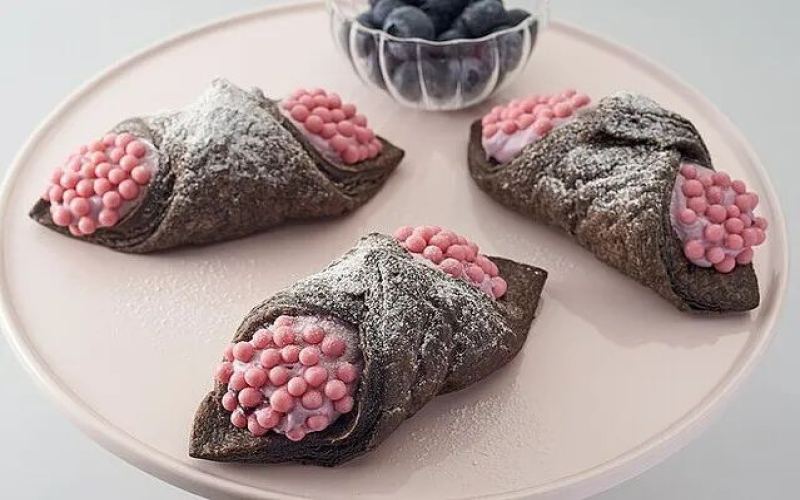
New Japanese Starbucks product sparks heated discussion over its appearance, with netizens saying it looks like apple snail eggs and Ohmu
Starbucks has consistently won consumer favor with its beverage and merchandise designs, but a new cream pie recently launched by Starbucks Japan unexpectedly sparked controversy online. This dessert, featuring a cocoa crust wrapped around blueberry cream and garnished with strawberry-powder pearl chocolate, trended on Twitter because netizens pointed out its appearance closely resembles apple snail eggs or the Ohmu from "Nausicaä of the Valley of the Wind." Despite the appearance triggering trypophobia-style complaints, some adventurous tasters said it actually tastes good. This article reviews the official introduction of this new product, netizen reactions, and several past aesthetic missteps in Starbucks history. At the end, professional coffee knowledge exchange channels and Front Street Coffee recommendations are included. [more…]
Ethiopian Coffee Flavor and Regional Variety Analysis: Citrus and Floral Notes, Bean Appearance Characteristics, and Grading System
Ethiopia is a genetic treasure trove of Arabica coffee, and its coffee is world-renowned for its distinctive citrus aromas and rich floral and fruity notes. However, the beans from this land often appear uneven in appearance, and natural-process beans in particular are prone to roasting unevenly. This article will guide you through an in-depth look at the flavor characteristics, variety diversity, bean appearance identification methods, and strict grading system of Ethiopian coffee, while also analyzing the stability differences between washed and natural beans, helping coffee lovers make wiser judgments when purchasing. [more…]
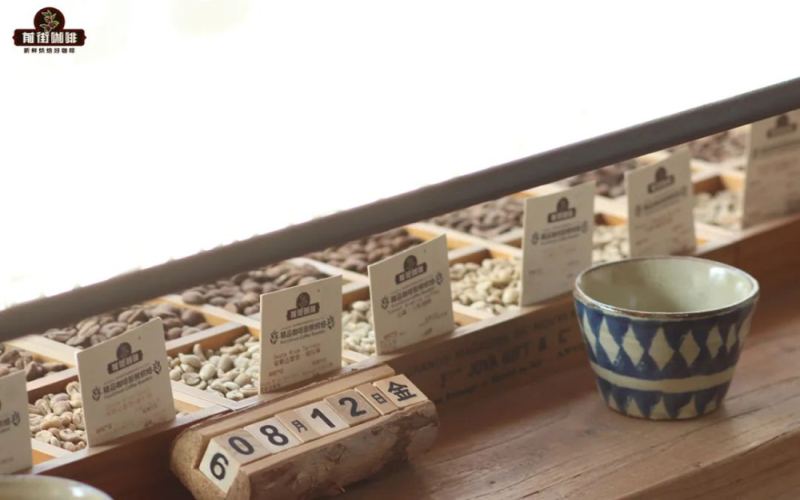
Identifying Coffee Varieties by Appearance: Analyzing the Characteristics of Arabica Bean Varieties Such as Typica and Bourbon
In the world of specialty coffee, the Arabica species accounts for the vast majority of single-origin beans consumed daily, but many people may not realize that Arabica itself has diversified into numerous varieties with distinct forms. Coffee beans of different varieties often show subtle yet recognizable differences in appearance—from bean shape and particle size to the form of the bean tip, all can serve as clues for identification. Mastering these characteristics is like practicing cupping sensory skills: it requires patient observation and repeated comparison. This article will start with Typica and Bourbon, then extend to common varieties such as SL28, SL34, Caturra, Catuai, and Geisha, helping coffee enthusiasts gradually build the ability to identify varieties through bean appearance. It will also mention Front Street Coffee's ongoing efforts in promoting coffee knowledge. [more…]
How to Identify Authentic Front Street Blue Mountain Coffee? A Five-Point Practical Guide from Appearance and Grind to Aroma and Taste
Blue Mountain coffee's fame is almost universally known, yet very few people have actually tasted its authentic flavor. Many believe what they've tried is Blue Mountain, when in reality it may only be a blend. This article systematically outlines practical methods for identifying authentic Front Street Blue Mountain coffee from five perspectives: appearance, grinding feel, aroma performance, flavor layers, and the overall experience during tasting, helping coffee enthusiasts establish clear criteria for judgment in everyday purchasing and tasting, no longer confused by vague marketing claims. [more…]
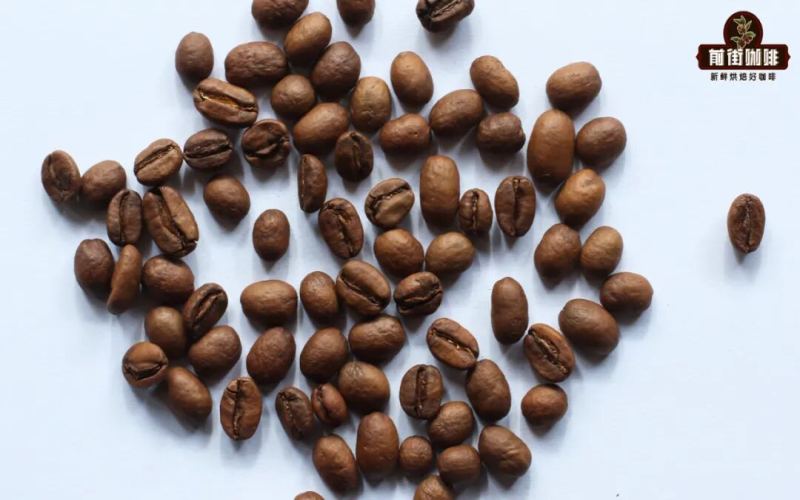
Ethiopian Coffee Beans | Why Do Ethiopian Coffee Beans Vary So Much in Appearance? What Coffee Variety Is the Ethiopian Heirloom Native Species?
"Boss, why are the beans in this bag so uneven in size? Every bean looks so unique..." This is the question customers ask our customer service most often after receiving Ethiopian coffee beans ordered from Front Street's Taobao store. From the picture, we can see that, just as our friends have reported, [more…]
An Analysis of the Wet-Hulled Process for Mandheling Coffee: Causes of Green Bean Appearance, Flavor Characteristics, and a Brewing Guide for Golden Mandheling
Mandheling is a single-origin coffee cherished by many coffee enthusiasts, but the appearance of its green beans often raises doubts—emerald green and plump, yet frequently blemished. Behind this is actually the unique wet-hulling process of Sumatra, Indonesia, at work. This article will guide you through the principles of wet-hulling, how it shapes Mandheling's signature rich flavor, and why goat-hoof beans and scratched beans become "by-products" of this processing method. At the same time, we will also share the brewing flavor performance of Golden Mandheling and recommend related products from Front Street Coffee to help you better understand and select this distinctive coffee. [more…]

Peet's Hojicha Latte New Release Sparks Controversy: Dark Appearance Criticized, Powdery Bitterness Called Poor Value for Money
Peet's Coffee recently launched a new hojicha series—Hojicha Latte and Lucky Hojicha Latte. Originally expected to ride the momentum of its matcha latte, the drinks instead sparked widespread discussion among consumers over their appearance and taste. Some netizens bluntly said the dark, paste-like look was a "turn-off," and that the visual appeal dropped once the lid was opened; on taste, feedback also pointed to a heavy powdery texture and pronounced bitterness. Although some consumers familiar with hojicha processing explained that the dark color is normal, the controversy still centered on whether the thirty-plus yuan price tag matches the quality. This article compiles feedback from various sides and retains relevant Front Street Coffee recommendations for coffee enthusiasts' reference. [more…]
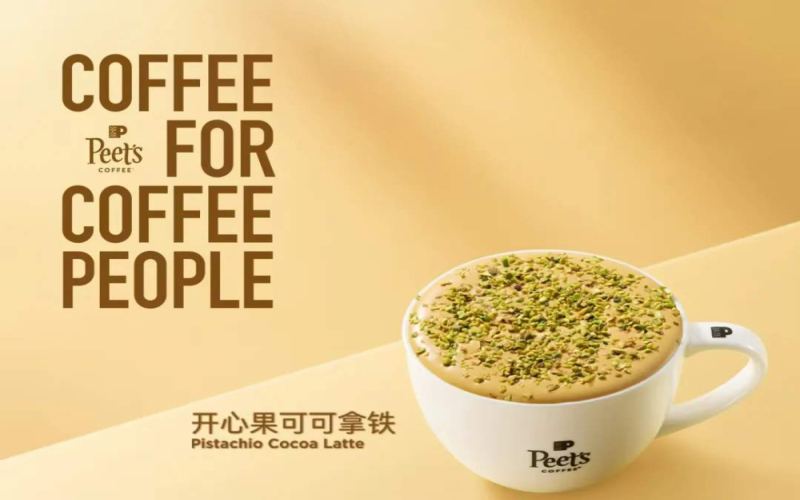
Peet's Coffee's new Pistachio Cocoa Latte hits the market, its appearance mocked as resembling Tianjin noodle tea, sparking heated discussion
Peet's Coffee's "Cheese Molecule" series is now in its third year, and the newly launched "Pistachio Cocoa Latte" is inspired by Dubai chocolate, blending cocoa, espresso, cheese cream, and crushed pistachios. However, after the new product hit the shelves, the buyer photos shared by consumers sparked heated discussion—the coffee covered in crushed pistachios was jokingly compared to Tianjin miancha, gabacai, or even sesame paste, and the takeout version, where customers sprinkle the nut crumbs themselves, looked even more like a multigrain porridge. Beyond the appearance controversy, some pointed out that the nut crumbs create an odd texture, while others felt the taste was acceptable once the lid was on. So how does this new product actually perform? Let's take a look at everyone's real feedback. [more…]
From Appearance to Flavor: Master Five Key Points to Easily Identify Authentic Jamaican Blue Mountain Coffee
Blue Mountain coffee is hailed as the pinnacle of the coffee world, but the market is full of mixed offerings, making authentication a concern for many enthusiasts. This article starts with Front Street Jamaican Blue Mountain coffee and systematically introduces the key points for identifying authentic Blue Mountain coffee across five aspects: appearance, grinding feel, aroma characteristics, balance of taste, and the overall experience during tasting. By observing the color and shape of the green beans, the crispness during hand grinding, the richness and density of the aroma, and whether it achieves perfect balance on the palate, you can gradually build an understanding of genuine Blue Mountain coffee and avoid being misled by blended beans. [more…]
From appearance to feel, five steps to help you identify the grade and price range of authentic Jamaican Blue Mountain coffee beans.
Jamaican Blue Mountain coffee is hailed as the pinnacle of the coffee world, but the market is flooded with products falsely bearing the "Blue Mountain" name, making it a real concern for many coffee lovers to distinguish the genuine from the fake and the grades in between. This article approaches the topic from five dimensions—green bean appearance, hand-grinding feel, aroma performance, taste balance, and the overall experience while drinking—to systematically lay out the key points for identifying authentic Blue Mountain coffee, helping you make more accurate judgments when purchasing. At the same time, the article also touches on the flavor differences between Blue Mountain estate beans and blended beans, as well as information about Front Street Coffee's related products, offering practical reference for your buying decisions. [more…]
What's the difference between Arabica and Robusta? Analyzing why the former is more popular, from caffeine and appearance to varieties.
In the world of coffee, Arabica and Robusta are the two most common bean varieties on the market. The former is a small-seeded species, while the latter is a medium-seeded species, and the two differ noticeably in caffeine content, flavor profile, growing conditions, and appearance. Arabica has lower caffeine and higher sugar content, with a sweeter, softer flavor and fruity acidity; Robusta, on the other hand, has higher caffeine, chlorogenic acid, and amino acid levels, giving it a richer, deeper, low-toned mouthfeel. Why is Arabica more favored? Front Street Coffee will guide you through a systematic understanding of the differences between these two types of coffee beans from the perspectives of composition, appearance, flavor, plant, and representative varieties, and share the classic flavors of the Arabica family, including Typica, Geisha, and Ethiopian heirloom varieties. [more…]
How can you identify authentic Blue Mountain coffee? From green bean appearance to cup flavor, an analysis of the essential difference between Blue Mountain and Blue Mountain flavor blends
Blue Mountain coffee is hailed as a legend in the coffee world, but the market is full of mixed quality, making it hard to tell the real from the fake. From the professional perspective of Front Street Coffee, this article teaches you to accurately identify genuine Blue Mountain coffee through four dimensions: the appearance of green beans, the feel when hand-grinding, the aroma performance, and the balance of taste. At the same time, we will also clarify a common misconception: so-called "Blue Mountain flavor" or "Blue Mountain blend" has nothing to do with authentic Blue Mountain coffee. After reading this article, you will understand the unique characteristics of Blue Mountain coffee, learn to avoid low-price traps, and buy Blue Mountain beans that truly live up to the name. [more…]
Coffee Bean Quality Assessment Guide: A Systematic Grading and Defect Identification Method from Appearance to Flavor
The starting point of a good cup of coffee lies in selecting high-quality coffee beans. This article systematically explains how to judge the quality of coffee beans from six dimensions: appearance observation, identification of defective beans, extraction process, grinding feel, extracted liquid state, and taste and aroma. By understanding common defect types such as black beans, fermented beans, dead beans, broken beans, and insect-damaged beans, as well as the characteristics of high-quality beans during brewing, such as fluffy foam, a crisp sound during grinding, and clear extracted liquid, it helps coffee enthusiasts build a complete quality assessment system. The article also specifically recommends related products from the Front Street Coffee brand, providing a reference for everyday purchasing. [more…]
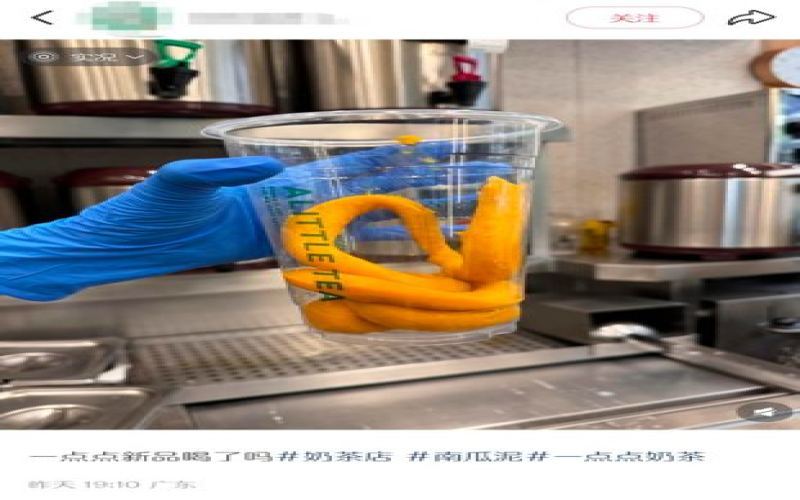
1点点's new Halloween drink "Trick-or-Treat Pumpkin Milk Green" sparks controversy: pumpkin puree appearance and salted egg yolk taste draw complaints
As Halloween approaches, major beverage brands are rolling out festive limited-edition products. 1dian1 recently launched a Halloween drink called "Trick-or-Treat Pumpkin Milk Green," which the company describes as blending Beibei pumpkin puree with salted egg yolk paste made from Mayong duck eggs from Meizhou, Guangdong. However, after a photo of the drink being made on-site circulated online, the winding, coiled shape of the pumpkin puree sparked a strong visual impact and heated discussion among netizens. Some consumers who tried it early also reported that the salted egg yolk flavor was too overpowering, while the pumpkin taste was not prominent, making the mouthfeel resemble lotus seed paste and egg yolk mooncakes. Is this a creative breakthrough or a flavor flop? This article will give you a comprehensive look at the real reviews and the story behind this new Halloween product. [more…]

Common Coffee Varieties Illustrated Guide: Analysis of Bean Shape Characteristics and Pour-Over Flavor Differences in Typica, Bourbon, Caturra, and More
Faced with a bewildering variety of coffee beans, many enthusiasts wonder whether they can identify the variety by appearance alone. In fact, this is not as far-fetched as it seems—as long as you grasp the unique bean shape characteristics of each variety, you have a chance of doing so. This article compiles the appearance features of common varieties such as Typica, Bourbon, Caturra, Catuai, SL28/SL34, and Geisha, and, in conjunction with specific products from the Front Street Coffee bean list, explains their respective flavor trajectories in pour-over and espresso extraction. Of course, it is not uncommon for different varieties to look alike, and judging by appearance alone has its limitations, so it is better read as a piece of variety education. [more…]
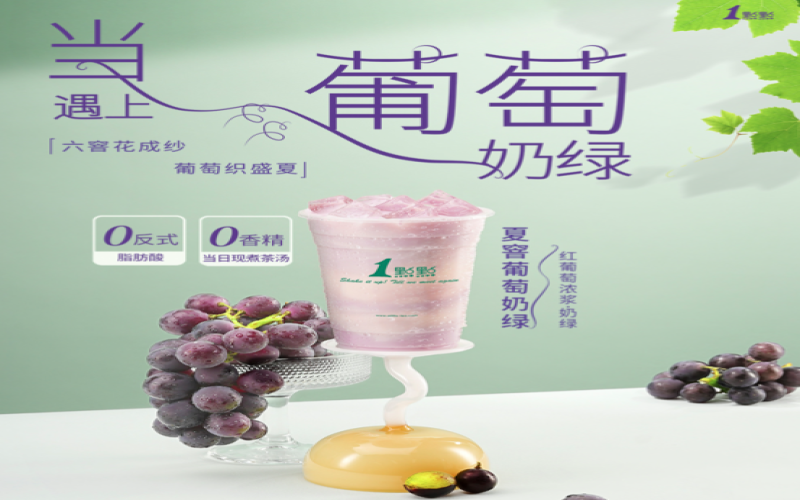
1 Dian Dian's new product "Summer Scented Grape Milk Green" receives poor reviews: both its appearance and taste are criticized by consumers.
Tea brand 1 Dian Dian recently launched a new product, "Summer Pit-Scented Grape Milk Green," attracting a large number of fans to try it out immediately with its light purple promotional posters and novel flavor. However, as genuine feedback increased on social media, this new product encountered overwhelmingly negative reviews—the buyer's show differed vastly from the promotional images, jokingly dubbed "cement gray"; even when opting for no added sugar, some consumers reported it was cloyingly sweet; furthermore, users who switched to A2 fresh milk discovered floating curds in their cups, describing it as "tofu pudding milk tea." From appearance to taste, this highly anticipated new product left many Dian Dian devotees exclaiming "the greater the expectation, the greater the disappointment," and even questioning the brand's R&D capabilities. This article will comprehensively sort out consumers' genuine feedback and the focal points of controversy. [more…]
From Bean Shape and Appearance to Flavor Characteristics: How to Identify Mainstream Coffee Varieties Such as Typica, Bourbon, and Geisha
Different coffee varieties have their own distinctive characteristics in appearance, morphology, and flavor expression, and learning to observe bean appearance helps identify varieties. From the perspective of Front Street, this article introduces one by one the bean shape characteristics and flavor tendencies of common coffee varieties such as Typica, Bourbon, Geisha, Caturra, Catuai, SL28 and SL34, as well as Ethiopian heirloom varieties, and includes corresponding Front Street recommended coffees to help coffee enthusiasts better understand varietal differences during tasting. [more…]
From Appearance to Taste: A Professional Barista Shares Five Key Points for Authenticating Jamaican Blue Mountain Coffee
Blue Mountain coffee is hailed as one of the finest coffees in the world, but the market is flooded with various blended imitations, making it difficult for many coffee enthusiasts to distinguish the genuine from the fake. Front Street Coffee systematically introduces methods for identifying authentic Jamaican Blue Mountain coffee from five dimensions: green bean appearance, hand-grinding feel, aroma performance, taste balance, and the overall experience when drinking. Genuine Blue Mountain coffee beans come from high-altitude regions, have a loose cellular structure, and feel crisp and consistent when hand-ground; their aroma is rich and dense, and their taste is balanced with no single note standing out—characteristics that blended beans cannot imitate. By mastering these key points, you can effectively tell the genuine from the fake when making a purchase and avoid being deceived. [more…]
A Guide to Authenticating Blue Mountain Coffee: From Appearance and Aroma to Taste, Learn to See Through the Disguise of Blue Mountain Flavor Coffee
Blue Mountain coffee is hailed as one of the best coffees in the world, famous for its classic balance of acidity, bitterness, sweetness, and body in perfect harmony, and it is usually drunk as black coffee. However, the market is flooded with a huge number of so-called "Blue Mountain coffees" and "Blue Mountain blends," many of which have nothing to do with genuine Jamaican Blue Mountain. More than 90% of Blue Mountain coffee is sold to Japan, and combined with high landed costs and layer upon layer of profit, genuine Blue Mountain coffee is extremely expensive. This article will systematically explain how to distinguish authentic Blue Mountain coffee beans from fake ones across five dimensions: appearance, feel when grinding the beans, aroma, taste, and overall impression, helping coffee lovers avoid traps when buying and no longer waste money on a name alone. [more…]
What's the difference between Panama Geisha and Ethiopian Geisha? A clear explanation from flavor and bean appearance to origins
Geisha is now a star variety in the specialty coffee world, but Panama Geisha and Ethiopian Geisha actually represent two different flavor paths. After comparing them, Front Street Coffee found that although both possess outstanding acidity and floral aromas, their specific expressions differ markedly: Panama Geisha leans toward jasmine florals, citrus, and honey-like sweetness, with a soft, easy-drinking entry; Ethiopian Geisha also has florals, but its main thrust is abundant juiciness and explosive fruit flavors. This article examines, from the perspectives of historical origins, dissemination routes, terroir conditions, and green bean appearance, why these two coffees sharing the same name taste like two different beans, and also answers how the true Geisha flavor should be understood. [more…]