







Search Results for: Chlorogenic Acid Lactones
An Analysis of the Differences Between Instant, Drip, and Freshly Ground Coffee: A Full Comparison of Caffeine, Chlorogenic Acid Content, Aroma, and Taste
The world of coffee is far richer than one might imagine. Some people are used to casually making a cup of instant coffee, some prefer the slow, deliberate process of drip brewing, and others insist on the fresh flavor of freshly ground coffee beans. These three methods may seem to differ only in brewing technique, but in reality they conceal significant differences in composition and experience. Many people wonder whether instant coffee and drip coffee differ in their health benefits. In fact, their caffeine content is basically the same—what truly sets them apart is the chlorogenic acid content and the degree to which coffee aroma is released. Because drip coffee undergoes a more complete brewing process, it better preserves chlorogenic acid, a compound with antioxidant properties, while also fully releasing the aromatic substances inherent in the coffee. Coffee aroma itself has a calming and relaxing effect, so for people who live under long-term high pressure and busy schedules, drinking drip coffee in moderation may bring a more ideal experience for both physical and mental well-being. Next, we will compare instant, drip, and freshly ground coffee one by one across multiple dimensions, including composition, aroma, and taste. [more…]

SCA Coffee Flavor Wheel Analysis Tutorial | What Is Coffee Flavor? Which Single-Origin Coffee Beans Best Represent Coffee Flavor? How Can Beginners Distinguish Coffee Flavor Characteristics?
Professional barista exchange, please follow Front Street Coffee (FrontStreet Coffee). Many friends have asked Front Street's baristas: "Can you really taste so many flavors in the beans? How do you taste them?" First, this is about personal sensory perception. As everyone grows up, [more…]
The World's Three Major Coffee Varieties | Why is Robusta Coffee Rarely Seen in Specialty Coffee? What Are the Pros and Cons of the Robusta Variety?
I believe everyone has heard of Arabica coffee. Most of the coffee in specialty coffee shops on the market today is made from Arabica beans, just like the coffee varieties at Front Street Coffee, which are basically all Arabica. But today, Front Street would like to introduce one of the three major coffee varieties, Rob [more…]
SCAA咖啡风味轮全新版本解读:从酸苦甜咸到85种风味层次的系统指南
咖啡风味轮的更新让品鉴体系更加完善,但很多人面对柑橘、莓果、坚果等描述仍感困惑。前街咖啡在日常冲煮中会根据客人的口味偏好推荐不同产区的豆子,而准确辨识风味则需要系统训练。本文从酸、甜、苦、咸四大味谱入手,结合新版风味轮的完整分类,逐一解读花香、果香、草本、坚果可可、甜味、香辛料、酸味发酵、酒精发酵、烘焙及其他类别的具体表现,帮助咖啡爱好者建立清晰的风味认知框架。 [more…]

SCAA手冲精品咖啡风味轮高清图下载及风味术语系统知识科普
咖啡风味轮是精品咖啡圈公认的品鉴工具,但面对柑橘、莓果、坚果、巧克力等描述词,很多人不知如何对应。本文从SCAA最新版风味轮高清图出发,系统梳理咖啡风味的构成逻辑:酸甜苦咸四大滋味与烘焙度的关系、各滋味物的占比数据、酸味谱苦味谱甜味谱咸味谱的细分,以及花香果香、绿植草本、坚果可可、甜味、香辛料、酸与发酵、酒精发酵、烘焙、其它等九大风味群组的逐项解析。文中还穿插前街咖啡的日常训练方法与代表豆款推荐,帮助读者建立从闻到喝的完整品鉴框架。 [more…]
咖啡香气描述指南:36种常见气味名称与专业品鉴用语解析
喝咖啡时,你是否曾遇到一种似曾相识却说不清的气味?其实,咖啡风味的感知需要系统的认知训练。前街咖啡在日常杯测与烘焙调整中,尤其重视对咖啡风味的辨识能力。本文从咖啡的酸甜苦咸四大滋味入手,结合风味轮的分类逻辑,详细拆解花香、果香、绿植草本、坚果可可、甜味、香辛料、酸味发酵、酒精发酵、烘焙及其他共36种常见香气名称,并给出具体的咖啡豆代表与前街的品鉴建议,帮助你更准确地描述和享受一杯咖啡的层次与余韵。 [more…]
精品咖啡豆风味与品种解析:酸苦甜咸四大味谱及老年人适宜饮用的咖啡选择
走进前街咖啡(FrontStreet Coffee),面对菜单上超过50种咖啡豆,许多初次到访的客人常常不知从何选起。咖啡的风味究竟如何描述?酸、苦、甜、咸四大味谱各自有何特点?世界三大咖啡产区的豆子风味差异从何而来?阿拉比卡、罗布斯塔和利比利卡三大品种又分别适合哪些人群?本文从前街咖啡的品鉴经验出发,系统梳理咖啡风味的形成逻辑与品种特点,并针对老年咖啡爱好者给出饮用建议,帮助你在琳琅满目的咖啡世界中找到属于自己的那一杯。 [more…]
Robusta Coffee Beans | Why is Robusta rarely seen in specialty coffee? What are the characteristics of the Robusta coffee variety?
Front Street believes everyone has probably heard of Arabica coffee. Currently, the coffee in specialty coffee shops on the market is mostly Arabica coffee beans, just like the coffee varieties at Front Street Coffee, which basically all belong to Arabica coffee. But today, Front Street wants to introduce one of the three major coffee varieties, Robu [more…]
The Meaning and Core Principles of Coffee Roasting: A Complete Analysis of the Transformation from Green Beans to Rich, Aromatic Flavor
Roasting is the key step that transforms coffee beans from bland green beans into the rich aroma in your cup. During roughly twenty minutes of high-temperature treatment, the starches inside the beans convert into sugars and acidic substances, moisture and carbon dioxide escape, and proteins and fats combine to form an oily film on the surface, accompanied by the cracking sounds of first crack and second crack. Chlorogenic acid gradually dissipates, releasing pleasant fruit acids such as acetic acid, citric acid, and malic acid. Different roasting levels produce beans of varying darkness; charcoal-burned coffee is the typical example of a deep French roast, and its bitterness comes mostly from carbonization rather than just caffeine. When roasted properly, the beans expand evenly, with a smooth surface and consistent gloss, which is what allows coffee to show its ultimate character. Front Street Coffee believes that mastering the principles of roasting is an important foundation for brewing good coffee. [more…]
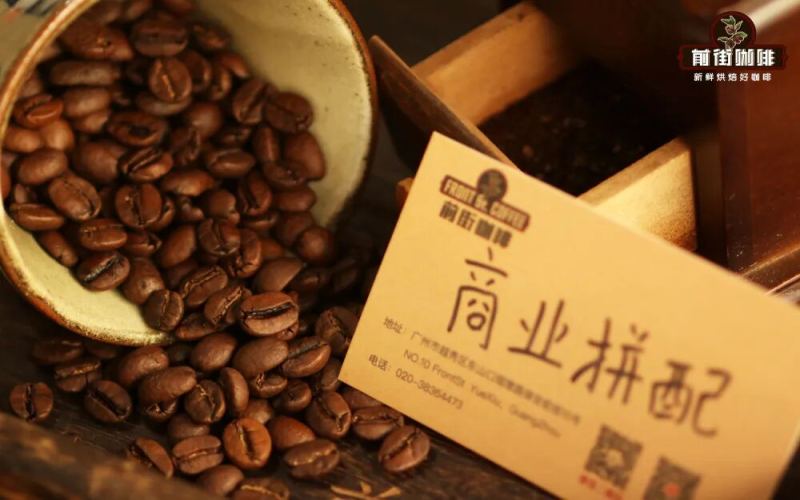
Introduction to Arabica and Robusta Coffee Beans | What are the origins, flavors, and appearance characteristics of Arabica and Robusta coffee beans?
If you know anything about coffee, you're surely aware that coffee beans fall into two main categories: Robusta and Arabica. These are arguably the two most common bean varieties we encounter. But why is Arabica coffee more favored? So today, Front Street Coffee is here to share exactly what's going on between these two. [more…]
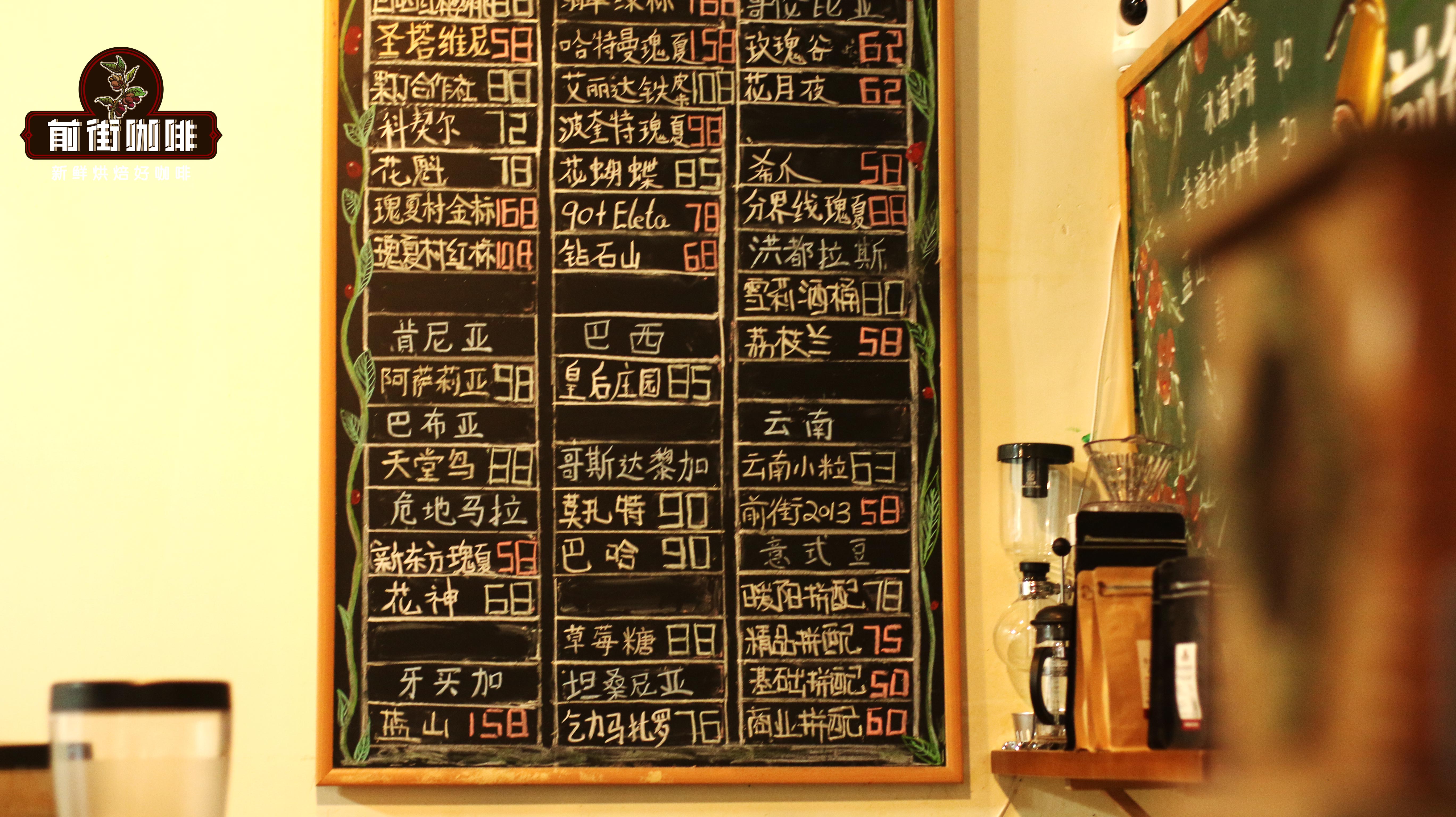
Fruity-acid flavored coffee beans recommendation | What are the pour-over black coffee flavor characteristics of medium-light roasted coffee? Where does the acidity in coffee come from?
On ordinary days, behind the bar, you get to meet all kinds of customers. Quite a few of them are not used to coffee beans that are on the acidic side. Usually, the coffees with pronounced acidity are those that are roasted lighter, and indeed some lightly roasted coffees have an acidity that is hard to accept. So customers naturally form the impression that cof [more…]
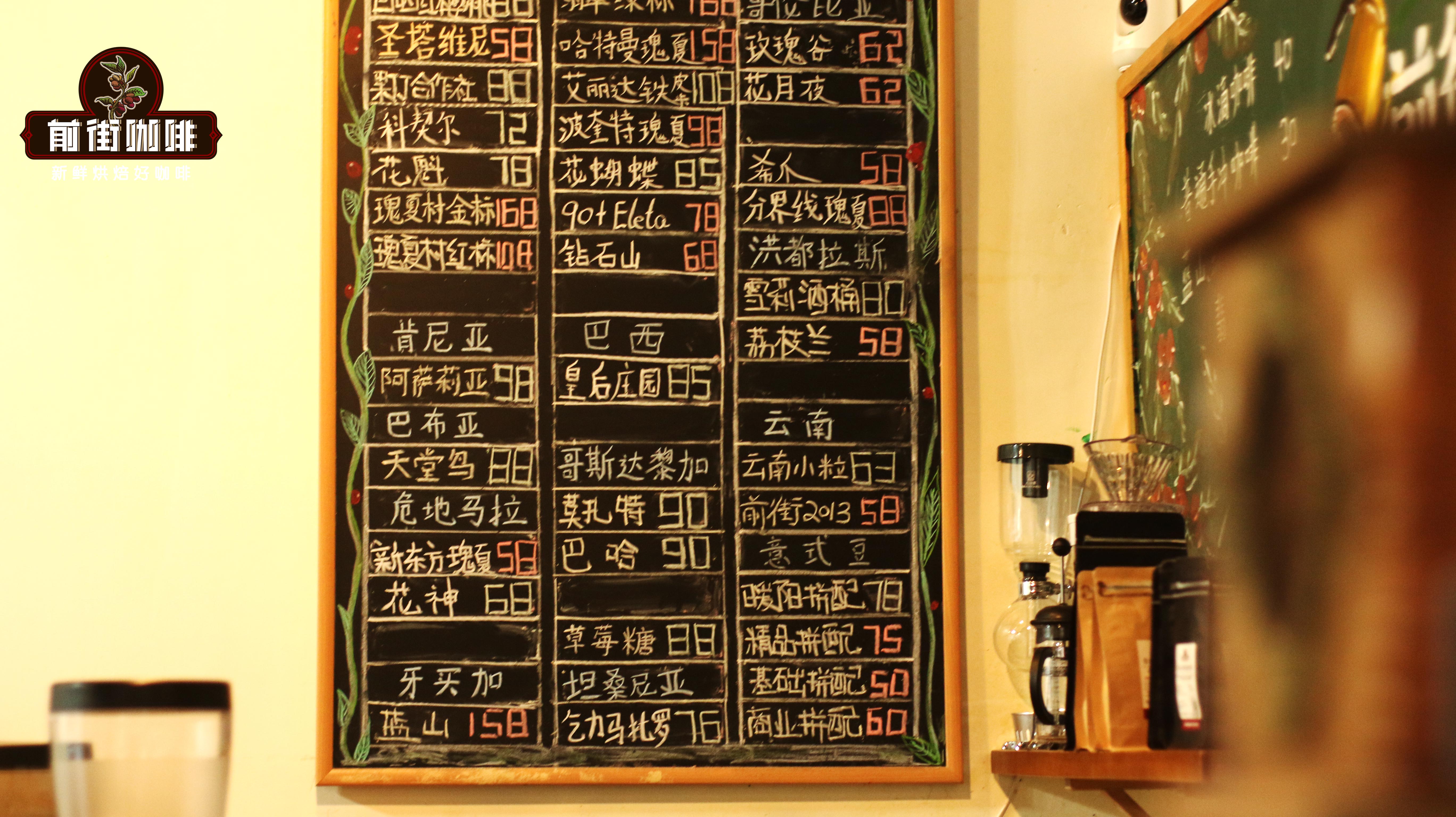
Light Roast Pour-Over Single-Origin Bean Recommendations | Why Is Light Roast Coffee Sour? Which Light Roast Beans Have Sweet, Fruity, and Floral Flavors in Pour-Over Coffee?
On ordinary days, I get to meet all kinds of customers behind the bar, and quite a few of them are not used to coffee beans that lean sour. Usually, the coffees with strong acidity are those that are roasted lighter, and indeed some lightly roasted coffees have a sourness that is hard to accept. So customers naturally form the impression that cof [more…]
咖啡风味轮与感官矫正训练:从嗅觉记忆到味觉辨析的完整培训指南
咖啡风味轮是精品咖啡行业的重要工具,但很多人面对这张图却不知如何解读。本文系统梳理了咖啡风味轮的发展背景与实用价值,并深入讲解感官矫正训练的具体方法——从香气记忆的日常积累,到味觉辨析中味蕾与口感的双重感知机制。通过科学训练建立个人风味记忆库,才能真正读懂一杯咖啡。文章还介绍了舌头两种接收器的工作原理,以及顺滑感与涩感背后的物质基础。想要提升品鉴能力,这套训练方法值得反复研读。 [more…]
咖啡苦味从何而来?烘焙化学揭秘与牛奶咖啡的流行之路
咖啡早已超越了单纯饮品的范畴,它承载着文艺气息与生活美学,色泽如怀旧影像,香气似梦幻撩人,而味道则因人而异、各有偏好。一杯咖啡中蕴含三十多种化学物质,其中过半微量元素对健康有益,它们共同赋予了咖啡酸、涩、苦等复杂风味。自1930年起,科学家便持续探究这些化学分子对风味的影响,然而关于苦味的专门研究却相对稀少。德国慕尼黑工业大学的Thomas Hofmann针对这一空白展开深入探索,揭示了绿原酸内酯与苯基林丹在不同烘焙阶段的变化如何决定咖啡苦味的强弱。这一发现不仅加深了我们对咖啡的认识,也为咖啡制造商减轻苦味提供了科学依据,推动了方糖、牛奶与咖啡的结合,催生了卡布奇诺、摩卡、拿铁、玛奇朵等经典牛奶咖啡系列。本文将带您了解咖啡苦味背后的化学奥秘及其对咖啡文化的影响。 [more…]

Coffee Roast Levels | What Determines Coffee Bean Roast Degree and How Does It Affect Coffee Flavor? What's the Difference Between Dark, Medium, and Light Roasted Coffee Beans?
60% of coffee's flavor comes from green beans, 30% from roasting, and 10% from brewing. It's clear that many factors influence coffee flavor. So, as a roaster, how do you decide the roast level of coffee beans? Today Front Street will talk about determining the roasting style. There are two points to keep in mind—cof [more…]
精品咖啡的酸味从何而来?解析烘焙化学变化与风味层次的成因
喝过精品咖啡的人,往往对其明亮的酸味印象深刻——那不是令人皱眉的死酸,而是带有果香、花香的愉悦酸感。这种酸味究竟从何而来?本文从咖啡豆的化学成分出发,解析绿原酸、苹果酸、柠檬酸、奎宁酸、酒石酸等有机酸在烘焙过程中的变化,以及蔗糖含量与产地、海拔的关系,帮助读者理解咖啡酸甜苦香的来源。掌握这些知识,不仅能提升品鉴能力,还能为挑选咖啡豆、烘焙生豆和冲泡咖啡提供实用参考。 [more…]
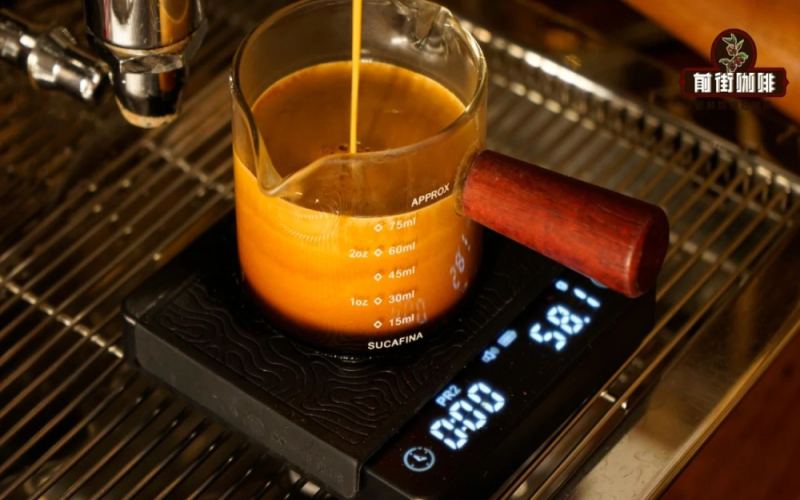
咖啡豆浅中深烘焙风味差异解析 不同烘焙度精品咖啡口感特点与选择
咖啡生豆本身并无明显香气与滋味,唯有经过烘焙才能释放出迷人的风味。烘焙时间、温度、方式乃至烘焙师的经验,都会对最终杯中的口感产生微妙影响。从浅烘到深烘,咖啡豆的颜色、酸苦平衡与香气层次各有不同,适合的冲煮方式与饮用偏好也大相径庭。本文前街咖啡将系统梳理浅度、中度与深度烘焙咖啡豆的风味区别,并结合具体产区案例,说明烘焙师如何依据豆性选择曲线,以及不同烘焙度对咖啡化学物质与最终口感的影响,帮助咖啡爱好者更清晰地理解烘焙与风味之间的关系。 [more…]

Specialty Coffee | Why Are Light and Medium Roast Coffee Beans So Popular? Is Dark Roast Coffee Good? What's the Difference Between Dark Roast and Medium Roast Coffee?
Mainstream Third Wave Specialty Coffee Nowadays, cafes often emphasize that they serve "specialty coffee." What exactly is "specialty coffee"? Why is it that among the home-roasting businesses blooming like wildflowers, over ninety percent choose the so-called light-to-medium roast to interpret the flavors of green coffee beans? Just pay a little attention to coffee-related articles. [more…]

Specialty Coffee in China | What coffee variety is Yunnan small-batch coffee? Recommended Yunnan single-origin specialty coffee beans that are great for pour-over
When it comes to coffee cultivation, people may first think of famous coffee-growing regions such as Africa and Central and South America. In fact, Yunnan in China had records of coffee cultivation as early as 1904, and today it has even ranked among the world's coffee producers. "Yunnan small bean" is appearing more and more frequently in domestic coffee shops, [more…]
Moka Pot Tutorial Illustrated | Comparison of Coffee Ground Coarseness Between Moka Pot and Espresso Machine What Kinds of Coffee Beans Are Suitable for Moka Pot
The moka pot is the most affordable type of machine for brewing espresso coffee, and it is commonly used in Italian households. It was invented in 1933 by the Italian Alfanso Bialetti, and it brews coffee by heating the base, making it a type of steam-distillation method. The moka pot and 19 [more…]