







Search Results for: China National Intellectual Property Administration
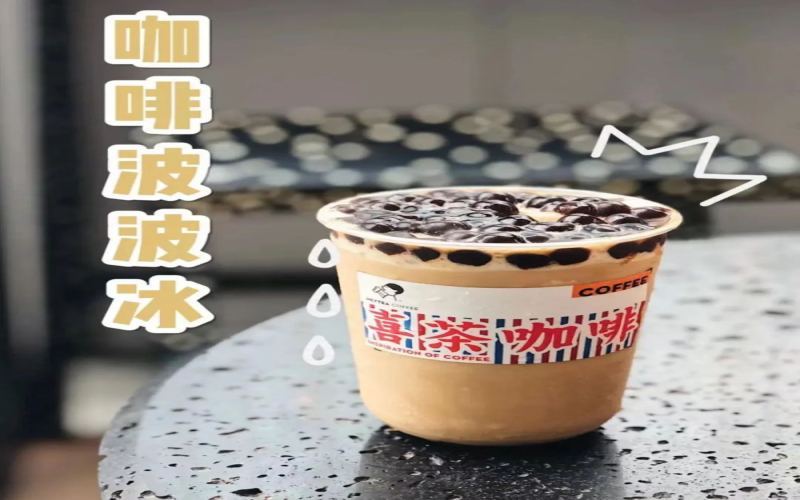
HEYTEA Coffee's trademark registration was rejected due to deceptiveness and similarity, and its lawsuit against the China National Intellectual Property Administration also failed.
In 2019, Heytea made a cross-industry foray into coffee products, blending milk tea elements into coffee and applying to register the "Heytea Coffee" trademark. However, the China National Intellectual Property Administration deemed the trademark deceptive and similar to the cited trademark "Xicha," rejecting the registration application. Heytea's affiliated company disagreed and sued the China National Intellectual Property Administration. The court of first instance upheld the rejection decision, finding that the disputed trademark could easily mislead the public about the characteristics and quality of the goods and cause confusion with another party's prior trademark. This article reviews the case process and the court's key rulings, for coffee enthusiasts to learn about brand trademark protection developments. [more…]
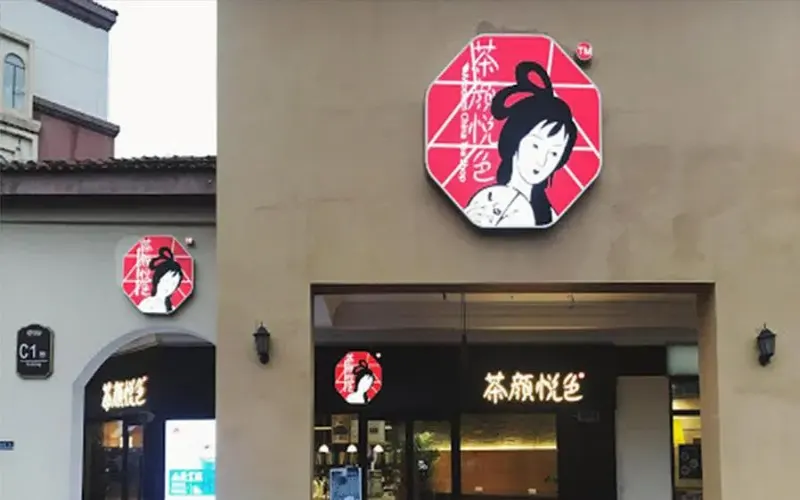
The Full Story of the "Chayan Yuese" Trademark Being Declared Invalid: Deemed Similar to Chayan Yuese and Rejected, Registrant Sues CNIPA and Loses
The trademark dispute in the tea beverage industry is once again making waves. Previously, Coffee Workshop reported that "Cha Yan Guan Se" lost its trademark infringement lawsuit against "Cha Yan Yue Se," and "Cha Yan Yue Se" won its counterclaim against "Cha Yan Guan Se." Now another one has emerged: "Cha Yan Yue Se." This trademark, applied for registration in 2018, was declared invalid by the National Intellectual Property Administration because it was highly similar to the genuine Cha Yan Yue Se in terms of text composition, pronunciation, and graphic design. The registrant, a certain Guo, refused to accept the ruling and actually sued the CNIPA in court, but was ultimately rejected by the Beijing Intellectual Property Court. From "Cha Yan Guan Se" to "Cha Yan Yue Se," imitators keep emerging one after another. This farce once again reminds us: trademark protection is by no means child's play. Although the road to brand rights protection is long, the law will ultimately provide a fair answer. [more…]
Chayan Yuese Loses Trademark Opposition Against Mixue Bingcheng; Successful Registration of "Chayan Bingcheng" Draws Attention
In recent years, as public awareness of intellectual property has grown, trademark disputes surrounding well-known brands have become increasingly common. The two major new-style tea beverage brands Chayan Yuese and Mixue Bingcheng once joined forces to oppose the "Chayan Bingcheng" trademark, yet the China National Intellectual Property Administration ultimately ruled that the trademark be registered. This incident not only reflects the real-world dilemmas faced by brand protection but also sparked discussions about copycat culture and consumer choice. This article will sort out the sequence of events, review the historical origins of the copycat phenomenon, and explore the interplay between innovation and imitation in the new tea beverage industry. [more…]
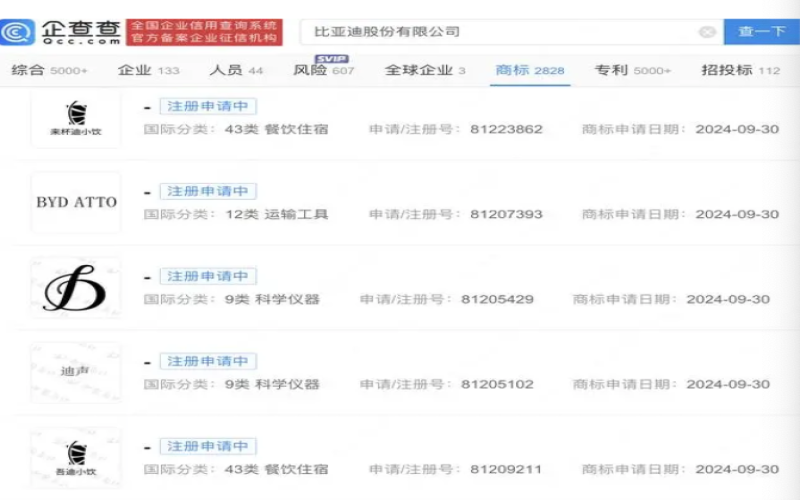
Auto giant expands into coffee territory again: BYD registers "Wudi Xiaoyin" series of food and beverage trademarks
BYD, a leading domestic new energy vehicle company, recently submitted registration applications to the China National Intellectual Property Administration for two trademarks, "Wudi Xiaoyin" and "Laibei Di Xiaoyin," with the international classification pointing to the food and beverage and accommodation sector. The applications are currently awaiting substantive examination. This move is seen by the industry as a new step by BYD on the path of diversified operations. In fact, as early as 2023, BYD had already established themed restaurants and cafes in Singapore, integrating automobile displays with dining experiences. From overseas experimentation to domestic trademark reserves, this automaker seems intent on embedding coffee culture into its showroom service scenarios. This article will sort out the specific information of BYD's trademark applications, review its past attempts in the food and beverage and coffee sector, and analyze the strategic intent behind this cross-industry move. [more…]
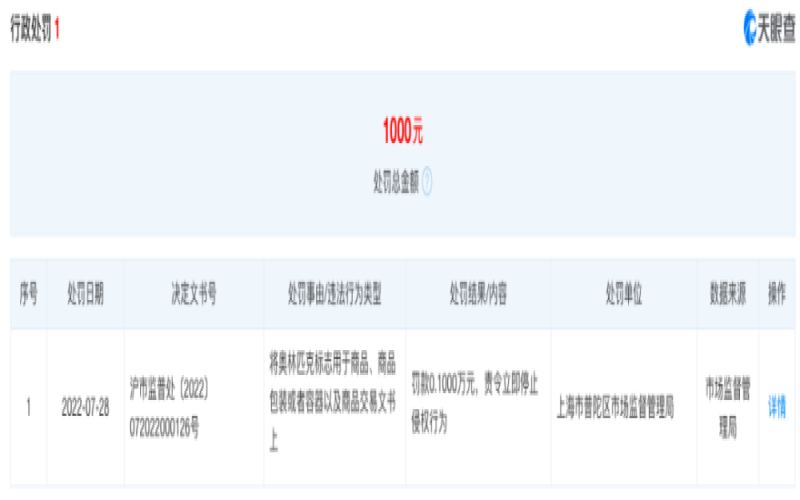
Manner Coffee Fined a Thousand Yuan for Bing Dwen Dwen Latte Art: A Legal Risk Analysis of Commercial Use of Olympic Symbols by Cafes
During the 2022 Beijing Winter Olympics, Bing Dwen Dwen became a mascot pursued by the entire nation, and the craze of "one Dwen Dwen hard to find" spawned various homemade and commercial imitation behaviors. A Manner coffee shop in Shanghai was fined a thousand yuan by market regulators for making latte art coffee resembling Bing Dwen Dwen, sparking industry attention to the boundaries of commercial use of Olympic symbols. This article reviews the penalty details of the incident, the legal basis, and typical cases from the same period, helping coffee practitioners clarify the line between creative latte art and infringement, and avoid inadvertently crossing intellectual property red lines. [more…]
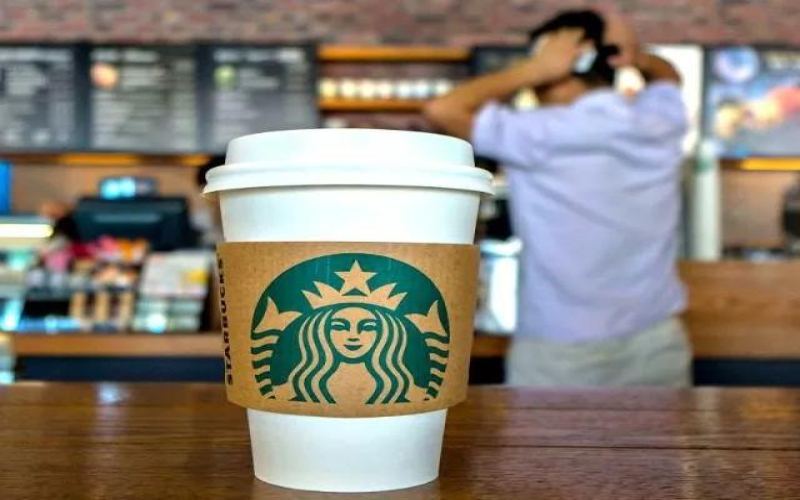
The counterfeit Starbucks coffee case has finally come to a close: Shuanshan Company was ordered to pay 21.72 million yuan in compensation, drawing attention to the rise of domestic coffee brands.
As coffee consumption grows increasingly widespread, brand infringement cases have also risen. In 2018, market regulators in Wuxi received a tip-off and discovered counterfeit "Starbucks" instant coffee products circulating on the market; an investigation confirmed they were sold by Shuangshan Food (Xiamen) Co., Ltd. Although the company knew the products were fake, it still supplied more than 50 merchants across 18 provinces nationwide, with the amount involved exceeding 7 million yuan. In 2021, the Wuxi Intermediate People's Court ruled in the first instance that Shuangshan Company must publicly apologize and pay 21.72 million yuan in punitive damages. This case not only demonstrates the strength of the law in protecting intellectual property rights, but also prompts reflection on the development of domestic coffee brands. At the same time, Chinese brands such as Luckin and MANNER are winning consumers' favor with better value for money and taste, while Starbucks relies more on its store environment to maintain its appeal. This article takes you through the details of the case and explores the changing landscape of the coffee market. [more…]

Thailand Seizes Ten Thousand Counterfeit Starbucks Cups and Mugs; Police Bust Cross-Border Fake Goods Network
Online shopping is becoming increasingly popular, but the problem of counterfeit goods has followed close behind. Recently, Thai police busted a cross-border counterfeit-selling case, seizing over ten thousand fake Starbucks coffee cups and insulated tumblers, with the amount involved reaching as high as 5 million Thai baht. The gang purchased the fake goods from China and then sold them to various places through well-known online shopping platforms. This article will walk you through the details of the case and the relevant legal consequences, and remind consumers to be on guard against counterfeit products. At the same time, Front Street Coffee also reminds you to follow coffee knowledge exchanges and get more professional information. [more…]
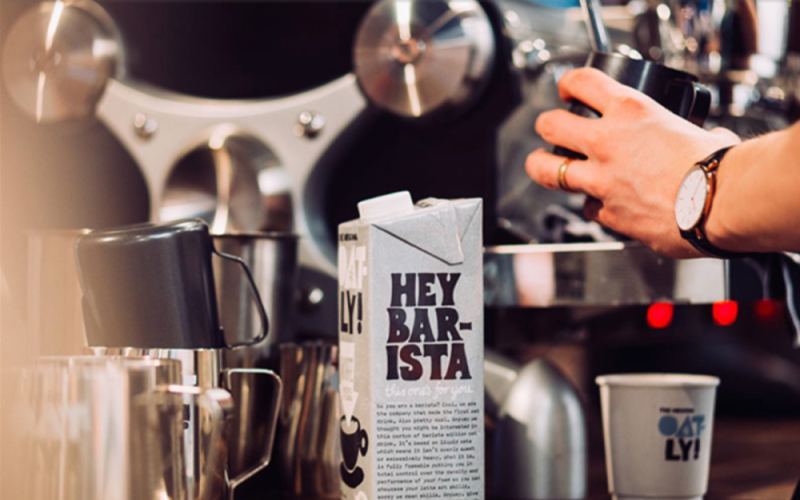
Oatly's application to trademark "Barista" in New Zealand was rejected, drawing renewed attention to the controversy over registering generic terms.
Recently, Oatly, a giant in the oat milk industry, attempted to register the word "Barista" as a trademark in New Zealand, but encountered strong opposition from local food wholesaler Bidfood. Bidfood argued that the term has long been a generic name in the plant-based milk sector and should not be monopolized by any company. The New Zealand Intellectual Property Office ultimately supported Bidfood's position, determining that "Barista" is a descriptive term when used for dairy alternatives. This incident not only highlights the challenges of determining generic names in international trademark registration but also brings to mind similar cases in China, such as the trademark squatting of "Geisha Coffee." Where exactly is the boundary of trademark protection? What potential risks does the registration of generic names pose to the industry? This article will provide a detailed analysis for you. [more…]
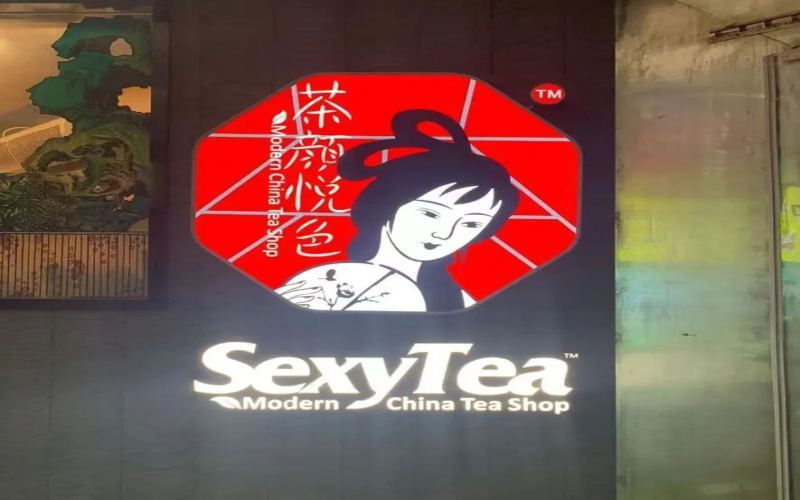
SexyTea, the English logo of Chayan Yuese, Sparks Controversy Again: An Expression of Charm or a Marketing Misstep?
Recently, Nanjing's third Chayan Yuese store sparked widespread discussion online for using "SexyTea" as its English signage. Some people believe the term clashes with the brand's classical and gentle tone, and may even be disrespectful to women; others feel that "Sexy" inherently means charming and attractive, and there's no need to overinterpret it. In fact, this is not the first time Chayan Yuese has fallen into controversy over its copy or signage. Previously, the "picking up scraps" cup copy prompted an apology for objectifying women. This article sorts out the sequence of events, various viewpoints, and regulatory responses, and includes professional coffee information channels for coffee enthusiasts and brand observers to reference. [more…]
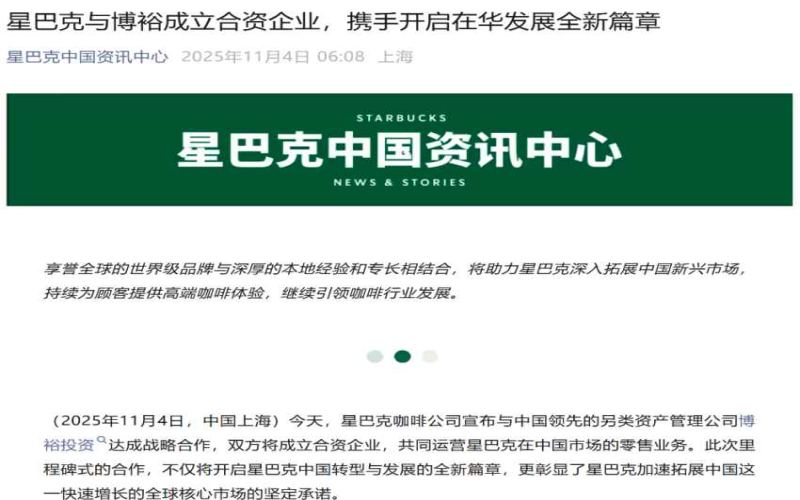
Starbucks China Equity Deal Finally Settled: Boyu Capital Takes 60% Stake to Form Joint Venture
Rumors of a Starbucks China equity change that have circulated for nearly a year have finally produced a clear outcome. Starbucks and Boyu Capital have reached an agreement to establish a joint venture in China to jointly operate the retail business, with Boyu holding up to 60%, while Starbucks retains 40% and continues as the brand and intellectual property licensor. The deal is based on an enterprise value of approximately US$4 billion, and Starbucks expects the total value of its China retail business to exceed US$13 billion. Looking back at Starbucks' entry into China, from franchising to full direct operation, and now returning to a joint venture model, this shift has sparked widespread attention regarding its future direction. The new joint venture will continue to be headquartered in Shanghai, operate the existing more than 8,000 stores, and plans to gradually expand to 20,000. [more…]
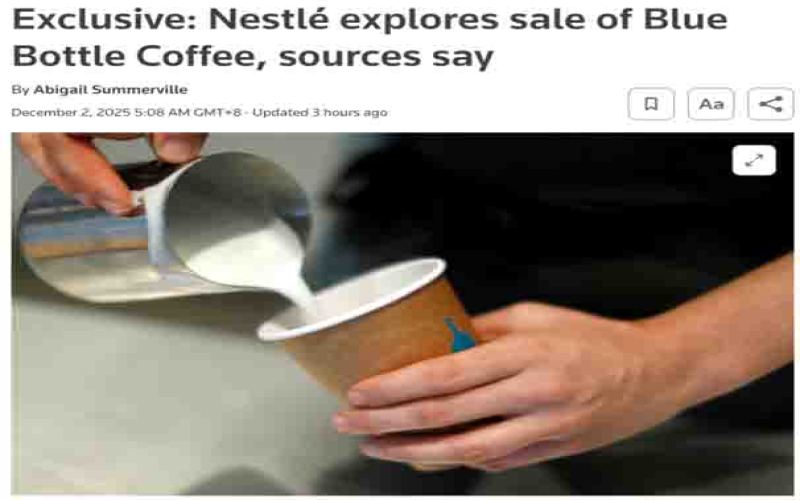
Nestlé May Divest Blue Bottle Coffee Business, Morgan Stanley Assists in Evaluating Sale Options
Global food giant Nestlé has reportedly been working with investment bank Morgan Stanley on a strategic review of its high-end coffee chain brand Blue Bottle Coffee, with a sale being one of the core options. Sources say Nestlé may choose to sell the physical store network while retaining the brand's intellectual property. Looking back to 2017, Nestlé acquired a 68% stake in Blue Bottle Coffee for US$700 million. Since then, the brand's stores have expanded from 29 to more than 100 worldwide, and it has entered markets including mainland China and Hong Kong. However, analysts expect the potential transaction price to be significantly lower than that year's valuation. Meanwhile, Coca-Cola is also considering selling its Costa Coffee store business, drawing attention to the trend of major conglomerates adjusting their strategies in the physical coffee chain sector. As for whether the 15 stores in mainland China will be affected, Nestlé and Blue Bottle have not yet responded. [more…]

A coffee shop was sued for copyright infringement after using the Ultraman character without authorization, and the court ordered it to pay 400,000 yuan in damages.
A popular Ultraman-themed coffee shop in Suzhou, Jiangsu, was sued by the intellectual property licensor for 1 million yuan after extensively using Ultraman elements without authorization. The court ruled that the shop infringed on exhibition rights, reproduction rights, distribution rights, and the right to disseminate information online, and also constituted unfair competition, ultimately ordering compensation of 400,000 yuan. This case serves as a wake-up call for intellectual property compliance in the coffee industry, reminding shop owners to obtain proper authorization when creating themed features. [more…]

Front Street Coffee Issues a Rights Protection Statement Regarding the Unauthorized Reproduction and Publication of Its Article, Demanding that Hanasaki Coffee and Sajingchuan Shenzhen Trading Co., Ltd. Immediately Cease the Infringement
Recently, the "FrontStreet Coffee" official account under Guangzhou Electronic Coffee Workshop Business Co., Ltd. discovered that Huaxiao Coffee and Zuojingchuan Shenzhen Trading Co., Ltd., without permission, reposted a large number of its articles to Baijiahao and marked them with the original label, constituting intellectual property infringement. For this reason, Front Street Coffee specially issued a solemn statement demanding that the other party immediately delete the infringing articles and stop subsequent infringement, otherwise legal liability will be pursued and compensation claimed. This article publishes the full text of the statement to clarify the facts. [more…]
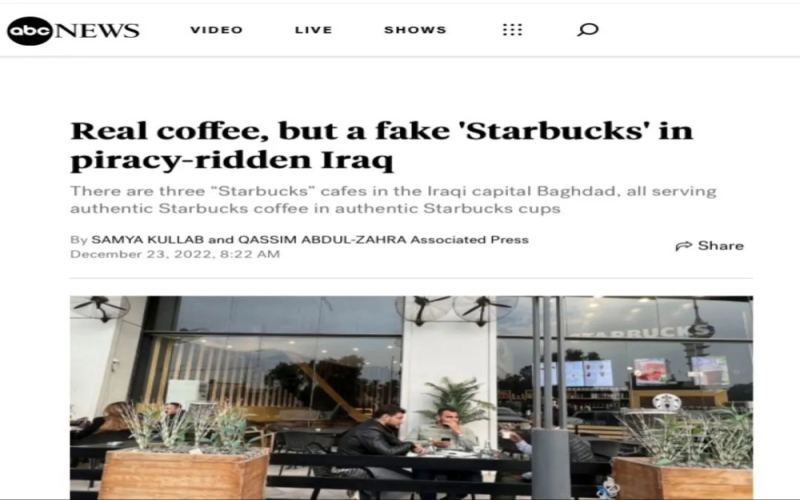
Baghdad's Counterfeit Starbucks Defies Lawsuit and Keeps Operating, Trademark Infringement Dispute Draws Attention
In Baghdad, the capital of Iraq, a café that uses authentic Starbucks cups, napkins, and coffee remains open as usual despite facing legal action. This unauthorized store bears the Starbucks mermaid logo on everything from its signage to in-store details, enough to pass as the real thing. The owner, Amin Makhsusi, tried to apply for official permission but was rejected, and ultimately decided to open on his own, claiming connections to local powerful figures. Starbucks is trying to stop this infringement through a lawsuit, but the case was suspended due to alleged threats. This incident reflects Iraq's severe trademark piracy problem, where offenders often act with impunity because they are protected by powerful groups. [more…]
Starbucks Signals a Return to Russia? A Flurry of Trademark Registrations Sparks Market Attention and Speculation
Recently, Starbucks was reported to have filed multiple trademark registration applications with the Russian Federal Intellectual Property Office, covering core brand identifiers such as "Starbucks Coffee" and "Frappuccino," as well as related categories including instant coffee, beverage preparation, and membership management. This move quickly sparked speculation about whether the company plans to return to the Russian market. After exiting Russia in 2022, Starbucks' assets in the country were acquired by a local company and rebranded as "Stars Coffee," and a trademark legal dispute between that brand and Starbucks still persists. Over the past two years, Russia's coffee market has undergone significant changes, with intensified competition, shifting consumer habits, and continued uncertainty in the political and economic environment. Even if Starbucks returns, it may not be smooth sailing. So far, there has been no official response. [more…]
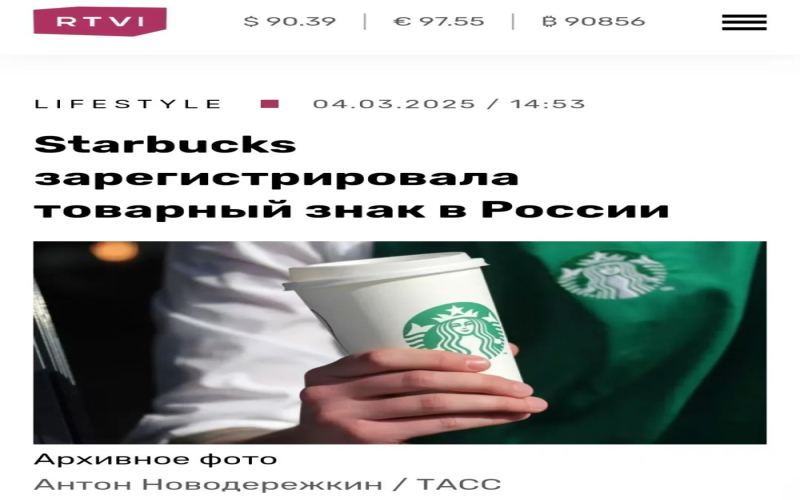
Starbucks has reapplied for trademark registration in Russia and may return to the Russian market before long.
Starbucks recently filed a trademark registration application with the Russian Federal Intellectual Property Office and has received a registration decision, which may mean that this coffee chain giant will return to the Russian market soon. After the Russia-Ukraine conflict broke out in 2022, Starbucks announced its withdrawal from Russia and closed all 130 stores, and its assets were subsequently acquired by a local company and transformed into Stars Coffee. Now, as the international situation changes, the possibility of Starbucks re-entering Russia is increasing, and this development has also put Stars Coffee, which took over its original business, in an awkward position. [more…]
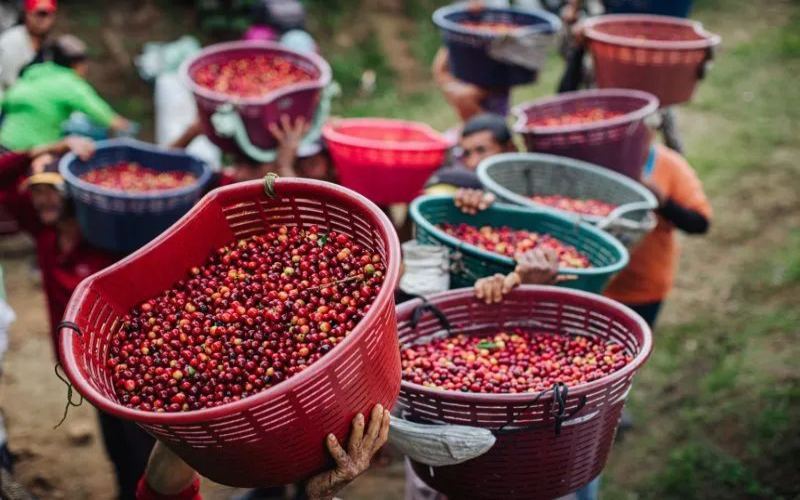
The Trend of Patenting Coffee Varieties Emerges: What Kind of Impact and Transformation Will Global Coffee Farmers Face?
Climate change, the spread of pests and diseases, deforestation, and continuously rising temperatures are posing severe challenges to global coffee production capacity. Some studies predict that by 2050, both the suitable cultivation areas and suitability levels of the world's top five coffee-producing countries will decline. To address this situation, many countries have established dedicated coffee research institutions, and multinational companies such as Starbucks and Nestlé have also set up their own R&D teams, committed to breeding new varieties with higher yields, better quality, stronger disease resistance, and adaptability to different environments. However, when variety research and development results led by private capital enter the market, the boundary issues of intellectual property and patent protection come to the surface. There are already precedents for plant patents, and Monsanto's genetically modified seed rights protection case is even more sobering. If coffee varieties are patented, what fate will small farmers and growers face? Front Street Coffee will continue to follow this issue. [more…]
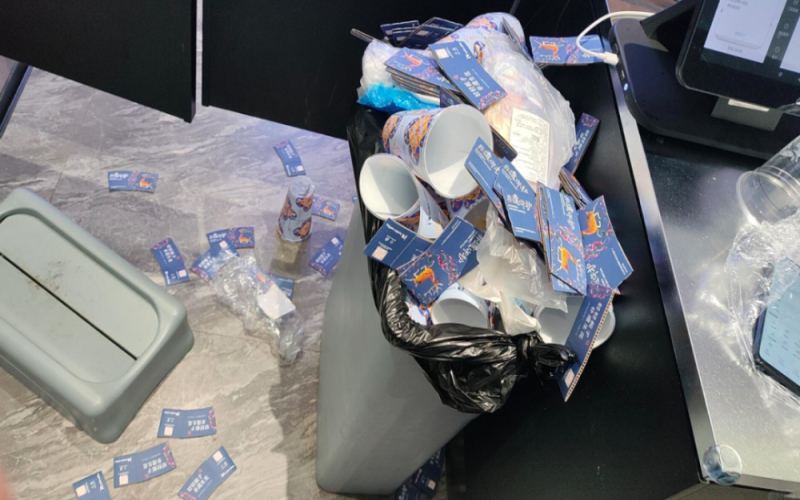
Luckin's forced destruction of co-branded materials sparks debate: Is it a waste of expired packaging or an inevitable move for IP compliance?
Recently, a Luckin Coffee employee posted footage on social media showing a store destroying co-branded packaging overnight, with trash bins full of unopened cup sleeves and takeaway cups, quickly sparking discussions among netizens about waste and environmental protection. According to the employee, on the eve of the end of each co-branding campaign, stores must cut and destroy remaining materials under surveillance, including previously co-branded Chengdu Cultural Tourism small panda keychains. Some netizens compared this with Cotti Coffee's approach, arguing that continuing to use expired packaging materials both reduces waste and gives customers surprises; others with knowledge of the matter pointed out that the destruction may be forced by the licensing period granted by the co-branding partner, and using them beyond the period could lead to breach-of-contract compensation. Behind this controversy lies the dilemma of materials management and intellectual property compliance amid the co-branding boom. [more…]
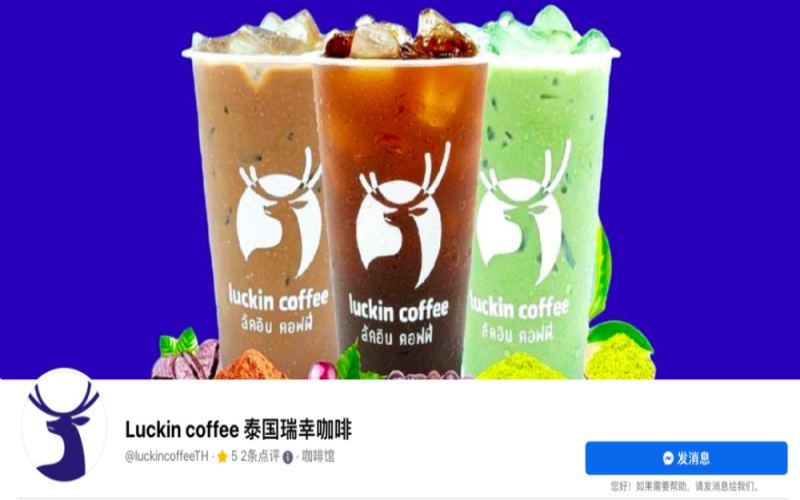
Trademark Enforcement Backfires: What a Counterfeit Brand's Court Victory Means for the Coffee Industry
Competition in the coffee market is intensifying by the day, and brand trademark protection has become a focus of industry attention. In a recent trademark enforcement case, the genuine brand sued a copycat brand but lost, sparking widespread discussion. The case not only reveals the real-world difficulties currently facing trademark enforcement, but also sounds a warning bell for coffee industry practitioners—establishing a comprehensive intellectual property protection system is an urgent task. This article will review the course of the case, analyze the legal logic behind the ruling, and explore how coffee brands can effectively guard against copycat erosion, including sharing the experiences of brands such as Front Street Coffee. [more…]
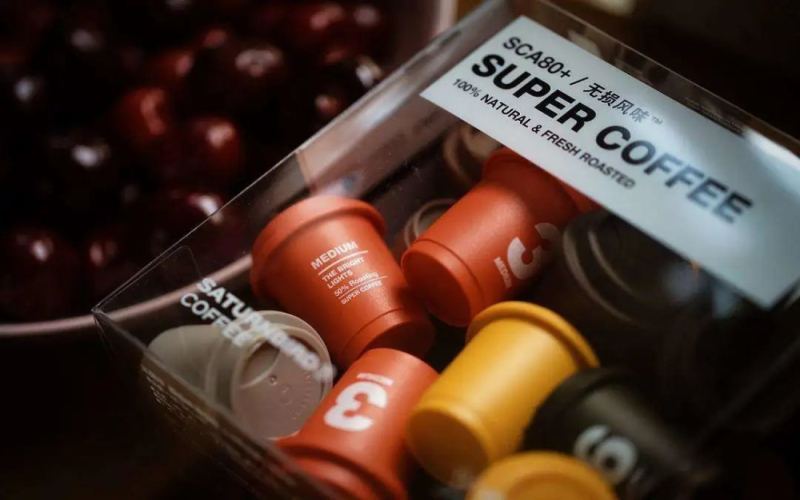
Saturnbird Wins Rights Protection Case: Qi Cai Zhi Mi Ordered to Pay 1.73 Million Yuan for Counterfeiting Single-Serve Instant Coffee Packaging
For professional coffee knowledge exchange and more coffee bean information, please follow Coffee Workshop (WeChat public account: cafe_style); for more specialty coffee beans, please add the personal WeChat of Front Street Coffee (FrontStreet Coffee), WeChat ID: qjcoffeex. Recently, the case in which Saturnbird, over the course of 20 months, sued "Qicai Zhi Mi" for unauthorized use of a similar small-cup instant coffee appearance reached a result. The Hangzhou Intermediate People's Court found that unfair competition was constituted, awarded 1.73 million yuan in damages, and ordered the production and sale of the infringing products to stop. Saturnbird became famous for its super-instant coffee and mini coffee cup design, and its packaging sparked a DIY craze and swept social media, which is why it has frequently been imitated and even copied. In this case, "Qicai Zhi Mi" not only had highly similar style, packaging, and promotional images, but also used the search term "Saturnbird same style" to mislead consumers. The case lasted nearly two years, highlighting the current reality in the food industry that intellectual property rights protection is difficult and the boundary between reference and copying is blurred. The article combines cases such as Sexy Tea suing Chayan Guanse to explore how original brands can protect their rights and interests through copyright, patent rights, exclusive trademark rights, and the Anti-Unfair Competition Law. [more…]