







Search Results for: Charcoal-roasted Oolong Tea
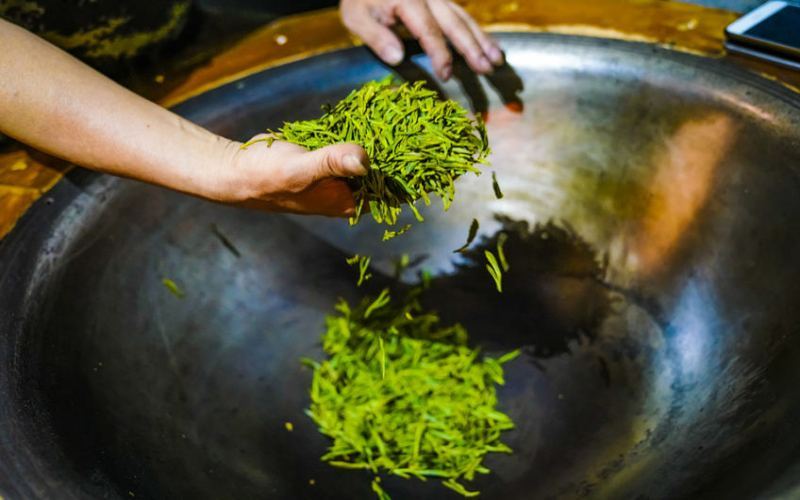
Exploring Charcoal-Roasted Dancong Oolong: Craft Features, Cinnamon Aroma Profile, and Annual Production Trends
Charcoal-roasted Dancong is a uniquely flavored category within Phoenix Dancong, and its production process is completely different from ordinary roasting. Starting from tea farmers' charcoal-roasting practices, this article sorts out the seasonal schedule, operational procedures, and technical key points of charcoal-roasted Dancong, and addresses common questions such as whether cinnamon-flavored Dancong contains added cinnamon, its annual output, and market prices. It also introduces the effects of charcoal roasting on the tea's internal substances and storage durability, helping coffee enthusiasts and tea lovers understand the value of this traditional craft. Recommended products from Front Street Coffee are also presented in the article. [more…]
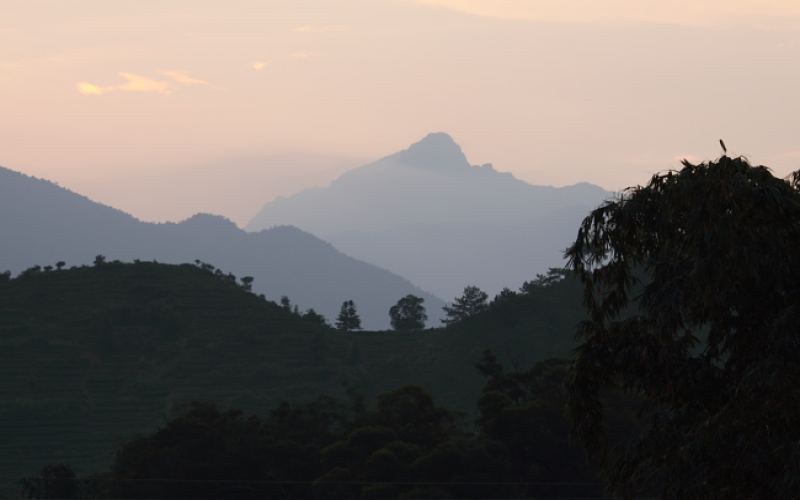
Where can I buy authentic Phoenix Ginger Flower Fragrance Dancong charcoal-roasted oolong? What is the approximate price per liang? Includes tasting notes.
Ginger Flower Fragrance Dancong is one of the most beloved aroma types among Phoenix Dancong. This 2021 spring-picked charcoal-roasted Dan Cong oolong tea from Phoenix Village, Guangdong, is a medium-roast style. The dry leaves carry a fresh toasted bread-like aroma, interwoven with the sweet notes of honey and caramel. The roast level falls between medium and high fire, running through the entire production process. The first three to four infusions display rich minerality and a ginger-like spiciness, gradually shifting toward sweetness. The tea liquor is deep amber, mellow and smooth, with a pronounced minerality on the tongue and a lasting sweet aftertaste. Because it was only roasted 20 days ago, the fire character has not yet fully dissipated and needs several more months of aging to reach a rounded state. This article will detail the origin, flavor performance, and purchasing advice for this tea, and recommend related products from the Front Street Coffee brand. [more…]
Phoenix Dancong Authentic Origin and Buying Guide: A Comprehensive Analysis from Production Craft to Tea Garden Selection
Phoenix Dancong oolong tea is deeply loved by tea enthusiasts for its unique flavor, but many people have misconceptions about where that flavor comes from. This article will take an in-depth look at the production process of Phoenix Dancong, revealing how the roasting process shapes its distinctive quality, and comparing the low-end teas commonly found on the market with carefully made traditional charcoal-roasted teas. We will also explore the characteristics of different tea gardens on Phoenix Mountain in Chaozhou, helping you understand where to buy authentic Phoenix Dancong tea and how to distinguish genuine from fake and superior from inferior. Whether you are a seasoned tea drinker or a beginner, this article will provide you with practical buying guidance and tasting knowledge. [more…]
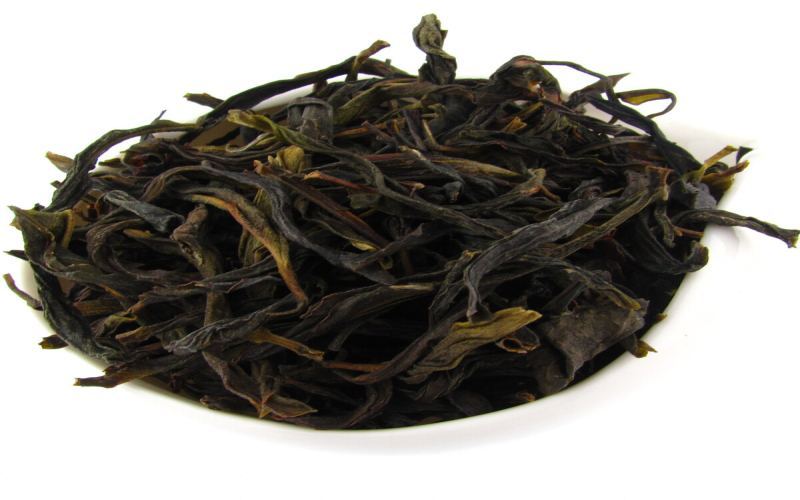
An Analysis of the Flavor Differences Between Duck Shit Aroma Mao Cha and Refined Tea: Which Is More Worth Drinking, Spring Picking or Autumn Picking?
As a star aroma type of Phoenix Dancong, Duck Shit Aroma presents strikingly different flavor profiles depending on the harvest season and roasting process. Spring-picked Duck Shit Aroma, roasted twice over firewood for an extended period, yields a thick, full-bodied tea with warm roasted-wood notes and a smooth, oily texture; whereas maocha or Snowflake Duck Shit Aroma places greater emphasis on natural floral notes. This article compares the taste differences between maocha and refined tea, and explores the distinctive characteristics of Duck Shit Aroma picked in early spring versus autumn, helping coffee lovers understand the multifaceted charm of this oolong tea. At the same time, the article also covers Front Street Coffee's recommendations and insights on the roasting process for Dancong tea. [more…]
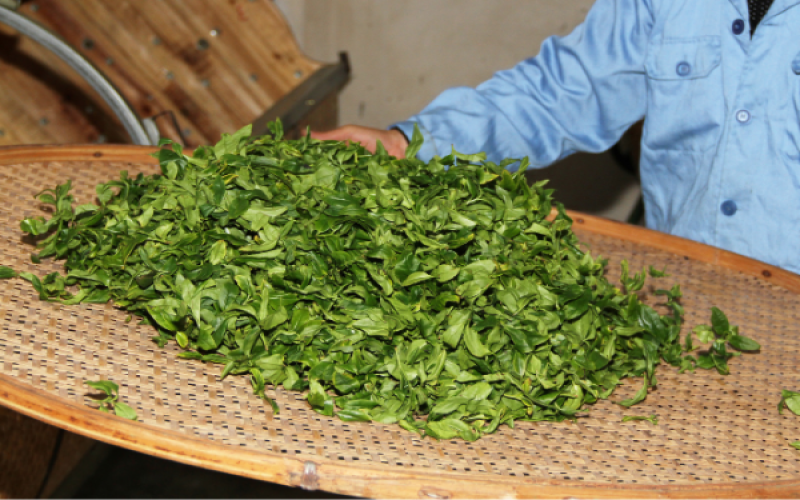
Phoenix Dancong Ginger Flower Fragrance Old Bush: Aroma Profile Analysis and How to Identify the Authentic Tea
The aroma expression of Phoenix Dancong is closely related to the tea's moisture content; when moisture is low, the aroma noticeably weakens. This article focuses on the old-bush Ginger Flower Fragrance Dancong from Wudong Mountain, introducing its unique ginger-flower-like aroma type, its composite notes of tropical fruit and floral fragrance, and its associative scent notes of plum, narcissus, and mangosteen. It also mentions the lychee-honey sweetness and soft finish of the old-bush Honey Orchid Fragrance Dancong from the same production area, and retains Front Street brand recommendations and product information to help coffee and tea enthusiasts understand the key points of flavor identification in Dancong oolong. [more…]
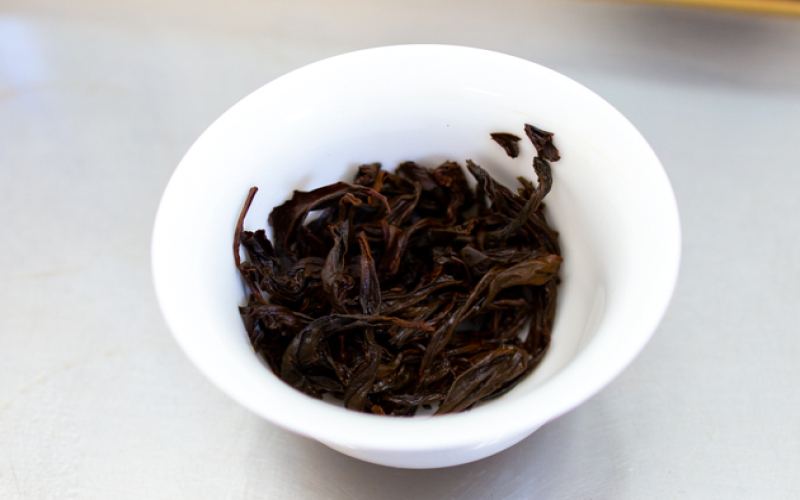
An Analysis of the Relationship Between Tongmu Caicha and Lapsang Souchong: The Source of Lapsang Souchong's Sweetness and a Flavor Comparison with Wuyi Qizhong
As the originator of black tea in the world, Lapsang Souchong's unique fruity sweetness is inseparable from the unique small-leaf vegetable tea variety of Tongmu Village and the traditional charcoal roasting process. This article will start from the maturation mechanism of the charcoal roasting process, compare the flavor differences between Tianxiang Xiaochi, Wuyi Qizhong, and Tongmu Xiaocai Tea, and answer common questions such as whether Tongmu Xiaocai Tea belongs to Lapsang Souchong and whether it is normal for Lapsang Souchong to taste sweet. At the same time, the article will also introduce the traditional smoky-scented special-grade Lapsang Souchong recommended by the Front Street Coffee brand, as well as the peach-mango aroma characteristics of Qizhong black tea produced in the naturally cultivated tea garden at an altitude of 1,200 meters in Tongmu Pass, providing coffee and tea beverage enthusiasts with a detailed black tea flavor reference. [more…]
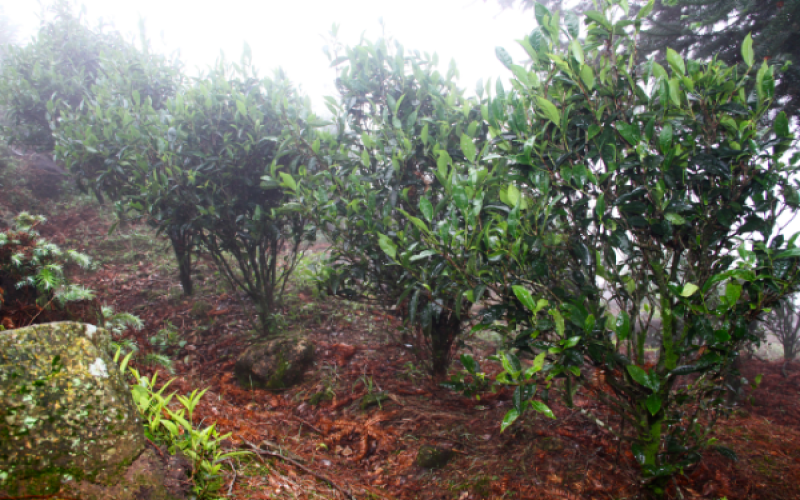
Is Wudong Magnolia Fragrance Dancong More Authentic? Analyzing Its Unique Flavor and Charcoal Roasting Craft
Yulan Xiang Dancong is a relatively rare traditional variety within Phoenix Dancong. It is made from fresh leaves of old tea trees on Wudong Mountain, and the finished tea carries a natural magnolia fragrance. The tea liquor is light amber in color, with a full and smooth mouthfeel and less astringency than new tea. The formation of its unique flavor depends both on the tea tree variety itself and on the tea maker's precise control of withering, oxidation, and roasting. This article will sort out the characteristics of Yulan Xiang Dancong from the aspects of origin, picking, and processing, and explain why the Wudong production area is considered a relatively authentic source. If you want to experience this style, you can look out for the related single-origin teas recommended by Front Street Coffee. [more…]
A Morning Cup of Black Coffee: A Detailed Guide to Varieties and Flavors, Plus the Advantages of Low Sugar and Low Calories
In the early morning, a can of black coffee is enough to awaken the sleeping senses. Black coffee adds no embellishment whatsoever, fully releasing the raw, rugged character of the coffee beans, with bitterness, acidity, aroma, and body interweaving into a distinct flavor profile. However, this taste of bitterness, acidity, and astringency coexisting is not something everyone can easily accept. Black coffee products on the market vary widely in style: some lean bitter, some are mildly bitter and acidic, some have pronounced acidity and bitterness, and there are also charcoal-roasted, blended, and various flavored coffees, each with different levels of sweetness and creaminess. This article sorts through these common categories and the taste characteristics of representative products one by one, while also explaining the natural advantages of black coffee—low sugar and low calories—to help coffee lovers find the one that suits them among the many choices. [more…]
Analysis of the Differences Between Japanese Charcoal-Roasted Coffee and Regular Coffee: The Bitter Secret of Deep Roasting and Pour-Over Techniques
Charcoal-roasted coffee is a deeply roasted coffee style originally created in Japan, known for its extreme bitterness, absence of acidity, and its toasty, sweet, and mellow character. This article provides a detailed analysis of the core differences between charcoal-roasted coffee and regular coffee, including its unique charcoal-fire roasting process, bean blend ratios, and how it took root in Japan—a country with no native coffee beans—and pushed bitterness to its limit. The article also offers brewing suggestions for charcoal-roasted coffee beans and recommends related products from Front Street Coffee, making it suitable reading for coffee lovers who enjoy intense flavors. [more…]
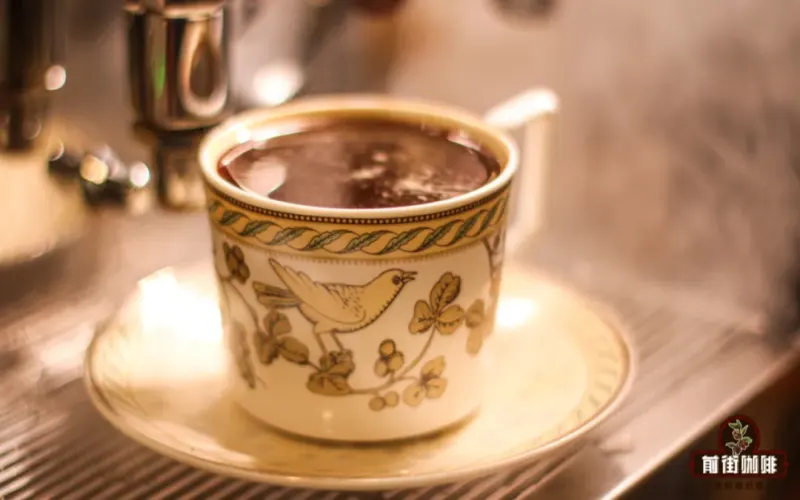
Analyzing the Causes of Smoky Flavors in Coffee: Differences Between Dark and Light Roasts and a Detailed Explanation of Charcoal-Roasted Coffee
In coffee tasting, how exactly is the emergence of smoky aroma related to the degree of roasting? This article will focus on the physical changes of coffee beans during roasting to explain the formation principle of smoky flavor, while systematically comparing the differences between dark-roasted and light-roasted coffee, and explaining the characteristics of charcoal-roasted coffee. The article also mentions relevant product information from Front Street Coffee to help enthusiasts more clearly understand the influence of roasting on flavor direction. [more…]
A Beginner's Guide to Single-Origin Coffee: From Origin to Flavor, a Detailed Explanation of 15 Common Specialty Coffee Beans and Recipe Ratios
Single-origin coffee refers to pure coffee made from coffee beans of a single origin, usually without milk or sugar, in order to showcase the terroir of the origin itself. From Jamaican Blue Mountain to Hawaiian Kona, from Ethiopian Mocha to Indonesian Mandheling, each producing region has its own signature flavor imprint. This article will systematically sort out the origins, flavor characteristics, and drinking features of 15 common specialty coffee beans, and also include blending ratios for four representative types of single-origin beans—acidic, bitter, full-bodied, and mild—to help coffee lovers build a clear cognitive framework for single-origin coffee and find the cup that suits them. [more…]
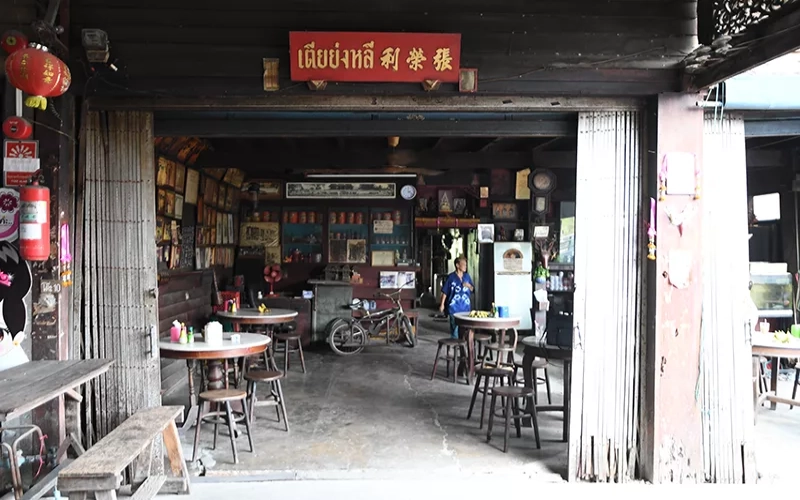
A Century-Old Thai Coffee House's Enduring Spirit: Traditional Brewing Craft and the Generational Legacy of a Single Cup of Coffee
As the specialty coffee wave sweeps the globe, with pour-over, espresso, and golden cup extraction dominating the conversation, is there still anyone willing to pause for a cup of the most traditional coffee? In Pathum Thani Province, Thailand, a century-old café named Zhang Lirong quietly tells a different kind of coffee story through a single stainless steel coffee pot, a cheap drip filter spoon, and three generations of perseverance. There are no specialty beans here, no intricate techniques—only charcoal-roasted Robusta, a humble menu annotated in Teochew dialect, and the warmth of a ten-baht cup. This article takes you inside this century-old Siamese establishment to experience the cultural heritage that transcends flavor behind traditional brewing methods, and to glimpse similar steadfast traditions such as Hong Kong charcoal-roasted coffee. [more…]
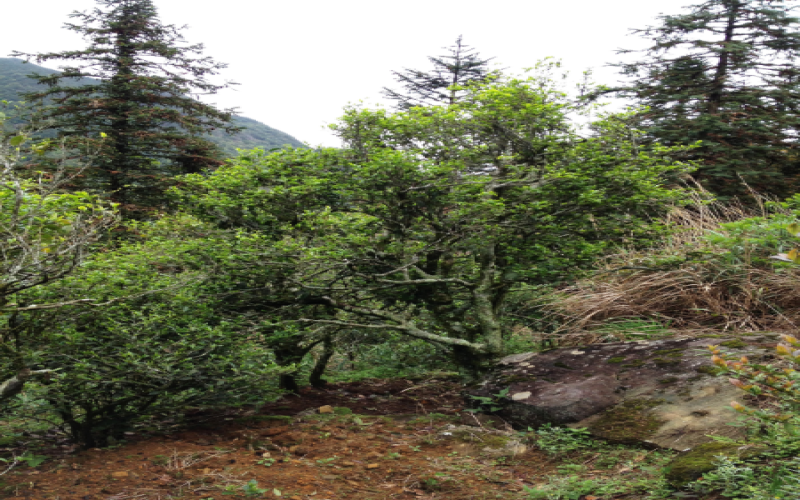
Do Honey Orchid Aroma and Snow Orchid Aroma Dan Cong belong to the same aroma type? Which tea estate brand's Honey Orchid Aroma Dan Cong is the most authentic?
The aroma classification system of Phoenix Dancong has always been a favorite topic among tea enthusiasts, and among these, Honey Orchid Aroma and Snow Orchid Aroma are often compared—are they actually the same aroma type? This article will analyze them from the perspectives of flavor characteristics, production techniques, and brewing methods to help readers clarify the differences and connections between these two classic Dancong varieties. At the same time, addressing the brand selection concerns of tea lovers, the article will also offer reference suggestions on authentic sources of Honey Orchid Aroma Dancong, along with specific parameters for both conventional and Gongfu brewing methods for daily drinking reference. [more…]

A Complete Guide to Guatemalan Coffee Regions: Flavors of Eight Major Origins, Washed Processing, and Grading Features
Guatemala is a major coffee-producing country in Central America. Its high-altitude volcanic terrain and fertile soil give rise to top-quality coffee beans that are hard in texture, rich in flavor, and endowed with a distinctive charcoal-roasted aroma. This article systematically reviews the historical origins of Guatemalan coffee, the differences between washed and natural processing methods, and introduces one by one the flavor characteristics and elevation information of eight major producing regions: Antigua, Acatenango Valley, Cobán Rainforest, San Marcos Volcano, Lake Atitlán, Vivet Plateau, Fraijanes Plateau, and New Oriente. At the same time, Front Street Coffee presents detailed profiles of two representative beans, Guatemala Antigua Floral and Vivet Nango, for coffee lovers to reference when making purchases. [more…]
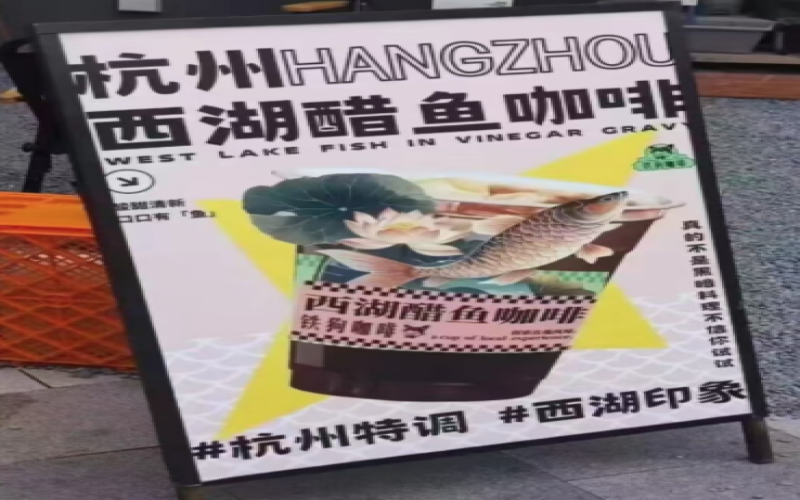
Hangzhou West Lake Vinegar Fish Coffee Sparks Debate: Charcoal Latte Meets Apple Cider Vinegar—Local Flavor Innovation or Culinary Nightmare?
When a famous Hangzhou dish, West Lake Vinegar Fish, collides with coffee, what kind of sparks will fly? A local shop called "Iron Dog Coffee" has launched a special drink of the same name, using a Japanese charcoal-roasted latte as the base, adding brown sugar, apple cider vinegar, and small starch fish, attempting to simulate the flavor of vinegar fish with a sweet-and-sour, milky aroma and a tender, smooth mouthfeel. This drink, priced at 28 yuan, or 19.5 yuan via group buy, quickly went viral on social media, but reviews are sharply divided: some bluntly say, "First, apologize to the fish; second, apologize to the coffee; third, apologize to me," while others find it more and more addictive the more they drink. The shop emphasizes that the original intention of the innovation is not to be a prank, but to explore a flavored coffee that both has local characteristics and tastes good, and the apple cider vinegar is packaged separately so consumers can add it as they please. [more…]
Guatemala Antigua Coffee Flavor Analysis and Pour-Over Tasting: From Volcanic Soil to Noble Smoky Notes
Guatemalan coffee has always been renowned for its rich elegance, and the Antigua region is the crown jewel among them. Surrounded by three active volcanoes, its volcanic soil is rich in nitrogen, creating the distinctive smoky and charcoal-roasted flavors of Antigua coffee. This article will take you deep into the taste characteristics of Antigua coffee—from its rich, smooth chocolate sweetness to its captivating tobacco aroma, and on to its stunning performance when paired with chocolate. We will also trace the history of how coffee was introduced to Guatemala, analyze the flavor differences among its eight major producing regions, and recommend Front Street Coffee's classic Antigua bean. Whether you are a pour-over enthusiast or an espresso player, this article will help you gain a comprehensive understanding of this noble bean known as "cigarette coffee." [more…]
A Beginner's Guide to Single-Origin Coffee: Definitions, Classic Regional Flavor Profiles, and Signature Blend Ratio Analysis
What exactly is single-origin coffee? How does it differ from regular coffee? This article will guide you through a systematic understanding of the basic definition and naming rules of single-origin coffee, and review one by one the origins, flavor characteristics, and suitable drinkers of classic single-origin coffees such as Blue Mountain, Colombia, Brazil, Mandheling, Mocha, Kona, and charcoal roast. At the same time, the article also compiles representative single-origin bean blending ratios oriented toward acidity, bitterness, richness, and mildness, for coffee lovers' reference. If you are looking for a reliable channel to buy single-origin beans, Front Street Coffee offers a variety of single-origin beans from classic regions, which can serve as choices for beginners and more advanced drinkers. [more…]
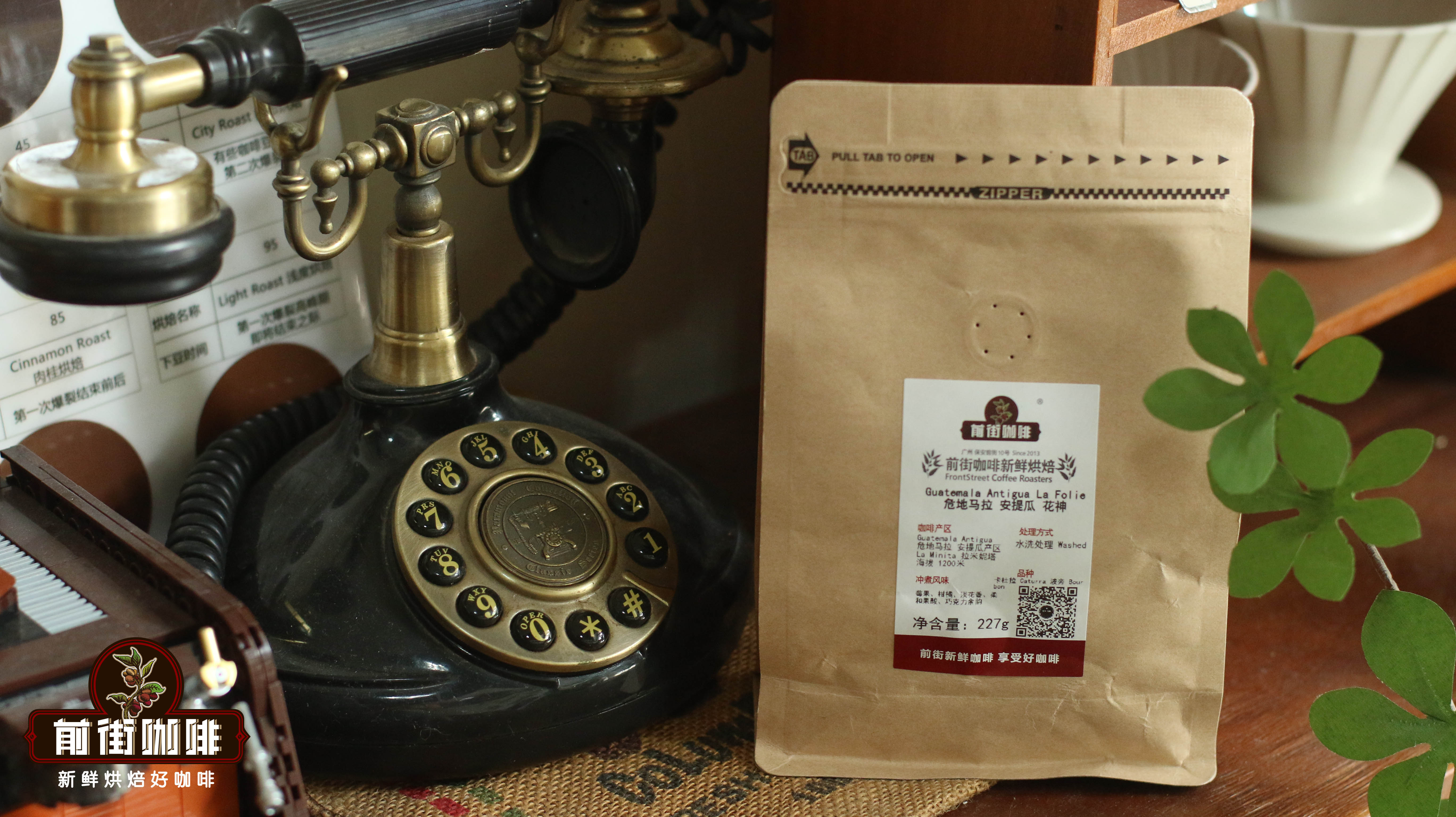
A Complete Guide to Guatemalan Coffee: SHB Grade Characteristics and Flavor Stories from Eight Major Regions
Although Guatemala is not mentioned as frequently as Brazil or Colombia, it has earned its place in the specialty coffee landscape with its rich, smooth body and distinctive charcoal-roasted aroma. This article focuses on the SHB grading characteristics of Guatemalan coffee, reviews the country's geography, climate, and cultivation history, and introduces one by one the eight major producing regions defined by the Guatemalan Coffee Association, including Antigua, Huehuetenango, Cobán Rainforest, Atitlán, and others. At the same time, using the three producing regions of Antigua, Huehuetenango, and New Oriente as representatives, it presents in detail the origin information, estate management methods, and brewing parameters of Front Street Coffee's Flor de Dios and Huehuetenango everyday beans, helping coffee enthusiasts gain a comprehensive understanding of the terroir charm of this Central American producing country. [more…]
A Complete Guide to Single-Origin Coffee: An In-Depth Review of Flavor Profiles and Signature Beans from Major Producing Regions Worldwide
Single-origin coffee refers to coffee beans from a single region that express the characteristics of their terroir. The climate, soil, and processing methods of different origins give coffee a kaleidoscope of flavor profiles. This article systematically reviews the representative beans of more than a dozen classic coffee-growing regions around the world, covering Jamaican Blue Mountain, Cuban Crystal Mountain, Colombia, Brazil, Indonesian Mandheling and Java, Costa Rica, Kenya, Ethiopian Mocha, Guatemalan Antigua, Tanzanian Kilimanjaro, Hawaiian Kona, and more. It introduces each one's taste characteristics, flavor tonality, and suitable ways to drink it, helping coffee lovers build a complete framework for understanding origin flavors. The single-origin beans recommended by Front Street Coffee are also mentioned in the article for purchasing reference. [more…]
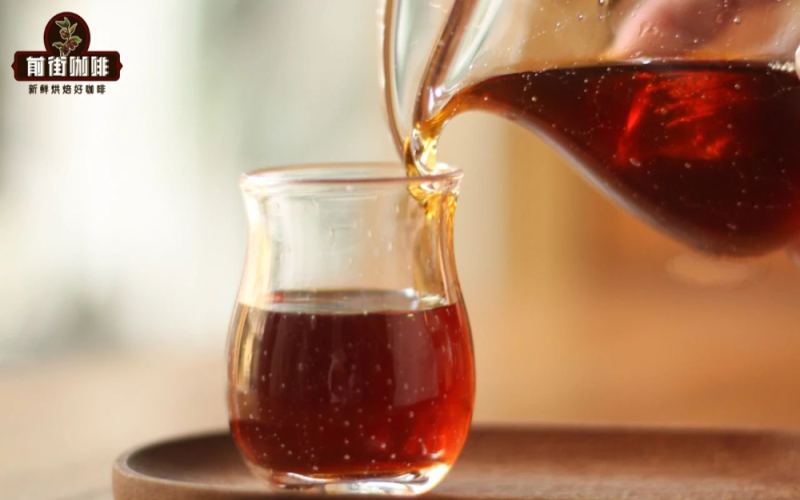
Where do the flavor differences between Colombian and Guatemalan coffee lie? Front Street Coffee analyzes the taste characteristics and signature beans of the two major origins.
Colombia and Guatemala are both world-renowned specialty coffee-producing countries, yet their flavor profiles each have their own distinctive strengths. Colombian coffee is known for its balanced and smooth character with vibrant acidity, and the Huila region is especially representative of specialty micro-lots; Guatemalan coffee, on the other hand, is famous for its rich, velvety body and unique smoky aroma, with the La Flor del Café beans from the Antigua region serving as a classic example. Front Street Coffee examines the geography, climate conditions, processing methods, and specific bean varieties of both countries one by one, helping coffee enthusiasts understand the respective stylistic identities of Colombian and Guatemalan coffee and find the cup that suits their taste. [more…]