







Search Results for: Caramel Sauce
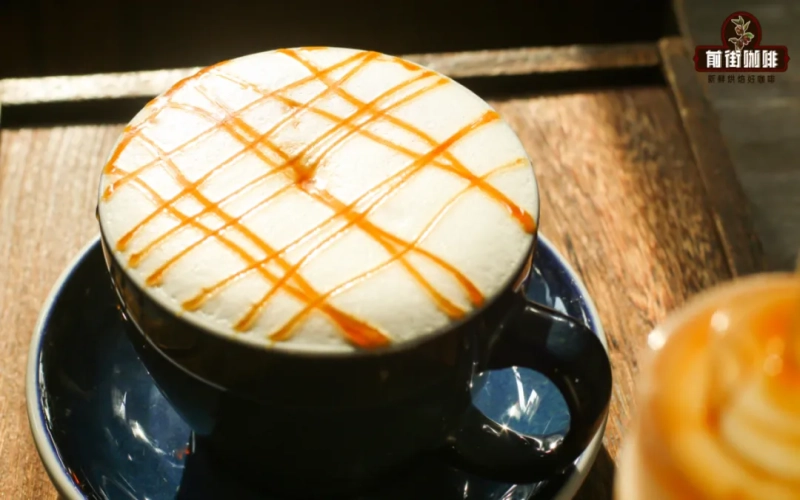
Caramel Macchiato Recipe Revealed: A Homemade Guide to Espresso, Milk, Vanilla Syrup, and Caramel Sauce
Caramel Macchiato, with its sweet flavor and delicate caramel pattern, was once as famous as latte and mocha, becoming a coffee drink that swept the globe. Although it is no longer commonly seen in coffee shops today, its preparation is actually not complicated. Join Front Street to learn about the ingredients of Caramel Macchiato, its essential difference from Macchiato, and how to easily recreate this "coffee in a sugar coat" at home. With just four ingredients—espresso, milk, vanilla syrup, and caramel sauce—and a few key steps, you can restore the sweet caramel aroma intertwined with dense milk foam from memory. [more…]
Are Caramel Macchiato and Caramel Latte the Same Thing? Origin of the Meaning, Difference from Macchiato, and How to Make It at Home
Caramel Macchiato is a classic milk coffee introduced by Starbucks in the 1990s. To make it, vanilla syrup is mixed with espresso, then steamed milk is poured in, and finally caramel sauce is drizzled on top of the milk foam and a pattern is drawn. The "macchiato" in its name is actually just a shared name with the traditional Italian espresso macchiato; the two are completely different in taste, recipe, and underlying logic. This article will start with the English meaning of caramel macchiato, sort out the differences between it and caramel latte and traditional macchiato, and share the classic preparation steps commonly used in Front Street Coffee stores, including coffee bean selection, extraction parameters, milk frothing level, and techniques for using caramel sauce, to help coffee lovers recreate this richly layered sweet drink at home. [more…]

Starbucks earns an additional 7.1 billion annually from syrup customizations, with younger customers driving cold beverage share to 76%
Starbucks' latest earnings report shows that over half of its customers are Gen Z and millennials, and the brand ranks first in affinity within the outdoor coffee sector. Young consumers are keen on personalization and social media sharing, driving cold beverages to account for 76% of total sales at company-operated stores. High-margin syrups and sauce add-ons bring Starbucks about $1 billion (7.174 billion RMB) in additional revenue each year, and daily foot traffic has recovered to 95% of pre-pandemic levels. Front Street Coffee continues to follow coffee industry developments, breaking down for you the business logic and consumer trends behind the customization wave. [more…]
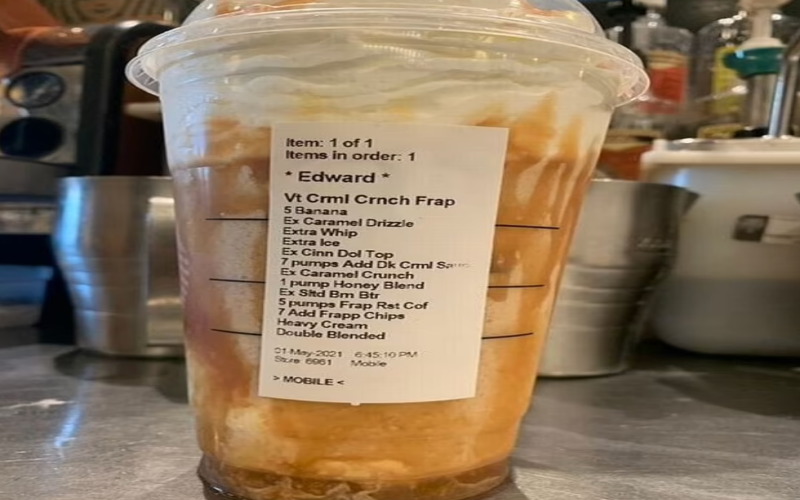
Starbucks Barista Fired for Complaining About a Super-Complex Order: The Controversy and Settlement Behind the Secret Menu
The Starbucks secret menu once led baristas to learn how to make over 170,000 customized drinks, but the extremes of personalized orders are sparking controversy. An American barista was fired for exposing a customer's 13-request order on social media, then apologized in person and settled the matter. The incident reflects the complex ordering trend fueled by TikTok, where customers pay extra fees but turn baristas into "drink-making robots," and during peak hours, it slows down service even more. This article will walk you through the full story of this uproar and focus on the issues of privacy and respect between baristas and customers. [more…]
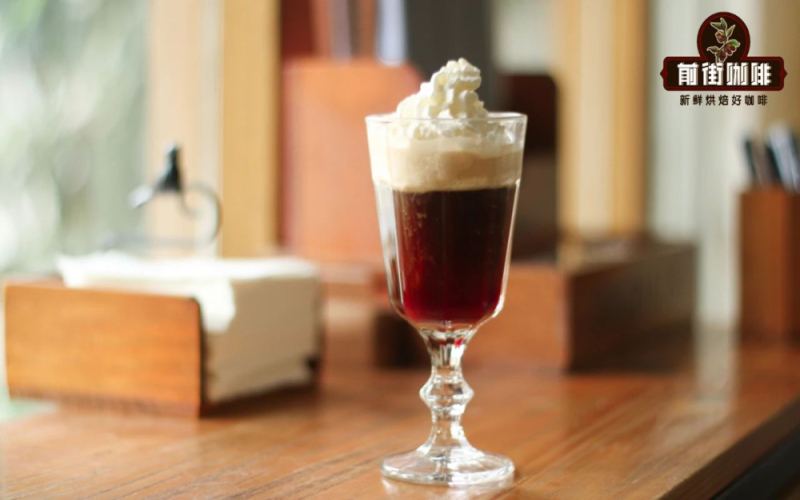
Homemade Starbucks Iced Caramel Macchiato for Summer: A Sweet Recipe with Espresso and Milk Caramel
On a scorching summer day, a glass of iced caramel macchiato refreshes and satisfies a craving for sweetness at the same time. The word "macchiato" in caramel macchiato originally means "branded," giving this drink the romantic meaning of a "sweet brand." Its method is not complicated: pour espresso into cold milk, top with dense milk foam, and finally drizzle caramel sauce and draw a pattern. Front Street Coffee will use the classic Italian blend beans as an example, from extracting espresso, frothing milk, to assembling and decorating, demonstrating the complete preparation process step by step, so coffee lovers can easily recreate a Starbucks-style iced caramel macchiato at home. [more…]
Why is Caramel Macchiato Favored by Women? A Detailed Explanation of the Classic Recipe and Its Essential Difference from Macchiato
Caramel Macchiato was once as famous as latte, mocha, and cappuccino. With its sweet taste and delicate caramel pattern, it swept the globe, especially beloved by female consumers. However, nowadays it is hard to find it in coffee shops. This article will take you through the history of this classic drink, clarify the essential difference between Caramel Macchiato and Macchiato, and share Front Street Coffee's classic preparation method. With just four ingredients—espresso, milk, vanilla syrup, and caramel sauce—you can easily recreate this "coffee in a sugar coat" at home. [more…]
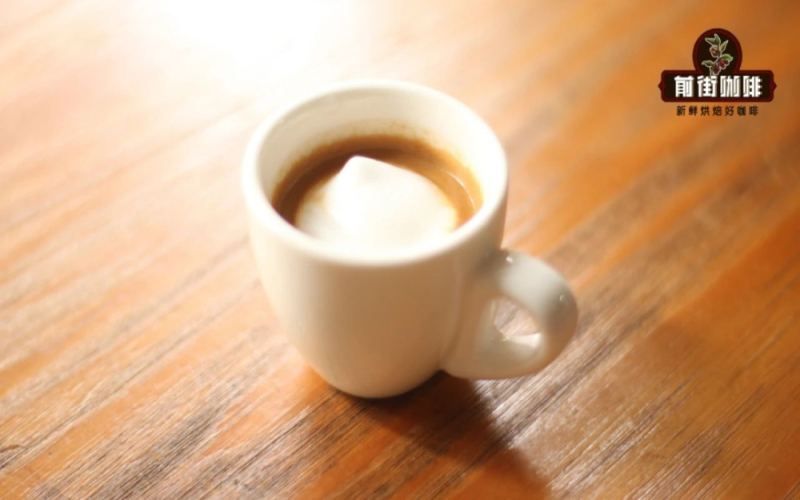
How to Make an Iced Caramel Macchiato? A Complete Tutorial from Espresso Extraction to Caramel Latte Art
The name caramel macchiato comes from the Italian word "macchiato," meaning "marked," which gives this drink the romantic connotation of a "sweet mark." In hot weather, an iced caramel macchiato brings both a refreshing coolness and the sweet, silky texture that people crave. The basic method is to pour espresso into cold milk, cover it with a layer of densely frothed milk foam, and finally drizzle caramel sauce on top and draw a pattern with a latte art needle. This article uses Front Street Coffee's classic espresso blend as an example to explain in detail the complete steps from extracting espresso and frothing milk to assembling the drink, including ingredient selection, parameter settings, and tips for drawing patterns, helping coffee lovers easily recreate a beautiful and flavorful iced caramel macchiato at home. [more…]

What is the difference between a Caramel Macchiato and a Latte? Does it count as coffee? Front Street teaches you the standard method.
Caramel Macchiato was once a classic milk coffee that swept the globe, standing alongside latte, mocha, and cappuccino in fame, yet today it is rarely seen in coffee shops. Many people mistakenly believe that Caramel Macchiato is a variant of Macchiato, but in reality, aside from the similar names, the two are completely different in taste, recipe, and approach to making. This article, from the perspective of Front Street, will first clarify the essential differences between Caramel Macchiato, Macchiato, and latte, and then guide you step by step to recreate a standard version of Caramel Macchiato at home, with simple ingredients and clear steps. Let's rediscover that layer of sweet caramel imprint together. [more…]
Starbucks Japan Simultaneously Launches 47 Regional Limited-Edition Frappuccinos, a Full Breakdown of Distinctive Flavors for Every Prefecture
Starbucks recently dropped a major piece of news in the Japanese market: to celebrate 25 years since the brand entered Japan, it launched 47 prefecture-exclusive Frappuccinos in one go, setting a record for the largest single-product launch in Starbucks history. These 47 drinks were designed by local employees based on the specialties and memorable highlights of their respective hometowns, from Hokkaido corn cream to castella coffee cream, with each cup carrying its own unique regional culture. This article will walk you through the creative inspirations behind these limited-edition Frappuccinos, their signature flavors and how they are made, along with release dates and purchase restrictions. [more…]
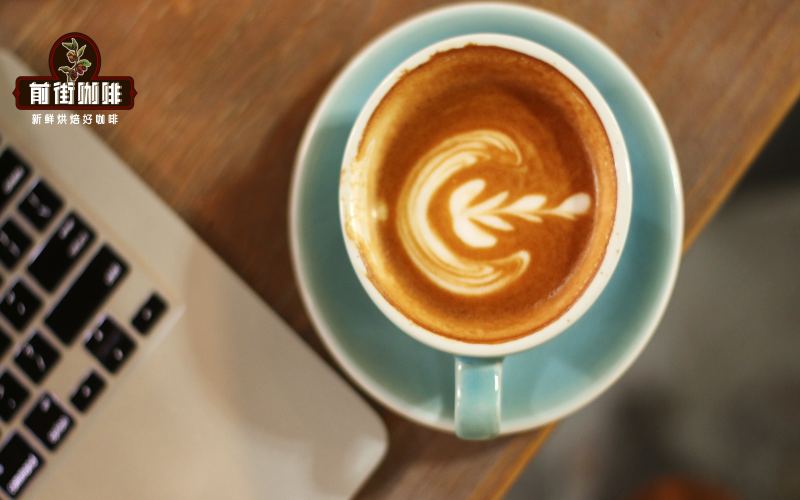
What's the difference between a macchiato, a latte, and a cappuccino? From milk ratios to how to make a caramel macchiato, explained in one go
Although they are all espresso with milk, macchiato, latte, and cappuccino present distinctly different flavors and mouthfeels. Many people can tell espresso and cappuccino apart, yet cannot clearly explain what a macchiato actually is. Starting from the original Italian meaning of "Macchiato," this article sorts out the differences between espresso macchiato, caramel macchiato, and authentic cappuccino, and explains in detail the steps for making caramel macchiato, the ingredient ratios, and the key points of steaming milk foam, while also introducing the application of the Front Street Coffee espresso bean series in it, helping coffee lovers make a cup of milk coffee with clear layers at home. [more…]
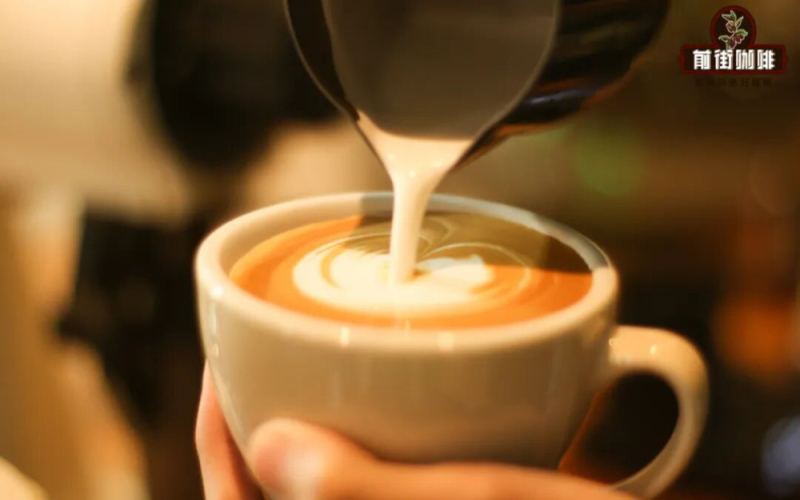
Learning Latte Art from Zero: A Low-Cost Approach Using Dark Soy Sauce, Dish Soap, and Recycled Espresso-Foam Practice
The art of latte art, at its core, relies on the repeated muscle memory of the hands for milk flow and foam. But if every practice session requires freshly pulled espresso and freshly steamed milk, the cost is high, and it's truly a waste to pour out what can't be finished. So many coffee enthusiasts have figured out some money-saving yet practical practice routines to minimize waste. In this article, Front Street Coffee will explain how coffee shops practice latte art in their daily operations: we'll introduce the choice of espresso beans suitable for latte art, share how to froth milk with a French press when there's no espresso machine, and break down in detail two low-cost practice methods—using dark soy sauce with dish soap, and recycling espresso with milk—to help you build up your latte art skills step by step at home. [more…]
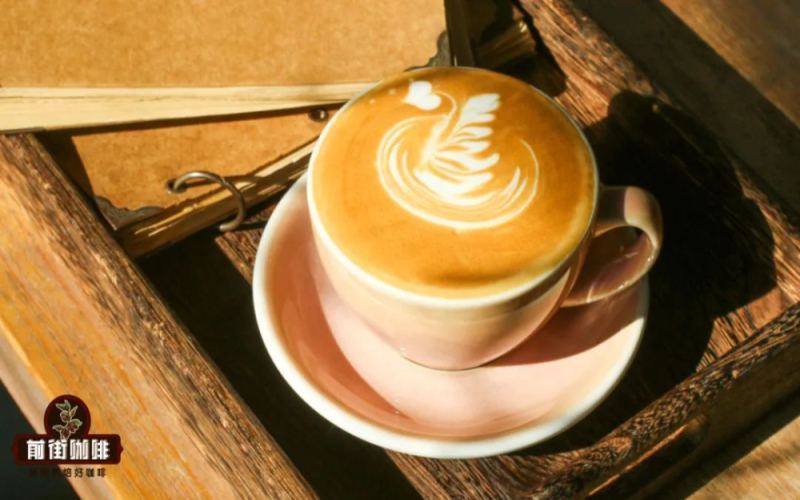
What Are the Different Types of Latte Art? An Analysis from Traditional Patterns to Etching Needles and 3D Latte Art Techniques
Latte art has long ceased to be as simple as heart-shaped patterns. Since David Hume accidentally created a heart on the surface of a milk coffee in the 1980s, latte art techniques have continuously evolved, and today have developed into multiple types such as traditional latte art, coffee etching, and 3D latte art. Traditional latte art uses a milk pitcher as its main tool, and can be further divided into basic patterns and advanced combined patterns; coffee etching relies on etching needles recognized by international competitions to draw finer or bolder lines; 3D latte art is more figuratively a kind of "sculpting" technique, requiring the stacking of thick milk foam and the use of spoons and etching needles for shaping, and also uses chocolate sauce, caramel sauce, and the like for outlining. This article, brought to you by Front Street Coffee, helps you understand the features and key production points of these latte art types. [more…]
Zero experience? You can still practice latte art: cocoa powder dusting, water sprinkling, and reuse methods—the complete low-cost guide to practicing latte art.
Want to practice latte art well but hate watching espresso and milk go down the drain with every cup? In fact, many coffee enthusiasts have long since figured out a money-saving, no-waste way to practice. In this article, Front Street Coffee will share several low-cost latte art practice solutions: from the dark soy sauce plus dish soap combo that even complete beginners can handle, to the reusable espresso-and-milk cycling method, and we'll also answer how to froth milk with a French press when you don't have an espresso machine. We'll also recommend espresso beans suitable for latte art, helping beginners build up their hands' muscle memory for milk foam step by step while keeping costs under control, so that every practice session gets closer to coffee shop quality. [more…]
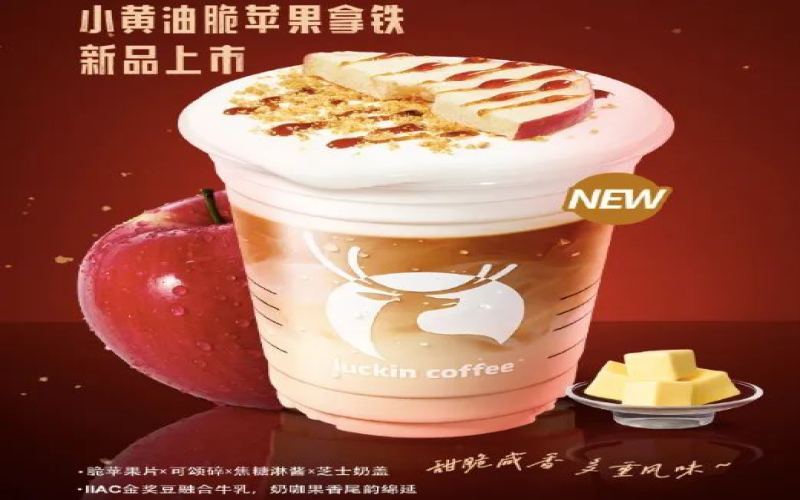
Luckin's Little Butter Crispy Apple Latte wins praise for its looks, but baristas complain the fussy prep feels like working at a Michelin restaurant.
Luckin Coffee has launched a new product, the "Little Butter Crispy Apple Latte," building on its Little Butter series. With rich toppings including cheese milk foam, freeze-dried apple, croissant crumbs, and caramel sauce, it quickly caught consumers' attention. The drink's appearance has been widely praised, with many considering it perfect for photos and sharing, but opinions on its taste are mixed—some love the combination of butter and apple, while others find it too sweet and cloying. Meanwhile, this multi-step customized drink puts considerable pressure on store employees. Under the efficiency requirement of serving within two minutes, making this drink during peak hours is jokingly compared by staff to preparing a Michelin meal, and it can even disrupt the pace of service. Front Street Coffee keeps following coffee industry trends, bringing you insights into the market response and operational contradictions behind this new product. [more…]
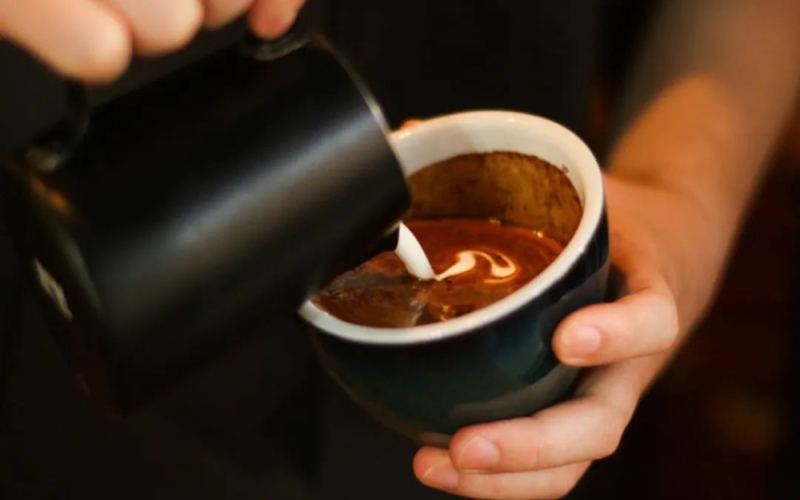
Why Is Mocha Coffee Fading from Menus? A Complete Trace from Yemen's Mocha Port to Italian Chocolate
Mocha was once a classic on Italian menus alongside latte and cappuccino, but it is now increasingly disappearing from specialty coffee shops. Its name originates from the Port of Mocha in Yemen—from the 15th century onward, coffee beans were shipped through this port, and the sacks were marked "MOCHA," so Europeans collectively called the beans exported from there mocha coffee, and in the early period it even became synonymous with coffee. In the 18th century, Italy, in an attempt to recreate the chocolate notes of mocha beans, tried adding cocoa powder to coffee, which later evolved into a chocolate-added milk coffee with the spread of espresso machines. During the second wave, the combination of dark-roasted blend beans with chocolate sauce, cream, and other additions made mocha a representative sweet drink used to mask bitterness. The third wave of specialty coffee emphasized origin flavors, and together with the low-sugar healthy trend, the high-sugar, high-calorie mocha gradually fell out of favor in the market. The article sorts out its historical context and shares Front Street's method and recipe for making iced mocha. [more…]
What's the Difference Between a Macchiato and a Cappuccino? Caramel Macchiato Recipe and Tasting Guide
Walking into a café and facing a dazzling menu of espresso drinks, have you ever been confused: what exactly is a Macchiato? How is it different from a Cappuccino? And how is a Caramel Macchiato made? This article will take you back to the Italian origins of the Macchiato, clarify its essential differences from the Cappuccino in recipe and taste, and break down the steps for making a Caramel Macchiato along with key tasting points. We will also share the traditional ratios and modern evolution of authentic Cappuccino, as well as practical tips from Front Street Coffee during the preparation process, helping you make a cup of milk coffee with distinct layers and pure flavor at home. [more…]
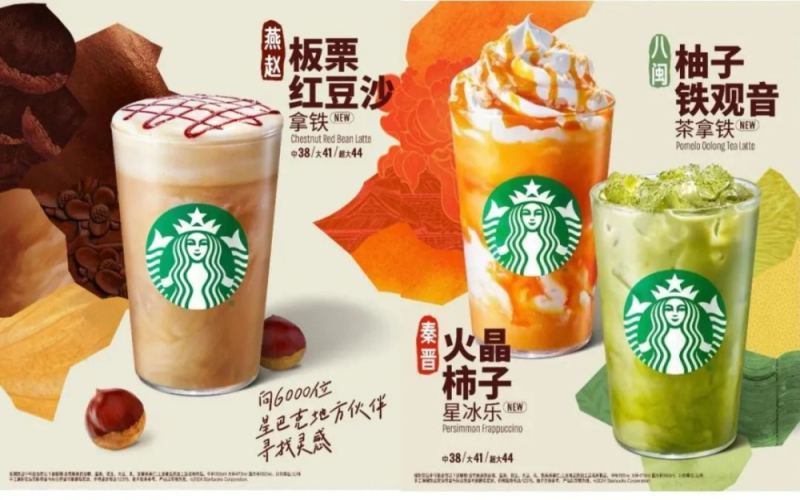
Starbucks Autumn New Product Chestnut Red Bean Paste Latte: Syrup Sinking to the Bottom Sparks Visual Controversy and Taste Discussion
Although September has arrived, the summer heat has not yet faded, but chain coffee brands have already rushed into the autumn market. Starbucks China officially announced the launch of three autumn-flavored drinks on September 2, among which the Yan-Zhao Chestnut Red Bean Paste Latte has attracted much attention for blending with espresso. However, this new product, inspired by "the fragrance of northern autumn chestnuts," has drawn complaints from consumers due to issues such as the flavor sauce sinking to the bottom and the chestnut flavor being masked. This article will analyze in detail the background of the new product's development, the official introduction and the actual serving experience, and explore the differences in presentation between hot and cold drinks. [more…]

Making Boozy Coffee at Home: 10 Alcoholic Coffee Drinks with Recipes and Methods
Want to find a balance between a gentle buzz and staying clear-headed? Spiked coffee is becoming a new choice for many young people. When you're tired during the day, a hint of alcohol helps relax your nerves; after work at night, a warm alcoholic coffee soothes body and mind; and when the weather turns cold, it brings warmth from the inside out. This article compiles 10 alcoholic coffee recipes suitable for making at home, from simple convenience-store mixes to creative versions with milk foam, and to specialty cocktail coffees with a stronger alcoholic kick, covering pairings with various base spirits such as Baileys, whiskey, gin, brandy, and rum. When making them, there's no need to be rigid—just adjust the amount of alcohol to your personal preference—but be sure to drink in moderation according to your own condition, minors are prohibited from drinking alcohol, and drunk driving is strictly forbidden. At the end of the article, there is also a communication channel for Front Street Coffee (FrontStreet Coffee), making it convenient for coffee lovers to discuss further. [more…]

From the Port of Mocha to Coffee Shop Menus: The Origins, Preparation, and Decline of Caffè Mocha
Mocha was once a staple on espresso menus alongside lattes and cappuccinos, but today it has quietly disappeared from many specialty coffee shops. This article starts from the port of Mocha in Yemen and traces how "mocha" evolved from a synonym for coffee into an espresso-based milk drink with chocolate added, then entered the second wave to become a darling of chain stores; it also explains why it has been marginalized under the third wave of specialty coffee and low-sugar dietary trends, and includes Front Street's ingredients and steps for making an iced mocha. [more…]
From the Port of Mocha to Italian Coffeehouses: The Historical Origins, Evolution, and Contemporary Circumstances of Mocha Coffee
Mocha coffee was once a classic beverage on Italian menus, standing shoulder to shoulder with lattes and cappuccinos, but today it is gradually disappearing from specialty coffee shops. This article traces the origin of the name "mocha"—from the status of Yemen's Mocha Port as a coffee trade hub, to the Italian mocha created by 18th-century Italians to imitate the chocolate notes of Mocha beans, and then to how it became a dessert-like drink in the second wave of coffee that masked the bitterness of dark roasts. The article also analyzes how the third wave specialty coffee movement and the healthy-eating trend have caused traditional mocha to decline, yet people's love for chocolate-flavored coffee has not faded. Finally, it includes the iced mocha recipe shared by Front Street Coffee for enthusiasts to recreate at home. [more…]