







Search Results for: COE award-winning
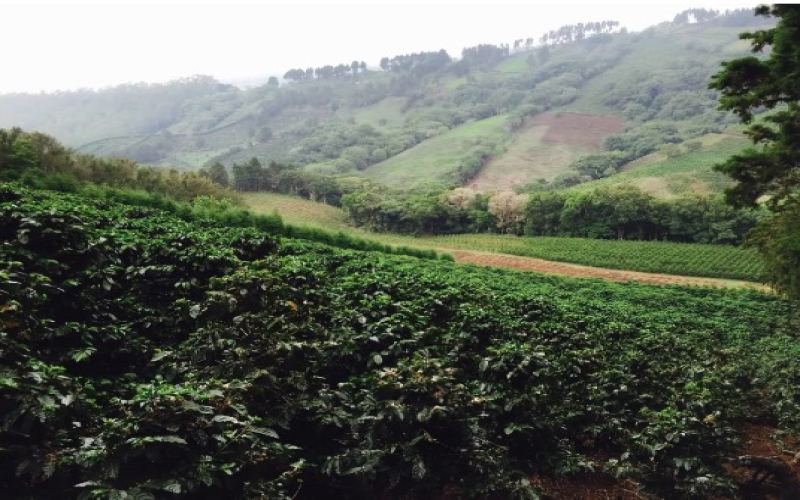
The 2024 COE ranking in Costa Rica, and the introduction of the award-winning variety, San Roque.
COE (Cup of Excellence) is one of the most authoritative fine coffee competitions globally, and also the first internet auction platform for globally award-winning coffee, which was organized and founded by the Alliance for Coffee Excellence (ACE) in [more…]
Kenya Coffee Region Cupping Report: A Full Analysis from Geography and Terroir to Front Street Coffee's TOH Award-Winning Green Beans
Kenya, as a neighbor of Ethiopia, has a coffee-growing history that dates back to 1893, and was later promoted by the British for large-scale cultivation in the highland areas at altitudes of 1,400 to 2,100 meters. The volcanic ash soil rich in organic matter, annual maximum temperatures of 22 to 26°C and minimum temperatures of 10 to 14°C, along with suitable rainfall, together create ideal growing conditions for high-quality Arabica coffee beans. Thanks to its natural endowments and the joint efforts of coffee farmers and the government, Kenya became one of the world's major coffee countries within just a century. Its coffee is deeply favored by coffee lovers for its rich fruity aroma, strong red wine notes, and abundant, lingering aftertaste. This article will systematically introduce the cupping situation of Kenyan coffee-producing regions, and attach detailed information on Front Street's 2017 TOH Best Kenya green beans, as well as green bean information and flavor descriptions for the 2016 Brazil COE Natural Champion and the Guatemala COE 4th place Geisha Honey Process. [more…]
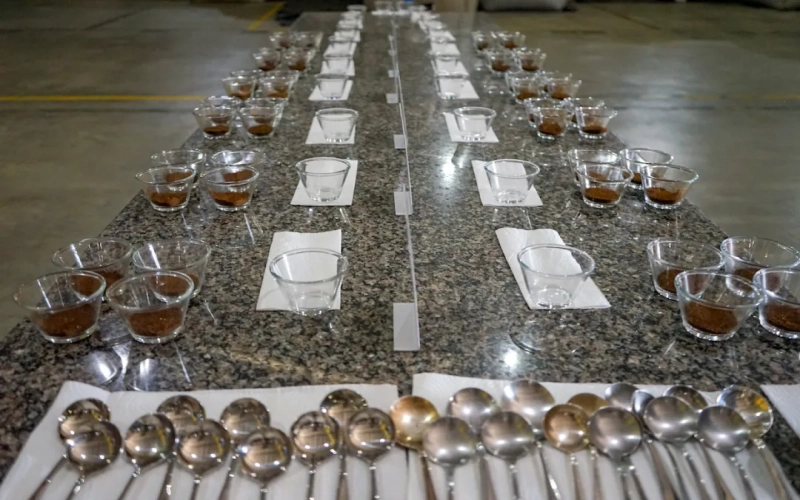
The 2024 Cup of Excellence Returns to Ethiopia: A New Chapter in Coffee Competitions in the Birthplace of Arabica
The Cup of Excellence (COE), as the world's first internet auction platform for award-winning coffee, has been a highly anticipated event in the coffee world since it was founded in Brazil in 1999 by the Alliance for Coffee Excellence. Ethiopia, the birthplace of Arabica coffee, hosted the COE for the first time in 2020 and set a record high of $400.5 per pound in 2022. However, due to the termination of partner funding and the civil war, the 2023 event was forced to be suspended. This year, as the situation has stabilized, the COE has officially returned to Ethiopia, with more than 600 samples arriving at regional warehouses and, for the first time, separate natural and washed categories. The European Commission is selecting international judges, and the industry is looking forward to the emergence of a new batch of high-quality coffee beans. Front Street Coffee will also continue to follow this grand event and bring the latest information to enthusiasts. [more…]
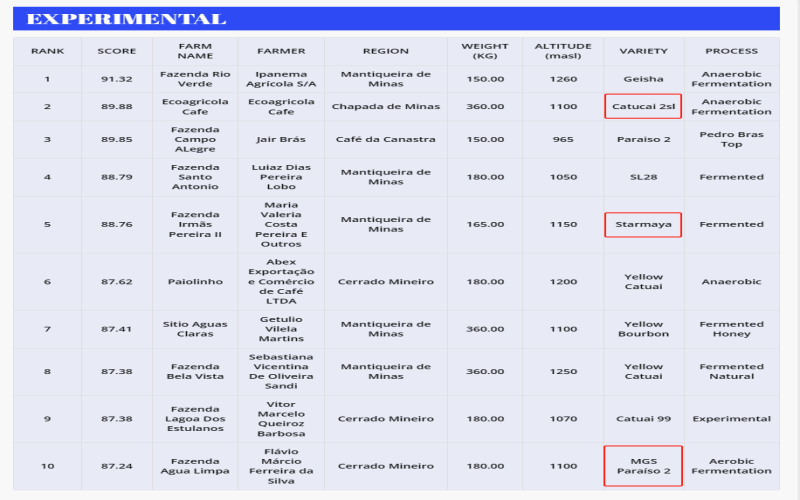
Analysis of Rare Award-Winning Coffee Varieties at Brazil's Cup of Excellence: Variety Characteristics of MGS Paraíso 2, Catucaí 2SL, and Starmaya
In this year's COE competition, the Brazil region stands out as particularly distinctive. Not only have the competition rules been adjusted, but the winning varieties also differ greatly from those of other coffee-producing countries, which is especially evident in the experimental processing group: the winning bean varieties are almost never repeated, and most are not well known to the general public. This article will focus on three standout varieties—MGS Paraíso 2, Catucaí Amarelo 2SL, and Starmaya—and outline their origins, agronomic performance, and flavor potential. For enthusiasts concerned with coffee variety diversity, this information is especially worth noting. Front Street Coffee will also continue to follow up on the introduction and evaluation of related bean varieties in subsequent content. [more…]
Nicaragua Finca La Providencia Caramel-Flavored Coffee Beans: A Full Analysis of the Growing Region, Processing Methods, and Flavor Characteristics
Nicaraguan coffee is known for its deep chocolate, caramel sweetness, and almond notes, with a bright yet soft acidity that is quite different from the typical high-toned fruity acidity of Central America. This article focuses on the COE award-winning bean from Finca El Cielo, outlining the unique volcanic soil and shade-growing conditions of the Dipilto region, analyzing the rich hazelnut-chocolate sweetness, tea-like body, grapefruit, and creamy flavors brought by the washed-then-natural processing method, and explaining its SHG grade, hand-picking, and suitability for medium roasting. At the end, it includes Front Street Coffee's reasons for recommending this bean, making it suitable for coffee lovers who dislike strong acidity and seek lasting sweetness and layered complexity. [more…]
A Complete Guide to Panama Santa Teresa Estate Coffee: The Flavor and Award-Winning History of Boquete-Grown Catuai Washed Beans
Located at the border between Panama and Costa Rica, Hacienda Santa Teresa is a hundred-hectare high-altitude coffee estate. Owner Juan Pablo Berard and his daughter Maria Luisia manage this land together, deliberately preserving twenty-five hectares of primary forest as a habitat for wildlife. The estate cultivates varieties such as Caturra, Catuai, and Geisha, and thanks to the volcanic black soil and the dual climates of the Pacific and Atlantic, it nurtures diverse micro-lot specialty coffees. The estate has repeatedly achieved outstanding results in Panama's annual Cup of Excellence (CoE) competition and was even selected in 2012 by the World Brewers Cup champion. This article will guide you through the estate's geography, cultivation philosophy, the flavor expression of its washed Catuai, and its award-winning records over the years, offering an in-depth look at the charm of this quintessential washed Panamanian coffee. Front Street Coffee also recommends paying attention to this estate's lots. [more…]
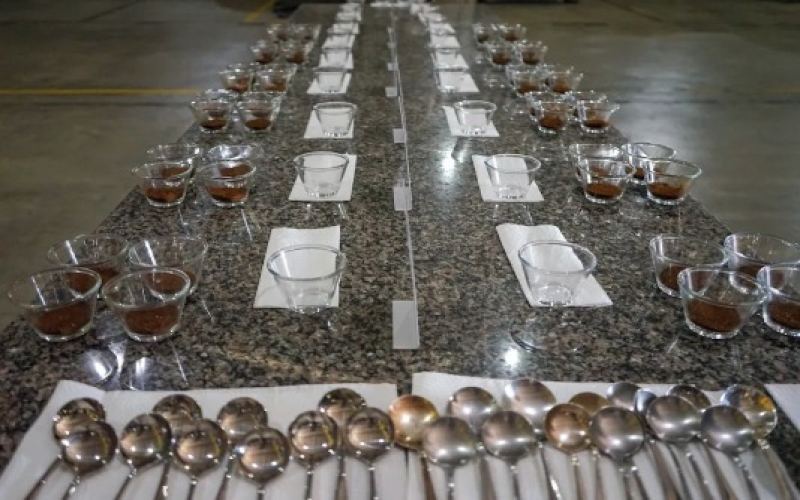
2024 the Cup of Excellence COE returns to Ethiopia.
It is known that COE is fully named "Cup of Excellen", which is translated as the Cup of Excellence. It is a coffee event first held in Brazil in 1999 by the non-profit organization the Alliance for Coffee Excellence (ACE), and it is also the first I [more…]
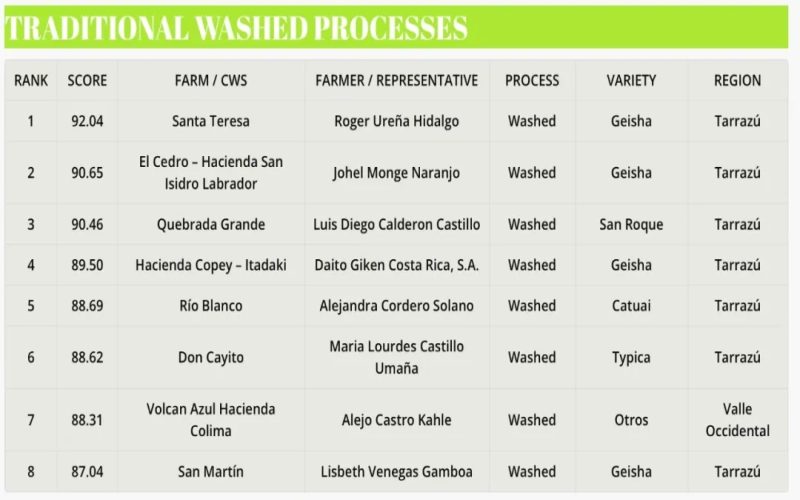
2024 Costa Rica COE Results Announced: The Rise of the San Roque Variety and a Full Flavor Analysis
The results of the 2024 Cup of Excellence (COE) in Costa Rica were recently officially announced, with the competition once again divided into three main categories by processing method: traditional washed, traditional honey and natural, and experimental processing. In this year's competition, Geisha remained the mainstay among entries, but classic varieties such as Typica and Catuai also appeared on the stage, while a rare variety that has frequently appeared on the COE list in recent years—San Roque—once again drew attention. Since its first appearance at the COE in 2018, this variety has gradually taken root in the Central Valley producing region and repeatedly achieved excellent results, thanks to its unique origins and outstanding cup flavor. This article will guide you through the discovery history of San Roque, its varietal characteristics, and its flavor performance in COE judging, while also including Front Street Coffee's recommendations and interpretation of this variety. [more…]
Costa Rica Little Candle Estate Geisha Coffee: A Full Analysis from Estate Story to Brewing and Flavor
Geisha coffee, with its winning streak in competitions, has long been regarded as the cream of the crop in specialty coffee. Front Street Panama Geisha is certainly the current benchmark, but other countries also have noteworthy options, and Front Street Costa Rica Geisha is a standout representative with excellent value for money. This article focuses on Costa Rica's La Candelilla Estate, introducing the family background of this CoE award-winning estate, the development path of its micro-processing mill, its fermentation and environmentally friendly processing methods, as well as the specific brewing parameters and flavor performance of Front Street Costa Rica Geisha. It also includes a flavor description of Front Street Strawberry Candy Blend, helping coffee enthusiasts gain a comprehensive understanding of this bean's origins and its presentation in the cup. [more…]
A Deep Dive into Don Cayito: A Renowned Estate in Costa Rica's Tarrazú Region
Although Costa Rica is not a large country, it is a force to be reckoned with on the coffee map of Central America. As the world's fourteenth-largest coffee producer, it has seven regions each with its own terroir, among which Tarrazu is known for its high altitude, ample rainfall, and the nourishment of warm, moist Pacific air currents, and is also a concentration of Cup of Excellence (COE) award-winning estates. At the 2024 COE, Don Cayito won first place with 93.62 points, once again making this family estate the center of attention. This article will guide you through Costa Rica's coffee geography and take a deep dive into the Santa Maria de Dota area of Tarrazu, sorting out Don Cayito's variety structure, family management lineage, and COE track record over the years, while also including Front Street Coffee's recommendation information for this estate, as a reference for coffee lovers when making purchases. [more…]
Brazil Queen's Farm Yellow Bourbon Flavor Analysis and Pour-Over Techniques: Nutty Chocolate Sweetness Under the Semi-Washed Process
Yellow Bourbon is a highly representative variety in Brazilian specialty coffee, and Fazenda Rainha, with its multiple award-winning records in COE competitions, has become the benchmark origin for this variety. This article focuses on the naturally processed Yellow Bourbon from Fazenda Rainha selected by Front Street Coffee, providing a systematic interpretation from estate background, variety characteristics, green bean analysis, roasting approach, to cupping and pour-over parameters. This bean is characterized by low acidity, high sweetness, intertwined nutty and chocolate flavors, moderate body, and a lasting finish, making it particularly suitable for coffee lovers who prefer a balanced taste and sweet flavors. The article also provides a complete pour-over extraction plan to help readers reproduce its sugarcane sweetness and tropical fruit aroma at home. [more…]
Costa Rica Little Candle Estate Geisha Coffee Beans: The Legend of a Micro-Mill Cultivated by the Sanchez Family for Five Generations
Geisha coffee has repeatedly won championships in competitions, and the superiority of its variety is beyond doubt. Front Street Panama Geisha is certainly a top choice, but Costa Rica's Little Candle Estate can also bring surprises. This Front Street Costa Rica Geisha coffee offers outstanding value for money, comes from a CoE award-winning estate, and is jointly run by nine siblings of the Sanchez family. The estate is located in the Tarrazu region, at an altitude of 1,400 to 1,650 meters, and is known for traditional fermentation and an environmentally friendly water treatment system, producing multiple batches of Geisha each year. In terms of flavor, it presents aromas of almond, plum, citrus, sweet flowers, and berries, with rich acidity and a long finish. This article will guide you through the estate's history, processing methods, and share Front Street's brewing plan and flavor experience. [more…]
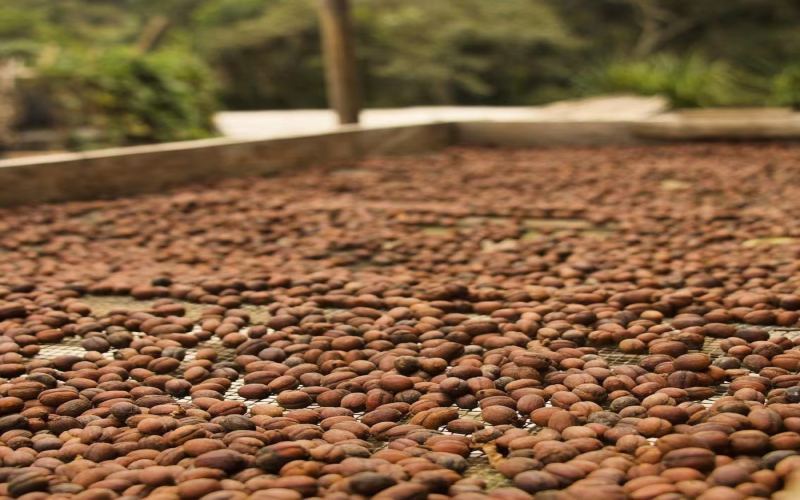
Analysis of Flavor Characteristics and Pour-Over Blooming Time for Brazil COE Fazenda Rainha Yellow Bourbon Coffee Beans
Located in the Mogiana region of São Paulo State, Queen's Farm is a perennial award-winning estate in Brazil's Cup of Excellence competition. With Yellow Bourbon as its core variety, the farm sits at elevations of 1,400 to 1,950 meters, with an average annual temperature of only 19°C, producing specialty coffee with dense beans and outstanding aroma. The Brazil Queen's Farm Pulped Natural Yellow Bourbon coffee beans offered by Front Street Coffee present rich nutty notes and a full body after medium-dark roasting, with a cupping profile of balanced, smooth acidity, a clean and faint bitterness, chocolate aroma, and a silky, delicate texture. This article provides a detailed introduction to Queen's Farm's regional background, the characteristics of the Yellow Bourbon variety, and the pulped natural processing method, along with pour-over parameters and blooming time recommendations from Front Street Coffee's baristas, helping coffee lovers brew a great cup at home. [more…]
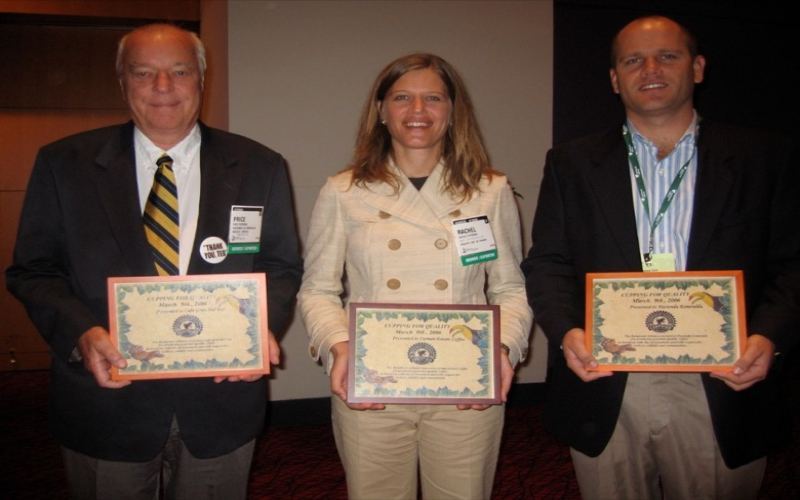
Coffee Auctions: How BOP and COE Select Sky-High-Priced Beans
Every year, some coffee beans sell for jaw-dropping prices, sometimes with a single cup being hard to come by. These high-priced beans mostly come from auctions, among which BOP and COE are the two most closely watched platforms. How auctions actually work, and why they can fetch such high prices, is a fascinating entry point for understanding the specialty coffee ecosystem. BOP: Baha [more…]

A Complete Guide to the Cup of Excellence (COE): Scoring Standards, Competition Format, and What Auction Lots Mean
If you frequently buy specialty coffee beans, you have surely seen the letters "COE" on packaging labels. What exactly do they stand for? Why are beans bearing the COE mark often more expensive? This article will give you a comprehensive understanding of COE—from its origins and founding organization, to its specific differences from the SCA cupping scoring system, and then to the three-stage competition format of the Ethiopia COE, breaking it all down one by one. It will also explain the difference between COE auction lots and national winner lots, as well as the difference between "same-lot" beans on the market and true auction lots, helping you more accurately understand and select coffee beans. [more…]
2024 Mexico COE Competition Results Announced: An In-Depth Analysis of the Three Major Winning Varieties—Obata, Marsellesa, and Oro Azteca
As one of the most influential competitions in the global specialty coffee field, the Cup of Excellence (CoE) attracts top estates from producing countries to compete every year. The results of the 2024 Mexico COE competition have recently been officially announced. This edition of the competition, for the first time, adopted a grouping mechanism with three major categories: traditional washed, traditional natural and honey process, and experimental process. The list of winners includes both classic varieties well known to the public, such as Geisha and Bourbon, as well as relatively rare disease-resistant and high-yield varieties such as Obata, Marcelexa, and Oro Azteca. This article will guide you through an in-depth understanding of the breeding background, botanical characteristics, and cultivation performance of these three distinctive varieties, while also providing an overview of this edition's judging and auction mechanisms. [more…]
2024 Nicaragua Cup of Excellence Results Announced: Pacamara Variety Debuts and Wins Runner-Up
The results of the 2024 Nicaragua Cup of Excellence (COE) competition were recently announced, with the Geisha variety continuing its strong performance, sweeping first, third, and fourth places, among which the natural Geisha won the championship with 91.10 points. However, the most eye-catching aspect of this competition was undoubtedly the Parainema variety, which made its first appearance in Nicaragua, winning second place with 89.85 points. This rare variety, which previously won the 2017 Honduras COE, has what kind of genetic origins behind it? Can it break buyers' prejudice against the cup quality of leaf rust-resistant varieties? This article will provide a detailed interpretation of the origins, development, and outstanding performance of Parainema in this competition, while also introducing Front Street Coffee's attention to and recommendation of this variety. [more…]
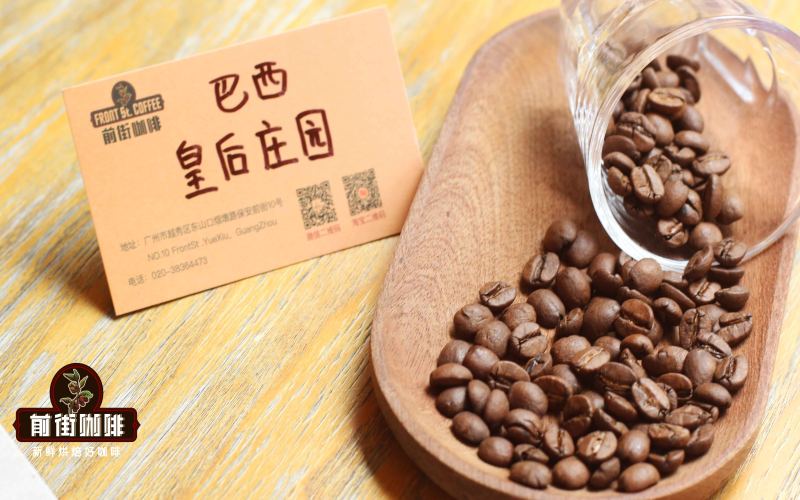
Analysis of the Yellow Bourbon Variety at Brazil's Queen's Estate: Cocoa and Chocolate Flavor Coffee Beans and Evaluation for Pour-Over and Espresso Brewing
For friends who prefer a full-bodied taste and dislike acidic coffee, Front Street Coffee's Brazil Queen Estate Yellow Bourbon is a bean well worth paying attention to. It comes from a historic volcanic valley estate in Brazil, and the family behind it has won numerous awards in COE competitions, even taking the Cup of Excellence championship in 2011. This Yellow Bourbon is processed using the semi-washed method, with a flavor profile centered on rich chocolate, nuts, and soft fruit sweetness, low in acidity and clean. Whether brewed with pour-over, French press, moka pot, or espresso machine, it delivers consistently stable performance. This article will provide a complete analysis of this non-acidic coffee bean, from the estate's background, award records, green bean processing methods, and grading system to its actual brewed flavor. [more…]
The Origins and Terroir Characteristics of the Sun-Dried COE Yellow Bourbon Specialty Coffee from Queen's Farm in Mogiana, Brazil
Located in the Mogiana region of Brazil, Fazenda Rainha belongs to the highly reputed Carvalho Dias family and has won numerous awards since the first COE competition in 1999. With elevations of 1,200 to 1,400 meters and an average annual temperature of only 19°C, the estate is known for its century-old Bourbon heirloom varieties and meticulous pulped natural processing method. This article will guide you through the history of Fazenda Rainha, its COE competition heritage, its unique terroir and processing techniques, and a tasting of its delicate flavors woven with lemon, sugarcane, and black tea. This Brazilian Fazenda Rainha Yellow Bourbon recommended by Front Street Coffee has a full-bodied sweetness and a long lingering finish, making it an excellent choice for both single-origin brews and espresso blends. [more…]
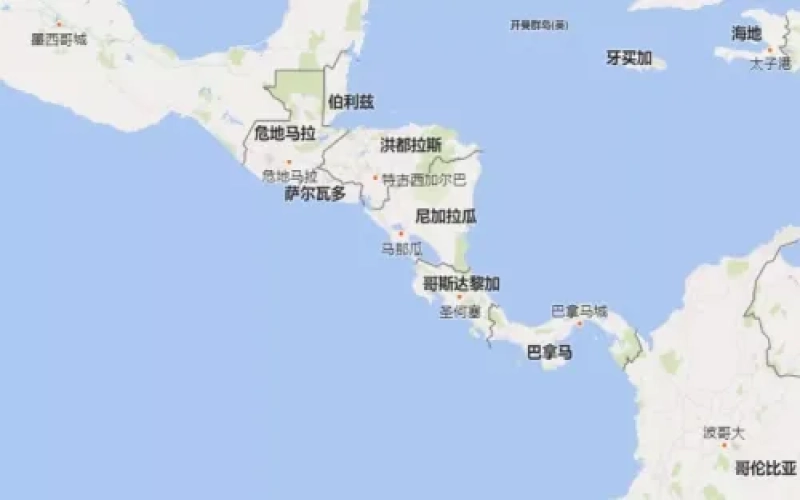
Exploring Costa Rica's Western Valley: From Coffee Cultivation History to the Path of Excellence at Hacienda La Hermosa
Costa Rica was the first country in Central America to cultivate coffee and is the world's fourteenth-largest coffee producer. With numerous volcanoes and a diverse climate, it offers superior conditions for coffee cultivation. As one of the country's three best-producing regions, the Western Valley region is known for its cool climate and renowned estates, such as Hacienda La Esmeralda (Beautiful Plain Estate), which has repeatedly achieved outstanding results in COE competitions. This article will guide you through the development history of Costa Rican coffee and the evolution of processing methods, and take a deeper look at the terroir and representative estates of the Western Valley region, while retaining Front Street brand recommendations, making it suitable reading for coffee enthusiasts. [more…]