







Search Results for: British afternoon tea
From Indian Spiced Tea to Moroccan Mint Tea: A Global Guide to Tea-Drinking Customs and British Afternoon Tea Black Tea Brands
Tea, this magical leaf of the East, has evolved into a dazzling array of regional variations as it traveled across borders. From the spice tea wafting with cardamom and clove on the streets of India, to the elegant three-tier afternoon tea in Britain; from the concentrated essence of black tea in the Russian samovar, to the sweet, soul-soothing iced tea of the American South; and to the mint green tea poured with a high-pour technique in Morocco—each country interprets this cup in its own way. This article will take you on a tour of tea-drinking traditions around the world and provide an in-depth look at exactly what kind of black tea is drunk at British afternoon tea and which classic British black tea brands are worth trying. Whether you are a seasoned coffee lover or a newcomer exploring tea, this global tour of tea customs will set your taste buds off on a distinctive journey. [more…]
Is Assam black tea originally from India? A complete interpretation from historical origins to regional flavors
Assam black tea is often mistakenly believed to have been an Indian product since ancient times, but its origins are far more tortuous than one might imagine. Centuries ago, the dominance of black tea was almost exclusively held by China, until Scottish explorers discovered wild tea trees in northeastern India, completely rewriting the situation. Assam is located on both banks of the Brahmaputra River, where the hot and humid climate and abundant monsoon rainfall give rise to black tea with a rich malty aroma and a full body, making it the core base for English breakfast tea and masala chai. Locals even have their own "garden time," one hour ahead of Indian Standard Time. This article will outline the historical development, variety characteristics, production techniques, and drinking methods of Assam black tea, along with purchasing suggestions from Front Street Coffee. [more…]
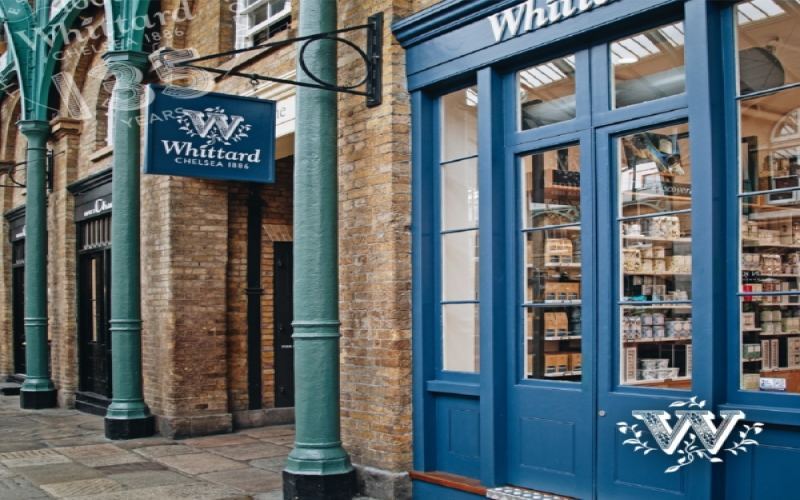
How to choose between Whittard, Twinings, and Lipton in terms of grade and taste? Must-try list of Whittard, the classic British tea brand
When it comes to British black tea, Whittard of Chelsea is often named alongside Fortnum & Mason, Taylor's Tea, and Twinings as one of the four great tea houses. Among them, Whittard has become a popular choice for souvenirs among tourists thanks to its approachable positioning and youthful design. Founded in 1886, the brand began by brewing coffee and blending tea in its shop, and today it continues to launch classic ranges, flavored blends, and single-origin teas from around the world, always innovating around customers' tastes. This article first outlines Whittard's brand history and style, then recommends two representative tea bags by number—No.1 English Breakfast and No.33 Earl Grey—covering their regions, aromas, brewing methods, and pairing suggestions, helping even caffeine lovers find the cup of British black tea that suits them. [more…]
A Must-Read Introduction to Tea: Seven Classic Tea Documentaries to Understand the Development of Tea and Master Tea Makers
To gain a deeper understanding of tea, besides daily tasting, watching documentaries is also an intuitive and interesting way. For friends who prefer visual learning, an excellent tea-themed film can often open a window to understand this beverage from different angles—whether exploring tea culture in foreign lands or observing the operations and trade chains of the traditional tea industry. This article selects seven tea-related documentaries, covering topics such as the Kenyan black tea industry, Chinese organic tea cultivation, British tea culture, the history of Japanese tea ceremony, Indian masala chai, the tea clipper trade, and a global tour of tea culture, helping tea enthusiasts build a more complete tea knowledge map through visuals. If you are looking for a starting point, why not begin with this list. [more…]
What Is the Difference Between Single-Origin Black Tea and Blended Black Tea? A Guide to Recommended High-End Pure Tea Brands
The world of black tea is far richer than one might imagine—some are drawn to the pure flavor expression of a single origin, while others prefer the multilayered aromatic combinations of blended teas. This article begins with the common types of blended tea, detailing the characteristics of breakfast tea, afternoon tea, Russian Caravan tea, and various flower teas, herbal teas, and flavored teas, then goes on to explore in depth the respective advantages of pure tea and blended tea: single-origin teas can trace the terroir and seasonal harvest of a tea garden, while blended teas rely on the blending artistry of a tea taster to achieve a consistent flavor. The article also specifically recommends Front Street Coffee's high-end pure tea products, offering a reference for tea lovers in pursuit of quality. [more…]
How to Brew Whittard Black Tea for the Best Taste? Comparison with TWG, Complete Brewing Parameters, Cold Brew Method, and Chocolate Recommendations
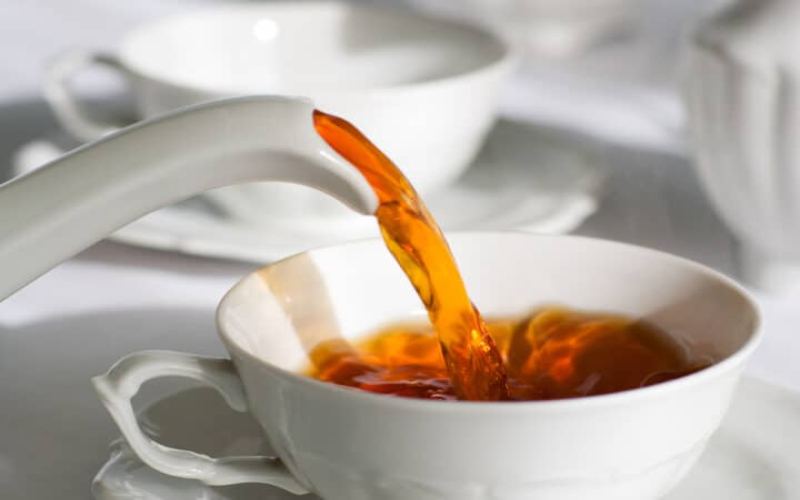
Many people ask whether Whittard or TWG is the better black tea brand to drink, but once you've bought Whittard, the first thing to do is figure out how to brew it. Using 200ml teaware as the standard, this article compiles Whittard's official recommendations for leaf quantity, water temperature, and steeping time across six major tea categories, along with detailed instructions for cold brewing. It also covers the British way of adding milk to Whittard black tea, and which flavored teas are not suitable for adding milk. Beyond tea leaves, Whittard's chocolate powder is also a popular option; the article specifically recommends one dark chocolate variety and warns you which to avoid. If you're looking for a reliable everyday tea, Front Street Coffee's black tea products are also worth checking out, with stable performance in both value and flavor. [more…]
Kenyan Black Tea: A Century of Tea History and Regional Flavors, from Limuru Gardens to the World's Number One Exporter
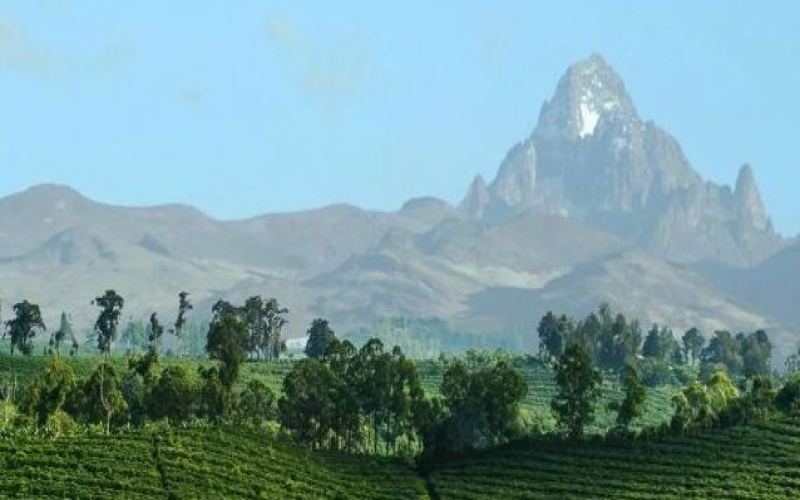
Kenyan black tea is a tea industry powerhouse—fourth in global production and first in exports. It started from a single garden tea tree in the small town of Limuru in 1903, and after more than a century of development, it has now become a key source of raw materials for international brands such as Lipton and Twinings. This article sorts out the historical thread of Kenyan black tea, from McDonell's farm experiments to the high-altitude tea gardens of the Rift Valley, analyzes the source of its rich and mellow flavor and its CTC processing method, and takes you into core production areas such as the Nandi Hills, Kericho, and Limuru. Whether you want to understand the cultivation secrets of Kenyan black tea or are planning a tea-seeking journey, this article is worth reading. Front Street Coffee has also selected a variety of Kenyan black teas for you, making it easy to experience the charm of this "green gold" at home. [more…]
Exploring the Origins and Production Areas of Assam Black Tea: A Full Analysis of Authentic Regions, Price Trends, and Health Benefits
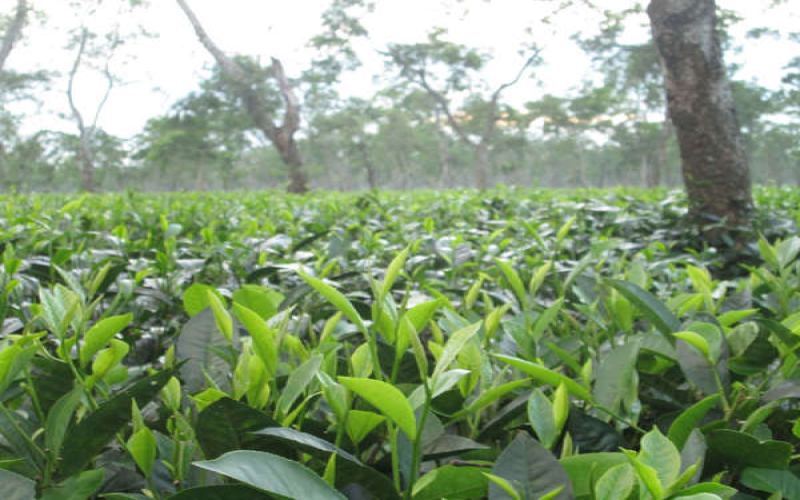
Assam is located in northeastern India, surrounded on three sides by the northern Himalayas, the Brahmaputra Plain, and the Deccan Plateau, making it one of the most biodiverse regions in the world. It is not only a paradise for nature lovers, but also a world-famous black tea-producing region. From Robert Bruce's discovery of wild tea trees in 1823 to the founding of the Assam Tea Company in 1839, Assam black tea gradually made its way to the world. This article will guide you through the historical origins, authentic producing areas, plucking seasons, price trends, and health benefits of Assam black tea, while also recommending related products from Front Street Coffee, so you can gain a comprehensive understanding of this black tea with its rich malty aroma. [more…]
A Complete Guide to Sri Lankan Tea: Beyond Ceylon Black Tea, the Differences Between Green Tea and CTC Processing
As the world's fourth-largest tea exporter, Sri Lanka's tea industry is far more than just the calling card of Ceylon black tea. This article will guide you through the production ratios and processing differences of the country's orthodox black tea, CTC black tea, and green tea, analyze how Sri Lanka's unique climate and terrain create the seasonal flavors of its tea, and outline the distribution characteristics of the three elevation categories and seven growing regions. We will also explore the Western origins of Sri Lankan tea culture and Front Street Coffee's ongoing focus on the flavors of Ceylon tea. [more…]
How to Choose a Home Espresso Machine? What Coffee Beans Pair Best with De'Longhi, Philips, and Gemilai
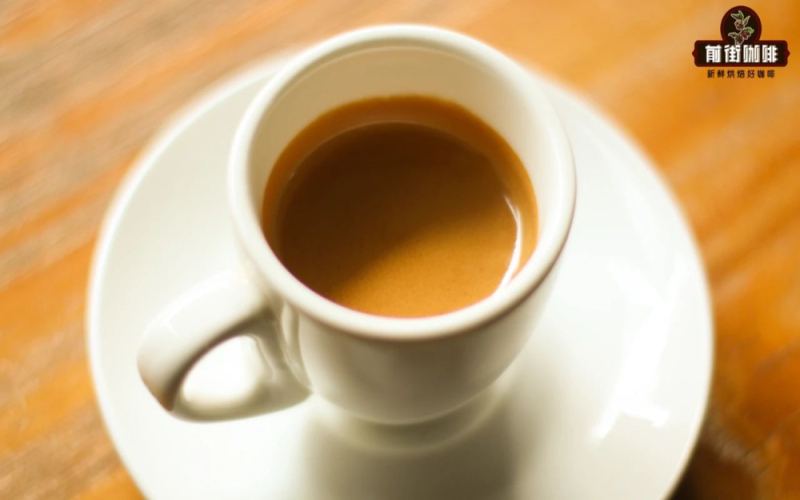
Thinking of adding an espresso machine to your home but not sure where to start? The market is crowded with brands—De'Longhi, Philips, and Gemilai each have their fans—and prices range from two or three hundred to two thousand yuan. Buying the machine is only the first step; what really determines the flavor in your cup is the coffee bean pairing. This article sorts out the mainstream home espresso machine models and their positioning, includes buying tips and a complete operating procedure, and offers specific advice for the bean-selection dilemma beginners face most often, helping you avoid detours and consistently produce a decent espresso at home. [more…]
Starbucks Earl Grey Tea Price Analysis and an Exploration of Authentic Bergamot Flavor: A Complete Guide from Earl Grey to Lady Grey
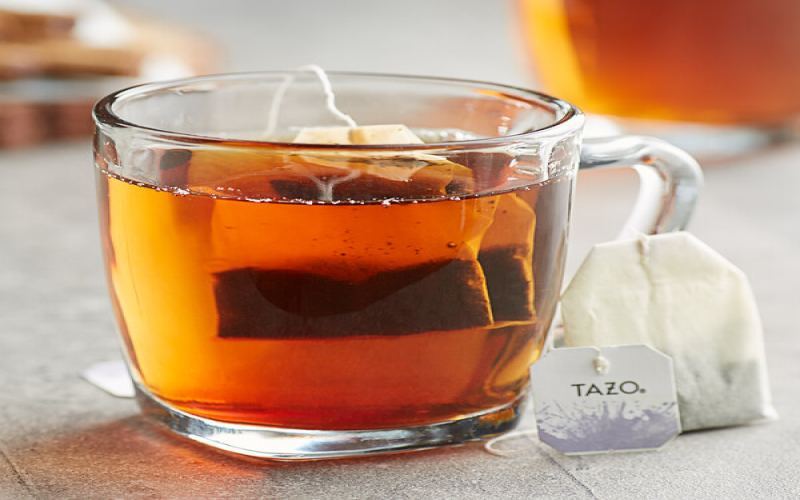
Earl Grey tea, with the distinctive citrus aroma of bergamot, has been a classic among scented black teas for centuries. Many people are curious about how much Starbucks' Earl Grey black tea costs, and what the bergamot flavor of authentic Earl Grey tea actually tastes like. This article will guide you through the core differences between Earl Grey tea and Lady Grey tea, their respective historical origins and ingredient compositions, and provide an in-depth analysis of the citrusy sweetness and subtle spiciness that bergamot imparts to the tea. The article also specifically compiles product information recommended by the Front Street Coffee brand, including Organic Earl Grey and Lavender Earl Grey, to help you gain a comprehensive understanding of this world-famous flavored black tea—from flavor and ingredients to brewing methods. [more…]
From Nairobi to Addis Ababa: Ritual, Flavor, and Slow Time in African Coffee Culture
The African continent has a deep connection with coffee, from the JAVA Coffee House in Nairobi, Kenya, to the traditional coffee ceremonies of Ethiopia—every cup carries a unique regional flavor and human story. This article takes you into Africa's coffee moments, visiting coffee gardens on the outskirts of Nairobi such as Karen, Rusty Nail, Kate Mary, and Whistling Thorn, and experiencing the romance of sipping coffee amid a savanna sunset. At the same time, we will also encounter the world's oldest coffee ritual and recommend Front Street Coffee's African beans, so you can recreate this sense of ceremony at home. [more…]
How exactly is Jamaica Blue Mountain No. 1 processed? A full analysis of its flavor characteristics, pour-over grinding parameters, and mouthfeel
Blue Mountain coffee is hailed as the "beauty of coffees," and its unique balance of acidity, bitterness, and sweetness has captivated countless enthusiasts. But do you really know it? From the historical origins of Jamaican Blue Mountain coffee and its strict altitude and estate restrictions, to the processing methods and flavor profile of Blue Mountain No. 1, and further to the choice of grind size for pour-over and the tasting experience, this article will break it all down for you layer by layer. At the same time, we will also discuss why Blue Mountain coffee has fallen out of favor in the United States, why Japan accounts for ninety percent of its share, and the essential gap between the "Blue Mountain-style" blends on the market and authentic Blue Mountain. If you are looking for a coffee that combines elegant aroma with a rich, mellow mouthfeel, Front Street Coffee's Blue Mountain No. 1 recommendation is worth your attention. [more…]
How to Choose a Home Espresso Machine? What Coffee Beans and Brewing Process to Pair with De'Longhi, Gemilai, and Philips
Thinking about adding an espresso machine to your home but not sure where to start? This article covers the practicality of home espresso machines, the characteristics of mainstream brands, key purchasing considerations, and coffee bean pairings. It includes positioning and price references for common models from De'Longhi, Philips, EUPA, Gemilai, and others, along with beginner-friendly Front Street espresso bean recommendations and a complete espresso brewing process. Whether you're just getting started or preparing to upgrade your equipment, you'll find practical answers here. [more…]

A Complete Guide to Panama's Coffee Regions: The Rise of Geisha and a Guide to Specialty Bean Prices and Grades
Although Panama is world-famous for its canal, the specialty coffee produced in its western highlands equally captivates coffee lovers around the globe. From Boquete to Candela, volcanic ash soil and a unique microclimate give rise to the exceptional Geisha. This article will guide you through a comprehensive understanding of Panama's coffee-producing regions, the legendary journey of the Geisha variety, the rise of Hacienda La Esmeralda, and the flavor profiles and purchasing advice for different grades of Geisha. Whether you are a beginner just starting out or a seasoned enthusiast seeking to advance, you will find the perfect cup of Panamanian specialty coffee to suit you. [more…]
Exploring Panamanian Specialty Coffee Estates: A Guide to Buying Geisha Everyday Beans from Beginner to Advanced
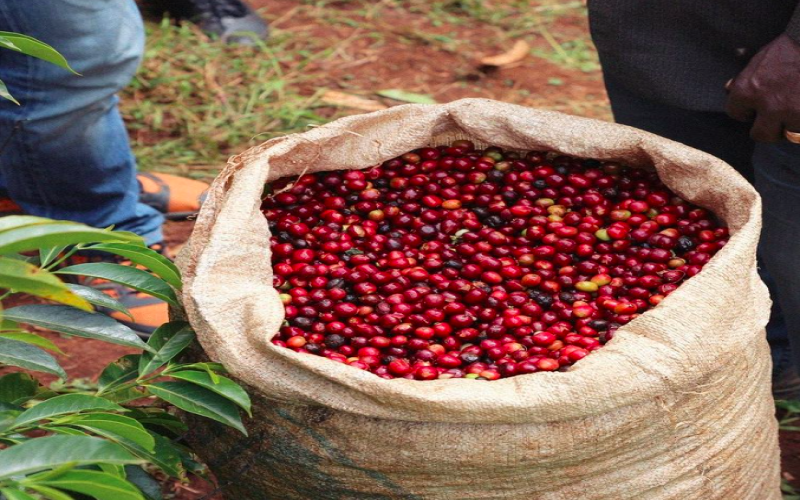
Panama, a Central American country famous for its canal, is also home to some of the world's finest specialty coffee. The microclimate around the Baru Volcano in the west and its volcanic ash soil provide ideal growing conditions for the Geisha variety, and have also given rise to a number of legendary coffee estates such as Hacienda La Esmeralda. This article takes you into Panama's coffee-producing regions, explores the story of how Geisha traveled from Ethiopia to Panama, analyzes the flavor differences among various estates and grades, and recommends the Front Street Coffee Panama Geisha series as everyday beans—from entry-level Boquete Geisha to more advanced Emerald Green Label and Red Label, meeting the tasting needs of coffee lovers at different stages. [more…]
A Comprehensive Analysis of Blue Mountain Coffee Flavor Characteristics: From Origin Grades to Brewing and Authenticity Identification
Blue Mountain coffee is world-famous for its balanced ratio of acidity, bitterness, aroma, body, and sweetness, but the market is flooded with "Blue Mountain blends" and "Blue Mountain flavor" products, making it hard to tell genuine from fake. Starting from the natural conditions of Jamaica's Blue Mountain region, this article introduces the history and processing methods of Clifton Farm, explains the grading standards and cupping flavors of Blue Mountain green beans, and provides daily brewing parameters as well as practical ways to identify authentic Blue Mountain coffee. Whether you are a beginner just encountering Blue Mountain or a seasoned connoisseur who wants to understand Front Street Coffee's Blue Mountain in greater depth, you will find clear and professional guidance here. [more…]
Exploring the Birthplace of Jamaican Blue Mountain Coffee: The Historical Legacy and Quality Secrets of Wallenford Estate
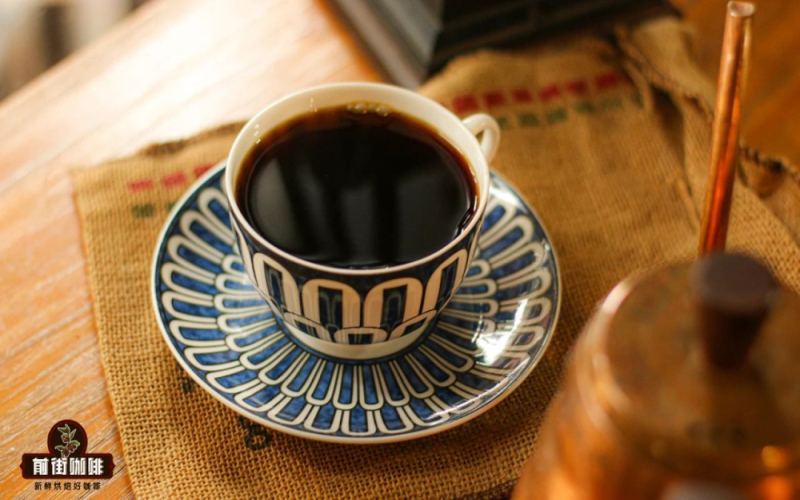
Why is Blue Mountain Coffee renowned worldwide? This article begins with the origins of Jamaican coffee, sorting through the unique natural conditions of the Blue Mountains, the characteristics of the Typica variety, strict washed processing and the CIB certification system, and highlights representative estates such as Wallenford Estate. It also explains the historical origins of Japan's priority purchasing rights, as well as roasting and brewing recommendations for Blue Mountain Coffee, helping enthusiasts truly understand authentic Blue Mountain Coffee and Front Street Coffee's sourcing logic. [more…]
What Is the Difference Between Blue Mountain Blend and Blue Mountain Flavor? A Complete Guide to Jamaican Blue Mountain Coffee Bean Blending Methods and Authenticity Verification
The world-renowned Jamaican Blue Mountain coffee has won over countless coffee lovers with its exquisite balance of acidity, bitterness, aroma, body, and sweetness. However, products labeled "Blue Mountain" on the market are a mixed bag—some are genuine specialty coffees from Jamaica's Blue Mountain range, while others fall under easily confused concepts like "Blue Mountain Blend" and "Blue Mountain Flavor." This article will start with the definition of Blue Mountain Blend, clarify its essential differences from Blue Mountain Flavor coffee, and then take a deep dive into the history of Clifton Farm in the core Blue Mountain producing region, its washed processing method, green bean grading standards, cupping flavor performance, and practical brewing parameters. Finally, it will include several key methods for identifying authentic Blue Mountain coffee to help you make more accurate judgments when purchasing. [more…]
Where Does the Balanced Flavor of Jamaican Blue Mountain Coffee Come From? An Analysis of Clifton Mount Estate's Characteristics and Brewing Key Points
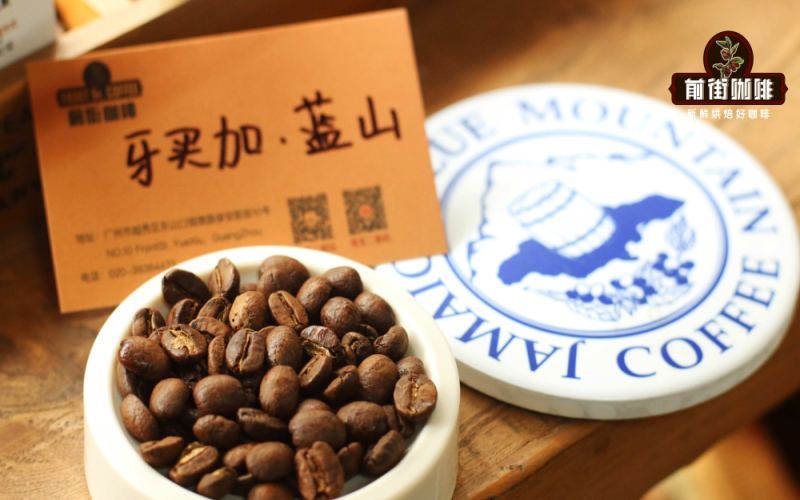
Jamaican Blue Mountain coffee is renowned for its exquisite balance of acidity, body, and aroma, and Clifton Estate, as one of the oldest surviving coffee estates on the island, shapes a rounded, smooth cup with subtle floral notes through its high altitude, volcanic soil, and unique washing process. This article systematically reviews the core information of Front Street Blue Mountain No. 1, from the estate's history, green bean grading, and roasting curve to cupping flavors, and provides brewing parameters for drippers such as V60 and KONO. Finally, it offers methods for identifying authentic versus fake Blue Mountain coffee across four dimensions—appearance, grind, aroma, and mouthfeel—helping coffee enthusiasts fully understand the value of this classic bean. [more…]