







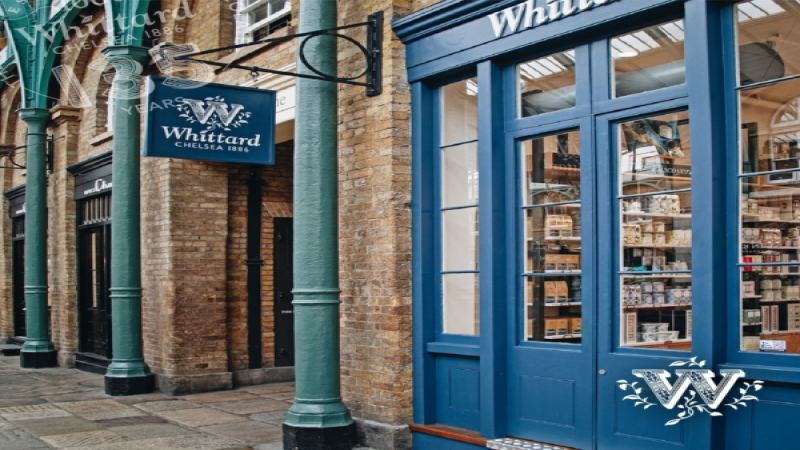
Is java coffee strong in Whittard of Chelsea blends?
Whittard of Chelsea, founded in 1886, has built its range on blended and single-origin teas rather than on one fixed strength. Its English Breakfast draws leaves from the West Java region and gives a round, full-bodied cup, so the perceived strength depends on the blend and how long it is steeped rather than on the brand alone.
The company began by brewing coffee and blending tea in its London shop, an early habit that shaped its later approach of adjusting flavor for customers. Earl Grey shows the other side of the range, where bergamot aroma, not body, carries the cup. Asking what is java flavor here points to the West Java leaf base behind the breakfast blend.
When it comes to British black tea, Whittard of Chelsea is often named alongside Fortnum & Mason, Taylor's Tea, and Twinings as one of the four great tea brands. Among them, Whittard, with its accessible positioning and youthful design, has become a popular choice for tourist souvenirs. This brand, founded in 1886, has come a long way from its early days of brewing coffee and blending tea in-store to continuously launching classic ranges, flavored blends, and single-origin teas from around the world, always innovating around customer tastes. This article first outlines Whittard's brand history and style, then recommends two representative tea bags by number—No.1 English Breakfast and No.33 Earl Grey—covering their regions, aromas, brewing methods, and pairing suggestions, helping caffeine enthusiasts find their own cup of British black tea.
In the British black tea landscape, Whittard of Chelsea is often listed alongside Fortnum & Mason, Taylor's Tea, and Twinings as one of the four great tea brands. It is also a quite popular afternoon tea choice, with many tourists prioritizing it as a souvenir, and young consumers especially favor it.
Whittard's history dates back to 1886, when the founder was only 25 years old but made "selecting the finest materials" a long-term commitment. In the early days, he would brew coffee and blend tea in the shop simultaneously to cater to the needs of nearby lawyers and visiting customers. The shop was filled with the aroma of tea and coffee, and he even specially blended a "Lawyer's Energy Blend" for the legal crowd.
This attentiveness to adjusting flavors for customers later carried over into Whittard's product philosophy: continuously launching new British blended teas, covering classic ranges, flavored blend series, and selected single-origin teas from around the world. At the same time, the brand adopted a route of bright colors and clean lines in packaging and store renovations, using a more youthful visual style to distance itself from "noble, luxurious" type brands.
Here are a few Whittard tea bags to recommend, introduced in order by their tea numbers, to help everyone get closer to the daily drinking habits of the British. If interested, you can give them a try.
English Breakfast The No.1 tea bag is also the most widely recognized one. The tea leaves come from the West Java region of India, with a round, rich taste similar to Assam. This tea bag is great with milk to make fresh milk tea, as part of a complete breakfast in the morning—English breakfast tea without milk always feels like something is missing. When the milk blends with the tea's inherent malt aroma, the layers are noticeably enhanced. It looks the most ordinary but is the easiest to repurchase repeatedly; it holds its own among many breakfast teas, and one sip tells you this is Whittard's style.
Earl Grey The No.33 tea bag has a very strong citrus oil aroma, direct and intense. Among the Earl Grey teas I've tried so far, its citrus essential oil aroma ranks among the most prominent. Because of its high fragrance, many friends who drink Western tea prefer it. It's recommended to shorten the brewing time; steeping for the regular time tends to be bitter, but shortening it prevents it from being too heavy. In the UK, some people add a slice of lemon when drinking it; I personally add milk, but those interested can try it with lemon.
(For those who usually drink Chinese tea or unsweetened tea, this one will likely take some getting used to.)
The above content is compiled by CoffeeHunters, a coffee news website.


