







Search Results for: Blended Beans
What Is Blended Coffee? An Analysis of Espresso Bean Blending Methods and Key Points on Resting Time
For those who are new to specialty coffee, seeing baristas sell beans from different origins blended together can be puzzling. In fact, this is blended coffee, also known as a blend. From the perspective of Front Street Coffee, this article systematically explains the definition of blended coffee, the purpose of blending, the difference between pre-roast blending and post-roast blending, as well as blending approaches for different origins and different varieties. It also provides a detailed introduction to the recipes and flavor characteristics of Front Street's four espresso blends, along with suggested parameters for pour-over blended coffee, helping coffee enthusiasts fully understand the value and uses of blended coffee. [more…]
What Are Coffee Blends? A Comprehensive Analysis of Espresso Recipe Principles and Resting Time
Blended coffee beans are the core foundation of espresso and a craft that baristas continually explore. What exactly is blended coffee? Why was it born in Italy and why is it still popular today? What are the pros and cons of blending raw beans versus blending roasted beans? Why must espresso use blended beans rather than single-origin beans? From the perspective of Front Street Coffee, this article systematically sorts out the definition, historical origins, blending logic, and methods of blended coffee, and introduces in detail the recipe characteristics and flavor performance of Front Street's four espresso blends. It also includes practical parameters for pour-over blended coffee to help coffee enthusiasts fully understand the value and uses of blended coffee beans. [more…]
The Difference Between Single-Origin Coffee and Blended Coffee: A Comprehensive Analysis of Types, Blending Methods, and Flavor Characteristics
For coffee enthusiasts, understanding the difference between single-origin coffee and blended coffee is an important step in exploring the world of coffee. Single-origin coffee centers on beans from a single origin, emphasizing the unique character of regional flavors; blended coffee, through the skillful blending of multiple beans, pursues balance and complexity in taste. This article systematically sorts out the definitions, representative types, blending ratios, and flavor characteristics of the two, from Blue Mountain and Colombia to Mandheling, from cappuccino to mocha, helping readers comprehensively master knowledge of coffee classification. At the same time, the article also specially recommends related products from Front Street Coffee, providing professional reference for your coffee purchases. [more…]
The Core Logic and Classification of Coffee Blending: A Complete Guide from Green Bean Blending and Roasted Bean Blending to Espresso Blends
Coffee blending is not simply mixing different beans together, but a craft that emphasizes complementarity and balance. Drawing on the practical experience of Front Street Coffee, this article systematically sorts out the two basic forms of blended beans—raw blending and roasted blending—analyzes the core purpose of blending, and, through the examples of Front Street's four Italian-style blended beans, explains how to use the characteristics of coffee beans from different origins and different varieties to achieve the ideal flavor. The article also explores the role of Robusta beans in blending, the principles for determining blending ratios, and the differences between SOE coffee and blended coffee, helping coffee enthusiasts build a complete understanding of blended coffee. [more…]
Can Blended Coffee Beans Be Used for Pour-Over? A Detailed Explanation of Blending Philosophy and Three Classic Recipes
Blended coffee beans usually appear in espresso, and are relatively rare when used for pour-over. So, is blended coffee actually good for pour-over? This article starts with the concept, clarifying the differences between espresso beans, SOE, and pour-over beans, and explaining that blends are not synonymous with low quality. Since launching the Sunflower Warm Sun blend in 2019, Front Street Coffee has continued to vindicate blends. The article also shares, from a roaster's perspective, three blend recipes suitable for pour-over: Mamba Blend, Deep Love Honey Sweetness, and Flowers and Fruit in Harmony, respectively combining Mandheling with Brazil Red Bourbon, Yirgacheffe Red Cherry with Costa Rica Tarrazu, and Guatemala La Flor with Yirgacheffe and Kenya AA, demonstrating the unique value of blends in flavor complementarity. [more…]
Blend vs. Single-Origin Coffee Beans: Can Espresso Blends Be Used for Pour-Over?
Many coffee enthusiasts are skeptical of blended beans, believing they are less pure than single-origin beans. In reality, blended coffee beans are not a product of compromised quality, but rather a clever approach that combines multiple beans to achieve cost control, flavor consistency, and enhanced layers of taste. From the perspective of Front Street, this article clarifies the essential differences between single-origin beans and blended beans, explains that blended beans are suitable not only for espresso but also for pour-over, moka pot, and other brewing methods, and specifically introduces two products—Front Street Classic Blend and Front Street Strawberry Candy · Geisha Blend—demonstrating how blending can achieve an effect where 1+1 is greater than 2. [more…]

The Blending Principles and Purposes of Espresso Blend Coffee Beans, and Whether Blend Beans Are Suitable for Pour-Over Coffee
In the specialty coffee wave, single-origin beans and blended beans each have their own followers. Single-origin beans often appear in the pour-over realm, while blended beans mainly target espresso, safeguarding flavor consistency. But why exactly are beans blended? Can blends handle pour-over? And is it feasible to use single-origin beans for espresso? This article starts from Front Street Coffee's fresh-roasting philosophy, clarifies the conceptual boundaries between blends and single-origin, analyzes the process differences between pre-roast blending and post-roast blending, addresses the bean selection and roasting key points for SOE, and explains the rationale for using blended beans in pour-over along with Front Street's specific blending approach. [more…]
An Analysis of the Blended Coffee Bean Concept and a Discussion of Its Suitability for Pour-Over: Which Regional Coffee Beans Are Suitable for Blending
Blended coffee beans are already commonplace in the world of espresso, but using them for pour-over is far less common. This article begins with the conceptual differences between blends and single origins, sorting out how pour-over and espresso beans diverge in roast level and flavor presentation, and explaining that using blended beans for pour-over is by no means unworkable—the key lies in whether the blend genuinely compensates for the shortcomings of a single origin. The article also draws on three classic blend recipes from Front Street Coffee—the Mamba Blend, the Deep Affection Blend, and the Nutty Chocolate Blend—to concretely demonstrate how coffee beans from different regions can achieve flavor balance and enhanced layering through combination, offering practical reference for coffee enthusiasts. [more…]
How to Choose Beans for Pour-Over Blend Coffee? A Full Analysis of Three Great-Tasting Recipes and Their Flavor Characteristics
Blended coffee beans commonly appear in espresso, but are rarely seen in pour-over. So, are blended beans actually tasty when extracted by pour-over? Starting from the concept of blended coffee beans, this article clarifies the relationships between espresso beans and pour-over beans, and between blends and single origins, explaining that a blend is not synonymous with low quality—the key lies in the blender's purpose and recipe design. The article also shares the experience of Front Street Coffee's own roasted Sunflower Warm Sun blend, and provides three pour-over-friendly blend recipes—Mamba Blend, Deep Affection, and Floral-Fruity Harmony—describing each one's flavor performance to help coffee lovers understand how to choose and combine beans to make a delicious pour-over blend. [more…]
Coffee Bean Resting | What Is a Coffee Blend? What Are the Recipes for Espresso Blend Coffee Beans? How Long Should Espresso Coffee Beans Be Rested?
Recently, a regular customer who often comes to Front Street to buy Front Street Espresso Blend coffee beans has been visiting, while new customers to Front Street look quite puzzled, not understanding why the Front Street Coffee (FrontStreet Coffee) barista would mix several kinds of beans together to sell. In fact, this is blended coffee beans, also called a blend. [more…]

Can Blended Coffee Beans Be Used for Cold Brew? A Detailed Guide to Cold Brew Ratios and Practical Experience
In the heat of summer, a refreshing glass of cold brew is the go-to choice for many coffee lovers looking to beat the heat. But have you ever considered that coffee beans blended from two or more varieties can also produce an outstanding cold brew? Cold brew, due to its low-temperature, long-duration extraction, has a richer, smoother mouthfeel, yet its floral and fruity notes gradually fade with storage time. This article draws on the hands-on experience of Front Street Coffee, first outlining the characteristics of cold brew and the advantages of blended beans, then recreating several blending experiments one by one: from Sidra with Geisha, Pacamara with Red Cherry, to Huakui paired with Strawberry Candy and Wangshan Geisha, and finally challenging the dark-roasted Queen's Estate blended with Flower God. Some of these recipes are full-bodied and layered, while others flop into a "mask of pain," yet they perfectly showcase the fun and possibilities of blended cold brew. [more…]
A Comprehensive Analysis of Coffee Blends: Differences Between Espresso Blends and Single-Origin Beans, and How to Choose Between Pre-Roast and Post-Roast Blending
Blended coffee beans have attracted increasing attention in recent years, and even the pour-over coffee scene has begun to adopt them widely. Front Street Coffee has pointed out in past articles that single-origin coffee beans often struggle to achieve an ideal state in both flavor and mouthfeel at the same time, while through blending, it is possible to create a coffee bean that combines flavor, mouthfeel, and a unique character. However, blended beans involve two different modes—raw blending and roasted blending—which has also led many enthusiasts to wonder: which method is actually better? This article will systematically sort out the meaning of blended coffee beans, distinguish the differences between espresso blends and single-origin beans, and take a deeper look at the logic and applicable scenarios of raw blending and roasted blending respectively, helping readers fully understand how to choose blended coffee beans. [more…]
A Detailed Explanation of the Four Core Principles of Blending Coffee Beans — The Main Differences Between Single-Origin Pour-Over Beans and Blended Beans
What exactly is the difference between single-origin coffee and blended coffee? Starting from definitions, this article systematically sorts out the four major basic principles of blending coffee beans: clarifying the purpose of the blend, determining the target flavor, choosing raw blending or roasted blending, and locking in the blending ratio. Using details as examples, the article explains how to create a distinctive flavor through combinations of beans from different origins and different processing methods. At the same time, it also shares brewing parameters for single-origin coffee and espresso extraction plans, making it suitable for enthusiasts who want to gain a deeper understanding of the logic behind coffee blending. [more…]
What Are Espresso Blend Coffee Beans? Understanding Blending Purposes, Classic Recipe Ratios, and Brand Recommendations in One Article
Blended coffee beans are the cornerstone of the espresso system. This article systematically reviews the definition and essence of coffee blends, analyzes the three major purposes of blending—stable flavor, balanced taste, and cost control—and provides three groups of beginner blending ratios: sour-leaning, conventional, and bitter-leaning, as well as six classic recipes: balanced, bitter, sour, aromatic, American, and heavy-bodied. It also summarizes the four blending principles: first set the base flavor, match complementary characteristics, control the number of bean varieties, and adjust ratios flexibly. At the end, it specially recommends the freshly roasted espresso blend beans from Front Street Coffee in Guangzhou, with a cost of less than 1.5 yuan per cup, offering outstanding value for money and worthy of reference for coffee enthusiasts and people opening shops. [more…]
Blended Beans vs Single-Origin Beans | Why Is Espresso Mostly Made with Blended Coffee Beans? Which High-Quality Espresso Beans Should Beginners Start With to Avoid Pitfalls?
Blended coffee and pour-over single-origin coffee are the two most common industry terms, referring to different types of coffee beans. Blended coffee is a recipe that combines coffee beans from two or more origins, usually used for espresso machines, so in order to highlight the crema and body, medium or dark roasting is generally used, allowing [more…]

The Purpose of Blending Coffee Beans | What Is Blended Coffee (blending coffee)? How Many Single-Origin Coffee Bean Varieties and What Proportions Are Suitable for a Blend?
Many people don't understand how blended beans are formulated. Now Front Street Coffee will guide you through the thinking behind blended coffee beans and how to blend coffee. Reasons and purposes for blending: People blend coffees from different origins together for several different purposes. The most ideal purpose, of course, is to blend a flavor [more…]
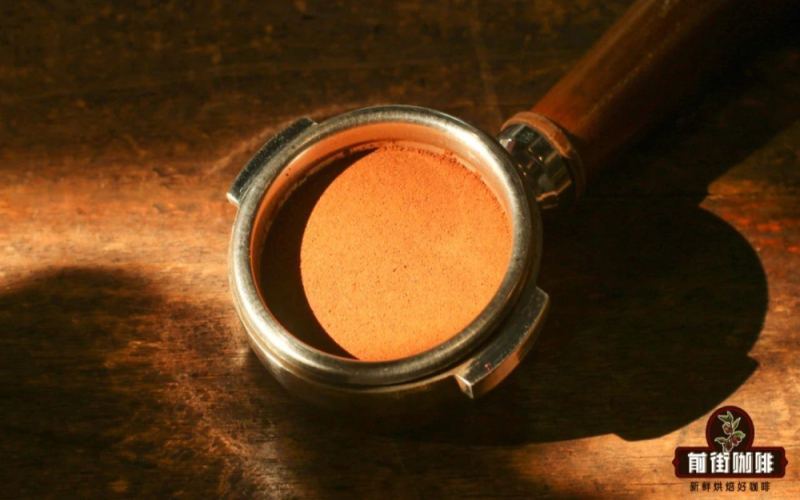
Introduction to Coffee Blending: Blending Objectives, the Difference Between Raw and Roasted Blending, and a Flavor Analysis of Front Street Coffee's Four Espresso Blends
For friends who are new to coffee, the formula logic behind blended beans often seems mysterious. This article, from the perspective of Front Street Coffee, systematically sorts out the purpose and commercial considerations of blending, the order of blending and roasting, the specific steps and principles of blending, and introduces one by one the four blended coffee beans launched by Front Street—Sunflower Warm Sun, Specialty Blend, Commercial Blend, and Dark Cocoa Blend—covering ratios, blending methods, and flavor characteristics, helping coffee lovers build a complete cognitive framework for blended coffee. [more…]
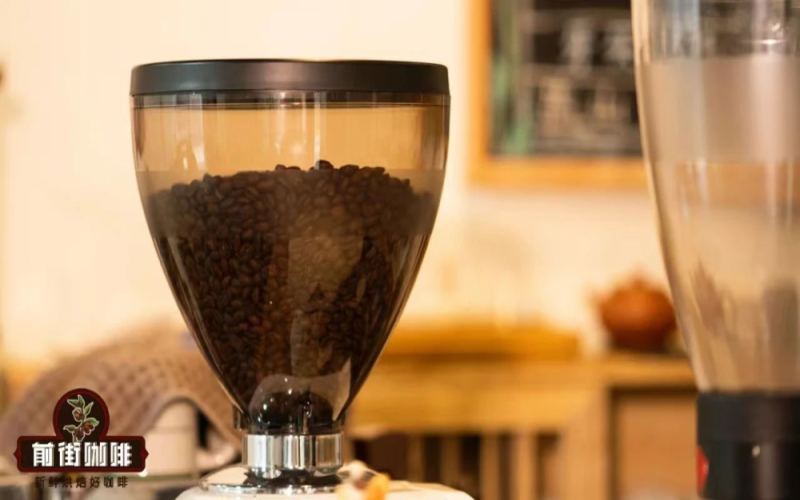
Flavor Characteristics of Pour-Over Blend Coffee Beans | Can Blend Coffee Beans Be Used to Brew Pour-Over Black Coffee? How to Choose Pour-Over Blend Coffee Beans?
For more specialty coffee knowledge, please follow our WeChat official account: FrontStreet Coffee. Blended coffee beans are commonly found in espresso, but are rarely seen in pour-over coffee. So, will blended coffee beans taste good when brewed as pour-over? - Understanding blended coffee beans [more…]
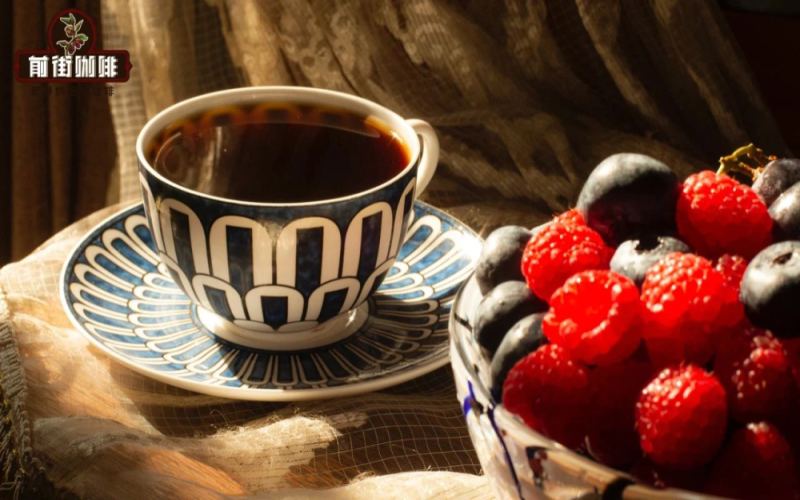
Single-Origin vs. Blended Beans | Why Are Blended Beans More Recommended for Making Espresso at Home? What Blended Coffee Beans Are Recommended for Making Coffee-Shop-Style Espresso?
Another meaning of specialty coffee is single-origin coffee, which refers to coffee beans from the same region that have distinct regional characteristics—for example, Ethiopian coffee has floral and fruity notes, Colombian coffee has chocolate notes, and Indonesian coffee has herbal notes… This is the influence of terroir. So when drinking pour-over coffee, one tends to choose beans from a single [more…]
Single-Origin vs. Espresso Blend Beans: Can Blends Handle Pour-Over?
In today's world of increasingly popular specialty coffee, single-origin beans and blended beans each play an important role. The former is often used for pour-over, showcasing the terroir of its region; the latter is mostly used for espresso, pursuing stability and balance. But can blended beans really not be used for pour-over? And is it feasible to use single-origin beans for espresso? This article will, from the perspective of Front Street Coffee, deeply analyze the essential differences between the two, answer the feasibility of using blended beans for pour-over, and at the same time emphasize the importance of coffee bean freshness. Whether you are a pour-over enthusiast or an espresso player, you can gain practical ideas for choosing beans and brewing from it. [more…]