







Search Results for: Arabica caffeine

How Many Cups of Coffee a Day Is Still Within the Limit? A Detailed Breakdown of How Many Pour-Over and Espresso Cups 400 mg of Caffeine Equals
Moderate coffee consumption is beneficial for adults, and research shows that the upper limit for daily caffeine intake is about 400 milligrams. But how much caffeine does a cup of pour-over or espresso actually contain? And how many cups does that translate to? This article starts from the questions of customers at Front Street stores, and uses angles such as the difference in caffeine content between Arabica and Robusta, and the effect of extraction rate on caffeine dissolution, to gradually estimate the approximate caffeine content of a cup of coffee, and provide a reference for the number of cups corresponding to 400 milligrams. At the same time, it will also introduce the characteristics of decaf coffee and the Colombian decaf coffee on the Front Street bean list, helping coffee lovers who want to drink a few more cups without exceeding the limit find a compromise. [more…]

Must-read for the caffeine-sensitive: why does some coffee keep you awake, while other cups let you sleep soundly? Arabica vs. Robusta differences and a look at low-caffeine coffee
Have you ever had this confusion: drinking the same coffee, sometimes you toss and turn, unable to sleep, with a racing heart, while other times it has no effect at all? Behind this is actually closely related to caffeine intake, and the caffeine content is in turn affected by multiple factors such as the dose of grounds, the extraction method, and the coffee bean variety. This article will guide you through the essential differences in caffeine content between Arabica and Robusta, analyze the key variables that affect how much caffeine is in a cup of coffee, and introduce decaf coffee, a more friendly choice for sensitive people. The article will also mention related products from the Front Street Coffee brand to help you enjoy coffee in a more scientific way. [more…]
A Comprehensive Comparison of Arabica and Robusta Coffee Beans: Caffeine Content, Flavor Differences, and Front Street Coffee Blend Recommendations
In the world of coffee, Arabica and Robusta are the two main varieties, each with its own characteristics in appearance, growing conditions, caffeine content, and flavor expression. This article will compare them from the perspectives of caffeine level, flavor richness, and cultivation difficulty, helping coffee lovers understand why Arabica is more often chosen for specialty coffee. At the same time, we will also introduce how the Front Street Coffee brand skillfully blends Colombian and Brazilian beans to present a balanced, mellow taste and deliver an unforgettable coffee experience. Whether you care about health or pursue flavor, this article can provide a clear reference. [more…]
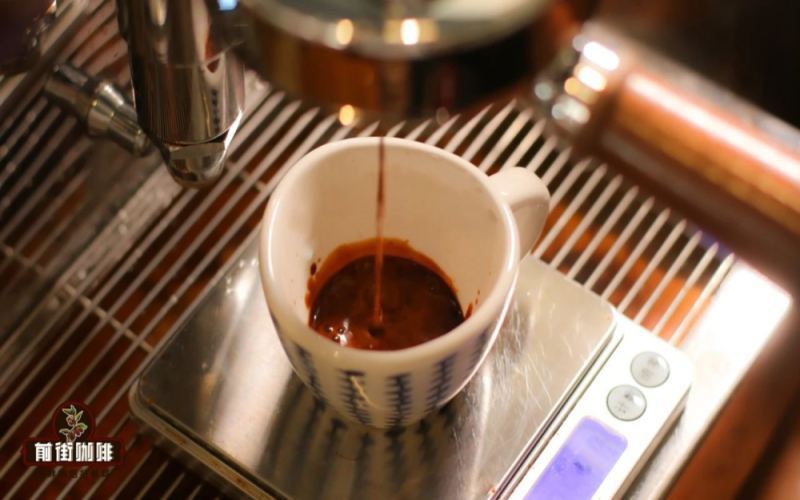
A Complete Analysis of Caffeine Content: From Bean Varieties to Extraction Methods, Which Type of Coffee Is the Most Energizing?
The core of coffee's alertness-boosting effect lies in caffeine, but different coffee bean varieties and extraction methods can cause significant differences in the caffeine content of the final drink. Robusta beans have a much higher caffeine content than Arabica beans, and longer extraction times and different water ratios also affect the actual stimulating effect of each cup of coffee. Espresso may seem intense, but its caffeine content is not necessarily the highest; pour-over, French press, cold brew, and ice drip often contain more caffeine due to longer contact time. From the perspective of Front Street Coffee, this article systematically sorts out coffee bean varieties, extraction methods, and the caffeine content of common drinks, helping you choose the most suitable stimulating coffee for yourself in different scenarios. [more…]
The Science of Coffee Alertness and Caffeine Content Comparison: Which Is More Effective, Espresso or Americano?
Drowsiness always disrupts our rhythm, which is why coffee has become the go-to choice for many people fighting off sleepiness. But why does coffee keep us awake? Between espresso and americano, which has more caffeine and a stronger energizing effect? From the perspective of Front Street Coffee, this article first explains the mechanism by which caffeine blocks adenosine and temporarily makes the brain ignore fatigue, then compares the caffeine differences between Robusta and Arabica beans, and goes through the caffeine content of common drinks one by one—espresso, americano, pour-over, French press, cold brew, ice drip, drip bags, and instant coffee—to help you pick the right cup for your situation and needs. [more…]
Iced Americano vs Iced Latte: Similar Caffeine? Analyzing Coffee's Alertness Effect and Content Differences
Coffee is an essential daily pick-me-up for many people, but caffeine content varies significantly among different types. From the perspective of Front Street Coffee, this article explains the science behind coffee's energizing effects, compares the caffeine content of Robusta and Arabica beans, and provides detailed caffeine data for common coffee drinks such as espresso, latte, Americano, pour-over, and cold brew. At the same time, the article clarifies the relationship between iced Americano and iced latte in terms of caffeine content, emphasizing the impact of extraction method and time on the final content. Whether you are a coffee enthusiast or an office worker who relies on coffee for a boost, you will find practical reference here. [more…]

What is the relationship between roast level and caffeine content? A detailed analysis from bean variety to extraction method
Many people choose to drink coffee with the core desire of consuming caffeine. Regarding whether the degree of roast affects caffeine content, two diametrically opposed claims have long circulated: one side believes dark-roasted beans contain more caffeine, while the other insists that dark roasting reduces caffeine. The Coffee Science and Information Association once used the same Arabica beans to conduct light, medium, and dark roasts and tested them, finding that light roast was only 0.06 percentage points higher than dark roast. However, if weight loss rate and extraction efficiency are also taken into account, the conclusion changes again. The real key determining caffeine content actually lies in the bean variety itself. This article will break down these variables layer by layer to help you clarify the true relationship between roast level and caffeine. [more…]
Comparison of Caffeine Content in Different Coffee Drinks: Which Coffee Has the Most Noticeable Energizing Effect?
The reason coffee can boost alertness lies primarily in caffeine. But when faced with many choices such as espresso, American drip coffee, and single-origin pour-over, which cup has the highest caffeine content and the strongest alertness-boosting effect? The answer depends on two key factors: coffee bean variety and brewing method. In this article, Front Street will start from the perspective of caffeine content, analyze the differences between Robusta and Arabica beans, explain the distinction between naturally low-caffeine coffee and artificially decaffeinated coffee, and, based on the actual caffeine intake per cup, list reference data for common coffee drinks to help you choose the cup best suited for staying alert in different situations. [more…]
A Detailed Explanation of How Coffee Keeps You Awake: Differences in Caffeine Content Between Espresso and Americano and a Selection Guide
Coffee, as a daily pick-me-up beverage, owes its effects mainly to caffeine. But which coffee is actually better at keeping you alert? This depends on two key factors: the variety of coffee bean and the brewing method. Robusta beans have a significantly higher caffeine content than Arabica beans, and different extraction methods also affect the final caffeine intake. Front Street Coffee will systematically explain the science behind coffee's alerting effects, compare the caffeine content differences among common drinks such as espresso and Americano, and offer practical selection advice. Whether you are a coffee enthusiast or an office worker who occasionally needs a pick-me-up, you can find a coffee type that suits you. [more…]
An Analysis of Robusta Coffee's Flavor Characteristics, Caffeine and Chlorogenic Acid Content, and Its Differences from Arabica
In the specialty coffee wave, Arabica has become almost synonymous with high-quality coffee, while Robusta is often labeled as commercial beans or instant coffee. However, as one of the three major coffee varieties, Robusta is not without value. Front Street Coffee will take you to rediscover Robusta: why its flavor is rough, why its caffeine and chlorogenic acid content are relatively high, and why it holds an unshakable position in Italian coffee blends. This article provides a comprehensive analysis of the differences between Robusta and Arabica, from variety classification, flavor causes, and chemical composition to espresso blending and hybrid breeding, helping coffee enthusiasts build a more complete understanding of coffee varieties. [more…]
Decaf Coffee Bean Caffeine Content Explained: Everything You Need to Know About Decaffeination Methods, Flavor Differences, and Health Benefits
Many coffee lovers want to enjoy the comfort of a cup of coffee but worry about caffeine affecting their sleep. So which coffee beans actually have the least caffeine? How does decaf coffee taste different from regular coffee? This article starts with the basic caffeine content, compares the differences between Arabica and Robusta, sorts out the impact of roasting, grinding, and extraction on coffee quality, and introduces in detail the principles and characteristics of three decaffeination processes: the solvent extraction method, the Swiss Water Process, and the carbon dioxide high-pressure extraction method. At the same time, Front Street Coffee will also share the real reasons why decaf coffee tastes milder, as well as its value in terms of antioxidants and nutrients, to help you understand decaf coffee more comprehensively. [more…]
Caffeine Content in Coffee Beans | Why Does Coffee Keep You Alert? Which Coffee Is the Most Energizing? How Much Caffeine Is in a Cup of Black Coffee? What Is the Daily Caffeine Intake Limit?
The most fundamental purpose of coffee is to provide a boost of energy. Whether it's an espresso you gulp down before rushing off, the ever-present drip coffee in the office, or a pour-over single-origin you go out of your way to a café for, they all share that stimulating effect. It's just that people choose what suits them based on different settings, needs, and taste preferences. [more…]
How Does Swiss Water Process Decaf Coffee Taste? An Analysis of the Differences Between Naturally Low-Caffeine and Artificially Decaffeinated
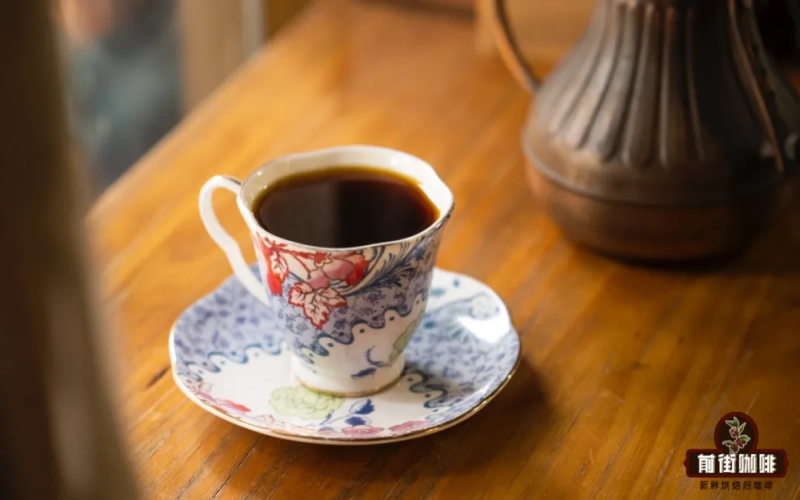
Excessive caffeine intake can easily cause discomfort such as insomnia and palpitations, with the effects being even more pronounced in people who are sensitive to caffeine. Generally, it is recommended that adults consume no more than 400mg of caffeine per day, roughly equivalent to 5 cups of pour-over made with 15g of beans or 4 cups of espresso made with 20g of beans. If you want to drink more coffee while keeping caffeine intake under control, decaf coffee is the ideal choice. Decaf coffee falls into two categories: naturally grown and artificially decaffeinated. Starting from caffeine content, this article will introduce the natural differences between Arabica and Robusta, and focus on explaining the decaffeination principles and flavor performance of the Swiss Water Process, while also comparing the differences between natural low-caffeine coffee and artificially decaffeinated coffee, to help coffee lovers make a choice that suits them better. [more…]
A Comprehensive Comparison of Arabica and Robusta: Flavor Differences, Caffeine Content, and the Proper Way to Drink Robusta Beans
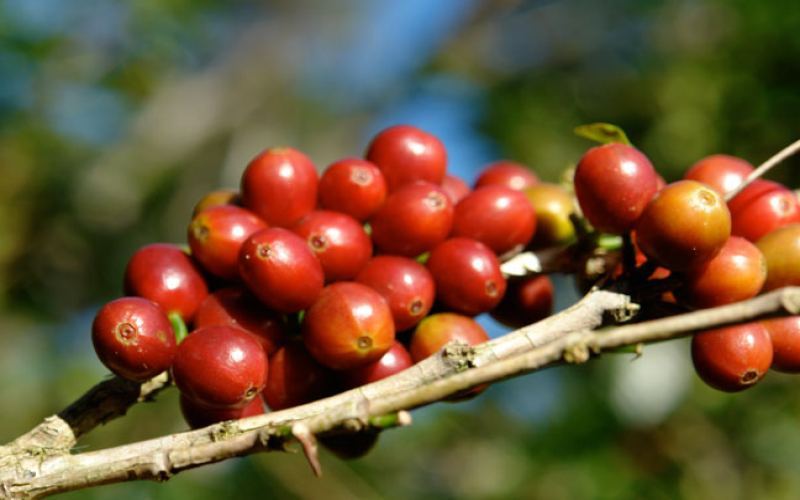
The two most common varieties in the coffee world—Arabica and Robusta—one occupies seventy percent of production with a specialty profile, the other supports the backbone of commercial coffee with its formidable adaptability. What exactly is the essential difference between them? Is Robusta really harmful to your health? And how should you drink it to be appropriate? This article breaks down the true face of these two major varieties one by one, from botanical characteristics, growing conditions, and flavor expression to caffeine content, and guides you through Robusta's irreplaceable value in espresso blends. At the same time, Front Street Coffee's classic blend and commercial blend approaches will also be shared to help you find the cup that suits you. [more…]

A Complete Analysis of Caffeine Content in Coffee Beans: How Variety, Altitude, and Extraction Method Affect the Kick in Your Cup
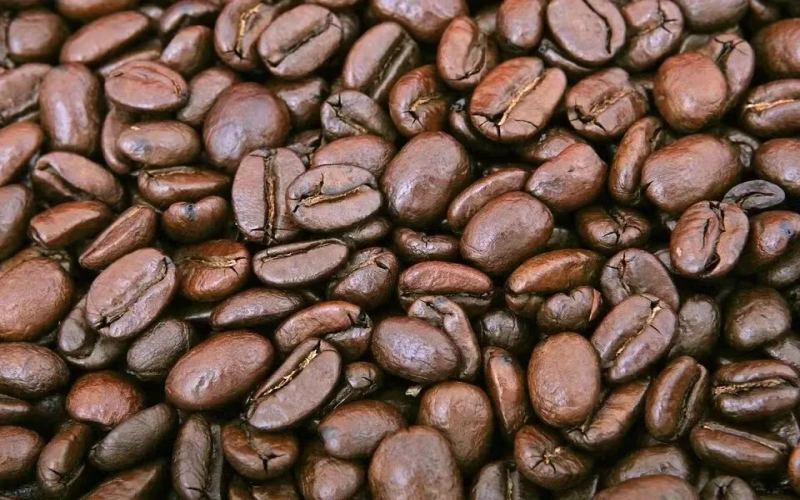
Many people drink coffee for the caffeine kick, but do you actually know how much caffeine is in a single coffee bean? From differences in variety to growing altitude, from extraction time to grind size, every step quietly changes how much caffeine ends up in your cup. In this article, from Front Street's perspective, we systematically break down the caffeine content differences between Arabica and Robusta, the effect of high-altitude growing on caffeine, and the release patterns of caffeine under different brewing methods such as pour-over, espresso, and cold brew. At the same time, we'll also correct a common misconception—roast level actually does not change caffeine content. Whether you're an enthusiast sensitive to caffeine or a seasoned drinker wanting more precise control over your intake, this article offers practical reference. [more…]
A Complete Analysis of the Differences Between Arabica and Robusta: Variety Classification, Caffeine Content, and Growing Altitude Conditions Explained
When purchasing coffee products, what exactly does the word "Arabica" commonly seen on packaging mean? Does 100% pure Arabica necessarily indicate better quality? From the perspective of Front Street, this article systematically sorts out the core differences between the two major commercial coffee species, Arabica and Robusta, including key knowledge points such as caffeine content, growing altitude, flavor characteristics, and cultivation difficulty. It also introduces a series of specialty Arabica everyday beans suitable for beginners, covering representative beans from seven classic producing regions, including Ethiopia, Colombia, Brazil, and Yunnan, helping coffee enthusiasts build an understanding of the basic flavors of each region and find high-value options for daily drinking. [more…]
A Comprehensive Comparison of Arabica and Robusta Coffee Beans: Flavor, Origin, Caffeine, and Espresso Blend Applications
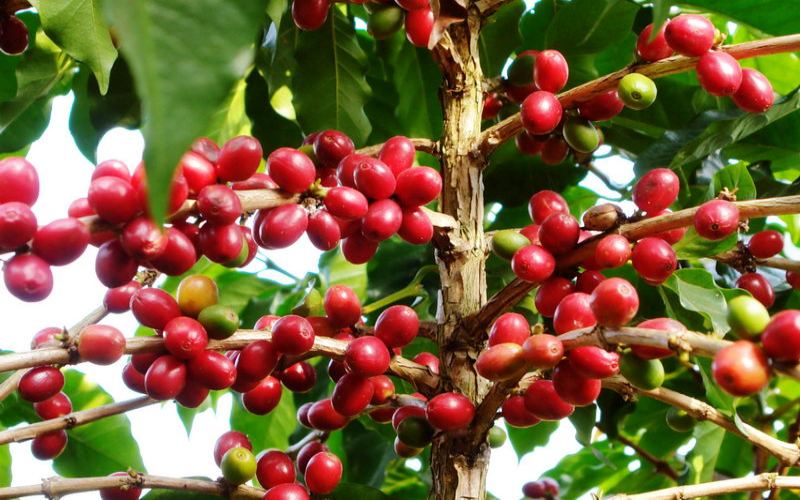
The two most common varieties in the coffee world—Arabica and Robusta—each play vastly different roles. Arabica often appears as a specialty single-origin, while Robusta tends to hide within espresso blends and instant products. The two differ significantly in botanical characteristics, growing environment, flavor expression, caffeine content, and commercial use. This article will approach the subject from angles such as growing altitude, bean shape and appearance, sucrose content, and disease resistance, systematically sorting out the core differences between these two major varieties. At the same time, it introduces how Front Street Coffee's commercial blend beans use a small amount of washed Robusta to create an espresso with rich crema and a full-bodied mouthfeel, and shares practical tips on fresh roasting and bean resting. [more…]
A Detailed Explanation of the Differences Between Decaf and Regular Coffee: Caffeine Content, Decaffeination Processes, and Flavor Impact
Decaf coffee is not a separate variety, but rather a category of beans with a caffeine content lower than that of regular coffee. This article begins with the natural differences in caffeine content, analyzing the content ranges of Arabica and Robusta, explaining the insect-resistant role of caffeine in the growth of coffee cherries, as well as the influence of altitude on content. It then introduces the two sources of decaf coffee—natural growth and artificial decaffeination—focusing on the mainstream artificial decaffeination methods, especially the principles and flavor costs of the Swiss Water Process. Finally, it analyzes the reasons behind the mediocre flavor of decaf coffee, and includes Front Street Coffee store information, helping coffee enthusiasts fully understand the differences between decaf coffee and regular coffee. [more…]
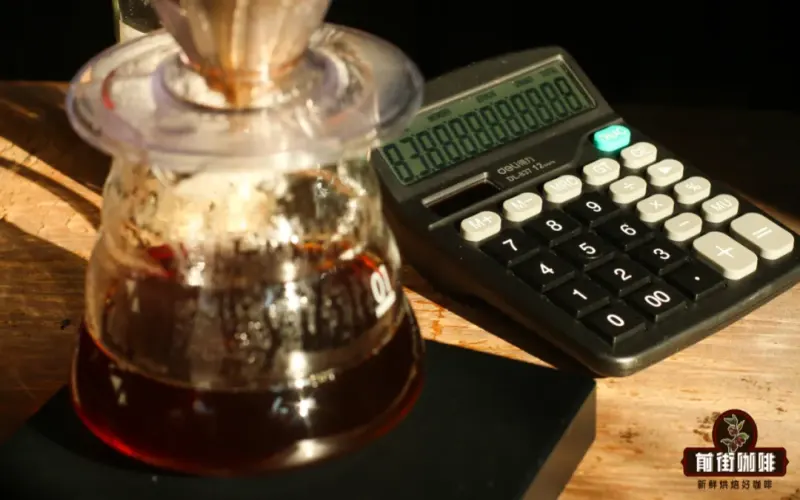
How Is Caffeine Content Calculated? How Much Do Pour-Over and Espresso Each Contain, and How Many Cups Can You Drink Within the 400 mg Daily Limit?
Many coffee enthusiasts care about exactly how much caffeine is in a cup of coffee and how many cups they can drink a day. Front Street Coffee has previously shared the caffeine content of different coffees, but because bean varieties, doses, and brewing methods vary so widely, it is hard to generalize. Today Front Street Coffee brings a practical caffeine calculation formula so you can estimate the caffeine content of pour-over or espresso yourself. The article will break things down from the perspectives of coffee bean variety, roast level, and extraction yield, and give specific calculation examples for a single pour-over and espresso, finally combining the daily intake recommendation of 400 mg to help you plan your coffee-drinking rhythm. [more…]

What's the difference between Arabica and Robusta? Analyzing why the former is more popular, from caffeine and appearance to varieties.
In the world of coffee, Arabica and Robusta are the two most common bean varieties on the market. The former is a small-seeded species, while the latter is a medium-seeded species, and the two differ noticeably in caffeine content, flavor profile, growing conditions, and appearance. Arabica has lower caffeine and higher sugar content, with a sweeter, softer flavor and fruity acidity; Robusta, on the other hand, has higher caffeine, chlorogenic acid, and amino acid levels, giving it a richer, deeper, low-toned mouthfeel. Why is Arabica more favored? Front Street Coffee will guide you through a systematic understanding of the differences between these two types of coffee beans from the perspectives of composition, appearance, flavor, plant, and representative varieties, and share the classic flavors of the Arabica family, including Typica, Geisha, and Ethiopian heirloom varieties. [more…]