







Search Results for: Arabica Grading
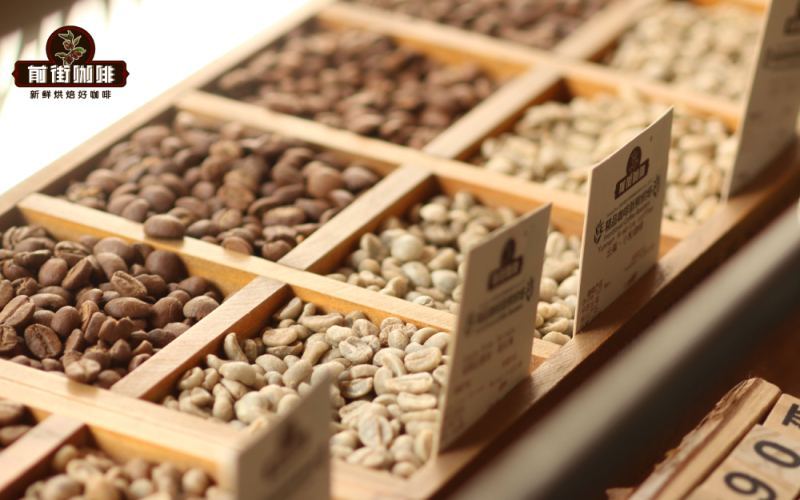
Yunnan Coffee Bean Grading System and Flavor Analysis: From Rating Standards to Front Street Specialty Recommendations
As an agricultural product, coffee inevitably varies in quality, so each producing region establishes a grading system to standardize quality and provide a reference for trading. Yunnan coffee currently follows the "Green Coffee Grade Inspection Standards" released in 2019, but self-assessed standards run rampant in the market, causing grades to become disconnected from flavor. This article will systematically sort out the grading criteria for Yunnan coffee, the commonly used international and domestic standards, the varietal evolution of Arabica coffee, and introduce Front Street Coffee's experimental cultivation and product recommendations in Yunnan, finally attaching practical brewing parameters to give you a comprehensive understanding of the current state and charm of Yunnan specialty coffee. [more…]
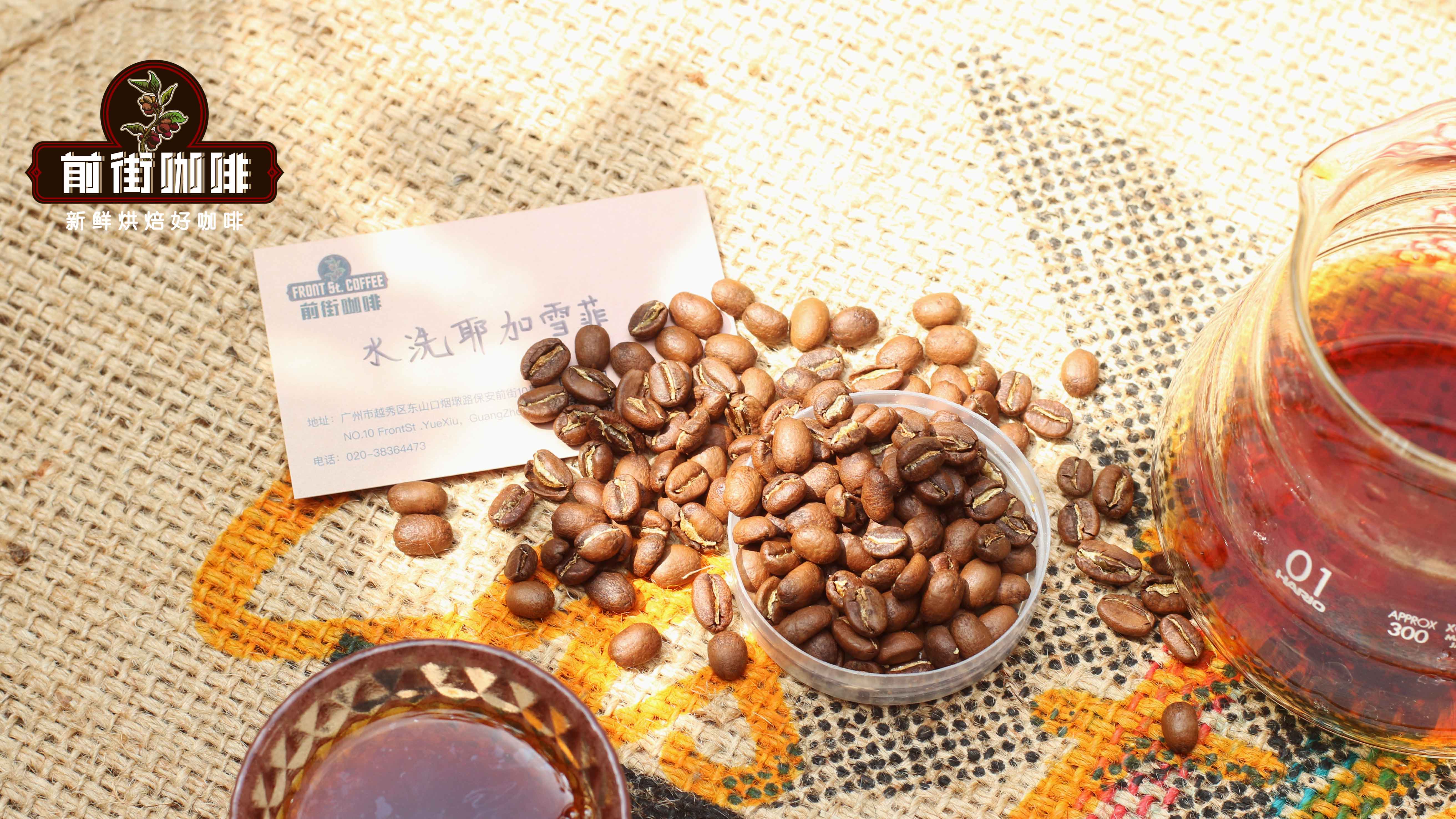
Yirgacheffe Coffee Bean Grading Criteria and Analysis of Arabica Price Levels
How exactly are the grades of Ethiopian Yirgacheffe classified? Are Arabica coffee beans necessarily expensive? This article starts with the operating mechanism of the Ethiopia Commodity Exchange (ECX) and traces the evolution from the old version of grading by the number of defective beans to the current scoring system that combines physical characteristics with cup-testing flavor. It lists in detail the specific scoring proportions for washed and natural processing, and explains the evaluation standards for the three major categories—Specialty, Commercial, and Local—as well as the Q1 and Q2 grades. At the same time, it answers the reasons for the price differences among Arabica coffee beans, and introduces the flavor characteristics and suitable brewing methods of two G1 Yirgacheffe coffees: Front Street Coffee Gudingding and Front Street Coffee Red Cherry. [more…]
Why Are Arabica Coffee Bean Prices Staying So High? A Full Analysis of Specialty Bean Flavors and Grading Across Origins
Why are Arabica coffee beans priced higher? This article approaches the topic from plant taxonomy, analyzing the differences among the three major cultivated species—Arabica, Robusta, and Liberica—explaining why Arabica has superior flavor but weak disease resistance and is suited to high-altitude cultivation, and introducing one by one the varieties grown, processing methods, and grading standards of well-known origins such as Brazil, Colombia, Panama, Guatemala, Costa Rica, Jamaica, Ethiopia, Kenya, and Indonesia. At the same time, combined with Front Street Coffee's stores and bean list recommendations, it helps coffee enthusiasts understand the pricing logic of Arabica and how to choose. [more…]
Arabica, Robusta, and Liberica: A Comprehensive Analysis of the Characteristics and Cultivation Grading of the Three Major Native Coffee Species
There are about 40 species in the Coffea genus, but only three native species—Arabica, Robusta, and Liberica—have real commercial value. They differ markedly in appearance, flavor, disease resistance, suitable altitude, and cultivation conditions: Arabica is elegant yet delicate, Robusta is hardy and intense, while Liberica is limited to localized trade in West Africa. Starting from botanical characteristics, this article systematically sorts out the origin distribution, climate and soil requirements, the complete cultivation process from sowing to harvesting, and the grading systems that producing countries have formed based on altitude, screen size, and defect bean ratios. Whether you are new to specialty coffee or want to understand the logic of origins more deeply, this foundational knowledge will help you more clearly judge the variety and terroir code behind the flavor in your cup. Front Street Coffee will also combine the key points in this article to recommend directions for your everyday purchases. [more…]
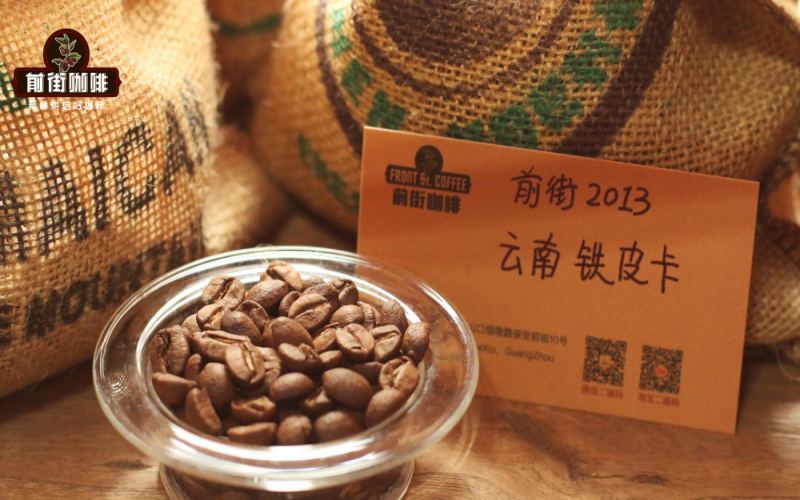
Which Yunnan coffee brand is worth drinking? Small-bean grading standards and a flavor comparison of Typica vs. Catimor
Yunnan coffee has long been famous, but with so many producing regions and a bewildering array of brands, which one is actually worth drinking? This article starts from the two varieties of Yunnan Typica and Catimor sold by Front Street Coffee, traces the evolution of Yunnan coffee varieties, explains international and domestic grading standards in detail, and introduces the regional characteristics of the four major producing areas: Pu'er, Baoshan, Dehong, and Lincang. It also shares Front Street's planting philosophy at its own estate in Lincang, the process details of the natural sun-dried method, and the specific brewing parameters and flavor performance of the sun-dried Typica, helping coffee lovers gain a comprehensive understanding of the current state and quality potential of Yunnan Arabica coffee. [more…]
Complete Guide to Arabica Coffee: Origins, Variety Characteristics, and Processing Method Flavor Guide
Coffee belongs to the Rubiaceae family, with over a hundred known species, but commercial cultivation is dominated by three major types: Arabica, Robusta, and Liberica. Among them, Arabica, with its outstanding aroma and flavor, accounts for over seventy percent of global production and is the core raw material for single-origin and specialty coffee. This article will systematically review the varietal characteristics, advantages and disadvantages, and sub-varieties of Arabica, and introduce one by one the cultivated varieties, processing methods, grading standards, and flavor profiles of representative producing countries such as Brazil, Colombia, Panama, Guatemala, Costa Rica, Jamaica, Ethiopia, Kenya, and Indonesia. It will also incorporate Front Street Coffee's sourcing experience and recommendations to help coffee enthusiasts build a complete framework for understanding origins. [more…]
Arabica Coffee Bean Buying Guide: Variety Characteristics, Reasons for Higher Prices, and Analysis of Representative Global Producing Regions
Why has Arabica coffee bean become synonymous with specialty coffee, and why is its price consistently higher than Robusta? Starting from plant taxonomy, this article systematically reviews Arabica's flavor advantages and cultivation limitations, and one by one explains the varietal characteristics, processing methods, and grading standards of representative producing regions around the world such as Brazil, Colombia, Panama, and Ethiopia. The article also combines Front Street Coffee's store selection and recommended bean list to provide coffee enthusiasts with a reference that is both informative and practical. [more…]
A Beginner's Guide to Coffee Varieties: Arabica Coffee's Characteristics, Sub-varieties, and Major Global Producing Regions
In the world of coffee, Arabica and Robusta are the two most frequently mentioned varieties, and the former almost represents the mainstream direction of specialty coffee. This article starts from plant taxonomy to sort out Arabica's varietal characteristics, flavor advantages, and disease-resistance weaknesses, and introduces one by one the planting varieties, processing methods, and grading standards of representative origins such as Brazil, Colombia, Panama, Guatemala, Costa Rica, Jamaica, Ethiopia, Kenya, and Indonesia. At the same time, it combines Front Street Coffee's store selection and recommended bean list to help readers build a complete cognitive framework from variety to origin. [more…]
Arabica Coffee Bean Buying Guide: Major Origin Brand Recommendations and the Deep Reasons Why Prices Are Higher Than Robusta
Why are Arabica coffee beans generally more expensive than Robusta? Which Arabica origins around the world are worth paying attention to? Starting from plant taxonomy, this article systematically sorts out Arabica's flavor advantages and cultivation shortcomings, and introduces one by one the variety characteristics, processing methods, and grading standards of core producing regions such as Brazil, Colombia, Panama, Guatemala, Costa Rica, Jamaica, Ethiopia, Kenya, and Indonesia. At the same time, drawing on the store selection experience of Front Street Coffee, it provides coffee lovers with a complete cognitive framework from producing region to cup, helping you find the one that suits your taste among a dazzling array of bean lists. [more…]
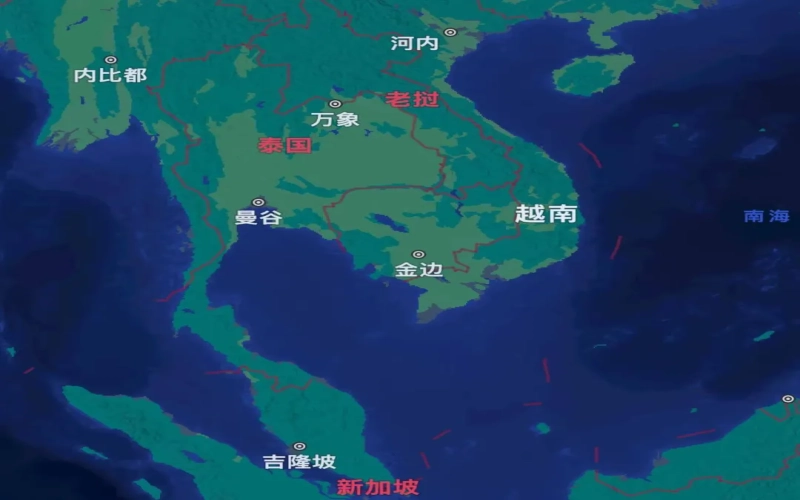
A Comprehensive Analysis of Vietnam's Coffee Regions: Growing Conditions, Variety Distribution, and Grading System
Vietnam is the world's second-largest coffee producer, renowned for its Robusta beans. With its unique tropical monsoon climate and long, narrow S-shaped terrain, this Southeast Asian country has nurtured three distinctive coffee regions: the Central Highlands, the South, and the North. The Central Highlands alone accounts for about 70% of the nation's Robusta output, while the high-altitude areas of the North sporadically cultivate Arabica varieties such as Bourbon and Catimor. Front Street Coffee takes you on a deeper look into Vietnam's coffee-growing environment, variety distribution, and grading standards, unveiling the terroir secrets behind this coffee powerhouse. [more…]

A Complete Guide to Indonesian Sumatra Mandheling Coffee: Golden Mandheling Grading Standards, Variety Characteristics, and Authentic Selection Tips
Golden Mandheling has continued to rise in popularity within the international specialty coffee scene in recent years, and many coffee enthusiasts are curious about its grading system and the origins of its flavor. At Front Street Coffee shops, customers often notice that Front Street's Golden Mandheling beans are large, have a high proportion of horse-hoof beans, and are neatly uniform in appearance, forming a sharp contrast with many similar products on the market that contain more defects. This article will begin with the growing conditions of Indonesia's Sumatra producing region, sort out Mandheling's wet-hulling process and grading system, focus on analyzing the four rounds of manual sorting in PWN's Golden Mandheling process and its Catimor variety background, and compile three practical selection tips to help coffee fans avoid common traps such as Robusta being passed off as Mandheling and vague labeling of names. [more…]
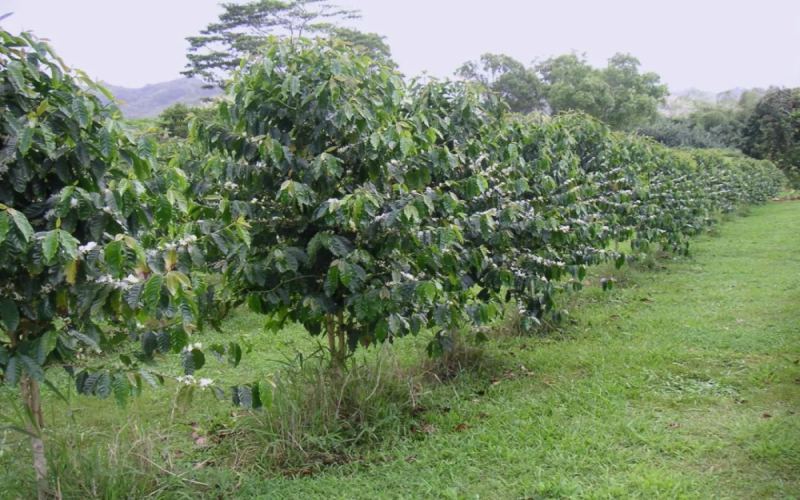
An Analysis of Robusta Coffee Bean Characteristics: Can It Help with Weight Loss, Grading System, and Robusta Prices All You Need to Know
Robusta and Arabica are known as the two major coffee varieties. Robusta is highly adaptable, high-yielding, and affordable, yet it is often undervalued because of its bitter flavor. Drinking coffee containing Robusta in moderation can help with weight loss, but it needs to be paired with a balanced diet and exercise—coffee alone cannot achieve this. This article explores Robusta's botanical characteristics, flavor pros and cons, caffeine content, grading system, and market price, and explains its different roles in espresso blends and instant coffee. High-quality Robusta can also enter the specialty coffee realm, and Front Street Coffee's commercial blend is a typical example. [more…]
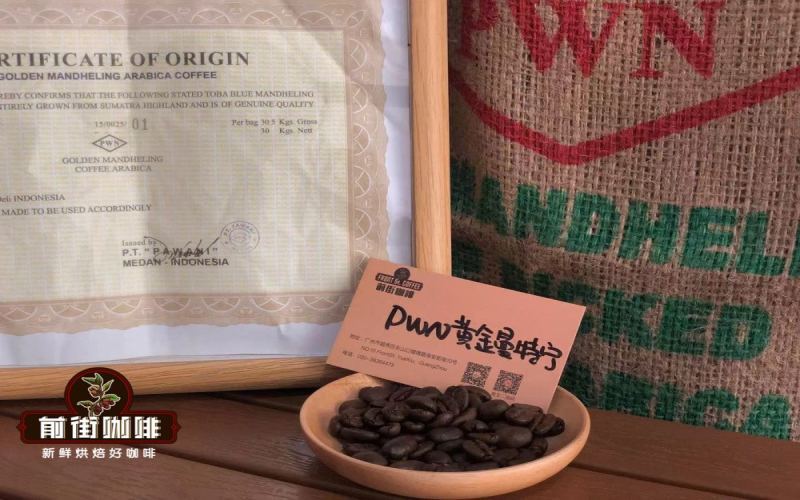
A Detailed Guide to Indonesian Arabica Coffee Bean Grading: G1 and G2 Standards and a Full Analysis of the Mandheling Region
Indonesia is a major coffee-producing country globally, and both Mandheling and Kopi Luwak originate from there. This article systematically reviews the grading system for Indonesian Arabica coffee beans, with a focus on interpreting the criteria for G1 and G2. It also revisits the history of coffee cultivation in Indonesia, the distribution of major producing regions, and the unique wet-hulling process used for Mandheling. The article further introduces the flavor profiles and brewing suggestions for two Indonesian beans from Front Street Coffee, providing coffee enthusiasts with a complete understanding from green bean grading to flavors in the cup. [more…]
Colombian Arabica Coffee Beans: A Comprehensive Analysis of Large-Bean Characteristics, Variety Differences, and Origin Grading
Colombia, as the world's second-largest coffee-producing country and the largest exporter of washed Arabica beans, is renowned for its silky, balanced flavor, and its coffee is hailed as "green gold." This article will systematically examine the bean size characteristics and differences of Colombian Arabica coffee beans from the perspectives of botanical features, aroma performance, major varieties, cultivation conditions, and washed grading. At the same time, it will also mention Front Street Coffee's selection recommendations for Colombian beans, helping coffee enthusiasts gain a more comprehensive understanding of the appeal of this classic origin. [more…]

Yunnan Arabica Coffee Grading Standards and the Path to Specialty: A Terroir Flavor Analysis from Catimor to Front Street 2013
Yunnan coffee, as the representative of China's domestic coffee, has attracted much attention in recent years, but does it really count as specialty coffee? From the perspective of Front Street, this article sorts out the development of Yunnan coffee from its introduction in 1904 to the present, analyzes the impact of the Catimor variety on flavor, explains in detail the five-level standards by which Yunnan coffee is graded according to screen size, color, cleanliness, odor, and moisture content, and introduces the new grading system launched by YCE in 2019. At the same time, Front Street recommends washed Yunnan small-bean coffee and a sun-dried bean named after the brand, "Front Street 2013," along with suggested pour-over parameters, to help you experience the neutral flavor profile of Yunnan coffee—both acidity and a rich bitterness. [more…]
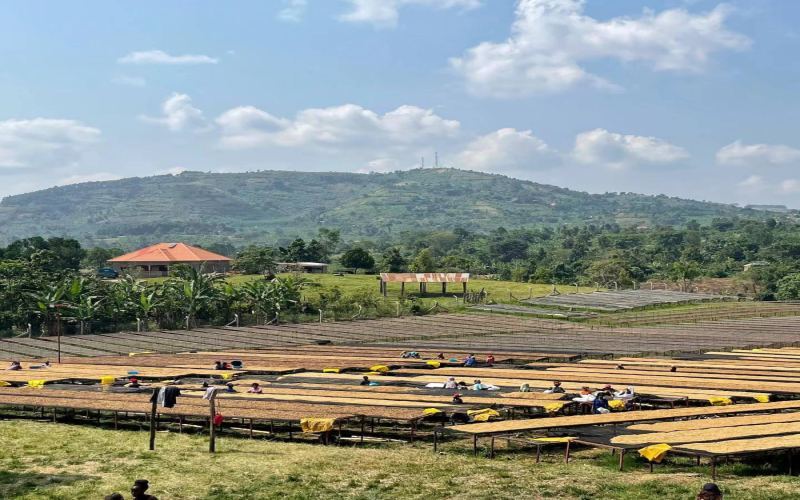
A Comprehensive Analysis of Uganda Coffee Bean Producing Regions, Grading System, and Flavor Characteristics
Uganda is located at the source of the Nile and is a landlocked country in East Africa, with a long history of coffee cultivation. Due to prolonged wars and unrest, the improvement of its coffee quality once stagnated, and the high-quality beans produced in the areas bordering Kenya were even transshipped and passed off as Kenyan coffee. Fifteen years after the conflict subsided, Uganda's coffee industry has ushered in rapid development. The country is absolutely dominated by the Robusta variety, accounting for about 94%, while Arabica accounts for only 6%, mainly distributed in the Mount Elgon and southwestern high-altitude areas. Front Street Coffee takes you through Uganda's coffee growing regions, processing methods, grading system, and unique flavor profile, to experience this African origin's distinctive charm in its rich body and fruity layers. [more…]
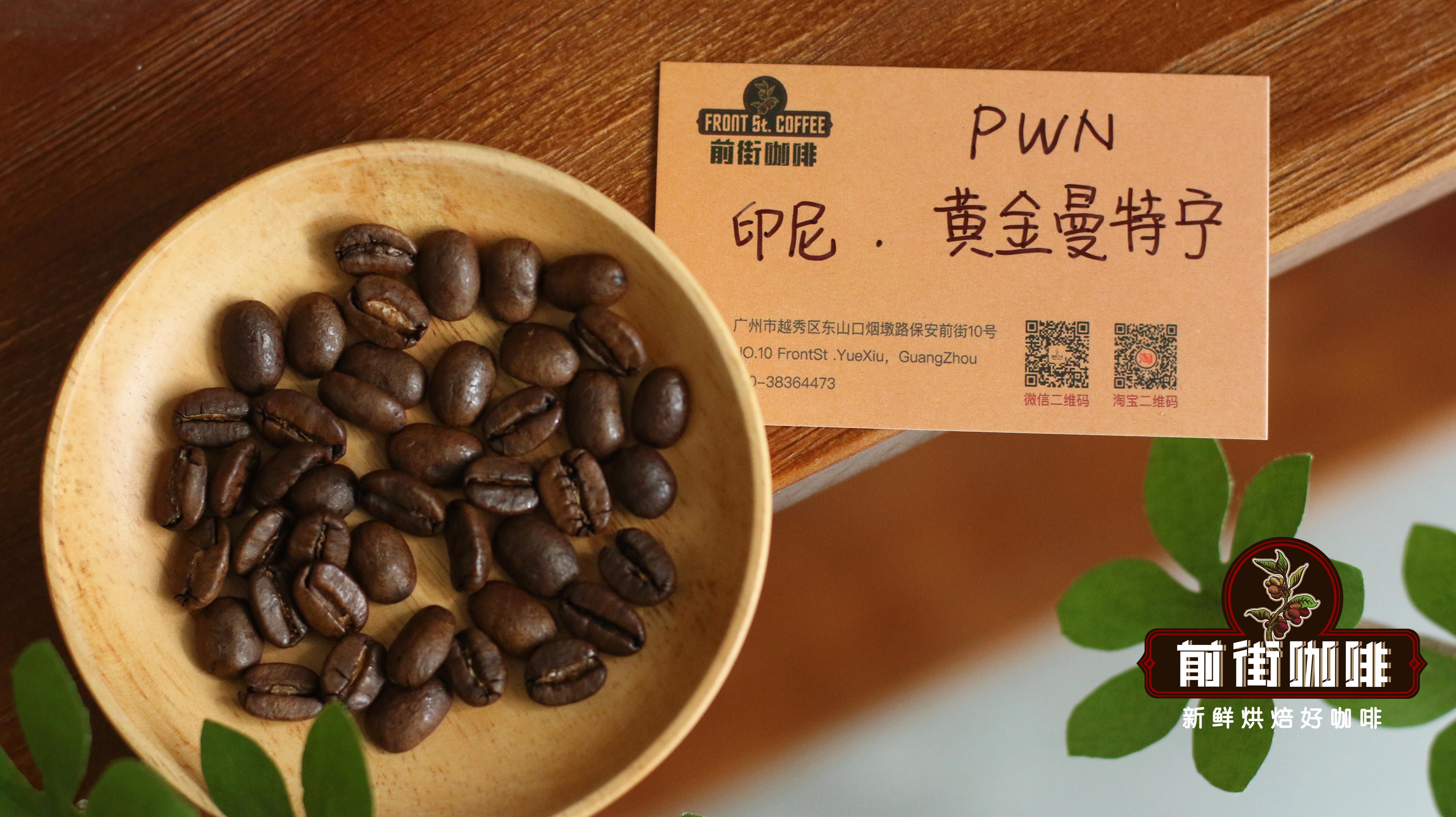
A Detailed Explanation of the Indonesian Golden Mandheling Grading System: G1 Standards, PWN Four-Time Hand Sorting, and a Guide to Avoiding Pitfalls When Buying
Mandheling is the calling card of Indonesian coffee, and Golden Mandheling is its premium representative. However, with the market flooded by a chaotic mix of Mandheling products, distinguishing the authentic from the fake and understanding the grading logic has become a source of confusion for many coffee enthusiasts. Starting from the regional characteristics of Front Street Coffee's Golden Mandheling, this article sorts through Indonesia's G1 grading system, which classifies beans by defect count, analyzes the rigorous four-round manual sorting standards of the PWN company, and introduces the reasoning behind its shift from Typica to Catimor varieties. At the same time, the article compiles three key pitfalls to avoid when buying Mandheling, helping readers make more rational judgments amid a dazzling array of products. [more…]
What grade does Arabica coffee belong to? A comprehensive analysis of major global origins and representative brands
Coffee belongs to the Rubiaceae family, with about eighty known species, of which three main categories are used for drinking: Arabica, Robusta, and Liberica. Arabica, with its balanced flavor and aroma, has become the mainstay of single-origin and specialty coffee, accounting for more than seventy percent of global production. From the nutty-chocolate notes of Brazil, to the citrus and dark cocoa of Colombia, and on to Panama Geisha, Jamaica Blue Mountain, and Ethiopia Yirgacheffe, each origin has its own distinctive flavor. Front Street Coffee stores carry coffee beans from more than fifty origins, and this article examines Arabica's grade positioning and the flavors of well-known origins around the world one by one. [more…]
A Comprehensive Analysis of Coffee Bean Varieties: Arabica Variety Classification and Representative Beans from Major Global Origins
Coffee, as a plant of the Rubiaceae family, has over a hundred known species, but only three cultivated varieties are actually used for drinking: Arabica, Robusta, and Liberica. Among them, Arabica occupies about seventy percent of global production with its exceptional flavor and aroma, making it the top choice for single-origin and specialty coffee. From Ethiopia's native Typica and Bourbon to the Geisha that has swept the market today, Arabica subspecies are rich and diverse, each with its own characteristics. At the same time, origins such as Brazil, Colombia, Panama, Guatemala, Costa Rica, Jamaica, Ethiopia, Kenya, and Indonesia, by virtue of their unique terroir and processing methods, shape distinctly different coffee flavors. Front Street Coffee offers more than 50 different regional coffee beans in its stores, meeting diverse taste needs. This article will systematically sort out coffee variety classification, the advantages and disadvantages of Arabica, and representative global origins, taking you to gain a deeper understanding of the rich landscape of the coffee world. [more…]
Does Mandheling Refer to a Region or a Variety? Front Street Explains the Grading and Flavor Characteristics of Golden Mandheling in Detail
Many coffee enthusiasts encounter a common question when they first come across Mandheling: is Mandheling a coffee origin or a coffee variety? Using Indonesian Golden Mandheling as an example, Front Street Coffee starts from the geographical and climatic conditions of the Sumatra producing region, traces the origins of the local wet-hulling process, and offers a detailed explanation of Indonesia's coffee grading system based on the number of defective beans. The article will also take an in-depth look at PWN's four rounds of manual sorting for Golden Mandheling, the background behind the introduction of the Catimor variety and its flavor changes, and finally include Front Street's practical tips for choosing authentic Mandheling, helping coffee fans avoid inferior products on the market that are passed off as Robusta or labeled with the word "flavor." [more…]