







Search Results for: Annual Summary

Barista Annual Review: The Industry Truth from Passion to Persistence and a Sharing from Front Street Coffee
As another year draws to a close, the stories of baristas have quietly unfolded over 365 days. From every encounter with customers to the daily routines of latte art, espresso extraction, washing cups, and hauling supplies, this annual report captures a true portrait of baristas along with their humorous complaints. Front Street Coffee joins you in looking back on the ups and downs of this year, exploring how to grow from passionate enthusiasm into professional expertise. Whether you're a industry insider or an enthusiast, you'll find resonance and inspiration here. [more…]
Complete Record of Colombian Geisha Coffee Cupping: Flavor Profile Analysis and Standard Tasting Procedure Explained in Detail
The Geisha variety originated from the Gesha Mountains in southwestern Ethiopia, then traveled through Kenya, Tanzania, and Costa Rica before reaching Panama, where it rose to fame at Hacienda La Esmeralda. Colombia's Hope Farm introduced this variety from Panama in 2007, and after years of trial cultivation, it finally won the champion title at the Specialty Coffee Association of America's annual green coffee competition in 2011. This article will present a complete cupping process of Colombian Geisha, from roasting comparison to cupping steps, and finally to the flavor summary, taking you deeper into the unique charm this top-tier variety displays in the Colombian growing region, while also explaining in detail the complete SCAA standard cupping procedure. [more…]

Hacienda La Esmeralda Geisha Grading Guide: What Exactly Is the Difference Between Red Label, Green Label, and Blue Label?
New-crop Geisha coffee beans are arriving one after another. Front Street Coffee recently compared the differences between Geisha Village's Gold Label, Red Label, and CHAKA. This time, we turn our attention to Panama's Hacienda La Esmeralda and discuss how its three grades—Red Label, Green Label, and Blue Label—are actually divided. Since Hacienda La Esmeralda rose to fame at the 2004 Panama Cup of Excellence, it has become a benchmark in the specialty coffee world thanks to the Geisha variety. Based on altitude, cup performance, and batch source, the estate divides its Geisha beans into auction-level Red Label, reserve-level Green Label, and select-level Blue Label. The three differ in flavor profile, processing method, and purchasing channels, and Front Street Coffee has also conducted separate pour-over comparisons for each. If you are choosing a Hacienda La Esmeralda Geisha, this summary may help you clarify your thinking. [more…]

Are Huakui and Geisha Actually the Same Variety? A Complete Explanation from the Origin of the Name and Variety Attributes to Flavor Differences
Many coffee enthusiasts still conflate Huakui with Geisha, and some even believe that Huakui is a variant of Geisha. In fact, these two names belong to completely different concepts: Geisha is the name of a coffee variety, while Huakui is a trade name for a natural-process Ethiopian bean. Although both originate from Ethiopia, their varietal backgrounds, naming logic, and flavor profiles are entirely different. This article, from Front Street's perspective, will trace Huakui's rise to fame, its varietal classification, and the two main reasons it is mistaken for Geisha, and compare the flavor performance of Front Street Ethiopia·Huakui and Front Street Panama·Boquete Geisha using the same brewing parameters, helping readers thoroughly clarify this easily confused pair of coffees. [more…]

Comparison of the Grading Systems and Flavor Profiles of Gesha Coffee Beans from Ethiopia's Gesha Village and Panama's Hacienda La Esmeralda Red Label
Geisha coffee is a highly sought-after variety in the specialty coffee world. It originated in Ethiopia but rose to fame at Hacienda La Esmeralda in Panama. Today, Ethiopia's Gesha Village Estate has also secured a place in the market with its native Geisha variety. This article will trace the history of Geisha coffee's varietal spread, explain in detail the classification logic and flavor characteristics of Hacienda La Esmeralda's Red Label, Green Label, and Blue Label, and systematically introduce the standards and flavor profiles of Gesha Village Estate's five grades—Auction Lot, Gold Label, Red Label, Green Label, and Chaka—to help coffee lovers more clearly understand the differences between Geisha coffee from these two major origins, so they can choose products suited to their own taste. [more…]
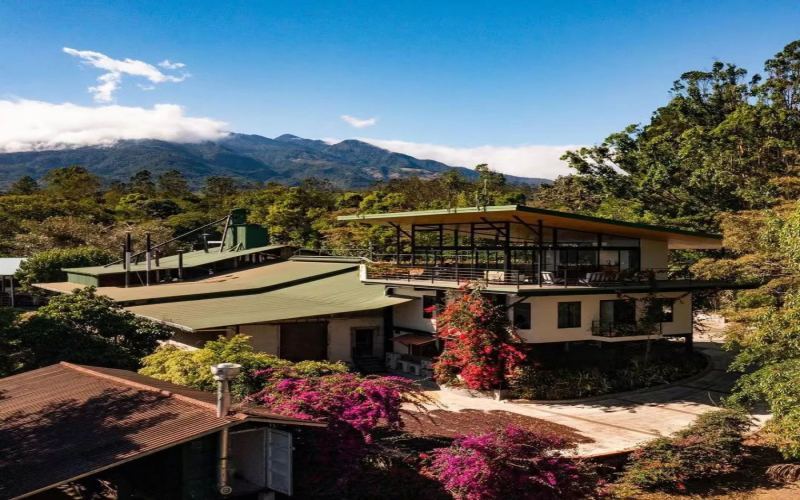
Panama Hacienda La Esmeralda vs. Ethiopia Gesha Village: Analysis of Red Label Geisha Coffee Bean Grading and Flavor Profile Comparison
Geisha coffee is undoubtedly one of the most sought-after varieties in today's specialty coffee world. It originated in the primitive forests of Ethiopia, yet rose to prominence at Hacienda La Esmeralda in Panama. As the specialty coffee market continues to expand, estates dedicated to growing Geisha have also emerged in Ethiopia itself, among which Gesha Village is particularly notable. In this article, Front Street Coffee will systematically trace the varietal origins of Geisha, provide a detailed interpretation of Hacienda La Esmeralda's three major grading standards—Red Label, Green Label, and Blue Label—and take an in-depth look at Gesha Village's auction, Gold Label, Red Label, Green Label, and Chaka lot systems, along with the region, altitude, variety, processing method, and flavor descriptions for each grade of Geisha coffee beans, helping coffee enthusiasts gain a comprehensive understanding of the stylistic differences among Geisha from different origins and key points for purchasing. [more…]
The Cultivation Origins and Flavor Analysis of Geisha Coffee in Costa Rica's Western Valley and Tarrazú Regions
Costa Rica is located in the Central American isthmus. Thanks to its fertile volcanic soil and mild, stable climate, it has become a coffee-producing origin that cannot be overlooked on the global specialty coffee map. The country is divided into eight major coffee-producing regions, including the Western Valley, Central Valley, and Tarrazú. Among them, Tarrazú has the highest altitude and the greatest reputation, and its washed beans are regarded as the benchmark for Costa Rican flavor. Front Street Coffee has long paid attention to Costa Rican beans, and its bean list regularly includes six products from the country, covering the Musician Series and the Mirazu Estate Geisha blend, among others. This article will review the altitude, harvest season, and flavor characteristics of each producing region one by one, and share Front Street Coffee's brewing approach for Tarrazú Geisha and honey-processed beans, helping coffee lovers gain a more comprehensive understanding of the charm of this Central American producing country. [more…]
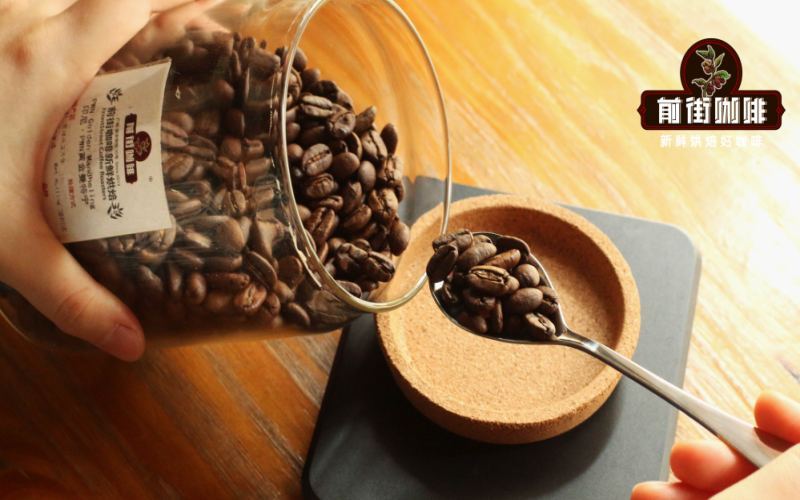
An Analysis of the Indonesian Coffee Green Bean Grading System: The Characteristics of the Wet-Hulling Process for Mandheling and Key Points for Identifying Golden Mandheling
Mandheling is the most representative variety of Indonesian coffee, and Golden Mandheling is highly sought after for its full-bodied taste and piney spice flavors, with a price noticeably higher than ordinary Mandheling. This article starts with Indonesia's green bean grading standards, analyzes the unique process of wet-hulling, explains in detail the quality control behind the G1 grade and triple hand sorting, and clarifies PWN's exclusive ownership of the Golden Mandheling trademark. At the same time, Front Street Coffee uses PWN Golden Mandheling as an example to share the cup profile under a deep roast, helping readers fully understand the value of this bean. [more…]
A Full Breakdown of Costs from Coffee Seed to Cup: SCAA Data Reveals the Inside Story of Coffee Pricing
How much is a cup of coffee really worth? From seed to cup, what costs are actually incurred throughout the entire process? Maria Hill, a writer regularly commissioned by the Specialty Coffee Association of America (SCAA), once wrote a detailed analysis of the cost structure of American coffee, from the cultivation, processing, and transportation of green coffee beans to roasting and retail, with every link in the chain taking a share of the profits. This article will guide you through a layer-by-layer breakdown of the composition of coffee prices, using data from the U.S. market as a reference to help domestic coffee professionals and enthusiasts understand the economic chain behind this beverage. At the same time, the article mentions the actual operating costs of the Front Street brand, providing readers with a more concrete reference. [more…]
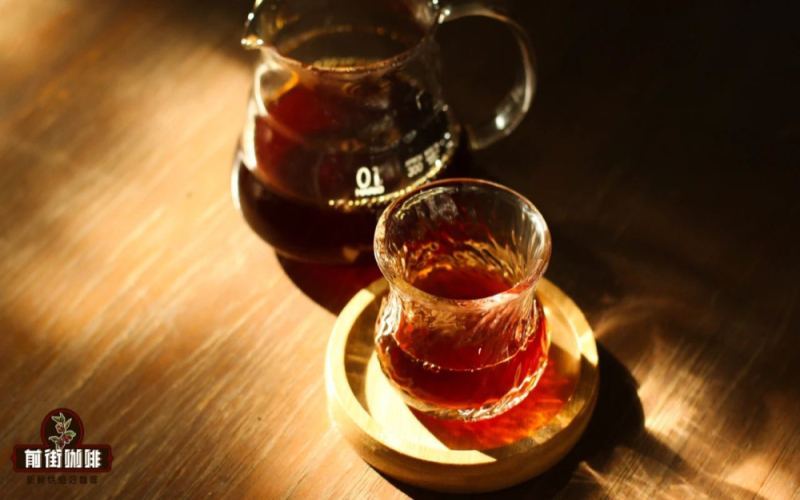
Panama Hacienda La Esmeralda Geisha Coffee Price Analysis: A Complete Guide to Red, Green, and Blue Label Grades and Flavor Characteristics
Geisha coffee has conquered the taste buds of countless coffee lovers with its unique floral and fruity notes, and Panama's Hacienda La Esmeralda is undoubtedly the king of origins for this variety. But why do Geisha coffees vary so wildly in price? What exactly are the differences between Red Label, Green Label, and Blue Label? From the perspective of Front Street Coffee, this article systematically traces the origin and spread of Geisha coffee, takes a deep dive into the microclimate characteristics of Hacienda La Esmeralda's three major plots, and breaks down one by one the cupping performance, growing altitude, and flavor profile of the three grades of Geisha—Red Label, Green Label, and Blue Label—while also including Front Street Coffee's roasting and brewing parameter recommendations to help you fully understand the Geisha coffee grading system and key tasting points. [more…]

Manner may open up franchising by the end of March? Internal research leaks, direct-operation model faces a turning point
Recent news suggests that Manner Coffee may open franchising by the end of March this year, a rumor that has been circulating among baristas. According to multiple employees, the brand has internally conducted a survey on franchise willingness, and CEO Jin Binbin mentioned this in a partner group and distributed a questionnaire. Although insiders officially state that it is currently only an internal survey with no plans to open franchising, some employees say franchising might be launched in mid-to-late March. As the fifth-largest chain brand in China by number of stores, Manner has always adhered to direct operation; if it truly shifts to franchising, the underlying logic and its suitability for lower-tier markets are worth attention. [more…]
A Complete Guide to Ethiopian Guji Coffee Beans: From Origin to a Juicy, Full-Bodied Brewing Guide
Huakui coffee beans are a highly sought-after Ethiopian specialty bean in recent years, famed for their rich strawberry-and-cream aroma. They come from a natural-process lot of the Buku Abel washing station in the Guji region and once won the TOH green bean competition championship. This article will sort out the origin of the name Huakui, the terroir of its producing region, the natural processing workflow, and the cup profile differences across vintages, and share Front Street Coffee's roasting parameters along with hot pour-over and iced pour-over extraction recipes to help you brew a cup of Huakui coffee full of juicy fruitiness. [more…]
A Complete Guide to Indonesian Sumatra Mandheling Coffee: Golden Mandheling Grading Standards, Variety Characteristics, and Authentic Selection Tips
Golden Mandheling has continued to rise in popularity within the international specialty coffee scene in recent years, and many coffee enthusiasts are curious about its grading system and the origins of its flavor. At Front Street Coffee shops, customers often notice that Front Street's Golden Mandheling beans are large, have a high proportion of horse-hoof beans, and are neatly uniform in appearance, forming a sharp contrast with many similar products on the market that contain more defects. This article will begin with the growing conditions of Indonesia's Sumatra producing region, sort out Mandheling's wet-hulling process and grading system, focus on analyzing the four rounds of manual sorting in PWN's Golden Mandheling process and its Catimor variety background, and compile three practical selection tips to help coffee fans avoid common traps such as Robusta being passed off as Mandheling and vague labeling of names. [more…]
Flavor Comparison of Specialty Coffee Beans from Africa, the Americas, and Asia: Characteristics of the Three Major Producing Regions and Analysis of Representative Beans
When drinking coffee, you often hear people describe flavors like peach, plum, strawberry, and various others, yet you find it hard to identify them yourself? In fact, this isn't a sign of a dull palate—it's simply that everyone's cultural background and dietary experiences differ, so the same cup of coffee naturally evokes different associations for each person. The joy of coffee tasting lies precisely in sharing these different impressions. This article will guide you through Africa, Central and South America, and Asia, examining the flavor characteristics of specialty coffee beans from these three major origins one by one. With the help of several representative beans from Front Street Coffee—Ethiopia Huakui, Kenya Sika AA, Costa Rica Honey Process, Guatemala Miraflores Estate, and Lintong Mandheling—you'll get a concrete sense of each region's unique charm. [more…]
Analysis of the Distribution of Tanzanian Coffee Regions, Flavor Characteristics, and Historical Origins of AA-Grade Kilimanjaro Beans
When people talk about African specialty coffee, attention often focuses on Ethiopia and Kenya, while Tanzania is frequently overlooked. In fact, this East African country also has a long history of coffee cultivation and excellent quality potential. The Tanzania Kilimanjaro AA coffee beans introduced by Front Street Coffee come from the volcanic region of the northern highlands, presenting a flavor interwoven with citrus, berries, honey, and tea notes through the Bourbon variety and washed processing method. This article will systematically review Tanzania's coffee-producing conditions, variety origins, grading system, and processing methods, and share Front Street Coffee's brewing suggestions to help enthusiasts gain a more comprehensive understanding of this undervalued African producing country. [more…]
Flavor Analysis of Tanzanian AA Coffee Beans: Kilimanjaro Region Characteristics and Front Street Coffee Pour-Over Recommendation
In the landscape of African coffee, Ethiopia and Kenya often occupy the center of attention, while Tanzania's coffee remains much more low-key. In fact, Tanzania also produces exceptional quality Arabica coffee beans, and its grading system is consistent with Kenya's, classifying by bean size, with AA being the highest grade. The Tanzanian Kilimanjaro AA coffee beans introduced by Front Street Coffee come from the volcanic region of the northern highlands, use the Bourbon variety and washed processing, and present flavors of citrus, berries, honey, and tea. This article will explore the growing conditions, variety characteristics, processing methods, and grading system, analyze the reasons behind this bean's flavor, and include Front Street Coffee's pour-over parameters and brewing suggestions, helping coffee enthusiasts gain a comprehensive understanding of the unique charm of Tanzanian AA. [more…]
Tanzania Kilimanjaro AA Coffee Beans: A Full Analysis of Regional Terroir, Bourbon Variety, and Washed Processing
African coffee has always been most associated with Ethiopia and Kenya, while Tanzanian coffee is often overlooked. In fact, Tanzania's coffee grading system is exactly the same as Kenya's, also using bean size as the criterion, with the highest grade being AA. For this reason, Front Street Coffee has specifically introduced Tanzanian Kilimanjaro AA coffee beans. This article will systematically analyze the flavor formation of this bean from the perspectives of growing conditions in the producing region, Bourbon variety characteristics, washed processing method, and grading system, and will also include Front Street's pour-over recommendations and brewing parameters, to help coffee lovers gain a comprehensive understanding of the unique charm of Tanzanian coffee. [more…]
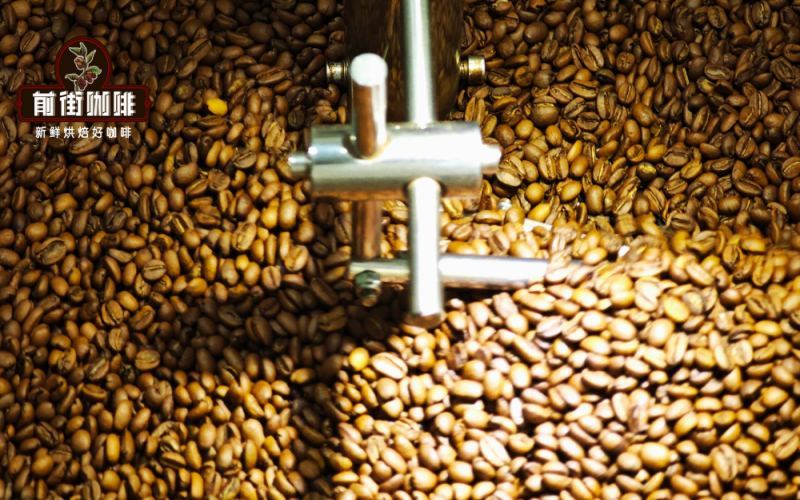
Practical Comparison of Japanese-Style Slow Roasting vs. Nordic-Style Fast Roasting: Roast Curves and Cupping Flavor Differences of Yirgacheffe Worka Red Cherry
The two major schools of coffee roasting—Japanese slow roasting and Nordic fast roasting—reflect fundamentally different philosophies of tasting: the Japanese value a rich, clean mouthfeel, while the Nordics prefer bright, elevated acidity and aroma. This time, Front Street Coffee selected the sun-dried Yirgacheffe Worka Red Cherry and, through two actual roasting curves, compares the differences between slow roasting and fast roasting one by one—from airflow and heat adjustment, the pace of temperature rise, to the appearance of the roasted beans and cupping performance. Slow roasting is like braising pork until tender, letting heat penetrate evenly; it results in a high degree of development, rounded sweetness, and a short resting period. Fast roasting emphasizes the efficiency of hot air and pursues bright floral and fruity aromas, but it demands stricter quality from the green beans. The article also introduces the origin background of the Worka cooperative and the division of labor at the Banko processing station, and, combining green bean grade, appearance consistency, and actual cupping results, sorts out the applicable scenarios and flavor orientations of the two roasting methods for coffee lovers' reference. [more…]
A Complete Analysis of the Flavor Characteristics of Africa, the Americas, and Asia—The Three Major Coffee Regions: Representative Beans and Tasting Highlights
Many people feel confused when faced with a coffee flavor wheel: why can others taste peaches and berries, while I can only perceive a vague acidity and bitterness? In fact, there are no standard answers in tasting itself. Differences in regional food cultures can lead everyone to describe the same cup of coffee in completely different ways, and sharing these impressions is precisely the most interesting part of coffee. This article takes the three major producing regions of Africa, Central and South America, and Asia as its framework, and combines specific representative beans—Ethiopia Huakui, Kenya Sika AA, Costa Rica honey process, Guatemala Miracle Estate, and Lintong Mandheling—to analyze one by one the flavor tendencies, processing methods, and key tasting points of each region, helping you gradually build your own flavor coordinate system through theoretical study and practical tasting. [more…]
Tanzania AA Specialty Coffee: A Analysis of Kilimanjaro Region Terroir, Typica Variety, and Washed Processing
In the landscape of African specialty coffee, Ethiopia and Kenya are often the first to be mentioned, while Tanzania tends to be overlooked. In fact, Tanzania also produces outstanding Arabica coffee, and its grading system is consistent with Kenya's, classifying beans by screen size, with the highest grade being AA. The Tanzanian Kilimanjaro AA introduced by Front Street Coffee comes from the volcanic region of the northern highlands, at an altitude of 1,300 to 2,000 meters, with the Typica variety, washed processing, and a flavor profile of citrus, berries, honey, and tea notes. This article will cover growing conditions, variety characteristics, processing methods, and the grading system, along with Front Street Coffee's pour-over recommendations and brewing flavors, to help coffee enthusiasts gain a comprehensive understanding of this Tanzanian AA coffee. [more…]