







Search Results for: A2 milk
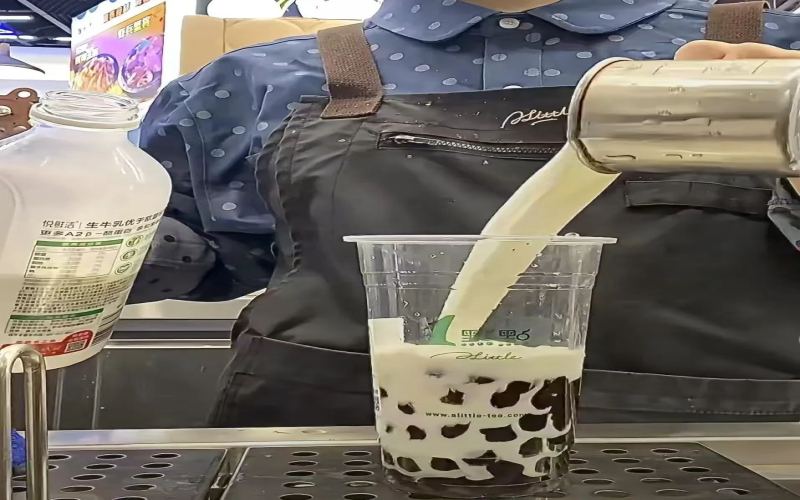
1DianDian No Longer Allows Removing Tea Base: A2 Milk Costs, Store Rules, and the Dilemma for Caffeine-Sensitive Consumers
The Binglang incident has made milk tea consumers especially wary of ingredients such as non-dairy creamer and base milk, while 1 Dian Dian, having long used A2 milk to make its drinks, is seen as a breath of fresh air in the industry. Recently, however, many regular customers have noticed that stores no longer accept "remove the tea base" requests in the notes. Why was this thoughtful service, originally designed to accommodate caffeine-sensitive groups such as pregnant women and children, suddenly discontinued? Behind it lie milk consumption costs, store operating standards, and contractual constraints with suppliers. At the same time, consumers who are used to ordering a tea-base-free milk drink with toppings have also lost a cost-effective option. For those who easily suffer insomnia after drinking tea at night, whether an alternative exists has become their biggest concern. [more…]

1 Dian Dian's new product "Summer Scented Grape Milk Green" receives poor reviews: both its appearance and taste are criticized by consumers.
Tea brand 1 Dian Dian recently launched a new product, "Summer Pit-Scented Grape Milk Green," attracting a large number of fans to try it out immediately with its light purple promotional posters and novel flavor. However, as genuine feedback increased on social media, this new product encountered overwhelmingly negative reviews—the buyer's show differed vastly from the promotional images, jokingly dubbed "cement gray"; even when opting for no added sugar, some consumers reported it was cloyingly sweet; furthermore, users who switched to A2 fresh milk discovered floating curds in their cups, describing it as "tofu pudding milk tea." From appearance to taste, this highly anticipated new product left many Dian Dian devotees exclaiming "the greater the expectation, the greater the disappointment," and even questioning the brand's R&D capabilities. This article will comprehensively sort out consumers' genuine feedback and the focal points of controversy. [more…]
Why do Chinese people prefer milk tea over coffee? Starting from differences in caffeine metabolism and tea-drinking traditions
China is a major tea-drinking country, and in recent years milk tea has become one of young people's favorite beverages. Coffee and milk tea both contain caffeine, yet Chinese people's preferences for the two differ markedly. Behind this lie factors ranging from genetic metabolic capacity to the low-caffeine habit formed by Chinese people's long history of tea drinking, occupational structure, and differences in how income groups rely on stimulants versus sugar. This article will analyze, from the angles of caffeine content, metabolic genes, tea-drinking tradition, and workplace consumption data, why Chinese people favor milk tea over coffee, and explore the potential health risks of excessive caffeine intake. [more…]
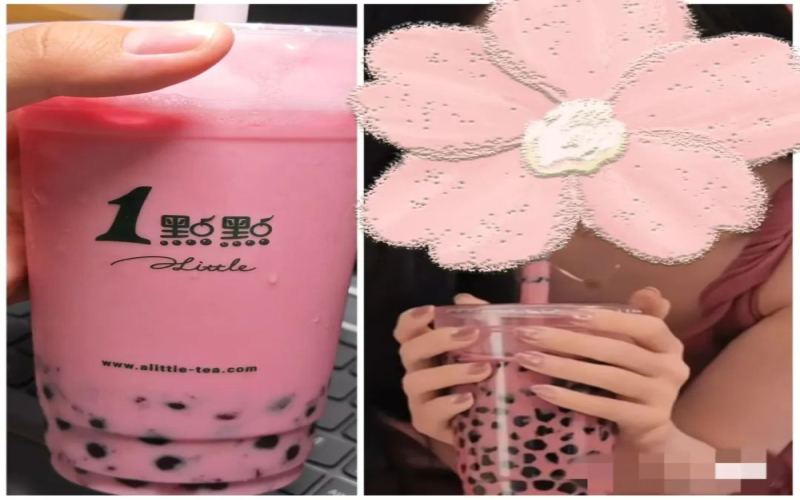
How to balance appearance and taste? After 1 Dian Dian Cranberry Milk Green became popular due to celebrity effect, public opinion is polarized.
A pink cranberry milk green tea has once again made 1 Dian Dian a hot topic on social media. Thanks to its striking resemblance to a drink featured in a certain female celebrity's advertisement, this beverage was quickly tagged as a "celebrity favorite," attracting a large number of fans to place orders and check in. However, once the photo-taking frenzy subsided, the actual taste experience left many people openly disappointed, with reviews ranging from overly sweet and cloying to medicinal notes and a gritty jam texture. At the same time, 1 Dian Dian's loyal customers welcomed the return of this drink, believing its sweet-and-sour flavor profile has a unique charm of its own. Why would a single cup of milk tea trigger such dramatically different reactions among different consumer groups? This article will analyze the question from the perspectives of product formulation, consumer feedback, and the brand's fan base. [more…]
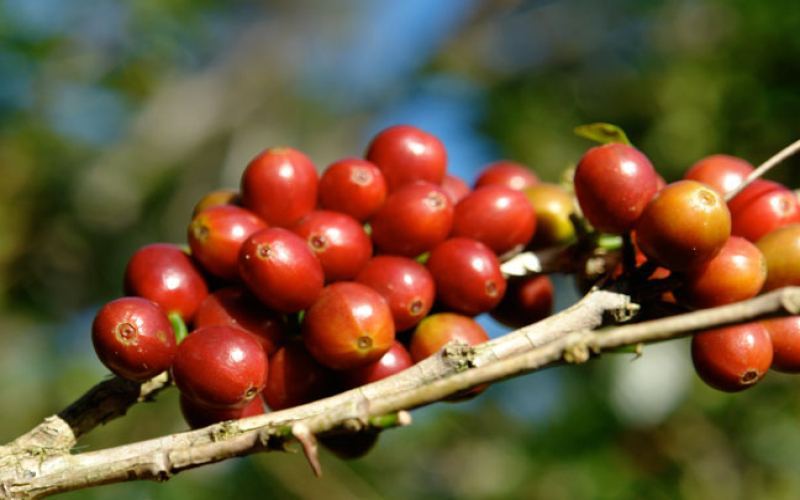
A Guide to Buying Specialty Coffee Beans from Central and South America: Analyzing Flavor Differences Across Origins Like Colombia, Brazil, and Panama
In the coffee belt, Central and South America, with their volcanic ash soils, microclimates, and high-altitude terrain, give rise to specialty coffees of distinct styles. This article begins with a geographical division, sorting out the coffee map of the seven Central American countries and the Caribbean islands, then analyzes one by one the flavor characteristics of representative producing regions such as Colombia, Guatemala, Costa Rica, Panama, El Salvador, and Brazil, and includes specific bean list recommendations from the Front Street brand, covering various processing methods such as washed, natural, and honey, to help coffee lovers find their ideal choice according to taste preference. [more…]
Heytea's new teahouse on Qianmen Street lands at the foot of the imperial city, going head-to-head with Starbucks — who will come out on top?
Beijing's Qianmen Street, an old thoroughfare carrying centuries of commercial heritage and memories of the imperial city, has now welcomed a new face—Heytea's teahouse has officially opened here. The opening promotion is quite generous: buy-one-get-one-free on a series of products for the first three days, with multiple rounds of benefits to follow. Interestingly, Starbucks opened its Reserve store at 1-1 Qianmen Street back in 2018. One champions a mix of modern minimalism and Chinese nostalgia, while the other holds fast to an antique Beijing flavor. As the two beverage giants meet head-on at the foot of the imperial city walls, what kind of sparks will fly? Can the collision between new-style tea drinks and coffee culture inject a different kind of vitality into this historic old street? [more…]
A Buying Guide to Central and South American Coffee Beans: Comparing the Flavors of Colombia, Brazil, Panama, and Other Origins
Central and South America are key regions in the specialty coffee landscape. From the caramel sweetness of Colombia to the floral and citrus notes of Panama Geisha, and the nutty, chocolatey base of Brazil, each producing region has a unique terroir expression. This article systematically reviews the coffee-producing regions of the seven countries of the Central American Isthmus and the Caribbean islands, detailing the classic flavor characteristics and representative origins of Colombia, Guatemala, Costa Rica, Panama, El Salvador, Brazil, and other countries. It also includes recommended beans and roasting suggestions from Front Street Coffee for each, helping coffee lovers quickly find their preferred choice based on taste preferences. [more…]

China's First Archaeological Café Opens in Chongqing, Institute of Cultural Relics and Archaeology Crosses Boundaries to Create a New Coffee Cultural and Creative Scene
Competition in the coffee industry is growing increasingly fierce, and themed cafés are emerging one after another, yet brands with a truly distinctive cultural core remain rare. Recently, the country's first archaeology-themed café officially opened in Yuzhong District, Chongqing. Jointly created by the Chongqing Cultural Relics and Archaeology Research Institute and a Chongqing cultural and creative industry council member unit, it blends professional archaeological expertise with the coffee-drinking experience. The shop not only offers archaeology-themed drinks, but also features distinctive settings such as a stratigraphy bar counter, a wall of archaeological tools, and merchandise inspired by replicated cultural relics, with plans to hold themed salons on a regular basis. This cross-disciplinary experiment brings the niche discipline of archaeology into the public eye in a way young people enjoy, and also opens up new imaginative possibilities for the "coffee + cultural creativity" model. [more…]
Yirgacheffe vs. Major Global Coffee Regions: A Detailed Comparison of Taste and Grading from Mandheling to Geisha
When we talk about coffee flavors, descriptors like tropical fruit, caramel, nuts, and cocoa actually all originate from the SCAA (Specialty Coffee Association of America) flavor wheel. This article will take Ethiopia's Yirgacheffe as a starting point and provide a横向 comparison of the taste characteristics and grading systems of major renowned coffee-producing regions around the world, covering Mandheling, Blue Mountain, Hawaiian KONA, Geisha, Brazil, Colombia, Kenya AA, Guatemala Antigua, and Costa Rica, among others. Whether you are just getting into single-origin coffee or want to gain a deeper understanding of the differences among producing regions, this article will help you build a clear sensory coordinate system. Front Street Coffee will also recommend bean varieties worth trying. [more…]
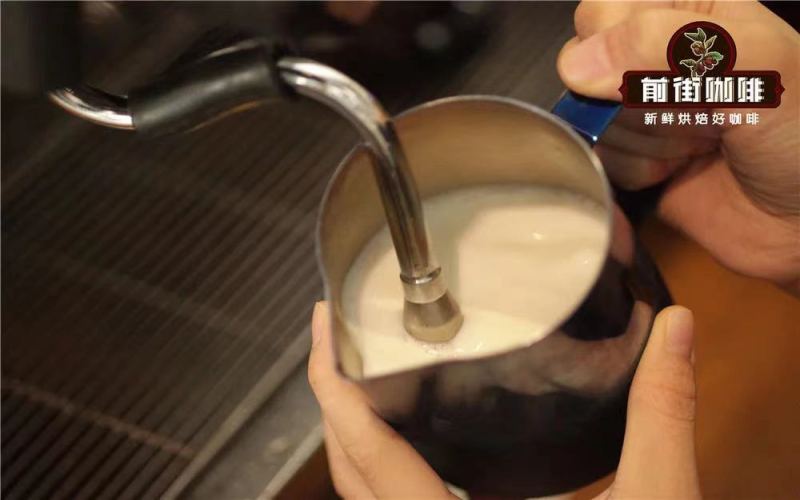
Milk Frothing Tutorial for Beginners | Why Does Milk Foam? How to Froth Milk for a Latte? What Are the Steps and Techniques for Latte Art Pouring and Integration?
At FrontStreet Coffee, steaming milk can be said to be a basic and core skill for every barista. Whether one can steam perfect milk is one of the factors used to judge whether a barista's level is up to standard. For example, the milk foam in a latte is on the thinner side, making it smooth and delicate to drink. The [more…]

Why Does Milk Frothing Always Go Wrong? A Full Guide to Analyzing Five Common Misconceptions and Practical Tips
Steaming milk is a fundamental skill every barista must master, but many people run into problems during the process, such as milk foam not incorporating, separating into layers, or dissipating quickly. Drawing on the hands-on experience of Front Street Coffee, this article systematically explains the principles of milk foaming, the key factors affecting incorporation, how milk foam performs at different temperatures, and the differences between steaming milk and frothing it by hand. It also compiles the five most common mistakes made when steaming milk, along with detailed steps for a tulip latte art pour, to help you comprehensively improve your milk foam quality and latte art skills. [more…]
Latte art tutorial | Why does milk foam? How can coffee beginners make latte art? What are the techniques for steaming milk for a latte?
Guide to Getting the Best Milk Foam, Why Does Milk Foam? Front Street Coffee (FrontStreet Coffee) - it can be said that steaming milk is a fundamental and core skill for every barista; whether one can steam perfect milk is a factor in judging whether the barista's skill level is up to standard. [more…]
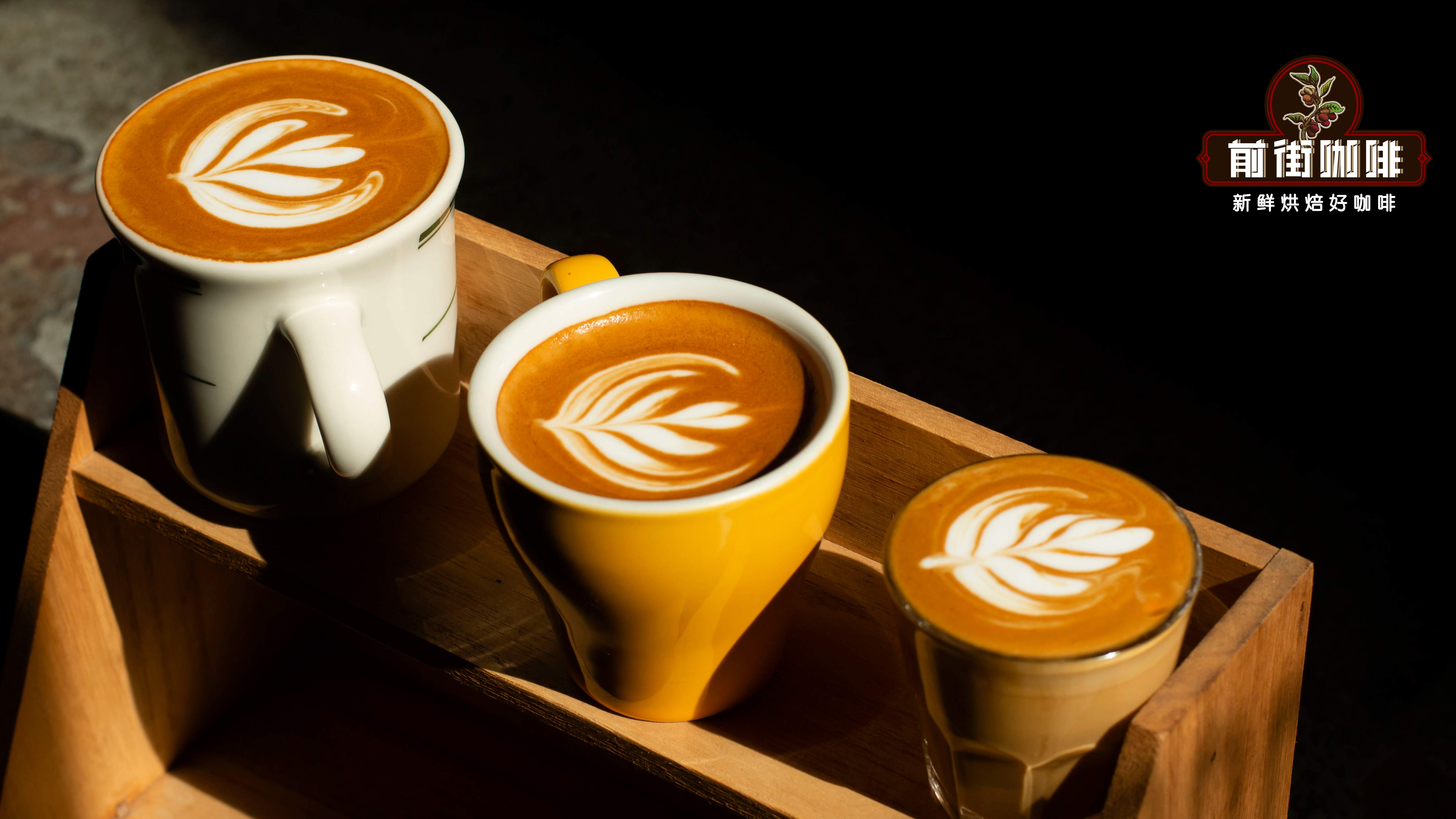
How to Make a Flat White? A Detailed Guide to Espresso-to-Milk Ratios, Milk Foam Thickness, and Temperature
Flat white is a milk coffee that emphasizes the true flavor of coffee. Compared with a latte, it has a higher espresso content, less milk, and thinner milk foam. In this article, Front Street Coffee will systematically explain the controversy over the origin of flat white, the choice of espresso base, the recommended ratio of milk to coffee, and how to judge the temperature, thickness, and texture when steaming milk. It will also explain the differences between whole milk, low-fat milk, and skim milk when steaming, helping coffee lovers, after understanding the principles, consistently make a fragrant, velvety espresso milk coffee at home. [more…]
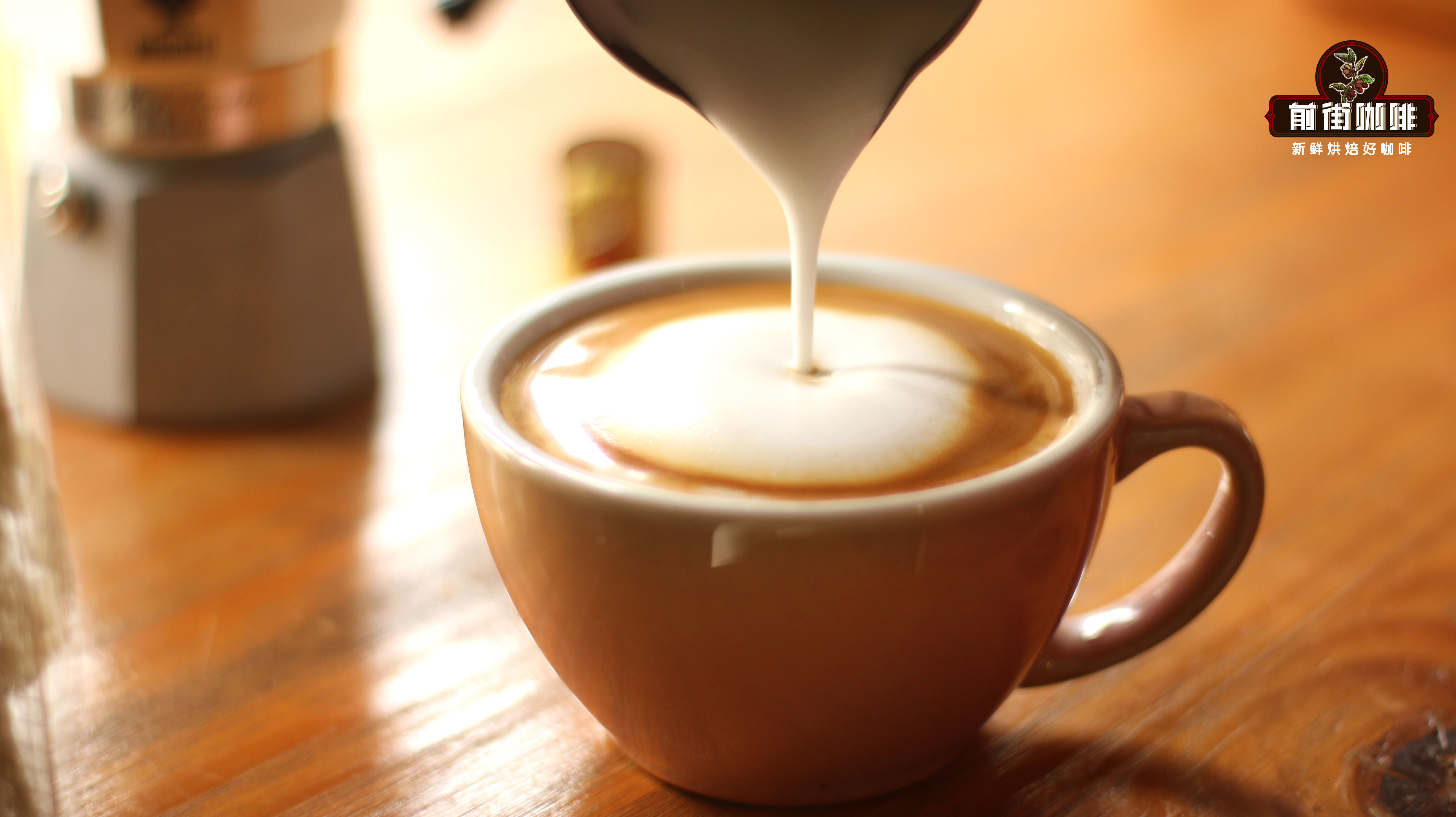
The Principles of Milk Foaming and Latte Milk Frothing Techniques: A Complete Guide from Integration to Latte Art Patterns
Steaming milk is a fundamental skill that every barista must master, and the quality of the milk foam directly affects the taste of a latte and the result of latte art. Drawing on the practical experience of Front Street Coffee, this article explains in detail the physical principles of milk frothing, answers common problems such as foam that won't incorporate, separation, and surface bubbles, and explains how steam pressure and foam fineness determine incorporation. The article also compares the stability of milk foam at different temperatures, provides two frothing methods—manual and steam—summarizes five common mistakes, and finally includes a step-by-step tutorial on tulip latte art. Whether you are a beginner or a coffee enthusiast looking to refine your skills, you will find practical guidance here. [more…]
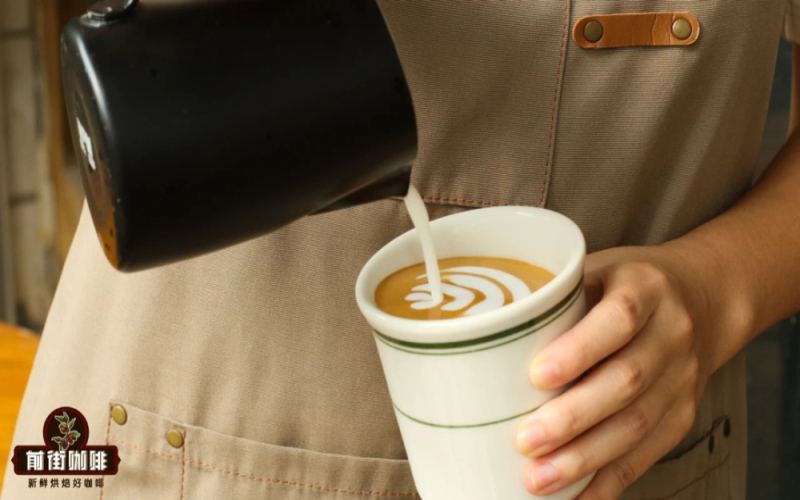
What Milk Should You Choose for Brewing Coffee? Whole Milk vs. Skim Milk—Which Pairs Better with Coffee?
The pairing of coffee and milk is a classic choice for many enthusiasts in their daily drinking. Milk can soften the bitterness while preserving the coffee's aroma, making the entire cup more drinkable. However, different coffee types have different requirements for milk: espresso needs a stronger base to support the milk flavor, while pour-over coffee, being lighter in nature, requires more caution when adding milk. This article discusses the principles of pairing coffee with milk, the coffee-to-milk ratio for latte, whether pour-over coffee is suitable for adding milk, and the difference between fresh milk and pure milk, and shares Front Street Coffee's practical experience in latte ratio adjustment, helping readers find a milk coffee solution that suits them. [more…]
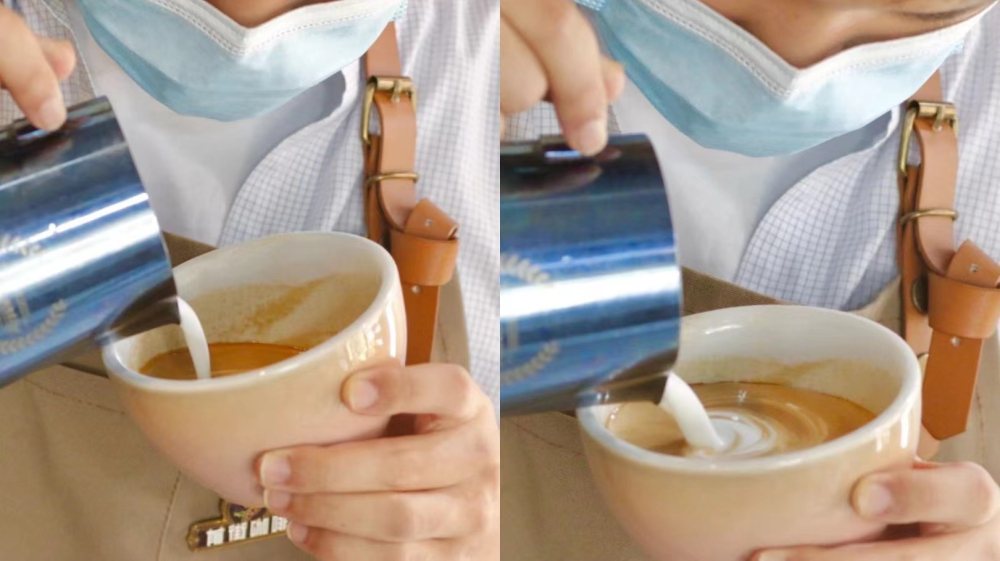
Australian White Milk Coffee Ratio | What Are the Characteristics of Flat White's Milk Foam? How Do Coffee Beginners Froth Milk? How Can Beginners Make a Standard Australian White?
Everyone knows that making espresso milk coffee requires espresso and milk, and there are many types of milk coffee, such as latte, mocha, cappuccino, etc., which use different ratios of espresso and milk. So in this article, Front Street Coffee wants to give everyone [more…]
Specialty Coffee Knowledge: A Complete Guide to Latte Milk Frothing Principles, Integration Assessment, and Optimal Temperature
The key to an ideal latte lies not only in the quality of the espresso, but also in the fineness of the steamed milk and temperature control. Front Street Coffee will start from the basic principles of milk frothing to answer common questions such as why the milk foam does not blend and why it floats on the surface during latte art, and will also take an in-depth look at how steam pressure and foam fineness affect blending. At the same time, through experimental comparisons at different temperatures, we reveal why the 50 to 70°C range is the golden zone for long-lasting, stable milk foam, helping you master the core techniques for steaming perfect milk foam. [more…]
Which Milk Should You Choose for Coffee? A Side-by-Side Taste Test of Glass-Bottled Fresh Milk vs. Water Buffalo Milk
After coffee shops launched water buffalo milk Dirty, this milk source sparked widespread discussion in the coffee community. Water buffalo milk is familiar to friends in Guangzhou, Foshan, and Guangxi, but how does it actually perform in coffee? This article, through hands-on comparisons of glass-bottled fresh milk and water buffalo milk, makes hot lattes, Dirty, and iced mochas respectively, recording one by one from milk foam fineness, coffee integration, layering effect, to flavor layers. At the same time, it will also sort out the effects of pasteurization and ultra-high-temperature sterilization on milk taste, helping coffee lovers and cafe owners find milk suitable for pairing with coffee. [more…]

Soy milk, milk powder, Wangzai, or AD calcium milk in a latte? A hands-on test of the flavor and mouthfeel differences of five non-fresh-milk ingredients
Latte, cappuccino, flat white, and Dirty all rely on milk, but what would the final taste be if you swapped in soy milk, milk powder, banana milk, Wangzai milk, or AD calcium milk? This time, Front Street Coffee made lattes one by one using five types of non-fresh milk ingredients, all with Front Street Espresso Blend · Strawberry Candy Espresso, using a 1:5 coffee-to-milk ratio for a hot-and-cold comparison, focusing on aroma integration, sweetness, smoothness of mouthfeel, milk foam performance, and whether it is suitable for latte art. The article not only preserves parameters that can be directly replicated, but also gives judgments on the pros and cons of each ingredient, making it a reference for enthusiasts who want to make specialty coffee at home or in a shop. [more…]
Optimal Flavor Temperature Analysis for Milk Coffee: Latte Milk Foam Steaming Principles and Fusion Degree Assessment Standards
The key to a delicious latte lies in the fusion state of milk and coffee and the temperature when it enters the mouth. This article will systematically explain the scientific principles of milk foaming, the factors affecting the fusion degree of milk foam and coffee, and reveal the differences in milk foam durability at different frothing temperatures through experimental data. At the same time, it provides cause analysis and solutions for common problems in daily operation, such as milk foam not fusing and milk foam floating up during latte art. The article also combines the practical experience of Front Street Coffee to explain why around 60°C is the optimal flavor temperature range for milk coffee, and how to judge whether the milk foam fusion degree is up to standard. [more…]