







Search Results for: wrap

Tim Hortons embroiled in shrinkage controversy: Farmer's Wrap and coffee portions alleged to have shrunk, official denies changing recipes
As a Canadian national chain brand, Tim Hortons has recently faced frequent consumer complaints on social media, with the focus on the seemingly shrunken portions of its breakfast Farmer's Wraps and coffee drinks. Many netizens have posted photos pointing out that the Farmer's Wraps are now almost half their previous size, while the price has remained the same or even increased. At the same time, the capacity of large coffees has also been questioned as having shrunk. In response to the doubts, Tim Hortons officially denied making any portion adjustments, attributing the visual differences to the packaging style and wrapping method changed earlier this year, and stating that the new packaging reduces paper box raw materials by 75%. However, when the media requested the 2022 nutrition guide for comparison, the company did not respond. This debate over "shrinkflation" is drawing widespread attention from coffee enthusiasts and chain restaurant observers. [more…]
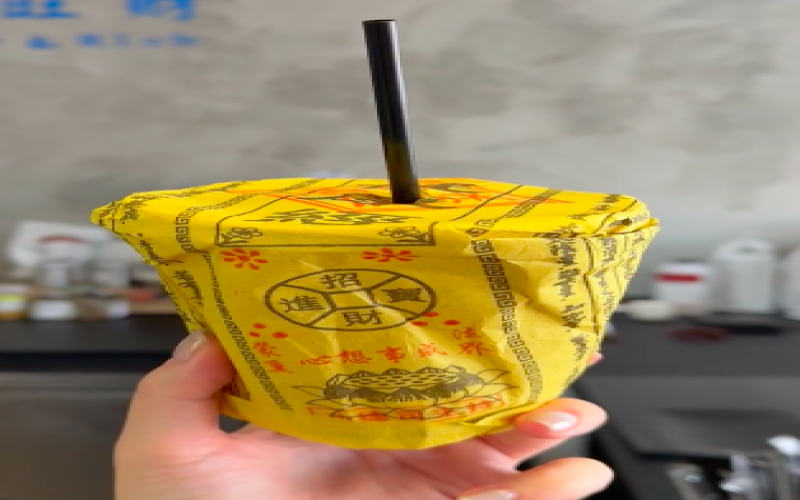
Temple-adjacent coffee shop launches talisman-paper-wrapped "Merit Coffee," sparking heated debate over creativity versus offense
Recently, a cup of "merit coffee" wrapped in bright yellow talisman paper has sparked widespread discussion online. This coffee shop, located near a temple, uses talisman paper handwritten daily by monks for its drink packaging, and donates a portion of the proceeds to the temple for every cup sold. Supporters see it as highly creative and emotionally resonant, while opponents worry that it commercializes religion and shows disrespect for faith. In recent years, young people have been enthusiastic about burning incense and making wishes, and businesses have seized on concepts like "merit" and "go with the flow" to attract attention. But the combination of trendy drinks and religion has repeatedly pushed against the boundaries of controversy. This article sorts out the sequence of events and explores whether this kind of marketing can retain customers in the long run. [more…]
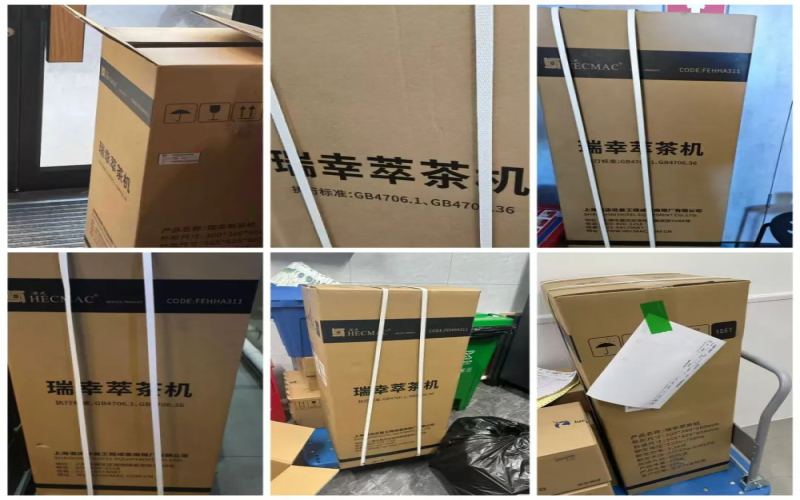
Luckin's tea brewing machines get the cold shoulder at stores: wrapped in cling film, slapped with "do not use" signs, yet rolled out nationwide only to sit idle on counters
Since last December, Luckin Coffee has piloted tea extraction machines in some stores in Guangzhou, planning to replace tea powder in light milk tea with freshly extracted hot tea to enhance the taste and health attributes of the drinks. However, since the testing phase, this device has been complained about by store staff as "good to look at but useless." Now that it has been gradually rolled out nationwide, many stores have wrapped it in plastic wrap and affixed prohibition stickers, turning it directly into an idle ornament on the counter. Staff feedback indicates that it is cumbersome to clean and inefficient, instead increasing the workload. Although management requires its use, frontline employees still deal with back-end detection by "turning it on at the start of the shift and off at the end." This article sorts out the various real-world dilemmas encountered during the tea extraction machine's journey from pilot to promotion, as well as the game between the brand and the stores. [more…]
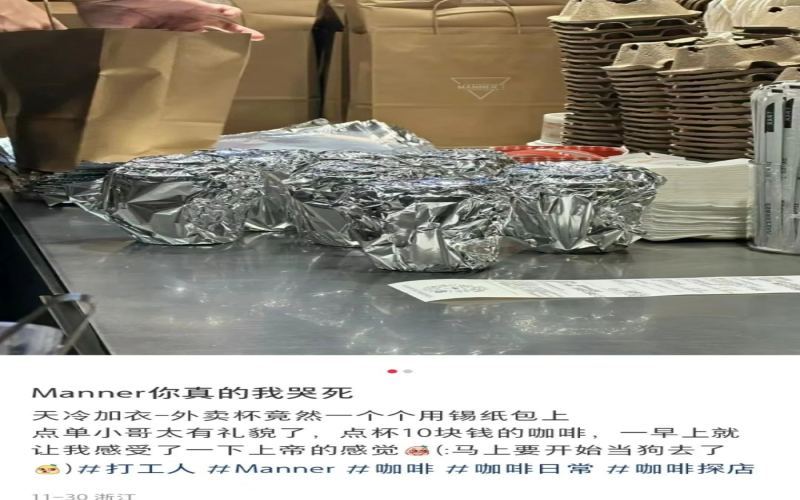
Manner's foil-wrapped hot coffee for insulation goes viral: thoughtful detail or excessive packaging?
When the December cold wind picks up, friends who order hot coffee delivery start worrying again: by the time it arrives, it's often just lukewarm, and drinking it is really not comforting enough. To preserve that warm sip, coffee shops are pulling out all the stops. Recently, netizens noticed that Manner's baristas wrap each hot delivery cup in shiny silver foil, as if adding a winter coat to the cup—a sight that is both surprising and a bit amusing. Some joked that spending ten yuan on a coffee actually gave them the feeling of being cherished. Is this layer of foil just for show, or can it really lock in the heat? Consumer feedback is almost unanimously one-sided: when peeling off the foil, the contents are shockingly hot, so much so that you have to turn on a fan to cool it down. In fact, this is not Manner's first year trying it out; it was already implemented last year. Behind heat preservation lies a common drinking principle: as temperature drops, acidity and bitterness become more pronounced. Is Manner's move just formalism or a scientific plus? Front Street is here to take you on a deep dive. [more…]
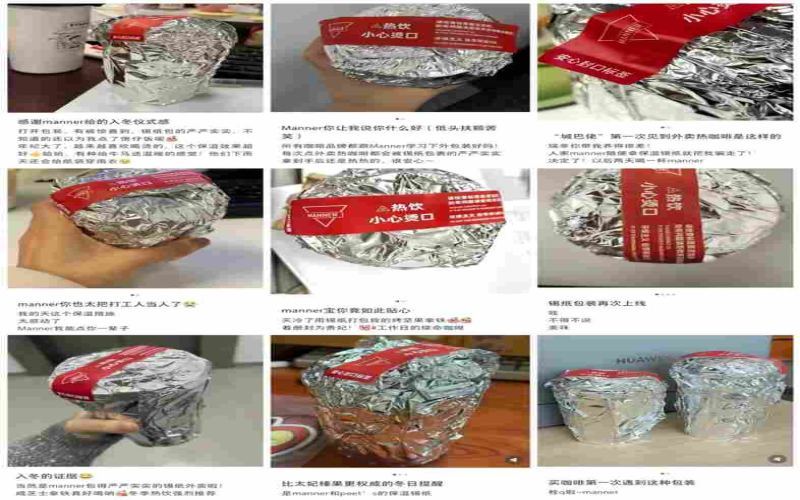
Manner's winter foil insulation packaging returns, customers touched while staff under pressure
As the cold season arrives, Manner Coffee has once again introduced foil packaging to keep takeaway hot drinks warm, a move that has sparked widespread discussion on social media. Many customers are touched by the brand's thoughtful detail, believing that the foil effectively maintains the drink's temperature and improves the takeaway experience. However, store employees face extra work pressure, especially during peak ordering periods, when packing efficiency is affected. This article reviews the history of Manner's foil packaging, analyzes the different perspectives of customers and employees, and explores whether there are better insulation solutions. [more…]

Luckin pushes tea brewing machines heavily but gets the cold shoulder from stores: the efficiency dilemma behind freshly extracted tea
Luckin Coffee's light milk tea series, which sold well last year, has recently undergone a comprehensive upgrade, with the core change being the replacement of the previous tea powder with freshly extracted tea. To this end, the brand equipped more than 20,000 stores nationwide with tea extraction machines. However, after the new products were launched, some stores wrapped this machine in plastic wrap, affixed prohibitive labels, or even left it untouched in the warehouse. What exactly is the reason that makes employees shy away from the equipment the company is vigorously promoting? From the burden of cleaning and material waste to differences in store order volumes, what kind of awkward situations has this tea extraction machine encountered in actual operations? This article takes you to find out. [more…]
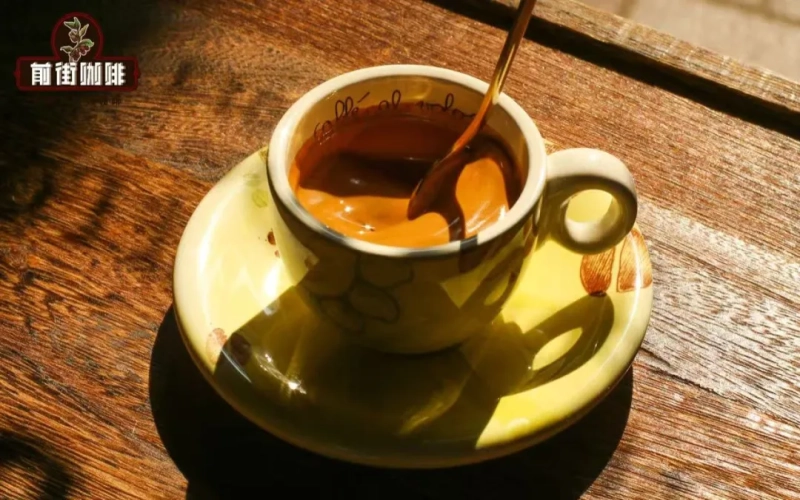
What Is Espresso Crema? Analyzing the Causes of Coffee Crema and Judging Extraction Quality
Espresso may be a niche beverage, but it serves as the base for drinks like lattes and Americanos. The golden layer of oil on its surface is called Crema, formed by coffee's insoluble oils wrapping around carbon dioxide, and it can only be produced by the 9-bar pressure of an espresso machine. The crema not only brings caramel and nutty aromas but also enhances the visual appeal of latte art. However, when the crema fails to appear or looks abnormal, it often reflects issues with bean freshness, grinding, or distribution. This article explains in detail the causes of Crema and provides a guide to selecting coffee beans rich in crema, and teaches you how to judge the quality of extraction through the color, texture, and clumping of the crema, while also recommending two espresso beans suitable for home use: Front Street Classic Blend and Front Street Dark Cocoa Base Blend. [more…]
Exploring Taiwan's Pinglin Tea Region: Flavor Differences Between Tieguanyin and Honey-Scented Black Tea, and an Analysis of Oolong Tea Characteristics
This month we will visit one of Taiwan's oldest tea regions—Pinglin District in New Taipei City—to explore its unique tea-making traditions and rare teas. Pinglin has been producing Puchong oolong tea since the 1880s. Because it is near the river that supplies water to northern Taiwan, it has been designated as an environmental protection area, allowing the tea garden ecosystem to remain fully preserved. In the past, when tea was dried, it was wrapped into square paper packets. This craft, introduced from Fujian, is called "bao cha" (wrapped tea). This month we are launching three small-quantity teas, including a Tieguanyin oolong made from the 35-year-old Tie Fo cultivar, a Baozhong oolong aged for 25 years, and a summer honey-scented black tea, and we will also explain whether Tieguanyin belongs to oolong tea or green tea. [more…]
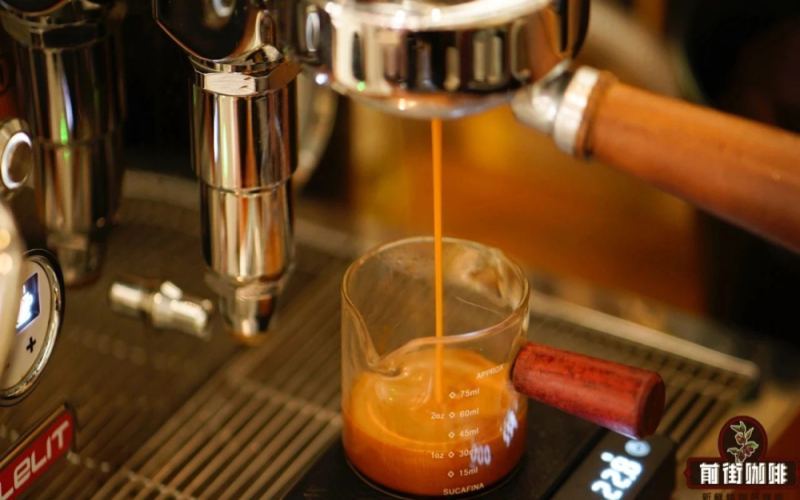
Analysis of the Causes of Thin or Absent Espresso Crema and Ideas for Improving Extraction
That golden layer of oil on the surface of espresso, which Italians call Crema, is a unique product formed when an espresso machine at 9 bar pressure wraps carbon dioxide and emulsified fats together. It not only enhances visual appeal but also affects mouthfeel, aroma, and latte art performance. However, many coffee enthusiasts encounter problems during extraction such as no crema, pale crema, rough and overly foamy crema, or clumpy crema. Starting from Front Street's extraction experience, this article systematically reviews the compositional principles of Crema, analyzes the causes behind different crema forms, and offers practical advice from bean selection to equipment parameters to help you make an Espresso with dense, ideal crema. [more…]

What is the golden crema on the surface of espresso? A comprehensive analysis from formation mechanism to extraction assessment
That golden layer of crema on the surface of an espresso, called Crema in Italian, is neither an artificially added fat nor simply coffee oil. This delicate foam is made of coffee's insoluble fats wrapping around carbon dioxide, and can only be extracted by an espresso machine under high pressure. This article will start from the principles of how crema forms, explain how to achieve ideal crema performance, and teach you to judge the extraction state of an Espresso by observing the thickness, color, texture, and fluidity of the crema, so as to solve common extraction problems. The article also retains Front Street brand's recommendations for bean selection and blending products. [more…]

Starbucks App icon switches from the in-your-face siren back to the classic mermaid—is the membership campaign wrapping up, or is it bowing to public opinion?
The Starbucks app icon has recently returned to the classic "double-tailed siren" image, after the close-up half-mermaid face logo launched last month sparked widespread criticism. The new design zoomed in on the crown and yellow five-pointed star, intended to coincide with the "Starbucks Rewards" member star-collection campaign, but users described it as "too ugly," "very sneaky," and some even thought it was a knockoff app. After the official reversion to the old version, an employee revealed that the main reason was that the one-month Diamond Star member upgrade campaign had ended. This logo controversy reflects the delicate relationship between brand visuals and user emotions, and also brings to mind the steady strategies of brands like Front Street Coffee in shaping their image. [more…]
What causes insufficient crema in espresso? A full analysis of crema composition and extraction issues
That golden layer of crema on top of espresso, which Italians call Crema, is an important visual indicator for judging the quality of a cup of Espresso. It is not actual oil, but rather an emulsion layer formed by the insoluble fats in coffee wrapping around carbon dioxide, and only an espresso machine with 9 bars of pressure can consistently produce it. When the crema is missing, thin, pale, coarse and foamy, or clumpy, it often points to specific problems with bean freshness, roast level, equipment performance, or extraction parameters. Starting from Front Street's extraction experience, this article sorts out the causes and evaluation criteria of Crema, helping you identify the root of the problem by observing the form of the crema, so you can make a cup of espresso with a rich, dense crema. [more…]
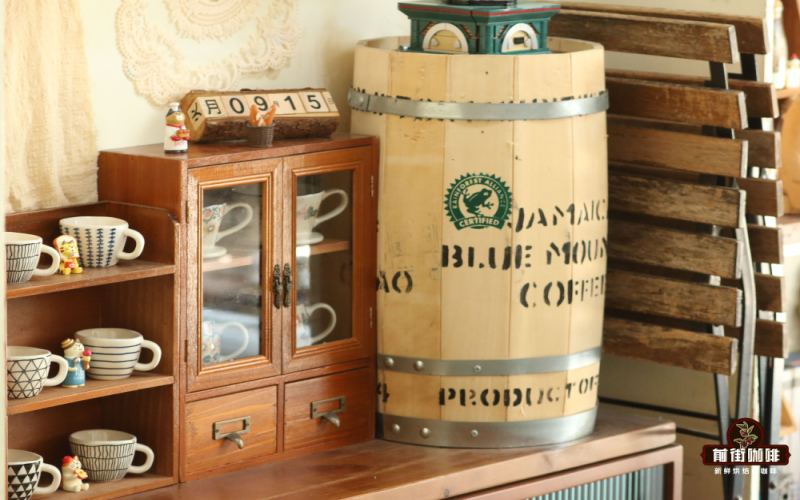
Yunnan Coffee Harvest Season Wrap-Up: Flavor Evolution of Arabica and Front Street Coffee's Typica Practice
In recent years, Yunnan coffee has become increasingly prominent. From once being rejected by consumers to gradually gaining trust today, this shift is underpinned by continuous innovation in cultivation methods and post-processing techniques. This article reviews the evolution of Yunnan coffee varieties from Typica to Catimor, analyzes the historical roots of its poor flavor, and introduces Front Street Coffee's practice of growing Typica in the Lincang mountains, as well as the flavor performance and brewing suggestions for two representative Yunnan beans. [more…]
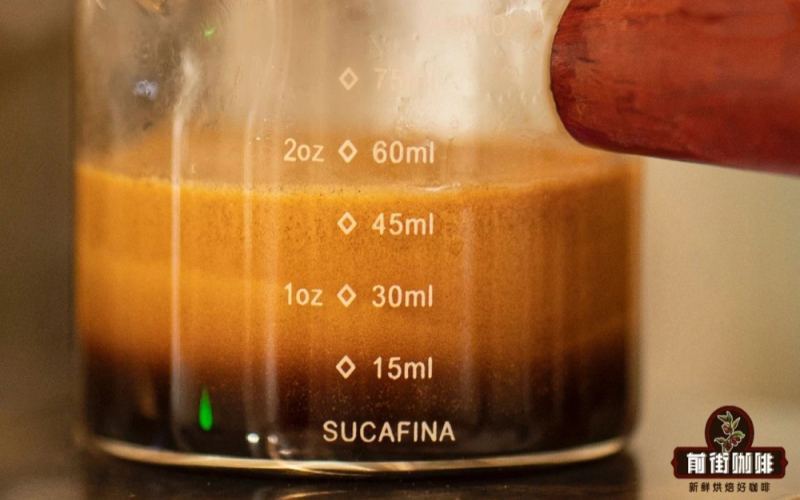
The Crema Layer of Espresso: Causes, Quality Assessment, and Coffee Bean Selection Guide
Crema is the signature characteristic of espresso. This layer of golden oil is composed of insoluble fats wrapping carbon dioxide, and can only be formed through the high-pressure extraction of an espresso machine. The richness of the crema is closely related to the coffee bean blend; Italians often add a small amount of Robusta to enhance the crema, but Robusta does not match Arabica in flavor. Both Front Street Classic Blend and Front Street Commercial Blend contain a small amount of Robusta—the former is suitable for home beginners, while the latter is suitable for commercial use in shops. However, more crema is not necessarily better. If the color is too light or too dark, the thickness too thin or too thick, or the crema clumps and appears rough, all of these can affect quality and latte art results. Beans that are too fresh can instead lead to unstable crema. [more…]
A Comprehensive Analysis of Espresso: A Practical Guide from the Principles of Crema Formation to Judging Extraction States
Although espresso is small in volume, it is renowned for its intense flavor and distinctive golden crema layer. Many people are intimidated by it, but when mixed with milk or water, it transforms into the widely popular latte and americano. Where exactly does this layer of coffee oil, known as Crema, come from? It is composed of insoluble oils encapsulating carbon dioxide, and can only be formed under 9 bar of high-pressure extraction. This article, from the perspective of Front Street, will systematically explain the formation mechanism of Crema, the criteria for judging quality crema, and how to diagnose extraction problems by observing crema patterns, helping you gain a more comprehensive understanding of this small but refined cup of coffee. [more…]
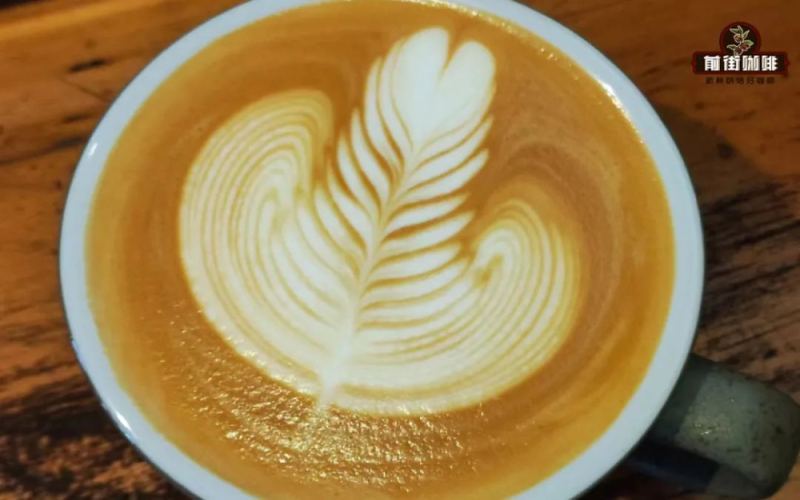
Latte Art Tutorial: Rosetta (Leaf) Pattern — Complete Steps from Bean Selection and Milk Steaming to the Pull-Through Finish, Plus Common Mistakes Explained
Want to make symmetrical and beautiful leaf latte art at home? This article starts with choosing espresso beans, recommends Front Street Classic Blend as suitable for beginners to practice, and compares the key differences between the leaf and the multi-layer heart in terms of pouring point and swinging direction. The main text breaks down each step of leaf latte art in detail: milk foam thickness, the amount of integration, pouring at the center point, swinging in place, retreating at a steady speed, the height of lifting the pitcher, and finishing techniques. It also points out two common mistakes specific to the leaf—retreating before the pressure ripples have flowed back and wrapped in, and gradually shrinking the swing amplitude while retreating. Once you master these details, your leaf pattern will become more and more stable. [more…]
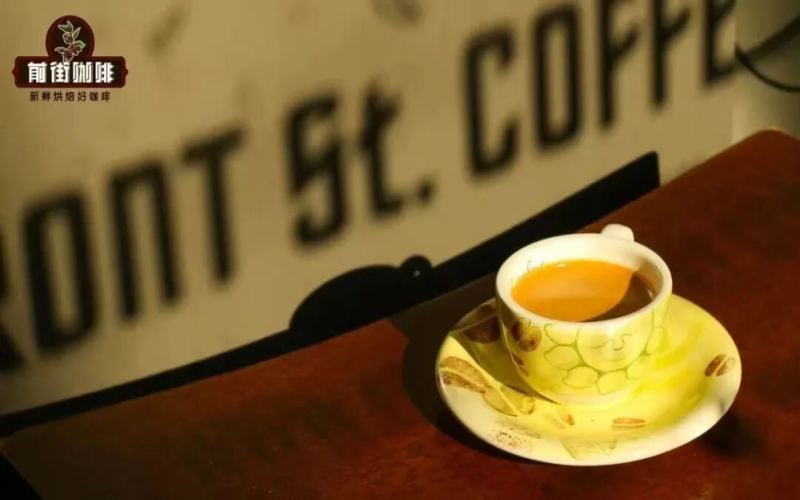
Espresso Crema | What Is Crema in Espresso? What Coffee Information Can the Crema on an Espresso Reveal?
As is well known, the coffee extracted from an espresso machine is not only very rich and intense, but also comes with a layer of golden crema. Because this layer of crema gives the coffee a rich aroma and a smooth, dense mouthfeel, and is also a product unique to espresso, people often call it the soul of espresso. But... [more…]

In-Depth Analysis of the Super Natural Process: A Comprehensive Introduction to Its Principles and Coffee Bean Flavor Characteristics
Super Natural is an innovative green bean processing method that has attracted considerable attention in the coffee industry in recent years, introducing more refined fermentation and drying management techniques on the basis of traditional natural processing. By regulating temperature, stacking thickness, drying rhythm, and fruit wrapping, Super Natural can give coffee beans richer flavor layers and more stable quality performance. This article will systematically explain the core principles of Super Natural processing, outline its key characteristics that distinguish it from ordinary natural processing, and introduce the specific effects of this processing method on coffee flavor, helping coffee enthusiasts gain a deeper understanding of the unique aspects of this processing technique. [more…]

What is the purpose of purging steam when frothing milk? Key operational details before making latte art
In front of a café bar, you can often hear the "hissing" sound a barista makes while steaming milk, and you'll also notice that they always purge the steam wand for a few seconds before and after use, sometimes even keeping it wrapped in a cloth the whole time. These seemingly superfluous little habits actually reflect careful consideration for coffee quality and operational safety. Purging the steam not only expels condensation from inside the wand and prevents the milk from being diluted, but also cleans the steam holes to keep them from clogging. As for whether the steam wand should be wrapped in a milk cloth, baristas each have their own reasoning: some insist that wrapping it is safer and more efficient, while others believe it is completely unnecessary. This article will examine both sides of the argument and analyze in detail this dispute over a fine point of espresso preparation, helping coffee enthusiasts gain a deeper understanding of the correct way to steam milk. [more…]
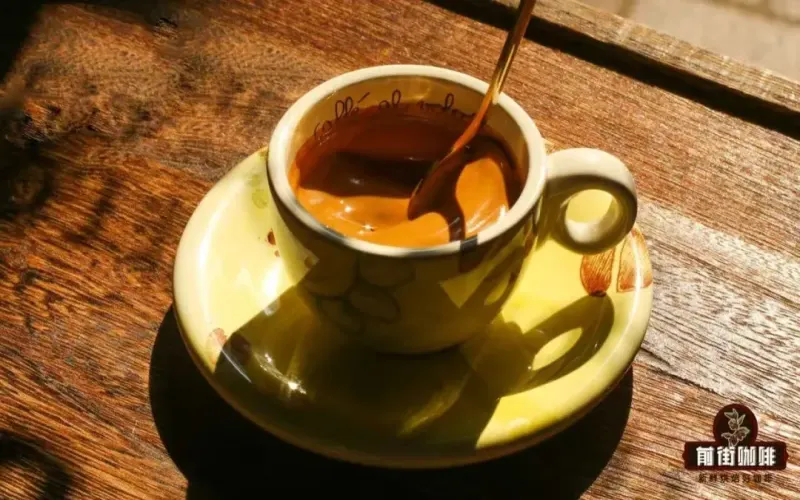
The Secrets Behind Espresso Crema Thickness: Judging Coffee Bean Freshness and Extraction Timing from Crema Condition
The layer of golden-brown crema on the surface of an espresso is not just a visual pleasure—it actually carries important clues about the state of the coffee beans. Many friends who own espresso machines will notice that the crema extracted each time is sometimes thick and rough, and sometimes fine and thin. These differences are not accidental, but an external manifestation of changes in the carbon dioxide content inside the coffee beans. From the perspective of Front Street, this article guides everyone to understand the essential composition of crema, and to learn to judge whether the coffee beans are in their optimal flavor period by observing the thickness, fineness, and stability of the crema, so as to adjust the extraction plan in time and let every cup of espresso perform at its proper level. [more…]