







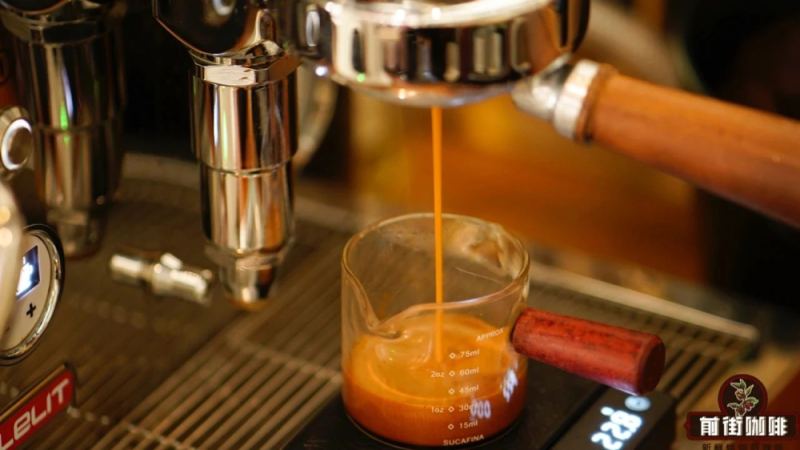
Although espresso comes in a small cup, it is known for its intense flavor and distinctive golden crema layer. Many people are intimidated by it, but when mixed with milk or water, it transforms into the widely popular latte and americano. Where exactly does this layer of coffee oil called Crema come from? It is composed of insoluble oils wrapping carbon dioxide, and can only be formed under 9 bar high-pressure extraction. This article will explain, from Front Street's perspective, the formation mechanism of Crema, the criteria for judging quality crema, and how to diagnose extraction problems by observing crema patterns, helping you gain a more comprehensive understanding of this small but refined cup of coffee.
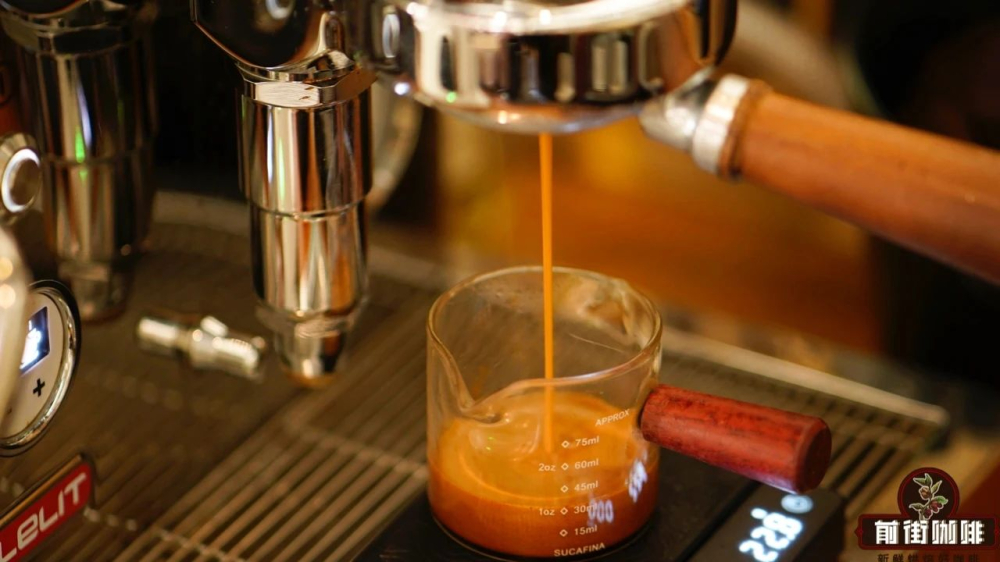
What exactly is espresso? Simply put, it is a very small serving of coffee, usually finished in two or three sips. The flavor is quite intense, and many people find it hard to accept on their first try. The small volume combined with the intense taste has kept espresso's audience relatively limited in China, but once milk is added to make a latte, or water to make an americano, it immediately becomes one of the most popular coffee categories.
Visually, espresso appears in the cup as a dark black coffee liquid at the bottom, topped with a layer of golden coffee crema. Is this layer of crema actually oil?
It is well known that peanut oil comes from pressing peanuts, and the surface of dark-roasted coffee beans also exudes oil. So what exactly is the composition of that layer of crema on the surface of espresso extracted by a coffee machine?
Italians call this upper layer "Crema." This rich and distinctive Crema can only be produced by an espresso machine, and the key lies in pressure. An espresso machine uses approximately 9 bar of water pressure to "squeeze" the coffee puck. The carbon dioxide in the coffee bed cannot be released under high pressure, and the water becomes supersaturated with carbon dioxide, causing the gas to dissolve directly into the coffee liquid. At the same time, the extraction process also emulsifies the fats in the coffee, which wrap around the carbon dioxide. Since the whole thing is lighter than water, it gradually separates and floats upward, eventually forming that beautiful golden crema on the surface.
From this, it is clear that this golden, delicate coffee crema is formed by insoluble oils in coffee wrapping around carbon dioxide. So how can espresso achieve a beautiful Crema?
In Front Street's view, quality Crema should be golden in color, with a fine, even surface, smooth like cream when swirled, and with noticeable adhesion to the cup wall. It not only makes espresso more visually appealing, but also enriches the mouthfeel and aroma when tasting, and protects the coffee's flavor; when making hot milk coffee, it also helps with latte art integration and supports the pattern. Perhaps this is exactly why people go to great lengths in pursuit of a perfect Espresso.
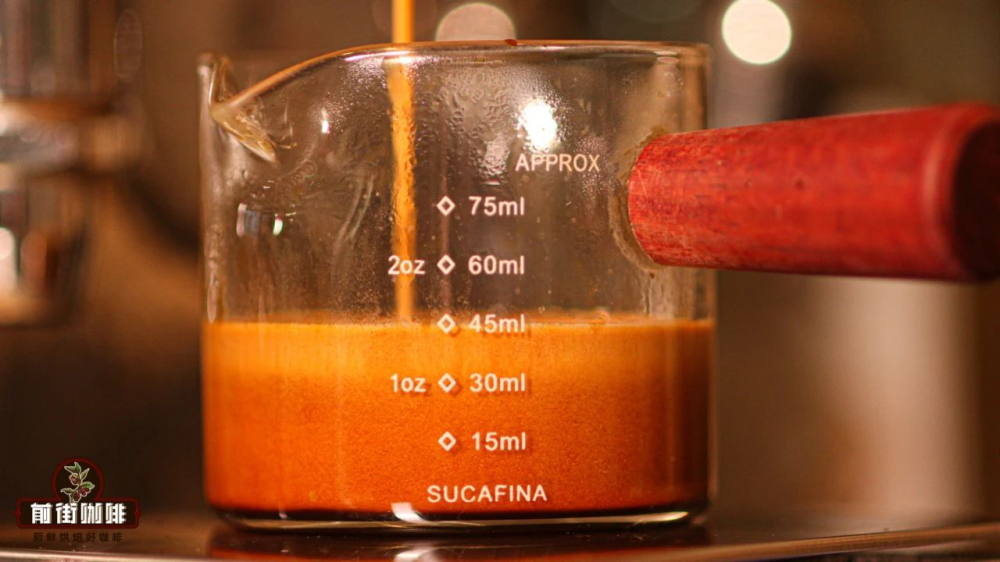
Based on past extraction experience, Front Street believes that achieving rich Crema is actually not complicated. First, when selecting coffee beans, priority should be given to beans with high oil richness and sufficient carbon dioxide, such as medium-dark roasted beans within their flavor window (45–60 days), or fresh espresso blend beans containing a certain proportion of Robusta. Taking Front Street Coffee's bean list as an example, "Front Street Commercial Blend" and "Front Street Classic Blend" — these two espresso coffees — easily produce beautiful crema in espresso precisely because they contain a small amount of Robusta beans.
After selecting the right coffee beans, you also need fresh grinding, stable high temperature, sufficient extraction pressure, and reasonable extraction parameters. Only when these key conditions are met can you get an Espresso rich in dense crema.
Overall, the fresher the beans, the darker the roast, the greater the equipment pressure and the more stable the performance, the better the coffee crema expression. Next, Front Street will analyze specific situations one by one, teaching everyone how to judge the quality of Espresso by observing crema patterns, thereby solving various common extraction problems.
No crema at all, or very thin crema: The problem is likely that the beans have been stored too long (including improper storage and coffee beans being pre-ground into powder). The longer they sit, the more frequently the coffee beans exchange gas with the air, the more carbon dioxide is lost, and the less coffee crema is ultimately produced. In addition, insufficient coffee machine pressure, low temperature, too coarse a grind, insufficient tamping force... are all causes of too little crema.
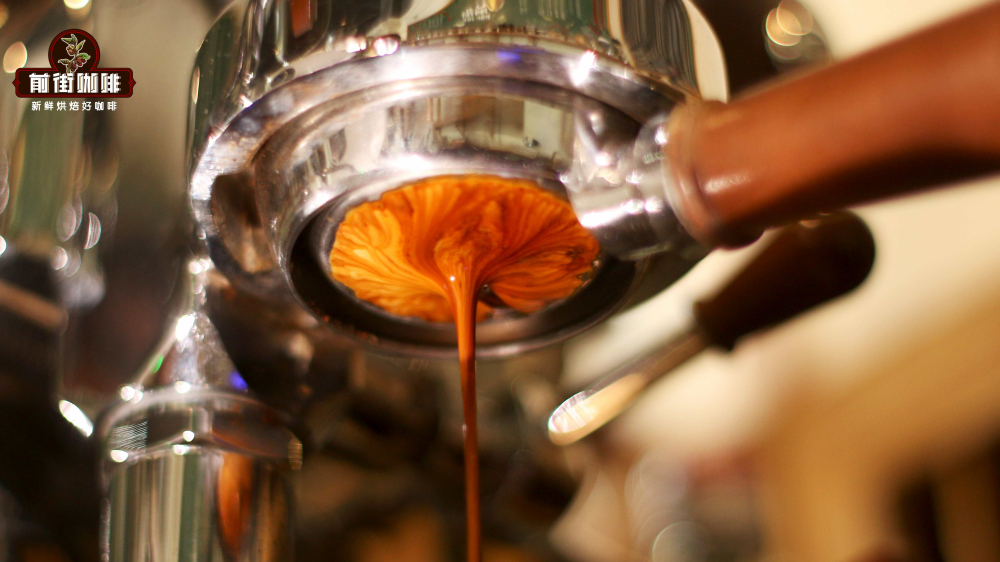
Whitish crema: If the extracted espresso crema has acceptable thickness but lacks a golden color, and the overall taste leans toward sharp acidity, it is likely because lightly roasted beans were used. For example, using pour-over beans known for fruity acidity to make espresso can easily result in an unpleasant sourness due to underextraction, accompanied by whitish crema.
Rough, bubbly crema: This type of espresso Crema often lasts only a very short time and dissipates extremely quickly. The reason is that the coffee beans are too fresh — freshly roasted beans contain large amounts of carbon dioxide. When a large amount of gas is forced into the coffee liquid, the emulsified oils cannot fully wrap around the gas, making it prone to collapsing.
Clumpy crema: This type of espresso usually shows obvious "lumpy" texture when swirled, with an uneven surface and poor flow, much like over-whipped milk foam that is difficult to spread and integrate.
The above content is compiled by CoffeeHunters, a coffee news website.


