







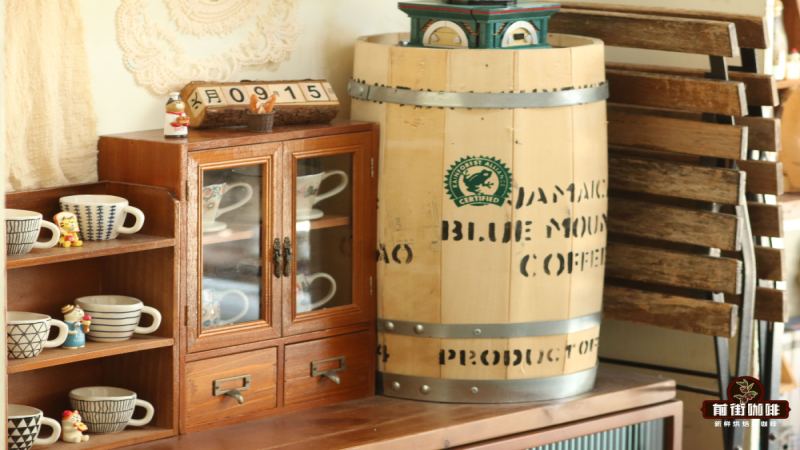
In recent years, Yunnan coffee has become increasingly prominent. From once being resisted by consumers to gradually gaining trust today, this is underpinned by continuous innovation in cultivation methods and post-processing techniques. This article reviews the varietal transition of Yunnan coffee from Typica to Catimor, analyzes the historical roots of its poor flavor, and introduces Front Street Coffee's practice of cultivating Typica on a mountain in Lincang, as well as the flavor profiles and brewing suggestions for two representative Yunnan beans.
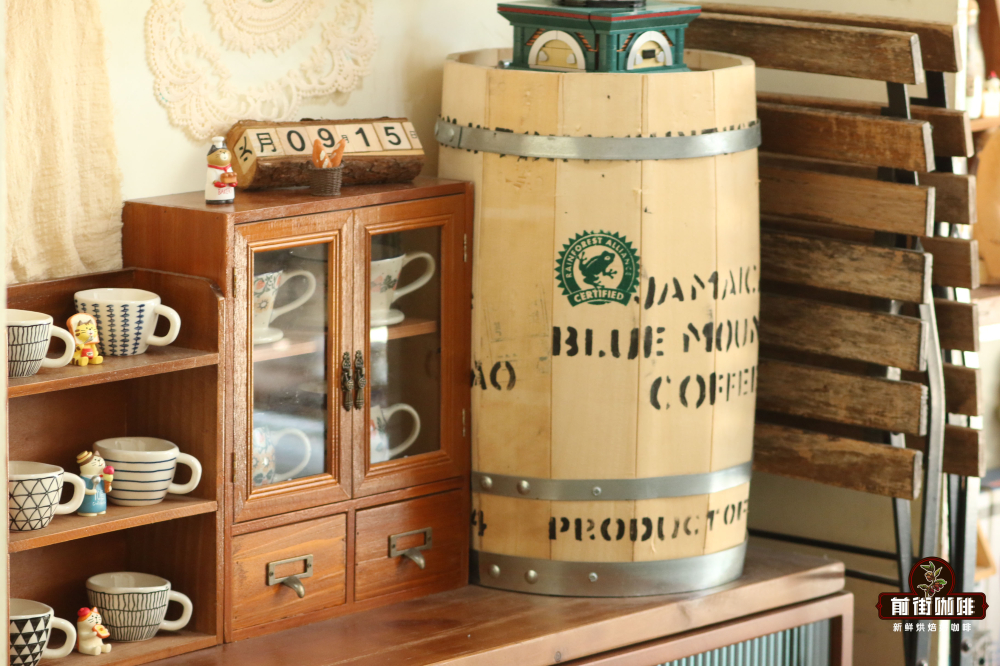
You've probably noticed that Yunnan coffee has suddenly become a hot topic in recent years.
If we try to trace exactly when it started to gain popularity, there is no clear point in time, but what is certain is that Yunnan coffee has made astonishing progress in recent years and quickly won the trust of consumers. In the past, many people would show resistance when hearing about Yunnan coffee, because its flavor performance was indeed unsatisfactory. However, as the public's understanding of specialty coffee has deepened, the Yunnan producing region has also undergone significant changes in recent years—not only have cultivation methods become more scientific, but the introduction of post-processing techniques has also allowed the flavor level of Yunnan coffee to gradually rise.
Since 2013, Front Street Coffee has leased a piece of mountainous land in Lincang, Yunnan, and started cultivating Typica coffee trees. Unlike the Catimor variety commonly grown in Yunnan, Typica is one of the oldest varieties in the Arabica family and also the first variety in the history of Yunnan coffee cultivation. Its flavor is clean and delicate, but its weakness lies in low yield and the need for more effort to care for it.
In earlier periods, Yunnan also relied on Typica as its main variety, with planted area once exceeding 50,000 mu. At that time, Yunnan coffee was mainly sold to the Soviet Union. After each year's harvest, it was uniformly purchased by the national foreign trade department and shipped to the Soviet Union to offset payments. However, after the payments were settled, the relevant departments no longer purchased on a large scale, and the domestic population demanding coffee was very limited. To make matters worse, a large-scale outbreak of leaf rust at the time caused coffee trees to die in patches, so farmers cut down the coffee trees one after another, and Yunnan's coffee planting area consequently shrank sharply to just over 2,000 mu.
It was not until Nestlé took an interest in Yunnan's land suitable for cultivation and distributed Catimor coffee trees with stronger resistance to leaf rust to farmers that people began planting coffee again and supplied Nestlé for a long time. Because it was then used only as raw material for instant coffee, coffee farmers had almost no understanding of the concept of "flavor" and did not put much thought into studying cultivation, so Yunnan coffee's flavor was long unpopular, and the public's impression of Yunnan coffee was basically equivalent to instant coffee.
However, as Chinese consumers' demand for coffee continued to grow, their requirements for coffee quality also rose, and more and more people began to study coffee cultivation. Yunnan coffee's planting methods became more scientific, and coffee bean processing techniques kept innovating, giving flavor greater room for improvement. The domestic population demanding coffee grew increasingly large, and the pace of Yunnan coffee's development accelerated accordingly, with flavors also showing considerable novelty, but the purchase price never rose correspondingly.
Front Street Coffee believes that to make Yunnan coffee excellent, one must start by choosing the right variety, plant it at the appropriate altitude, and after the fruit ripens, experiment to find processing methods that can reveal its distinctive flavor, thereby establishing a flavor map for Yunnan specialty coffee. Although current post-processing methods can mask the unpleasant flavors in Yunnan Catimor coffee, this is not enough for Yunnan coffee to truly go global and allow coffee consumers worldwide to identify the Yunnan producing region through the unique flavor expression of the coffee itself.
The root cause of Yunnan coffee's poor flavor lies in the Robusta genes contained in the Catimor variety. These genes give the variety extremely strong resistance to disease and pests, but at the same time also bring a large amount of chlorogenic acid—this is precisely the source of the unpleasant bitterness in coffee. The reason Front Street Coffee chose to cultivate Typica is the hope of making changes at the variety level, so that everyone can feel the true charm of Yunnan coffee in the process of varietal improvement.
To solve the dilemma that "Yunnan specialty coffee gets better year after year, yet prices remain low," one must start from the root, which is the cultivation stage mentioned earlier. Planting Typica and Catimor at the same time is not actually contradictory, because the former targets specialty coffee while the latter is used as raw material. The value of specialty coffee lies in improving quality, while the significance of raw material lies in ensuring yield. The two will inevitably coexist, so Yunnan will still mainly grow Catimor. Since some people choose to mass-produce raw material, there also needs to be someone to improve coffee quality and promote Yunnan specialty coffee.
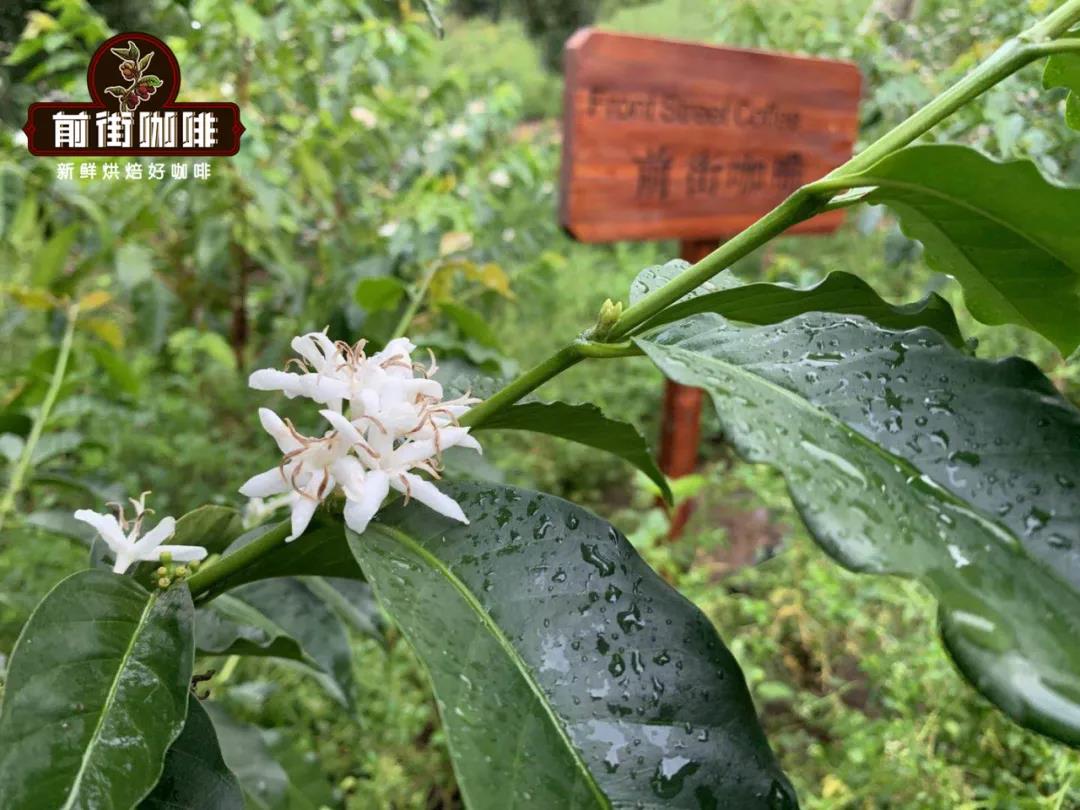
Starting in 2018, Front Street Coffee's Typica estate in Yunnan gradually began to yield harvests, and "Front Street 2013 Yunnan Typica Coffee Beans" was thus launched. By the 2021/22 new crop season, Front Street's Typica coffee bean harvest had reached 600 kilograms. At present, this bean can be purchased at Front Street Coffee's physical stores as well as its Taobao shop.
In addition to Front Street Yunnan sun-dried Typica, Front Street Coffee has also, based on the flavor characteristics of the Yunnan producing region, found a Catimor coffee bean from the Baoshan producing region in Yunnan. As a member of Front Street Coffee's signature daily bean series (introductory coffee selection), it allows consumers to experience the flavor of the Yunnan producing region at extremely high cost-effectiveness.
In order to retain the sweet-and-sour sensation and tea-like character of Yunnan coffee, Front Street Coffee uses a medium roast for this bean. For brewing, it is recommended to use a V60 dripper, with a coffee-to-water ratio of 1:15, a medium grind size (about the coarseness of granulated sugar / 75% passing rate on the China No. 20 standard sieve), and a water temperature controlled at 88 to 89 degrees Celsius.
The specific brewing steps are: first pour 30 grams of water for a 30-second bloom; in the second stage, pour in a circular motion with a small stream up to 125 grams, and after the water level in the coffee bed drops by half, continue pouring, still in a circular motion with a small stream, up to 225 grams. After all dripping is completed, the total extraction time is about 2 minutes and 10 seconds.
The flavor profile of Front Street Coffee Yunnan Typica coffee beans is: plum, berry, brown sugar, black tea, nuts.
The flavor profile of Front Street Coffee Yunnan Catimor coffee beans is: nuts, chocolate, spices, caramel, plum.
For professional coffee knowledge exchange and more coffee bean information, please follow Coffee Workshop (WeChat public account: cafe_style)
For more specialty coffee beans, please add the private WeChat of Front Street Coffee: qjcoffeex
The above content is compiled by CoffeeHunters, a coffee news website.


