







Search Results for: washed vs natural differences

Blue Mountain Coffee Pour-Over Parameters vs. French Press Method Comparison, Washed vs. Natural Flavor Differences, and Authenticity Identification Guide
Jamaican Blue Mountain coffee is world-famous for its mellow, smooth, low-acid, and well-balanced character, making it a favorite among many coffee lovers. Front Street Coffee has long sourced Blue Mountain coffee beans and accumulated rich experience in pour-over and French press brewing. This article shares in detail the complete parameters and steps for brewing Blue Mountain No. 1 at Front Street's shop, including the reasons for choosing the KONO dripper, key details such as water temperature and grind size control, and also compares the different taste experiences brought by French press extraction. In addition, the article explores in depth the flavor differences of Blue Mountain coffee under washed and natural processing methods, analyzes the origin factors behind Blue Mountain's superior flavor, and provides practical methods for identifying authentic Blue Mountain coffee beans, helping you avoid counterfeit products when purchasing. [more…]

Yirgacheffe vs. Huakui 8.0 Flavor Differences Explained: Washed vs. Natural Processing Comparison and Pour-Over Parameter Adjustment Guide
Both originating from Ethiopia, Yirgacheffe and Huakui 8.0 present strikingly different flavor profiles—one famed for its bright, lemon-like acidity, the other for its full, juicy sweetness. Where exactly does this difference come from? The answer lies in the core logic of the two processing methods, washed and natural, as well as in the terroir conditions of the two producing regions, Yirgacheffe and Sidamo. This article will take you into these two famous regions, break down the mechanisms by which processing methods influence coffee flavor, and, based on the characteristics of these two beans, offer Front Street Coffee's recommendations on water temperature, pouring technique, and parameter adjustments for actual brewing, helping you find the brewing solution best suited to your own taste. [more…]
Yirgacheffe Specialty Coffee Flavor Analysis: Washed vs. Natural Taste Differences and Cold Brew Selection Guide
Yirgacheffe is a small town on the Ethiopian highlands and one of the highest-altitude coffee-producing regions in the world, and it has gradually become synonymous with specialty coffee. Its distinctive fruity acidity has captivated many single-origin enthusiasts. This article explores the allure of Yirgacheffe from multiple angles, including its origin background, the taste differences between washed and natural processing methods, and the selection of coffee beans for cold brew. It also introduces the respective characteristics of Front Street Coffee's washed and natural Yirgacheffe offerings, as well as light-to-medium roast beans suitable for cold brew, helping you find the cup that best suits your taste. [more…]
Natural vs. Washed Processing Comparison: Yirgacheffe Flavor Differences, Brewing Parameters, and a Full Breakdown of the Washed Process
The flavor profile of coffee is often foreshadowed during the green bean processing stage. As the two most classic processing methods, natural and washed give coffee beans from the same region entirely different personalities. This article takes Front Street Yirgacheffe as an example to break down in detail the specific differences between natural and washed in brewing parameters, flavor performance, and dry aroma characteristics, and provides a complete introduction to the washed method's process flow and drying requirements. Whether you are a beginner just getting into pour-over or an enthusiast looking to refine your brewing technique, you will find practical reference information here. [more…]
Front Street Yirgacheffe Washed vs. Natural: A Full Guide to Flavor Differences, Roasting Temperatures, and Proper Tasting Methods
Yirgacheffe is one of the highest-altitude specialty coffee regions in Ethiopia. Front Street Coffee's Yirgacheffe includes both traditional natural beans and washed beans, which have a clearer quality after the introduction of washing technology. Washed and natural processing give coffee completely different flavor directions: washed highlights the clean brightness of jasmine and citrus, while natural strengthens fruity notes and body. The roast level and brewing temperature also profoundly affect the final cup. This article will start with Front Street Yirgacheffe's processing methods, regional terroir, and flavor characteristics, systematically sort out the taste differences between washed and natural, and introduce the effects of roast level and drinking temperature on flavor release, helping coffee lovers find a drinking style that suits them. [more…]
Yirgacheffe Washed vs. Natural Processing Methods: Flavor Characteristics and Grade Classification Comparison
Yirgacheffe, as one of the most representative coffee regions in Ethiopia, offers coffee beans with strikingly different flavor profiles depending on whether they are washed or natural processed. The washed method removes pectin through fermentation and rinsing, resulting in clean, bright acidity and soaring aromatics; the natural method keeps the whole fruit for a long, slow drying period, delivering intense fruity notes and a rich, syrupy body. This article systematically breaks down the core differences between these two processing methods from multiple angles—processing flow, flavor characteristics, and grading—and introduces the unique charm of Front Street G1 Yirgacheffe, helping coffee lovers gain a deeper understanding of Yirgacheffe's flavor code. [more…]
Yirgacheffe Washed vs. Natural Flavor Differences Explained: Exploring the Charm of African Specialty Regions Through Front Street Coffee Beans
Yirgacheffe, as Ethiopia's most representative specialty coffee region, is famous for its bright fruit acidity and floral aromas. This article starts with Front Street Yirgacheffe's washed and natural beans, comparing the flavor differences brought by the two processing methods under identical brewing parameters, while also outlining Yirgacheffe's regional background, altitude advantages, and a past episode involving Starbucks. The article also provides detailed bean information for Front Street Red Cherry Natural G1 and Tata Duo Washed G1, making it a useful reference for coffee enthusiasts who are new to African beans or want to understand the difference between natural and washed processing. [more…]
Yirgacheffe Washed vs. Natural Processing Methods: Flavor Profiles, Green Bean Grades, and Taste Comparison
Ethiopia's Yirgacheffe is rightly regarded as a brilliant gem of the specialty coffee world, its delicate floral aromatics and citrus notes captivating countless coffee lovers. Yet coffee beans from the same Yirgacheffe region, when processed by two different methods—washed and natural—reveal entirely distinct flavor profiles. The washed method endows the coffee with bright, lively acidity and a clean mouthfeel, while the natural method brings rich, full-bodied fruit aromas and fermented wine-like notes. This article will dissect the core differences between Front Street Coffee's washed and natural Yirgacheffe products from three dimensions: green bean processing techniques, grading standards, and final cupping flavors, helping readers make more precise judgments when purchasing and tasting. [more…]
Yirgacheffe Natural vs. Washed Processing Differences: A Guide to Pour-Over Parameters and Flavor Comparison
Yirgacheffe, as a star-producing region in Ethiopia, presents completely different flavor characteristics between its washed and natural processing methods. Washed Yirgacheffe is known for its bright acidity, citrus and floral notes, and full body, while the natural method brings intense fruity aromas and a rich, syrupy texture. This article will systematically compare the core differences between the two processing methods, from processing techniques, green bean appearance, and grade classification to actual brewing parameters, and provide the pour-over recipe recommended by Front Street Coffee. Whether you are a beginner just getting into specialty coffee or an enthusiast looking to refine your brewing skills, you will find practical reference information here. [more…]
Yirgacheffe Natural vs. Washed Flavor Differences Explained: A Comprehensive Comparison of Three Coffee Processing Methods
Yirgacheffe, as a star-producing region in specialty coffee, has long been a hot topic among coffee lovers: the flavor differences brought about by its two processing methods, natural (dry) and washed. Starting from Front Street Yirgacheffe, this article breaks down in detail the processes and flavor characteristics of the three major coffee processing methods—washed, natural (dry), and honey—and compares their respective grading systems and cup profiles, helping readers gain a deeper understanding of how different processing methods shape coffee's aroma, acidity, and body. Whether you are a beginner just starting out or a seasoned enthusiast, you can gain a clear cognitive framework from it. [more…]
Honey Processing vs. Washed and Natural Processing: An Analysis of Front Street Yirgacheffe Flavor, Grind Setting, and Key Brewing Points
The flavor profile of coffee is often foreshadowed at the processing stage. Honey processing, with its combination of sweetness and body, has become a common choice for espresso in cafés and competition baristas; the washed method is known for its cleanliness, high aroma, and bright acidity; the natural method preserves a more complete natural richness and syrupy mouthfeel. This article focuses on Front Street Yirgacheffe and outlines the process differences, flavor performance, and grind size recommendations for the three processing methods, helping enthusiasts more accurately balance sweetness, acidity, and body during brewing. [more…]
Yirgacheffe Washed vs. Natural Processing: Flavor Comparison and Analysis of Kochere and Red Cherry Coffee Beans
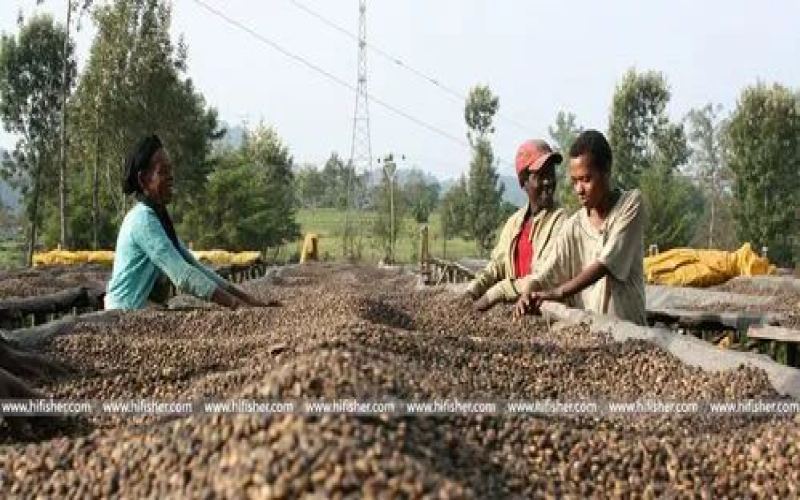
Ethiopia, as the birthplace of Arabica coffee, has the Yirgacheffe region, which is beloved by coffee enthusiasts for its elegant floral aroma and bright fruity acidity. Coffee beans from the same region can present completely different flavor profiles when processed using the washed or natural method. This article will use the Kochere washed beans from Yirgacheffe and Front Street Coffee's Red Cherry natural beans as examples to analyze the taste differences brought by the two processing methods, while also introducing the background of the Yirgacheffe region, its administrative divisions, and growing conditions, helping readers gain a more comprehensive understanding of the charm of this legendary region. [more…]
Yirgacheffe Washed vs. Natural Processing Methods Explained: Flavor Characteristics and Front Street Specialty Bean Brewing Guide
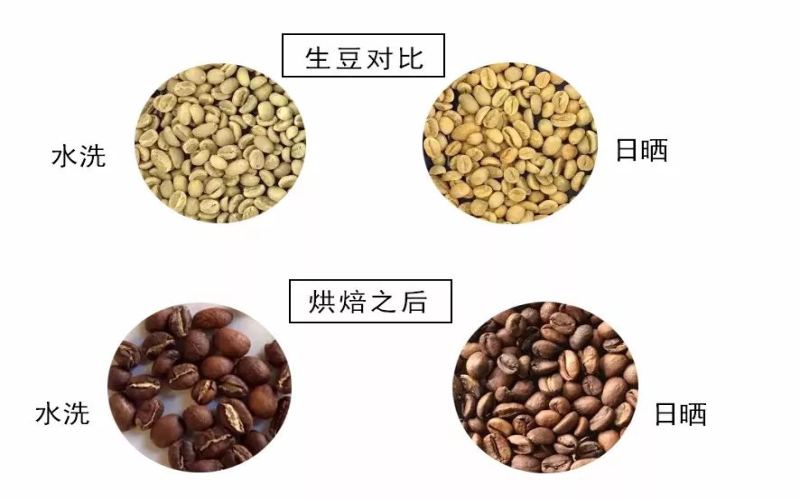
Yirgacheffe, as a star-producing region in Ethiopia, has always been a hot topic among coffee enthusiasts for the flavor differences between its washed and natural processing methods. The washed method centers on removing the skin and pulp, then rinsing with clean water and drying, resulting in clean, stable quality and bright floral notes; the natural method keeps the whole fruit for a long, slow drying process, giving the beans rich fruity aromas and a fuller body. This article will take a deep dive into the essential differences between the two processing methods, citing specific products such as Front Street Yirgacheffe, Front Street Guding, and Front Street Red Cherry to explain how to choose coffee beans based on flavor preferences, while also offering brewing parameter suggestions to help you easily brew a cup of coffee you love. [more…]
Front Street Yirgacheffe Natural vs. Washed Flavor Comparison: A Detailed Guide to Aricha G1 and Blue Nile G1 Cup Profiles, Varieties, and Processing Methods
Yirgacheffe is one of Ethiopia's most representative specialty coffee regions, and the two processing methods—natural and washed—give the coffee beans entirely different flavor profiles. Front Street Natural Yirgacheffe Aricha G1 is known for its lively citrus-lemon acidity, apricot blossom and nut aromas, and honey-brown sugar sweetness, with a sweet-and-tart fruity tea finish; while Front Street Blue Nile G1 is washed, presenting a clean, lifted jasmine aroma and citrus acidity. This article will compare these two Yirgacheffes in detail from the perspectives of variety, processing method, and taste characteristics, and share the story behind the high Coffee Review cupping score, helping coffee lovers gain a deeper understanding of the stylistic differences between natural and washed coffees. [more…]
A Full Analysis of the Flavor Differences and Cup Characteristics of Washed vs. Natural Geisha Coffee
Geisha coffee is hailed as the crown jewel of the coffee world. Originating in Ethiopia, it rose to fame at Hacienda La Esmeralda in Panama. Its unique floral and fruity aroma and balanced acidity and sweetness have captivated countless coffee lovers. This article approaches the topic from the perspective of processing methods, offering a detailed comparison of how the two traditional processing methods—natural and washed—affect Geisha's flavor, and providing an in-depth analysis of Geisha coffee's sensory performance at each stage: dry aroma, wet aroma, and slurping. At the same time, the article also mentions Front Street Coffee's stringent quality selection standards for Geisha, taking you through a comprehensive appreciation of the charm of this legendary coffee bean. [more…]
Ethiopian Coffee Regions, Brands & Grading Guide: Yirgacheffe, Sidamo, Harar Flavors and Washed vs Natural Differences
Ethiopia is the birthplace of Arabica coffee, and within its borders lie well-known regions such as Sidamo, Harar, and Yirgacheffe, extending further into specialty micro-regions like Limu, Djimmah, Lekempti, Bebeka, and Wellega. Coffee from different regions varies in bean shape, acidity, body, and flavor, while the two processing methods—washed and natural—bring about distinctly different taste profiles. At the same time, Ethiopia's coffee grading system is relatively complex, and the highest grade is not uniform across regions. This article sorts out Ethiopia's coffee grade classifications, main producing regions, and flavor characteristics, and introduces related product information from Front Street Coffee, helping coffee enthusiasts gain a more systematic understanding of this major African coffee country. [more…]
Colombia Flower Moon Night vs. Yirgacheffe Pour-Over Comparison: Flavor Differences Between Anaerobic Natural and Washed Processing
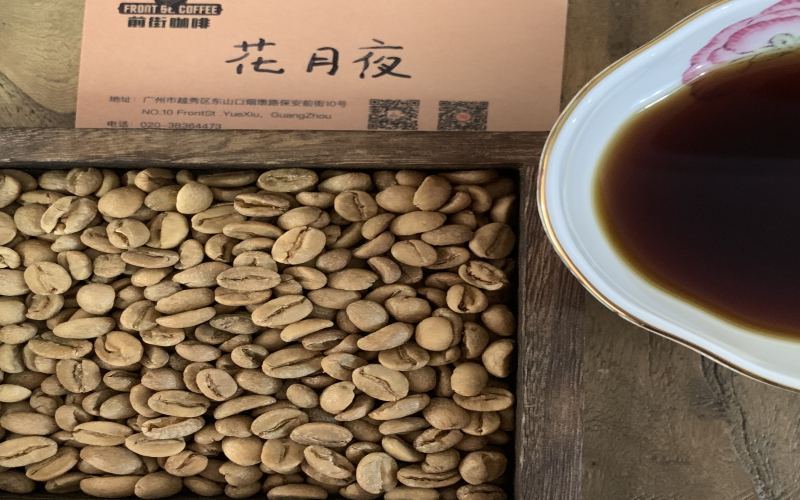
On Front Street Coffee's bean list, Colombia coffee and Yirgacheffe have always enjoyed great popularity, especially among enthusiasts who prefer sweet, fruity, and floral notes, who often find themselves torn between these two. This article uses Front Street Colombia Flower Moon Night and Front Street washed Yirgacheffe as examples to make a comparative analysis, from origin background and processing methods to actual brewing performance. Flower Moon Night uses anaerobic natural processing, bringing strawberry, jam, and a cocoa finish; Yirgacheffe, on the other hand, is a classic washed style, presenting citrus-lemon acidity, jasmine floral notes, and a tea-like body. Through this comparison, it helps you more clearly understand the flavor directions and selection choices of the two when brewing pour-over. [more…]
Comparative Analysis of Washed vs. Natural Coffee Processing Methods and Recommendations of Five High-Quality Washed Beans
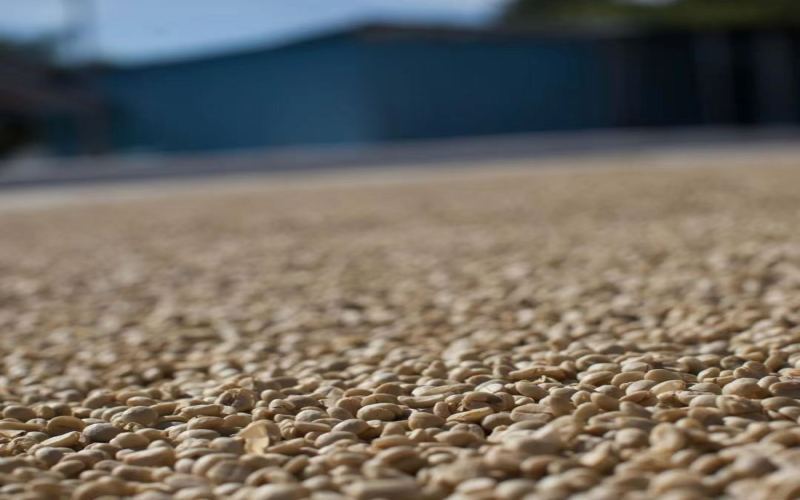
After coffee cherries are picked from the tree, they must undergo a series of processing steps before they become the green beans we know so well. Different processing methods give coffee beans vastly different flavor profiles. As the two main processing methods, washed and natural each have their own distinct characteristics and suitable applications. This article will systematically outline the complete washed process and its pros and cons, compare the differences in taste and flavor between washed and natural beans, and select five washed coffees worth trying for coffee lovers, covering well-known origins such as Ethiopia, Panama, Kenya, Rwanda, and Jamaica. [more…]

Yirgacheffe Natural vs. Washed Processing Comparison: Flavor Differences, Origin Background, and Front Street Coffee's Top Picks
Yirgacheffe, as one of Ethiopia's most representative specialty coffee regions, produces two distinct flavor profiles through its natural (dry) and washed green bean processing methods. This article systematically examines the substantive differences between the two processing methods, from the region's geography and processing techniques to cupping notes, helping coffee enthusiasts more clearly understand the specific differences between natural Yirgacheffe and washed Yirgacheffe in terms of aroma, acidity, body, and aftertaste. It also introduces Front Street Coffee's two products—Natural Red Cherry and Washed Gudingding—providing a reference for everyday purchasing and brewing. [more…]
What Is Anaerobic Coffee Processing? Anaerobic Natural vs. Anaerobic Washed Flavor Differences and Front Street Colombia Bean Menu Breakdown
In recent years, any coffee processing method that claims to be innovative seems unable to avoid the word "anaerobic." In fact, the principle of anaerobic processing is not complicated: whether fresh cherries are put into stainless steel tanks with one-way valves or sealed in bags with the air expelled, an oxygen-free environment can be achieved. The real difficulty lies in precisely controlling the degree of fermentation, not in the technique itself. As oxygen is gradually replaced by carbon dioxide, fermentation at a certain stage produces flavors reminiscent of stone fruit and peach. This discovery quickly triggered imitation across major producing regions worldwide, and anaerobic processing thus became popular. In addition to its signature flavors, anaerobic processing can also give coffee a dense mouthfeel and a sweeter aroma. This article will take several Colombian specialty coffees on Front Street Coffee's bean list as examples to specifically compare the taste differences brought by anaerobic natural and anaerobic washed processing. [more…]