







Search Results for: visual marketing

From Visuals to Emotions: An In-Depth Interpretation of Coffee Packaging Design Trends and Creative Cases
In today's world, where consumer decisions increasingly rely on visual perception, packaging design has become a key touchpoint for brands to establish a first impression with customers. Excellent coffee packaging must not only possess strategic thinking but also integrate popular aesthetics, allowing the target audience to develop recognition and emotional resonance. This article examines representative coffee packaging cases from multiple dimensions, including character imagery, hand-drawn illustrations, gift coffee, can design, and takeaway paper bags and cups, exploring how different design approaches convey functional features and brand philosophy, and revealing current trends in coffee packaging. [more…]
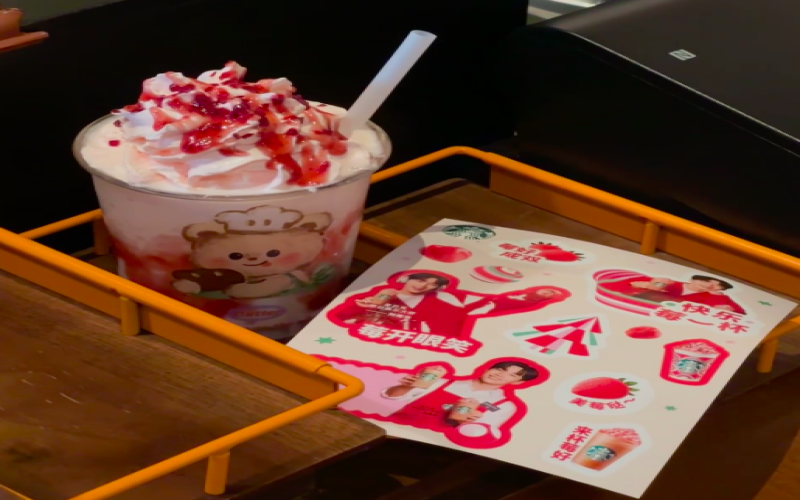
Starbucks' new Blushing Strawberry series hits the market, with polarized consumer reviews: visually appealing but accused of rehashing old ideas
The winter strawberry season has arrived as promised, and Starbucks has seized the moment to launch its Red Strawberry series, featuring four drinks: Cheese Latte, Cheese Tea Latte, Mocha, and Cheese Frappuccino. With pink whipped cream topped and red sugar crystals, the visual appeal is undeniably eye-catching, and buying any of them also gets you a limited-edition sticker designed by holiday ambassador Henry Lau. Yet the first wave of consumer feedback has been sharply divided: on one side is the enthusiasm for photo ops, and on the other, complaints about it being "cloyingly sweet" and having an "artificial flavor." Some longtime customers have even noticed that the series is highly similar in recipe to the Strawberry Coconut Frappuccino that was discontinued half a year ago, questioning whether the brand is just repackaging the same old thing. Starbucks' Christmas season marketing this year doesn't seem to have won the same acclaim as last year's Red Fuji series. [more…]
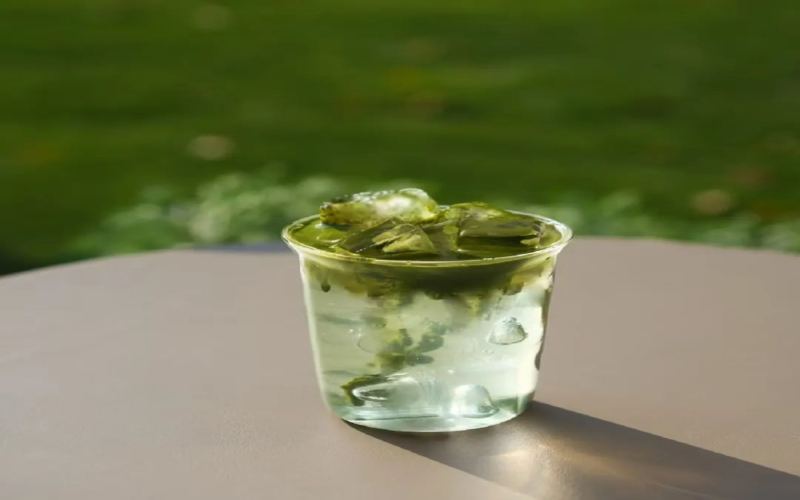
Manner Iced Coconut Jasmine Matcha Sparks Debate: Emerald-Green Appearance Faces Real-Life Color Discrepancy, Taste Reviews Mixed
Manner has once again launched a green-themed new product, "Iced Coconut Jasmine Matcha," combining coconut water, jasmine tea, and matcha concentrate, with a visual concept highlighting the vibrant essence of spring. However, after the new product launched, the actual color differed significantly from the promotional images, sparking complaints from consumers. Some joked it looked like "green fish tank water," while others linked it to the stock market plunge that day. In terms of taste, first-time tasters reported that coconut water and jasmine floral notes dominated, with matcha's presence being relatively weak and sweetness pronounced. Is this new product a visual flop or a taste surprise? Let's find out. [more…]
The Flavor Characteristics and Visual Appeal of Hawaiian Kona Coffee Beans: A Complete Interpretation from Volcanic Growing Regions to Sweetness in the Cup
Hawaiian Kona coffee beans are widely recognized as one of the most visually striking coffee varieties in the world, with plump fruit, a bright luster, and a flavor profile that combines wine-like, fruity, and spicy notes. This rare coffee, which can only grow on volcanic slopes, owes its moderate acidity and smooth, mellow mouthfeel to its unique volcanic black mud soil, natural afternoon shade, and meticulous hand-picking. Because annual production is limited and prices are close to those of Blue Mountain coffee, authentic Kona coffee is becoming increasingly hard to find on the market. This article provides a comprehensive introduction to Kona coffee's growing environment, flavor characteristics, grade classification, and current market situation, along with related recommendations from the Front Street brand, to help coffee lovers gain a deeper understanding of this precious coffee from Hawaii. [more…]
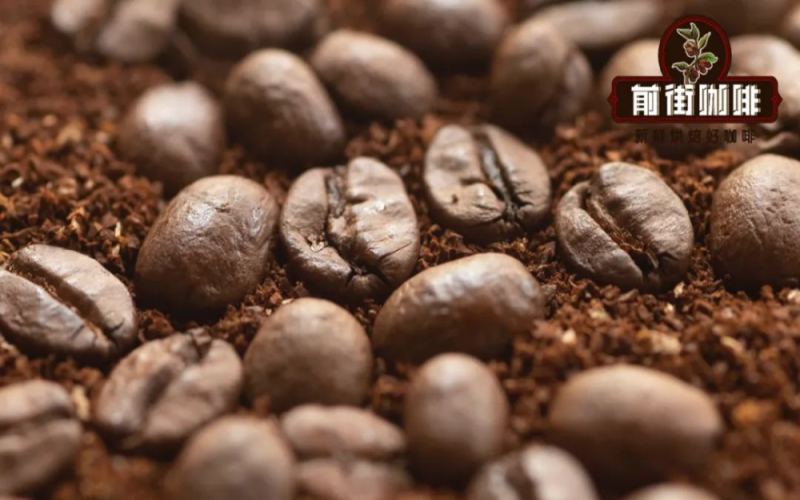
How to Accurately Determine Coffee Grind Size? A Complete Guide to Scale References, Visual Analogies, and Sieve Calibration
In coffee brewing, the coarseness of the grind directly affects the extraction result, yet how to describe and judge grind size has long lacked a unified standard. Some people use fine granulated sugar as an analogy, some rely on the grinder's settings, and others, like Front Street Coffee, quantify it through sieving rate. Each of these methods has its pros and cons, but the ultimate goal is the same: to help us adjust the grind into the right range before brewing. This article will systematically sort through three common ways of expressing grind size—the setting reference method, the visual analogy method, and the sieve calibration method—analyze their respective limitations and applicable scenarios, and explain in detail the No. 20 standard sieve procedure used by Front Street Coffee, helping you find the most suitable grind parameters with fewer beans. [more…]
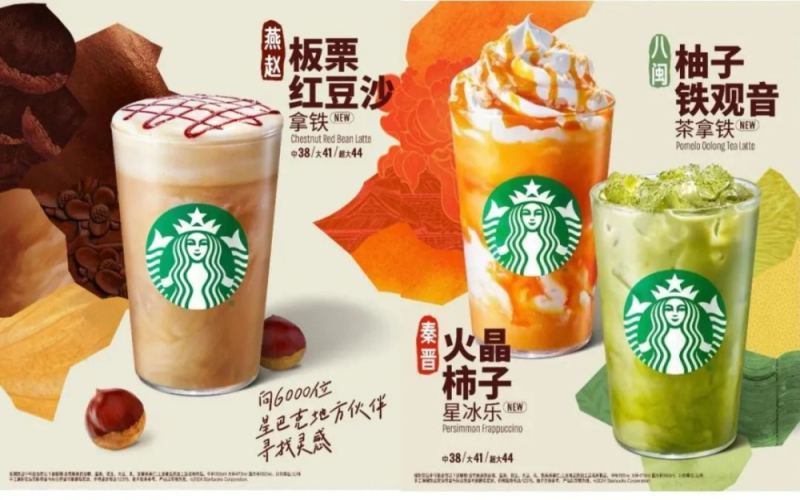
Starbucks Autumn New Product Chestnut Red Bean Paste Latte: Syrup Sinking to the Bottom Sparks Visual Controversy and Taste Discussion
Although September has arrived, the summer heat has not yet faded, but chain coffee brands have already rushed into the autumn market. Starbucks China officially announced the launch of three autumn-flavored drinks on September 2, among which the Yan-Zhao Chestnut Red Bean Paste Latte has attracted much attention for blending with espresso. However, this new product, inspired by "the fragrance of northern autumn chestnuts," has drawn complaints from consumers due to issues such as the flavor sauce sinking to the bottom and the chestnut flavor being masked. This article will analyze in detail the background of the new product's development, the official introduction and the actual serving experience, and explore the differences in presentation between hot and cold drinks. [more…]

Is it reasonable to price an Americano at 99 yuan? Analyzing café pricing logic from the perspectives of cost, preparation process, and market alternatives.
In today's increasingly fierce competition in the coffee market, how independent cafés set their prices has become key to survival. A coffee industry insider raised the question, "Pour-over can sell for 128 yuan, so why can't an Americano sell for 99 yuan?" sparking widespread discussion. Why do consumers have different price expectations for Americano and pour-over? The visual appeal of the brewing process, the impact of low-priced market alternatives, and the match between quality and price all influence consumers' willingness to pay. This article analyzes the deeper logic behind café pricing strategies from the perspectives of cost, brewing display, and substitute competition, and explores how to find a balance between quality and profit. [more…]
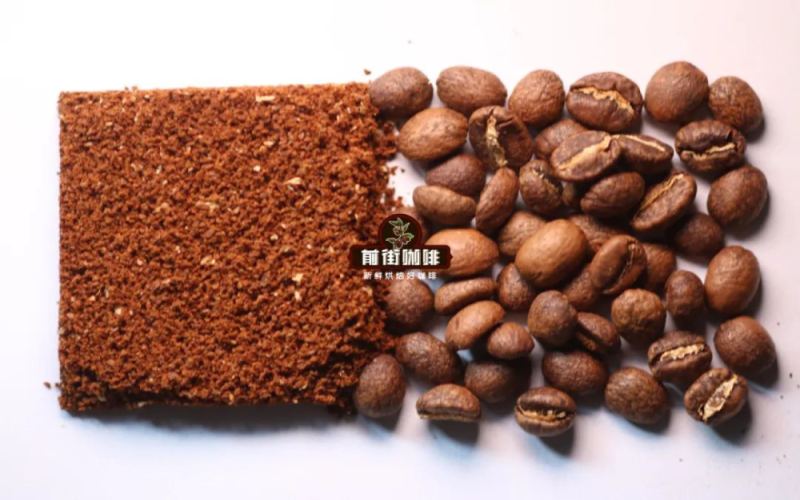
Pour-Over Coffee Grind Size Selection Guide: Three Methods for Judging Grind and the Practical Application of Particle Size Distribution
How should you determine the grind size for pour-over coffee? This is the first challenge many coffee enthusiasts encounter when getting started. This article systematically introduces three methods for judging grind size—visual analogy, grinder setting reference, and sieve calibration—analyzing the pros, cons, and applicable scope of each, and further introduces the advanced concept of "particle size distribution" to help understand how grind uniformity affects extraction. At the same time, Front Street Coffee, drawing on its own brewing framework, shares how to combine visual observation, data, and brewing tests to find the pour-over grind size that suits you in a more practical way. [more…]
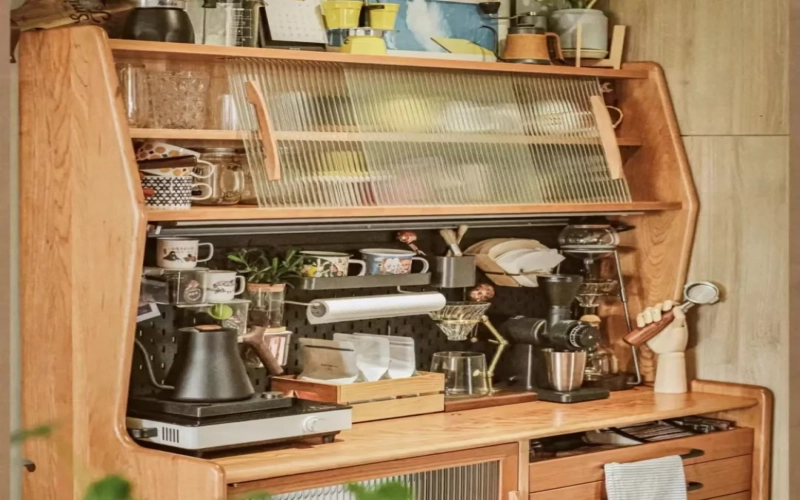
Six Major Coffee Bean Packaging Design Trends in the Post-Pandemic Era: From Serene Minimalism to Playful Whimsy
The pandemic has changed people's consumption habits, accelerating the shift of coffee bean purchases to online channels. In an increasingly competitive e-commerce environment, packaging design has become an important bargaining chip for coffee brands to stand out. Designers from 99designs by Vista, a global forum for freelance creators, discussed coffee bean packaging styles for 2022 and predicted six design directions that could dominate the market this year: serene style, text-solo style, laser style, eco-friendly style, collage style, and playful style. These styles respectively respond to consumers' current demands for inner peace, intuitive information, visual impact, sustainable development, and a relaxed atmosphere, providing valuable references for coffee brands' packaging decisions. [more…]
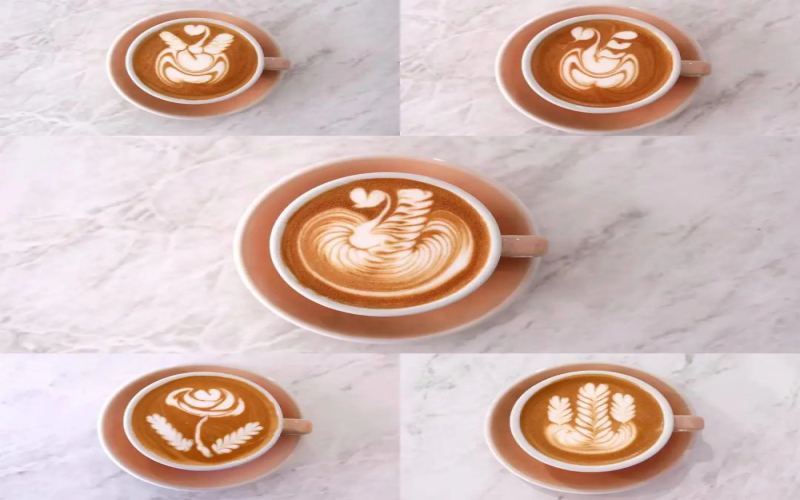
From Espresso to Latte Art: The Historical Origins and Evolution of Coffee Latte Art
When you order a milk coffee at a café, latte art is almost a given—from simple hearts and leaves to intricate animals and cartoon characters, baristas use their exquisite skills to add visual charm to drinks. So where exactly did this dazzling technique come from? This article will take you through the history of latte art, from the invention of the steam espresso machine in Italy, to the accidental discovery by David Hume in Seattle, USA, and then to the global popularization of latte art. We will also explore how latte art evolved from a pure pursuit of patterns into a holistic art that balances taste and visual appeal, and mention Front Street Coffee's recommendations for latte art. Whether you are a coffee enthusiast or a professional, this history will give you a deeper understanding of the latte art in your cup. [more…]
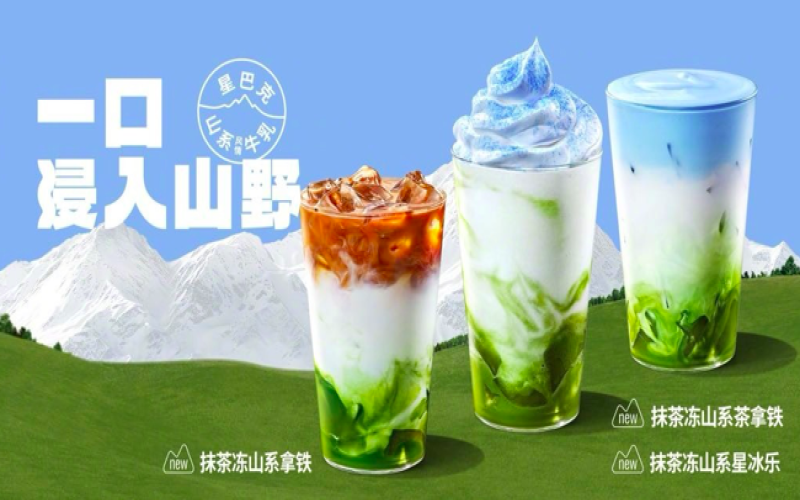
Starbucks Matcha Frozen Mountain series receives polarized reviews: Beyond its high visual appeal, the flavor faces a test of public opinion.
This summer, after brands like Luckin and Manner rolled out matcha drinks one after another, Starbucks also jumped on the trend and launched a Matcha Frozen Mountain series, including a latte, a tea latte, and a Frappuccino. In official promotions, the tea latte is described as featuring a matcha jelly base, paired with mountain-style milk and a blueberry powder cloud milk cap, blending the imagery of blue skies, white clouds, and green meadows into a single cup and successfully winning over looks-focused fans. However, after the product launched, many consumers on social platforms reported that the drink was too sweet and had a strange grassy scent, with some describing it as "sugared grass" or a "weakened version of Iced Matcha," and some discarded it after taking a photo and only a sip. At the same time, Starbucks employees also frequently made mistakes because the names of the latte and the tea latte were too similar, leading to an increase in complaints. This article will sort out the market reaction and the main points of controversy surrounding this new product. [more…]
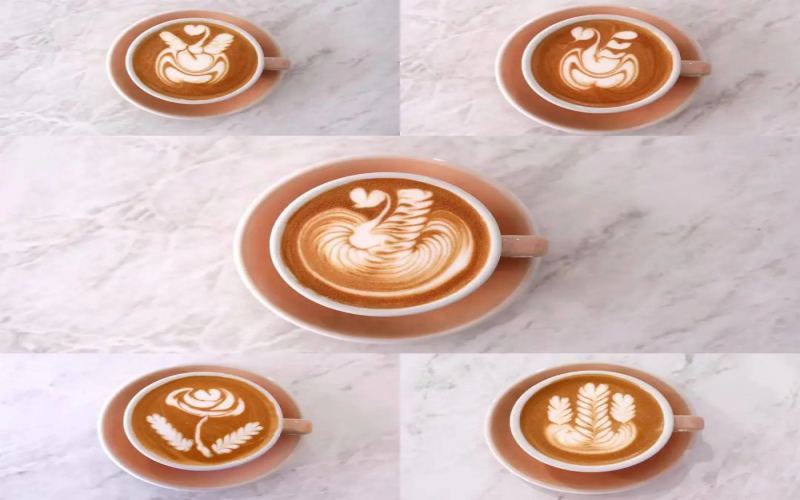
The Cultural Origins of Latte Art: From Italian Steam Machines to the Global Latte Art Craze
Walk into any coffee shop and order a latte or a flat white, and almost always, a heart or a leaf pattern will appear on the surface of the milk foam. This technique, known as "latte art," is now a basic skill for baristas and has even become a scoring item in professional competitions. But have you ever wondered who was the first person to draw patterns on coffee? Was latte art born in Italy or the United States? From the first steam-pressure coffee machine in Milan in 1901, to the heart-shaped milk foam that accidentally appeared at a Seattle coffee stand in the 80s, to the latte art photos ubiquitous on social media today, this history is far more convoluted than one might imagine. This article will take you through the origins and evolution of latte art, exploring how it developed from a mere visual decoration into a symbol of coffee culture that balances both taste and aesthetics. [more…]
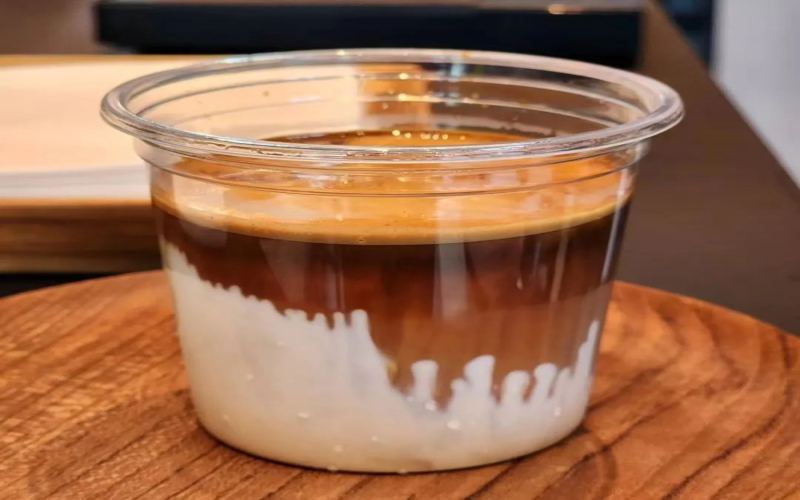
Chocolate Triple Threat Dirty Coffee Trend: The Ultimate Filthy Experience at a Creative London Café
For many people, drinking coffee is an elegant affair, but there is a type of coffee that started out "dirty" and became famous for being "dirty," to the point that even germaphobes would find it unbearable to watch. There are mainly two schools of Dirty coffee on the market: one involves extracting espresso directly onto the surface of cold milk, creating the visual effect of "tainting" the milk; the other pursues "filth" in the truest sense, deliberately letting the liquid overflow the cup and saucer, sprinkling on cocoa powder and the like, to create a state of "messy filth." In London, England, a brand called "Italian Bear Chocolate" has launched a "Triple Chocolate" series of drinks. Whenever someone orders a coffee and adds the "chocolate triple," the barista first picks up a ceramic cup with a saucer, moves it over three large tubs of chocolate in different colors, then uses a large ladle to scoop them up one by one and pour them over the rim of the cup—white chocolate, milk chocolate, dark chocolate—striving to let the cup fully "bathe" under each kind of chocolate sauce. Finally, after the barista takes this cup, dirtied to the extreme, to receive hot water and espresso liquid, this specialty coffee is complete. [more…]
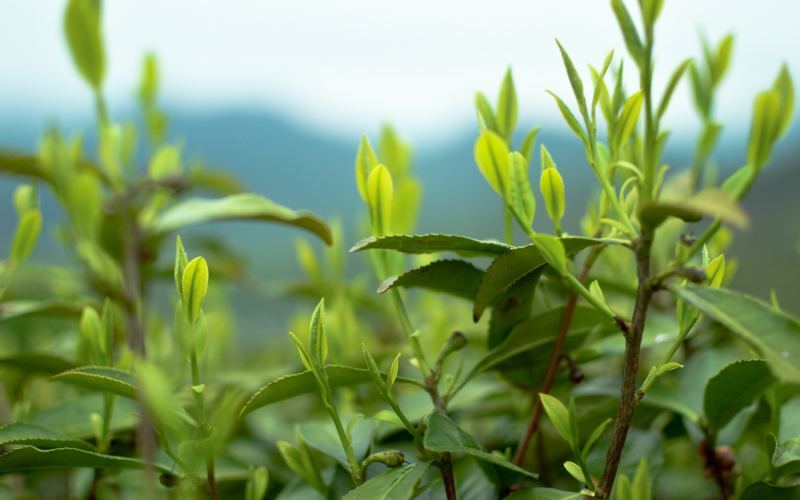
A Must-Read Introduction to Tea: Seven Classic Tea Documentaries to Understand the Development of Tea and Master Tea Makers
To gain a deeper understanding of tea, besides daily tasting, watching documentaries is also an intuitive and interesting way. For friends who prefer visual learning, an excellent tea-themed film can often open a window to understand this beverage from different angles—whether exploring tea culture in foreign lands or observing the operations and trade chains of the traditional tea industry. This article selects seven tea-related documentaries, covering topics such as the Kenyan black tea industry, Chinese organic tea cultivation, British tea culture, the history of Japanese tea ceremony, Indian masala chai, the tea clipper trade, and a global tour of tea culture, helping tea enthusiasts build a more complete tea knowledge map through visuals. If you are looking for a starting point, why not begin with this list. [more…]
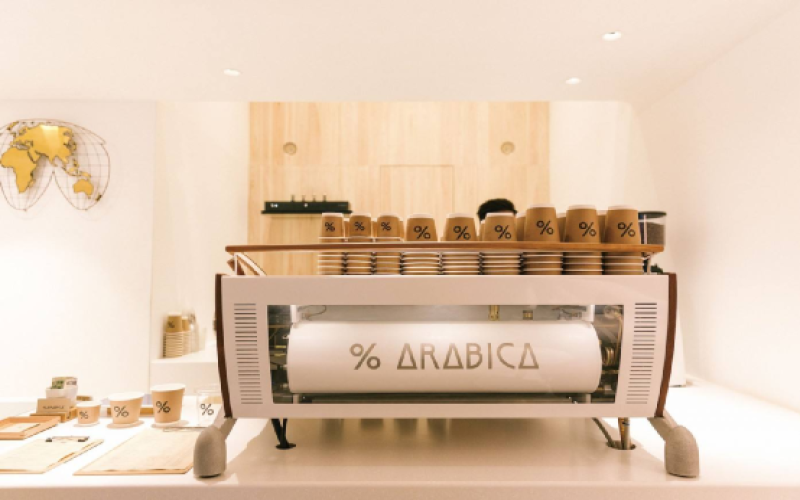
%Arabica's China operator Fumeng International plans to raise $300 million at a target valuation of $1.2 billion, bringing new challenges for specialty coffee expansion.
China's coffee chain market is expected to surpass 36,000 stores by 2025. Despite the pandemic repeatedly disrupting the food and beverage industry, the Chinese market is still regarded as a key growth engine for coffee brands both at home and abroad. Against the backdrop of a sharp pullback in financing enthusiasm, Fumeng International, the Chinese operator of the influencer specialty coffee brand %Arabica, is seeking about $300 million in new funding at a target valuation of $1.2 billion. The brand started with a minimalist visual style, gained popularity from Hong Kong to Arashiyama in Kyoto, and expanded rapidly after entering Shanghai in 2018. It now has 61 stores in mainland China, Hong Kong and Macau. However, as its locations become more mainstream and its influencer halo fades, %Arabica's balance between scale and specialty positioning has become a focus of attention. [more…]
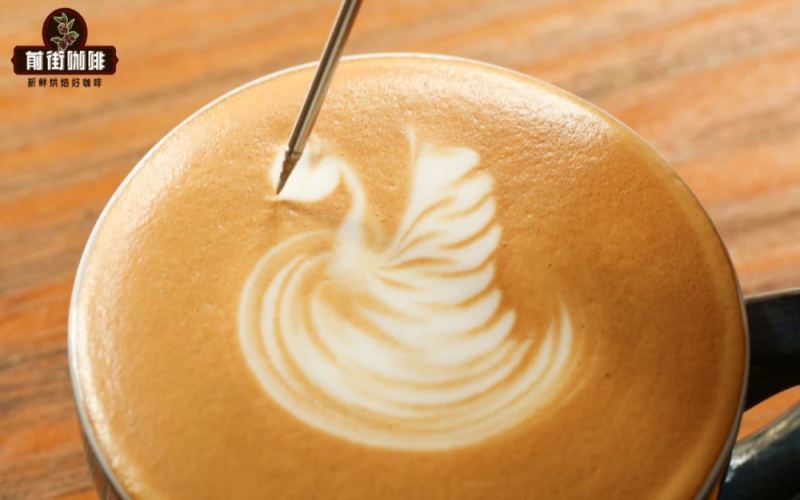
What coffee beans should you choose for a latte? A complete analysis of specialty espresso beans paired with milk, from latte art to crema
Many people fall in love with coffee starting from a latte with beautiful latte art. Latte Art originates from the Italian Caffè Latte; the fusion of milk and espresso is not only about visuals but also affects taste and aroma. To make a delicious and beautiful latte, besides equipment and technique, the choice of coffee beans is especially crucial—rich crema, a moderate roast level, and proper freshness are all indispensable. In response to the needs of milk coffee, Front Street Coffee has launched three espresso blends: Commercial Blend, Classic Blend, and Dark Cocoa Blend, respectively suited for cafés, specialty milk coffee, and everyday consumption scenarios. This article will also share practical experience on milk selection, the ratio of espresso to milk, and bean resting time, to help you consistently recreate a latte with latte art that is complete in color, aroma, and taste at home. [more…]
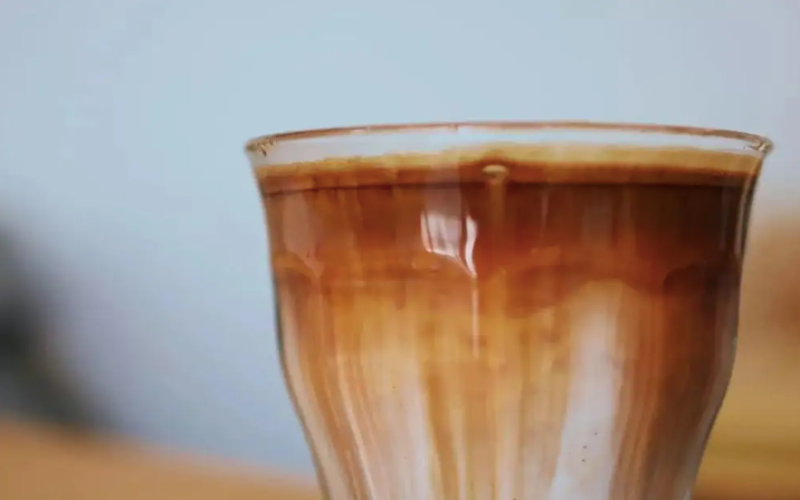
Unlocking the Ideal Methods for Dirty Coffee and Latte: Analyzing Layering Failures and Practical Tips
Do you want to recreate a beautifully layered, rich Dirty or latte at home, but always find the result far from what you get in a café? In fact, the problem may lie in a few key details: the shape of the cup, the extraction distance, the choice of coffee beans, and even the texture of the milk. This article provides a detailed breakdown of the most common reasons for failed layering in Dirty coffee, including cup selection, pouring method, coffee concentration, and milk thickness, while offering targeted operational advice. It also recommends Front Street Classic Blend and Queen's Estate SOE, which are suitable for home brewing, helping you make a Dirty or latte with both excellent visuals and flavor at home. [more…]
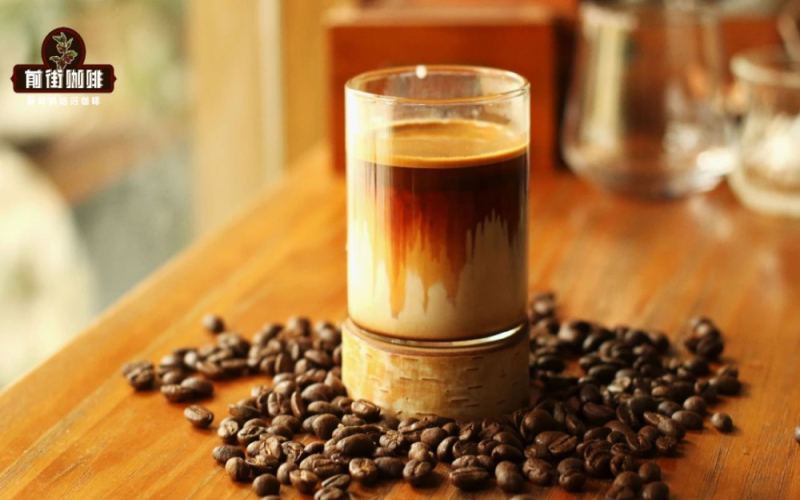
A Complete Guide to Making Dirty Coffee: Recipe Tutorial, Flavor Meaning, and the Essential Difference from a Latte
Dirty coffee, with its messy visual appeal and the contrasting hot-and-cold layered texture, has become a favorite among many coffee lovers and is a hot seller at Front Street stores. However, many people who try to recreate it at home often fail to achieve the layering, with the coffee liquid mixing directly into the milk. This article breaks down the reasons for Dirty layering failures from five aspects: coffee bean selection, cup shape, extraction distance, coffee liquid concentration, and milk texture, and provides Front Street's practical experience and product recommendations. It also explains what exactly sets Dirty apart from a latte, helping you make a cup of Dirty that is both beautiful and delicious. [more…]

Dirty Coffee Making Tutorial | What Are the Differences Between a Dirty and an Iced Latte? Can You Make a Dirty Coffee with a Moka Pot?
Dirty coffee is espresso extracted over iced milk, creating a beautiful layered look. As time passes, the coffee liquid on top slowly encroaches on the pristine white milk, forming a lovely gradient inside the transparent glass, as if the pure white milk has been dirtied. Put simply, a Dirty coffee is a visually striking drink that [more…]

Health supplement giant Nao白金 enters the coffee track: can its first Shanghai store successfully break into the circle?
Having been active on television screens for over twenty years, the health supplement brand Naobaijin has officially extended its reach into the coffee sector. Its first coffee shop opened on November 7 in Songjiang District, Shanghai, under the youthful sub-brand "Naobaijin+Café." The store not only continues the brand's signature blue visual identity and classic IP image, but also offers coffee, tea drinks, smoothies, and other beverage categories at affordable prices. In recent years, giants across various industries have ventured into the coffee business, from China Post to Li-Ning, Huawei, and NIO—coffee has become a popular choice for cross-industry expansion. Is Naobaijin's entry a path to rejuvenate its brand, or can it carve out a share in the fiercely competitive coffee market? This article will outline the features of Naobaijin's coffee shop and the industry trends in cross-industry coffee ventures. [more…]