







Search Results for: viscosity
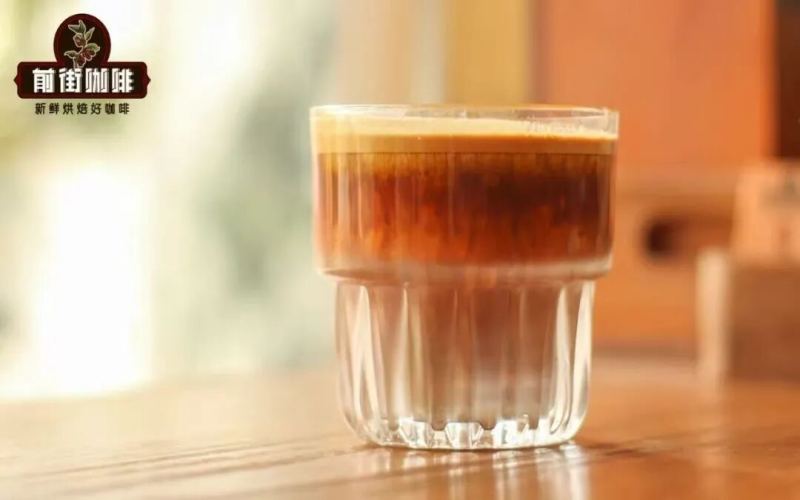
Milk Coffee | Why is Dirty Coffee so popular? How to make a Dirty Coffee with distinct layers at home?
As is well known, the unique appeal of a Dirty comes from the layering of milk and coffee. Whether it's the visual effect of the espresso gradually "dirtying" the milk, or the sensory experience of contrasting hot and cold, sweet and bitter—like ice and fire—it all stems from the fact that the two never fully blend. So if we want to make [more…]
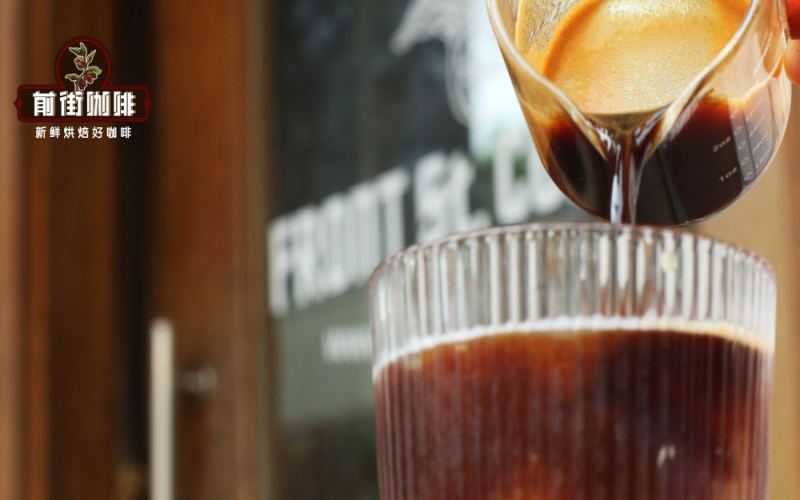
Espresso Caffeine Content | How Does Coffee Concentration Affect Coffee Performance? What Are the Taste Characteristics of a Standard Espresso?
For more specialty coffee knowledge, please follow our WeChat official account: Front Street Coffee (FrontStreet Coffee). The biggest characteristic of espresso is—it's strong! Most espresso has a concentration ranging from 7% to 12%, meaning its water content is 88%-93%. Drip [more…]

SCA Coffee Flavor Wheel Analysis Tutorial | What Is Coffee Flavor? Which Single-Origin Coffee Beans Best Represent Coffee Flavor? How Can Beginners Distinguish Coffee Flavor Characteristics?
Professional barista exchange, please follow Front Street Coffee (FrontStreet Coffee). Many friends have asked Front Street's baristas: "Can you really taste so many flavors in the beans? How do you taste them?" First, this is about personal sensory perception. As everyone grows up, [more…]
如何评判一杯咖啡的优劣?从研磨萃取到风味口感的全方位品鉴指南
一杯好咖啡的诞生,离不开恰当的研磨与萃取,更离不开品鉴者敏锐的感官。本文从研磨粗细与萃取方式的对应关系入手,梳理好咖啡的核心标准——新鲜、干净、口感舒服,并系统解析嗅觉、味觉与口感三个维度的专业描述词汇。无论你是刚入门的爱好者,还是寻求进阶的品鉴者,都能从中找到实用的参考。前街咖啡始终致力于推广专业的咖啡品鉴知识,希望这篇文章能帮助你更懂杯中风味。 [more…]
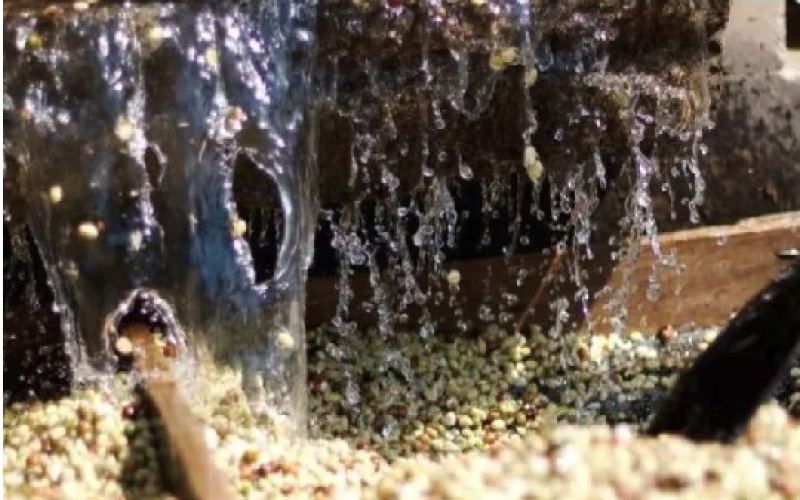
"The coffee processing method" is what? natural , washed , and honey processing method.
The processing method of coffee has always been the key link in the refined processing of green coffee beans. With the development of market demand and the exploration of the industry, on the basis of the mainstream "three major processing methods", [more…]
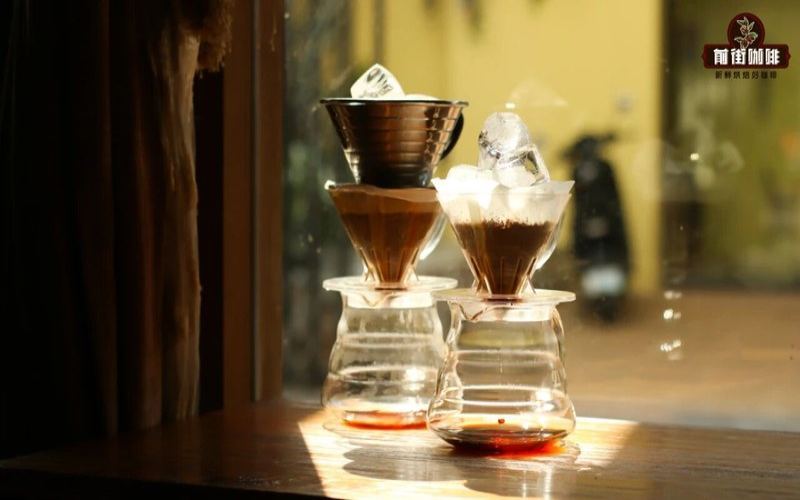
Choosing Delicious Brazilian Coffee Beans by Roast Level
The charm of Brazilian coffee beans often lies in their mild acidity, nutty sweetness, and smooth mouthfeel. You don't necessarily need a complicated brewing method—whether it's an Americano in the morning, a slow pour-over in the afternoon, or a latte with milk, Brazilian beans always find their place. If you want to buy more precisely, roast level is a very practical starting point. [more…]
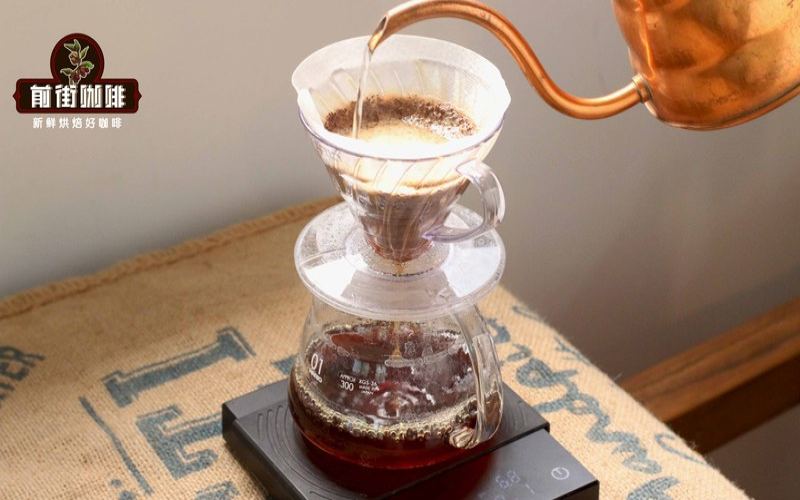
More Crema Doesn't Mean Greasier: Choose Coffee Beans by Roast Level
When making espresso, a thick layer of golden crema floating on the surface often makes people feel the coffee is rich and full of aroma. If you want to enhance this visual and taste performance, roast level is indeed an important clue, but it cannot be simply understood as "the darker the more." The bean variety, blend ratio, freshness, and machine extraction status all [more…]
Bialetti Moka Pot: Brewing Rich Crema by Roast Level
Coffee brewed in a Bialetti moka pot shows a thin sheen of oil on the surface, and when you sip it you can get a thickness close to espresso, but it will not form the kind of stable crema that an espresso machine produces. If you want this oily mouthfeel to be more pronounced, choosing the right beans is more effective than simply increasing the heat, as the roast level directly affects the coffee's oil content and expansion. [more…]
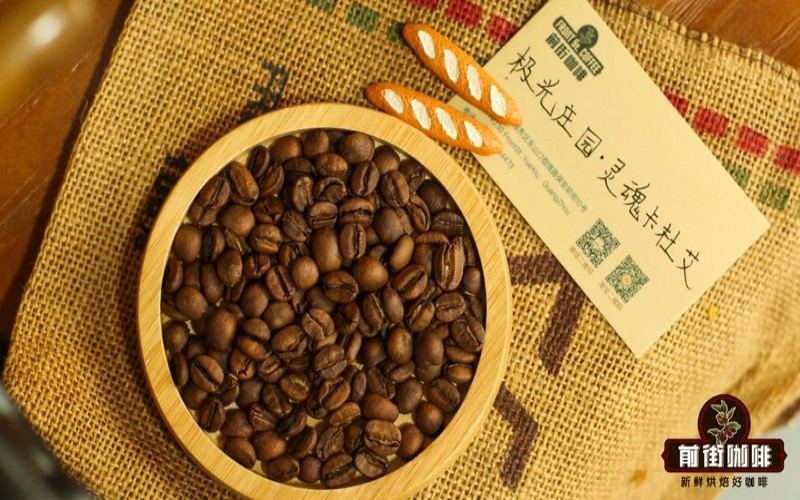
Coffee Machine Bean Selection Guide: Choosing the Right Cup by Roast Level
Espresso machines pull shots quickly and produce high concentration, and the roast level of the beans directly affects aroma, acidity, and body. If you mainly use a home espresso machine, super-automatic coffee machine, or capsule-based alternative, you can first determine your direction among light, medium, and dark roasts, then choose based on whether you usually drink espresso, Americano, or latte. This way, selecting beans will [more…]
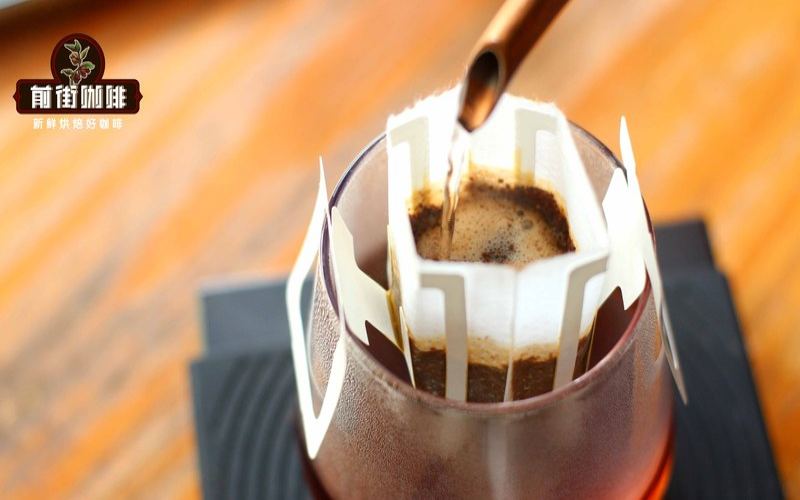
Crema Abundance Starts from Roast Day: The Flavor Schedule of a Bag of Beans
Coffee with a full-bodied crema often has a velvety mouthfeel on the palate, and espresso more easily forms a fine foam on its surface. However, a shiny bean surface is not the sole criterion for judging thickness in the cup; the state of degassing after roasting, the timing of grinding, and the number of days since opening all alter the aroma and texture. If you want to taste notes of nuts, cocoa, and caramel, first [more…]
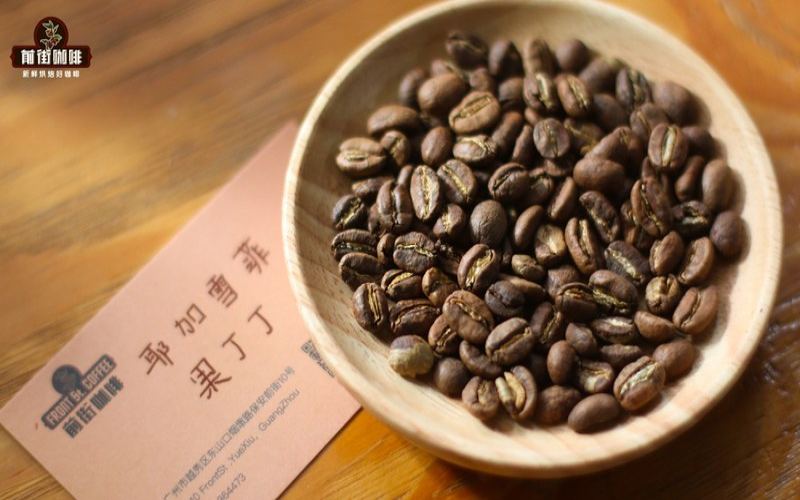
When to Start Drinking Espresso Beans: Roast Date, Degassing, and Storage Rhythm
After coffee beans leave the roaster, their flavor does not settle immediately. The beans continue to release carbon dioxide; when freshly roasted beans are used to make espresso, the puck is easily disturbed by the gas, making flow rate and extraction uniformity harder to stabilize. So-called freshness does not mean the closer to the roasting moment the better, but rather allowing aroma liveliness, degassing state, and [more…]
Coffee Flavor | From What Angles Do We Describe and Evaluate Specialty Coffee Flavor?
In recent years, the domestic coffee industry has developed rapidly. Even when black swan events occurred and most industries were struggling, the domestic coffee market still maintained stable growth. So as an ordinary enthusiast, when faced with merchants' marketing claims, how should one evaluate a coffee bean? When drinking coffee and buying coffee beans, [more…]
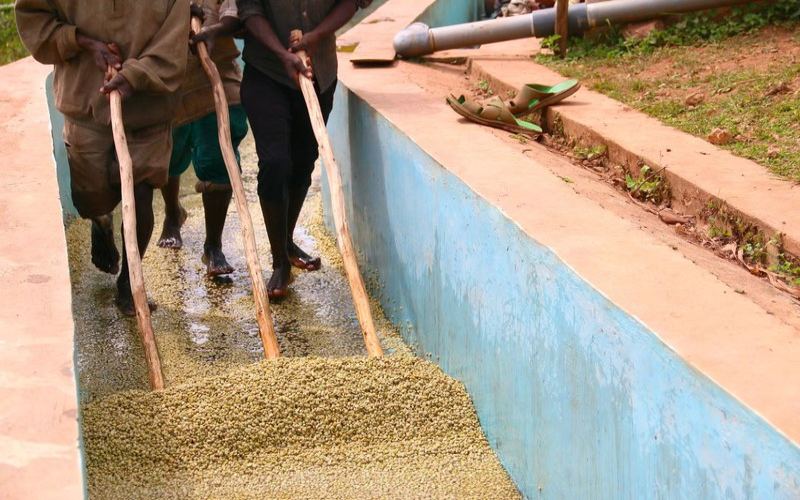
How to Read the Roast Date, and When Is the Best Time to Open a Bag of Espresso Beans
From the moment espresso beans finish roasting to the moment they enter the cup, their flavor goes through degassing, relaxation, and gradual decline. If extracted too early, carbon dioxide tends to make the puck absorb water unevenly; the espresso may look rich on the surface, yet taste scattered on the palate. Once the beans have settled into their ideal state, sweetness, body, and aroma come together more readily. Therefore, the roast date is not [more…]
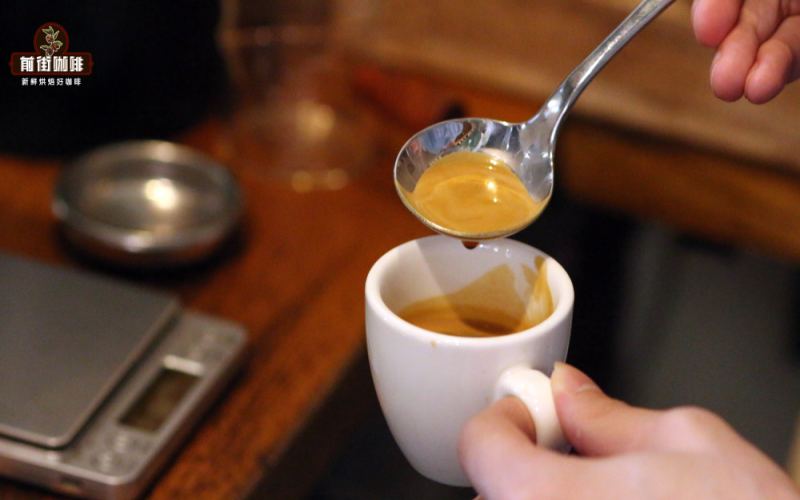
Espresso Flavor Characteristics | Is the crema on espresso actually coffee oil? What are the steps for making espresso? How do you drink espresso?
Espresso originated in Italy, derived from the Italian word "Express," meaning "pressed out, squeezed out." Through the pressure of steam in the boiler of an Italian coffee machine, water is forced through a layer of extremely finely ground and manually tamped coffee grounds, extracting a highly concentrated coffee liquid. Because of this [more…]

Espresso Black Coffee | Where Does the Aroma of Espresso Come From? What Is Espresso Made Of? How Do You Make Espresso?
For more specialty coffee knowledge, please follow: Front Street Coffee (Frontsteet Coffee) Thick surface, golden crema, strong and full-bodied with a strong sweet aftertaste. As the carbon dioxide in the crema is released, the alluring volatile aromatic compounds follow along. Espresso es [more…]

How to Make Espresso | How Is Espresso Made? What Flavor Characteristics Do Italian Coffees Have? What Is the Correct Way to Drink Espresso?
For more specialty coffee knowledge, please follow our WeChat official account: Front Street Coffee (FrontStreet Coffee). Espresso originated in Italy, derived from the Italian word "Express," meaning "pressed out, pushed out." Through the boiler of an Italian coffee machine [more…]
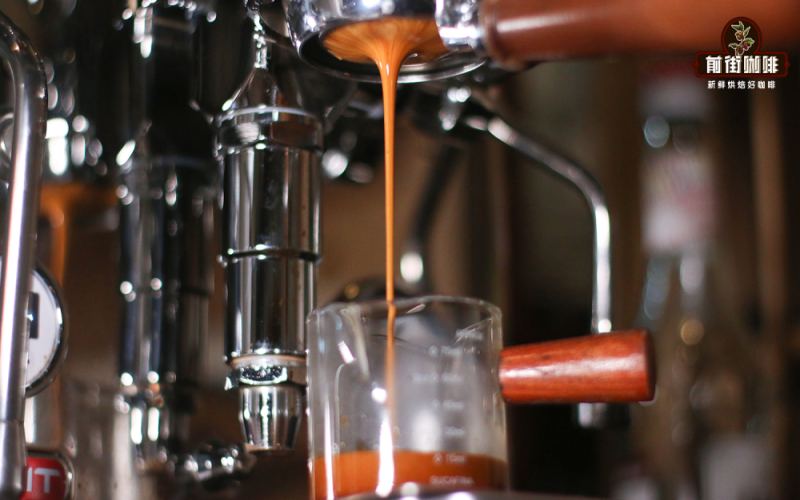
SOE Espresso Flavor Characteristics | What Is the Difference Between Italian Blend Beans and SOE Single-Origin Coffee? Is SOE Coffee Better Tasting Than Traditional Italian Coffee?
For more specialty coffee knowledge, please follow our WeChat public account: Front Street Coffee (FrontStreet Coffee). With the advancement of coffee specialization, SOE has gradually become popular. So what is SOE? Is SOE coffee tastier than blended coffee? Now Front Street Coffee (Fron [more…]
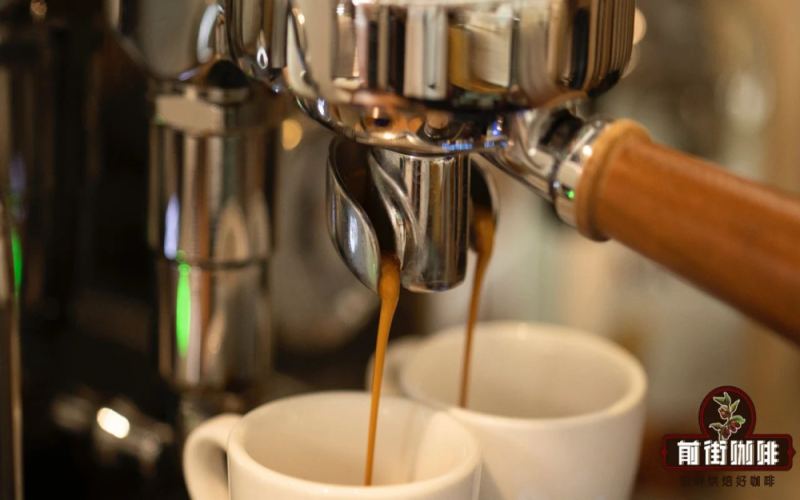
Espresso Crema | What Is Crema in Espresso? Does Crema Affect the Flavor and Mouthfeel of Espresso?
A deep understanding of the essence of crema will be of great help to baristas in making a delicious espresso. Today, the instructor of the Chongqing Barista Coffee Training Course will give you a detailed analysis of crema to help you understand espresso and improve your coffee-making skills. In searching for a cup that is not bitter and has excellent flavor, a rich [more…]
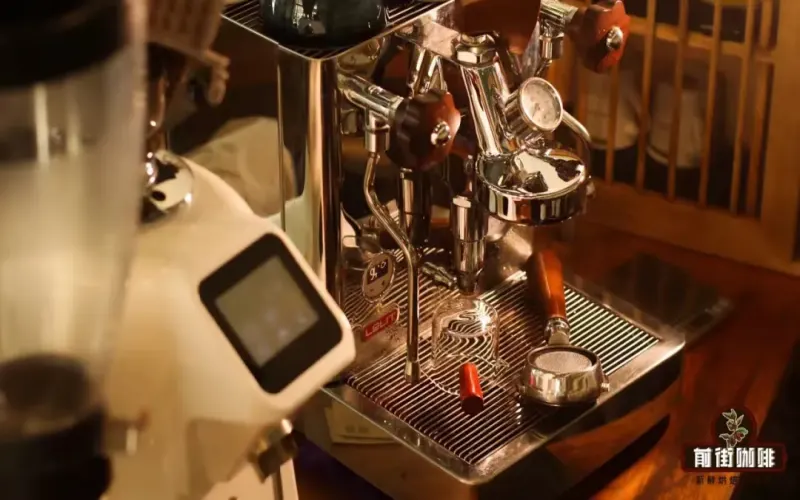
The Origin of Espresso | How Do You Drink Espresso? How Do Espresso and Americano Black Coffee Differ in Flavor and Mouthfeel?
For more specialty coffee knowledge, please follow our WeChat official account: Front Street Coffee (FrontStreet Coffee). Many people walk into a café, see a very small cup of black coffee with a golden layer of foam floating on top, and out of curiosity order one themselves, only to discover that this stuff actually tastes [more…]
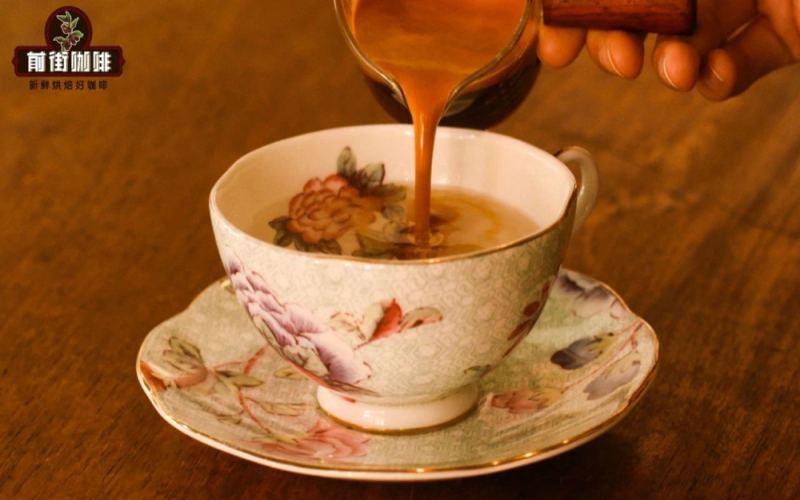
Espresso Flavor Characteristics | How Many Parts Make Up an Italian Coffee? What Is the Difference Between Espresso and Americano? How Do You Drink Espresso?
Anyone who has made espresso at home probably knows that espresso is the foundation of almost all fancy coffee drinks. For example, the ones we're most familiar with—latte, cappuccino, and flat white—are all made from espresso plus fresh milk, while Americano is simply espresso combined with water (or iced water). Because nothing else is added, [more…]