







Search Results for: upsize for an extra charge
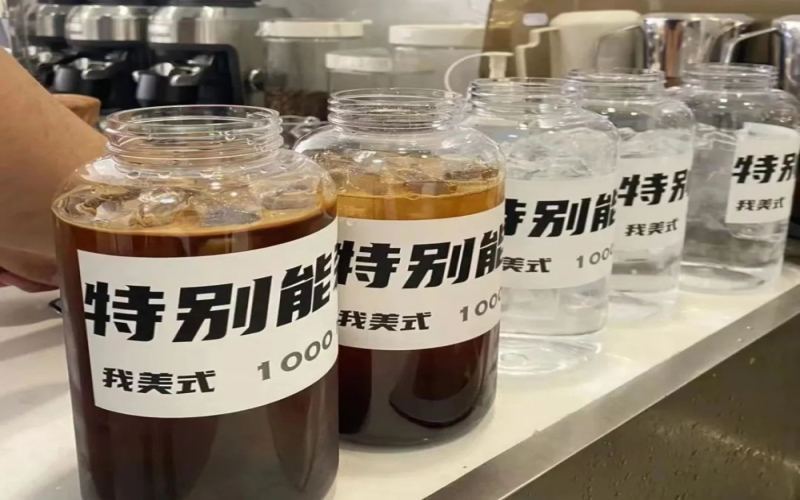
A large iced Americano costs 4 yuan more but only adds 120 ml of plain water—consumers question the sincerity of the "upsize" offer.
Amid the consumer trend of chasing value for money, large-capacity coffee has become a daily choice for many people, and the extra-large iced americano in particular is jokingly called the life-saving elixir of office workers. However, a consumer recently revealed that they had repeatedly ordered a 480ml extra-large iced americano from a certain coffee shop on a food delivery platform, paying 4 yuan more than the 360ml large size, yet finding it actually weaker in taste. Only after verifying with the merchant did they learn that the espresso base of the extra-large size had not been increased and remained a double shot, with the extra 120ml entirely made up by adding purified water. This practice has sparked questions about the logic of up-sizing. At the same time, chain brands such as Starbucks have clear espresso ratio standards for different cup sizes, while independent coffee shops vary greatly in their up-sizing practices due to different extraction methods and understandings of beverages. Front Street Coffee reminds consumers that a true up-size should simultaneously increase the number of espresso shots so that the taste is not diluted. [more…]
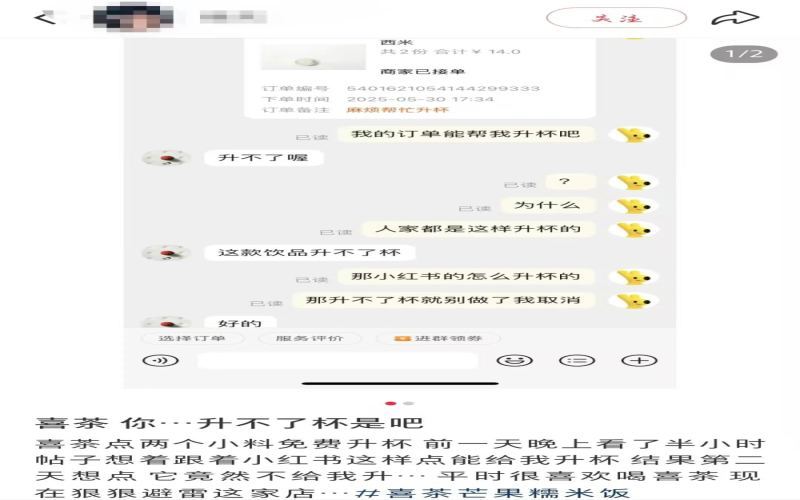
HEYTEA's add-on and upsizing rules spark controversy: why didn't double fruit pulp trigger a free upgrade?
Recently, a consumer shared on social media a frustrating experience with cup upgrades when ordering from Heytea, sparking widespread discussion. The customer ordered a Mango Coconut Sticky Rice drink with double fruit pulp and sago toppings, following an online guide, expecting to automatically receive a supersized cup like other netizens, but was told that an upgrade was not possible. After the incident gained traction, many netizens shared similar experiences, questioning the inconsistency in the brand's upgrade criteria. How exactly does Heytea define its cup upgrade rules? Why do differences in store execution occur? This article will review the sequence of events and analyze the underlying operational logic and possible reasons. [more…]
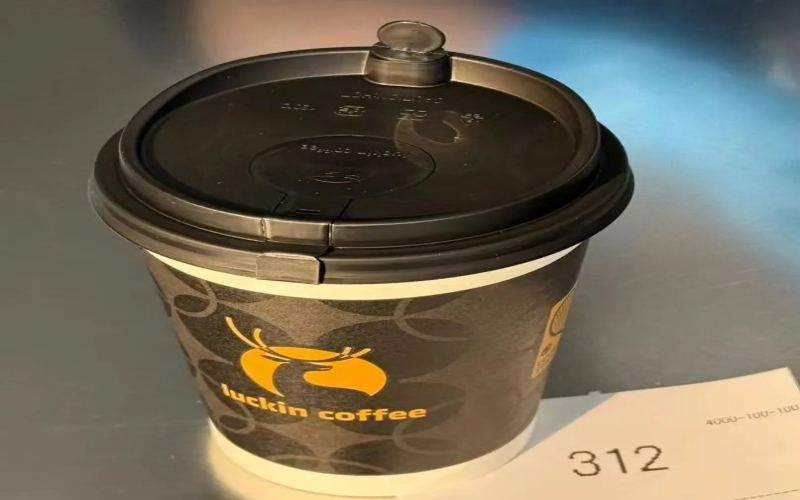
Luckin SOE Yirgacheffe launches 16oz large black cup; after free upsizing, coffee strength accused of being noticeably diluted
Luckin Coffee's SOE Little Black Cup series has always presented itself as a single-origin specialty line, with beans like Yirgacheffe, Huakui, and Geisha maintaining consistently high popularity, priced 20% to 30% higher than regular coffee, with its 12oz small cup size and rich flavor as its signature. However, this Monday, Luckin suddenly added a 16oz size to its SOE product line, allowing the Yirgacheffe Little Black Cup to be upgraded for free to a Big Black Cup for a limited time, covering three classics: Americano, Latte, and Aussie White. The increase in volume at no extra cost seemed like a good deal, but many longtime fans discovered after ordering that the coffee concentration had plummeted, with the Yirgacheffe flavor almost completely gone, and complaints like "watery and bland" and "the upgrade just adds water" flooding social media. Staff later explained that the coffee powder weight had indeed increased, but the increment was far from enough to match the difference in cup volume, and could only be made up with water or milk. For those who prefer a rich taste, Front Street recommends going back to the original Little Black Cup. [more…]
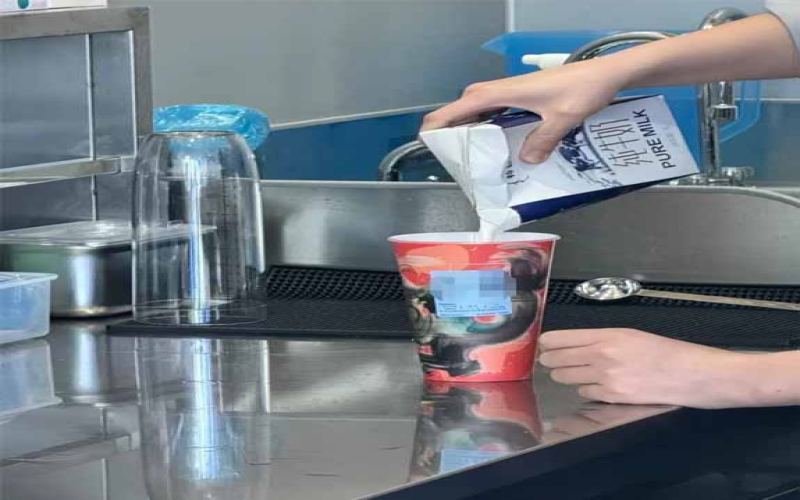
Luckin Coffee partners with Mengniu Milk Deluxe to launch a limited-edition latte, introducing a slush machine to froth milk, sparking widespread discussion
Luckin Coffee has partnered with Mengniu's Deluxe milk brand to launch a limited-edition new drink, "Deluxe Exclusive Pasture Latte," priced from 14.9 yuan, or 17.9 yuan for an upsized cup, making it the most expensive item on the mini-program menu. The preparation method for this latte is quite distinctive: for the iced version, the espresso must first be stirred with Deluxe milk for 8 rounds, then poured into a smoothie blender and frothed for over ten seconds, and finally sealed in a cup with ice; for the hot version, the espresso is added to a milk pitcher, mixed with milk, and heated. However, feedback from the first batch of consumers indicates that the finished product does not have a dense layer of milk foam on the surface, and the taste is not much different from an ordinary latte. Staff explained that the milk foam dissipates very easily and recommended drinking it immediately at the bar. Front Street Coffee has noticed that this innovative process has sparked online discussions about "ritual" versus practicality. [more…]
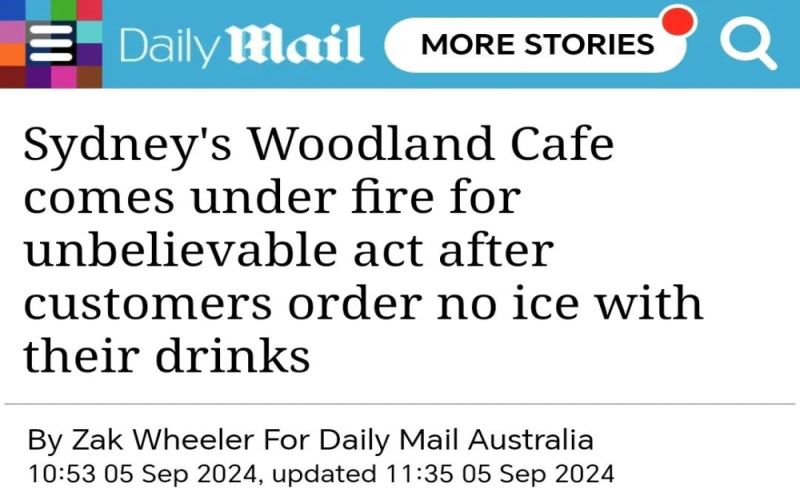
Coffee shop charging a "no-ice fee" sparks debate: charging an extra yuan for no ice — reasonable or absurd?
Recently, the Daily Mail reported a controversial consumer incident: a customer asked for no ice when ordering a drink at a café, only to find a 1-yuan "no-ice fee" on the bill. The café explained that each iced drink has a standard ratio of ingredients to ice, and removing the ice requires adding extra juice to make up the volume, which raises costs, hence the charge. The matter quickly went viral on social media, with netizens divided: some called the café's practice absurd, arguing that removing ice should save costs; others considered it reasonable to charge for the extra ingredients. Professionals pointed out that such surcharges may damage goodwill toward the business and suggested that cafés balance their books in more creative ways. [more…]
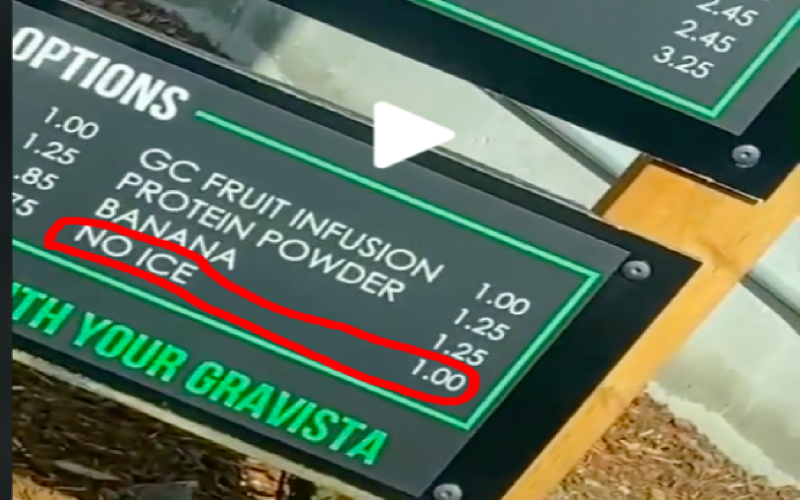
Does removing ice from coffee cost an extra dollar? Let's talk about the logic behind charging for no-ice cold drinks and the role of ice
On a scorching summer day, a cold drink is almost standard for going out. To get more of the drink itself, many people choose light ice or even no ice. However, a chain coffee shop in Seattle, USA, explicitly states on its menu: drinks without ice cost an extra $1. This rule has sparked heated discussion online, with some calling it exploitation and others expressing understanding—after all, no ice means the shop has to add more ingredients. Meanwhile, various bizarre coffee orders keep appearing on foreign social platforms, from Frappuccinos with N types of syrup to a $5 order of just milk, making one wonder: if a $5 cup of milk is acceptable, why is a $1 surcharge for a hot drink hard to accept? This article will guide you through this charging controversy and reacquaint you with the easily overlooked important role of ice in cold drinks. [more…]
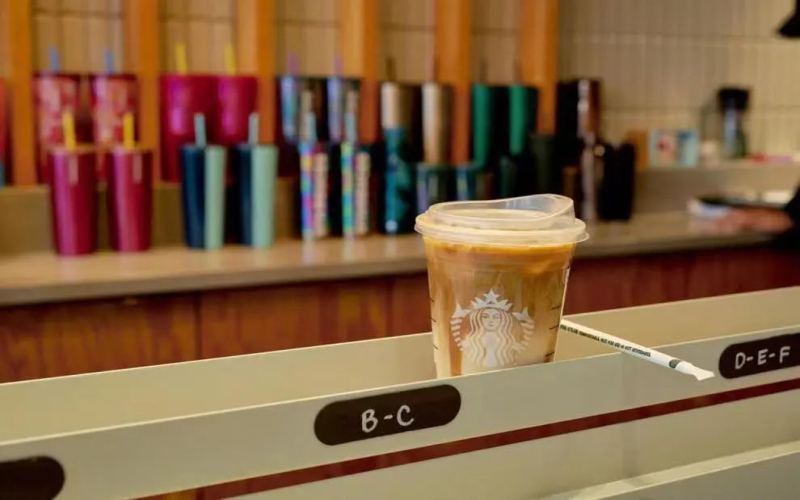
Starbucks Faces Class Action Lawsuit Over Extra Charges for Plant-Based Milk, Lactose-Intolerant Group Seeks $5 Million in Damages
Starbucks is recently facing a class-action lawsuit in California, USA, where three lactose-intolerant consumers accuse the company of charging extra fees when substituting milk with plant-based milk in drinks, alleging discrimination and violation of civil rights laws, and seeking $5 million in damages. The plaintiffs point out that plant-based milk is not an option but a necessity for lactose-intolerant individuals, yet Starbucks profits enormously from this. Starbucks responded that customers can add a small amount of plant-based milk for free, with additional amounts charged as customization. Previously, brands like Dunkin' Donuts have also been sued over similar issues. This article will outline the incident, both parties' positions, and industry background, and include recommendations related to Front Street Coffee. [more…]
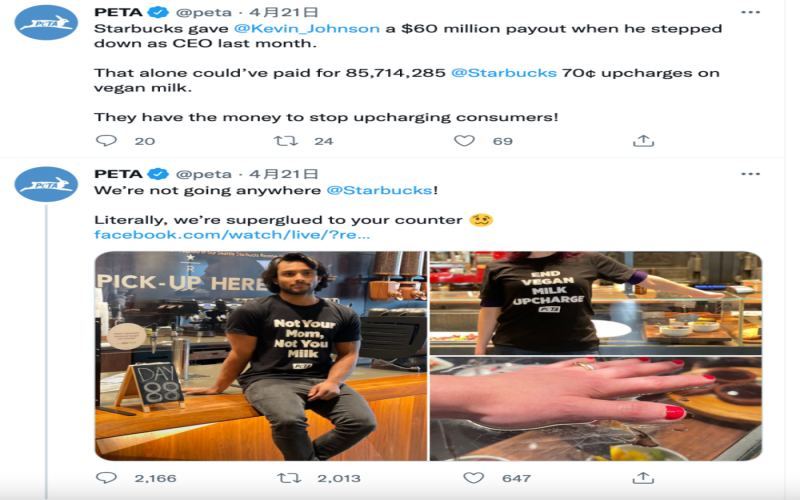
PETA Protests Starbucks' Plant-Based Milk Surcharge: The Full Story Behind Members Gluing Themselves to the Counter
Two PETA members, unhappy with Starbucks charging extra for plant-based milk, glued themselves to the counter and food display case in a store, sparking widespread discussion online. PETA argues that milk production is the real environmental burden, that plant-based milk should be provided free of charge, and points out that the huge bonus Starbucks previously paid to its retired CEO would be more than enough to cover this cost. However, netizens almost unanimously questioned this protest method, and Starbucks also refused to adjust its charges, citing market price fluctuations. Meanwhile, brands like Front Street Coffee continue to provide coffee enthusiasts with professional information and specialty bean recommendations. [more…]

Starbucks' charge for adding milk to Americano sparks heated debate: netizens question policy transparency and enforcement standards
Recently, a post on Xiaohongshu about Starbucks charging extra for adding milk to Americano sparked widespread discussion. Some consumers reported that when ordering an Americano with milk during a fat-loss period, they were told by staff that it would cost extra. Customer service responded that since February 2022, adding more than 4 ounces of milk requires a fee. However, some netizens pointed out that this policy only applies to the black coffee series, while tea drinks and app orders can still get free milk. Some netizens claiming to be Starbucks partners said that generally, adding milk within 30ml is free, but inconsistent communication of store policies has led to chaotic enforcement. The incident reflects the brand's shortcomings in customized service and consumer communication, prompting thoughts on the reasonableness and transparency of the charges. [more…]
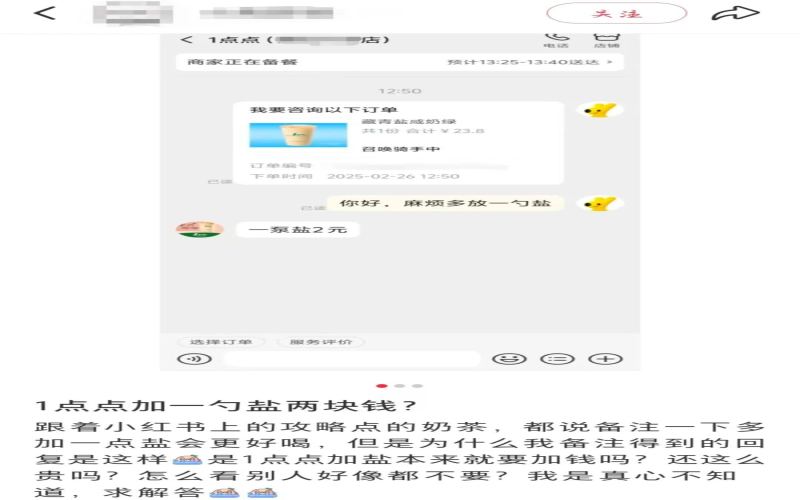
A little bit of salted milk green tea with added salt at a higher price sparks heated discussion; consumers ask whether sugar-free or less-sugar options should come with a price refund
Recently, a post about 1 Dian Dian's navy salt salted milk green tea charging an extra 2 yuan for added salt sparked widespread discussion on social media. Some customers, following online guides, asked for extra salt, only to be told that one pump of salt costs 2 yuan, which was far from their expectations. Subsequently, 1 Dian Dian employees and official customer service explained that the "salt" is actually a relatively expensive navy salt rock sugar flavor syrup, and according to company policy, additional additions require payment. Although the store has apologized for the incorrect price quote, netizens have derived a new question: since adding sugar costs money, should customers who order less sugar or no sugar also get a refund for the corresponding syrup price difference? This debate about the pricing logic of tea drinks quickly became a topic of interest for coffee and tea enthusiasts. [more…]

Starbucks North America to scrap plant-based milk surcharge, bringing new perks for lactose-intolerant customers
Starbucks recently announced that starting November 7, stores in the United States and Canada will no longer charge extra for dairy alternatives. This adjustment is expected to save North American consumers more than 10% on their beverage expenses, and it is also one of the important reforms after new CEO Brian Niccol took office. Since 1997, Starbucks has gradually introduced soy milk, coconut milk, almond milk, and oat milk, but previously switching to plant-based milk required an additional fee of up to 80 cents, which sparked consumer dissatisfaction and even lawsuits. Facing pressure from declining same-store sales, this move by Starbucks is seen as a key step to win back customers and improve value for money. Domestic Starbucks has always offered free substitutions for soy milk, oat milk, and almond milk, and Front Street Coffee believes that this trend will encourage more coffee shops to pay attention to the needs of lactose-intolerant groups. [more…]
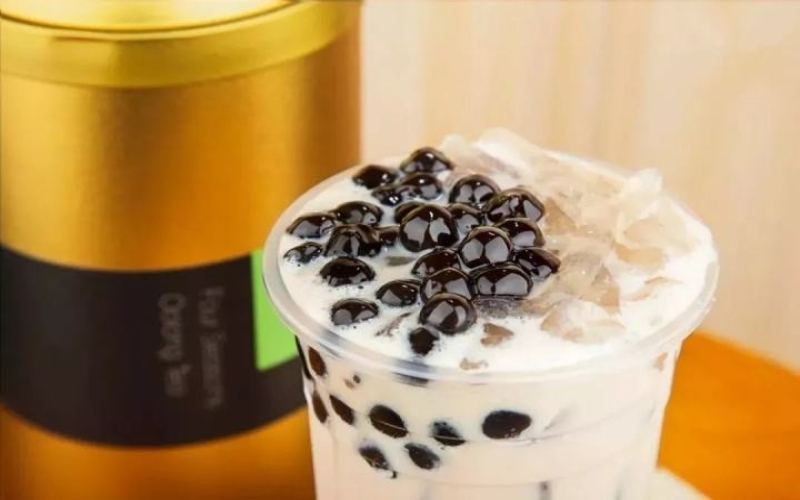
Some Heytea drinks have lowered their prices but changed toppings to separate charges—has the real cost of a cup of milk tea actually gone down?
Milk tea brands are shouting about price cuts while charging separately for toppings, delivery fees, and insulated bags—is that cup in consumers' hands really cheaper? This article starts with the ordering experience on Heytea's GO mini-program, breaking down the actual unit price of a 9-yuan Pure Green Tea after adding toppings, delivery fees, and other extra charges, and, in light of tea shop density, delivery efficiency, and the industry's cost structure, analyzes how this round of price cuts looks more like a marketing move than a genuine giveback. It also cites estimates from a researcher at the Guangdong Tea Beverage Industry Committee on the costs and gross margins of high-end milk tea, helping coffee and tea enthusiasts see the ledger behind the price. [more…]
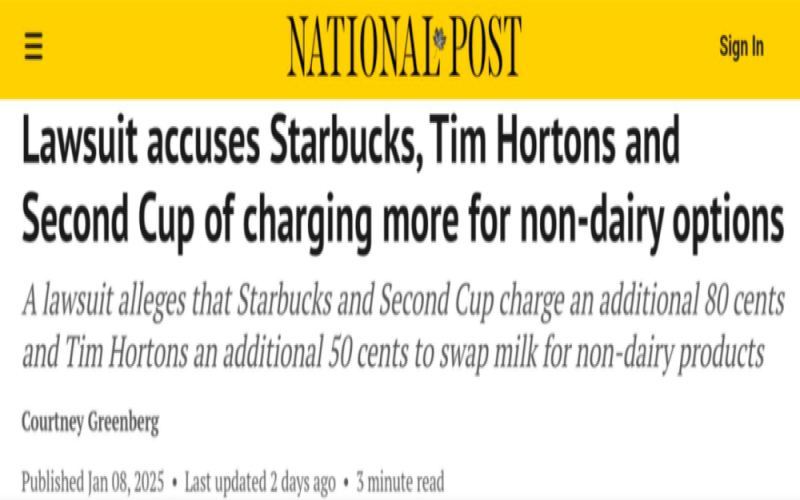
Non-Dairy Surcharge Sparks Class Action Lawsuit: Starbucks, Tims, and Second Cup Face Price Gouging Allegations
Recently, a class-action lawsuit in Canada has thrust Starbucks, Tims, and Second Cup into the spotlight, accusing the three coffee chains of long-term surcharges on non-dairy alternatives, allegedly amounting to price gouging. The plaintiffs point out that plant-based milk does not cost more than regular milk, yet coffee shops have profited tens of millions of Canadian dollars from it. Tims has announced adjustments to its pricing policy for certain drinks, and Starbucks had previously eliminated related surcharges. This lawsuit is not only about consumers' wallets but has also sparked widespread industry discussion on the reasonableness of plant-based milk pricing. [more…]
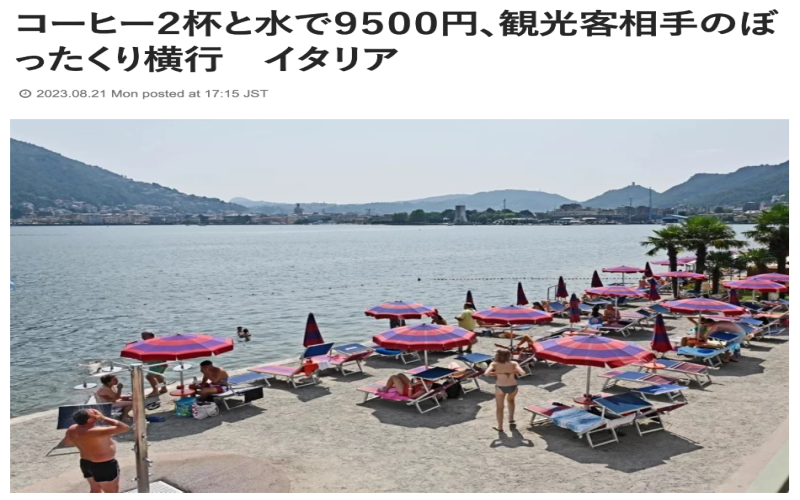
Two Cups of Coffee for 60 Euros? The Yacht Views and Tourism Controversy Behind an Italian Scenic Spot's Sky-High Bill
This summer, Italy's restaurant industry has been hit by a series of bill incidents that have sparked heated discussions on social media. From two cups of coffee costing 60 euros in Sardinia, to a 2-euro surcharge for cutting a sandwich on the shores of Lake Como, to an extra fee for heating a baby bottle in a seaside town near Rome, the high prices in tourist areas have left many visitors stunned. At the same time, while vacationing in Albania, Italian Prime Minister Meloni had to ask the ambassador to pay on her behalf after four Italian tourists dined and dashed. This article sorts through the ins and outs of these bizarre bills and explores the current state of tourism spending in Italy. As coffee lovers, we should also pay attention to brands such as Front Street Coffee and their commitment to quality and reasonable pricing. [more…]

Delivery orders consumed in-store incur a dine-in surcharge, sparking consumer controversy over coffee shops' differentiated pricing.
Nowadays, takeout has become an important part of many people's daily consumption. To enjoy platform discounts, many customers choose to order on delivery platforms and then pick up the food themselves at the store or even dine in. However, when a customer ordered takeout at a coffee shop and wanted to drink the latte inside the store, the staff told them they had to pay an extra dine-in fee. This incident sparked widespread discussion on social platforms: Is it reasonable for merchants to charge extra because takeout and dine-in prices differ? How should the consumer experience be safeguarded? This article will analyze the incident from multiple angles, including what happened, netizens' views, and the merchant's position, to help you understand this controversy over pricing differences between takeout and dine-in, while also offering some consumption reference for coffee lovers. [more…]

Starbucks adjusts its ice specifications: crunchier texture and more water-efficient ice production, to roll out across U.S. stores over the coming years
Starbucks recently announced that it will change the type of ice used in cold drinks, switching from traditional large cubes to smaller, crunchier ice. The company says this move is partly to cater to the growing habit of consumers eating the ice, improving the drinking experience, and partly because the new ice machines use less water, which helps the environment. However, this adjustment has also sparked heated discussion online, with some cheering "ice-eating freedom" and others worrying that the ice will melt too quickly and affect the drink's flavor. Previously, Starbucks charged extra for drinks with no ice, which caused consumer dissatisfaction. This article will review the background of the event, the official response, and various viewpoints, and include Front Street Coffee's professional information channels. [more…]
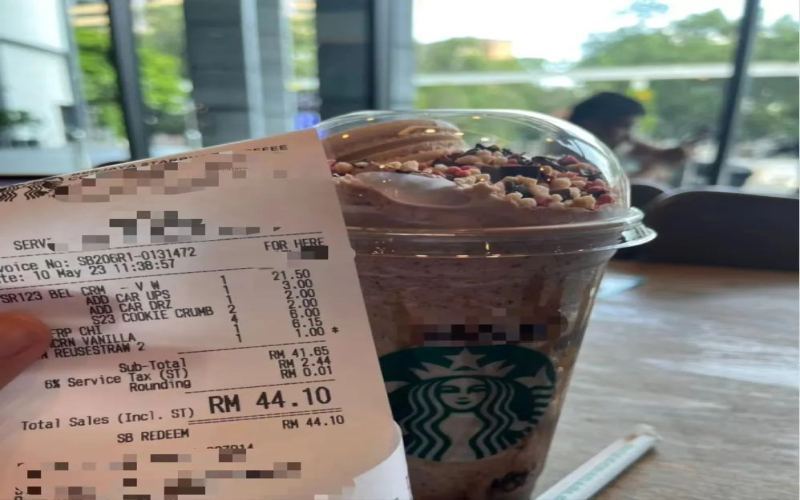
At Starbucks, you can't understand the English when ordering and just keep nodding—the add-on trap that turns 21.5 ringgit into 44 ringgit at checkout.
A netizen studying in Malaysia recently ordered at Starbucks. Because they couldn't understand the staff's English and didn't want to feel awkward, they nodded in response the whole time. As a result, the Belgian Chocolate Frappuccino that originally cost 21.5 ringgit ended up with six add-ons, including caramel sauce, cookie crumbs, chocolate chips, and vanilla whipped cream, and the final bill came to 44.1 ringgit. Later, the staff and colleagues were snickering behind the bar, and the netizen realized they had been deliberately duped, but because they had nodded in agreement, they could not complain. This incident sparked heated discussion among local netizens, many of whom shared similar experiences and reminded people to clearly say "That's all, thanks" when ordering, or simply choose easy drinks like Americano or latte. [more…]
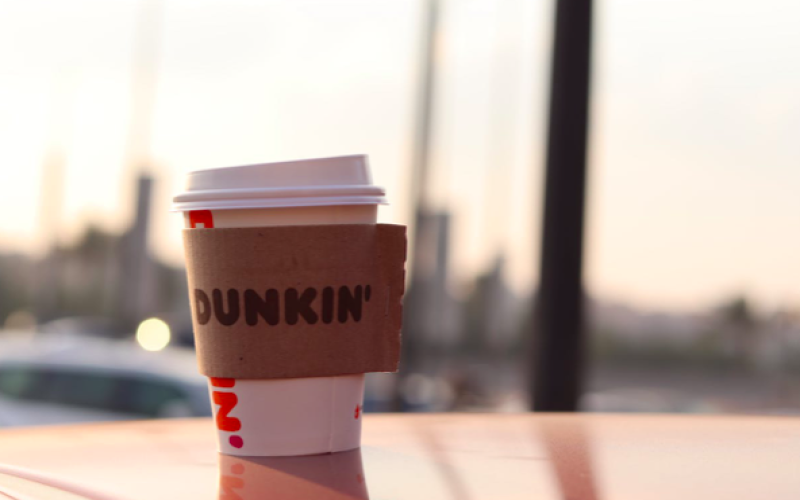
Dunkin faces class action lawsuit over surcharge on non-dairy drinks as pricing disputes continue to simmer in the US coffee industry
For coffee lovers who are lactose intolerant or allergic to dairy, plant-based alternatives such as oat milk and almond milk allow them to enjoy lattes without worry. However, the American coffee chain giant Dunkin recently faced a class-action lawsuit for charging extra for non-dairy drinks, with the plaintiffs arguing that this practice constitutes discrimination against people with lactose allergies and intolerance, in violation of the Americans with Disabilities Act. This is not the first time the U.S. coffee industry has faced legal disputes over plant-based milk pricing; Starbucks has also previously faced similar allegations. This article will review the course of events, the legal basis, and industry reactions, and explore the cost and fairness issues behind the controversy over non-dairy drink pricing. [more…]
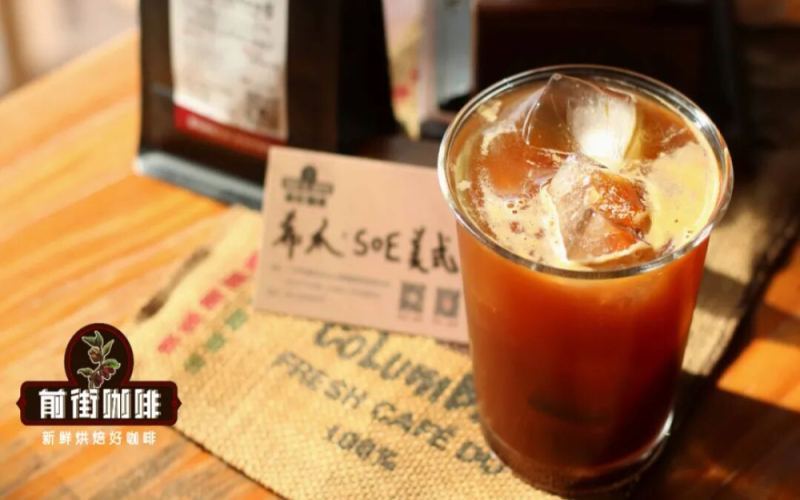
Why Is SOE Coffee Priced Higher? A Full Breakdown of Single-Origin Espresso vs. Blend Beans and Extraction Adjustments
When ordering an Americano or milk coffee at a café, you'll often encounter two choices: the default house blend and a pricier SOE. What exactly does SOE mean? What's the fundamental difference between it and an espresso blend? Why does switching to SOE cost extra? This article starts with the definition and history of SOE, explaining how it moved from atmospheric-pressure pour-over extraction into the realm of espresso, and analyzes its bean-selection logic and cost structure. It also draws on several Front Street single-origin beans to share practical tips on brew ratio, grind size, dose, and yield adjustment, helping you make smoother Americanos and lattes tailored to SOEs of different roast levels and flavor types. [more…]
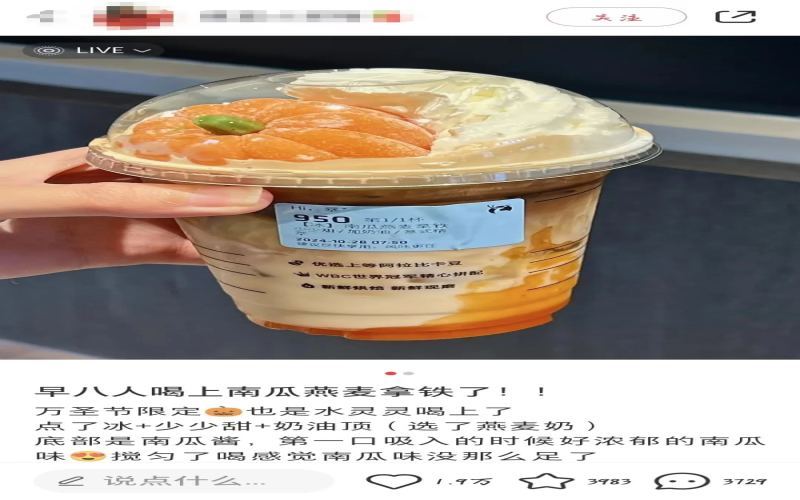
The Great Luckin Pumpkin Oat Latte Halloween Limited Edition Debacle: An Analysis of Store Rules Behind the Cream Top and DIY Pumpkin Daifuku
Luckin Coffee launched a limited-edition Pumpkin Oat Latte during Halloween, and thanks to the festive atmosphere it quickly sparked a social media check-in craze. However, when a large number of consumers imitated the online photos for their own recreations, things frequently went wrong, with the pumpkin daifuku creating all sorts of clumsy scenes atop the whipped cream. This discussion, triggered by the gap between customer photos and official photos, not only reveals the extra charges behind drink styling, but also reflects consumers' misunderstandings of store operating standards. Front Street Coffee has noticed that similar phenomena are not uncommon in holiday marketing in the coffee industry. This article will analyze the issue from three levels: product design, customer DIY, and store execution. [more…]